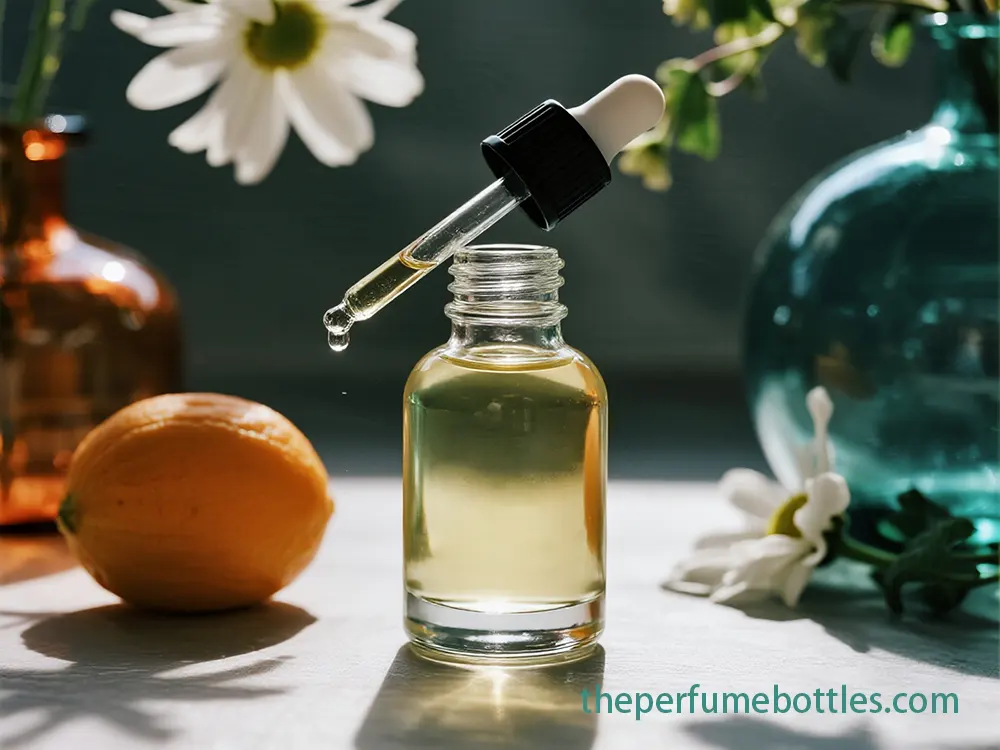
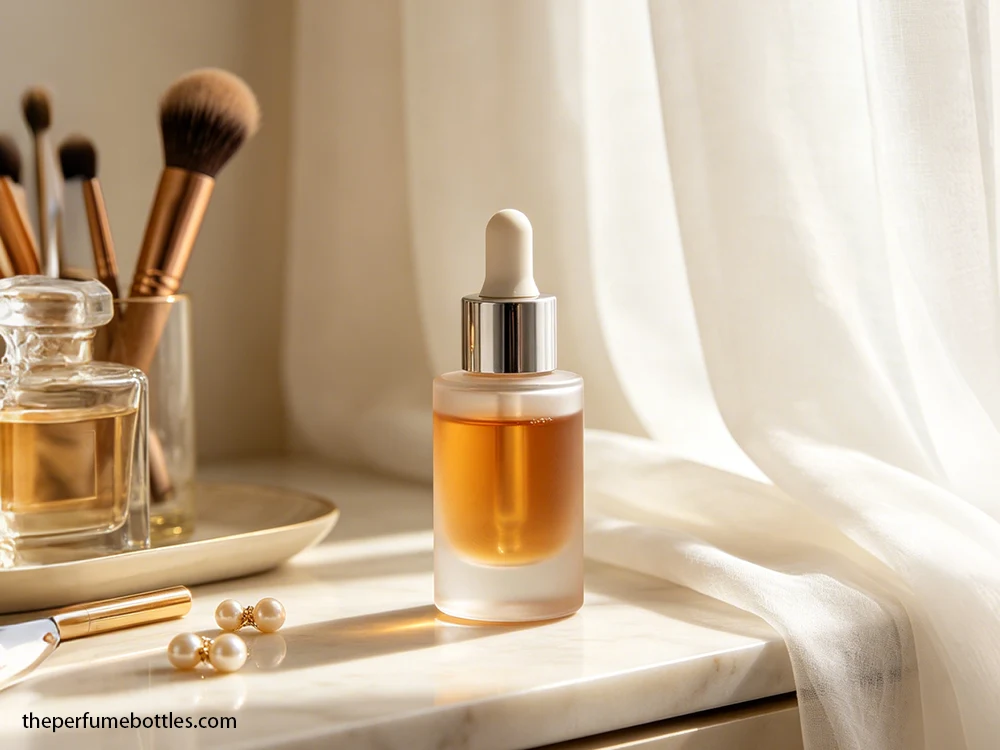
Dropper Bottle Manufacturer Trends in 2026
Table of Contents
The packaging industry rarely changes overnight. It moves through small fractures: a regulation update here, a failed shipment there, a brand discovering that its “premium” bottle leaks after six months on a retail shelf.
That is where many buyers misunderstand the role of a dropper bottle manufacturer.
They think they are buying glass containers, pipettes, and caps. They are not. They are purchasing consistency, chemical compatibility, reliability of their supply chain and the ability to avoid costly product packaging failures before they reach customers.
I have seen hundreds of cosmetic, essential oil, pharmaceutical and laboratory packaging decisions. The same error is re-appearing over and over again: buying by unit price and not technical ability.
That typically results in indirect expenses.
A $0.08 difference isn’t much when a batch of serum bottles doesn’t pass leakage tests or when essential oils interact with inappropriate packaging or when pharmaceutical packaging doesn’t meet regulatory standards.
Manufacturers who grasp one thing: a dropper bottle is no ordinary packaging, will reap the benefits on the 2026 market. It is a controlled delivery system.

Why Dropper Bottle Manufacturers Are Facing New Market Pressure in 2026
Demand for precision packaging in various industries is still on the rise.
Cosmetic companies are introducing dispensable concentrated serums, ingredients, facial oils, and botanical extracts. Pharma companies require packaging that has more consistency and safety measures. Wellness brands seek high-quality glass bottles that convey quality.
The U.S. Food and Drug Administration Packaging Regulations state that packaging materials for regulated products should provide protection against product contamination hazards.
The pressure is not only about appearance.
A professional buyer evaluating a dropper bottle supplier in 2026 will likely examine:
- Glass composition and chemical resistance
- Dropper accuracy
- Closure compatibility
- Leakage performance
- Color stability
- Recycling requirements
- Production capacity
- Quality inspection systems
The old “cheap bottle supplier” model is becoming weaker.
Brands are increasingly seeking a glass dropper manufacturer which offers technical support, customisation and reliable international supply.
Trend 1: Glass Remains the Preferred Material for Premium Dropper Packaging
But plastic does have pluses: It is cheaper, lighter, and easier to transport.
But many industries still prefer glass.
Why?
Because glass offers better chemical stability.
Essential oils, for instance, have an active substance that can react with some plastics. The glass bottles used are amber, which prevents UV degradation of light-sensitive formulas.
A dropper bottle commonly found in a pharmacy or cosmetics store might be:
- A type III soda-lime glass is used for this application
- Type I borosilicate glass
- Amber glass for UV protection
- Clear glass for visual product presentation
The argument is not “glass is always better.”
It depends on the formula.
A high-alcohol fragrance product, vitamin serum containing active ingredients, or essential oil blend requires different material testing compared with a simple water-based cosmetic formula.
| Material | Advantages | Common Applications | Buyer Concerns |
| Amber Glass | UV protection, chemical stability | Essential oils, skincare serums | Higher cost |
| Clear Glass | Premium appearance, transparency | Beauty products | Requires UV protection planning |
| Borosilicate Glass | Thermal resistance, durability | Pharmaceutical applications | Higher production cost |
| PET Plastic | Lightweight, economical | Mass-market products | Chemical compatibility concerns |
A reliable dropper bottle manufacturer should not simply ask, “What size bottle do you need?”
The better question is:
“What formula will this bottle contain?”
That single question separates packaging professionals from basic suppliers.

Trend 2: Custom Dropper Bottles Are Becoming a Brand Differentiator
Ten years ago, most brands accepted standard 10ml, 30ml, 50ml, or 100ml bottles.
That is changing.
Premium brands increasingly request:
- Custom bottle shapes
- Embossed logos
- Frosted finishes
- Gradient colors
- Custom pipette colors
- Unique caps
- Special coatings
A custom dropper bottle manufacturer now works closer to a design partner than a simple packaging vendor.
However, customization creates another problem: minimum order quantities.
Many buyers underestimate tooling costs.
A custom mold may require:
- Engineering evaluation
- Prototype development
- Glass testing
- Mold production
- Trial production
For small brands, using existing molds with customized finishing may provide better economics.
Unique bottle design can generate good shelf recognition for larger brands.
The right choice will depend on the volume of sales, brand positioning and long-term plans.
Trend 3: Pharmaceutical Buyers are pushing for Improved Quality Control
Packaging plays a critical role in the pharmaceutical industry, and there is no room for packaging mistakes.
A small failure in a dropper system can affect dosage accuracy.
Common quality concerns include:
- Dropper tip deformation
- Rubber bulb compatibility
- Glass cracks
- Closure leakage
- Incorrect dosage delivery
- Chemical migration
A pharmaceutical dropper bottle manufacturer must control:
- Incoming material inspection
- Glass forming parameters
- Annealing temperature
- Dimensional accuracy
- Leakage testing
- Sampling procedures
Many professional buyers follow international standards such as USP packaging requirements and ISO quality systems.
The United States Pharmacopeia Official Website provides standards widely referenced by pharmaceutical manufacturers worldwide.
The reality?
A supplier without documented quality procedures is not necessarily cheaper. They are transferring risk to the buyer.

Sustainability Is Changing Dropper Bottle Production
Sustainability is no longer only a marketing phrase.
Large brands are asking suppliers about:
- Recycled glass content
- Lightweight bottle design
- Reduced packaging waste
- Energy consumption
- Recycling compatibility
The European Union’s packaging regulations continue pushing companies toward improved packaging sustainability and waste reduction requirements.
According to the European Commission Packaging and Packaging Waste Regulation Information, packaging producers are facing increasing requirements around recyclability and waste management.
For dropper bottle suppliers, this means investing in:
- Lightweight glass technology
- Efficient melting processes
- Recycled glass usage
- Better transportation packaging
The future supplier relationship will include environmental discussions, not only price negotiations.
What Professional Buyers Should Check Before Choosing a Dropper Bottle Manufacturer
The biggest sourcing mistake I see is choosing a supplier based only on product photos.
Photos do not show:
- Production stability
- Glass stress problems
- Batch variation
- Closure testing
- Export experience
A serious evaluation should include:
| Evaluation Area | Questions Buyers Should Ask |
| Manufacturing Capacity | How many bottles can be produced monthly? |
| Quality Control | What inspections are performed during production? |
| Material Knowledge | Can the supplier recommend glass types based on formulas? |
| Customization | Can they support molds and surface finishing? |
| Packaging | How are bottles protected during international shipping? |
| Compliance | Can they provide relevant testing documents? |
Not every dropper bottle manufacturer is the best.
It’s the one that avoids costly issues!
FAQ
What is a dropper bottle manufacturer?
A dropper bottle manufacturer is a packaging firm that makes glass or plastic containers with dropper dispensing systems to release measured quantities of liquid for cosmetics, pharmaceuticals, essential oils and laboratory solutions.
Professional manufacturers handle the production of bottles, choice of materials, dropper assembly, quality testing, packaging customization and bulk supply, all of which are necessary to ensure the packaging performance is equivalent to that of various formulas.
What are the best dropper bottles manufacturers for bulk orders?
When selecting a dropper bottle manufacturer for bulk purchase orders, it is best to consider not just the price of the dropper bottle, but production capacity, quality systems, material knowledge, customization options, and export experience as well.
Bulk buyers must check the MOQ, sample approval procedure, inspection system, shipping protection and the supplier’s knowledge of chemical compatibility of the bottles in the product formula.
The common materials for wholesale dropper bottles are usually glass or plastic.The most common materials used for wholesale dropper bottles are glass or plastic.
The amber glass, clear glass, borosilicate glass, and selected plastic materials are typically used for the manufacture of wholesale dropper bottles, depending on the product’s needs.
Amber glass is often used in essential oils and skin care products due to its ability to block out the UV rays, and borosilicate glass is a better choice when a higher degree of thermal and chemical resistance is needed.

Is it appropriate to use glass dropper bottles in pharmaceutical products?
When the type of glass, closure system and manufacturing controls are appropriate to the required quality standards, glass dropper bottles are suitable for use in many pharmaceutical applications.
The list of the things that a pharmaceutical buyer considers before approving the packaging supplier includes things such as extractables, leakage resistance, dosage consistency, compatibility with the process of sterilisation and regulatory documentation.
Selecting the best manufacturing partner for 2026
The dropper bottle market is shifting from traditional dropper bottle manufacturing.
The successful suppliers will merge manufacturing expertise, material expertise and customization capabilities and transparency of quality.
When planning to launch a new product, the question shouldn’t be:
What is the least expensive bottle?
The better question is:
“Who is the dropper bottle company that will safeguard my formulation through to my customer?”
Whenever you are looking for wholesale dropper bottles, custom glass packaging or specific dropper solutions, partnering with an experienced glass manufacturer can help minimize risk, enhance product presentation, and establish supply stability for years to come.
Comments
Product Categories
Hot Sale Bottles

2026 Glass Roller Bottles Manufacturer Market Trends
Find out what to expect from the glass roller bottles manufacturer industry in 2026, including technology, quality, and supply chain trends.

Eco Friendly Cosmetic Packaging for Beauty Brands
Transitioning to eco-friendly cosmetic packaging is an essential step toward sustainability in the beauty industry. However, brands often worry about compromising product quality when shifting to sustainable solutions.

Plastic vs Stainless Steel Roller Balls: Best Choice for Glass Roller Bottles
Plastic vs stainless steel roller balls—compare flow, hygiene, and durability to choose the best roller ball material for glass roll-on bottles.

Custom Glass Bottles for Essential Oils: Complete Guide
Explore how custom glass bottles for essential oils improve product protection, branding, and user experience through quality materials and unique designs.

Empty Roll on Perfume Bottles: Leak-Proof Engineering & Product Integrity
Discover how empty roll on perfume bottles ensure leak-proof performance, product integrity, and reliable packaging for cosmetic applications.
- +86 186 5178 1159
- [email protected]
- Mon-Sun 07:00-21:00
Tags

Dropper Bottle Manufacturer Trends in 2026
Discover how a dropper bottle manufacturer is adapting to 2026 trends in materials, customization, sustainability, and bulk packaging solutions.

Case Study: Custom Clear Glass Roll On Bottles for Canada Brand
Learn how we provided custom clear glass roll on bottles for a Canada brand with quality materials, precise roller performance, and scalable manufacturing.

Custom Glass Bottles for Essential Oils: Complete Guide
Explore how custom glass bottles for essential oils improve product protection, branding, and user experience through quality materials and unique designs.

Glass Dropper Bottles Wholesaler Buying Guide
Learn how to source glass dropper bottles from a wholesaler with tips on bottle sizes, glass quality, droppers, customization, and supplier selection.