
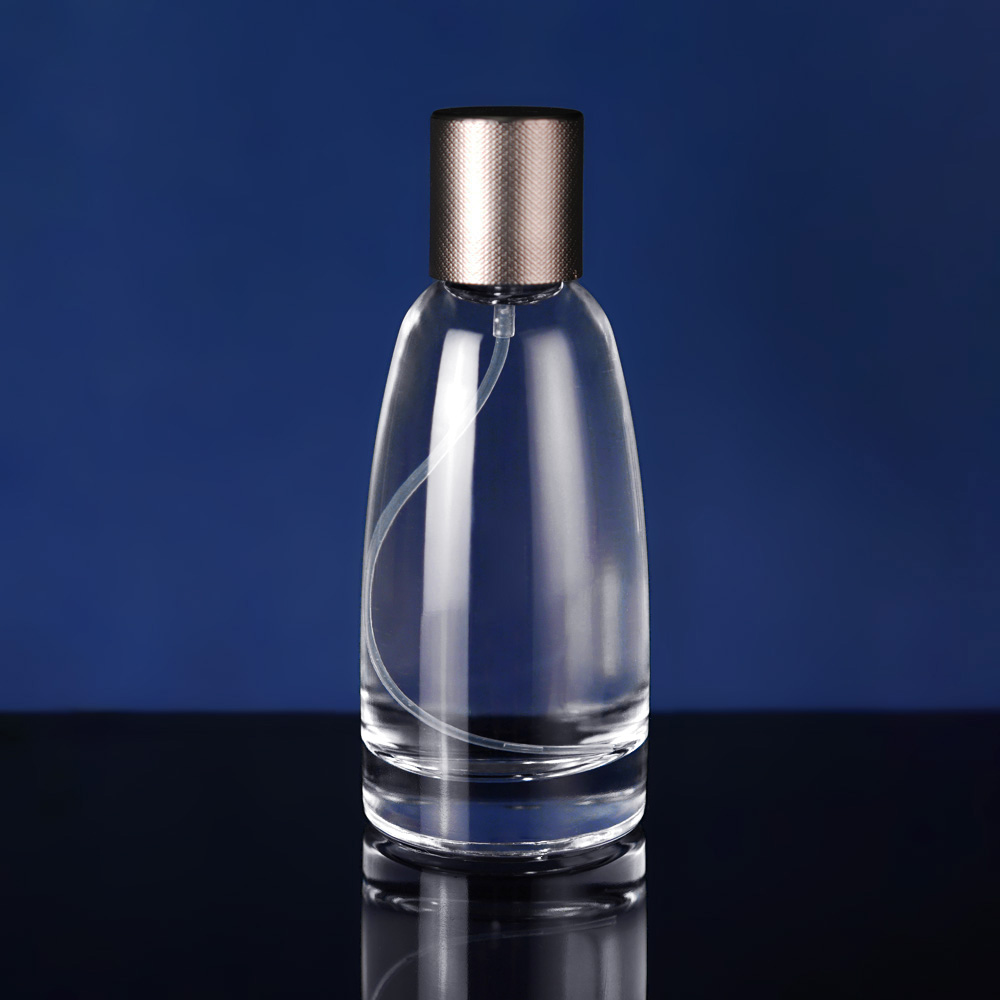
كيف يعزز مصنعو زجاجات العطور الزجاجية التمييز بين العلامات التجارية
جدول المحتويات
اكتشف كيف تساعد إحدى الشركات الرائدة في تصنيع زجاجات العطور الزجاجية العلامات التجارية في السوق الشامل على التميز
1. قوة التغليف في صناعة العطور في السوق الشامل
في كل متجر تقريبًا، يلعب مُصنِّع زجاجات العطور الزجاجية دورًا محوريًا، فمظهر الزجاجة يُعطي الانطباع الأول، وغالبًا ما يؤثر على قرار المشتري حتى قبل تجربة العطر. وتعمل العبوة كسفير عاطفي، إذ تنقل هوية العلامة التجارية وقصتها. زجاجة زجاجية مصممة خصيصًا، مصنوعة من قِبل حرفيين ذوي جودة عالية. زجاجات العطور الزجاجية تقوم الشركة المصنعة بتحويل العطر إلى "عنصر لا غنى عنه"، مما يعزز جاذبية العلامة التجارية ويعمق الارتباط العاطفي.
2. القدرات الأساسية لمصنع زجاجات العطور الزجاجية
يعتمد إنتاج الأشكال والألوان والأغطية المخصصة بكفاءة وفعالية من حيث التكلفة للعلامات التجارية في السوق الشامل على التصنيع المتقدم.
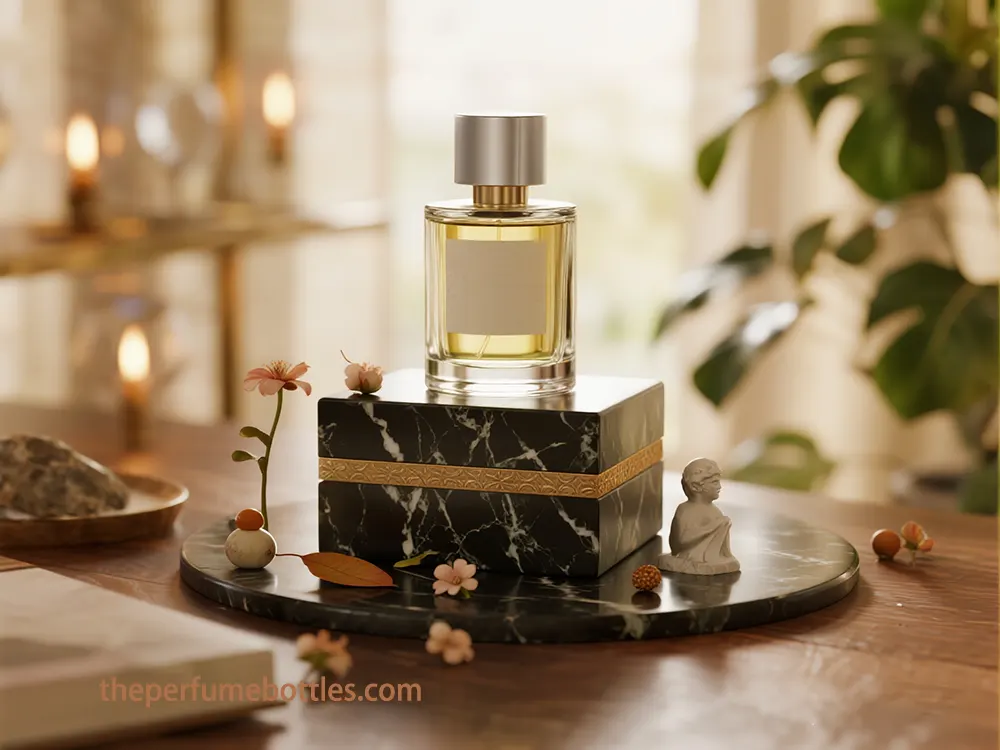
احصل على عينات مجانية
٢.١. تقنيات التشكيل للإنتاج بكميات كبيرة
طريقة "الضغط والنفخ" هي الطريقة الرئيسية لتصنيع العبوات الزجاجية بكميات كبيرة. يُملأ قالب معدني بكبس الزجاج المنصهر، ثم يُستخدم ضغط الهواء للحصول على الشكل النهائي. تتطلب طريقة "الضغط والنفخ"، إلى جانب النفخ العام، تحكمًا دقيقًا ومتكررًا في الضغط للحفاظ على جودة المنتج عند مستوى ثابت.
حاليًا، تعمل العديد من الأقسام المستقلة في آلات متعددة الأقسام، وتُستخدم أيضًا تقنية PLC متقدمة مع خوارزميات التحكم في الحركة. بفضل ذلك، يمكن مراقبة درجة الحرارة والتوقيت والضغط آنيًا، مما يسمح بتحقيق جودة إنتاج موحدة ومعدلات إنتاج عالية.
يُعدّ برنامج التصميم أساسًا للتصور ثلاثي الأبعاد، مع مراعاة خصائص مثل الحجم (30 مل، 50 مل، 100 مل)، وسماكة العنق (15 مم-18 مم). غالبًا ما تُطبع النماذج الأولى بتقنية الطباعة ثلاثية الأبعاد، وتُستخدم للتحقق من شكل المنتج وحجمه ووزنه (200-400 جم)، بالإضافة إلى بيئة العمل، قبل إنشاء القالب.
٢.٢. تقنيات تزيين متنوعة لتخصيص المنتجات للجمهور
توفر مجموعة كاملة من تقنيات الديكور إمكانية التخصيص بكميات كبيرة:
- الطباعة على الشاشة (الشاشة الحريرية): تعتبر طريقة الطباعة على الشاشة (بواسطة الشاشة الحريرية) متعددة الاستخدامات وطويلة الأمد وبسيطة للغاية؛ كما يمكن أتمتتها بسهولة باستخدام آلات PLC التي يمكنها الطباعة بما يصل إلى 4-5 ألوان على أشكال مختلفة (35-50 قطعة / دقيقة) ويمكنها دعم الأحبار التفاعلية مع الأشعة فوق البنفسجية والمعدنية.
- الختم الساخن (طباعة الرقائق المعدنية): باستخدام الحرارة والضغط، تُمنح الرقائق المعدنية أو الملونة سطحًا جديدًا بخصائص الساتان أو شبه اللامع أو شديد اللمعان لمظهر فاخر. تُزيّن الآلات الآلية زجاجات متنوعة بزاوية تصل إلى 360 درجة (حتى 2500 جزء/ساعة)، مما يُتيح وسيلةً لإضفاء قيمة عالية على المنتج.
- التجميد (الحفر الحمضي/التفجير الرملي): بهذه الطريقة، نحصل على طبقة نهائية شفافة غير لامعة، مما يمنح الزجاجة مظهرًا وملمسًا أفضل، ويحمي محتواها من الأشعة الضارة. إنها تقنية تزيين شائعة، واقتصادية نسبيًا.
- الرش/الطلاء الملون:طلاء الرش الآمن غذائيًا هو طريقة لخبز اللون المطلوب على سطح الزجاج. يمكن إضافة اللون أثناء الإنتاج بكميات كبيرة. من أحدث الطرق طلاء الرخام والطلاء الحراري.
- الطباعة بالأشعة فوق البنفسجية: تتضمن الطريقة استخدام أحبار رقيقة للغاية يتم معالجتها باستخدام ضوء الأشعة فوق البنفسجية على الفور وبالتالي تكون الطباعة ذات دقة عالية جدًا لأنواع التصميمات المعقدة أو التدرجات أو الصور الفوتوغرافية التي تتمتع بحيوية جيدة وعمر طويل وتكون مناسبة للإنتاج من أي حجم.
- الطباعة بالوسادة: مقارنةً بطرق الطباعة الأخرى، تُعد هذه العملية أبطأ، لذا ينبغي إيجاد حل لهذه المشكلة التقنية إذا كنت ترغب في استخدامها في عمليات التصنيع بكميات كبيرة. ومع ذلك، فهي مثالية للتصاميم المعقدة، وتُعد الأكثر دقة، شريطة أن يكون أقصى إنتاج بأقل جهد.
- النقش بالليزر: هو شعاع الليزر الذي يقوم بقص الصورة أو الشعار أو النص المطبوع، والعملية تتم بشكل آلي بالكامل حيث يتم التحكم فيها بواسطة برمجيات.
- الطلاء الفراغي (التعدين): يتم تحقيق ذلك عن طريق استخدام جهاز تفريغ الهواء ويتضمن تطبيق طبقة معدنية رقيقة للغاية تؤدي إلى تشطيب عاكس يشبه المرآة والذي يحمي المنتج من الأشعة فوق البنفسجية ويرفع المنتج من حيث الفخامة ومقاومة التآكل والحماية من التآكل.
- التجمع:يتم تطبيق الألياف البوليمرية، والتي من المرجح أنها مصنوعة من النايلون، من خلال تقنية "اللمسة الناعمة" المخملية، والتي بالإضافة إلى اللمس، تعمل أيضًا على تعزيز الجانب البصري لفخامة المنتج.
- الطلاء الهولوغرافي: إنها عملية طلاء أيوني مفرغ من الهواء متينة تؤدي إلى إضافة طبقة قزحية زاهية وملونة وجذابة.
٢.٣. تخصيص الغطاء واختيار المواد
تُصنع أغطية العطور من مواد مثل البولي بروبيلين، والأكريليك، والسورلين، والألمنيوم، والزاماك، والخشب، والأكريليك، مما يؤثر ليس فقط على السعر، بل أيضًا على مستوى الفخامة. تُعدّ مادة ABS مادة شائعة الاستخدام في منتجات السوق العام، وتتميز بمتانتها، وسهولة معالجتها، وملمسها الجميل. بالإضافة إلى ذلك، يمكن تخصيصها بالأشعة فوق البنفسجية، أو التمعدن، أو الطباعة بالنقل. بمجرد تثقيل أغطية ABS بحشوات معدنية، يُصبح المنتج الناتج مشابهًا جدًا لزجاجة زاماك باهظة الثمن، وهو مناسب للأسواق المتوسطة. تتميز مادة السورلين بشفافيتها وملمسها الشبيه بالزجاج، مما يجعلها أكثر جاذبية وديمومة.
بالنسبة للأغطية البلاستيكية، تلعب عملية حقن القالب دورًا محوريًا. تتراوح تكاليف القوالب المُصنّعة للأغطية عادةً بين 7000 و40000 دولار أمريكي. على الرغم من أن قوالب رأس المضخة الكاملة ذات الـ 16 تجويفًا قد تتجاوز تكلفتها 120000 دولار أمريكي، إلا أنه بمجرد تغيير مكونين رئيسيين (مثل المشغل والطوق الملولب)، يُمكن تحقيق انخفاض كبير في تكاليف الأدوات يصل إلى 12000-15000 دولار أمريكي، مما يُحافظ على التوازن بين درجة التخصيص وتكلفة الإنتاج الضخم. يمكن رفع قيمة المنتج بشكل كبير بمجرد زيادة كبيرة في وزن غطائه، مما يمنحه مظهرًا وملمسًا أكثر فخامة.
2.4. مراقبة الجودة والكفاءة في الإنتاج عالي السرعة
تُجرى مراقبة جودة صارمة في كل مرحلة، بدءًا من المواد الخام ووصولًا إلى المنتج النهائي. تتضمن أنظمة التفتيش الآلية استخدام كاميرات عالية السرعة، وأجهزة استشعار بالأشعة تحت الحمراء، وأدوات قياس دقيقة تتيح التحقق الفوري من أبعاد المنتج المُفحص بزاوية 360 درجة، والتحقق من وجود عيوب فيه. تُعد عمليات الفحص متعددة المراحل (مثل أخذ العينات من الطرف الساخن، وفحص ما بعد التلدين) بالغة الأهمية. بالإضافة إلى ذلك، تُعدّ المراقبة المستمرة لدرجات حرارة الفرن، وخلط الدفعات، وفحص القالب بنفس القدر من الأهمية. وقد اختصرت الأنظمة الآلية وقت اكتشاف العيوب من أكثر من 8 ساعات إلى 30 دقيقة، مما قلل بشكل كبير من النفايات وانبعاثات ثاني أكسيد الكربون.
3. التمايز الاستراتيجي: زجاجات العطور الزجاجية المخصصة لسرد قصص العلامة التجارية
تساعد الزجاجات المصممة ومخططات الألوان وخيارات الأغطية المخصصة العلامات التجارية في السوق الشامل على التعبير عن هوية علامتها التجارية، وزيادة قيمة العلامة التجارية التي يدركها العملاء، وإنشاء ميزات وظيفية تجذب انتباه المستهلكين وتحظى باستجابة إيجابية منهم.
٣.١. دلالات شكل الزجاجة وتصميمها
زجاجات العطر تُعدّ "سفراءً عاطفيين" يُجسّدون هوية العلامة التجارية وقصتها، ما يُؤثّر بشكل كبير على عملية الشراء حتى قبل شم رائحتها. عناصر التصميم، كالشكل واللون والمادة والغطاء والوزن والشعار والطباعة، تُشكّل معًا تجربةً متعددة الحواس تُعرّف المستهلك بالعلامة التجارية.
- مستطيل/مربع (على سبيل المثال، شانيل رقم 5) تشير إلى الدقة والقوة والطبيعة الدائمة.
- منحني/مدور (على سبيل المثال، جان بول غوتييه) تشير إلى الحسية، وتكون محبوبة وناعمة، وبالتالي يمكن أن تجذب جمهورًا واسعًا.
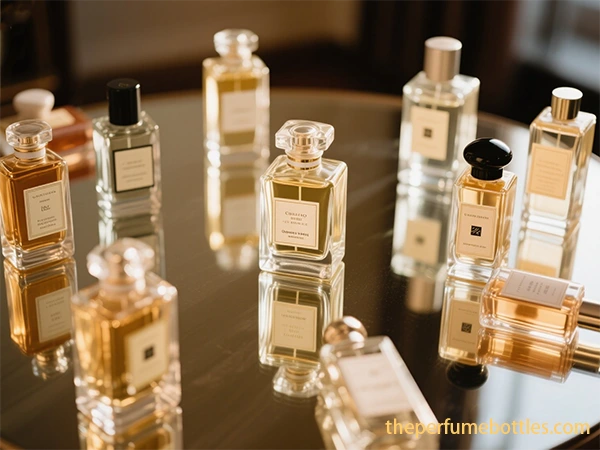
- أنيق، بسيط، أسطواني (على سبيل المثال، Jo Malone، Byredo) كلها حديثة وبسيطة ومتعددة الاستخدامات، وهذا هو السبب في أنها مناسبة للعطور المعاصرة والجنسين.
- فريد/غير تقليدي (على سبيل المثال، نجمة فيلم "Angel" من تييري موغلر، ودبدوب "Toy" من موسكينو، والكعب العالي من كارولينا هيريرا) تعبر عن أفكار صاخبة، وتعكس تفرد الشخص وتصبح من القلائل جدًا الذين يمكن للناس أن يتذكروهم بسهولة وبالتالي رفع معدل التذكر بنسبة تزيد عن 30%.
- طويل ونحيف الزجاجات أنيقة؛ أشكال أوسع نقل القوة.
3.2. علم نفس اللون واللمسة النهائية
يتوافق علم نفس الألوان مع طبيعة الرائحة والمستهلك المحتمل.
- الألوان الدافئة (الأحمر، البرتقالي، الأصفر) تعطي شعوراً بالنشاط.
- الألوان الباردة (الأزرق والأخضر) يعطي انطباعا بالاسترخاء.
- الألوان المحايدة (الأسود، الأبيض) هما اللونان اللذان يعبران عن الأناقة.
- لون القرنفل يدل على الحب؛ النغمات المعدنية (الذهب والفضة) يعطي انطباعا بالفخامة.
- تصميمات متدرجة/ثنائية اللون أصبحت أكثر وأكثر شعبية.
- حتى لون الزجاجة يمكن أن يغير طريقة شم الشخص للرائحة.
تُضفي القوام واللمسات النهائية لمسةً من الفخامة. يُعدّ الزجاج المُعتّق مثالاً رائعاً على الأناقة البسيطة التي تُضفيها هذه المادة. تُعبّر اللمسات النهائية غير اللامعة عن أسلوبٍ راقي؛ وتُضفي اللمعان اللامع والطلاءات المُبلورة شعوراً بالخلود. يُضفي التمعدن على القطعة مظهراً فاخراً للغاية. تُعدّ الملصقات الناعمة والشعارات البارزة طرقاً ملموسةً لإظهار الفخامة.
3.3. التواصل مع الفئات المستهدفة
تقوم العلامات التجارية الناجحة بتحليل ومعرفة تفضيلات عملائها وثقافتهم وسلوك الشراء لديهم.
- المستهلكات: إعطاء الأولوية لجوانب مثل الجودة والمظهر واللون والإنتاج، مما يؤدي بالتالي إلى اتجاه نحو الزجاجات المخصصة الجذابة عاطفياً وجمالياً.
- الأجيال الأصغر (الجيل Z، جيل الألفية):يرغبون في روائح شخصية وأصلية ومُصممة خصيصًا تُمثل قيمهم (مثل المصادر الأخلاقية). إنهم على استعداد لدفع المزيد مقابل منتجات فريدة وجذابة بصريًا و"مناسبة للنشر على إنستغرام" والتي تُحقق تفاعلًا كبيرًا على وسائل التواصل الاجتماعي.
- الفروق الثقافية: يعكس تصميم التغليف القيم الثقافية؛ على سبيل المثال، تتميز أسواق الشرق الأوسط باستخدام الذهب النابض بالحياة والأنماط المعقدة، في حين تركز التصميمات الآسيوية بشكل أكبر على البساطة.
٣.٤. ما وراء الجماليات: بيئة العمل والعناصر التفاعلية
الأداء الوظيفي وتجربة المستخدم أمران لا غنى عنهما. خلل في إغلاق الغطاء، أو صعوبة استخدام الفوهات، أو الأشكال غير الملائمة، كلها عوامل تُقلل من رضا المستخدمين. يجب ألا يقتصر دور التغليف على حماية المنتج فحسب، بل يجب أن يكون سهل الاستخدام أيضًا (بيئة العمل، وقبضة اليد، والحجم، والسعة).
تعمل المكونات التفاعلية مثل رموز الاستجابة السريعة وعلامات NFC وميزات الواقع المعزز على إثراء تجربة فتح العبوة وتقديم معلومات المنتج وإشراك المستخدمين، مما يجعل العبوة "مناسبة للنشر على Instagram".
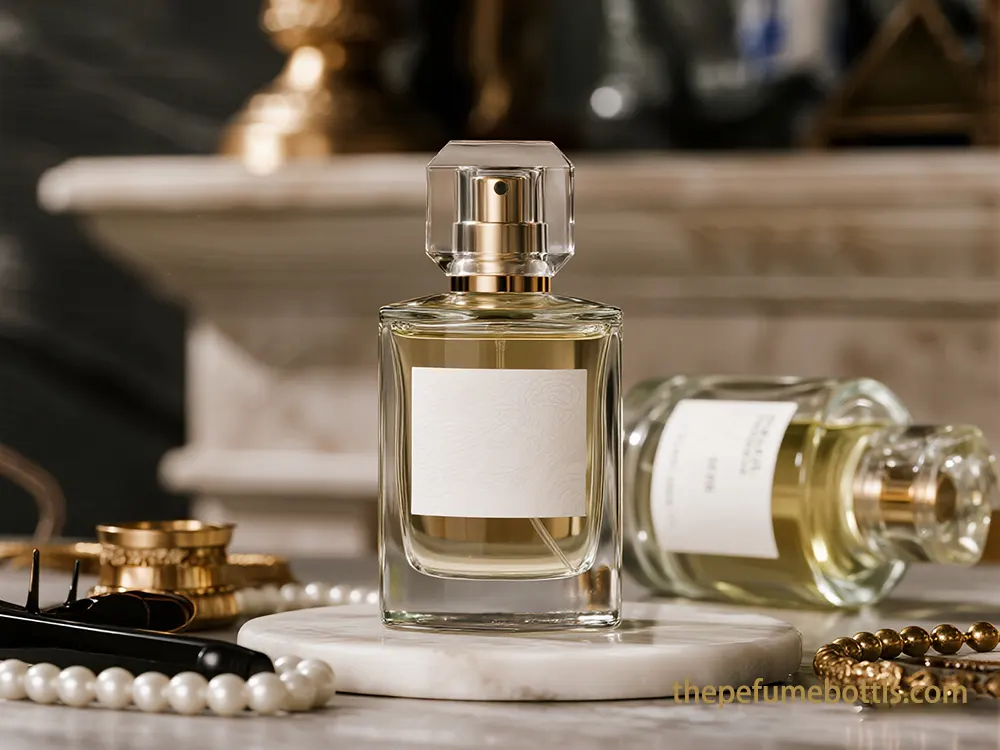
احصل على عينات مجانية
4. تحسين القيمة: آثار التكلفة وعائد الاستثمار لتخصيص السوق الشامل
يتطلب الاستثمار في زجاجات العطور الزجاجية المُخصصة الموازنة بين الميزات الفريدة والأسعار المعقولة. ويتجاوز عائد الاستثمار المبيعات ليشمل قيمة العلامة التجارية والولاء.
4.1. مكونات التكلفة ووفورات الحجم
تتأثر التكاليف بـ:
- إنشاء القالب:الحاجز الرئيسي هو الاستثمار الأولي والذي عادة ما يكون في نطاق 3000 إلى 10000 دولار أمريكي+ للتصميم المعقد ويمكن أن يصل إلى 50000 دولار أمريكي كحد أقصى.
- مواد خام:يتراوح سعر الزجاج العادي بين 0.50 دولار إلى 5 دولارات للزجاجة؛ وتتراوح تكلفة الأجزاء البلاستيكية/الرذاذات بين 0.10 دولار إلى دولار واحد؛ وتتراوح تكلفة الأجزاء المعدنية الفاخرة بين 10 دولارات للزجاجة.
- استهلاك الطاقة: يتم استخدام معظم الطاقة، أي 70% منها، في عملية الصهر/التكرير، وبالتالي فهي تمثل 20-30% من إجمالي تكاليف الإنتاج.
- تكاليف العمالة:٠.٥٠-٢/زجاجة للتجميع ومراقبة الجودة والتعبئة، وهو ما يمثل ٤٠-٧٠٪ من إجمالي الإنتاج. كما أن المناطق ذات تكاليف العمالة المنخفضة تُخفّض تكاليف العمالة لشركائها التجاريين.
- الديكور/التشطيب:الديكور القياسي 0.10-0.50 دولار/زجاجة؛ التفاصيل المعقدة 0.50 دولار-2 دولار؛ خدمات مخصصة للغاية 75 دولارًا+.
- الخدمات اللوجستية/التعبئة والتغليف: الشحن 0.02-0.10/وحدة؛ التغليف الخارجي 0.50-10+.
وهذا هو السبب وراء تحقيق ذلك اقتصاديات الحجم هذا أمر بالغ الأهمية. تنخفض تكلفة الوحدة بشكل كبير مع زيادة الحجم. فبينما يتراوح سعر الدفعات الصغيرة بين 5 و10 وحدات، تتراوح تكلفة الإنتاج على نطاق واسع بين 1 و3 وحدات للزجاجة. عادةً ما تتطلب التصاميم المخصصة بالكامل كميات طلب دنيا عالية، تصل في أغلب الأحيان إلى 10,000 وحدة أو أكثر، مع احتياج بعض المصانع إلى 50,000-300,000 وحدة لتحقيق أدنى قدر من الجدوى الاقتصادية.
يعد تزيين المخزون أكثر ملاءمة للشركات الناشئة، حيث لا توجد رسوم على القالب والحد الأدنى لكمية الطلب أقل (500-3000 وحدة)، وبالتالي يتم تقليل المخاطر المالية لاختبار السوق.
4.2. قياس عائد الاستثمار
التغليف المخصص هو خطوة تجارية مخططة تجلب الكثير من الأرباح:
- تأثير المستهلك: في أغلب الأحيان (72%) من المستهلكين يستخدمون التغليف كمعيار رئيسي لاتخاذ القرار بشأن المنتج الذي يريدون شرائه؛ ويتجنب حوالي 60% منهم التغليف غير الجذاب.
- استدعاء العلامة التجارية/التعرف عليها: ويساعد ذلك على تذكر العلامة التجارية بنسبة 58% (نيلسن، 2023)، وبالتالي إنشاء رمز فريد.
- القيمة المدركة/التسعير المتميز: من أهم مزاياها رفع مستوى القيمة المُدركة، وبالتالي رفع أسعارها. فالمستهلكون على استعداد لدفع ما يصل إلى 35% زيادةً مقابل تغليف عالي الجودة.
- رفع المبيعات المباشرة: قد تؤدي العبوات المخصصة إلى زيادة المبيعات بنسبة تصل إلى 40%، ومبيعات المتاجر بنسبة 30% (NielsenIQ). وتؤدي الزجاجات ذات التصميم الجمالي إلى زيادة نوايا الشراء لدى المستهلكين بنسبة 25%.
- التمايز الاستراتيجي: وهذا شرط أساسي للبقاء في سوق من المتوقع أن يصل حجمه إلى 35 مليار دولار بحلول عام 2030.
- الولاء للعلامة التجارية/الارتباط العاطفي: من خلال حب العلامة التجارية، فإن العميل السعيد سوف يولد طواعية عمليات شراء متكررة.
- الاستدامة كمحرك للقيمة: 52% من المستهلكين يختارون العلامات التجارية الصديقة للبيئة؛ الاتصالات الصديقة للبيئة مسؤولة عن زيادة المبيعات بنسبة 28% (ماكينزي، 2023).
- الحماية من التزوير: من الصعب تقليد الأشكال المخصصة المصممة بشكل فريد.
- الكفاءة التشغيلية: يساعد في تحرير الشركة من دورة البضائع التالفة المكلفة والنفقات المرتبطة بها.
- "تجربة فتح الصندوق": التواصل المتبادل بين الأطراف المعنية يتم تسهيله من خلال وسائل التواصل الاجتماعي، على أعلى مستوى ممكن، والتسويق الحديث.
تشمل مؤشرات الأداء الرئيسية المبيعات، ورضا العملاء، وإدراك العلامة التجارية، والكفاءة التشغيلية، والتفاعل، ومعدلات العائد. كما تُعدُّ استعادة العلامة التجارية وقيمة عمر العميل من الأمور بالغة الأهمية. تُعدُّ النمذجة المالية (السلاسل الزمنية، الانحدار الخطي المتعدد) إحدى طرق التنبؤ بعائد الاستثمار.
5. حلول مستدامة: تخصيص صديق للبيئة لجذب المستهلكين
إن الطلب المتزايد من جانب المستهلكين على المنتجات الصديقة للبيئة يؤدي إلى التصنيع المستدام لزجاجات العطور الزجاجية الموجهة للسوق الشامل.
5.1. إعادة تدوير المحتوى وتخفيف الوزن
- المحتوى المعاد تدويره (زجاج PCR):يُعد استخدام الزجاج المُعاد تدويره بعد الاستهلاك (PCR) اتجاهًا سائدًا في هذه الصناعة، بهدف تقليل البصمة الكربونية والطلب على المواد الخام. وقد حققت بعض الشركات نسبة تصل إلى 60% من نسبة إعادة تدوير الزجاج المُعاد تدويره بعد الاستهلاك، بينما تستخدم لوكسيتان نسبة 100%. وبلغ متوسط نسبة إعادة تدوير الزجاج في الاتحاد الأوروبي 52% في عام 2021.
- تخفيف الوزن: يُحقق تقليل استخدام الزجاج دون التضحية بالمتانة أو المظهر مزايا بيئية واقتصادية: تقليل استخدام المواد الخام، وانخفاض تكاليف الإنتاج والنقل، وانخفاض انبعاثات ثاني أكسيد الكربون. اليوم، أصبحت الزجاجات أخف وزنًا بنسبة 30% مقارنةً بزجاجات ما قبل 20 عامًا، كما انخفضت انبعاثات ثاني أكسيد الكربون بنسبة 70% مقارنةً بزجاجات ما قبل 50 عامًا. ويُساعد زجاج البورسليكات على الحصول على جدران أرقّ وأكثر متانة في الوقت نفسه.
5.2. أنظمة إعادة التعبئة واعتماد المستهلك
يُعد استخدام أنظمة العطور القابلة لإعادة التعبئة وسيلةً لتقليل النفايات وتوفير التكاليف. تمتلك علامات تجارية فاخرة مثل جيرلان وموغلر خطوط إنتاج قابلة لإعادة التعبئة، مما يُسهم في خفض النفايات بنسبة تصل إلى 45%. ومن المتوقع أن يبلغ حجم سوق زجاجات العطور القابلة لإعادة التعبئة العالمي 1.5 مليار دولار أمريكي بحلول عام 2025، بمعدل نمو سنوي مركب قدره 7% من عام 2025 إلى عام 2033.
Haptic Finishes:
5.3. الشهادات والأطر التنظيمية
الشهادات التي تعزز الاستدامة:
- معتمد من المهد إلى المهد™: يتضمن التقييم صحة المواد، وإعادة استخدام المواد، وإدارة المياه، والطاقة من المصادر المتجددة، والعدالة الاجتماعية.
- شهادة B Corp: يعترف بالأداء الاجتماعي والبيئي الممتاز.
- شهادة Ecocert: تقوم بإصدار شهادات لمستحضرات التجميل العضوية/الطبيعية بمعايير صارمة للغاية فيما يتعلق بالمكونات والإنتاج والتعبئة والتغليف.
- تقييمات EcoVadis: يغطي الجوانب البيئية وحقوق العمال وحقوق الإنسان وأخلاقيات العمل والمشتريات المستدامة.
- المعيار العالمي لإعادة التدوير (GRS):يقدم أدلة على ممارسات إعادة تدوير المحتوى وسلسلة التوريد.
- الورق المقوى المعتمد من FSC: للتغليف الخارجي المصنوع من الخشب من الغابات المُدارة بشكل مسؤول.
تتطلب لوائح الاتحاد الأوروبي، مثل لائحة التعبئة والتغليف ونفايات التعبئة والتغليف (منتصف عام 2026)، نظامًا موحدًا لإعادة الاستخدام، وبرامج إرجاع الودائع، والتغليف الذي يمكن إعادة تدويره بحلول عام 2030. كما تحدد أهدافًا لخفض النفايات (5% بحلول عام 2030، و10% بحلول عام 2035، و15% بحلول عام 2040)، وتقلل من "المواد المثيرة للقلق"، وتطبق مسؤولية المنتج الموسعة (EPR).
٥.٤. استعداد المستهلك لدفع ثمن التغليف المستدام
سيدفع معظم المستهلكين مبالغ أكبر مقابل التغليف المستدام. ووفقًا لتقرير شركة تريفيوم للتغليف لعام ٢٠٢٣، فإن ٨٢٪ من المستهلكين مستعدون لدفع مبالغ أكبر، وهي زيادة عن السنوات السابقة. ويبدي المستهلكون استعدادًا لدفع مبالغ أعلى بنسبة ١٦٪ مقابل تغليف مصنوع جزئيًا من الورق. وأفاد ٦٣٪ من المشاركين في الاستطلاع أنهم يتوقعون توفير ما بين ١٠٪ و٢٠٪ من سعر منتجات التجميل القابلة لإعادة التعبئة لتشجيعهم على شرائها. ويبدي المستهلكون الشباب وأصحاب الدخل المرتفع قلقًا بالغًا، وهم على استعداد لدفع مبالغ أكبر.
الحلول المقترحة للتخصيص المستدام:
- تحسين تجربة إعادة التعبئة: أجهزة سهلة الاستخدام، خالية من الانسكاب؛ تعليمات واضحة؛ "تغليف ذكي".
- التسعير الاستراتيجي/اتصالات القيمة:من ناحية أخرى، يمكن التركيز على المدخرات طويلة الأجل؛ ومن ناحية أخرى، يمكن تقديم تسعير متدرج (على سبيل المثال، إعادة تعبئة أرخص بنسبة 10-20%).
- تحسين التوافر/الرؤية: جعل المنتجات في متناول شريحة أوسع من الجمهور؛ وضع لافتات واضحة داخل المتجر.
- تعزيز التسويق/الشفافية: توصيل الفوائد البيئية للمنتج بطريقة واضحة؛ واستخدام "الملصقات البيئية" لتسهيل الثقة ومكافحة "التضليل البيئي".
- معالجة التصورات الجمالية/الجودة:إنشاء عبوات صديقة للبيئة تحافظ على المنتج فاخرًا وجذابًا بصريًا ومناسبًا أيضًا لوسائل التواصل الاجتماعي.
- التغلب على فجوة السلوك والموقف:توفير الخيارات للمستهلكين لاتخاذ خيارات مستدامة مريحة وبأسعار معقولة وجميلة من الناحية الجمالية.
٦. آفاق المستقبل: ابتكارات في تخصيص زجاجات العطور للسوق الشامل
يتأثر مستقبل تخصيص زجاجات العطور في السوق الشامل بالتقنيات المتقدمة والمواد المعقدة والاحتياجات المتغيرة للتخصيص والصديقة للبيئة.
٦.١. كيف يستخدم مُصنِّعو زجاجات العطور الزجاجية الذكاء الاصطناعي في التصميم والتخصيص الفائق
تعمل الذكاء الاصطناعي على إعادة اختراع تصميم العبوات من خلال النظر إلى الاتجاهات والتركيبة السكانية لمعرفة التصميم واللون والصور التي تناسب بشكل أفضل، وبالتالي، يصبح جزء التصميم أسهل. تتيح الإجراءات مثل DesignNBuy الوصول إلى أدوات تصميم الذكاء الاصطناعي، والتي تساعد في التعديل المباشر والطباعة التي تتطلب نتائج. يقوم Packify.ai بإنشاء صور للمنتجات ويحصل على الأفكار من تعليمات المستخدم، وبالتالي تتم عملية التصميم بأكملها بسرعة. تعمل أدوات الذكاء الاصطناعي مثل Fragrance Innovator كمصدر إلهام لتصميمات الزجاجات الإبداعية، وقد تأتي المدخلات من مجموعة متنوعة من المجالات المختلفة. بوجود هذه التكنولوجيا في متناول اليد، يمكن للمرء أن يتخيل بسهولة الاستخدام النادر جدًا للتغليف الاستهلاكي العادي والعامة ومنخفض التكلفة من خلال الإنتاج المخصص للزجاجات الشخصية. أي أن البيانات البيومترية قد تعمل كوسيلة تحمل معرف Phygital لوضع العلامات على البريد العشوائي لجعل منتج كل شخص فريدًا متاحًا.
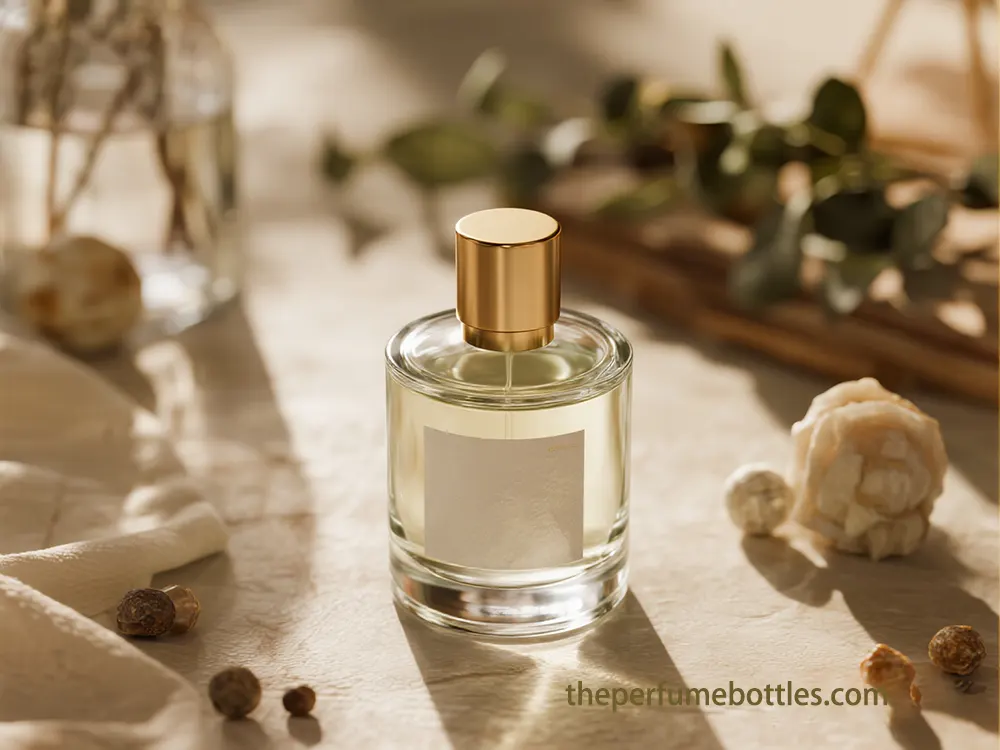
احصل على عينات مجانية
6.2. التصنيع المتقدم والطباعة الرقمية
- الطباعة ثلاثية الأبعاد: لا تزال تقنية الطباعة ثلاثية الأبعاد المباشرة للقوارير الزجاجية للاستخدام على نطاق واسع في مراحلها الأولى، إلا أنها تُستخدم على نطاق واسع في عمليات الإنتاج الأولى، والديكورات والزخارف حسب الطلب. لذا، يُمكن استخدامها في البحث والتطوير وتصميم العبوات، بالإضافة إلى التسويق، من خلال تحديد توقيت التواصل مع العلامة التجارية والمنتج، والمحتوى، والعروض التقديمية، والفعاليات. وقد طبقت شركة فيكتور آند رولف منهجية الطباعة ثلاثية الأبعاد في إنتاج عبوة فلاور بومب محدودة الإصدار بنمط مُعقد من الأزهار.
- الطباعة المباشرة على الزجاج: تُعد الطباعة الرقمية بمثابة "تغيير جذري" عندما يتعلق الأمر بالصور الجذابة بصريًا والتفاصيل العالية والألوان المكثفة مباشرة على الزجاج مع دعم الأدلة الواقعية والأنماط المعقدة. تتيح الطباعة بالأشعة فوق البنفسجية إمكانية ظهور الشعارات بأي لون، بينما يمكن أن يكون النص أبيض نقيًا والتأثير المعدني للطباعة مصنوعًا مباشرة على زجاج وحدة واحدة (1-2 قطعة). تطرح التقنيات المذكورة أعلاه فكرة الملصقات الدائمة والموثوقة للحاويات الزجاجية.
6.3. تفاعل غامر مع المستهلكين باستخدام الواقع المعزز والتغليف الذكي
الواقع المعزز (AR) أداةٌ أساسيةٌ في صناعة التغليف لتعزيز تفاعل المستهلك. يمكن للمستهلك، من خلال هاتف ذكي مزود بتقنية الواقع المعزز، الاستمتاع بتجربة فتح علب افتراضية غامرة، وقصص عن الروائح، وملامح بصرية للروائح، أو حتى رؤية الزجاجات المُخصصة من منظور الشخص الأول بمجرد مسح العبوة. تكشف تجربة الواقع المعزز من جو مالون عن علاقات الروائح. تتجاوز زجاجة باكو رابان "المتصلة" المزودة بشريحة NFC صغيرة مجرد توفير إمكانية الوصول إلى الألعاب وقوائم التشغيل وميزات الواقع المعزز، لتمنح المستخدم تجربة تفاعلية فريدة. يتيح هذا "التغليف الذكي" (رموز الاستجابة السريعة، وشرائح NFC) أيضًا مكافحة التزوير في الوقت الفعلي، وسرد قصص العلامة التجارية، والتفاعل مع العملاء بأسلوبٍ حصري.
6.4. ابتكارات في تركيب الزجاج وطلائه
- تركيبات زجاجية جديدة:
- زجاج خفيف الوزن للغاية: يُقلل انبعاثات ثاني أكسيد الكربون أثناء الإنتاج والنقل، كما يوفر المال. استطاعت شركة Verescence تحقيق خفض إجمالي في الوزن يصل إلى 60% دون المساس بفخامة المنتج. يسمح استخدام زجاج البورسليكات بجدران أرق وأكثر متانة.
- زجاج عالي القوة: يوفر زجاج البورسليكات مقاومةً للصدمات الحرارية للأشكال المعقدة. ولهذا الغرض، يمكن تحسين أداء المنتج ومتانته أيضًا من خلال استخدام تقنيات طلاء متعددة.
- وضوح مُحسَّن: يتم اختيار زجاج الصوان الفائق لوضوحه الفائق في عبوات العطور الفاخرة.
- الطلاءات المتقدمة:
- مقاومة للخدش/المواد الكيميائية: مع طلاء GLASNOL®، لا يكتسب السطح المُعالَج لمعانًا فائقًا فحسب، بل يُصبح أيضًا أكثر مقاومةً للتآكل والتلف مع مرور الوقت. يُحسّن الطلاء المعدني (الطلاء بالأشعة فوق البنفسجية) الحماية من التآكل والتآكل والخدوش.
- الطلاءات الواقية من الأشعة فوق البنفسجية: طلاء لومي من ستولزل (أكتوبر ٢٠٢٤) هو واقي من الأشعة فوق البنفسجية يتميز بشفافية بصرية ممتازة. "الدروع غير المرئية" من هاينز-جلاس هي دمج لورنيشات الأشعة فوق البنفسجية. تهدف الطلاءات النانوية هنا إلى ترشيح ٩٩٪ من الأشعة فوق البنفسجية في الزجاجات الشفافة.
- اللمسات اللمسية: تُضفي الطلاءات غير اللامعة على المنتج لمسة عصرية وأنيقة، وفي الوقت نفسه، لمسة ساتانية. تُحاكي المواد المُغطاة نعومة وملمس المخمل.
- الطلاءات الذكية: يتغير لون الطلاء الحراري مع درجة الحرارة. يدرس الباحثون زجاجًا ذاتي التنظيف. يُعد الطلاء الهولوغرافي إحدى طرق الحصول على تأثيرات قزحية.
6.5. المواد الشفافة البديلة وتحليل التكلفة والفائدة
تبحث الصناعة عن بدائل محتملة للزجاج التقليدي:
- البلاستيك الحيوي/المعاد تدويره: تتعاون شركة داو مع شركة LVMH لإنتاج مواد حيوية (مثل زيت الطهي المستعمل) ومواد نفايات بلاستيكية. يبدو مستقبل البلاستيك القابل للتحلل الحيوي (المصنوع من قصب السكر ونشا الذرة) واعدًا من الناحية البيئية. تُعد عبوات اللب المصبوب مزيجًا ممتازًا من امتصاص الصدمات وقابلية التحلل الحيوي.
- المواد الشفافة البديلة: الأكريليك خفيف وشفاف، ولا يتآكل بسهولة عند الصدمات؛ ومع ذلك، غالبًا ما لا يُعطي ملمسًا زجاجيًا، ويصعب إعادة تدويره. يُعدّ البولي إيثيلين تيريفثالات (PET) والبولي فينيل كلوريد (PVC) من أكثر المواد شيوعًا في المنتجات التي تتطلب مقاومة كيميائية ومتانة.
- المعادن خفيفة الوزن: يُعد الألومنيوم والفولاذ المقاوم للصدأ مزيجًا مثاليًا بين المظهر العصري والمتانة وإمكانية إعادة التدوير، وبالتالي توفير حواجز للضوء/الهواء لضمان بقاء العطر لفترة أطول.
تحليل التكلفة والفائدة:يمكن أن يُحقق استخدام الزجاج خفيف الوزن وفورات كبيرة. لا تزال الزجاجات البلاستيكية تُمثل حلاً اقتصاديًا لصناعة العطور واسعة النطاق. يُعدّ الزخرفة المُخصصة، مثل التذهيب المعدني، وسيلة اقتصادية للتميز. على الرغم من أن المواد الصديقة للبيئة قد تكون أغلى قليلاً في البداية، إلا أن التقنيات الجديدة تهدف إلى خفض التكاليف، وبالتالي تحقيق التوازن بين الاستدامة وصورة العلامة التجارية.
من المتوقع أن يصل حجم سوق تغليف العطور العالمي إلى 5.95 مليار دولار أمريكي بحلول عام 2032، بمعدل نمو سنوي مركب قدره 6.93%. ومن المتوقع أن يصل حجم السوق العالمي لزجاجات العطور المُخصصة إلى 3.8 مليار دولار أمريكي بحلول عام 2027، بمعدل نمو سنوي مركب قدره 7.2%. وتشير هذه التطورات إلى التبني السريع لهذه التقنيات في قطاع السوق الشامل للتخصيص والتخصيص الفائق خلال السنوات الخمس إلى العشر القادمة.
6.6. أفضل الممارسات لنماذج الاقتصاد الدائري
تُفضّل نماذج الزجاج الكروية الناجحة إعادة الاستخدام. تُحقق شركات مثل "ريوين" إعادة استخدام 85% من الزجاجات من خلال تشجيع الإرجاع، وقد خفّضت "حلول النبيذ المستدامة" البصمة الكربونية بنسبة 95% من خلال برنامج إرجاع الزجاجات. ويتطلب هذا مشاركة قوية من المستهلكين وبنية تحتية متينة.
6.6. الضغوط والحوافز التنظيمية
تُطبّق الحكومات قواعدَ للتغليف المستدام، بما في ذلك فرضُ قيودٍ على استخدام البلاستيك لمرة واحدة، وبرامجَ مسؤولية المُصنِّع المُوسَّعة (EPR). ويهدفُ برنامجُ PPWR التابعُ للاتحاد الأوروبي إلى نظامِ إعادةِ استخدامٍ مُتَّسق، وخططٍ لسحبِ الودائع، وهدفٍ طموحٍ لإعادةِ تدويرِ الزجاج (75%)، وأهدافٍ لخفضِ النفايات، بما في ذلك فرضُ قيودٍ على منتجاتِ التجميل الصغيرةِ ذاتِ الاستخدامِ لمرةٍ واحدةٍ في المنازلِ بحلولِ عامِ 2030.
6.7. العوامل الديموغرافية تُحفّز سوق مستحضرات التجميل القابلة لإعادة التعبئة
تُدير كلٌّ من ميلينيوم (73% من العلامات التجارية المُستدامة تُفضّلها) وجين زي (75% من العادات تُؤثّر على البيئة) أسواق مستحضرات التجميل القابلة لإعادة التعبئة. وبينما تُشكّل النساء الأغلبية، يُبدي الرجال اهتمامًا متزايدًا بأنظمة الأطباق المُخصّصة للجنسين. ويحرص المستهلكون ذوو الدخل المرتفع على الاستثمار في منتجات متينة وعالية الجودة.
7. الخاتمة: مستقبل التغليف متعدد الاستخدامات
تُعدّ زجاجات اللفّ الزجاجية الصغيرة حلاً ديناميكيًا وفعّالًا للتغليف. فخواصها الكيميائية، وحمايتها من الأشعة فوق البنفسجية (وخاصةً زجاج البورسليكات والعنبر)، وموادها المتنوعة ذات الكرات الدوارة، تضمن دقة المنتج وسلامته. وقد توسّعت تطبيقاتها لتتجاوز الزيوت العطرية لتشمل العناية بالبشرة، وتسكين الألم، والعناية بالأظافر، ومنتجات الحيوانات الأليفة، وطاردات الحشرات الطبيعية، مما يُظهر تنوعًا ملحوظًا.
لا تزال تجربة المستخدم، التي تُعرف بسهولة الحمل والتوصيل المُتحكّم به والتطبيق النظيف، محركًا رئيسيًا. ومع تطور ديناميكيات السوق والطلب على الراحة والتخصيص والاستدامة، فإن زجاجات الرول أون مهيأة للنمو المستمر. وستعزز الابتكارات المستقبلية، بما في ذلك آليات التوصيل المتقدمة وتكامل التغليف الذكي والمواد المستدامة، مكانتها في مجال التغليف المسؤول.
في فيسيلوكسنتصور عبوات عملية وجمالية وصديقة للبيئة وقابلة للتكيف. تُجسّد الزجاجات الصغيرة القابلة للدحرجة هذا النهج، حيث تمزج بين التقاليد والابتكار لتشكيل مستقبل هذه الصناعة في مجال العبوات متعددة الاستخدامات والمستدامة.
تعليقات
فئات المنتجات
زجاجات البيع الساخنة
لماذا تختار المزيد من العلامات التجارية زجاجات العطر المخصصة؟
اكتشف لماذا تتجه المزيد من العلامات التجارية إلى استخدام زجاجات العطور المُخصصة للتميز. تعرّف على كيفية تعزيز التغليف المُخصص لهوية العلامة التجارية وجذب العملاء.
دراسة حالة: تصنيع زجاجات قطارة كهرمانية زجاجية مخصصة لعلامة تجارية ألمانية للعطور
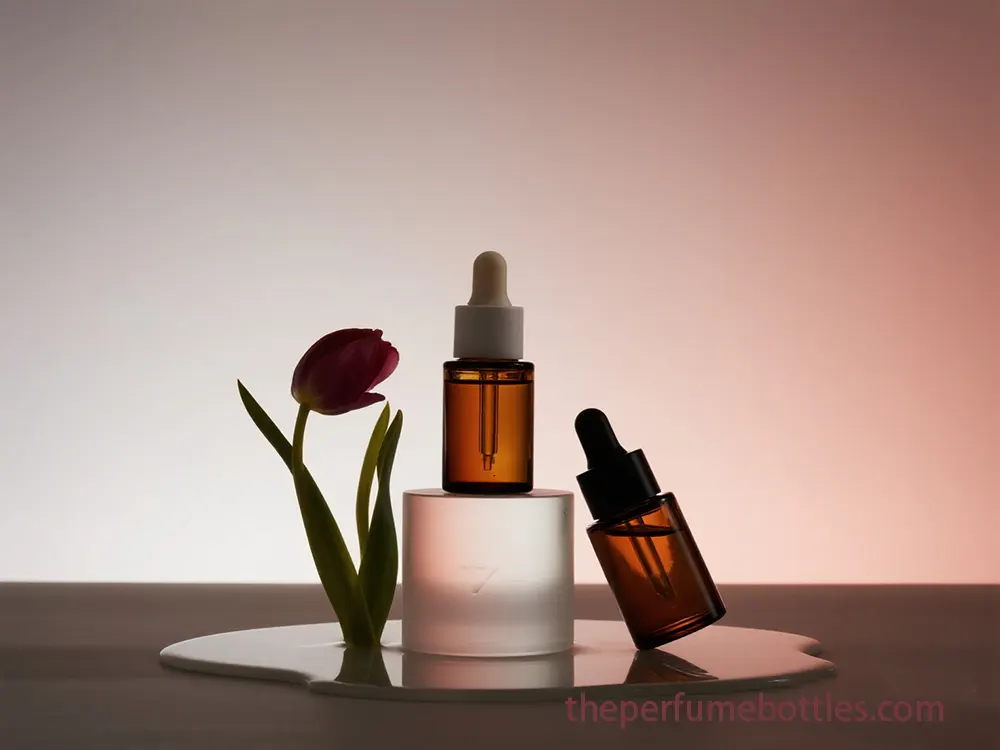
زجاجات قطارة كهرمانية زجاجية مخصصة ذات لون موحد لا تشوبه شائبة، وحماية من الأشعة فوق البنفسجية، وجودة ممتازة - مصممة للعناية بالبشرة والزيوت الأساسية.
من البساطة إلى الفخامة: اتجاهات التصميم في زجاجات الزيوت العطرية
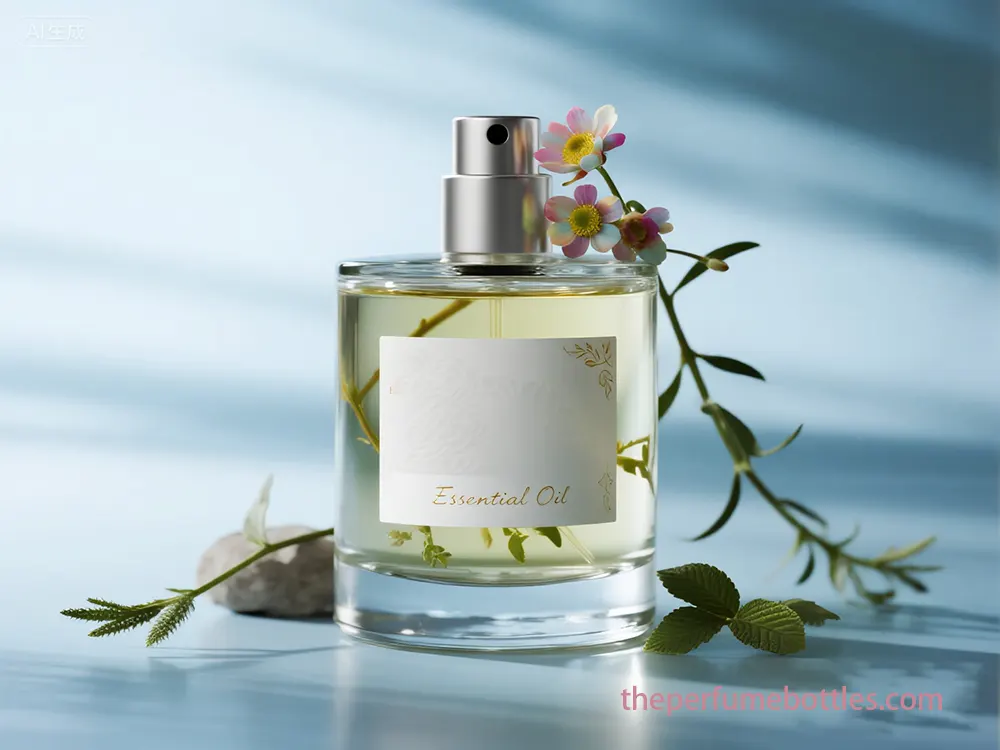
اكتشف تطور زجاجات زيت العلاج بالروائح العطرية من البسيطة إلى الفاخرة، باستخدام مواد ممتازة
كيفية إعادة ملء زجاجة العطر؟
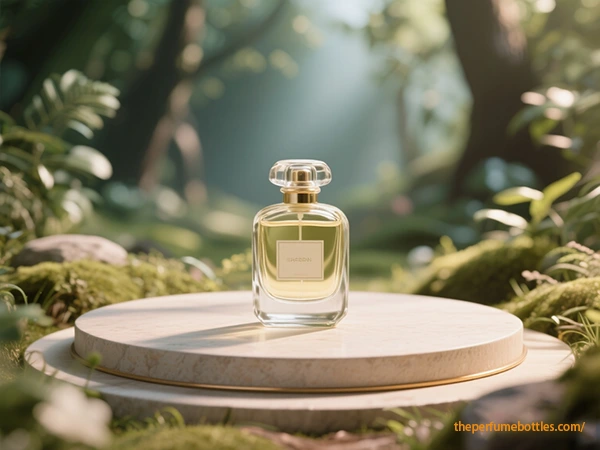
اكتشف أفضل مصنعي زجاجات العطور للطلبات بالجملة. استكشف التصاميم المخصصة والمواد المتينة وحلول البيع بالجملة للعلامات التجارية العالمية.
أفضل خيارات التخصيص التي يقدمها كبار تجار زجاجات العطور
اكتشف أفضل خيارات التخصيص من أحد أبرز موردي زجاجات العطور. تعرّف على كيفية توفيرنا لقوالب وألوان وتشطيبات فريدة للعلامات التجارية الفاخرة.
- +86 186 5178 1159
- [email protected]
- من الإثنين إلى الأحد 07:00-21:00
العلامات
أفضل خيارات التخصيص التي يقدمها كبار تجار زجاجات العطور
06/03/2026
اكتشف أفضل خيارات التخصيص من أحد أبرز موردي زجاجات العطور. تعرّف على كيفية توفيرنا لقوالب وألوان وتشطيبات فريدة للعلامات التجارية الفاخرة.
دراسة حالة: من مشاكل تجار زجاجات الرول الزجاجية إلى إمدادات المصنع المستقرة
25/02/2026
أدت مشاكل تجار زجاجات الرول الزجاجية إلى لجوء مصنع نفط إسباني إلينا للحصول على زجاجات رول مخصصة مانعة للتسرب ذات ملاءمة دقيقة وجودة ثابتة وإمدادات بكميات كبيرة.
مُصممة حسب الطلب أم جاهزة؟ دليل تجار زجاجات القطارة للمشترين
19/02/2026
هل تبحث عن مورد لزجاجات قطارة زجاجية؟ اطلع على دليلنا حول التغليف المخصص مقابل التغليف الجاهز. تعرف على كيف نساعد المشترين على تحسين التكاليف وتعزيز تأثير العلامة التجارية.
دراسة حالة: تصميم زجاجات عطور مخصصة لاستوديو عطور فرنسي متخصص
12/02/2026
زجاجات عطور مصممة خصيصًا لدار عطور فرنسية. قمنا بتسليم زجاجات متدرجة الألوان ذات أغطية خشبية، مما عزز صورة العلامة التجارية وجاذبيتها في متاجر التجزئة.
 AR
AR  EN
EN  FR
FR  IT
IT  DE
DE  NL
NL  PL
PL  RU
RU  PT
PT  FI
FI  ES
ES  DA
DA  SV
SV  RO
RO  CS
CS  ZH
ZH  KO
KO  JA
JA  TR
TR  ID
ID  EL
EL  HU
HU  BG
BG