
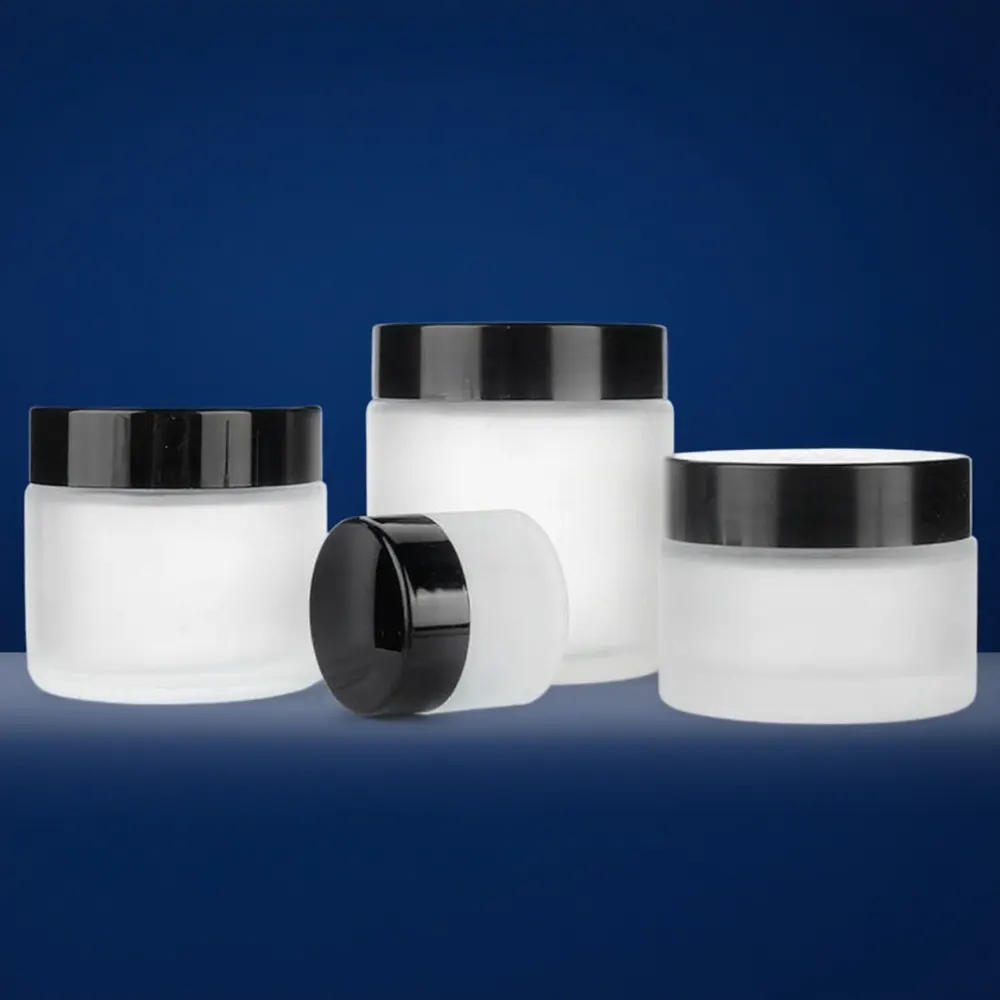
Как производителят на стъклени парфюмни бутилки стимулира диференциацията на марката
Съдържание
Открийте как водещ производител на стъклени бутилки за парфюми помага на масовите марки да се откроят
Sleek, Minimalist, Cylindrical
(e.g., Jo Malone, Byredo) are all modern, simple and versatile which is why they are suitable for contemporary and unisex fragrances. стъклени бутилки за парфюм (e.g., Thierry Mugler’s “Angel” star, Moschino’s “Toy” teddy bear, Carolina Herrera’s high-heel) express loud ideas, reflect the person’s uniqueness and become one of the very few that people can easily remember thus raising recall by more than 30%.
Tall and slender
bottles are elegant;
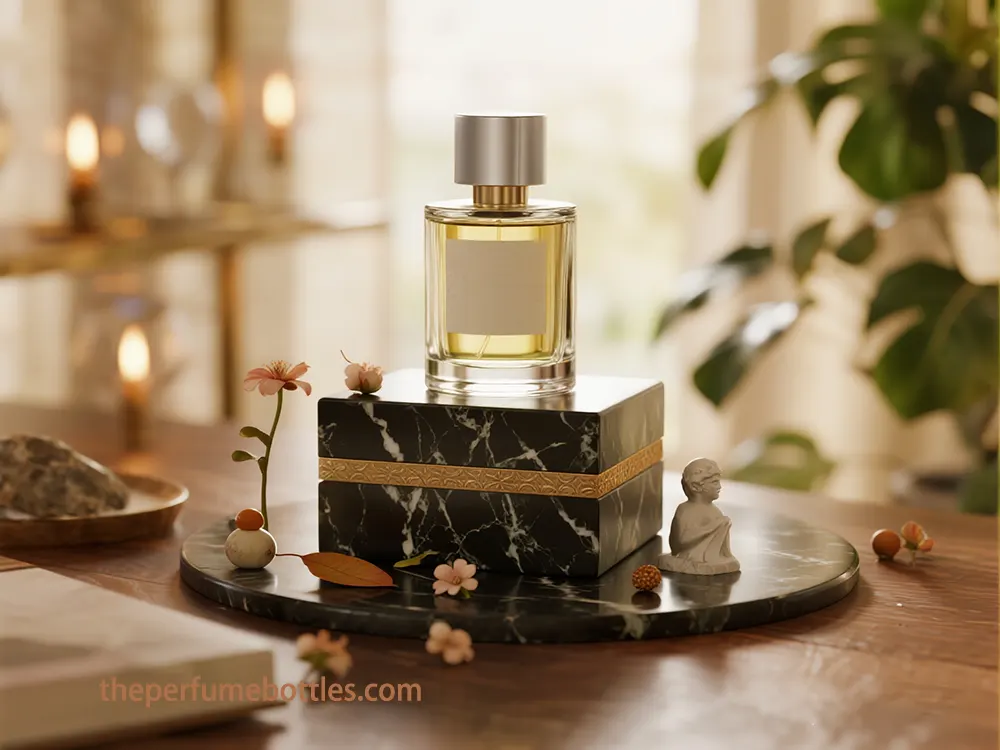
Вземете безплатни мостри
convey strength.
3.2. The Psychology of Color and Finish
Colour psychology corresponds to the scent character and the potential consumer.
Warm colors
(Red, Orange, Yellow) bring about the feeling of being energetic.
Cool colors
- (Blue, Green) give the impression of being relaxing. Neutral colors
- (Black, White) are the ones that express being classy. Pink
- is indicative of love; Metallic tones
- (Gold, Silver) give the impression of being luxurious.Gradient/two-tone designs
- UV печат: Even the colour of a bottle can change the way a person smells a scent.
- Тампонен печат: 3.3. Connecting with Target Demographics
- Laser Engraving: Women Consumers:
- Вакуумно покритие (метализация): Younger Generations (Gen Z, Millennials):
- Desire personalized, authentic, and customized scents that represent their values (e.g., ethical sourcing). They are willing to pay more for unique, visually attractive, and “Instagram-worthy” products that lead to social media engagement.The design of the packaging mirrors the cultural values; for example, Middle Eastern markets are characterized by the use of vibrant gold and complex patterns, whereas the Asian designs are more focused on the simplicity.
- 3.4. Beyond Aesthetics: Ergonomics and Interactive Elements Functionality and user experience are indispensable. Malfunction of the cap sealing, hard-to-use nozzles, or awkward shapes, all are factors that lower the satisfaction level of users. Packaging has to not only protect the product but also be of simple use (ergonomics, grip, size, capacity).
Interactive components such as QR codes, NFC tags, and AR features enrich the unboxing experience, offer product information, and get the users involved, thus making the packaging “Instagram-worthy”.
4. Optimizing Value: Cost Implications and ROI of Mass-Market Customization
Custom glass perfume bottle investments entail balancing one-of-a-kind features with reasonable prices. The return of investment (ROI) goes beyond sales to include brand equity and loyalty.
4.1. Cost Components and Economies of Scale
Costs are affected by :
Mold Creation:
The main barrier is the initial investment and it is usually in the range of $3,000-$10,000+ for a complicated design and can be up to a maximum of $50,000.
Raw Materials:
Ароматизиращи бутилки Energy Consumption:
- Most of the energy, i.e., 70% of it, is used for melting/refining and thus, it accounts for 20-30% of the total production costs. Labor Costs:
- 0.50-2/ bottle for assembly, QC, packing, which stands for 40-70% of the total production. Also, lower labor cost regions are cutting down labor costs of their business partners. Standard decoration 0.10-0.50/bottle; complicated details $0.50-$2; extremely customized services $75+.
- Logistics/Packaging: Shipping 0.02-0.10/unit; outer packaging 0.50-10+.
- That is the reason why achieving Economies of scale
- is so important. The cost per unit decreases drastically with the volume. While small batches are priced at 5-10/unit; large-scale production costs 1-3/bottle.Fully custom designs usually have high minimum order quantities (MOQs), most times 10,000+ units, with some factories requiring 50,000-300,000 units for a minimum economic viability. Stock decorating is more convenient for startups, since there is no mold fee and lower MOQs (500-3,000 units), thus the financial risk of market testing is minimized. 4.2. Measuring the Return on Investment (ROI) Custom packaging is a planned business move that brings a lot of profit:
Consumer Influence:
Most of the time (72%) consumers are using packaging as the main decision criterion on what product to buy; about 60% of them are avoiding unattractive packaging.
- Brand Recall/Recognition: It helps to remember the brand by 58% (Nielsen, 2023), thus creating a unique icon.
- Perceived Value/Premium Pricing: One of the biggest advantages is the ability to elevate the perceived value level, and thus, to be able to charge the consumers higher prices. Consumers are willing to pay up to 35% more for high-quality packaging.
- Direct Sales Uplift: Custom packaging may lead to an increase in sales by up to 40% and in-store sales by 30% (NielsenIQ). Aesthetic bottles lead to 25% more consumers’ purchasing intentions.
- Strategic Differentiation: A requisite for survival in a market which is expected to reach $35 billion by 2030. Brand Loyalty/Emotional Connection: Through love for a brand, the happy customer will voluntarily generate repeated buying.
- Sustainability as Value Driver: 52% of consumers opt for environmentally-friendly brands; eco-friendly communication accounts for 28% sales increase (McKinsey, 2023).
- Protection Against Counterfeiting:
Harder to imitate uniquely crafted custom shapes.
Operational Efficiency:
Helps in freeing the company of the costly cycle of damaged goods and the associated expenses.
- “Unboxing Experience”: Mutual communication between involved parties facilitated by social media, at the highest level possible, and being talk-of-the-town marketing.
- Key Performance Indicators (KPIs) comprise sales, customer satisfaction, brand perception, operational efficiency, engagement, and return rates. Besides, brand recall and customer lifetime value are of great importance as well.Financial modeling (time series, multiple linear regression) is one of the ways of ROI forecasting.5. Sustainable Solutions: Eco-Conscious Customization for Mass-Market Appeal
- Културни нюанси: 5.1. Recycled Content and Lightweighting
The use of Post-Consumer Recycled (PCR) glass is a trend in the industry to lower the carbon footprint and the demand for virgin materials. Some companies have achieved up to 60% PCR, while L’Occitane is using 100%. The EU average for recycled content was 52% in 2021.
The reduction of glass without the sacrifice of strength or appearance brings both environmental and economic advantages: less use of raw material, lower production/transport costs, and fewer CO2 emissions. Today, bottles are 30% lighter than those of 20 years ago, and there are 70% fewer CO2 emissions than 50 years ago. Borosilicate glass is helping to have thinner and at the same time durable walls.
5.2. Refillable Systems and Consumer Adoption
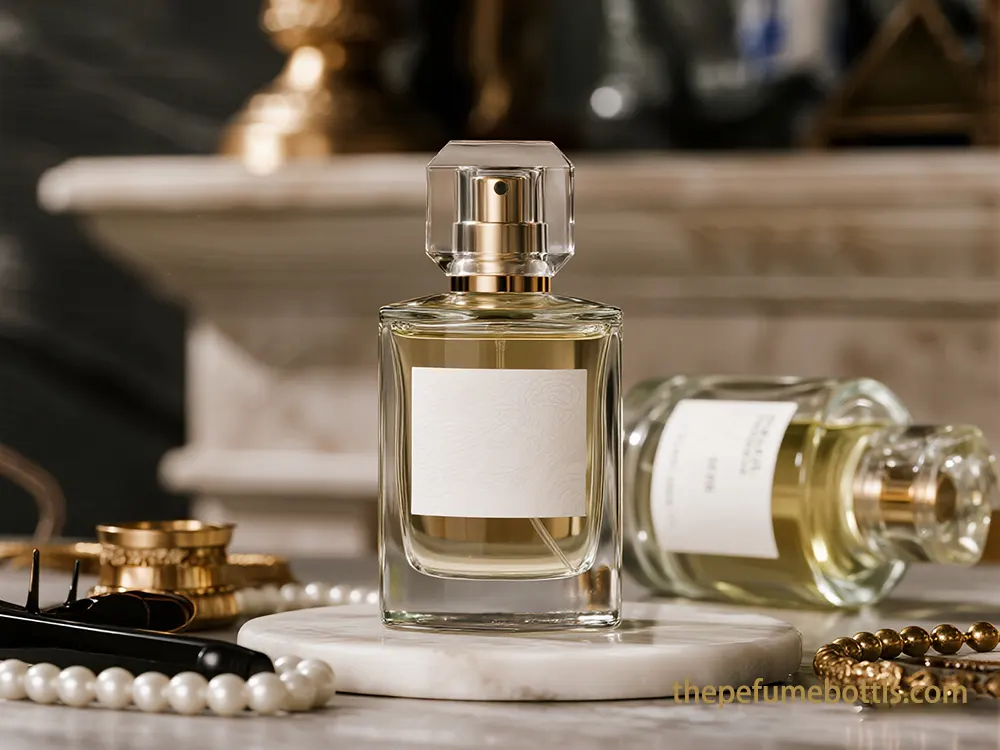
Вземете безплатни мостри
Consumer adoption, however, remains low (<1% in a 2023 survey) even though 79.3% of the respondents consider sustainability to be important. Barriers to sustainability include the higher initial costs of sustainable products, concerns about contamination, scepticism regarding the environmental benefits, limited availability of brands, and hesitation to make a change. On the other hand, adoption will increase if there will be a clear environmental demonstration (34%) and if the favorite brand will participate (43%). People prefer refill stations for bulk purchases.
5.3. Certifications and Regulatory Frameworks
Certifications driving sustainability:
Cradle to Cradle Certified™:
- Assessment includes material health, material reutilization, water stewardship, energy from renewable sources, and social fairness.Acknowledges excellent social and environmental performance.
- Ecocert Certification:Certifies organic/natural cosmetics with very strict criteria for ingredients, production, and packaging.
- EcoVadis Ratings: Covers environmental, labor and human rights, business ethics and sustainable procurement aspects.
- Global Recycled Standard (GRS):Provides evidence for the recycled content and supply chain practices.
- Декорация/Довършителни работи:For the outer packaging made from wood from responsibly managed forests.
- The EU regulations, such as the Packaging and Packaging Waste Regulation (PPWR) (mid-2026), require a harmonized reuse system, deposit return schemes, and packaging that can be recycled by 2030. It also specifies waste reduction targets (5% by 2030, 10% by 2035, 15% by 2040), reduces “substances of concern,” and implements Extended Producer Responsibility (EPR). 5.4. Consumer Willingness to Pay for Sustainable Packaging
Most consumers will pay more for sustainable packaging. As per the Trivium Packaging’s 2023 report, 82% of consumers would pay more, which is an increase from the previous years.Consumers are ready to pay 16% more for a packaging that is partly made of paper.63% of the respondents say that for the refillable beauty products they would expect 10-20% of the price to be saved to encourage the purchase of such products.Younger consumers and high earners are especially concerned and willing to pay more. Suggested Solutions for Sustainable Customization: Enhance Refill Experience:
Easy-to-use, spill-free devices; clear instructions; “smart packaging”.
Strategic Pricing/Value Communication:
On the one hand, long-term savings can be brought to attention; on the other hand, tiered pricing (e.g., 10-20% cheaper refills) can be offered.
- Improve Availability/Visibility: Make products more accessible to a wider audience; clear in-store signage.
- Strengthen Marketing/Transparency: Communicating the environmental benefits of the product in a clear way; use “eco-labels” to facilitate trust and counter “greenwashing”.
- Address Aesthetic/Quality Perceptions: Create environmentally friendly packaging that keeps the product luxurious and visually appealing and is also appropriate for social media.
- Overcome Attitude-Behavior Gap: Provide consumers with the options to make sustainable choices that are convenient, affordable, and aesthetically pleasing.
- 6. Future Horizons: Innovations in Mass-Market Perfume Bottle Customization The future of mass-market perfume bottle customization is influenced by progressive technologies, sophisticated materials, and the changing needs for personalization and eco-friendliness.
- 6.1. How Glass Perfume Bottles Manufacturers Use AI for Design and Hyper-Personalization AI reinvent packaging design by looking at trends and demographics to figure out the layout, color, and pictures that fit best, thus, the designing part becomes easier.Procedures such as DesignNBuy give access to AI design instruments, which help in live modification and result-demanding printing.Packify.ai creates images of the products and gets the ideas from the user’s instruction, thus the whole designing process is done quickly.AI tools like Fragrance Innovator function as the source of inspiration for creative bottle designs, and the input may come from a variety of different fields.Having this technology at hand, one could easily imagine very seldom use of regular, generic and low-cost consumer packaging through custom productions of personal bottles.Namely, the biometric data may serve as a medium carrying Phygital ID for bot-spam labeling for making each person’s unique product available.
- 6.2. Advanced Manufacturing and Digital Printing The technology enabling direct 3D printing of glass bottles for large-scale usage is still in its infancy, while on the other hand, it is already widely used for craft first runs, on-demand decoration and ornamentations. Hence, it can be part of research, development and packaging design, as well as marketing, in the form of brand and product communication timing, content, presentations and activations.Viktor&Rolf executed 3D methodology in the production of a limited-edition Flowerbomb with a complex pattern of blossoms.
- Direct-to-Glass Printing: Digital printing is quite a “game-changer” when it comes to visually appealing, high detail, color intense pictures directly on glass with support for photorealistic manuals and intricate patterns.UV printing enables logos to come in any color, while the text can be pure white and the metallic effect of printing made directly on glass of even a single unit (1-2 pieces).The above techniques put forward the idea of lasting and reliable stand-out labels for glass containers.
- 6.3. Immersive Consumer Engagement with AR and Smart Packaging AR (Augmented Reality) is a go-to tool for the packaging industry in terms of the next-level consumer engagement. A consumer through an AR-equipped smartphone can get immersive virtual unboxing, scent stories, optical scent profiles, or first-person views of the customized bottles upon scanning a package.Jo Malone’s AR experience divulges scent relationships.Paco Rabanne’s “connected” bottle with a tiny NFC chip goes beyond providing access to games, playlists, and AR features by offering the user a unique, interactive experience.This “smart packaging” (QR codes, NFC chips) also allows for real-time anti-counterfeiting, brand storytelling, and customer engagement of the exclusive kind.
- 6.4. Innovations in Glass Composition and Coatings New Glass Formulations:
Ultra-lightweight Glass:
Contributes less CO2 in the production and transportation and saves money too. Verescence was able to realize an overall weight reduction of up to 60% without compromising the luxury component. The use of borosilicate glass allows for thinner, more durable walls.
High-Strength Glass:
Borosilicate glass offers thermal shock resistance for complex shapes. To this end, the performance and durability of the product can be improved also through the use of several coating technologies.
- Рециклирано съдържание (PCR стъкло):Super flint glass is chosen for its superlative clarity in luxury fragrance packaging.
- Олекотяване: With the GLASNOL® type of coating, the treated surface not only acquires a high-gloss effect but also becomes more resistant to wear and tear over time. Metallization (UV-coating) improves wear, corrosion, and scratch protection.
UV-Protective Coatings:
Stoelzle’s Lumi Coat (Oct 2024) is a UV protector with excellent optical transparency. Heinz-Glas’ “Invisible Shields” are the integration of UV varnishes. Nano-coatings here aim for 99% of UV filtration in transparent bottles.
Haptic Finishes:
Matte coatings give the product a modern, elegant, and at the same time, a satinlike touch. Flocked materials imitate the softness and the velvet-like texture.
Smart Coatings:
- Thermochromism changes color with temperature. Researchers are considering self-cleaning glass. Holographic coating is one of the ways to get iridescent effects. 6.5. Alternative Transparent Materials and Cost-Benefit Analysis
- Сертификация на B Corp: Bio-based/Recycled Plastics:
- Dow collaborates with LVMH on creating bio-based materials (e.g. used cooking oil) and plastic waste materials. The future of biodegradable plastics (made of sugarcane, corn starch) looks bright from the ecological point of view. Molded pulp packaging is an excellent combination of shock absorption and biodegradability. Alternative Transparent Materials:
- Acrylic is light, clear, and is not easily broken by impact; however, it most often does not have a glass-like feel and is difficult to recycle. PET and PVC are the most popular materials for products requiring chemical resistance and durability. Lightweight Metals:
- Aluminum and stainless steel are the perfect combinations of the modern look, durability, and recyclability, thus providing light/air barriers for the fragrance longevity.Cost-Benefit Analysis:
- The use of lightweight glass can bring substantial savings. Plastic bottles still serve as a cheap solution for the mass perfume industry. Customized decoration like metallization is an economical way to differentiate. Although eco-friendly materials may still be a bit more expensive in the beginning, new technologies are intending to lower the costs and thus balance sustainability with brand image. The global perfume packaging market is expected to reach USD 5.95 billion by 2032, growing at a CAGR of 6.93%. The worldwide market for personalized perfume bottles is expected to reach $3.8 billion by 2027, growing at a CAGR of 7.2%. These breakthroughs are indicative of a rapid adoption of these technologies across the mass-market sector for customization and hyper-personalization in the upcoming 5-10 years.
6.6. Best Practices for Circular Economy Models
Successful spherical models of glass prefer reuse. Companies like Rewine achieve re -use of 85% bottle by encouraging returns, and Sustainable Wine Solutions has reduced carbon footprint with bottle returns scheme by 95%. This requires strong consumer participation and infrastructure.
6.6. Regulatory Pressures and Incentives
Governments are implementing rules for sustainable packaging, including mandates, single-use plastic restrictions and extended manufacturer responsibility (EPR) programs. PPWR of the European Union goal the target harmonious reusing system, deposit withdrawal plans, ambitious recycling target (75%for glass), and waste cut targets, including restrictions on small single-use cosmetic products in housing by 2030.
- 6.7. Demographics Driving Refillable Beauty Market Environmental conscious millennium (73% sustainable brands prefer) and Jane Z (75% of habits for environmental impact) run refillable beauty markets. While women are majority, men show increasing interest in gender-plate systems. High -income consumers are keen to invest in premium durable products.
- 7. Conclusion: The Future of Versatile PackagingSmall glass roll on bottles are a dynamic and impactful packaging solution. Their chemical inertness, UV protection (particularly borosilicate and amber glass), and various roller ball materials ensure accuracy and product integrity. Their applications have expanded beyond essential oils to skin care, pain relief, nail care, pet products, and natural insect repellents, demonstrating remarkable versatility.
- User experience defined by better portability, controlled delivery and clean application remains a key driver. As market dynamics evolve with the demand for convenience, personalization and sustainability, roll-on bottles are poised for continued growth. Future innovations, including advanced delivery mechanisms, smart packaging integration and sustainable materials, will strengthen their position in responsible packaging. , we envision packaging that is functional, aesthetic, eco-conscious and adaptable. The small glass roll-on bottles epitomize this approach, blending tradition and innovation to shape the future of the industry in versatile and sustainable packaging.
- Our sales manager will contact you within 30 minutes via email at Ясно информиране за ползите от продукта за околната среда; използване на "екомаркировки" за улесняване на доверието и противодействие на "зеленото измиване".
- Обърнете внимание на естетическите/качествените възприятия:Създайте екологично чиста опаковка, която запазва луксозността на продукта и е визуално привлекателна, а също така е подходяща за социалните медии.
- Преодоляване на разликата между нагласите и поведението:Предоставяне на потребителите на възможности за устойчив избор, който е удобен, достъпен и естетически издържан.
6. Бъдещи хоризонти: Иновации в персонализирането на бутилките за парфюми за масовия пазар
Бъдещето на персонализирането на бутилките за парфюми на масовия пазар се влияе от прогресивните технологии, сложните материали и променящите се нужди от персонализация и екологичност.
6.1. Как производителите на стъклени бутилки за парфюми използват AI за дизайн и хиперперперсонализация
AI преоткрива дизайна на опаковките, като разглежда тенденциите и демографските данни, за да разбере оформлението, цвета и снимките, които се вписват най-добре, като по този начин частта за проектиране става по-лесна.Процедури като DesignNBuy дават достъп до инструменти за проектиране на AI, които помагат за модифициране на живо и изискващи резултати принтиране.Packify.ai създава изображения на продуктите и получава идеи от инструкциите на потребителя, като по този начин целият процес на проектиране се извършва бързо.Инструментите на ИИ като Fragrance Innovator функционират като източник на вдъхновение за творчески дизайн на бутилките, а входните данни могат да идват от най-различни области. имайки тази технология под ръка, човек лесно може да си представи много рядко използване на обикновените, общи и евтини потребителски опаковки чрез персонализирано производство на лични бутилки. а именно биометричните данни могат да служат като носител на Phygital ID за етикетиране на бот-спам за предоставяне на уникалния продукт на всеки човек.
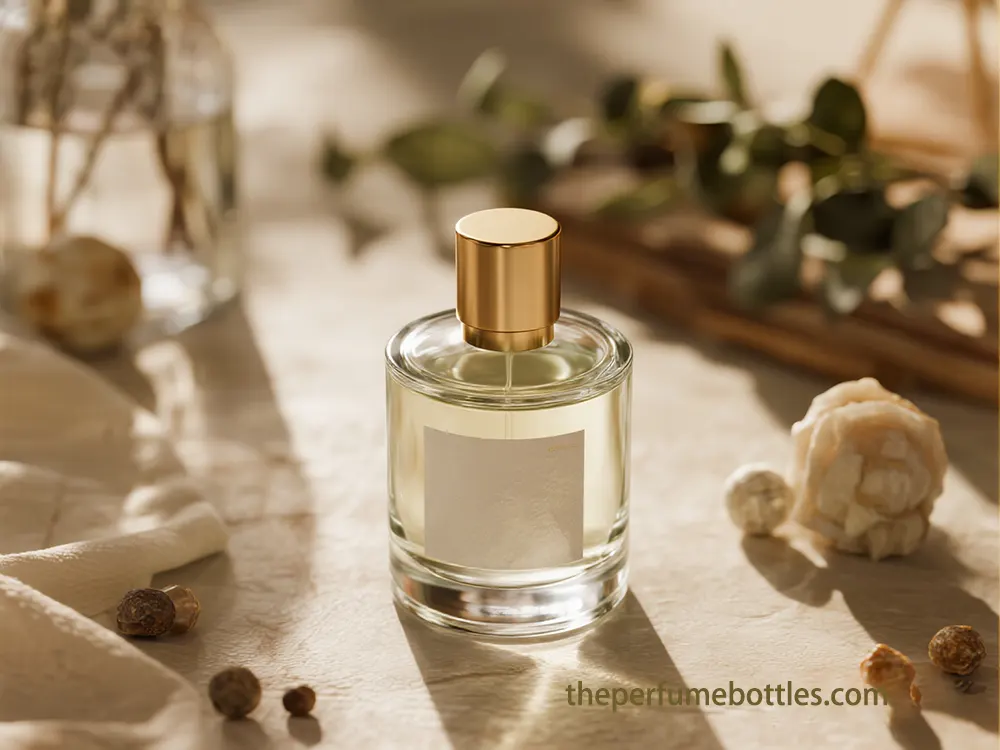
Вземете безплатни мостри
6.2. Усъвършенствано производство и цифров печат
- 3D печат: Технологията, позволяваща директно 3D принтиране на стъклени бутилки за широкомащабно използване, е все още в начален стадий на развитие, докато от друга страна, тя вече се използва широко за занаятчийски първи серии, декорации и орнаменти по заявка. Следователно тя може да бъде част от научноизследователската дейност, развойната дейност и дизайна на опаковките, както и от маркетинга, под формата на време за комуникация на марката и продукта, съдържание, презентации и активации.Viktor&Rolf приложи 3D методологията при производството на лимитирана серия Flowerbomb със сложна шарка от цветя.
- Директен печат върху стъкло: Цифровият печат е доста "променящ играта", когато става въпрос за визуално привлекателни, високодетайлни, наситени с цветове изображения директно върху стъкло с поддръжка на фотореалистични ръководства и сложни модели.UV печатът позволява логото да бъде във всеки цвят, докато текстът може да бъде чисто бял, а металическият ефект на печата да бъде направен директно върху стъкло дори на единична бройка (1-2 броя).Горепосочените техники представят идеята за трайни и надеждни открояващи се етикети за стъклени контейнери.
6.3. Потапяне на потребителите с помощта на AR и интелигентни опаковки
AR (Augmented Reality - разширена реалност) е инструмент за опаковъчната индустрия по отношение на следващото ниво на ангажираност на потребителите. Потребителят може да получи чрез смартфон, оборудван с AR, поглъщащо виртуално разопаковане, разкази за аромати, оптични профили на ароматите или изглед от първо лице на персонализираните бутилки при сканиране на опаковката.AR преживяването на Jo Malone разкрива връзките между ароматите.Свързаната бутилка на Paco Rabanne с малък NFC чип отива отвъд осигуряването на достъп до игри, плейлисти и AR функции, като предлага на потребителя уникално, интерактивно преживяване.Тази "умна опаковка" (QR кодове, NFC чипове) също така позволява борба с фалшифицирането в реално време, разказване на истории за марката и ангажиране на клиентите от изключителен вид.
6.4. Иновации в състава на стъклото и покритията
- Нови състави на стъкло:
- Свръхлеко стъкло: При производството и транспортирането се отделя по-малко CO2 и се пестят пари. Verescence успя да реализира общо намаляване на теглото с до 60%, без да прави компромис с луксозния компонент. Използването на боросиликатно стъкло позволява да се получат по-тънки и по-издръжливи стени.
- Стъкло с висока якост: Боросиликатното стъкло осигурява устойчивост на термични удари при сложни форми. За тази цел характеристиките и издръжливостта на продукта могат да бъдат подобрени и чрез използването на няколко технологии за нанасяне на покрития.
- Повишена яснота: Стъклото Super Flint е избрано заради изключителната си прозрачност при опаковането на луксозни аромати.
- Усъвършенствани покрития:
- Устойчивост на надраскване/химикали: С покритията от типа GLASNOL® обработената повърхност не само придобива висок гланц, но и става по-устойчива на износване с течение на времето. Метализацията (UV-покритие) подобрява защитата от износване, корозия и надраскване.
- UV-защитни покрития: Lumi Coat на Stoelzle (октомври 2024 г.) е UV протектор с отлична оптична прозрачност. "Невидимите щитове" на Heinz-Glas представляват интегрирането на UV лакове. Нанопокритията тук целят 99% на UV филтрация в прозрачни бутилки.
- Хаптични покрития: Матовите покрития придават на продукта модерен, елегантен и в същото време сатенен вид. Плъстените материали имитират мекота и кадифена текстура.
- Интелигентни покрития: Термохромизмът променя цвета си в зависимост от температурата. Изследователите обмислят самопочистващо се стъкло. Холографското покритие е един от начините за получаване на преливащи се ефекти.
6.5. Алтернативни прозрачни материали и анализ на разходите и ползите
Индустрията търси възможни алтернативи на конвенционалното стъкло:
- Био-базирани/рециклирани пластмаси: Dow си сътрудничи с LVMH за създаване на материали на биологична основа (напр. използвано олио за готвене) и материали от пластмасови отпадъци. Бъдещето на биоразградимите пластмаси (от захарна тръстика, царевично нишесте) изглежда светло от екологична гледна точка. Опаковките от формована целулоза са отлична комбинация от абсорбиране на удари и биоразградимост.
- Алтернативни прозрачни материали: Акрилът е лек, прозрачен и не се чупи лесно при удар, но най-често няма усещане за стъкло и е труден за рециклиране. PET и PVC са най-популярните материали за продукти, изискващи химическа устойчивост и дълготрайност.
- Леки метали: Алуминият и неръждаемата стомана са перфектната комбинация от модерен външен вид, издръжливост и възможност за рециклиране, като по този начин осигуряват светлинни/въздушни бариери за дълготрайността на ароматите.
Анализ на разходите и ползите:Използването на олекотено стъкло може да доведе до значителни икономии. Пластмасовите бутилки все още служат като евтино решение за масовата парфюмерийна индустрия. Персонализираната декорация, като например метализирането, е икономичен начин за разграничаване. Въпреки че екологичните материали все още могат да бъдат малко по-скъпи в началото, новите технологии имат намерение да намалят разходите и по този начин да балансират между устойчивостта и имиджа на марката.
Очаква се световният пазар на опаковки за парфюми да достигне 5,95 милиарда щатски долара до 2032 г., като се разраства с 6,93%. Очаква се световният пазар на персонализирани флакони за парфюми да достигне $3,8 млрд. до 2027 г., нараствайки със 7,2%. Тези пробиви са показателни за бързото възприемане на тези технологии в масовия пазарен сектор за персонализиране и хиперперперсонализиране през следващите 5-10 години.
6.6. Най-добри практики за модели на кръгова икономика
Успешните сферични модели от стъкло предпочитат повторната употреба. Компании като Rewine постигат повторна употреба на 85% от бутилките, като насърчават връщането им, а Sustainable Wine Solutions е намалила въглеродния отпечатък с 95% чрез схема за връщане на бутилки. Това изисква силно участие на потребителите и инфраструктура.
6.6. Регулаторен натиск и стимули
Правителствата въвеждат правила за устойчиви опаковки, включително задължения, ограничения за пластмаса за еднократна употреба и програми за разширена отговорност на производителя (EPR). Програмите за разширена отговорност на производителя (PPWR) на Европейския съюз си поставят за цел хармонична система за повторна употреба, планове за оттегляне на депозити, амбициозна цел за рециклиране (75% за стъкло) и цели за намаляване на отпадъците, включително ограничения за малки козметични продукти за еднократна употреба в жилищното строителство до 2030 г.
6.7. Демографски данни, движещи пазара на козметични продукти с многократно пълнене
Екологично съзнателните марки Millennium (73% предпочитат устойчиви марки) и Jane Z (75% от навиците им са за въздействие върху околната среда) управляват магазини за козметика с многократно пълнене. Докато жените са мнозинство, мъжете проявяват нарастващ интерес към системите за определяне на пола. Потребителите с високи доходи са склонни да инвестират в първокласни трайни продукти.
7. Заключение: Бъдещето на универсалните опаковки
Малките стъклени рол-он бутилки са динамично и въздействащо решение за опаковане. Тяхната химическа инертност, UV защита (особено боросиликатно и кехлибарено стъкло) и различните материали на рол-он сачмите гарантират точност и целостта на продукта. Приложенията им се разширяват отвъд етеричните масла до грижа за кожата, облекчаване на болка, грижа за ноктите, продукти за домашни любимци и естествени репеленти против насекоми, демонстрирайки забележителна гъвкавост.
Потребителското изживяване, дефинирано от по-добра преносимост, контролирана доставка и чисто приложение, остава ключов двигател. Тъй като пазарната динамика се развива с търсенето на удобство, персонализация и устойчивост, рол-он бутилките са готови за продължителен растеж. Бъдещите иновации, включително усъвършенствани механизми за доставка, интелигентна интеграция на опаковки и устойчиви материали, ще засилят позицията им в отговорното опаковане.
В Веселукс, ние предвиждаме опаковки, които са функционални, естетични, екологични и адаптивни. Малките стъклени рол-он бутилки са олицетворение на този подход, съчетавайки традиция и иновация, за да оформят бъдещето на индустрията в универсални и устойчиви опаковки.
Коментари
Категории продукти
Горещи бутилки за разпродажба
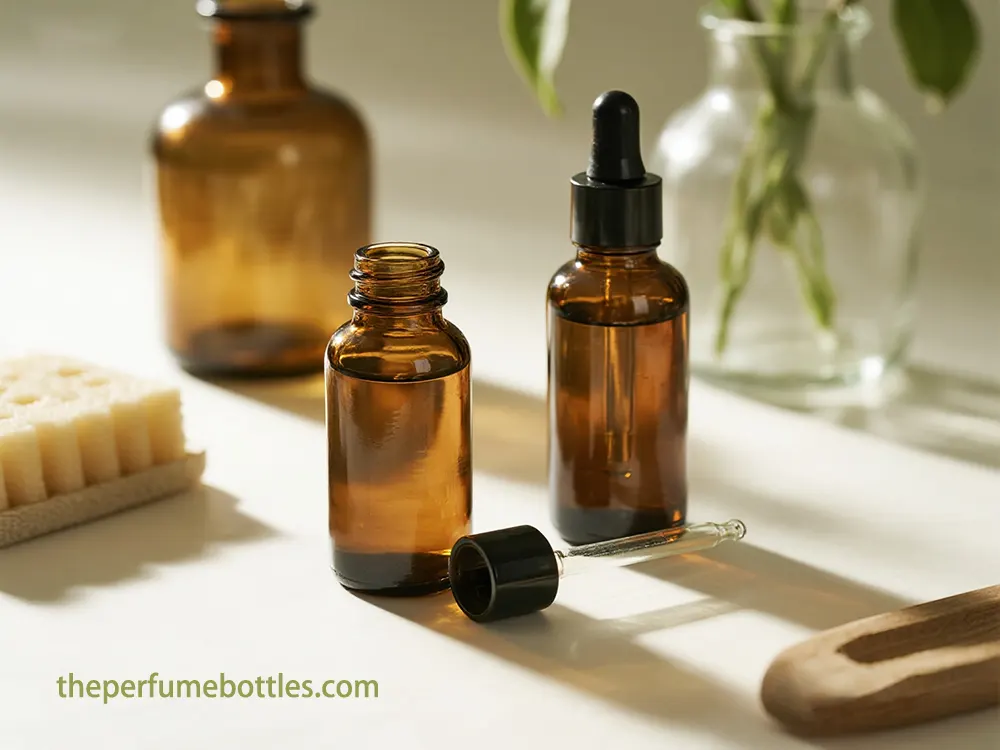
Казус: Как фабрика за стъклени бутилки с капкомер помогна на марка лечебни масла
Казус за това как фабрика за стъклени бутилки с капкомер е помогнала на португалска марка лечебни масла да постигне прецизно дозиране, подобрено сцепление и първокласни персонализирани опаковки.
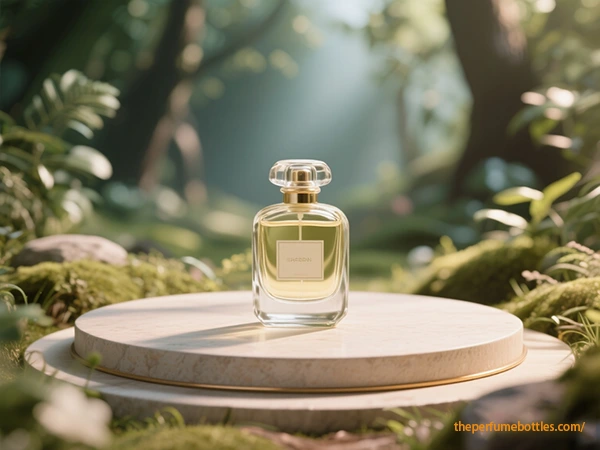
Как да презаредите бутилката с парфюм?
Открийте най-добрите производители на бутилки за парфюми за поръчки на едро. Разгледайте персонализирани дизайни, издръжливи материали и решения за търговия на едро за световни марки.
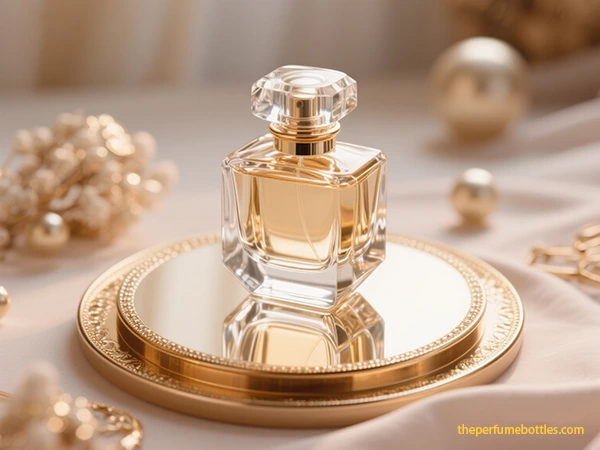
Иновативни дизайни от производители на парфюмни бутилки
Намерете най-добрите производители на парфюмни бутилки за търговия на едро. Открийте надеждни фабрики, предлагащи персонализирани дизайни и доставки на едро за световни марки.
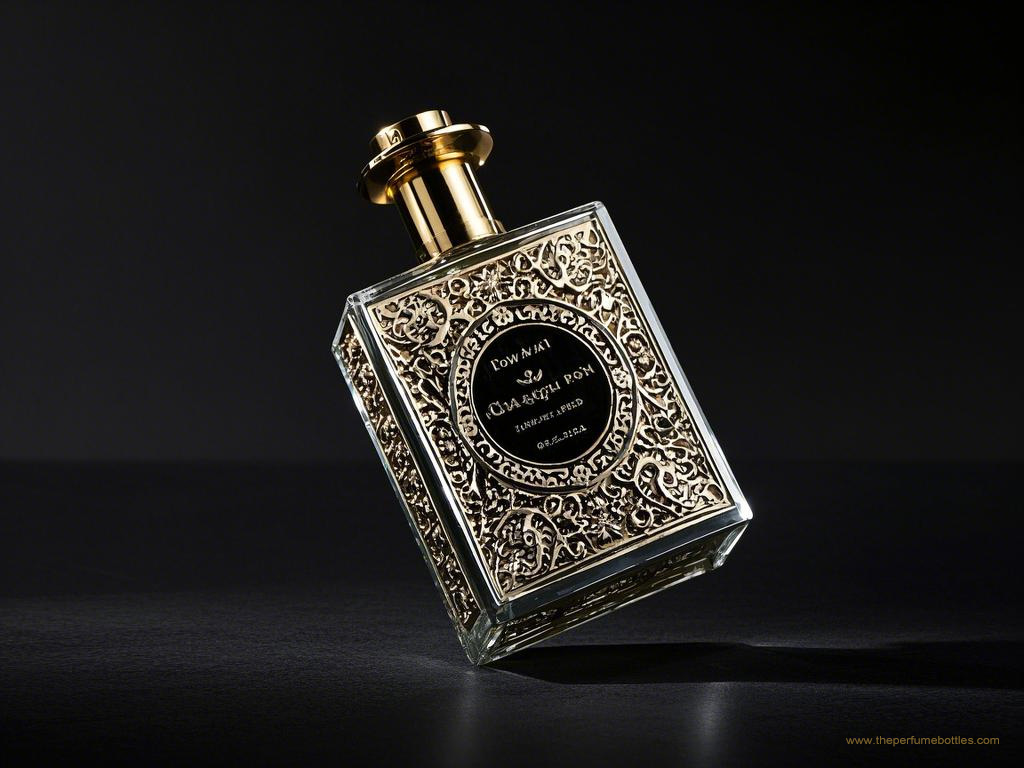
Персонализирани парфюмни бутилки: Гравирайте имиджа на вашата марка в любовта на клиентите
Искате да направите вашата марка парфюми незабравима? Персонализираните бутилки за парфюми са тайната!
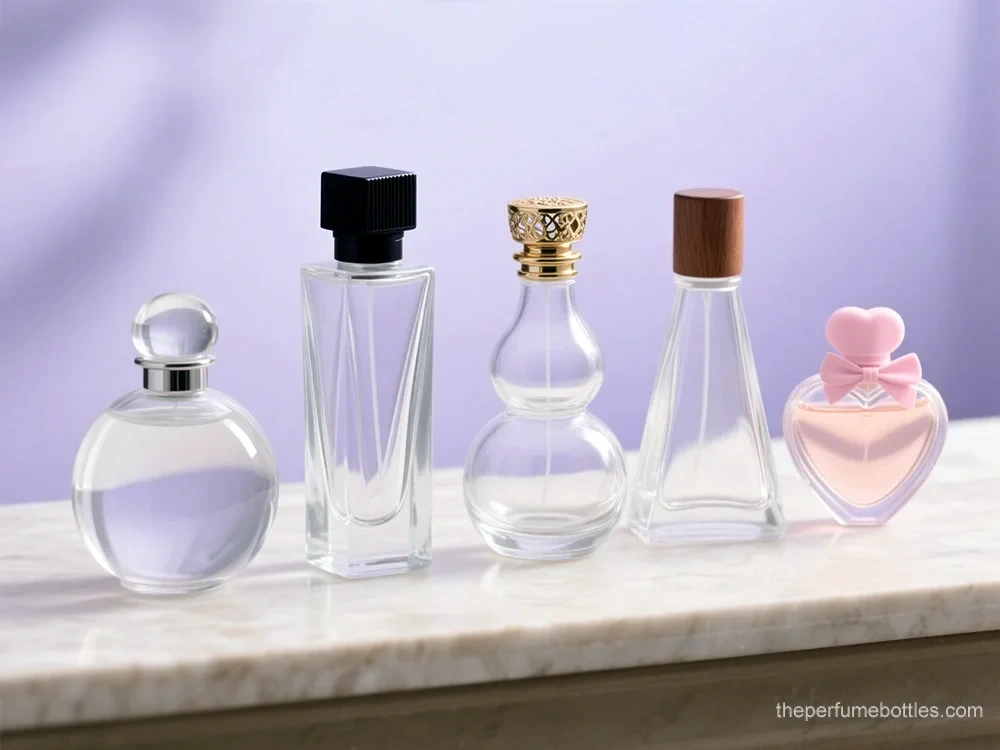
Топ 5 производители на стъклени бутилки за парфюм в Китай
Открийте водещите производители на парфюмни бутилки в Китай, предлагащи персонализирани дизайни, екологични материали и иновативни решения за опаковки за световни козметични марки.
- +86 186 5178 1159
- [email protected]
- Пон-Нед 07:00-21:00
Етикети
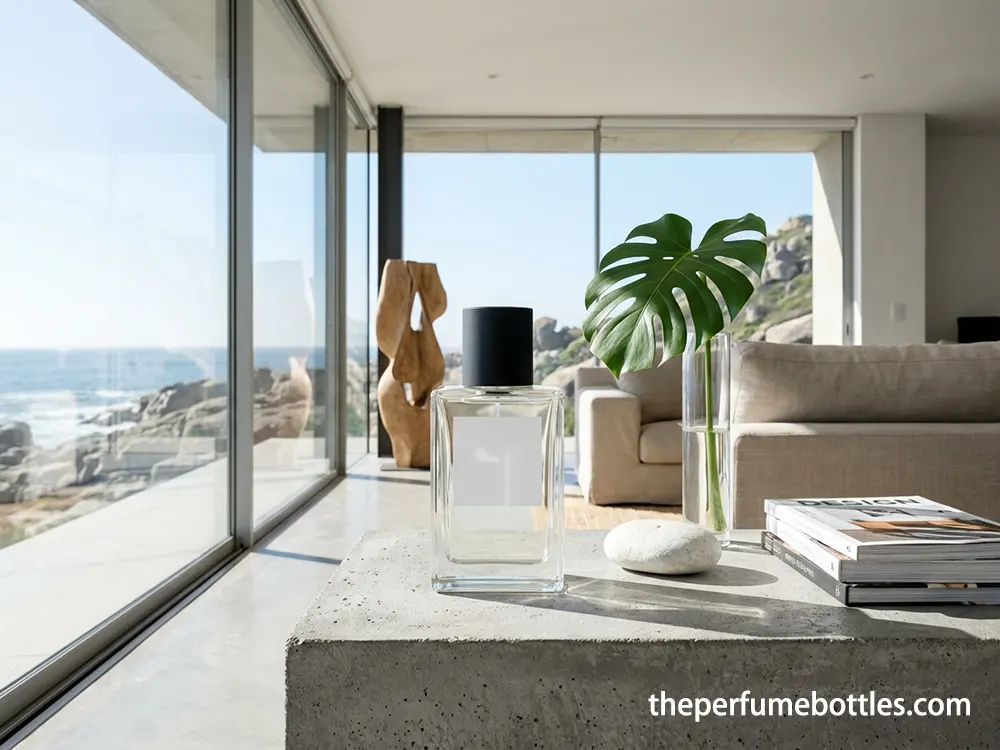
Най-добрите опции за персонализиране, предлагани от водещи търговци на стъклени парфюмни бутилки
06/03/2026
Разгледайте най-добрите опции за персонализиране от водещ търговец на стъклени бутилки за парфюми. Научете как ние предлагаме уникални форми, цветове и покрития за луксозни марки.
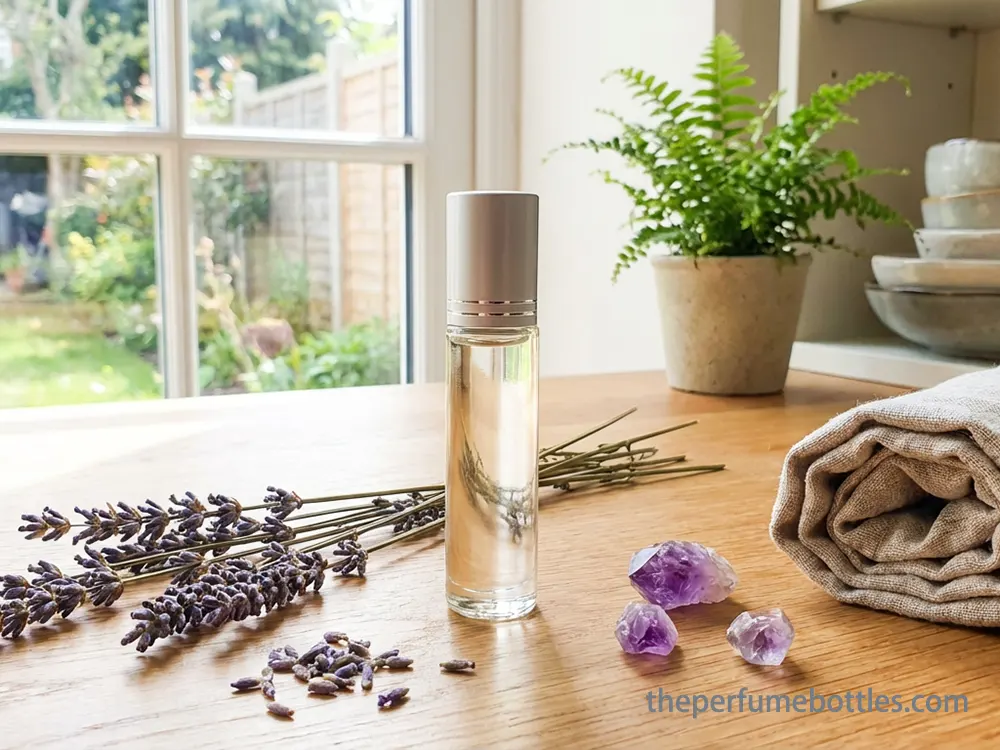
Казус: От проблеми с дилърите на стъклени бутилки с ролкови форми до стабилни доставки от производителя
25/02/2026
Проблеми с дилъра на стъклени ролкови бутилки доведоха испанска фабрика за масла до нас за херметични ролкови бутилки по поръчка с прецизно прилягане, стабилно качество и доставка на едро.
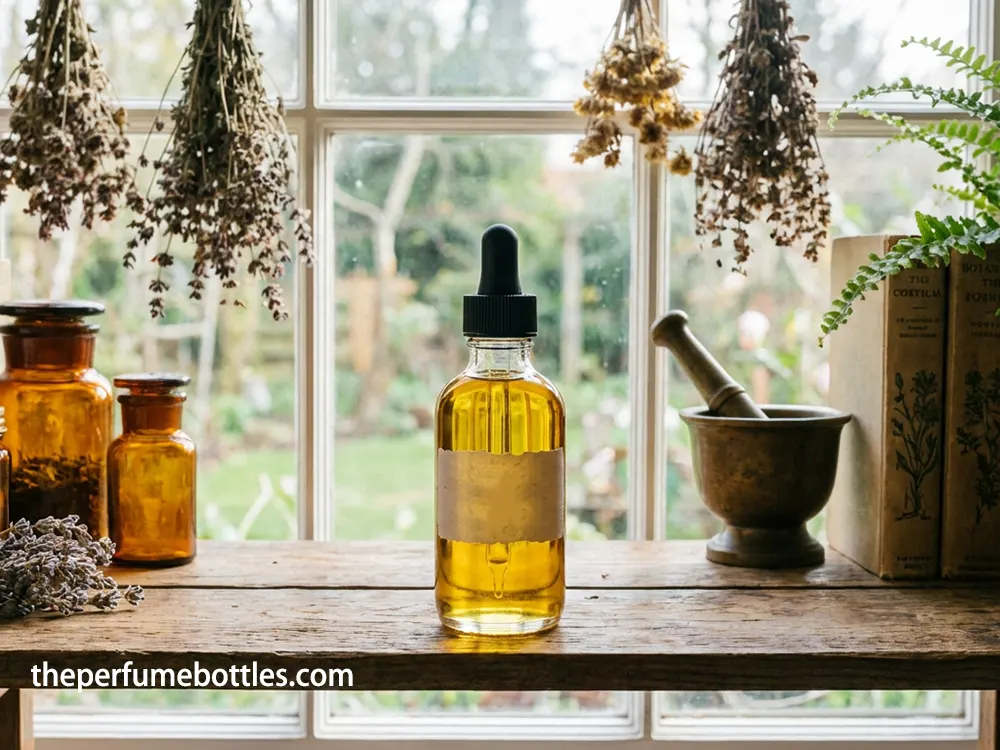
По поръчка или на склад? Ръководство за дилъри на стъклени бутилки с капкомер за купувачи
19/02/2026
Избирате дилър на стъклени бутилки с капкомер? Разгледайте нашето ръководство за персонализирани спрямо стандартни опаковки. Научете как ние помагаме на купувачите да оптимизират разходите и въздействието на марката.
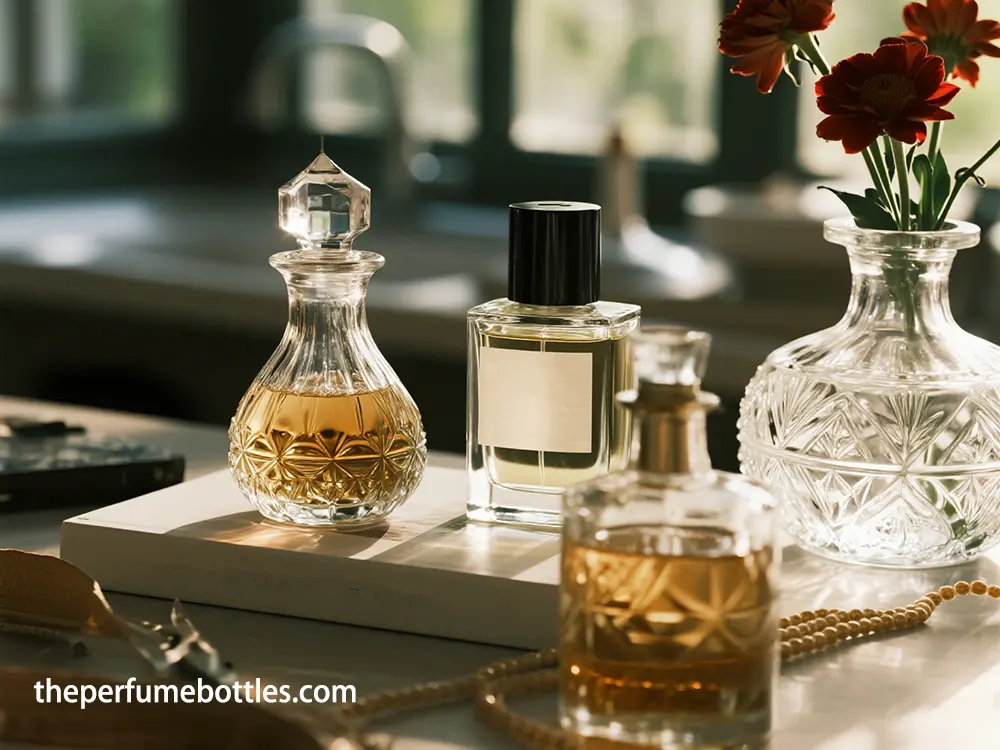
Казус: Персонализиране на стъклени парфюмни бутилки за френско нишово парфюмно студио
12/02/2026
Стъклени парфюмни бутилки, изработени по поръчка за френско парфюмерийно студио. Доставихме градиентни матирани бутилки с дървени капачки, подобряващи имиджа на марката и привлекателността на магазина.
 BG
BG  EN
EN  FR
FR  IT
IT  DE
DE  NL
NL  PL
PL  RU
RU  PT
PT  FI
FI  ES
ES  DA
DA  SV
SV  RO
RO  CS
CS  ZH
ZH  KO
KO  JA
JA  AR
AR  TR
TR  ID
ID  EL
EL  HU
HU