
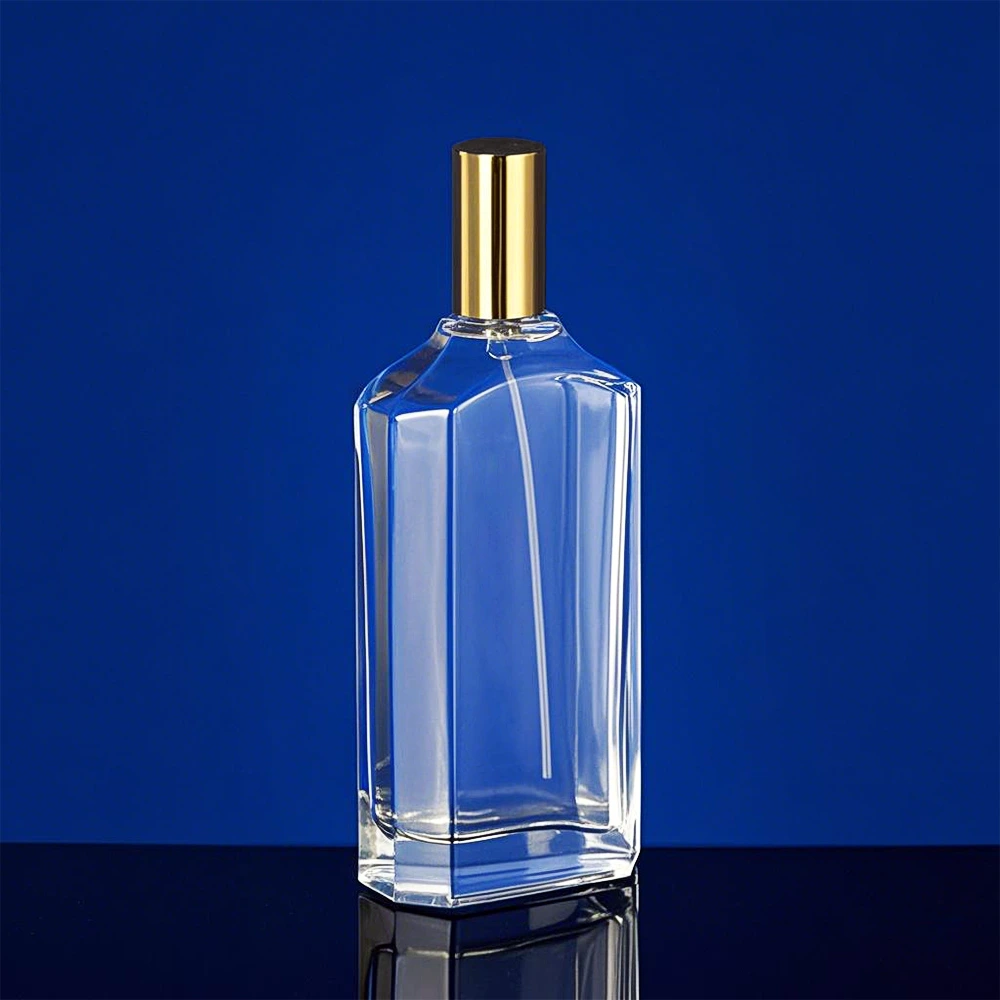
Výrobce skleněných parfémových lahví, který podporuje odlišení značky
Obsah
Podívejte se, jak výrobce skleněných lahviček na parfémy pomáhá značkám vyniknout na míru šitým designem, prvotřídními materiály a konzistentní kvalitou výroby.
1. Síla balení v parfumerii pro masový trh
Téměř v každém místním maloobchodě hraje klíčovou roli výrobce skleněných lahviček na parfémy – vzhled lahvičky vytváří úplně první dojem a často ovlivňuje rozhodnutí kupujícího ještě před otestováním vůně. Obal funguje jako „emoční ambasador“, který sděluje identitu značky a její příběh. Skleněná lahvička na míru, vyrobená vysoce kvalitním výrobcem... skleněné lahvičky na parfémy výrobce transformuje vůni na „nezbytnou součást“, čímž zvyšuje atraktivitu značky a prohlubuje emocionální spojení.
2. Základní schopnosti výrobce skleněných parfémových lahví
Efektivní a nákladově efektivní výroba zakázkových tvarů, barev a víček pro masové značky se opírá o pokročilou výrobu.
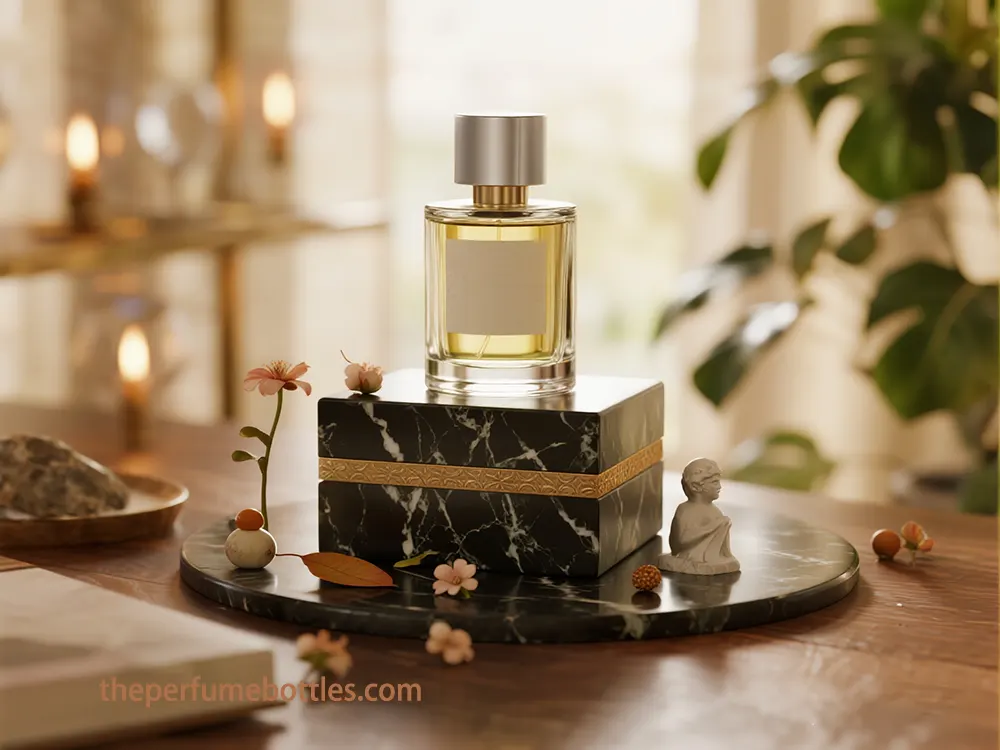
Získejte vzorky zdarma
2.1. Techniky tvarování pro velkoobjemovou výrobu
Metoda „lisování a foukání“ je hlavní metodou pro velkoobjemovou výrobu skleněných lahví. Kovová forma se plní lisováním roztaveného skla, načež se k dosažení konečného tvaru použije tlak vzduchu. Metoda „lisování a foukání“ spolu s běžným vyfukováním vyžaduje velmi přesnou a opakovatelnou regulaci tlaku, pokud má být kvalita výrobku udržována na konzistentní úrovni.
V současné době pracuje v několikasekčních strojích řada nezávislých sekcí a používá se také pokročilá technologie PLC s algoritmy řízení pohybu. Díky tomu lze teplotu, časování a tlak monitorovat v reálném čase, což umožňuje dosáhnout výstupu s jednotnou kvalitou a vysokou produktivitou.
Návrhářský software je klíčem k 3D vizualizaci, berouc v úvahu takové vlastnosti, jako je objem (30 ml, 50 ml, 100 ml) a povrchová úprava hrdla (15 mm-18 mm). První modely se nejčastěji tisknou 3D tiskem a slouží ke kontrole tvaru, velikosti, hmotnosti (200-400 g) a také ergonomie předmětu před vytvořením formy.
2.2. Různé dekorační techniky pro personalizaci na masovém trhu
Široká škála dekoračních technik poskytuje možnost personalizace ve velkém objemu:
- Sítotisk (sítotisk): Metoda sítotisku (pomocí sítotisku) je všestranná, trvanlivá a poměrně jednoduchá; je také snadno automatizovatelná pomocí PLC strojů, které dokáží tisknout až 4–5 barev na různé tvary (35–50 kusů/minutu) a podporují UV reaktivní a metalické barvy.
- Horká ražba (potisk fólií): Pomocí tepla a tlaku získává kovová nebo barevná fólie „nový“ povrch s vlastnostmi saténu, pololesklého nebo vysoce lesklého pro luxusní vzhled. Robotizované stroje dekorují různé lahve až v rozsahu 360 stupňů (až 2 500 dílů za hodinu), a tím poskytují způsob, jak zprostředkovat produktu vysokou hodnotu.
- Poleva (leptání kyselinou/pískování): Touto metodou se získá průsvitný matný povrch, díky kterému láhev vypadá i působí lépe a obsah je chráněn před škodlivým zářením. Jedná se o masově prodávanou dekorační techniku, která je poměrně ekonomická.
- Stříkání/barevné lakování:Potravinářsky nezávadný nástřik je metoda, při které se požadovaná barva „vypálí“ na povrch skla. U velkých sérií lze barvu přidat během výroby. Mezi nejnovější metody patří mramorování a termochromatické nátěry.
- UV tisk: Metoda zahrnuje velmi tenké inkousty, které se okamžitě vytvrzují UV světlem, a proto je tisk s velmi vysokým rozlišením, složitými vzory, přechody nebo fotografickými obrázky, které mají dobrou sytost a dlouhou životnost a jsou vhodné pro produkci jakékoli velikosti.
- Tamponový tisk: Ve srovnání s jinými metodami tisku je tento proces pomalejší, a proto by se mělo najít řešení tohoto technologického omezení, pokud jej chcete použít pro velkoobjemovou výrobu. Je však ideální pro složité návrhy a nejpřesnější za předpokladu, že se dosáhne maximálního výkonu při co nejšetrnější práci.
- Laserové gravírování: Je to laserový paprsek, který provádí ořezávání vytištěného obrázku, loga nebo textu, a proces je zcela automatický, protože je řízen softwarem.
- Vakuové lakování (metalizace): Dosahuje se pomocí vakuového zařízení a zahrnuje nanesení velmi tenké kovové vrstvy, která vede k reflexnímu, zrcadlovému povrchu, jenž chrání produkt před UV zářením a zároveň zvyšuje jeho luxus, odolnost proti opotřebení a ochranu proti korozi.
- Vločkování:Polymerní vlákna, která jsou s největší pravděpodobností vyrobena z nylonu, jsou nanášena sametovou technologií „soft touch“, která kromě hmatových vjemů umocňuje i vizuální stránku luxusu produktu.
- Holografický povlak: Jedná se o odolný proces vakuového iontového pokovování, který vede k přidání jasné, barevné a atraktivní duhové vrstvy.
2.3. Úprava víčka a výběr materiálu
Víčka na parfémy se vyrábějí z materiálů jako PP, ABS, Surlyn, hliník, Zamac, dřevo a akryl, což ovlivňuje nejen cenu, ale i úroveň vnímání luxusu. ABS je široce používaný materiál v oblasti masového trhu, jehož nejvýznamnější vlastností je pevnost, houževnatost, snadné zpracování a příjemná textura. Kromě toho jej lze personalizovat pomocí UV lakování, metalizace nebo transferového tisku. Jednoduchým zatížením víček ABS kovovými vložkami vzniká výsledný produkt, který se velmi podobá drahému Zamacu, což je vhodné pro střední trhy. Surlyn je materiál známý svou průhledností a povrchovou úpravou podobnou sklu, díky čemuž je produkt atraktivnější a trvanlivější.
U plastových uzávěrů hraje klíčovou roli vstřikování plastů. Náklady na formy vyrobené pro víčka a uzávěry se obvykle pohybují mezi 7 000 a 40 000 dolary. Přestože plnohodnotné formy na hlavu čerpadla se 16 dutinami mohou stát více než 120 000 dolarů, pouhou výměnou 2 klíčových komponent (např. aktuátoru + závitového kroužku) lze dosáhnout významného snížení nákladů na nástroje až na 12 000–15 000 dolarů, čímž se udrží rovnováha mezi mírou přizpůsobení a náklady na hromadnou výrobu. Hodnotu produktu lze extrémně zvýšit pouhým velkým zvýšením hmotnosti jeho uzávěru, které mu dodává luxusnější vzhled a dojem.
2.4. Kontrola kvality a efektivita ve vysokorychlostní výrobě
Přísná kontrola kvality je prováděna v každé fázi, počínaje surovinou až po hotový výrobek. Automatizované kontrolní systémy zahrnují použití vysokorychlostních kamer, infračervených senzorů a přesných měřicích nástrojů, které umožňují ověření rozměrů kontrolovaného objektu v reálném čase v rozsahu 360 stupňů a vad. Velmi důležité jsou víceúrovňové kontroly (odběr vzorků z horkého konce, kontrola po žíhání). Kromě toho je stejně důležité průběžné sledování teplot pece, míchání vsázky a kontrola forem. Automatizované systémy zkrátily dobu detekce vad z více než 8 hodin na 30 minut, čímž se výrazně snížil odpad a emise CO2.
3. Strategická diferenciace: Skleněné flakóny na parfémy na míru pro vyprávění příběhů značky
Navržené lahve, barevná schémata a personalizované možnosti uzávěrů pomáhají masovým značkám vyjádřit identitu jejich značky, zvýšit hodnotu značky vnímanou zákazníky a vytvořit funkční prvky, které upoutají pozornost spotřebitelů a mají u nich pozitivní odezvu.
3.1. Sémiotika tvaru a designu lahve
Lahvičky s vůní jsou „emoční ambasadoři“, kteří zobrazují identitu značky a její příběh, a tím mají největší vliv na nákup, a to ještě předtím, než je vůně zaznamenána. Designové prvky, jako je tvar, barva, materiál, víčko, hmotnost, logo a typografie, společně vytvářejí multisenzorický zážitek, který spotřebitele se značkou seznamuje.
- Obdélníkový/Čtvercový (např. Chanel č. 5) naznačují preciznost, sílu a věčnou povahu.
- Zaoblené/oblé (např. Jean Paul Gaultier) naznačují smyslnost, milost a jemnost, a proto mohou přilákat široké publikum.
- Elegantní, minimalistický, válcovitý (např. Jo Malone, Byredo) jsou moderní, jednoduché a všestranné, a proto se hodí pro současné i unisex vůně.
- Unikátní/Nekonvenční (např. hvězda „Anděl“ od Thierryho Muglera, plyšový medvídek „Hračka“ od Moschina, bota na vysokém podpatku od Caroliny Herrery) vyjadřují hlasité myšlenky, odrážejí jedinečnost dané osoby a stávají se jedním z mála, které si lidé snadno zapamatují, čímž zvyšují zapamatovatelnost o více než 30 %.
- Vysoká a štíhlá lahve jsou elegantní; širší tvary předávat sílu.
3.2. Psychologie barvy a povrchové úpravy
Psychologie barev odpovídá charakteru vůně a potenciálnímu spotřebiteli.
- Teplé barvy (Červená, oranžová, žlutá) vyvolávají pocit energie.
- Chladné barvy (Modrá, zelená) působí dojmem relaxace.
- Neutrální barvy (Černá, Bílá) jsou ty, které vyjadřují noblesu.
- Růžový je projevem lásky; Metalické tóny (Zlato, stříbro) působí luxusním dojmem.
- Gradientní/dvoubarevné vzory stávají se stále populárnějšími.
- I barva lahvičky může změnit způsob, jakým člověk vnímá vůni.
Textury a povrchové úpravy lákají nejen zrak, ale i hmat. Matné sklo je dokonalým příkladem minimalistické elegance, kterou materiál vnáší. Matné povrchové úpravy vyjadřují určitý rafinovaný styl; lesklé lesky a krystalizující vrstvy dodávají pocit věčnosti. Metalizace dodává předmětu velmi luxusní vzhled. Měkké štítky a reliéfní loga jsou hmatové způsoby prezentace luxusu.
3.3. Propojení s cílovými demografickými skupinami
Úspěšné značky analyzují a znají preference, kulturu a nákupní chování svých zákazníků.
- Ženy spotřebitelky: Upřednostňovat aspekty, jako je kvalita, vzhled, barva a výroba, což vede k trendu výroby lahví na zakázku, které jsou emocionálně a esteticky atraktivní.
- Mladší generace (Generace Z, Mileniálové):Touží po personalizovaných, autentických a personalizovaných vůních, které reprezentují jejich hodnoty (např. etické získávání zdrojů). Jsou ochotni zaplatit více za jedinečné, vizuálně atraktivní a „Instagramově hodné“ produkty, které vedou k zapojení na sociálních sítích.
- Kulturní nuance: Design obalů odráží kulturní hodnoty; například trhy Blízkého východu se vyznačují použitím zářivého zlata a složitých vzorů, zatímco asijské designy se více zaměřují na jednoduchost.
3.4. Za hranicemi estetiky: Ergonomie a interaktivní prvky
Funkčnost a uživatelská zkušenost jsou nepostradatelné. Porucha těsnění víčka, obtížně použitelné trysky nebo nepraktické tvary, to vše jsou faktory, které snižují úroveň spokojenosti uživatelů. Obal musí nejen chránit produkt, ale také umožňovat snadné použití (ergonomie, úchop, velikost, kapacita).
Interaktivní prvky, jako jsou QR kódy, NFC štítky a funkce AR, obohacují zážitek z rozbalování, nabízejí informace o produktu a zapojují uživatele, čímž se obal stává „hodným Instagramu“.
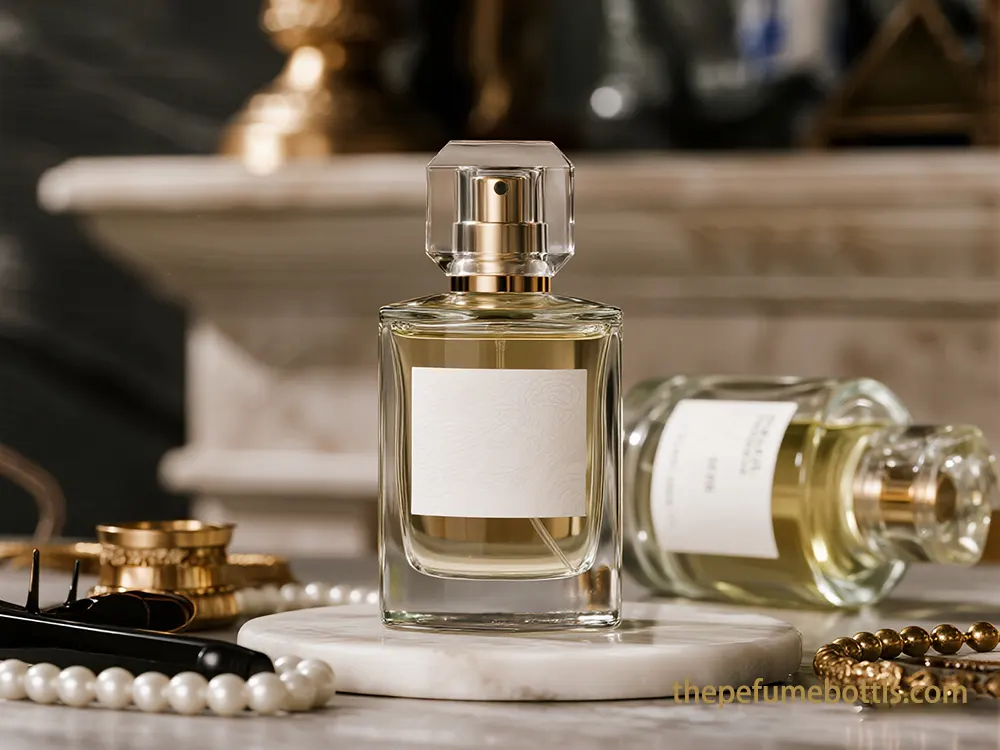
Získejte vzorky zdarma
4. Optimalizace hodnoty: Nákladové důsledky a návratnost investic do masové customizace
Investice do zakázkových skleněných lahví na parfémy vyžaduje vyvážení jedinečných vlastností s rozumnou cenou. Návratnost investice (ROI) jde nad rámec prodeje a zahrnuje hodnotu značky a loajalitu.
4.1. Nákladové složky a úspory z rozsahu
Náklady jsou ovlivněny:
- Tvorba plísní:Hlavní překážkou je počáteční investice, která se obvykle pohybuje v rozmezí 3 000 až 10 000 dolarů a více u složitějšího návrhu a může dosáhnout až 50 000 dolarů.
- Suroviny:Běžné sklo stojí 0,50–5 dolarů za lahev; plastové díly/atomizéry 0,10–1 dolar; luxusní kovové díly až 10 dolarů za lahev.
- Spotřeba energie: Většina energie, tj. 70 %, se spotřebuje na tavení/rafinaci, a proto představuje 20–30 % celkových výrobních nákladů.
- Náklady na práci:0,50–2/lahev za montáž, kontrolu kvality a balení, což představuje 40–70 % celkové produkce. Regiony s nižšími náklady na pracovní sílu také snižují náklady na pracovní sílu svých obchodních partnerů.
- Dekorace/Dokončovací práce:Standardní dekorace 0,10–0,50 USD/láhev; složité detaily 0,50–2 USD; extrémně individuální služby 75 USD+.
- Logistika/Balení: Poštovné 0,02–0,10 Kč/kus; vnější obal 0,50–10+ Kč.
To je důvod, proč je dosaženo Úspory z rozsahu je tak důležité. Cena za jednotku drasticky klesá s objemem. Zatímco malé série se prodávají za 5–10 kusů/kus, velkovýroba stojí 1–3 kusy/lahev. Plně zakázkové modely mají obvykle vysoké minimální objednací množství (MOQ), nejčastěji 10 000+ kusů, přičemž některé továrny vyžadují 50 000–300 000 kusů pro minimální ekonomickou životaschopnost.
Dekorování skladu je pro začínající firmy pohodlnější, protože se neplatí žádný poplatek za formu a MOQ je nižší (500–3 000 kusů), čímž se minimalizuje finanční riziko spojené s testováním trhu.
4.2. Měření návratnosti investic (ROI)
Balení na míru je plánovaný obchodní tah, který přináší velký zisk:
- Vliv spotřebitelů: Většinou (72 %) spotřebitelé používají obal jako hlavní kritérium pro rozhodování o tom, jaký produkt si koupit; přibližně 60 % z nich se neatraktivnímu obalu vyhýbá.
- Zapamatovatelnost/rozpoznání značky: Pomáhá zapamatovat si značku o 58 % (Nielsen, 2023), čímž vytváří jedinečnou ikonu.
- Vnímaná hodnota/prémiové ceny: Jednou z největších výhod je schopnost zvýšit vnímanou hodnotu, a tím pádem i možnost účtovat spotřebitelům vyšší ceny. Spotřebitelé jsou ochotni zaplatit až o 35 % více za vysoce kvalitní obaly.
- Nárůst přímého prodeje: Balení na míru může vést ke zvýšení prodeje až o 40 % a prodeje v kamenných obchodech o 30 % (NielsenIQ). Estetické lahve vedou k o 25 % vyššímu počtu zákazníků, kteří si něco kupují.
- Strategická diferenciace: Nezbytnost pro přežití na trhu, který by měl do roku 2030 dosáhnout 35 miliard dolarů.
- Věrnost značce/emoční propojení: Díky lásce ke značce bude spokojený zákazník dobrovolně generovat opakované nákupy.
- Udržitelnost jako hnací síla hodnoty: 52 % spotřebitelů volí ekologicky šetrné značky; ekologická komunikace je zodpovědná za 28% nárůst tržeb (McKinsey, 2023).
- Ochrana proti padělání: Je těžší napodobit unikátně vyrobené tvary na zakázku.
- Provozní efektivita: Pomáhá osvobodit společnost od nákladného cyklu poškozeného zboží a souvisejících výdajů.
- „Zážitek z rozbalování“: Vzájemná komunikace mezi zúčastněnými stranami usnadněná prostřednictvím sociálních médií, na nejvyšší možné úrovni, a marketing, o kterém se mluví ve městě.
Klíčové ukazatele výkonnosti (KPI) zahrnují prodej, spokojenost zákazníků, vnímání značky, provozní efektivitu, zapojení a míru návratnosti. Kromě toho je velký význam také zapamatovatelnost značky a celoživotní hodnota zákazníka. Finanční modelování (časové řady, vícenásobná lineární regrese) je jedním ze způsobů predikce návratnosti investic.
5. Udržitelná řešení: Ekologicky uvědomělá individuální úprava pro masový trh
Rostoucí poptávka spotřebitelů po ekologických produktech vede k udržitelné výrobě skleněných lahviček na parfémy pro masový trh.
5.1. Recyklovaný obsah a odlehčení
- Recyklovaný obsah (PCR sklo):Používání recyklovaného skla (PCR) je v tomto odvětví trendem, který snižuje uhlíkovou stopu a poptávku po panenských materiálech. Některé společnosti dosáhly až 60% PCR, zatímco L'Occitane používá 100 %. Průměr EU v obsahu recyklovaného materiálu byl v roce 2021 52 %.
- Odlehčení: Snížení obsahu skla bez obětování pevnosti nebo vzhledu přináší jak environmentální, tak ekonomické výhody: menší spotřebu surovin, nižší výrobní/přepravní náklady a méně emisí CO2. Dnes jsou lahve o 30 % lehčí než před 20 lety a produkují o 70 % méně emisí CO2 než před 50 lety. Borosilikátové sklo pomáhá mít tenčí a zároveň odolné stěny.
5.2. Systémy s možností opětovného naplnění a jejich přijetí spotřebiteli
Používání znovu naplnitelných parfémových systémů je metodou snižování odpadu a zároveň zdrojem úspor nákladů. Luxusní značky jako Guerlain a Mugler mají znovu naplnitelné linky, což vede ke snížení odpadu až o 45 %. Očekává se, že globální trh s znovu naplnitelnými parfémovými lahvemi dosáhne do roku 2025 objemu 1,5 miliardy dolarů s průměrnou roční mírou růstu 7 % v letech 2025 až 2033.
Haptic Finishes:
5.3. Certifikace a regulační rámce
Certifikace podporující udržitelnost:
- Certifikace Cradle to Cradle™: Hodnocení zahrnuje materiální zdraví, opětovné využití materiálů, hospodaření s vodou, energii z obnovitelných zdrojů a sociální spravedlnost.
- Certifikace B Corp: Oceňuje vynikající sociální a environmentální výkonnost.
- Certifikace Ecocert: Certifikuje organickou/přírodní kosmetiku s velmi přísnými kritérii pro složení, výrobu a balení.
- Hodnocení EcoVadis: Zahrnuje aspekty životního prostředí, pracovních a lidských práv, obchodní etiky a udržitelného zadávání veřejných zakázek.
- Globální standard recyklace (GRS):Poskytuje důkazy o recyklovaném obsahu a postupech v dodavatelském řetězci.
- Karton s certifikací FSC: Pro vnější obal vyrobený ze dřeva z odpovědně obhospodařovaných lesů.
Nařízení EU, jako například nařízení o obalech a obalových odpadech (PPWR) (polovina roku 2026), vyžadují harmonizovaný systém opětovného použití, systémy zálohování a obaly, které lze recyklovat do roku 2030. Také stanoví cíle pro snížení odpadu (5 % do roku 2030, 10 % do roku 2035, 15 % do roku 2040), snižuje množství „látek vzbuzujících obavy“ a zavádí rozšířenou odpovědnost výrobce (EPR).
5.4. Ochota spotřebitelů platit za udržitelné obaly
Většina spotřebitelů zaplatí více za udržitelné obaly. Podle zprávy společnosti Trivium Packaging z roku 2023 by 82 % spotřebitelů zaplatilo více, což je nárůst oproti předchozím letům. Spotřebitelé jsou ochotni zaplatit o 16 % více za obal, který je částečně vyroben z papíru. 63 % respondentů uvádí, že u znovu naplnitelných kosmetických produktů by očekávali úsporu 10–20 % ceny, což by podpořilo nákup těchto produktů. Obzvláště znepokojeni jsou mladší spotřebitelé a osoby s vysokými příjmy, kteří jsou ochotni zaplatit více.
Navrhovaná řešení pro udržitelnou individuální úpravu:
- Vylepšete si zážitek z doplňování: Snadno použitelné přístroje bez možnosti rozlití; jasné pokyny; „chytré balení“.
- Strategická cenová/hodnotová komunikace:Na jedné straně lze upozornit na dlouhodobé úspory; na druhé straně lze nabídnout odstupňované ceny (např. o 10–20 % levnější doplňování).
- Zlepšení dostupnosti/viditelnosti: Zpřístupněte produkty širšímu publiku; jasné označení v prodejnách.
- Posílení marketingu/transparentnosti: Jasnou komunikací environmentálních přínosů produktu; používáním „ekologických značek“ k posílení důvěry a boji proti „greenwashingu“.
- Zaměřte se na estetické/kvalitativní vnímání:Vytvořte ekologické obaly, které udrží produkt luxusní a vizuálně přitažlivý a zároveň vhodné pro sociální média.
- Překonání rozdílu mezi postojem a chováním:Poskytnout spotřebitelům možnosti udržitelných rozhodnutí, která jsou pohodlná, cenově dostupná a esteticky příjemná.
6. Budoucí horizonty: Inovace v personalizaci parfémových flakonů pro masový trh
Budoucnost personalizace parfémových flakonů pro masový trh je ovlivněna progresivními technologiemi, sofistikovanými materiály a měnícími se potřebami personalizace a ekologické šetrnosti.
6.1. Jak výrobci skleněných lahví na parfémy využívají umělou inteligenci pro design a hyperpersonalizaci
Umělá inteligence přetváří design obalů tím, že se zaměřuje na trendy a demografické údaje, aby zjistila rozvržení, barvu a obrázky, které nejlépe vyhovují, čímž se designová část stává jednodušší. Postupy jako DesignNBuy poskytují přístup k nástrojům umělé inteligence, které pomáhají s úpravami v reálném čase a tiskem s vysokými nároky na výsledky. Packify.ai vytváří obrázky produktů a získává nápady z pokynů uživatele, takže celý proces návrhu je rychle proveden. Nástroje umělé inteligence, jako je Fragrance Innovator, fungují jako zdroj inspirace pro kreativní návrhy lahví a vstupy mohou pocházet z různých oblastí. S touto technologií po ruce si lze snadno představit velmi vzácné použití běžných, generických a levných spotřebitelských obalů prostřednictvím zakázkové výroby osobních lahví. Konkrétně biometrické údaje mohou sloužit jako médium nesoucí fyzikální ID pro označování bot-spamem, aby se zpřístupnil jedinečný produkt každé osoby.
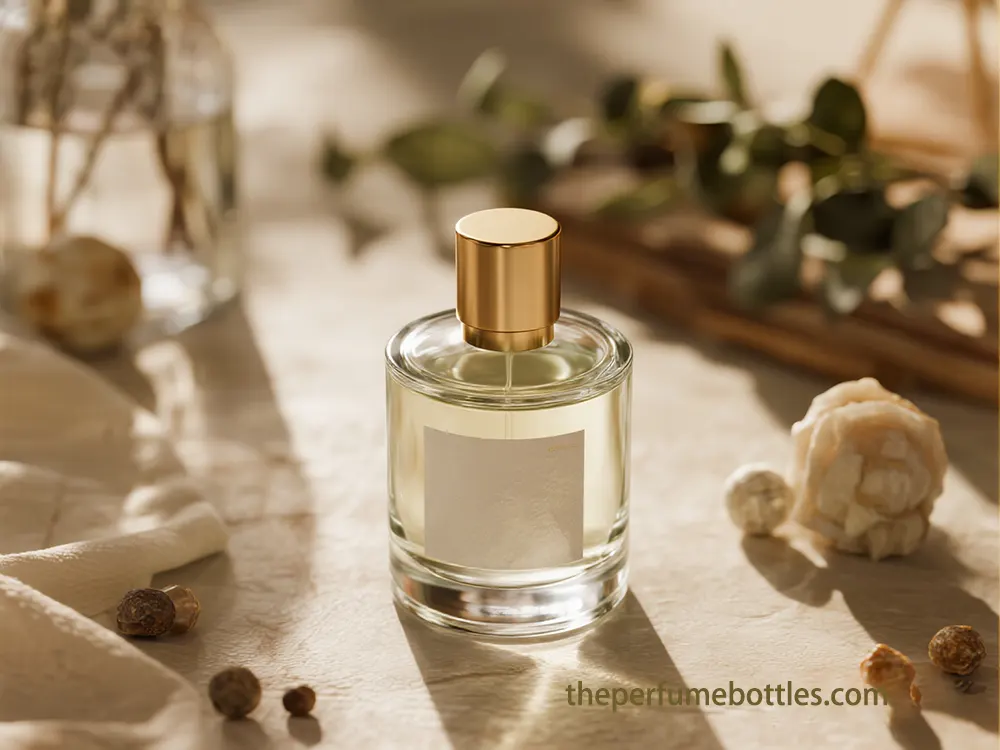
Získejte vzorky zdarma
6.2. Pokročilá výroba a digitální tisk
- 3D tisk: Technologie umožňující přímý 3D tisk skleněných lahví pro velkosériové použití je stále v plenkách, na druhou stranu se již široce používá pro řemeslné první série, dekorace a ornamenty na zakázku. Může být proto součástí výzkumu, vývoje a designu obalů, stejně jako marketingu, a to ve formě načasování komunikace značek a produktů, obsahu, prezentací a aktivací. Viktor&Rolf použili 3D metodologii při výrobě limitované edice Flowerbomb se složitým vzorem květů.
- Přímý tisk na sklo: Digitální tisk je v oblasti vizuálně atraktivních, detailních a barevně intenzivních obrázků přímo na skle s podporou fotorealistických manuálů a složitých vzorů zcela „převratný“. UV tisk umožňuje tisk log v jakékoli barvě, text může být čistě bílý a kovový efekt tisku lze dosáhnout přímo na skle i v jednom kusu (1–2 kusy). Výše uvedené techniky přinášejí myšlenku trvanlivých a spolehlivých výrazných etiket na skleněné obaly.
6.3. Pohlcující zapojení spotřebitelů pomocí rozšířené reality a chytrého balení
AR (rozšířená realita) je pro obalový průmysl klíčovým nástrojem, pokud jde o zapojení spotřebitelů na další úrovni. Spotřebitel může prostřednictvím chytrého telefonu vybaveného rozšířenou realitou (AR) po naskenování obalu získat pohlcující virtuální rozbalování, příběhy vůní, optické profily vůní nebo pohled na personalizované lahve z první osoby. AR zážitek od Jo Malone odhaluje vztahy mezi vůněmi. „Propojená“ lahev od Paco Rabanne s malým NFC čipem jde nad rámec pouhého přístupu k hrám, playlistům a funkcím AR tím, že uživateli nabízí jedinečný interaktivní zážitek. Toto „chytré balení“ (QR kódy, NFC čipy) také umožňuje boj proti padělání v reálném čase, vyprávění příběhů značek a exkluzivní zapojení zákazníků.
6.4. Inovace ve složení skla a jeho povlakech
- Nové složení skla:
- Ultralehké sklo: Přispívá k menším emisím CO2 při výrobě a dopravě a také šetří peníze. Společnosti Verescence se podařilo dosáhnout celkového snížení hmotnosti až o 60 % bez kompromisů v oblasti luxusu. Použití borosilikátového skla umožňuje tenčí a odolnější stěny.
- Vysoce pevné sklo: Borosilikátové sklo nabízí odolnost proti tepelným šokům u složitých tvarů. Za tímto účelem lze vlastnosti a trvanlivost produktu zlepšit také použitím několika technologií povrchové úpravy.
- Zvýšená jasnost: Super flintové sklo je pro svou vynikající průhlednost vybíráno v luxusních baleních vůní.
- Pokročilé nátěry:
- Odolnost proti poškrábání/chemickým vlivům: S povrchovou úpravou typu GLASNOL® získá ošetřený povrch nejen vysoký lesk, ale časem se také stává odolnějším vůči opotřebení. Metalizace (UV lakování) zlepšuje ochranu proti opotřebení, korozi a poškrábání.
- UV ochranné nátěry: Stoelzle Lumi Coat (říjen 2024) je UV ochrana s vynikající optickou průhledností. „Neviditelné štíty“ od Heinz-Glas jsou integrací UV laků. Nano-nátěry se zde zaměřují na 99% UV filtraci v průhledných lahvích.
- Haptické povrchové úpravy: Matné povrchové úpravy dodávají výrobku moderní, elegantní a zároveň saténový nádech. Vlněné materiály napodobují měkkost a sametovou texturu.
- Inteligentní nátěry: Termochromismus mění barvu s teplotou. Vědci zvažují samočisticí sklo. Holografický povlak je jedním ze způsobů, jak dosáhnout duhových efektů.
6.5. Alternativní transparentní materiály a analýza nákladů a přínosů
Průmysl zkoumá možné alternativy ke konvenčnímu sklu:
- Bioplasty/recyklované plasty: Společnost Dow spolupracuje s LVMH na tvorbě biomateriálů (např. použitého kuchyňského oleje) a plastových odpadních materiálů. Budoucnost biologicky rozložitelných plastů (vyrobených z cukrové třtiny, kukuřičného škrobu) vypadá z ekologického hlediska slibně. Obaly z lisované buničiny představují vynikající kombinaci absorpce nárazů a biologické rozložitelnosti.
- Alternativní průhledné materiály: Akryl je lehký, průhledný a při nárazu se snadno nerozbije; nejčastěji však nemá skleněný vzhled a je obtížné jej recyklovat. PET a PVC jsou nejoblíbenějšími materiály pro výrobky vyžadující chemickou odolnost a trvanlivost.
- Lehké kovy: Hliník a nerezová ocel jsou perfektní kombinací moderního vzhledu, odolnosti a recyklovatelnosti, a tím poskytují světelné/vzduchové bariéry pro dlouhou životnost vůně.
Analýza nákladů a přínosů:Použití lehkého skla může přinést značné úspory. Plastové lahve stále slouží jako levné řešení pro masový parfumérský průmysl. Individuální dekorace, jako je metalizace, jsou ekonomickým způsobem, jak se odlišit. I když ekologické materiály mohou být zpočátku o něco dražší, nové technologie se snaží náklady snížit a vyvážit tak udržitelnost s image značky.
Očekává se, že globální trh s obaly na parfémy dosáhne do roku 2032 hodnoty 5,95 miliardy USD s průměrnou roční mírou růstu 6,93 %. Očekává se, že celosvětový trh s personalizovanými flakony na parfémy dosáhne do roku 2027 hodnoty 3,8 miliardy USD s průměrnou roční mírou růstu 7,2 %. Tyto průlomy svědčí o rychlém přijetí těchto technologií v sektoru masového trhu pro personalizaci a hyperpersonalizaci v nadcházejících 5–10 letech.
6.6. Nejlepší postupy pro modely cirkulární ekonomiky
Úspěšné sférické modely skla preferují opětovné použití. Společnosti jako Rewine dosahují opětovného použití 85 % lahví podporou vracení lahví a společnost Sustainable Wine Solutions snížila uhlíkovou stopu díky programu vracení lahví o 95 %. To vyžaduje silnou účast spotřebitelů a infrastrukturu.
6.6. Regulační tlaky a pobídky
Vlády zavádějí pravidla pro udržitelné obaly, včetně povinných předpisů, omezení jednorázových plastů a programů rozšířené odpovědnosti výrobce (EPR). Programy PPWR Evropské unie si kladou za cíl harmonický systém opětovného použití, plány na výběr záloh, ambiciózní cíl recyklace (75 % u skla) a cíle snižování odpadu, včetně omezení malých jednorázových kosmetických výrobků v domácnostech do roku 2030.
6.7. Demografické údaje pohánějící trh s kosmetickými produkty s opakovaně plnitelnými obaly
Ekologicky uvědomělá skupina milenií (73 % preferuje udržitelné značky) a Jane Z (75 % návyků pro dopad na životní prostředí) provozují trhy s doplňovatelnými kosmetickými produkty. Zatímco ženy tvoří většinu, muži projevují rostoucí zájem o systémy genderových registrů. Spotřebitelé s vysokými příjmy rádi investují do prémiových trvanlivých produktů.
7. Závěr: Budoucnost všestranného balení
Malé skleněné lahvičky s roll-on technologií představují dynamické a působivé obalové řešení. Jejich chemická inertnost, UV ochrana (zejména borosilikátové a jantarové sklo) a různé materiály kuliček zajišťují přesnost a integritu produktu. Jejich použití se rozšířilo nad rámec esenciálních olejů na péči o pleť, úlevu od bolesti, péči o nehty, produkty pro domácí mazlíčky a přírodní repelenty proti hmyzu, což prokazuje pozoruhodnou všestrannost.
Uživatelská zkušenost definovaná lepší přenosností, kontrolovaným dodáváním a čistou aplikací zůstává klíčovým faktorem. Vzhledem k tomu, že se dynamika trhu vyvíjí s poptávkou po pohodlí, personalizaci a udržitelnosti, jsou roll-on lahve připraveny na další růst. Budoucí inovace, včetně pokročilých mechanismů dodávání, inteligentní integrace balení a udržitelných materiálů, posílí jejich pozici v oblasti odpovědného balení.
Na VesseluxePředstavujeme si obaly, které jsou funkční, estetické, ekologické a přizpůsobivé. Malé skleněné roll-on lahvičky ztělesňují tento přístup a spojují tradici s inovací, aby utvářely budoucnost odvětví v oblasti všestranných a udržitelných obalů.
Komentáře
Kategorie produktů
Žhavé výprodejové lahve
Trendy v úpravách malých kapacích lahviček pro rok 2026
Zjistěte, jak se malé kapátkové lahvičky vyvíjejí s využitím vlastních barev, materiálů a prémiových prvků balení pro moderní značky.
Jak gravírovat lahvičku parfému pro přizpůsobení hodnoty
Prozkoumejte, jak gravírovat návrhy flakonů na parfémy pro zvýšení personalizace, zvýšení hodnoty značky a vytvoření prémiového odlišení produktu.
Případová studie: Výroba jantarových skleněných lahviček s kapátkem na zakázku pro německou značku vůní
Skleněné lahvičky s kapátkem jantarové barvy s bezchybnou jednotností barev, ochranou proti UV záření a prémiovou kvalitou – vyrobené pro péči o pleť a esenciální oleje.
Jak získat pro svou značku velké množství parfémových lahviček
Zjistěte, jak nakupovat lahvičky na parfémy ve velkém od správného dodavatele, jak si vybrat možnosti přizpůsobení, standardy kvality a strategie úspory nákladů.
Případová studie: Jak společnost vyrábějící skleněné lahvičky s kapátkem zlepšila konzistenci produktů
Zjistěte, jak společnost vyrábějící skleněné kapátkové lahvičky zlepšila konzistenci dávkování, snížila riziko lámání a vylepšila branding pro rostoucí řadu péče o pleť.
- +86 186 5178 1159
- [email protected]
- Po-Ne 07:00-21:00
Štítky
What to Look for in a Roller Bottle Factory?
12/08/2026
Learn what to look for in a roller bottle factory, from glass quality and roller performance to customization, MOQ, testing, and bulk supply.
Případová studie: Jak továrna na kapací lahvičky vyřešila únik pro kanadskou značku
05/08/2026
Továrna na kapátka pomohla kanadské značce esenciálních olejů vyřešit problémy s úniky díky přesnému uchycení, testům těsnění a spolehlivým kapátkům.

Trendy výrobců kapacích lahví v roce 2026
28/07/2026
Zjistěte, jak se výrobce kapacích lahví přizpůsobuje trendům roku 2026 v oblasti materiálů, přizpůsobení, udržitelnosti a řešení pro hromadné balení.
Případová studie: Zakázkové roll-on lahve z čirého skla pro kanadskou značku
21/07/2026
Zjistěte, jak jsme pro kanadskou značku dodali zakázkové rolovací lahve z čirého skla s využitím kvalitních materiálů, přesného výkonu válců a škálovatelné výroby.