
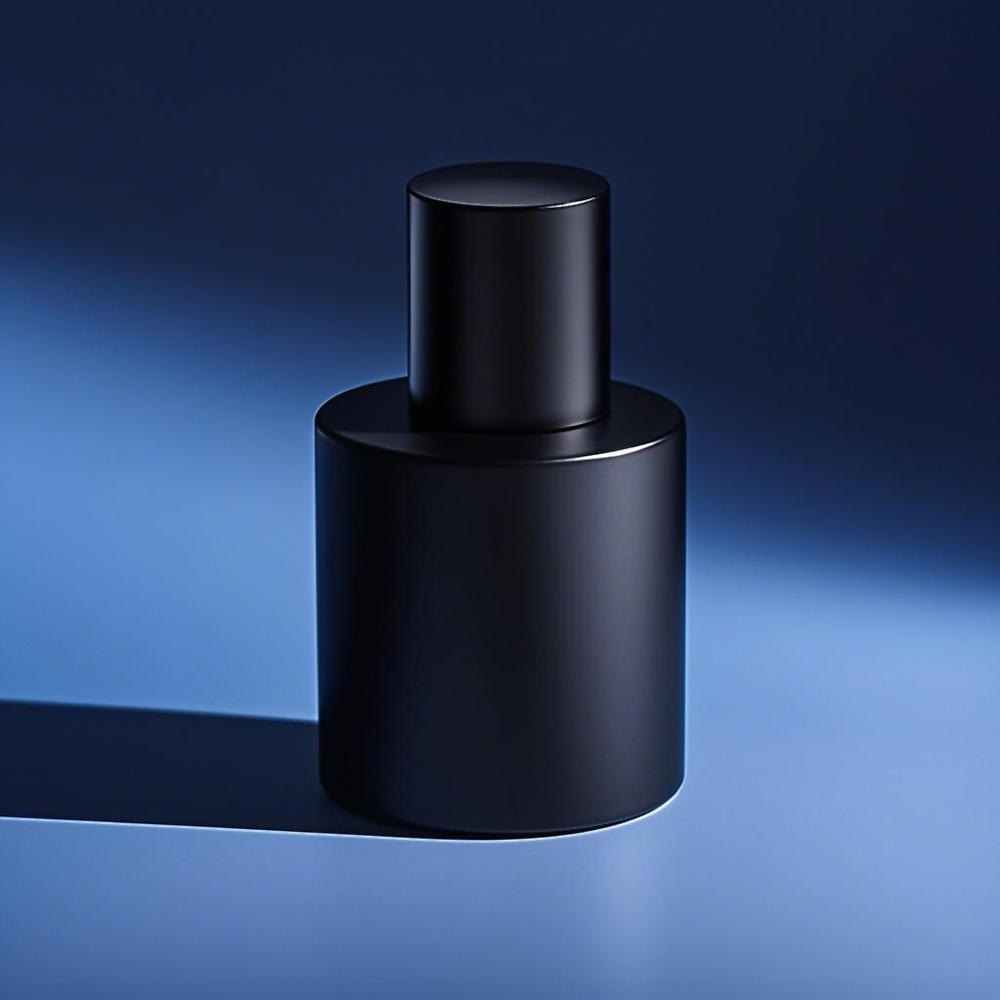
Producent af glasparfumeflasker driver branddifferentiering
Indholdsfortegnelse
Se, hvordan en producent af parfumeflasker i glas hjælper brands med at skille sig ud med skræddersyede designs, førsteklasses materialer og ensartet produktionskvalitet.
1. Emballages styrke i masseproducerede parfumer
I næsten alle lokale detailhandler spiller producenter af parfumeflasker i glas en nøglerolle – flaskens udseende skaber det allerførste indtryk og påvirker ofte køberens beslutning, selv før duften er prøvet. Emballagen fungerer som en "følelsesmæssig ambassadør", der formidler brandidentitet og historie. En skræddersyet glasflaske, fremstillet af et højkvalitetsfirma. glas parfumeflasker producenten, forvandler duften til et "must-have", hvilket forbedrer brandets appel og uddyber den følelsesmæssige forbindelse.
2. Kernekompetencer hos en producent af parfumeflasker i glas
Effektiv og omkostningseffektiv produktion af brugerdefinerede former, farver og kasketter til masseproducerede mærker er afhængig af avanceret fremstilling.
Få gratis prøver
2.1. Formningsteknikker til storproduktion
"Press og blæs"-metoden er den primære metode til fremstilling af glasflasker i store mængder. En metalform fyldes ved at presse smeltet glas, hvorefter der anvendes lufttryk for at opnå den endelige form. "Press og blæs"-metoden kræver sammen med generel blæsestøbning meget præcis og gentagelig trykkontrol, hvis produktkvaliteten skal opretholdes på et ensartet niveau.
I øjeblikket opererer adskillige uafhængige sektioner i flersektionsmaskiner, og der anvendes også avanceret PLC-teknologi med bevægelsesstyringsalgoritmer. På grund af dette kan temperatur, timing og tryk overvåges i realtid, hvilket muliggør en ensartet kvalitet og høje produktionshastigheder.
Designsoftware er nøglen til 3D-visualisering, idet der tages højde for funktioner som volumen (30 ml, 50 ml, 100 ml) og halsfinish (15 mm-18 mm). De første modeller er oftest 3D-printede, og de tjener til at kontrollere formen, størrelsen, vægten (200-400 g) samt ergonomien af emnet, før formen fremstilles.
2.2. Diverse dekorationsteknikker til tilpasning til massemarkedet
Et bredt udvalg af dekorationsteknikker giver mulighed for personalisering i store mængder:
- Serigrafi (Silketryk): En metode til serigrafi (ved hjælp af silketryk) er alsidig, holdbar og ret enkel; den er også let automatiserbar med PLC-maskiner, der kan trykke op til 4-5 farver på forskellige former (35-50 stykker/minut) og kan understøtte UV-reaktive og metalliske blæktyper.
- Varmprægning (folietryk): Ved hjælp af varme og tryk får metallisk eller farvet folie en "ny" overflade med karakteristika som satin, halvblank eller højglans, hvilket giver et luksuriøst udseende. Robotmaskiner dekorerer op til 360 grader på forskellige flasker (op til 2.500 dele/time) og giver dermed en måde at formidle høj værdi for et produkt.
- Glasur (syreætsning/sandblæsning): Med denne metode opnås en gennemskinnelig mat finish, hvilket gør flasken både ser bedre ud og føles bedre, og indholdet beskyttes mod skadelige stråler. Det er en masseproduceret dekorationsteknik, der er ret økonomisk.
- Sprøjtning/farvelakering:En fødevaresikker spraybelægning er den metode, hvorved den ønskede farve "bages" på glasoverfladen. Farve kan tilsættes under produktionen i store serier. Nogle af de nyeste metoder omfatter marmor- og termokrombelægninger.
- UV-trykning: Metoden involverer meget tynde blæktyper, der hærdes med UV-lys på én gang, hvilket resulterer i tryk med meget høj opløsning af komplekse designs, gradienter eller fotografiske billeder, der har god livlighed og lang levetid, og som er velegnede til produktioner af enhver størrelse.
- Tampontryk: Sammenlignet med andre trykmetoder er processen langsommere, og derfor bør der findes en løsning på denne teknologiske begrænsning, hvis man vil bruge den til produktion i store mængder. Den er dog ideel til komplekse designs og mest præcis, forudsat at det maksimale output opnås ved det mest skånsomme arbejde.
- Lasergravering: Det er laserstrålen, der udfører beskæringen af det trykte billede, logo eller tekst, og processen er fuldstændig automatisk, da den er softwarestyret.
- Vakuumbelægning (metallisering): Opnås ved brug af et vakuumapparat og involverer påføring af et meget tyndt metallag, der fører til en reflekterende, spejllignende finish, som både beskytter produktet mod UV-stråler og forbedrer dets luksus, slidstyrke og korrosionsbeskyttelse.
- Flokdannelse:Polymerfibre, som højst sandsynligt er lavet af nylon, påføres via en fløjlsblød "soft touch"-teknologi, som udover det taktile også forstærker den visuelle side af et produkts luksus.
- Holografisk belægning: Dette er en holdbar vakuumionpletteringsproces, der resulterer i tilføjelsen af et lyst, farverigt og attraktivt iriserende lag.
2.3. Tilpasning af kasket og materialevalg
Parfumekapsler er lavet af materialer som PP, ABS, Surlyn, aluminium, Zamac, træ og akryl, hvilket ikke kun påvirker prisen, men også niveauet af luksusopfattelse. ABS er et meget anvendt materiale inden for masseproducerede produkter, hvis vigtigste egenskab er dets styrke, sejhed, nemme forarbejdning og flotte tekstur. Derudover kan det personliggøres via UV, metallisering eller transfertryk. Ved blot at vægte ABS-kapsler med metalindsatser, ligner det resulterende produkt meget den dyrere Zamac, hvilket er godt for mellemstore virksomheder. Surlyn er et materiale, der er kendt for sin klarhed og glaslignende finish, hvilket gør produktet mere attraktivt og holdbart.
For plastiklåger spiller sprøjtestøbning en central rolle. Omkostningerne ved forme til låg og hætter ligger normalt mellem $7.000 og $40.000. Selvom komplette pumpehovedforme med 16 hulrum kan koste mere end $120.000, kan man ved blot at udskifte 2 nøglekomponenter (f.eks. aktuator + gevindkrave) opnå en betydelig reduktion i værktøjsudgifter ned til $12.000-$15.000 og derved opretholde balancen mellem graden af tilpasning og omkostningerne ved masseproduktion. Værdien af et produkt kan øges ekstremt blot ved en stor stigning i vægten af dets hætte, hvilket giver det et mere luksuriøst udseende og en mere luksuriøs fornemmelse.
2.4. Kvalitetskontrol og effektivitet i højhastighedsproduktion
Der udføres streng kvalitetskontrol i alle faser, lige fra råmaterialet til det færdige produkt. De automatiserede inspektionssystemer involverer brugen af højhastighedskameraer, infrarøde sensorer og præcisionsmåleværktøjer, der muliggør realtidsmålinger i 360 grader og verifikation af defekter i det inspicerede objekt. Multi-level kontroller (prøveudtagning i varme ende, inspektion efter udglødning) er meget vigtige. Derudover er kontinuerlig overvågning af ovntemperaturer, blanding af batcher og forminspektion lige så vigtige. Automatiserede systemer har forkortet defektdetekteringstiden fra over 8 timer til 30 minutter, hvilket reducerer spild og CO2-udledning betydeligt.
3. Strategisk differentiering: Brugerdefinerede parfumeflasker i glas til brandstorytelling
Designede flasker, farveskemaer og kapselmuligheder, der er personligt tilpassede, hjælper masseproducerede brands med at udtrykke deres brandidentitet, øge den brandværdi, som kunderne opfatter, og skabe funktionelle funktioner, der fanger forbrugernes opmærksomhed og får en positiv respons fra dem.
3.1. Semiotikken bag flaskeform og -design
Duftflasker er "følelsesmæssige ambassadører", der formidler brandidentiteten og historien og dermed har størst indflydelse på købet, selv før duften opleves. Designelementer som form, farve, materiale, hætte, vægt, logo og typografi skaber tilsammen en multisensorisk oplevelse, der gør forbrugeren fortrolig med brandet.
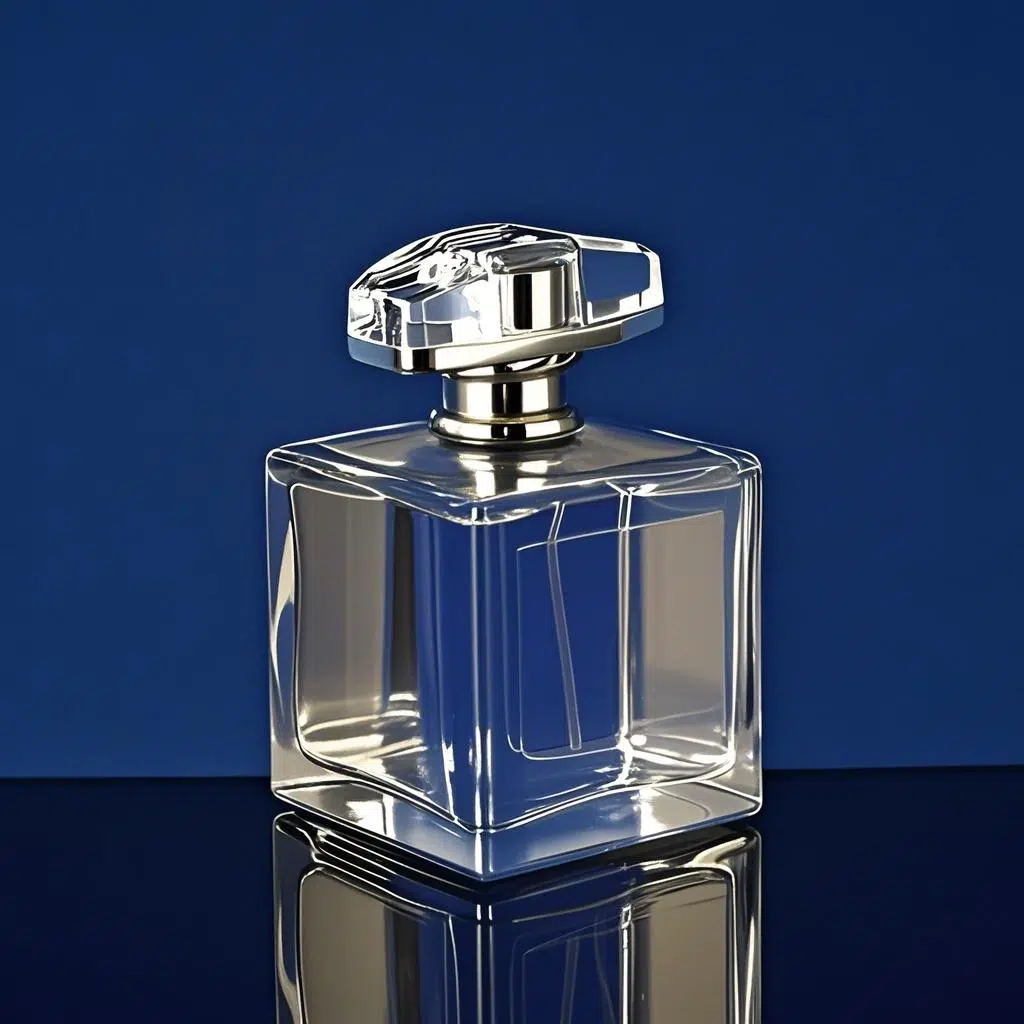
- Rektangulær/Firkantet (f.eks. Chanel nr. 5) angiver præcision, styrke og evig natur.
- Kurvet/Afrundet (f.eks. Jean Paul Gaultier) antyder sensualitet, at være elskelig og blød, og kan dermed tiltrække et bredt publikum.
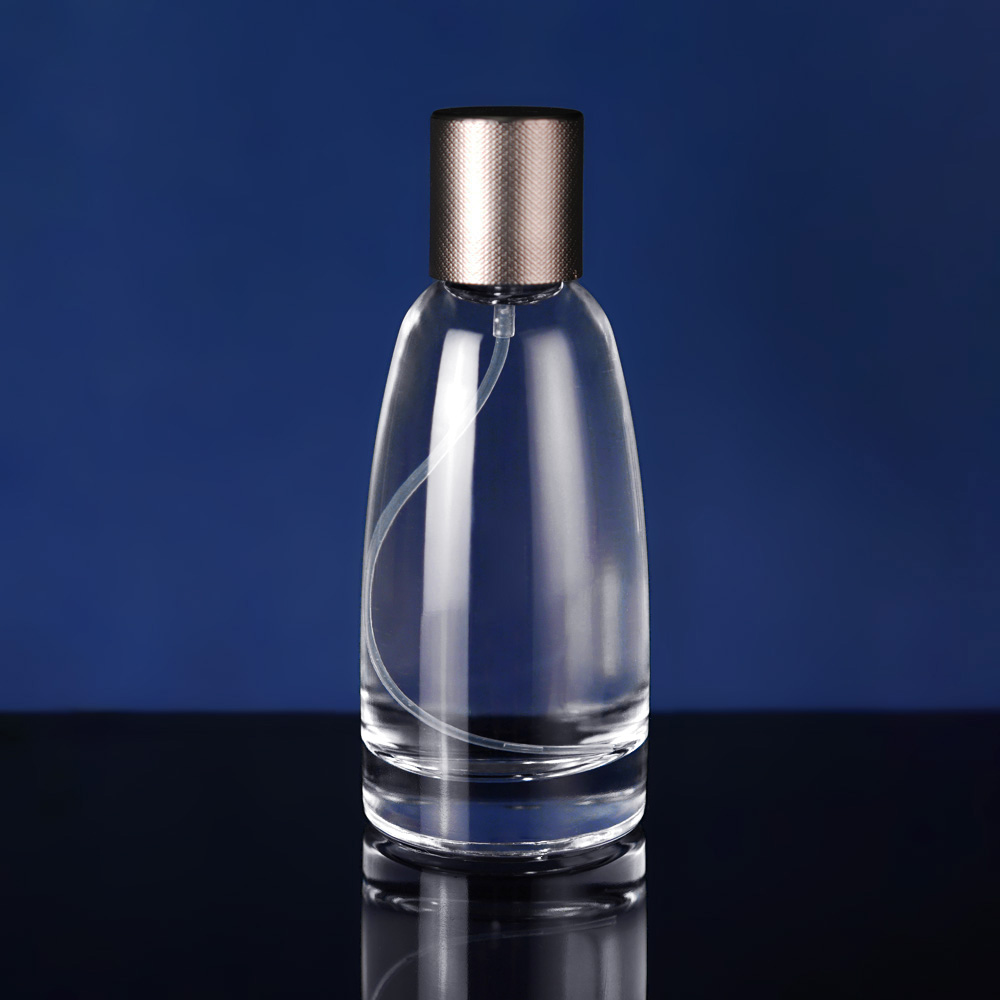
- Elegant, minimalistisk, cylindrisk (f.eks. Jo Malone, Byredo) er alle moderne, enkle og alsidige, hvilket er grunden til, at de er velegnede til moderne og unisex dufte.
- Unik/Ukonventionel (f.eks. Thierry Muglers “Angel”-stjerne, Moschinos “Toy”-bamse, Carolina Herreras højhælede sko) udtrykker højlydte ideer, afspejler personens unikke karakter og bliver en af de meget få, som folk let kan huske, hvilket øger erindringsprocessen med mere end 30 %.
- Høj og slank flaskerne er elegante; bredere former formidle styrke.
3.2. Farvens og finishens psykologi
Farvepsykologi korresponderer med duftens karakter og den potentielle forbruger.
- Varme farver (Rød, Orange, Gul) frembringer en følelse af energi.
- Kølige farver (Blå, Grøn) giver indtryk af at være afslappende.
- Neutrale farver (Sort, Hvid) er dem, der udtrykker at være klassiske.
- Lyserød er tegn på kærlighed; Metalliske toner (Guld, Sølv) giver indtryk af at være luksuriøse.
- Gradient/tofarvede designs bliver mere og mere populære.
- Selv farven på en flaske kan ændre den måde, en person dufter en duft på.
Teksturer og finish indbyder til at følesansen kommer til sin ret sammen med synet. Matteret glas er et perfekt eksempel på minimalistisk elegance, som materialet bringer ind i billedet. Matte finish vidner om en bestemt raffineret stil; blanke glans og krystalliserende belægninger giver en følelse af at være evigvarende. Metallisering får en genstand til at se meget luksuriøs ud. Bløde etiketter og prægede logoer er taktile måder at præsentere luksus på.
3.3. Forbindelse med målgruppens demografi
Succesfulde brands analyserer og kender deres kunders præferencer, kultur og købsadfærd.
- Kvindelige forbrugere: Prioritér aspekter som kvalitet, udseende, farve og produktion, hvilket fører til en tendens til brugerdefinerede følelsesmæssigt og æstetisk attraktive flasker.
- Yngre generationer (Generation Z, Millennials):Ønsker personlige, autentiske og skræddersyede dufte, der repræsenterer deres værdier (f.eks. etisk indkøb). De er villige til at betale mere for unikke, visuelt attraktive og "Instagram-værdige" produkter, der fører til engagement på sociale medier.
- Kulturelle nuancer: Emballagens design afspejler de kulturelle værdier; for eksempel er markeder i Mellemøsten kendetegnet ved brugen af levende guld og komplekse mønstre, hvorimod de asiatiske designs er mere fokuserede på enkelhed.
3.4. Ud over æstetik: Ergonomi og interaktive elementer
Funktionalitet og brugeroplevelse er uundværlige. Fejlfunktion i lågforseglingen, svært anvendelige dyser eller akavede former er alle faktorer, der sænker brugernes tilfredshed. Emballagen skal ikke kun beskytte produktet, men også være enkel at bruge (ergonomi, greb, størrelse, kapacitet).
Interaktive komponenter som QR-koder, NFC-tags og AR-funktioner beriger unboxing-oplevelsen, tilbyder produktinformation og involverer brugerne, hvilket gør emballagen "Instagram-værdig".
Få gratis prøver
4. Optimering af værdi: Omkostningsimplikationer og investeringsafkast ved tilpasning til massemarkedet
Investeringer i specialfremstillede parfumeflasker i glas indebærer en balance mellem unikke funktioner og rimelige priser. Investeringsafkastet (ROI) går ud over salg og omfatter også brandværdi og loyalitet.
4.1. Omkostningskomponenter og stordriftsfordele
Omkostningerne påvirkes af:
- Formdannelse:Den største barriere er den indledende investering, og den ligger normalt i intervallet $3.000-$10.000+ for et kompliceret design og kan være op til et maksimum på $50.000.
- Råmaterialer:Almindeligt glas koster $0,50-$5 pr. flaske; plastikdele/forstøvere $0,10-$1; luksuriøse metaldele op til $10 pr. flaske.
- Energiforbrug: Størstedelen af energien, dvs. 70%, bruges til smeltning/raffinering og tegner sig dermed for 20-30% af de samlede produktionsomkostninger.
- Lønomkostninger:0,50-2/flaske til samling, kvalitetskontrol og pakning, hvilket udgør 40-70% af den samlede produktion. Derudover reducerer regioner med lavere lønomkostninger deres forretningspartneres lønomkostninger.
- Decoration/Finishing:Standarddekoration 0,10-0,50/flaske; komplicerede detaljer $0,50-$2; ekstremt tilpassede tjenester $75+.
- Logistik/Emballage: Forsendelse 0,02-0,10/enhed; ydre emballage 0,50-10+.
Det er grunden til, at man opnår Stordriftsfordele er så vigtigt. Omkostningerne pr. enhed falder drastisk med volumen. Mens små partier prissættes til 5-10/enhed, koster storskalaproduktion 1-3/flaske. Fuldt specialdesignede designs har normalt høje minimumsbestillingsmængder (MOQ'er), oftest 10.000+ enheder, hvor nogle fabrikker kræver 50.000-300.000 enheder for at opnå en minimumsøkonomisk levedygtighed.
Lagerdekorering er mere bekvemt for startups, da der ikke er noget formgebyr og lavere MOQ'er (500-3.000 enheder), hvilket minimerer den økonomiske risiko ved markedstestning.
4.2. Måling af investeringsafkastet (ROI)
Specialfremstillet emballage er et planlagt forretningstræk, der giver en stor profit:
- Forbrugerindflydelse: Forbrugerne (72 %) bruger for det meste emballage som det primære beslutningskriterium for, hvilket produkt de skal købe; omkring 60 % af dem undgår uattraktiv emballage.
- Brandgenkendelse/-genkendelse: Det hjælper med at huske brandet med 58% (Nielsen, 2023), hvilket skaber et unikt ikon.
- Opfattet værdi/Premium-prissætning: En af de største fordele er muligheden for at hæve det oplevede værdiniveau og dermed kunne opkræve højere priser fra forbrugerne. Forbrugerne er villige til at betale op til 35 % mere for emballage af høj kvalitet.
- Direkte salgsstigning: Specialfremstillet emballage kan føre til en stigning i salget på op til 40 % og i butikssalget på 30 % (NielsenIQ). Æstetiske flasker fører til 25 % højere købsintentioner hos forbrugerne.
- Strategisk differentiering: En forudsætning for at overleve i et marked, der forventes at nå 35 milliarder dollars i 2030.
- Brandloyalitet/følelsesmæssig forbindelse: Gennem kærlighed til et brand vil den glade kunde frivilligt generere gentagne køb.
- Bæredygtighed som værdidriver: 52 % af forbrugerne vælger miljøvenlige mærker; miljøvenlig kommunikation tegner sig for en salgsstigning på 28 % (McKinsey, 2023).
- Beskyttelse mod forfalskning: Sværere at efterligne unikt udformede, brugerdefinerede former.
- Operationel effektivitet: Hjælper med at befri virksomheden fra den dyre cyklus af beskadigede varer og de tilhørende udgifter.
- "Unboxing-oplevelse": Gensidig kommunikation mellem involverede parter muliggjort af sociale medier, på højest mulige niveau, og som tale-i-byen-markedsføring.
Nøglepræstationsindikatorer (KPI'er) omfatter salg, kundetilfredshed, brandopfattelse, driftseffektivitet, engagement og returrater. Derudover er brandgenkendelse og kundens livstidsværdi også af stor betydning. Finansiel modellering (tidsserier, multipel lineær regression) er en af metoderne til ROI-prognoser.
5. Bæredygtige løsninger: Miljøbevidst tilpasning til massemarkedsappel
Stigende forbrugerefterspørgsel efter miljøvenlige produkter fører til bæredygtig produktion af masseproducerede parfumeflasker i glas.
5.1. Genbrugsindhold og letvægtsmateriale
- Genbrugsmateriale (PCR-glas):Brugen af genbrugsglas (PCR) er en tendens i branchen for at mindske CO2-aftrykket og efterspørgslen efter jomfruelige materialer. Nogle virksomheder har opnået op til 60 % PCR, mens L'Occitane bruger 100 %. EU-gennemsnittet for genbrugsmateriale var 52 % i 2021.
- Letvægtsvægt: Reduktionen af glas uden at gå på kompromis med styrke eller udseende medfører både miljømæssige og økonomiske fordele: mindre brug af råmaterialer, lavere produktions-/transportomkostninger og færre CO2-udledninger. I dag er flasker 30 % lettere end dem fra for 20 år siden, og der er 70 % færre CO2-udledninger end for 50 år siden. Borsilikatglas bidrager til tyndere og samtidig holdbare vægge.
5.2. Genopfyldelige systemer og forbrugeradoption
Brugen af genopfyldelige parfumeflasker er en metode til at reducere affald og samtidig en kilde til omkostningsbesparelser. Luksusmærker som Guerlain og Mugler har genopfyldelige linjer, hvilket fører til en affaldsreduktion på op til 45%. Det globale marked for genopfyldelige parfumeflasker forventes at være 1,5 milliarder dollars i 2025, med en årlig vækstrate på 7% fra 2025 til 2033.
Haptic Finishes:
5.3. Certificeringer og lovgivningsmæssige rammer
Certificeringer, der fremmer bæredygtighed:
- Cradle to Cradle-certificeret™: Vurderingen omfatter materialesundhed, materialegenbrug, vandforvaltning, energi fra vedvarende kilder og social retfærdighed.
- B Corp-certificering: Anerkender fremragende sociale og miljømæssige præstationer.
- Ecocert-certificering: Certificerer økologisk/naturlig kosmetik med meget strenge kriterier for ingredienser, produktion og emballage.
- EcoVadis-vurderinger: Dækker aspekter vedrørende miljø, arbejdskraft og menneskerettigheder, forretningsetik og bæredygtige indkøb.
- Global genbrugsstandard (GRS):Giver dokumentation for genbrugsindhold og praksis i forsyningskæden.
- FSC-certificeret pap: Til den ydre emballage lavet af træ fra ansvarligt forvaltede skove.
EU-reglerne, såsom forordningen om emballage og emballageaffald (PPWR) (medio 2026), kræver et harmoniseret genbrugssystem, pantordninger og emballage, der kan genbruges inden 2030. Den specificerer også mål for affaldsreduktion (5 % inden 2030, 10 % inden 2035, 15 % inden 2040), reducerer "problematiske stoffer" og implementerer udvidet producentansvar (EPR).
5.4. Forbrugernes betalingsvillighed for bæredygtig emballage
De fleste forbrugere vil betale mere for bæredygtig emballage. Ifølge Trivium Packagings rapport fra 2023 ville 82 % af forbrugerne betale mere, hvilket er en stigning i forhold til de foregående år. Forbrugerne er villige til at betale 16 % mere for emballage, der delvist er lavet af papir. 63 % af respondenterne siger, at de på genopfyldelige skønhedsprodukter ville forvente, at 10-20 % af prisen ville blive sparet for at fremme køb af sådanne produkter. Yngre forbrugere og højtlønnede er især bekymrede og villige til at betale mere.
Forslag til løsninger til bæredygtig tilpasning:
- Forbedr genopfyldningsoplevelsen: Brugervenlige, spildfri apparater; klare instruktioner; "smart emballage".
- Strategisk prissætning/værdikommunikation:På den ene side kan der fremhæves langsigtede besparelser; på den anden side kan der tilbydes trindelte priser (f.eks. 10-20 % billigere genopfyldninger).
- Forbedre tilgængelighed/synlighed: Gør produkter mere tilgængelige for et bredere publikum; tydelig skiltning i butikken.
- Styrk markedsføring/gennemsigtighed: Kommunikér produktets miljømæssige fordele på en klar måde; brug "miljømærker" for at fremme tillid og modvirke "greenwashing".
- Adressér æstetiske/kvalitetsopfattelser:Skab miljøvenlig emballage, der holder produktet luksuriøst og visuelt tiltalende, og som også er passende til sociale medier.
- Overvind forskellen mellem holdning og adfærd:Giv forbrugerne muligheder for at træffe bæredygtige valg, der er bekvemme, overkommelige og æstetisk tiltalende.
6. Fremtidige horisonter: Innovationer inden for tilpasning af parfumeflasker til massemarkedet
Fremtiden for tilpasning af parfumeflasker til massemarkedet er påvirket af progressive teknologier, sofistikerede materialer og de skiftende behov for personalisering og miljøvenlighed.
6.1. Hvordan producenter af parfumeflasker i glas bruger kunstig intelligens til design og hyperpersonalisering
AI genopfinder emballagedesign ved at se på trends og demografi for at finde ud af det layout, den farve og de billeder, der passer bedst, hvilket gør designdelen nemmere. Procedurer som DesignNBuy giver adgang til AI-designværktøjer, der hjælper med live-modifikation og resultatkrævende tryk. Packify.ai skaber billeder af produkterne og får ideerne fra brugerens instruktioner, så hele designprocessen udføres hurtigt. AI-værktøjer som Fragrance Innovator fungerer som inspirationskilde til kreative flaskedesigns, og input kan komme fra en række forskellige felter. Med denne teknologi ved hånden kan man nemt forestille sig en meget sjælden brug af almindelig, generisk og billig forbrugeremballage gennem brugerdefinerede produktioner af personlige flasker. Biometriske data kan tjene som et medie, der bærer Phygital ID til bot-spam-mærkning for at gøre hver persons unikke produkt tilgængeligt.

Få gratis prøver
6.2. Avanceret produktion og digitaltryk
- 3D-printning: Teknologien, der muliggør direkte 3D-printning af glasflasker til storskala brug, er stadig i sin vorden, mens den på den anden side allerede er bredt anvendt til førstegangsproduktioner af håndværk, dekoration og udsmykninger efter behov. Derfor kan den være en del af forskning, udvikling og emballagedesign, såvel som markedsføring, i form af timing, indhold, præsentationer og aktivering af brand- og produktkommunikation. Viktor & Rolf anvendte 3D-metodologi i produktionen af en limited edition Flowerbomb med et komplekst blomstermønster.
- Direkte-på-glas-tryk: Digitaltryk er noget af en "game-changer", når det kommer til visuelt tiltalende, detaljerede og farveintense billeder direkte på glas med understøttelse af fotorealistiske manualer og indviklede mønstre. UV-tryk gør det muligt at få logoer i enhver farve, mens teksten kan være ren hvid, og den metalliske effekt af trykning kan laves direkte på glas, selv på en enkelt enhed (1-2 stykker). Ovenstående teknikker frembragte ideen om holdbare og pålidelige, iøjnefaldende etiketter til glasbeholdere.
6.3. Fordybende forbrugerengagement med AR og smart emballage
AR (Augmented Reality) er et uundværligt værktøj for emballageindustrien, når det kommer til forbrugerengagement på næste niveau. En forbruger kan via en AR-udstyret smartphone få en fordybende virtuel unboxing, dufthistorier, optiske duftprofiler eller førstepersonsvisninger af de tilpassede flasker, når de scanner en pakke. Jo Malones AR-oplevelse afslører duftrelationer. Paco Rabannes "forbundne" flaske med en lille NFC-chip går ud over at give adgang til spil, afspilningslister og AR-funktioner ved at tilbyde brugeren en unik, interaktiv oplevelse. Denne "smarte emballage" (QR-koder, NFC-chips) muliggør også realtidsforebyggelse af forfalskning, brand storytelling og kundeengagement af den eksklusive slags.
6.4. Innovationer inden for glassammensætning og belægninger
- Nye glasformuleringer:
- Ultralet glas: Bidrager med mindre CO2 i produktion og transport og sparer også penge. Verescence var i stand til at opnå en samlet vægtreduktion på op til 60% uden at gå på kompromis med luksuselementet. Brugen af borosilikatglas giver mulighed for tyndere og mere holdbare vægge.
- Højstyrkeglas: Borosilikatglas tilbyder termisk stødmodstand til komplekse former. Til dette formål kan produktets ydeevne og holdbarhed også forbedres ved brug af adskillige belægningsteknologier.
- Forbedret klarhed: Super flintglas er valgt for sin enestående klarhed i luksuriøs duftemballage.
- Advanced Coatings:
- Ridsefasthed/kemisk modstandsdygtighed: Med GLASNOL®-belægningen får den behandlede overflade ikke blot en højglanseffekt, men bliver også mere modstandsdygtig over for slid med tiden. Metallisering (UV-belægning) forbedrer beskyttelsen mod slid, korrosion og ridse.
- UV-beskyttende belægninger: Stoelzles Lumi Coat (oktober 2024) er en UV-beskytter med fremragende optisk gennemsigtighed. Heinz-Glas' "usynlige skjold" er integrationen af UV-lakker. Nanobelægninger her sigter mod 99% UV-filtrering i gennemsigtige flasker.
- Haptiske overflader: Matte overfladebehandlinger giver produktet et moderne, elegant og samtidig satinagtigt præg. Flockede materialer imiterer blødheden og den fløjlsagtige tekstur.
- Smarte belægninger: Termokromisme ændrer farve med temperaturen. Forskere overvejer selvrensende glas. Holografisk belægning er en af måderne at opnå iriserende effekter.
6.5. Alternative transparente materialer og cost-benefit-analyse
Branchen undersøger mulige alternativer til konventionelt glas:
- Biobaseret/genbrugsplast: Dow samarbejder med LVMH om at skabe biobaserede materialer (f.eks. brugt madolie) og plastaffaldsmaterialer. Fremtiden for bionedbrydelig plast (lavet af sukkerrør, majsstivelse) ser lys ud fra et økologisk synspunkt. Støbt papirmasseemballage er en fremragende kombination af stødabsorbering og bionedbrydelighed.
- Alternative gennemsigtige materialer: Akryl er let, klart og går ikke let i stykker ved stød; det har dog oftest ikke en glasagtig fornemmelse og er vanskeligt at genbruge. PET og PVC er de mest populære materialer til produkter, der kræver kemisk resistens og holdbarhed.
- Letvægtsmetaller: Aluminium og rustfrit stål er den perfekte kombination af moderne look, holdbarhed og genanvendelighed, og skaber dermed lys-/luftbarrierer, der sikrer en lang levetid for duften.
Cost-benefit-analyse:Brugen af letvægtsglas kan give betydelige besparelser. Plastikflasker fungerer stadig som en billig løsning for den massive parfumeindustri. Tilpasset dekoration som metallisering er en økonomisk måde at differentiere sig på. Selvom miljøvenlige materialer stadig kan være lidt dyrere i starten, har nye teknologier til hensigt at sænke omkostningerne og dermed balancere bæredygtighed med brand image.
Det globale marked for parfumeemballage forventes at nå 5,95 milliarder USD i 2032 med en årlig vækstrate (CAGR) på 6,93 %. Det globale marked for personlige parfumeflasker forventes at nå 3,8 milliarder USD i 2027 med en årlig vækstrate på 7,2 %. Disse gennembrud er tegn på en hurtig anvendelse af disse teknologier på tværs af massemarkedssektoren til tilpasning og hyperpersonalisering i de kommende 5-10 år.
6.6. Bedste praksis for cirkulære økonomiske modeller
Succesfulde sfæriske glasmodeller foretrækker genbrug. Virksomheder som Rewine opnår genbrug af 85 % af flaskerne ved at tilskynde til returnering, og Sustainable Wine Solutions har reduceret CO2-aftrykket med en flaskereturneringsordning med 95 %. Dette kræver stærk forbrugerdeltagelse og infrastruktur.
6.6. Reguleringspres og incitamenter
Regeringer implementerer regler for bæredygtig emballage, herunder påbud, restriktioner for engangsplast og programmer for udvidet producentansvar (EPR). EU's mål er et harmonisk genbrugssystem, pantplaner, et ambitiøst genbrugsmål (75 % for glas) og mål for affaldsreduktion, herunder restriktioner på små engangskosmetiske produkter i boliger inden 2030.
6.7. Demografiske faktorer, der driver markedet for genopfyldelige skønhedsprodukter
Miljøbevidste millennium (73% af bæredygtige brands foretrækker det) og Jane Z (75% af vanerne foretrækker miljøpåvirkning) driver markeder for genopfyldelige skønhedsprodukter. Mens kvinder er i flertal, viser mænd stigende interesse for kønsopdelte tallerkensystemer. Højindkomstforbrugere er ivrige efter at investere i holdbare premiumprodukter.
7. Konklusion: Fremtiden for alsidig emballage
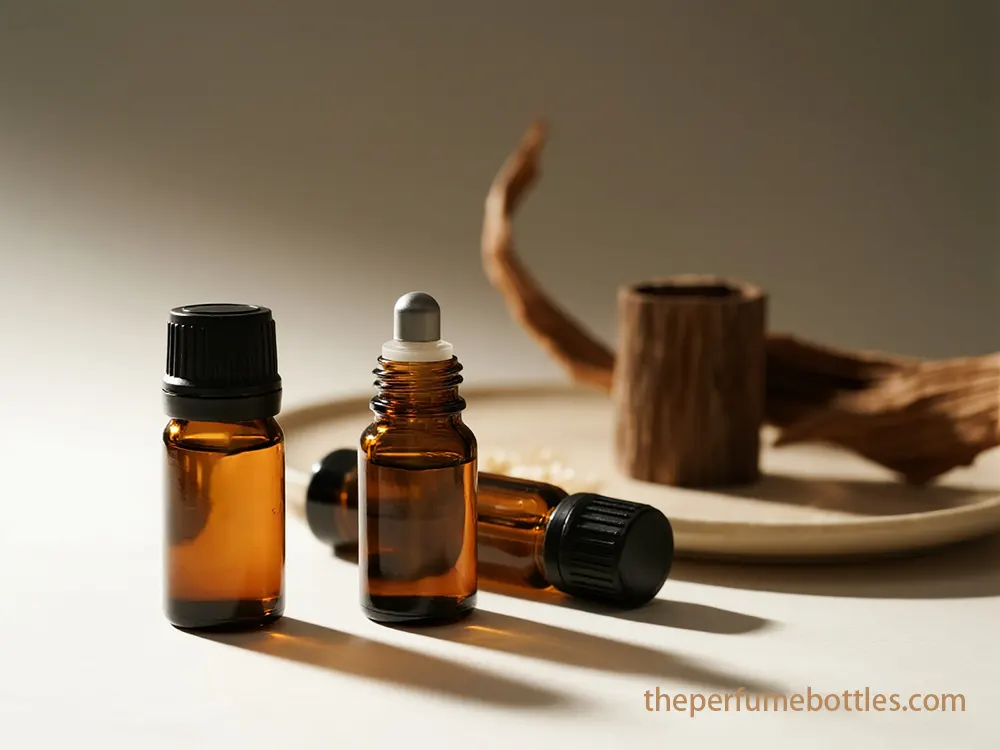
Små roll-on glasflasker er en dynamisk og effektfuld emballageløsning. Deres kemiske inertitet, UV-beskyttelse (især borsilikat og ravfarvet glas) og forskellige rollerball-materialer sikrer nøjagtighed og produktintegritet. Deres anvendelser har udvidet sig ud over æteriske olier til hudpleje, smertelindring, neglepleje, kæledyrsprodukter og naturlige insektmidler, hvilket demonstrerer bemærkelsesværdig alsidighed.
Brugeroplevelse defineret af bedre bærbarhed, kontrolleret levering og ren anvendelse er fortsat en vigtig drivkraft. I takt med at markedsdynamikken udvikler sig med efterspørgslen efter bekvemmelighed, personalisering og bæredygtighed, er roll-on-flasker klar til fortsat vækst. Fremtidige innovationer, herunder avancerede leveringsmekanismer, intelligent emballageintegration og bæredygtige materialer, vil styrke deres position inden for ansvarlig emballage.
På VesseluxeVi forestiller os emballage, der er funktionel, æstetisk, miljøbevidst og tilpasningsdygtig. De små roll-on glasflasker er indbegrebet af denne tilgang og blander tradition og innovation for at forme fremtiden for branchen inden for alsidig og bæredygtig emballage.
Kommentarer
Produktkategorier
Varme salgsflasker
Roll-on flasker til æteriske olier: Indkøbsfejl, du skal undgå
Undgå dyre emballagefejl ved at lære de mest almindelige indkøbsfejl i forbindelse med roll-on-flasker til æteriske olier, og hvordan du vælger den rigtige leverandør.
Casestudie: Hvordan en fabrik til glaslotionflasker løste lækage for et amerikansk mærke
Opdag, hvordan en fabrik til glaslotionflasker forbedrede forseglingen for et britisk lotionmærke gennem bedre pumpetilpasning og strengere kvalitetskontrol.
Brugerdefinerede glasdråbeflasker til mærker: MOQ, leveringstider og omkostningseffektive muligheder
Brugerdefinerede glasflasker med smarte MOQ-strategier, realistiske leveringstider og brandingmuligheder, der ikke vil ødelægge din lancering. Insidertips til B2B-købere.
Hvor længe kan parfume holde sig i flasken over tid?
Find ud af, hvor længe parfume holder sig i flasken, hvad der forkorter dens holdbarhed, og hvordan korrekt opbevaring bevarer duftens kvalitet.
Casestudie: Glascremebeholdere til koreansk hudplejemærke
Opdag, hvordan specialfremstillede glascremebeholdere hjalp et koreansk hudplejemærke med at forbedre emballagedesign, produktappel og premium branding.
- +86 186 5178 1159
- [email protected]
- Man-søn 07:00-21:00
Tags
What to Look for in a Roller Bottle Factory?
12/08/2026
Learn what to look for in a roller bottle factory, from glass quality and roller performance to customization, MOQ, testing, and bulk supply.
Casestudie: Hvordan en fabrik til dråbeflasker løste lækage for et canadisk mærke
05/08/2026
En fabrik til dråbeflasker hjalp et canadisk mærke af æteriske olier med at løse lækageproblemer med præcis montering, tætningstest og pålidelige dråbeflasker.
Trends blandt producenter af dråbeflasker i 2026
28/07/2026
Opdag, hvordan en producent af dråbeflasker tilpasser sig 2026-trends inden for materialer, tilpasning, bæredygtighed og bulkemballageløsninger.
Casestudie: Specialfremstillede roll-on flasker i klart glas til et canadisk mærke
21/07/2026
Lær hvordan vi leverede specialfremstillede roll-on-flasker i klart glas til et canadisk mærke med kvalitetsmaterialer, præcis rulleydelse og skalerbar produktion.