
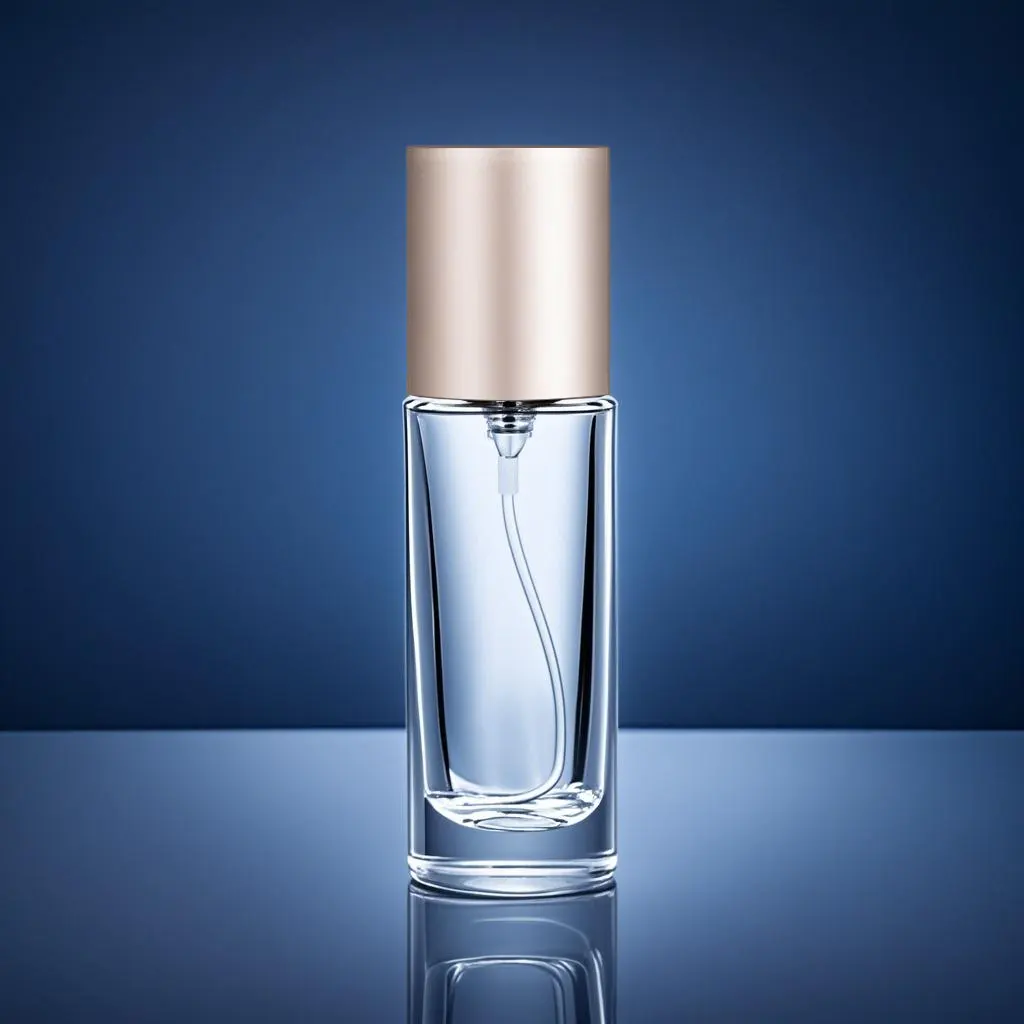
En omfattende guide til, hvordan man skruer en parfumeflaske af og mere
Indholdsfortegnelse
Lær hvordan du skruer en parfumeflaske af med sikre metoder til krympede, skruelåg- og genopfyldelige designs.
Denne brede guide, præsenteret af Vesseluxe, i forbindelse med komplikationer ved lukning af parfumeflasker, tilbyder ekspertteknikker og særlig indsigt i, hvordan man skruer en parfumeflaske af, forsegler D-Crimp atmosfæren og håndterer processerne efter åbning sikkert og effektivt. Vi sigter mod at give entusiaster og professionelle lige viden til at bevare deres dyrebare aroma og forlænge levetiden for deres elegante flasker.
1. Identifikation af din parfumeflasketype (krympet vs. genopfyldelig/skruelåg)
Før du forsøger at åbne nogen parfumeflaske, er det afgørende at identificere dens lukkemekanisme. Denne indledende vurdering bestemmer evnen til at bevare den passende åbningsmetode, de nødvendige værktøjer og den oprindelige atmosfære. Parfumeflasker findes typisk i tre primære kategorier: krympede, skruelåg og specialfremstillede genopfyldelige design.
1.1. Krympede flasker: Den permanente forsegling
Krympede flasker er kendetegnet ved et elegant, sømløst design, hvor pumpen er permanent fastgjort til flaskens hals. Der er ingen synlige gevind, og et metalbånd presses mekanisk rundt om en kant i flaskens hals for at fastgøre sprøjten. Luksusmærker bruger ofte dette design til at udtrykke elegance, sofistikering og et premiumprodukt, der er upåvirket af manipulation, og som fuldstændigt skjuler det krympede område med en dekorativ krave. Ukontrolleret bevægelse eller evne til at blive uhørt. Dette design giver en manipulationssikker, lufttæt forsegling, der er vigtig for at bevare duftens integritet og forhindre fordampning, hvilket er yderst værdifuldt for high-end parfumer.
1.2. Skruelågflasker: Den aftagelige forsegling
Skruelågflasker er designet til genbrugelighed og brugervenlighed. De muliggør en synlig spiralformet rille (gevind) på flaskens hals, hvilket gør det muligt at lukke låget eller pumpen yderligere. Uden specialudstyr. Gevindhalsen dannes under glasstøbningsprocessen, hvilket sikrer en præcis pasform med en matchende gevindlukning. Normal gevindfinish er repræsenteret af to tal, f.eks. 13/415 (13 mm ydre diameter, 2 gevindomdrejninger).
1.3. Specialfremstillede genopfyldelige flasker: Designet til lang levetid
Det stigende antal mærker foretrækker stabilitet ved at tilbyde genopfyldelige flasker og skruelågdesigns, der er i overensstemmelse med miljøvenlige værdier og forbrugernes efterspørgsel efter lavt affald. Disse flasker er tydeligt designet til uendelig genanvendelighed og holdbarhed. Visuelle signaler inkluderer nem påsætning og en skruetud til genmontering eller skjulte påfyldningsmekanismer såsom små huller eller aftagelige steder i bunden af flasken, som er skjulte eller adskilte for at afsløre en påfyldningsport. De mest pålidelige indikatorer har ofte en tydelig mærkning på flasken, emballagen eller producentens hjemmeside med "genopfyldelig" eller instruktioner til påfyldning.
Mærker som Mugler lancerede genopfyldningssystemet i 1992 med duften fra deres fe, som er dedikeret til "fontæne"-opfyldningsstationerne i butikker og genopfyldningsstationer i hjemmet. En genopfyldningsflaske er sat på hovedet og direkte fastgjort. Lancôme tilbyder et kapselsystem til en genopfyldelig fontæne til "Idôle" og dens absolute-serie. Disse designs inkluderer ofte lette, mindre glascylindre og genbrugsmaterialer, hvilket afspejler en betydelig ændring i retning af permanent emballage.
2. Definition af dit mål og ressourcevurdering
Før du fortsætter med en åbningsmetode, skal du definere dit primære mål klart og vurdere de ressourcer, du har til rådighed. Dette vigtige trin vil styre dit perspektiv og styre forventningerne til forstøverbeskyttelse.
2.1. Afklaring af dit primære mål
Dit mål vil i høj grad afgøre, hvilken metode du vælger:
- Genopfyldning med den samme duft: Dette er det mest almindelige formål med genopfyldelige flasker eller flasker med skruelåg. Formålet er at åbne flasken, overføre mere af den oprindelige lugt og forsegle den sikkert.
- Genbrug flasken til en anden duft eller et andet formål: Dette kræver en grundig rengøring for at fjerne resterende duft og kan omfatte at ændre atmosfæren eller bruge et separat bånd.
- Adgang til væsken til dekantering eller reparation: Hvis forstøveren er i stykker, eller du ønsker at flytte duften til en rejseatmosfære, er sikker adgang til væsken prioriteret, selvom det betyder, at du skal give afkald på den originale forstøver.
Få gratis prøver
2.2. Vurdering af tilgængelige specialværktøjer og acceptabel forstøverkonservering
Tilgængeligheden af udstyr og din villighed til potentielt at beskadige den originale forstøver er vigtige overvejelser.
- Specialværktøj til åbning: For skruelåg og genopfyldelige flasker kan en varm klud til at opfange elastikker eller en varm klud til at løsne være tilstrækkelig ... For krympede flasker er situationen mere kompleks. I øjeblikket findes der intet bredt anerkendt specialværktøj eller maskine, der effektivt kan fjerne krympede parfumepumper og dermed beskytte den oprindelige atmosfære til genbrug på den samme flaske. Den primære metode, der foreslås til afkrympning, omfatter simple sideclips, hvilket betyder en katastrofal proces for krympning, som kræver genforsegling med den oprindelige krympede atmosfære, hvilket er yderst uhensigtsmæssigt uden betydeligt fuldstændigt tab.
- Krympeværktøj til forsegling, ikke åbning: Det er vigtigt at bemærke, at der findes en række forskellige krympemaskiner og håndudstyr (f.eks. Smart Pack parfumeflaskekrympemaskine, ZONESUN halvautomatisk pneumatisk krympeværktøj til parfumeflasker). Disse er designet til sikkert at forsegle nye pumper eller sprayhætter på parfumeflasker, hvilket sikrer en tæt og lækagesikker forsegling til fremstilling eller gør-det-selv-projekter. De er ikke designet til at åbne den eksisterende krympede atmosfære for at bevare den.
- Generelle værktøjer til adgang: Almindelige husholdningsapparater såsom pincetter, små tænger, præcisionsskruetrækkere, sakse og gummigreb anbefales ofte til at åbne forskellige flasketyper for at nå aromaen. Formålet her er primært at åbne flasken, med mindre vægt på at bevare den originale forstøvers integritet til genkontrol.
- Forstøverbevarelse: For krympede flasker bør man forvente, at den oprindelige atmosfære beskadiges under fjernelse. Hvis det er en høj prioritet at bevare atmosfæren, bør man overveje alternative løsninger såsom genopfyldelig rejseatmosfære, der muliggør pumpning direkte fra den originale parfumedyse uden at skifte flasken.
3. Åbningsmetoder til skruelåg og designede genopfyldelige flasker
Duftflaskerne designet til nem adgang er generelt lige, men specifikke teknikker kan sikre sikkerheden og forhindre skader.
3.1. Skruelågsflasker: Den nemmeste fremgangsmåde
For at åbne en flaske med skruelåg skal du gribe fat i flasken med den ene hånd og dreje låget mod uret med den anden. Hvis låget er væltet eller stivner, skal du bruge en klud eller gummihandske til at øge grebet. Den brede elastik, der er viklet rundt om låget, kan deles for at opvarme båndet. For at forhindre kontaminering skal du inspicere og rengøre flaskens hals for eventuelle duftrester.
3.2. Snap-on / Press-Fit flasker: Forsigtig lirkning påkrævet
Disse flasker mangler gevind og er afhængige af tryk for at fastgøre sprøjten. For at åbne skal du først fjerne den ydre hætte. Vikl et lille stykke stof om flaskens hals for at forhindre ridser. Sæt en tynd, flad genstand (f.eks. en sarauta, en flad skruetrækker eller en smørkniv) i samlingen mellem sprøjtekraven og flasken. Det er vigtigt at undgå tålmodighed og overdreven kraft, så plastikkomponenter ikke revner eller glasset knuses.
3.3. Flasker med indlejret låg: Omhyggelig håndtering
For flasker, hvor låget ikke ser ud til at være afkoblet eller er dybt integreret i designet, skal du bruge en nålespids til at holde lågets kanter med et let tryk. For at løsne det, skal du dreje det fra venstre mod højre. Hvis inningen alene er utilstrækkelig, skal du forsigtigt placere en lille hobbykniv med mudder i sprækken mellem låget og flasken og bøje den forsigtigt. Brug den som den sidste løsning.
3.4. Mærkespecifikke genopfyldningsmekanismer
Mange luksusmærker har integreret det raffinerede refill-system. For eksempel har Giorgio Armanis "My Way" en dispenser, en dispenser, der gør det muligt at vende 150 ml refill-flasken og er direkte forbundet med aromaflasken. Dette indikerer en standardiseret, brugervenlig skruemekanisme til genopfyldning. Andre mærker som Lancôme og Mugler tilbyder også dedikerede refill-systemer, ofte med specifikke instruktioner på deres emballage eller hjemmesider. Disse systemer er designet til nem aktivering og opløsning, ofte med et tilfredsstillende "klik"-afbrydelse, for at opretholde en god oplevelse og fremme stabilitet.
3.5. Momentspecifikationer (generelle retningslinjer)
Selvom specifikke momentværdier for parfumeflasker ikke er bredt offentliggjort til forbrugerne, findes der generelle retningslinjer for lukninger. Påføringsmoment, den rotationskraft, der bruges til at påføre en lukket flaske, måles normalt til pund per tomme (LB/in) og ca. 50 % af lukningens diameter (f.eks. kan en 63 mm lukning have et moment på 31-38 LB/in). Det punkt, hvor for stor påføringskraft er ved at lukke flasken eller gevindet. Producenter angiver normalt faste applikationer til deres kapsler for momentspecifikation.
4. Afkrympningsteknikker til forseglede forstøverflasker
D-crimming er en forseglet atmosfæreflaske, hvilket er den mest udfordrende operation, da disse flasker er designet til en permanent, manipulationssikker forsegling. Denne proces indebærer naturligvis en høj risiko for at beskadige flasken og den oprindelige atmosfære.
4.1. Forståelse af udfordringen
Krympede flasker er designet til en "permanent og sikker fastgørelse", hvilket skaber en "irreversibel binding", der ikke kan fjernes uden visuel ødelæggelse af pumpen eller flaskehalsen. Dette design sikrer manipulationsmodstand og produktintegritet for luksusmærker. Krympekraver er normalt lavet af aluminium eller andre metaller, og nogle gange til at kontrollere forsyningen af plastik.
4.2. Trin-for-trin afkrympningsproces (DIY-metode)
Denne metode fokuserer på at nå væsken, idet man tager i betragtning, at den originale forstøver muligvis vil blive beskadiget.
- Sikkerhed først: Brug altid kraftige handsker og sikkerhedsbriller eller ansigtsskærm for at beskytte mod glassplitter og væskesprøjt.
- Klargør flasken: Fjern plastiksprøjteknappen fra luften. Fjern flaskehalsen i en beskyttende klud eller et håndklæde for at forhindre ridser og give et bedre greb.
- Påfør skånsom varme (valgfrit men anbefalet): Påfør blød varme på en metalkrympet krave i et eller to minutter med en hårtørrer eller varmepistol. Dette kan hjælpe med at blødgøre metallet, så det muligvis bliver lettere at åbne.
- Lirk krympen:Brug en spidstang, en almindelig tang eller en ståltang. Hold fast i den yderste kant af den bløde metalkrave. Arbejd langsomt og forsigtigt, mens du bevæger den rundt om hele flaskehalsen, og tryk. Målet er langsomt at ødelægge metalkraven, indtil den bliver løs og ikke kan fjernes.
- Fjern forstøveren: Når kraven er blevet tilstrækkelig løs, kan hele forstøvermekanismen (inklusive dyprøret) forsigtigt løftes fra flasken.
4.3. Specialværktøj til professionel afkrympning
Selvom gør-det-selv-metoder er katastrofale, findes der en særlig pneumatisk kravefjerner, såsom CR12, til skadesfri afkrympning, primært til "Crimp Low"-pumper. Den er designet til at fjerne kraver med standarddimensioner (f.eks. 13 mm, 15 mm, 18 mm, 20 mm, før 20 mm). Dette værktøj bruges normalt i industrielle eller professionelle sammenhænge til kvalitetskontrol eller genbrug, ikke til beskyttelse af atmosfæren på forbrugerniveau.
Få gratis prøver
4.4. "Selvkrympende pumper"
Nogle systemer, kendt som "selvkrympende pumper" eller "pres-on pumper", tilbyder en mulighed for nemmere montering og potentielt mindre permanent forsegling end traditionelle krympninger. Disse systemer muliggør hurtig og nem montering uden tunge maskiner, hvilket tyder på et design, der kan være mere responsivt til ikke-destruktiv fjernelse, selvom deres statiske egenskaber stadig beskrives som "semi-permanent" eller "mere permanent".
4.5. Overvejelser efter afkrympning
En flaskes langsigtede strukturelle integritet kompromitteres efter afkrympning, og flasken er generelt ikke designet til genbrug i sin oprindelige krympede form. Der forsøges at svække glashalsen med D-krympningsrisici. En ny krympepumpe er nødvendig uden at genforsegle en afkrympet flaske.
5. Procedurer efter åbning: Genopfyldning, rengøring og genlukning
Når parfumeflasken er åbnet, skal den i de næste trin enten fyldes med en enkelt duft, gøres helt ren til et nyt formål eller forsegles igen. Hver proces kræver omhyggelig opmærksomhed på duftens integritet og for at bevare flaskens funktionalitet.
5.1. Genopfyldning af flasken
For at forhindre krydspåfyldning og reducere spild under parfumepåfyldning er små tragte, sprøjter (uden nåle), pipetter eller brug af specielle apparater såsom squez-droppere de bedste øvelser. Nem flowfunktion til store partier. Undgå overfyldning, da dette er en almindelig årsag til lækage.
5.2. Grundig rengøring til genbrug
Effektiv rengøring af en parfumeflaske kræver en flertrinsproces for at fjerne resterende duftolier og desinficere Vessleluxe.
- Første skylning: Tøm flasken helt og skyl den grundigt med varmt vand for at fjerne løse rester.
- Sæbevask: Tilsæt et mildt, parfumefrit opvaskemiddel til varmt vand og hvirvl det rundt. En bomuldskost kan bruges til smalle åbninger. Alle sæberester er fjernet, så mange skylninger med rent, varmt vand er vigtige for at sikre, at det kan fremhæve den nye aroma.
- Alkoholopblødning til olieopløsning: Isopropylalkohol (70% eller mere) er vigtig for at opløse genstridige parfumer og rengøre flasken. Kom en lille mængde i flasken, drej alle overflader for at dække dem, og lad det sidde i et par minutter, eller i 15 minutter for vedvarende parfumer. Det fjerner effektivt aromatiske duftmolekyler. Senere er det nødvendigt at skylle med rent, varmt vand.
- Avanceret rengøring (eddike og slibemidler): Især til genstridige rester eller afskalninger kan en opløsning af hvid destilleret eddike bruges, eventuelt stået natten over. En skefuld kan tjene som en skånsom ukendt plet uden indre rester, med let flydende opvaskemiddel, med let flydende opvaskemiddel.
- Rengøring af forstøver og dyprør: Hvis forstøveren er aftagelig, skal den adskilles og hver del skylles separat med varmt vand efterfulgt af isopropylalkohol. Vær særlig opmærksom på sprøjtedysen for at sikre, at den er fri for tilstopninger. For ikke-aftagelige forstøvere skal du sprøjte varmt vand eller en alkoholopløsning gennem mekanismen for at rengøre barriererne.
- Ultralydsrensning (avanceret): Til komplicerede komponenter såsom dykrør og forstøverdele giver ultralydsrensere bedre ydeevne. Disse enheder bruger mikroskopiske lydbølger til at lave mikrobobler i hulrummet, der effektivt fjerner snavs, fedt og olier uden fysisk skrubning eller stive kemikalier, og som når utilgængelige områder til manuel rengøring.
- Grundig tørring: Efter rengøring er det vigtigt at påvirke den resterende fugt fra den langsommelige tørring negativt eller forhindre, at den fører til skimmelsvamp. Placer beholderen et godt ventileret område for at sikre fuldstændig fordampning. En blød, fnugfri klud eller køkkenrulle kan absorbere den oprindelige fugt.
5.3. Overvejelser vedrørende kemisk kompatibilitet
Når man vælger rengøringsmidler, er det vigtigt at overveje deres kemiske kompatibilitet med forskellige plasttyper, såsom flasker og forstøvermaterialer (f.eks. glas, forskellige plasttyper som LDPE, HDPE, PP, PET, PTFE, PVC og metaller). Og kemiske rester sammenlignet med glas.
5.4. Genforsegling af forstøveren
Metoden til genforsegling afhænger af flasketypen og dit mål.
- Krympning til hermetiske tætninger: Krympning er den mest almindelige og effektive metode til hematisk forsegling af parfumeflasker, hvilket forhindrer fordampning, beskytter dufte mod eksterne faktorer og giver manipulationssikkerhed. Denne proces, som kan beskytte en ny pumpe på flaskehalsen, kan ikke ledsages af specifikt udstyr. Atmosfære.
- Skruelåg:Oprindeligt designet med skruelåg, der blot skrues på igen på låget eller forstøveren. De er ideelle til gør-det-selv-parfumer eller til hjemmebrug, da de er nemme at genopfylde.
- Press-Fit-hætter: Press-fit forstøvere bruger fjederbelastede mekanismer, der presser flasken mod halsen. Omhyggelig justering er nødvendig ved udskiftning. Selvom de giver en semi-stabil permanent forsegling, kan de være vanskelige at fjerne uden at beskadige flasken eller låget, hvilket gør dem mindre egnede til gentagen genopfyldning sammenlignet med skruelåg.
- Innovative genforseglingsløsninger (spekulative): Til dekorative elementer eller specialfremstillet genforsegling anvendes alternativt klare, letbehandlede klæbemidler i luksusvareindustrien. Disse tilbyder høj styrke, fugtighedsbestandighed og hurtig behandling, og de kan designes til at blive pustet op til specialfremstilling. Forbrugeren vil være en udfordring. Specifikt kan specialtilpassede silikonepakninger eller miniature magnetiske tætningssystemer give genbrugsmuligheder i høj kvalitet i fremtiden.
Få gratis prøver
6. Sikkerhedshensyn og fejlfinding af almindelige problemer
Sikkerhed er altafgørende ved håndtering af glasflasker, skarpt udstyr og flygtige aromaer. Forståelse af almindelige problemer og deres løsninger kan forhindre tab og skader.
6.1. Vigtige sikkerhedsforanstaltninger
Personligt beskyttelsesudstyr (PPE):
- Handsker: Brug altid handsker for at beskytte hænderne mod skarpt glas og potentiel irritation fra duftolie. Skærefaste handsker anbefales til håndtering af glas, især under afkrydsning. Nitrail-handsker med åbne duftstoffer er velegnede til håndtering af beholdere og rengøring, da de modvirker olieindtrængning og forhindrer gensidig nydelse.
- Øjenbeskyttelse: Brug beskyttelsesbriller (beskyttelsesbriller eller sikkerhedsbriller) for at forme øjnene med tilfældige stænk af parfume eller glasskår.
- Åndedrætsmasker mod dampe: Arbejd i et godt ventileret område (åbne vinduer, ventilatorer), for at undgå direkte parfumedamp, især for følsomme personer, eller koncentrerede dufte til stærke dufte.
Sikker håndtering af glas og skarpe værktøjer:
- Sikkert greb: Hold godt fast i parfumeflasken. Brug en ren klud eller et gummibelagt greb for at øge grebskraften og beskytte flasken mod ridser.
- Undgå overdreven kraft:For meget kraft kan beskadige lukningen, ødelægge flasken eller forårsage personskade. Med blide metoder.
- Pas på skarpe genstande: Undgå at bruge knive til at påvirke åbne flasker. Brug sideforhæng eller barauta med ekstrem forsigtighed ved afkrympning for at forhindre, at flasken knækker eller skæres.
- Bortskaffelse af knust glas: Hvis en flaske går i stykker, skal du forsigtigt bortskaffe det knuste glas og væsken. Pak det knuste glas ind i avispapir eller pap, inden du smider det i skraldespanden.
Opsætning af sikker arbejdsplads: Sørg for, at flasken er placeret på en stabil, ren og ren overflade for at forhindre spredning og kontaminering.
6.2. Fejlfinding af almindelige problemer
Fastsiddende hætter
- Blid bankning: Bank let flasken mod en fast overflade.
- Varmt vandmetode: For at udvide metal eller plastik, skal du lade en hætte eller prop løbe med varmt vand, eller opløse tørrede rester. Undgå overophedning.
- Forbedret greb: Brug handsker med greb, tekstureret rift, eller vikl en elastik rundt om låget.
- Isopropylalkohol: Tør forsigtigt rundt om halsen med isopropylalkohol for at opløse rester.
- Frysermetode: Stil flasken i fryseren i cirka 15 minutter for at hjælpe med at løsne låget.
- Trykudligning: På grund af trykændringer (f.eks. fra flyrejser) kan det udligne trykket ved at gennembore det øverste hjørne af hætten med en nål.
- Professionel assistance:Vedrørende værdifulde eller gamle flasker, kontakt en professionel restauratør.
Defekte forstøvere / sprøjter
- Tilstoppet dyse:
- Fjern dysehovedet (hvis det er aftageligt), og skyl det under varmt, rindende vand.
- Brug en fin nål eller knappenål til at fjerne indtørrede parfumerester fra små huller.
- Læg sprøjten i blød i varmt vand eller isopropylalkohol, pump derefter forsigtigt for at fordele vinen, skyl med destilleret vand, og tør luften.
- Løs/afmonteret dyse: Sæt den på igen ved at justere den med stilken og trykke eller rotere forsigtigt.
- Defekt pumpesystem:
- Hvis sprøjtehovedet er beskadiget, men pumpen virker, skal du udskifte sprøjtehovedet med et kompatibelt.
- Hvis sprøjten er helt i stykker, skal den udskiftes med en eftermarkeds- eller universalsprøjtepumpe. Sørg for kompatibilitet.
- Lille sennep kan langsomt reparere en marmeladepumpe.
- Nogle brugere har genoptaget adskillelsen af atmosfærestænglerne ved at bruge cyanoacryt superlim omkring fjederen og ventilmembranen.
- Overførsel af parfume:Hvis forstøveren ikke kan repareres, skal den forsigtigt flyttes til en ny, ren og lufttæt beholder med en sprøjte eller tragt. Filtrer et stykke glas med kaffefiltre eller en fin si. Undgå plastiktragte eller -flasker, da plastik kan reagere med parfume.
Væskespild
- Øjeblikkelig handling: Dup, men gnid ikke, med køkkenrulle eller rene klude for hurtigt at absorbere væsken.
Absorberende pulvere: Dæk med bagepulver eller majsstivelse, lad det sidde, og støvsug eller fej derefter væk. Bagepulver neutraliserer lugte. - Rengøringsløsninger:
- Hårde overflader: Brug varmt vand med mildt opvaskemiddel eller lige dele hvid eddike og vand. Isopropylalkohol er også effektivt. Test først.
Stoffer/Tæpper: Påfør en mild vaskeopløsning eller bagepulverpasta. Dup forsigtigt. Skyl med koldt vand.
- Hårde overflader: Brug varmt vand med mildt opvaskemiddel eller lige dele hvid eddike og vand. Isopropylalkohol er også effektivt. Test først.
- Ventilation: Åbn vinduer eller brug en ventilator til at sprede den stærke lugt.
- Bortskaffelse af resterende parfume: Små mængder, der absorberes af køkkenrulle, havner i forseglede plastikposer. Større mængder kræver kontakt med lokale bestemmelser for farligt affald; det er skadeligt at hælde det i afløbet.
Beskadigede flaskehalse
- Revner/afskalninger: Til små revner kan epoxy beregnet til reparation af transparent lim eller glas anvendes. Sørg for, at flasken er ren og oliefri.
- Brækkede halse: Dette er en kompleks reparation, der ofte kræver professionel glasrestaurering.
- Forebyggelse: Opbevar flaskerne på stabile overflader, væk fra kanter, og håndter dem forsigtigt.
Ufuldstændig afkrympning
- Værktøjer og teknik:Fortsæt med at bruge sidevat eller barauta til langsomt at brede og bøje metaldelen rundt om atmosfæren for at dække den. For at undgå at flasken går i stykker kræver det tålmodighed og forsigtighed.
- Udfordringer: Der findes ikke specielt udstyr til professionel, ikke-destruktiv afkrympning for forbrugere. Overkrympningsspray kan blokere ventilen, mens svag krympning kan lække.
- Risiko for skade: Der er høj risiko for beskadigelse af afkrympningsflasken, især hvis den er kritisk.
- Alternativ til dekantering: Hvis afkrympning er meget risikabelt, og forstøveren fungerer, kan parfumen sprayes direkte i en lille atmosfære eller ved hjælp af en sprøjte/pipette, hvis flasken har en skruelåg eller rollerball.
6.3. Proaktive forslag til forbedret sikkerhed og effektivitet
- Udvikl et omfattende beslutningstræ for fejlfinding: Opret et interaktivt beslutningstræ, der guider brugerne baseret på flasketyper (skruelåg, prop, sprayflaske, rollerball) og specifikke problemer (fastsiddende hætter, ødelagte atmosfærer, lækager). Hver gren vil føre til de specifikke fejlfindingstrin, dvs. de nødvendige værktøjer, personlige værnemidler og et klart "hvornår man skal søge professionel hjælp". Dette vil strømline processen og reducere brugerfejl.
- Forskningsnødprocedurer for kemisk eksponering: Sørg for specifikke førstehjælpsprotokoller for generelt parfumeindhold (f.eks. ethanol, æterisk olie, syntetiske aromastoffer) i forbindelse med hudeksponering, øjeneksponering eller indånding. Dette vil omfatte øjeblikkelig vask af huden, rigelig skylning af øjnene og udgang til frisk luft for indånding, når man søger behandling, med klar vejledning i behandlingssøgningen.
- Detaljerede retningslinjer for bortskaffelse: Lav en omfattende liste over generelle parfumeflaskematerialer (glas, forskellige plasttyper, metal) og deres specifikke retningslinjer for genbrug/bortskaffelse, med vægt på, at lokale regler er meget forskellige. Giv klare instruktioner til bortskaffelse af glasskår, plastikkomponenter og resterende parfumer, med vægt på miljøskader ved at hælde parfume i afløbet.
Kommentarer
Produktkategorier
Varme salgsflasker
Casestudie: Hvordan en fabrik til fremstilling af glasdråberflasker hjalp et mærke med helbredende olier
En casestudie af, hvordan en fabrik til glasdråbeflasker hjalp et portugisisk mærke med helbredende olier med at opnå præcis dosering, forbedret greb og førsteklasses, brugerdefineret emballage.
Brugerdefineret parfumeflaske i store mængder – Sådan imponerer du kunder ved første øjekast
Opdag, hvordan brugerdefinerede parfumeflasker i store mængder kan løfte dit brand og fange kundernes opmærksomhed fra første øjekast.
Forbedring af appel: Udnyttelse af luksusparfumeflasker i engros
Løft din parfumekollektions appel med strategiske luksusparfumeflasker engros.
Casestudie: Fremstilling af specialfremstillede glasflasker til aromaterapiolier til et græsk mærke
Specialfremstillede glasflasker til aromaterapiolier fra Vesseluxe – let, holdbar og elegant emballage
Hvorfor flere mærker vælger brugerdefinerede parfumeflasker
Opdag hvorfor flere mærker vælger brugerdefinerede parfumeflasker for at forbedre brandidentiteten, øge salget og omfavne bæredygtighed.
- +86 186 5178 1159
- [email protected]
- Man-søn 07:00-21:00
Tags
Casestudie: Fra problemer hos forhandlere af glasrulleflasker til stabil fabriksforsyning
25/02/2026
Problemer med forhandlere af glasrulleflasker førte til, at en spansk oliefabrik henvendte sig til os for lækagesikre, specialfremstillede rulleflasker med præcis pasform, stabil kvalitet og bulkforsyning.
Specialfremstillet eller lagervare? En forhandlerguide til købere af glasdråbeflasker
19/02/2026
Skal du vælge en forhandler af glasflasker med dråbeform? Udforsk vores guide om specialfremstillet vs. standardemballage. Lær, hvordan vi hjælper købere med at optimere omkostninger og brandpåvirkning.
Casestudie: Parfumeflasker i glas tilpasset til et fransk niche-parfumestudie
12/02/2026
Parfumeflasker i glas, specialdesignet til et fransk parfumestudie. Vi leverede graduerede, frostede flasker med trælåg, hvilket forbedrer brandimage og detailhandelens appel.
Den strategiske fordel ved at samarbejde med en grossist af glasrulleflasker for premium skønhedsmærker
05/02/2026
Lær, hvordan en førende grossist af glasrulleflasker leverer bæredygtig og brugerdefineret emballage af høj kvalitet med stærk formelbeskyttelse og global overholdelse af regler.
 DA
DA  EN
EN  FR
FR  IT
IT  DE
DE  NL
NL  PL
PL  RU
RU  PT
PT  FI
FI  ES
ES  SV
SV  RO
RO  CS
CS  ZH
ZH  KO
KO  JA
JA  AR
AR  TR
TR  ID
ID  EL
EL  HU
HU  BG
BG