
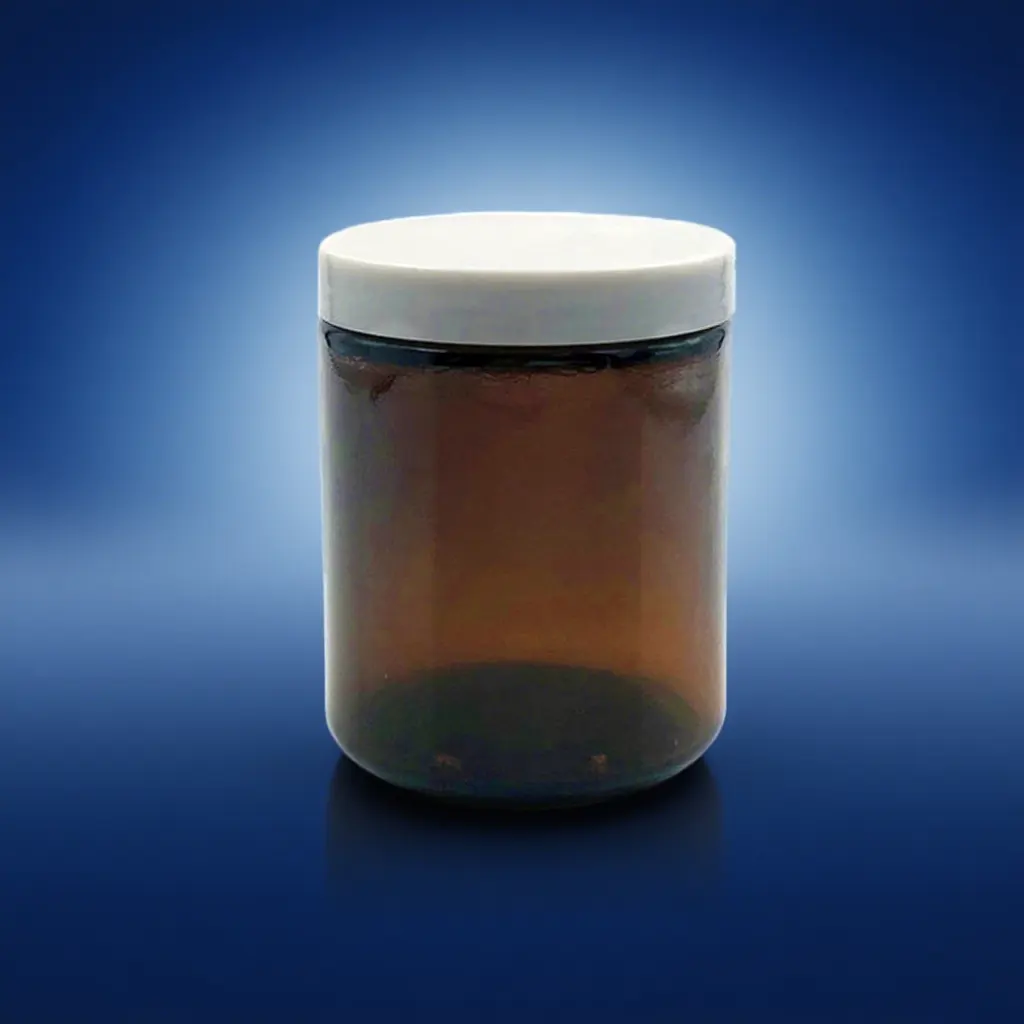
Luxuriöse Positionierung mit Glasflaschen für ätherische Öle für Aromatherapie-Marken
Inhaltsverzeichnis
Werten Sie Aromatherapie-Marken mit Glasflaschen für ätherische Öle auf. Entdecken Sie luxuriöses Design und nachhaltige
Dieser Bericht skizziert einen strategischen Rahmen für Aromatherapie-Marken und legt einen besonderen Fokus auf die wichtige Rolle von Premiumprodukten. Glasflaschen mit ätherischen Ölen und ein integriertes Markenerlebnis, um Luxusstatus zu erreichen und zu erhalten. Der Markt für Luxus-Aromatherapie wird von anspruchsvollen Konsumenten getragen, vorwiegend von Ultra-High-Net-Worth-Individuals (UHNWIs) und wohlhabenden Wellness-Enthusiasten, die Wert auf Diskretion, nachgewiesene Wirksamkeit, Stabilität und exklusive Erlebnisse legen. Um diese Zielgruppen zu erreichen, müssen Marken anspruchsvolle Verpackungslösungen einsetzen, wie sie beispielsweise von [Name der Marke/des Anbieters] angeboten werden. VesseluxeDiese Produkte zeichnen sich durch fortschrittliche Materialwissenschaft, erstklassiges Design und integrierte Stabilitätsmerkmale aus. Der Bericht beschreibt ein umfassendes Positionierungsmodell im Luxussegment, das strategische Markenstrategien, Premiumpreise, exklusiven Vertrieb, ethisch einwandfreie Beschaffung und ein durchgängig hochwertiges Nutzererlebnis mit innovativen digitalen Angeboten und einer Strategie für die Zeit nach dem Kauf umfasst. Vom haptischen Erlebnis einer Premiumflasche bis hin zu individuellen, KI-gestützten Empfehlungen: Durch die sorgfältige Gestaltung jedes einzelnen Kontaktpunkts können Aromatherapie-Marken tiefe emotionale Bindungen aufbauen und sich eine herausragende Position im Luxus-Wellnessmarkt sichern.
1. Zielgruppe: Luxuskonsumentensegmente für Aromatherapie
Der Markt für Luxus-Aromatherapie ist nicht homogen; er ist fragmentiert durch unterschiedliche psychologische Faktoren und Kaufmotive, die eine differenzierte Markenpositionierung erfordern. Das Verständnis dieser Segmente ist für Marken, die kaufkräftige Kunden gewinnen und binden wollen, von entscheidender Bedeutung.
1.1. Ultra-Haha-Net-Worth Person (UHNWIs)
Ultra-High-Net-Worth-Individuals (UHNWIs) sind Personen mit einem investierbaren Vermögen von über 50 Millionen US-Dollar, die sich an der Spitze der Luxus-Wellness-Trends befinden. Ihre Psychologie zeigt einen Wandel von reinem materiellem Besitz hin zu einem intensiven Wunsch nach transformativen Erlebnissen, die Gesundheit, Langlebigkeit und die allgemeine Lebensqualität steigern. Es entsteht ein globaler „Langlebigkeitsmarkt“, der bis Ende 2025 ein Volumen von 610 Milliarden US-Dollar erreichen soll. In diesem Markt werden Wellness, Schönheit und Gastfreundschaft so konzipiert, dass sie über die reine Persönlichkeit hinausgehen und neben perfekten Erlebnissen auch nachhaltige gesundheitliche Vorteile und emotionale Bindung bieten.
1.2. Kauferwartungen an Fahrer und Marke für UHNWIs
- Luxus und Langlebigkeit erleben: Vermögende Privatpersonen legen Wert auf Erlebnisse, die ihr Leben und ihr Wohlbefinden bereichern. Im Bereich der Aromatherapie bedeutet dies, dass die Produkte mehr als nur einen Duft bieten; sie sollten ein therapeutisches Ritual ermöglichen, das zu mentaler Klarheit, Stressabbau, Entspannung oder besserem Schlaf beiträgt.
- Personalisierung und maßgeschneiderte Rezepturen: Die Nachfrage nach aufeinander abgestimmten Dufterlebnissen ist enorm. Uhnwis sucht nach maßgeschneiderten Duftmischungen und individuellen Aromatherapie-Lösungen, die ihre spezifische Stimmung, Persönlichkeit, ihre Wohlbefindensziele und sogar ihr Zuhause oder ihren Wohnraum perfekt ergänzen. Anbieter von kuratierten Duftmischungen für „Scentscaping“, beispielsweise mit Marken wie Jo Malone London, individuellen Duft-Layering-Lösungen und der Zusammenarbeit mit Duftexperten, verdeutlichen diesen Trend.
- Stabilität und moralische Quellen: Umweltbewusstsein ist ein wichtiger Kauffaktor: 80 % der Verbraucher sind bereit, für nachhaltige Produkte mehr zu bezahlen. Luxusmarken im Bereich Aromatherapie sollten umweltbewusste Beschaffung nachweisen, direkt mit Landwirten zusammenarbeiten (z. B. Franchise-Ernte in Somalia durch Aromatherapy Associates) und sich in lokalen Gemeinschaften engagieren. Dieses Bekenntnis zu ethischen Praktiken ist eine Grundvoraussetzung.
- Allgemeines Wohlbefinden und medizinische Wirksamkeit: Aromatherapie gilt als medizinisch sinnvolle Maßnahme zur Förderung des psychischen Wohlbefindens, zur Stressreduktion und zur Verbesserung der kognitiven Leistungsfähigkeit. Der globale Markt für ätherische Öle wird im Jahr 2022 voraussichtlich ein Volumen von 8,8 Milliarden US-Dollar erreichen und bis 2027 auf 15,3 Milliarden US-Dollar anwachsen. Dieser Trend spiegelt die zunehmende Beliebtheit natürlicher, pflanzlicher Behandlungsmethoden wider.
- Spezifikation und Markenreputation: Uhvis wünscht sich Marken, die Exklusivität und Prestige ausstrahlen, um der Öffentlichkeit Zugang zu Produkten und Dienstleistungen zu verschaffen. Dies wird durch exklusive Angebote, limitierte Editionen und ein konsistentes, hochwertiges Markenbild erreicht.
- Multisensible Rituale und designorientierte Produkte: Das luxuriöse Aromatherapie-Erlebnis geht weit über den Duft hinaus und umfasst auch reichhaltige und ästhetisch ansprechende, designorientierte Duftzerstäuber und Verpackungen. Hochwertige Marken verwandeln ätherische Öle in intensive Sinneserlebnisse, oft kombiniert mit Smart-Home-Technologien für mehr Wohlbefinden.
- Zeitsabotage und Bequemlichkeit: Preiseffizienz und Komfort stehen bei Ultra-High-Net-Worth-Individuals (UHNWIs) im Vordergrund. Marken, die sich nahtlos in ihren hektischen Alltag integrieren lassen, gelten als besonders empfehlenswert, beispielsweise als KI-gestützte, innovative oder smarte Fitness-Tools.
- Kulturelle Nuancen: Die Aromatherapie hat tiefe historische und kulturelle Wurzeln. In modernen Luxuskontexten wie den Dubai Hotels and Spas werden traditionelle nahöstliche Düfte wie Oud, Weihrauch, Myrrhe, Sandelholz, Jasmin und Rose eingesetzt, um die Besucher mit der lokalen Kultur und dem Erbe zu verbinden. Dies unterstreicht die Bedeutung einer kultursensiblen Produktentwicklung.
1.3. Aufkommender Abschnitt
Jenseits der demografischen Merkmale prägen zwei wichtige, aufstrebende Segmente den Markt für Luxus-Aromatherapie:
- Reichhaltige Wellness-Optimierer: Diese Ultra-High-Net-Worth-Individuals (UHNWIs) legen Wert auf Langlebigkeit, präventive Gesundheitsvorsorge und Bio-Laborierung. Sie kombinieren Wearables und KI-gestützte Diagnostik mit Genusserlebnissen. Sie suchen Aromatherapieprodukte mit wissenschaftlicher Grundlage, medizinischem Nutzen für das mentale Wohlbefinden (z. B. Stressabbau, kognitive Erweiterung) und nahtloser Integration in ganzheitliche Wellnessprogramme oder Smart-Home-Systeme.
- Führende Kenner natürlicher Heilmittel: Dieser Abschnitt legt Wert auf die Seltenheit ätherischer Öle, ihre ursprüngliche Qualität und die handwerkliche Verarbeitung. Hier finden Sie einzigartige, wildwachsende oder seltene Pflanzenöle, die eine tiefe Verbindung zur Geschichte und zum Erbe authentischer, traditioneller Öle und Pflanzen suchen.
1.4. Allgemeine Markenerwartungen
In diesen Bereichen erwarten Luxuskonsumenten, dass die Marken zu ihrer persönlichen Identität passen, über reine Transaktionen hinaus Mehrwert bieten und authentische Geschichten erzählen, die positive Emotionen wecken. Sie richten sich an Marken, die für Handwerkskunst, Tradition und soziales Engagement stehen und ihre Verpflichtung zu Stabilität und unternehmerischer Sozialverantwortung wirkungsvoll kommunizieren. Sie bieten Luxus-Aromatherapie für Berufstätige und Reisende.
2. Hochwertige Glasflaschen für ätherische Öle definieren
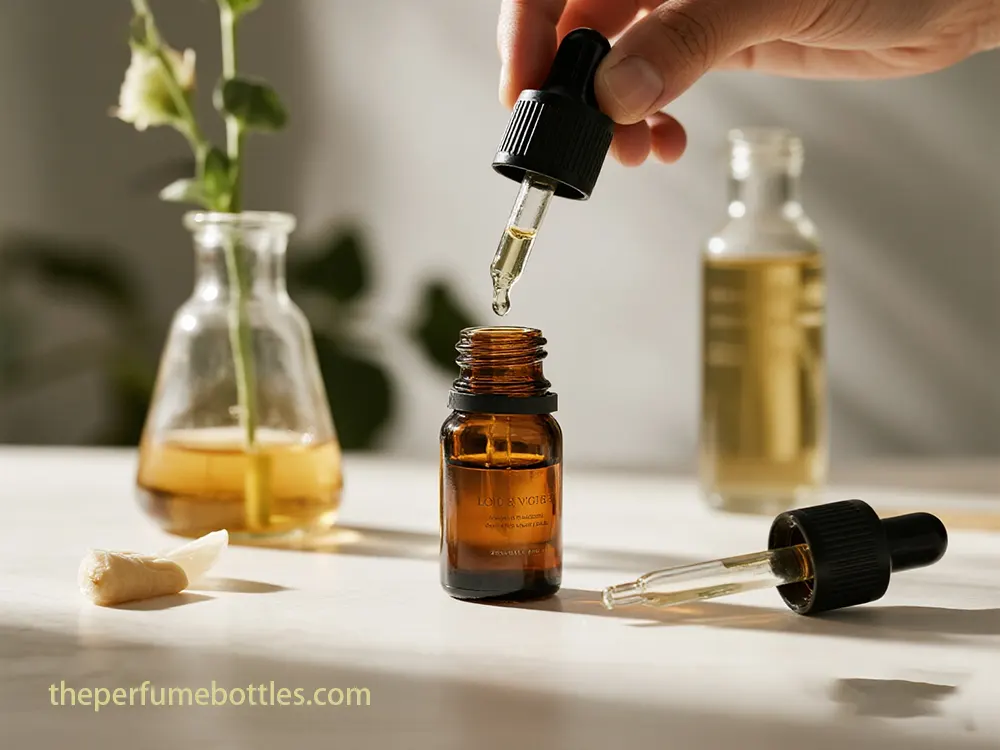
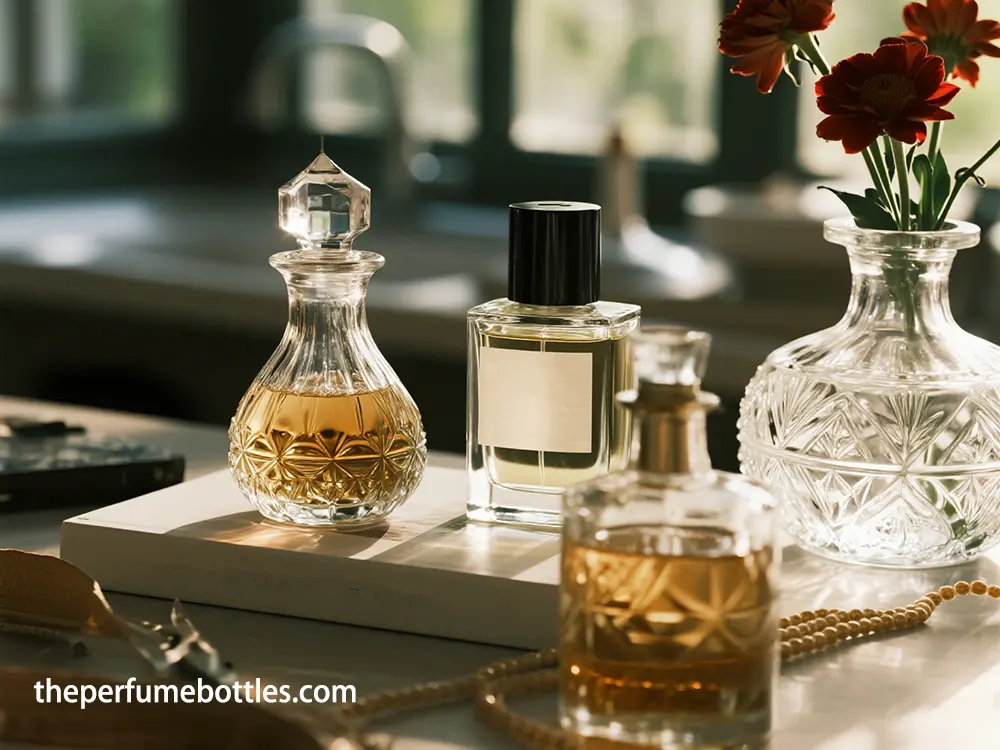
Verpackung von ätherischen Ölen Glasflaschen sind mehr als nur ein Behälter; sie sind ein wichtiger Bestandteil eines luxuriösen Erlebnisses und schützen die Produktintegrität bei der Vermittlung von Markenwerten. Für hochwertige Aromatherapie gelten Glasflaschen als Goldstandard, und Marken wie Vesseluxe verkörpern die Merkmale, die wahren Luxus in dieser Kategorie ausmachen.
Gratisproben anfordern
2.1. Fortschrittliche Materialwissenschaft und UV-Schutz
Glas ist aufgrund seiner chemischen Inertheit der Industriestandard für die Verpackung ätherischer Öle. Diese verhindert das Auslaugen, die Wechselwirkung oder die Absorption der Öle und erhält so deren Reinheit, chemische Struktur und Wirksamkeit über einen längeren Zeitraum. Dies ist ein wesentlicher Vorteil gegenüber Kunststoff, der mit flüchtigen Bestandteilen ätherischer Öle reagieren und dadurch deren Abbau und Sicherheitsrisiken verursachen kann.
- UV-Sicherheit: Ätherische Öle sind sehr lichtempfindlich, was zu Oxidation und Wirkungsverlust führen kann. Hochwertige Flaschen sind mit fortschrittlichen UV-Schutzmethoden ausgestattet.
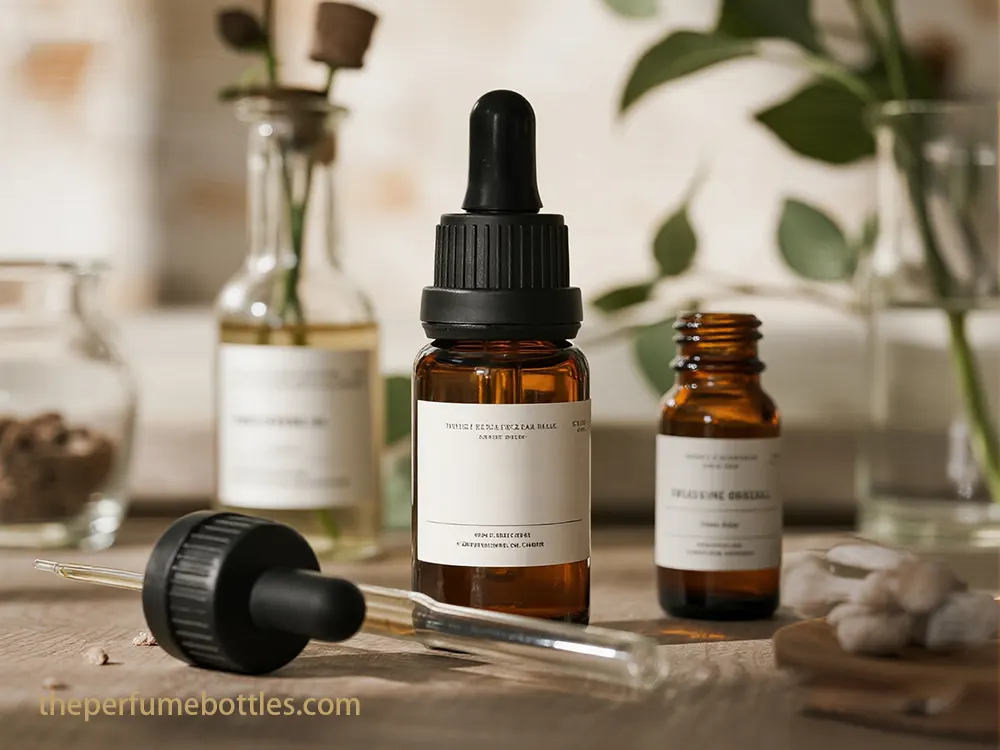
- Dunkleres Glas: Bernstein- und kobaltblaues Glas sind wichtig, um schädliche UVA- und UVB-Strahlen zu blockieren. Bernsteinglas gilt im Allgemeinen als besserer UV-Schutz als kobaltblaues Glas, obwohl beide bei Klarglas erhebliche Vorteile bieten.
- Miron Violettglas-Technologie: Dieses hochmoderne, oft in der Schweiz hergestellte Material filtert violettes und indirektes Licht und blockiert das gesamte Spektrum des sichtbaren, nach unten gerichteten Lichts. Diese speziellen, nicht sichtbaren Lichtstrahlen verhindern das Bakterienwachstum, bieten optimalen Schutz vor Alterungsprozessen und verlängern die Lebensdauer und Leistungsfähigkeit von Produkten. Wissenschaftliche biofotonische Studien haben seine besseren Konservierungseigenschaften im Vergleich zu Bernstein- und Klarglas bestätigt.
- Spezielle Beschichtungen: Selbst Klarglas kann durch spezielle Beschichtungen mit UV-Schutz versehen werden; das Produkt bietet Gestaltungsfreiheit ohne Kompromisse bei der Integrität.
2.2. Anspruchsvolle Designästhetik
Luxuriöse Verpackungen gehen weit über bloße Funktionalität hinaus; sie sind eine Kunstform, die die Sinne anspricht und Einzigartigkeit zum Ausdruck bringt. Hochwertige Glasflaschen für ätherische Öle nutzen Designelemente, um eine erhabene Schönheit zu schaffen:
Klarheit und Gewicht: Die klare Optik des hochwertigen Glases und sein angemessenes Gewicht vermitteln Luxus und ein Gefühl von Langlebigkeit.
Mattierte/Gefrostete Oberflächen: Durch die Säuregewinnung aus dem gebrannten Glas erhält das Glas eine elegante, faszinierende Optik und ein intensiveres haptisches Erlebnis, was die Markenreputation stärkt. Mattschwarze Glasflaschen verleihen dem Produkt ebenfalls ein hochwertiges Aussehen.
2.3. Materialwissenschaftliche Spezifikationen
Hochwertiges Glas für Flaschen für ätherische Öle ist in der Regel arsen- und bleifrei und gewährleistet so die Sicherheit und Reinheit der Öle. Es bietet eine hohe chemische Beständigkeit sowie extreme Hitze- und Kältebeständigkeit. UV-Schutzflaschen, wie beispielsweise Braunglas, blockieren typischerweise bis zu 90 % des UV-Lichts unter 450 nm. Miron Violettglas (UVA) beispielsweise lässt maximal 14 % Licht (ca. 400 nm) und 0 % sichtbares Licht (420–680 nm) durch, während die Durchlässigkeit für Infrarotlicht über 700 nm zunimmt.
2.4. Kostenfolgen
Glasverpackungen sind zwar in der Regel teurer als Kunststoffverpackungen, doch ihre Vorteile hinsichtlich der Produktqualität und des hochwertigen Images rechtfertigen oft die Investition in hochwertige ätherische Öle. Für größere Abnahmemengen sind Großhandelspreise erhältlich, und einige Lieferanten bieten wettbewerbsfähige Preise, um die Handelsentwicklung im Luxussegment zu fördern.
2.5. Intelligente Verpackungsmerkmale
Die Integration intelligenter Verpackungsfunktionen ist ein aufkommender Trend, der das Luxuserlebnis steigert und einen zusätzlichen Mehrwert bietet:
- NFC-Tags (Near-Region-Kommunikation): zur Echtheitsprüfung, für detaillierte Produktinformationen, Nachbestellungen und ein interaktives Kundenerlebnis (z. B. Rezepte, Werbeaktionen).
- Temperaturempfindliche Indikatoren: Zeitabhängige Farbindikatoren können ihre Farbe ändern, um Verbraucher zu warnen. Wenn ein Produkt ungünstigen Temperaturbedingungen ausgesetzt ist, wird so die Qualität und Sicherheit des Produkts gewährleistet.
- QR-Code- und RFID-Tags: für Echtzeit-Tracking, verbesserte Produktinformationen und mehr Transparenz in der Lieferkette.
- Fälschungssichere Mikrochips oder Hologramme: Schutz der Markenintegrität und Gewährleistung der Produktauthentizität für die Verbraucher.
2.6. Integrierte Stabilitätseinrichtungen
Stabilität ist kein Nischenthema mehr, sondern eine Grundvoraussetzung für Luxuskonsumenten. Hochwertige Glasflaschen für ätherische Öle integrieren zunehmend umweltfreundliche Eigenschaften:
- Recyclane/Apasiabled Glass: Glas ist wiederverwendbar, ohne dass es zu 100 % recycelt und hochwertig ist. Nachdem man den Verbraucherwünschen nach mehr Umweltfreundlichkeit entsprochen hat, ohne dabei Kompromisse bei Ästhetik oder Funktionalität einzugehen, geht der Trend zunehmend in Richtung eines hohen Anteils an recyceltem Material.
- Nachfüllbares Design: Marken bieten robuste Glas- oder Edelstahlfläschchen an, die Nachfüllbeuteln oder Nachfüllstationen im Handel beigefügt werden. Dies reduziert Verpackungsmüll, fördert die Kundenbindung und entspricht einer minimalistischen Designphilosophie, die sich zu einem charakteristischen Luxusmerkmal entwickeln kann.
- Umweltfreundlicher Verschluss: Anstelle herkömmlicher Tropfverschlüsse und Kappen aus Kunststoffmix werden innovative Alternativen wie biologisch abbaubare Kappen, Bambusdeckel oder recycelbare PP-Tropfer eingesetzt. Der Verschluss aus einem einzigen Material erleichtert das Recycling.
2.7. Neue und sichere Schließmechanismen
Hochwertige ätherische Ölflaschen verfügen über spezielle Verschlüsse und einen Dosierer, die die Produktintegrität, die genaue Anwendung und die Sicherheit gewährleisten:
- Tropfkappen: Unverzichtbar für präzises Dosieren, oft auch in haarresistenter und manipulationssicherer Ausführung. Euro-Tropfer sind beliebt für die kontrollierte Dosierung.
- Roll-on-Flaschen: Mit Rollkugeln aus Kunststoff oder Edelstahl bieten diese praktischen Direktanwendungen ein luxuriöses Feature für unterwegs.
- Phenolkappen: bekannt für hohe Zugfestigkeit und Haltbarkeit, ideal für korrosive Chemikalien und stark streuende Öle, oft mit Polycon-Auskleidung für Luftdichtheit und Leckage-Raktham-Abdichtung.
- Schönheitsintegration von CRCs: Funktionsfähige CRCs müssen gleichzeitig einem luxuriösen ästhetischen Anspruch gerecht werden. Der Markt bietet „cleveres Design“ und „elegantes, flaches Design“. Individuell anpassbare Tropfbirnen, Kragen und gravierte Metallkappen können die Funktionalität von CRCs ergänzen und so die luxuriöse Wirkung steigern, ohne die Eleganz zu beeinträchtigen.
3. Integriertes Positionierungskonzept für Aromatherapie-Marken im Luxussegment
Aromatherapie-Marken benötigen eine ganzheitliche und sorgfältig umgesetzte Strategie, um einen Luxusstatus zu erreichen und zu erhalten, der jeden Aspekt der Interaktion der Marke mit ihren anspruchsvollen Kunden berührt.
3.1. Strategische Markengeschichten
Luxusmarken im Bereich Aromatherapie sollten eine überzeugende, authentische und emotionale Verbindung zwischen den Produkteigenschaften schaffen. Diese Geschichte sollte die tiefere Bedeutung von Tradition, Handwerkskunst und der Existenz der Marke offenbaren; die Produkte sollten zu Symbolen für Status, Geschmack und Begehren werden. Die Geschichte einer Marke kann ein Produkt zu einem festen Bestandteil der persönlichen Geschichte des Konsumenten machen, die Markentreue stärken und den wahrgenommenen Wert steigern.
Multisensorisches Geschichtenerzählen: Wirksames Storytelling im Luxussegment integriert verschiedene sensorische Elemente in physische und digitale Kontaktpunkte. Flagship-Stores können die Markengeschichte durch Düfte, Musik und interaktive Displays inszenieren. Dynamische Wege, diese Geschichten global zu verbreiten – beispielsweise durch attraktive Materialien wie digitale Plattformen, Videos und interaktive Kampagnen, einschließlich Social Media und Promoted Reality – machen Kunden zu einem Teil der Markengeschichte.
Das „Olfactory Logo“: Luxusmarken nutzen olfaktorisches Marketing, um ein exklusives „olfaktorisches Logo“ oder einen Markenduft zu kreieren, der ihre starke Identität und ihre einzigartigen Werte verkörpert. Dieser Duft kann in Unternehmensräumen und im Einzelhandel eingesetzt und auf Duftkollektionen wie Duftkerzen, Diffusoren und Kosmetikprodukte ausgeweitet werden – wodurch die Markenidentität gestärkt und eine einzigartige, einprägsame Atmosphäre geschaffen wird.
Gratisproben anfordern
3.2. Premium-Preismodelle
Premium-Preisgestaltung, auch Prestige- oder Luxuspreisgestaltung genannt, positioniert Produkte deutlich über denen der Konkurrenz, um den Eindruck von höherer Qualität, Exklusivität und Wertigkeit zu erwecken. Diese Strategie richtet sich an wohlhabende oder aufstrebende Konsumenten, die höhere Preise oft mit höherer Qualität gleichsetzen, wie beispielsweise bei Marken wie Rolex und Louis Vuitton.
Nischenparfümmarken: Nischenparfümmarken, die oft in kleineren Chargen produzieren – mitunter nur 500 bis 5.000 Stück pro Monat –, erzielen Bruttogewinnmargen von bis zu 70–85 % und Nettogewinnmargen von 20–35 %. Die Bruttogewinne und Nettogewinnmargen von Massenmarktmarken liegen oft deutlich darunter. Denn die Premium-Preismodelle, die häufig auf Liquidation basieren, gründen sich bei Nischenparfümmarken nicht nur auf den Preis, sondern auch auf den begrenzten Vertrieb. Diese Marken richten sich an Liebhaber, die bereit sind, für ein einzigartiges, handwerklich gefertigtes und exklusives Produkt einen höheren Preis zu zahlen.
Limitierte Auflagen und Preisgestaltung aufgrund von Verknappung: Die Veröffentlichung limitierter Editionen zu höheren Preisen bei gleichzeitiger Mengenbegrenzung schafft wahrgenommenen Wert und fördert den Wettbewerb unter den Konsumenten. Luxuskerzen und Geschenkboxen beispielsweise vermitteln den Eindruck von Exklusivität und rechtfertigen so den höheren Preis.
3.3. Exklusive Vertriebskanäle
Luxusmarken im Bereich Aromatherapie legen Wert darauf, ihre Produkte gezielt über ausgewählte Geschäfte, exklusive Boutiquen, hochwertige Kaufhäuser (wie Harrods, Selfridges, Harvey Nichols) oder – häufiger – über einen eigens dafür eingerichteten Onlineshop anzubieten. Diese exklusive Vertriebsstrategie unterstreicht die Knappheit und steigert die Begehrlichkeit, indem sie die Verfügbarkeit der Marke an Orten garantiert, die deren Werte von Luxus und Exklusivität widerspiegeln. Gleichzeitig spricht sie eine sehr anspruchsvolle Kundschaft an, die nicht nur am Produkt selbst, sondern auch am besonderen Ambiente des jeweiligen Verkaufsortes interessiert ist.
3.4. Ethische und transparente Beschaffung von Inhaltsstoffen
Konsumenten von Luxusprodukten erwarten heute Nachhaltigkeit und ethische Beschaffung als Standard. Die steigende Nachfrage nach nachhaltigen und ethisch orientierten Produkten und Dienstleistungen zeigt, dass Nachhaltigkeit zur Grundvoraussetzung und nicht mehr nur ein Unterscheidungsmerkmal geworden ist. Luxusmarken im Bereich Aromatherapie, die reine, biologische ätherische Öle verwenden und auf Nachhaltigkeit setzen, können höhere Preise erzielen, da Konsumenten die Nachhaltigkeitsbemühungen schätzen und sie oft mit Authentizität und Qualität gleichsetzen. Zertifizierungen wie USDA Organic, EcoCert, JAS, COSMOS-Standard, FSC, Cradle to Cradle Certified®, GRS, B Corp, CarbonNeutral® und Leaping Bunny sind entscheidend, um nachhaltige und ethische Praktiken zu unterstützen, das Vertrauen der Konsumenten zu stärken und Greenwashing entgegenzuwirken.
3.5. Verbesserte End-to-End-Benutzererfahrung
Das Erlebnis eines Luxusprodukts geht über den Kauf des Artikels hinaus; es spiegelt sich in jedem Berührungspunkt eines Kunden mit der Luxusmarke wider.
- Erlebnismarketing: Dies ist ein entscheidender Bestandteil des Luxuserlebnisses und verwandelt potenziell alltägliche Begegnungen in emotionale Erlebnisse rund um das Luxusprodukt. Zu diesen Erlebnissen zählen beispielsweise immersive Events, interaktive Installationen und sinnliche Erfahrungen wie Cartiers „Duftwolke“ oder personalisierte Workshops zur Herstellung ätherischer Öle mit zertifizierten Experten, wie sie von Scentonomy angeboten werden.
- Auspackerlebnis: Das Auspackerlebnis ist nach dem Kauf ein wichtiger emotionaler Berührungspunkt. Bei luxuriösen Aromatherapieprodukten können dazu eine hochwertige Verpackung, angenehme Materialien und die dezente Freisetzung des charakteristischen Duftes beim Auspacken gehören, wodurch ein multisensorisches Erlebnis entsteht.
- E-Mail-Kampagnen nach dem Kauf: E-Mail-Kampagnen nach dem Kauf (Benachrichtigungen, Einladungen zum Treueprogramm, personalisierte Produktvorschläge und exklusiver Zugang zu neuen Kollektionen) spielen ebenfalls eine wichtige Rolle bei der Entwicklung von Markenloyalität und Markenbefürwortung.
- Digitales Erlebnis: Eine starke digitale Präsenz, die Storytelling durch fesselnde Inhalte und emotionale Interaktion in den sozialen Medien umfasst, kann als wichtigstes Unterscheidungsmerkmal gelten. KI-gestützte virtuelle Anproben (für Duftspender) und personalisierte digitale Erlebnisse (individuelle Newsletter und Veranstaltungseinladungen) können das Kundenerlebnis insgesamt verbessern.
- Exklusive Einladungen zur Online-Community: Einladungen nach dem Kauf zu offiziellen Marken-Mitgliedschaftsgemeinschaften steigern die Kundenbindung und Markentreue und können als Online-Kundendienstkanal dienen, wodurch die Kundendienstkosten gesenkt werden.
- KI-gestützte Personalisierung: Künstliche Intelligenz (KI) revolutioniert die Kundenbindung im Luxussegment, indem sie Daten nutzt, um Muster und Präferenzen zu erkennen. Dies führt zu Produktempfehlungen, Personalisierung und letztendlich zu einer intensiveren Interaktion mit der Marke. KI kann mit Kunden interagieren (Engagement), zielgerichtete Lösungen anbieten (Loyalität) und Erkenntnisse liefern, um ein optimales Produkterlebnis zu gewährleisten. Zudem kann KI den Return on Investment im Marketing steigern, das Engagement erhöhen und die Kundenabwanderung verringern. KI integriert Engagement und Personalisierung in die gesamte Customer Journey – von der Markenbekanntheit vor dem Kauf bis zur Markenloyalität nach dem Kauf (KI-Chatbots und Predictive Analytics).
- Abonnementmodelle: Für Abonnementunternehmen ist der Einsatz von KI unerlässlich, um den Kundenlebenszeitwert (Customer Lifetime Value, CLV) durch mehrschichtige Datenanalyse, Prognosen und umsetzbare Kundenmikrosegmentierungen zu verbessern und präventive Verlängerungsprogramme umzusetzen.
- Omnichannel-Unterstützung: Ein solider Omnichannel-Supportansatz stellt sicher, dass alle Kommunikationskanäle parallel um den Kunden herum aufgebaut sind, um ein nahtloses Erlebnis nach dem Kauf mit konsistenter Kommunikation über alle Kontaktpunkte hinweg zu bieten.
- Nachhaltigkeit und Kreislaufwirtschaft nach dem Kauf: Die heutige Konsumentengeneration legt weiterhin Wert auf Kreislaufwirtschaft. Unternehmensregulierungen wie der EU-Digitale Produktpass (DPP) haben Marken dazu angeregt, die Lieferkette (von der Beschaffung bis zum Verkauf) zu überdenken und die Kundenbindung nach dem Kauf zu stärken, indem sie Authentizität, Wiederverkauf und langfristige Beziehungen einbeziehen.
3.6. Neue Marktteilnehmer vs. etablierte Marken
Neue Einträge: Sie sind in der Lage, frühzeitig eine Nische durch das handwerkliche Erlebnis zu erschließen und einzigartige Erlebnismarketing-Methoden (z. B. Pop-up-Shops, Duftbars, Workshops zur individuellen Duftmischung usw.) einzusetzen, um Marktanteile zu gewinnen.
Traditionsmarken: Sie sind in der Lage, ihre Position zu stärken, indem sie sich auf ihr reiches Erbe konzentrieren und eine einheitliche Botschaft über alle Plattformen hinweg vermitteln. Außerdem finden sie Wege der Zusammenarbeit, die den Luxus weiter steigern und gleichzeitig das Produktangebot erweitern (z. B. JW Marriott + Aromatherapy Associates).
4. Geografische Marktanalyse und Identifizierung ungenutzter Marktpotenziale
Obwohl kein spezifischer geografischer Markt zur näheren Betrachtung genannt wurde, endet das Konzept der Positionierung von Luxus-Aromatherapie nicht an Länder- oder Marktgrenzen; lokale Gegebenheiten sind unerlässlich. So verwenden beispielsweise Luxushotels und Spas in Dubai Duftnoten aus dem Nahen Osten in Parfums und Ölen, wie Oud, Weihrauch, Myrrhe, Sandelholz, Jasmin und Rose, um Gästen die Kultur, das lokale Erbe und authentische Erlebnisse näherzubringen. Dies ist ein hervorragendes Beispiel dafür, wie wichtig es ist, nicht nur lokale Vorlieben zu verstehen, sondern auch lokale Bedeutungen und Symbolik in die Markteintritts- und Expansionsbemühungen zu integrieren.
4.1. Bewertung aktueller Markenverpackungsstrategien
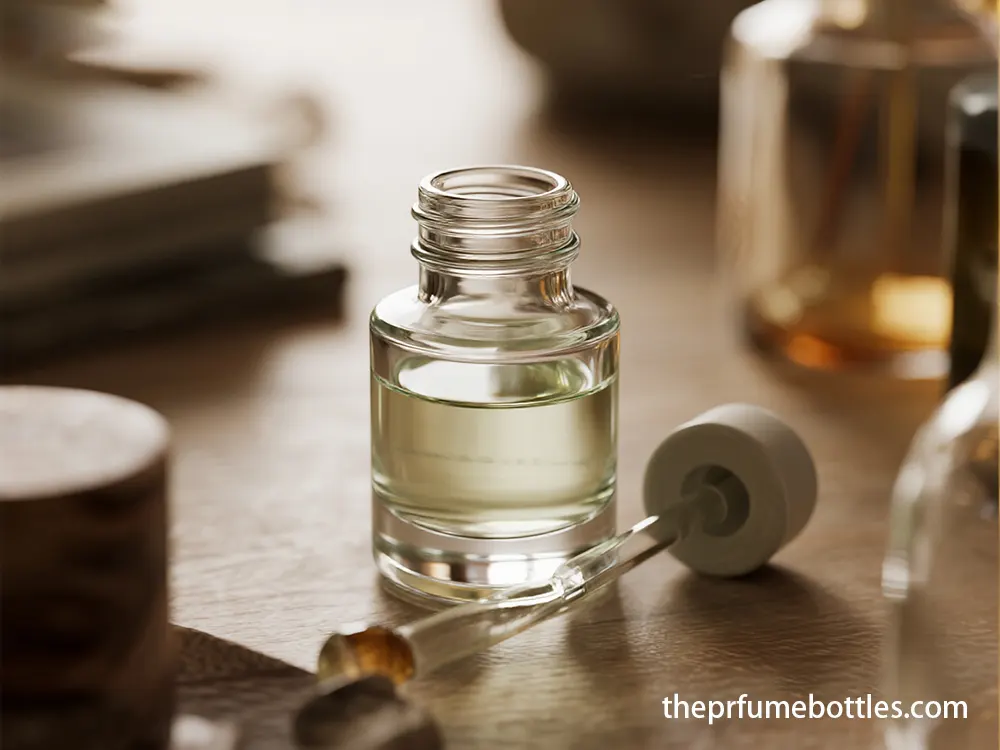
Im Luxussegment setzen etablierte Aromatherapie-Marken auf dunkles Glas (bernsteinfarben, kobaltblau) zum Schutz vor UV-Strahlung und für eine klassische Ästhetik. Sie verwenden mitunter mattierte Oberflächen oder individuell gestaltete Etiketten, doch es besteht weiterhin viel Raum für Differenzierung durch die Entwicklung neuer Optionen mittels innovativer Materialforschung oder Designs, die auch neue Technologien integrieren.
4.2. Entdeckung ungenutzter Marktpotenziale
- Hyperpersonalisiert im großen Stil: Abseits von Workshops zur Herstellung von ätherischen Ölmischungen bieten sich Möglichkeiten und ungenutztes Potenzial für KI, die Biometrie, Lebensstilentscheidungen und Echtzeit-Umweltbedingungen nutzt, um hochgradig personalisierte Mischungen und Diffusoren für ätherische Öle zu entwickeln. Ähnliche Chancen bieten personalisierte Abo-Boxen, die auf die jeweiligen Wellness-Bedürfnisse eingehen.
- Miron-Violettglas als Auszeichnung: Miron-Violettglas besitzt eine eigene Identität, ist aber im Bereich der Luxus-Aromatherapie noch nicht weit verbreitet. Marken, die ausschließlich auf diese Technologie setzen und dabei die konservierenden Eigenschaften und die wissenschaftliche Validität in den Vordergrund stellen, können sich eine einzigartige Position für Produktintegrität und Nachhaltigkeit sichern.
- Integrierte intelligente Verpackungen für das Wellness-Management: Die Kombination aus hochwertigen Glasflaschen für ätherische Öle mit NFC-Tags oder QR-Codes, die zu personalisierten Wellness-Dashboards führen und den Verbrauch sowie den Nachbestellbedarf erfassen, bietet ein enormes Marktpotenzial. Stellen Sie sich eine Vesseluxe-Flasche vor, die beim Antippen ausführliche Informationen zu den besonderen Eigenschaften des Öls, seinen therapeutischen Vorteilen und dem empfohlenen Anwendungsritual liefert und so Ihren Verbrauch und die rechtzeitige Nachbestellung dokumentiert.
- Luxus-Nachfüll- und Kreislaufprogramme: Nachhaltigkeit wird zwar erwartet, doch luxuriöse und unauffällige Nachfüllprogramme stecken noch in den Kinderschuhen. Beispiele hierfür sind formschöne, robuste und wiederbefüllbare Flaschen von Vesseluxe, ein Abonnement für konzentrierte Nachfüllbeutel aus biologisch abbaubaren Rohstoffen oder exklusive Boutiquen mit persönlichem Nachfüllservice.
- Künstlerische Kooperationen und limitierte Editionen: Die Zusammenarbeit mit renommierten Künstlern, Designern oder Luxus-Lifestyle-Marken für streng limitierte Editionen ätherischer Öle mit einzigartigen Flaschendesigns (z. B. mundgeblasenes Glas, Metallelemente) und seltenen ätherischen Ölmischungen wird eine enorme Nachfrage erzeugen und ultra-Premium-Preise ermöglichen.
- Kulturell immersive Dufterlebnisse: Für bestimmte geografische Märkte bietet die Entwicklung von Aromatherapie-Produktlinien, die durch einzigartige Duftprofile, traditionelle Rohstoffe und kulturell inspirierte Verpackungen eine tiefgreifende kulturelle Geschichte erzählen, ein bedeutendes Marktpotenzial. Dabei geht es nicht nur um die Verwendung lokaler Zutaten, sondern um die Schaffung eines authentischen, informativen und emotional berührenden Erlebnisses.
- Kindersichere Verschlüsse mit anspruchsvollem Design: Der Markt für kindersichere Verschlüsse im Luxussegment befindet sich noch in der Entwicklung. Marken, die innovative und benutzerfreundliche kindersichere Verschlüsse (wie beispielsweise SnapSlide CR-Kappen) mit einem modernen, luxuriösen Design und individueller Gravur oder hochwertiger Anmutung erfolgreich umsetzen können, werden voraussichtlich bei kaufkräftigen Eltern, die ein sicheres Luxusprodukt für ihr Kind suchen, Anklang finden.
Gratisproben anfordern
5. Strategische Empfehlungen zur Stärkung von Aromatherapie-Marken
Um Luxusstatus zu erreichen und zu bewahren, sollten Aromatherapie-Marken eine vielschichtige Strategie verfolgen, die hochwertige Verpackung, eine überzeugende Markengeschichte und ein herausragendes Kundenerlebnis vereint. Vesseluxe veranschaulicht als hypothetisches Beispiel für hochwertige Verpackung viele dieser Aspekte.
5.1. Hochwertige Verpackungen ohne Kompromisse verwenden
- Materialqualität: Wählen Sie zunächst eine hochwertige und chemisch inerte Glasflasche für Ihre ätherischen Öle, um Ihr Produkt optimal zu schützen. Für besten Schutz und ein Alleinstellungsmerkmal empfiehlt sich die Investition in Miron-Violettglas, dem Selen und Indium zugesetzt wurden, um die Haltbarkeit und Wirksamkeit der ätherischen Öle zu verlängern.
- Verpackung als Erweiterung der Marke: Zweitens sollten Sie einen erstklassigen Industriedesigner beauftragen, der Ihnen hilft, eine individuelle Flaschenform mit aufwendigen Prägungen, markanten Farben oder Oberflächen (matt, mattschwarz, metallisch usw.) zu entwerfen, die die Markenidentität für den Verbraucher stärken und den höheren Preis rechtfertigen. Anders gesagt: Die Flasche sollte sich so luxuriös anfühlen, wie sie aussieht.
- Innovative Verschlüsse: Setzen Sie auf innovative, kindersichere Verschlüsse, die sowohl hochwertig als auch ästhetisch ansprechend sind. Erwägen Sie Optionen wie ergonomische SnapSlide CR-Verschlüsse oder eine individuelle Lasergravur auf einem Metallverschluss – eine faszinierende, geschlossene Lösung, die das Verpackungsdesign abrundet und gleichzeitig zusätzliche Sicherheit bietet, ohne dabei Luxus zu gefährden.
- Nachhaltiger Luxus: Gestalten Sie eine aussagekräftige Nachhaltigkeitsgeschichte für Ihre Verpackungen, indem Sie einen hohen Anteil an recyceltem Glas (PCR) verwenden und hochwertige Mehrwegsysteme unterstützen. Die Marke sollte ihre Nachhaltigkeitsbotschaft durch aussagekräftige Zertifizierungen (wie FSC, GRS, B Corp) kommunizieren, die die umweltbewusste Luxuskonsumentengruppe ansprechen.
5.2. Eine immersive Markengeschichte und ein fesselndes Markenerlebnis schaffen
- Authentisches Storytelling: Entwickeln Sie eine Markengeschichte, die die Geschichte des Produkts, seine Tradition, die handwerkliche Verarbeitung und die ethische Herkunft der ätherischen Öle erzählt. Diese Geschichte sollte ein tieferes emotionales Erlebnis schaffen, das Wohlbefinden, Ziele und emotionale Verbundenheit fördert – und das Produkt nicht länger nur als Bestandteil des Alltags des Konsumenten darstellt, sondern weit mehr.
- Multisensorische Interaktion: Erzählen Sie Ihre Markengeschichte an allen Kontaktpunkten. Kreieren Sie ein einzigartiges „Duftlogo“ für Ihre Marke, das dezent im Einzelhandel eingesetzt oder in ergänzende Produkte integriert werden kann. Gestalten Sie ein ansprechendes Unboxing-Erlebnis, das Sehen, Fühlen und Riechen in einem fesselnden Ritual nach dem Kauf anspricht.
- Erlebnismarketing: Bieten Sie exklusive Workshops, individuelle Mischkurse oder sensorische Events an, damit Konsumenten sich intensiv mit Produkten und deren Geschichte auseinandersetzen können. Diese praxisorientierten Workshops stärken die emotionale Bindung zur Marke und fördern die Markentreue.
Strategische Partnerschaften – Arbeiten Sie mit anderen Luxusmarken, Künstlern und Partnern aus der Hotellerie (z. B. Luxushotels, Spas) zusammen, um Ihre Glaubwürdigkeit und Reichweite zu stärken oder auszubauen. Die Kooperation mit anderen Luxusmarken kann Ihre Marke einem neuen, kaufkräftigen Publikum vorstellen und/oder ihr im Luxussegment zusätzliche Bedeutung verleihen.
5.3. Umsetzung einer Premium-Preis- und Vertriebsstrategie
- Prestige-Preise: Setzen Sie eine Premium-Preisstrategie um, die die hohe Qualität, Exklusivität und handwerkliche Perfektion Ihrer Produkte widerspiegelt. Begründen Sie den höheren Preis durch transparente Angaben zur ethischen Materialbeschaffung, innovative Verpackungen (wie beispielsweise von Vesseluxe) und den therapeutischen Nutzen.
- Exklusiver Vertrieb: Der Vertrieb sollte auf exklusive Fachboutiquen, gehobene Kaufhäuser und einen sorgfältig ausgewählten Online-Kanal beschränkt werden. Durch diese Vertriebsbeschränkung wird die Attraktivität des Produkts gesteigert und seine Verbindung zu Kritikern des Luxuseinzelhandels verstärkt.
- Limitierte Editionen: Regelmäßig sollten limitierte Editionen von ätherischen Ölmischungen oder Kollektionen mit spezieller Verpackung und einzigartigen Inhaltsstoffen auf den Markt gebracht werden, um Dringlichkeit für das Produkt zu erzeugen und den wahrgenommenen Wert durch Exklusivität zu steigern.
5.4. Technologie für Hyperpersonalisierung und Kundenbindung nutzen
- KI-gestützte Personalisierung: Setzen Sie KI ein, um Kundendaten auszuwerten und hochgradig personalisierte Produktempfehlungen zu generieren, Inhalte zu individualisieren und den Kundenservice zu personalisieren, um Engagement, Loyalität und Marketing-ROI deutlich zu steigern.
- Intelligente Verpackungsintegration: Implementieren Sie NFC-Tags oder QR-Codes auf Vesseluxe-Flaschen, um Kunden sofortigen Zugriff auf Produktinformationen, Produktauthentifizierung, Gebrauchsanweisungen und personalisierte Wellness-Inhalte zu ermöglichen. Erwägen Sie den Einsatz von temperatursensitiven Indikatoren zur Sicherstellung der Produktqualität.
- Omnichannel-Erlebnis: Entwickeln Sie ein nahtloses und stimmiges Markenerlebnis über alle Online- und Offline-Kontaktpunkte hinweg. Von einer ausgefeilteren E-Commerce-Plattform über personalisierte E-Mail-Programme bis hin zu einem reaktionsschnellen Kundenservice – jede Interaktion sollte die Positionierung der Luxusmarke stärken.
- Digitale Gemeinschaften: Richten Sie exklusive Online-Communities ein, in denen Kunden sich über ihre Erfahrungen austauschen, Expertenrat einholen und die Bindung zur Marke vertiefen können. Durch diese Art der Kundenbindung lassen sich zudem die Kundendienstkosten senken.
5.5. Proaktive Innovation und Marktbeobachtung
- Laufende Verpackungsforschung und -entwicklung: Informieren Sie sich kontinuierlich über neue Entwicklungen in der Glastechnologie, nachhaltige Materialien und intelligente Verpackungslösungen. Investieren Sie gegebenenfalls in die Forschung an neuen Dosiersystemen, die Kindersicherheit und ein luxuriöses Benutzererlebnis vereinen (z. B. berührungsempfindliche Mikrodosierung).
- Nutzerzentriertes Design für CRCs: Führen Sie Nutzertests und Studien zu kindersicheren Verschlüssen durch, insbesondere mit der Zielgruppe der Luxuskonsumenten und Personen mit motorischen Einschränkungen, um eine einfache Bedienung zu gewährleisten, die das Premium-Erlebnis beim Auspacken nicht beeinträchtigt. Sammeln Sie qualitatives Feedback der Nutzer zu Haptik, Geräusch und wahrgenommener Qualität.
- Lebenszyklusanalyse (LCA): Führen Sie vollständige Ökobilanzen für alle Verpackungsoptionen durch, um die wirksamsten nachhaltigen Alternativen zu ermitteln. Das Verständnis der gesamten Lieferkette von der Rohstoffgewinnung bis zum Ende des Produktlebenszyklus ist im Ökobilanzprozess wichtig.
- Erforschung der Konsumentenpsychologie: Untersuchen Sie, warum Konsumenten bereit sind, für Öko-Luxus einen Aufpreis zu zahlen, und verstehen Sie die psychologischen Triebkräfte dieses Phänomens. Analysieren Sie, wie spezifische Designmerkmale, minimalistisches Design, natürliche Texturen und transparente Nachhaltigkeitsversprechen den wahrgenommenen Wert und das Luxuserlebnis beeinflussen.
- Regulatorische Informationen: Um über die globalen Vorschriften der Nachbarländer in Bezug auf kindersichere Verpackungen und Nachhaltigkeitsversprechen auf dem Laufenden zu bleiben, sollten Sie sich über die globalen Vorschriften informieren, die in wichtigen Luxusmärkten wie der EU, den USA und Asien möglicherweise noch nicht existieren oder sich erst in einem frühen Entwicklungsstadium befinden.
- Transparenz in der Lieferkette: Technologien wie Blockchain untersuchen, um die Transparenz und Rückverfolgbarkeit bei der Beschaffung von ätherischen Ölen und Verpackungsmaterialien zu verbessern und so das Vertrauen der Verbraucher in Öko-Luxus-Versprechen zu stärken.
Wenn Aromatherapie-Marken die oben genannten Vorschläge konsequent umsetzen, können sie ihre Positionierung stärken, treue Luxuskunden gewinnen und sich in einem wettbewerbsintensiven Markt behaupten. Die Verwendung luxuriöser Glasflaschen für ätherische Öle, wie beispielsweise von Vesseluxe, in Verbindung mit einem kreativen und ganzheitlichen Markenansatz wird den Erfolg maßgeblich fördern.
Kommentare
Produktkategorien
Flaschen im Sonderangebot
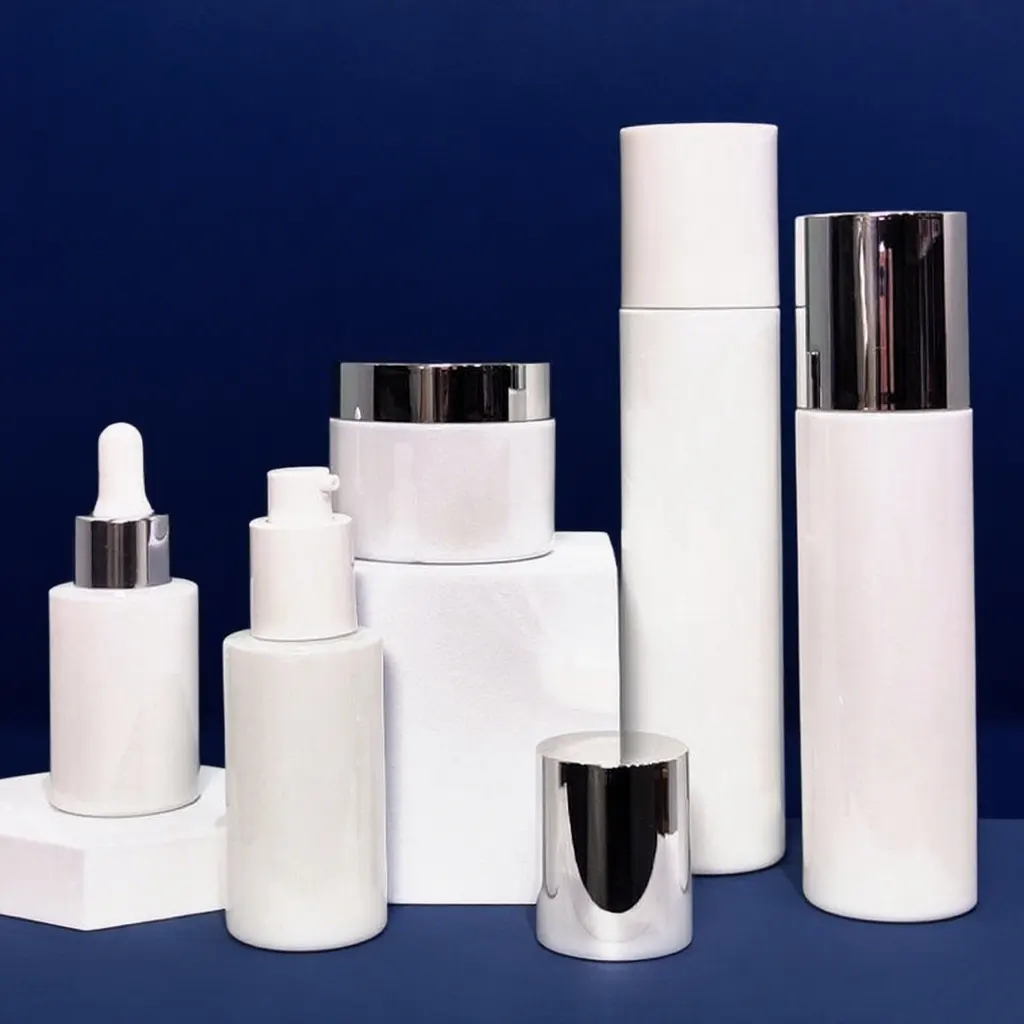
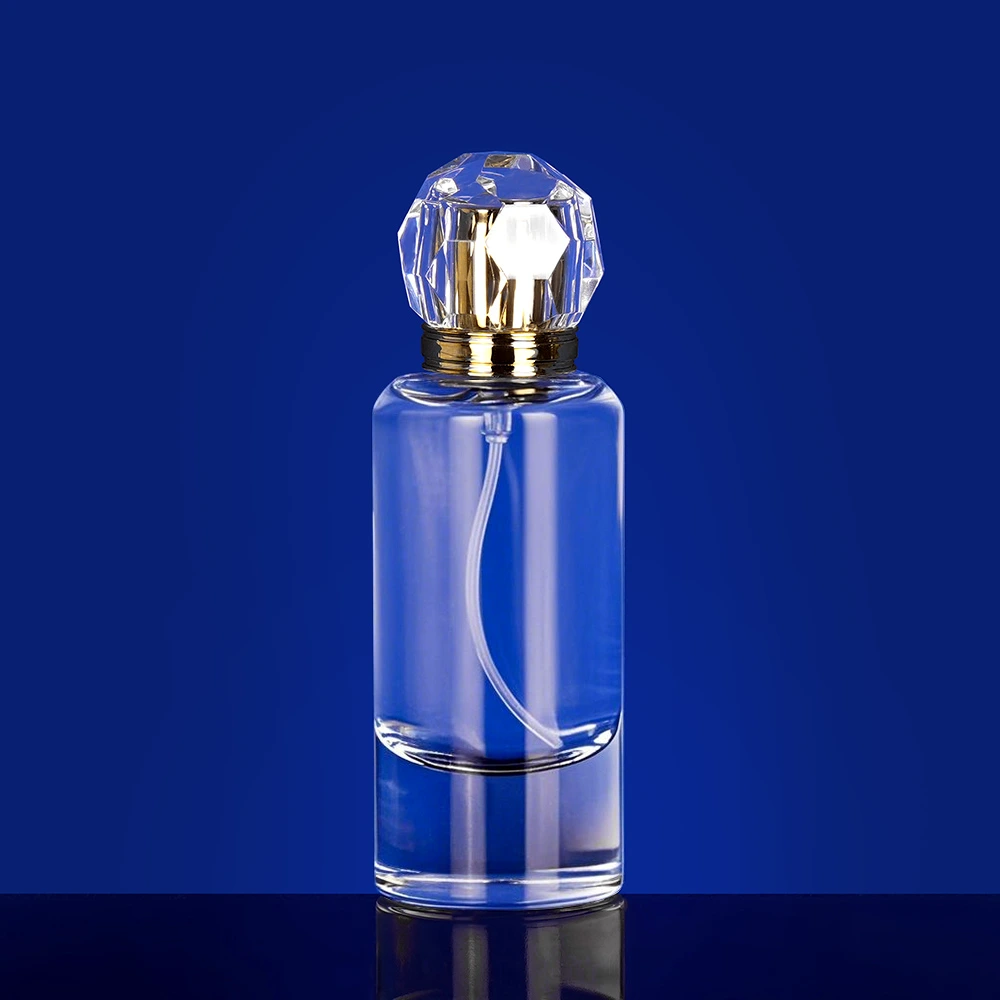
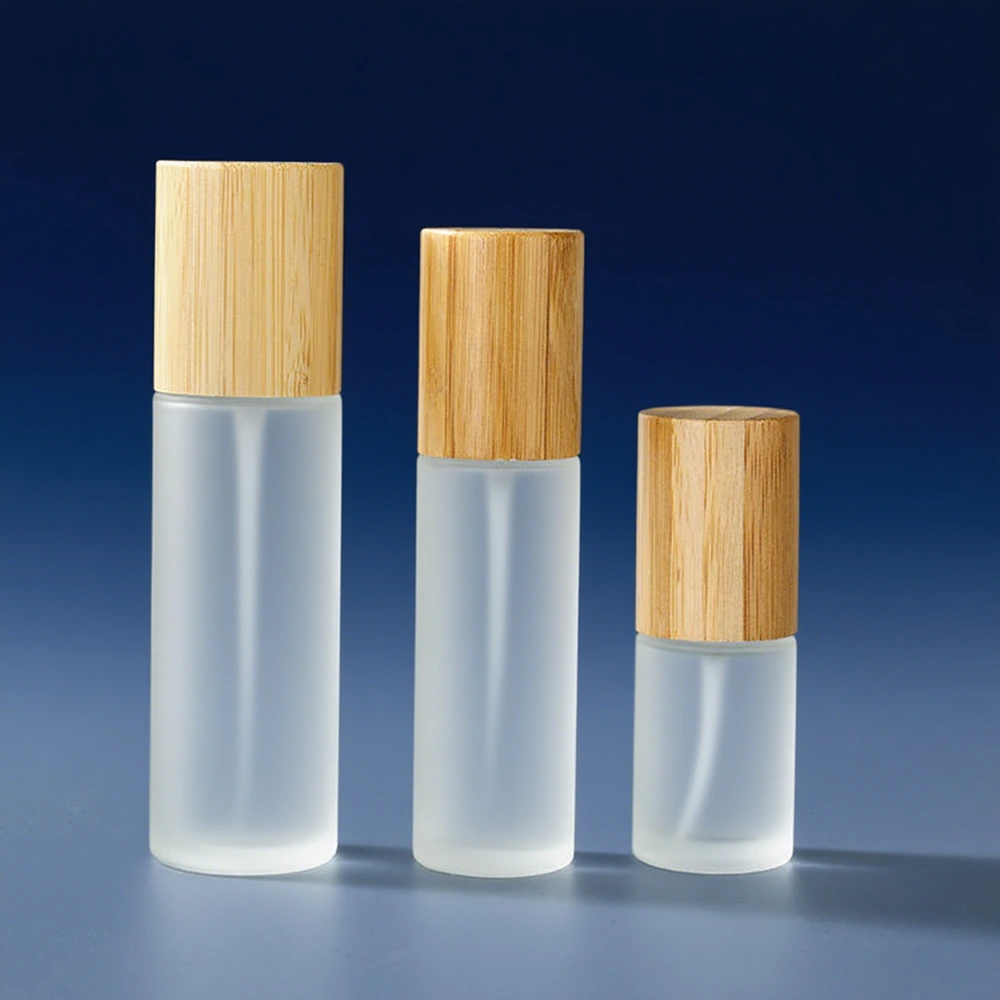
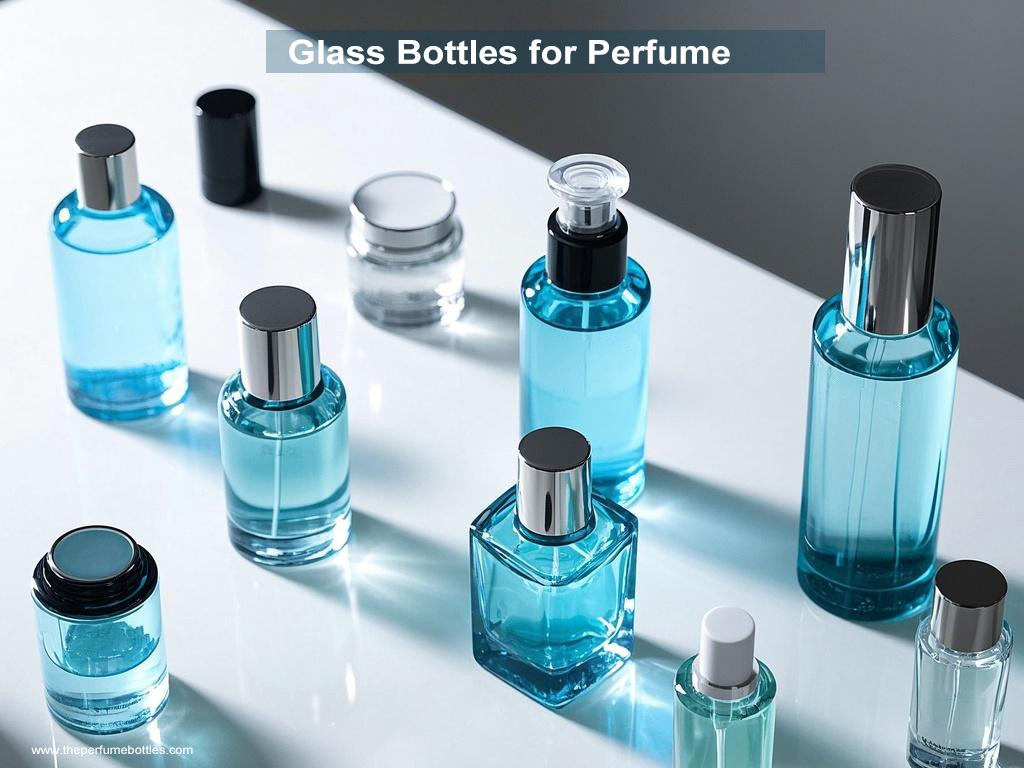
Personalisierbare Kosmetikflaschen: Stärken Sie Ihre Markenidentität
Die Wahl zwischen Reisecremetiegeln und Tuben kann einen erheblichen Einfluss darauf haben, wie Ihre Kosmetikprodukte verpackt und von den Verbrauchern wahrgenommen werden.
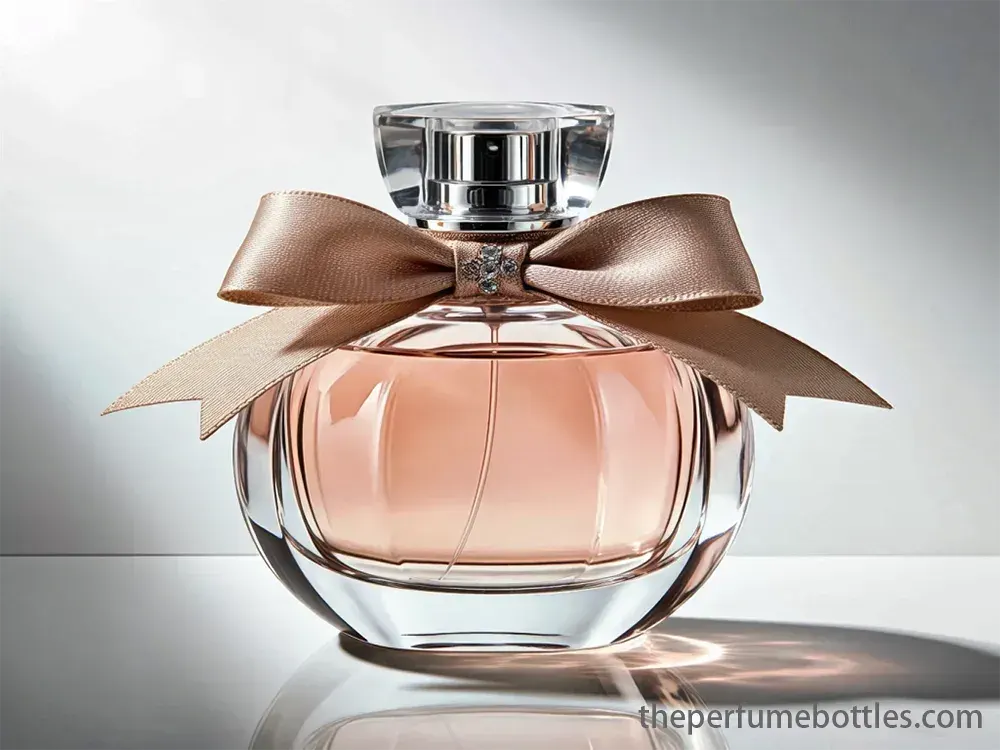
Elegante Parfümflakon-Designs mit Schleife für Luxusmarken
Entdecken Sie exquisite Flakons mit Schleife, perfekt für hochwertige Duftverpackungen. Verleihen Sie Ihrer Parfümkollektion Charme und Eleganz mit unseren einzigartigen Designs.
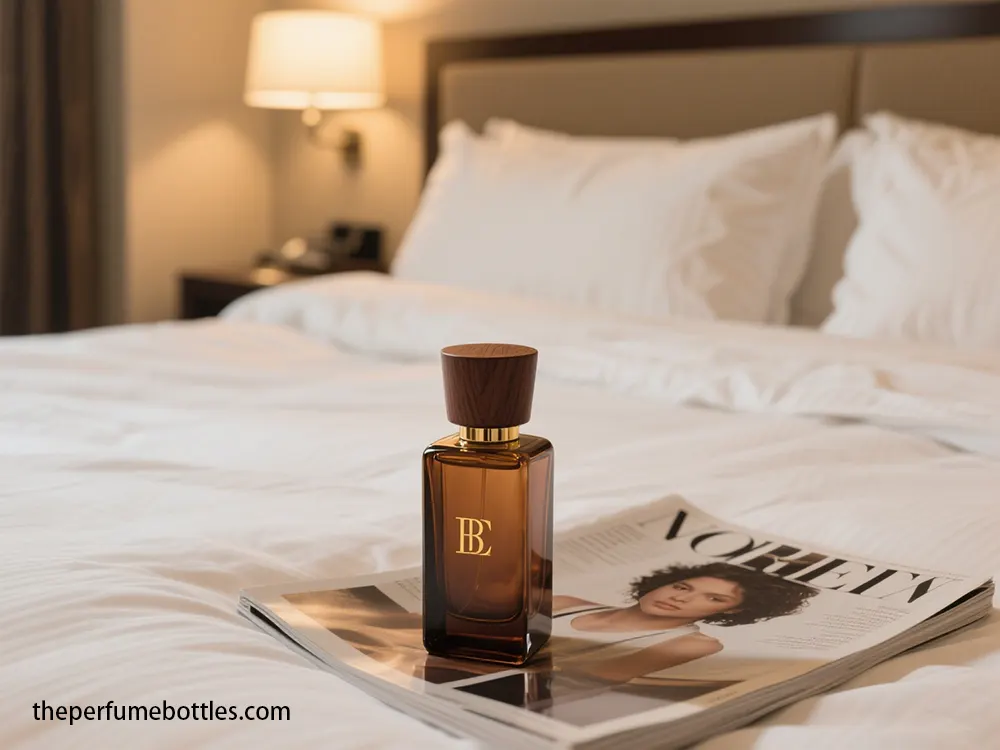
Vollständige Anleitung zur Verwendung von Mini-Parfümfläschchen ohne Sprühkopf
Lerne, wie man Mini-Parfümfläschchen ohne Sprühkopf öffnet, entnimmt und aufträgt. Tipps für Spritzer-, Verschluss- und Bördelfläschchen sowie zum Umfüllen in Roll-ons.
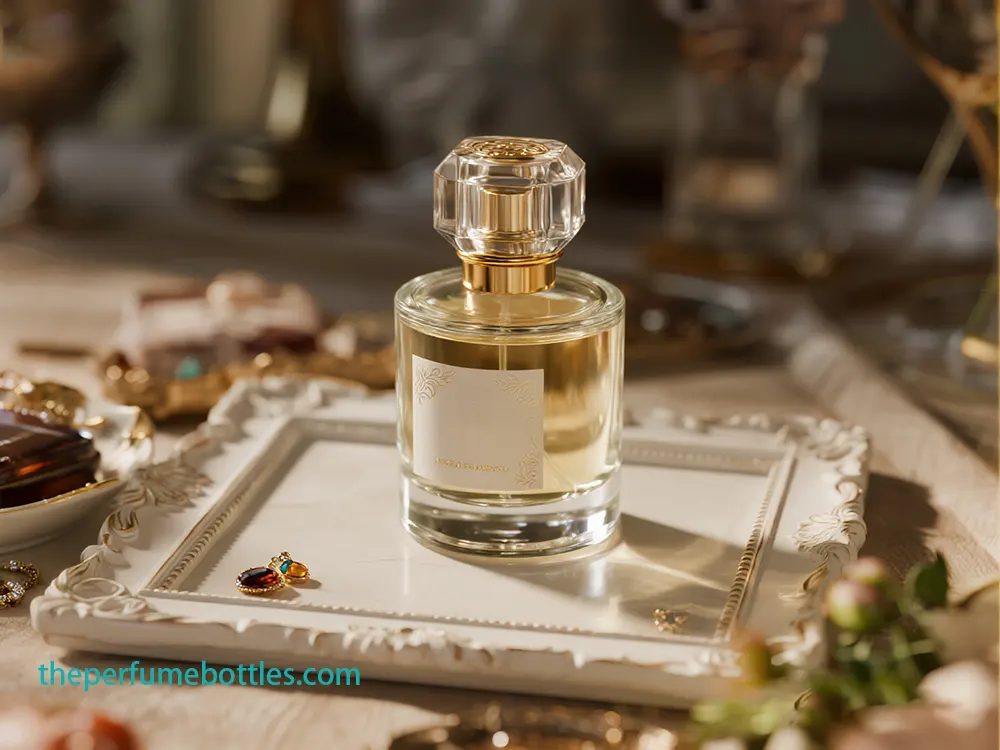
Die Kunst und Wissenschaft hinter der Herstellung individueller Parfümflaschen
Entdecken Sie, wie Hersteller individueller Parfümflaschen Design und Formenbau handhaben
Vorteile von individuell gestalteten Parfümflakons für das Branding
Entdecken Sie individuell gestaltete Parfümflakons für Großhändler. Profitieren Sie von einzigartigen Designs, Mengenrabatten und Branding-Optionen für internationale Duftmarken.
- +86 186 5178 1159
- [email protected]
- Mo-So 07:00-21:00
Tags
Die besten Individualisierungsoptionen, angeboten von führenden Händlern von Glasparfümflaschen
06/03/2026
Entdecken Sie die besten Individualisierungsmöglichkeiten eines führenden Händlers von Glasparfümflaschen. Erfahren Sie, wie wir einzigartige Formen, Farben und Oberflächen für Luxusmarken anbieten.
Fallstudie: Von Händlerproblemen bei Glasrollflaschen zu einer stabilen Werksversorgung
25/02/2026
Probleme mit Glasrollflaschenhändlern veranlassten eine spanische Ölfabrik, sich an uns zu wenden, um auslaufsichere, passgenaue Rollflaschen in gleichbleibender Qualität und mit der Möglichkeit zur Lieferung großer Mengen zu erhalten.
Sonderanfertigung oder Standardware? Ein Händlerleitfaden für Glastropfflaschen – ein Leitfaden für Käufer
19/02/2026
Suchen Sie einen Händler für Glastropfflaschen? Entdecken Sie unseren Leitfaden zu individuellen vs. Standardverpackungen. Erfahren Sie, wie wir Käufern helfen, Kosten und Markenwirkung zu optimieren.
Fallstudie: Maßgefertigte Glasparfümflakons für ein französisches Nischenparfümstudio
12/02/2026
Für ein französisches Parfümstudio fertigten wir individuell gestaltete Glasflakons an. Wir lieferten mattierte Flakons mit Farbverlauf und Holzverschlüssen, die das Markenimage und die Attraktivität im Einzelhandel steigern.
 DE
DE  EN
EN  FR
FR  IT
IT  NL
NL  PL
PL  RU
RU  PT
PT  FI
FI  ES
ES  DA
DA  SV
SV  RO
RO  CS
CS  ZH
ZH  KO
KO  JA
JA  AR
AR  TR
TR  ID
ID  EL
EL  HU
HU  BG
BG