
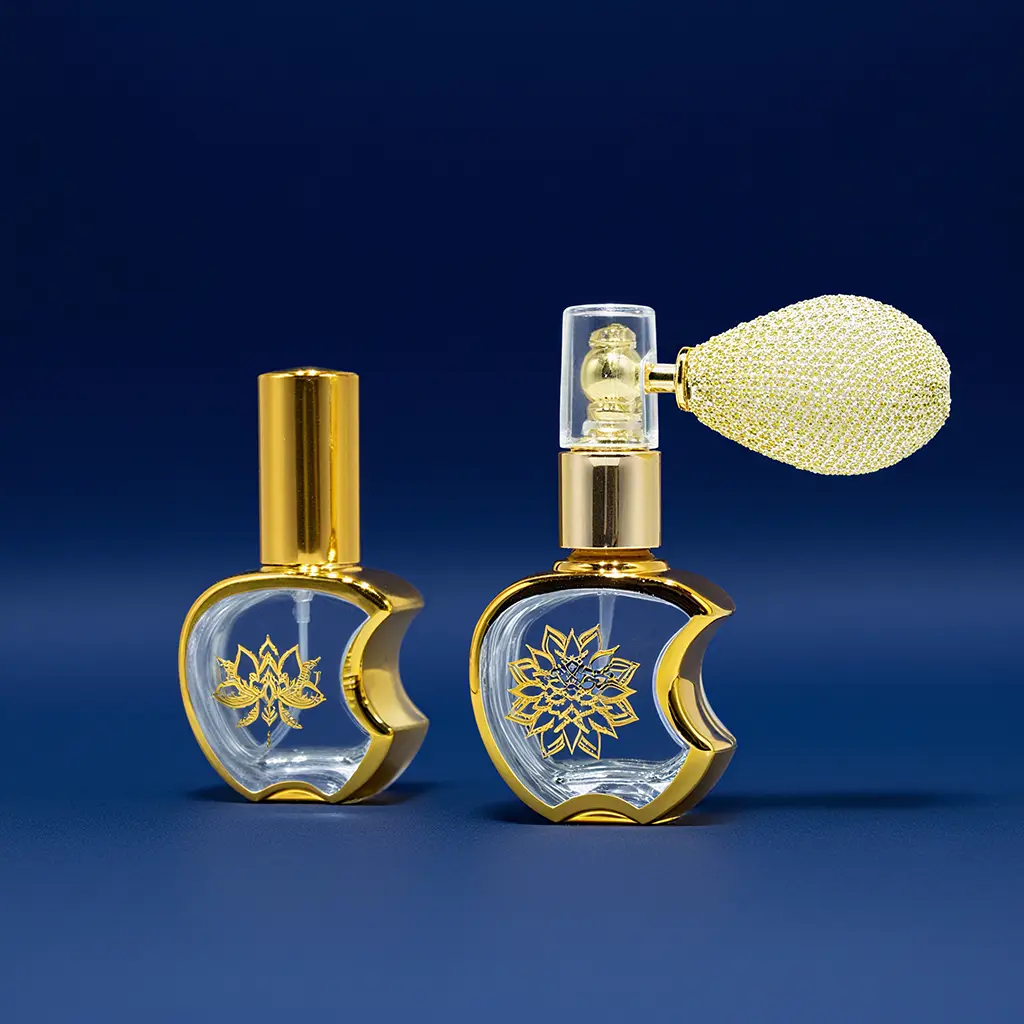
In e-commerce, packaging immersive online is important for brand experiences and product protection.
Inhaltsverzeichnis
Führender Anbieter von Parfümflakons setzt auf Nachhaltigkeit, Personalisierung und intelligentes Design und Formgebung
Der globale Markt für Parfümverpackungen befindet sich im Wandel, bedingt durch die Verbrauchernachfrage nach Stabilität, Privatisierung und digitaler Integration. Dieser Bericht skizziert die wichtigsten Trends und Anpassungsstrategien für Parfümflasche Lieferant von 2025 bis 2032. Stabilität, Nachfüllsysteme und umweltfreundliche Materialien (z. B. PCR-Glas, biobasierte Kunststoffe) sind von größter Bedeutung; Verbraucher sind bereit, für umweltfreundliche Produkte einen höheren Preis zu zahlen. KI und fortschrittliche Fertigungstechnologien ermöglichen es, einzigartige Designs und personalisierte Erlebnisse zu schaffen, die tiefe emotionale Bindungen fördern. Digitale Integration (NFC, QR, AR) verbessert die Interaktion, gewährleistet Authentizität und optimiert Lieferketten. Wichtige operative Bereiche umfassen fortschrittliche Fertigungstechnologien (z. B. 3D-Druck für Prototypen/Kleinserien) und flexible Lieferketten (Diversifizierung, Zukunftsanalyse). KI unterstützt diese Anpassungen für die Rückverfolgbarkeit von Designs und Blockchain. Die Zukunft erfordert einen ganzheitlichen Ansatz, bei dem Lieferanten, Marken und Verbraucher gemeinsam individuelle und digital reichhaltige Dufterlebnisse gestalten.
1. Einleitung
Die Luxusparfümindustrie befindet sich an einem Wendepunkt. Konsumenten erwarten heute eine Eleganz der Düfte, die über ihren gesamten Lebenszyklus hinausgeht und die Interaktion mit ihnen fördert. Dieser Bericht erläutert, wie Hersteller von Parfümflakons auf die Kundenwünsche eingehen und welche Treiber der Verpackungstransformation es gibt. Er beleuchtet die Trends unserer globalen Analyseprojekte (2025–2032) und die regionalen Marktnuancen. Hauptziel ist es, Herstellern Handlungsempfehlungen zu geben, um auf Marktveränderungen reagieren zu können.
2. Sich wandelnde Verbraucherbedürfnisse: Treiber des Verpackungswandels
Moderne Konsumenten verändern die Ansprüche an Luxusparfums und treiben damit einen Paradigmenwechsel bei Flakondesign und -produktion voran.
2.1. Nachhaltigkeit: Das neue Luxusgebot
Stabilität ist der wichtigste Faktor bei Verpackungsänderungen; Millennials und die Generation Z sind bereit, für umweltfreundliche Produkte einen höheren Preis zu zahlen. Zu den wichtigsten Änderungen gehören:
- Dominanz umweltfreundlicher Inhalte: Der Markt bietet langlebige Alternativen wie biologisch abbaubaren/recycelten Kunststoff, Saatpapier, Verpackungen auf Pilzbasis, Biokunststoff aus Mais, Recyclingglas, Aluminium und pflanzenbasierte Tinte. Schätzungen zufolge wird der Kosmetik-/Parfümverpackungssektor im Jahr 2025 ein Volumen von 9,82 Milliarden US-Dollar erreichen und Glasverpackungen aufgrund ihrer luxuriösen Optik und Recyclingfähigkeit bevorzugen.
- Aufstieg des nachfüllbaren Systems: Nachfüllsysteme sind wichtig, da sich der CO₂-Fußabdruck Schätzungen zufolge nach zehn Anwendungen um bis zu 50 % reduzieren lässt. Der globale Markt für nachfüllbare Parfums wird voraussichtlich von 5,3 % jährlich (2021–2031) wachsen, wobei große Marken entsprechende Lösungen einsetzen. Allein der Markt für nachfüllbare Mini-Flakons hatte 2024 ein Volumen von 18,13 Milliarden US-Dollar und soll bis 2030 auf 22,63 Milliarden US-Dollar anwachsen.
- Minimalismus und Abfallvermeidung: Minimales Design, das unnötige Ebenen reduziert und sich auf funktionsorientierte Eleganz konzentriert, wird bevorzugt.
- Grüne Chemie und unverpackte Komponenten: Neben der Verpackung werden auch auf umweltfreundliche Chemie und unbequeme Materialien gesetzt, wobei 73 % der Verbraucher Wert auf Tierwohl, pflanzliche Inhaltsstoffe und tierversuchsfreie Aromen legen.
- Regulierungs- und Verbraucherdruck: Die Stabilität des Drucks von Verbrauchern und Regulierungsbehörden schafft eine Grundlage für Verpackungen, die die Loyalität gegenüber umweltfreundlichen Marken stärkt.
2.2. Personalisierung: Einzigartige Verbindungen schaffen
Die Verbraucher verlangen nach einzigartigen, exklusiven Produkten, was zu individuellen Verpackungen für tiefe emotionale Bindungen und insbesondere zu einem Anstieg von Luxusgeschenken führt.
- Anpassungsmöglichkeiten: Zu den Optionen gehören optimierter Druck, gravierte Kappe, individuelles Design und limitierte Sanskrit-Schachteln.
- KI-gestützte Anpassung: KI-gestützte Duftentwicklung, von der Kreation von Duftkompositionen bis zur Online-Optimierung von Flaschen, ermöglicht ein außergewöhnliches Kundenerlebnis. Bis 2030 können 70 % der Luxusmarken KI-gestützte Anpassungstools einsetzen.
- Zugang zu kleinen Marken: Unternehmen wie YKS Ventures ermöglichen die Privatisierung auch kleinen Marken und Betroffenen mit geringeren Mindestbestellmengen.
2.3. Digitale Integration: Das interaktive Erlebnis
Technologie wandelt um Parfümverpackung in interaktive Marken-Touchpoints, verbessert das Kundenerlebnis und liefert Daten.
- Interaktive Verpackungselemente: QR-Codes und NFC-Tags gewinnen zunehmend an Bedeutung für Markenbotschaften, Authentizitätsnachweise, Anleitungen und den Schutz vor Produktfälschungen. So nutzt beispielsweise Paco Rabannes Phantom einen NFC-Chip für exklusive digitale Inhalte.
- Werbe-Reality-Erlebnis (AR): AR-Verpackungen ermöglichen digitale Animationen, virtuelles Auspacken und Tri-On, ermöglichen Online-Shopping und reduzieren Retouren.
- Intelligente Geräte und IoT: Intelligente Parfümflakons mit Nachfüllfunktion und IoT-fähigen Zerstäubern deuten auf zukünftige Interaktionen mit dem Smart-Home-Ökosystem hin.
- Digitale Effekte im Design: Soziale Medien beeinflussen das Verpackungsdesign und begünstigen ästhetische Aspekte sowie Mehrwegflaschen.
- Verbesserte Online-Erfahrung: Im E-Commerce ist eine immersive Online-Verpackung wichtig für das Markenerlebnis und den Produktschutz.
2.4. Luxus und Bezahlbarkeit: Eine doppelte Nachfrage
Luxus ist wichtig, aber auch preisgünstige Alternativen, oft kleine, wiederbefüllbare Flaschen, sind gefragt. Der Markt für Premiumprodukte wird bis 2033 voraussichtlich ein Volumen von 78 Milliarden US-Dollar erreichen, wobei Konsumenten für aufwendige Verpackungen höhere Preise zahlen. Mini-Nachfüllflaschen (5–10 ml, 39 % Marktanteil) ergänzen das Angebot ideal und eignen sich perfekt für unterwegs und zum Ausprobieren.
2.5. Wiederbefüllbarkeit: Eine Säule der Kreislaufwirtschaft
Wiederbefüllbare Verpackungen werden mittlerweile erwartet, um Abfall zu reduzieren und umweltbewussten Verbrauchern eine langfristige Nutzung zu ermöglichen. Marken erkennen verschiedene Mechanismen, doch Verbraucher stehen vor Herausforderungen hinsichtlich des Verständnisses und der Verfügbarkeit im Handel.
Gratisproben anfordern
3. Strategische Anpassung: Materialinnovation und Designkompetenzen
Die Lieferanten von Parfümflaschen sind verpflichtet, Materialinnovationen und Designkompetenzen an die zu entwickelnden Anforderungen anzupassen; modernste Materialien, modulare Prinzipien und fortschrittliche Privatisierung werden kombiniert.
3.1. Materialinnovationen für Nachhaltigkeit
Die Veränderungen hin zu nachhaltigen Materialien erstrecken sich über das traditionelle Glas hinaus auf vielfältige umweltfreundliche Alternativen.
- Biobasierte Kunststoffe: Biobasierte Kunststoffe werden zunehmend aus nachwachsenden Rohstoffen (Zuckerrohr, Maisstärke, Pilze) hergestellt. Die Partnerschaft von Dow mit LVMH im Bereich der Abfallüberwachungssysteme (Feedstox) bietet hierfür ein Beispiel und liefert leichte, robuste und anpassungsfähige Lösungen.
- Innovationen im Bereich recycelter Materialien (PCR-Glas und -Kunststoff):
- PCR-Glas: PCR-Glas wird von Marken wie Chanel und L'Occitane häufig eingesetzt. Pioniere wie Gerresheimer produzieren seit über einem Jahrzehnt hochreines PCR-Glas und reduzieren so den CO₂-Fußabdruck und den Energieverbrauch.
- PCR-Kunststoff: Recycelter Kunststoff (R-PET, R-HDPE) reduziert Abfall und ermöglicht kreative Designs. Marken wie byredo verwenden PCR, und gerresheimer bietet bis zu 100 % R-PET an. Jersing Custom ist auf PCR-Verpackungen mit der Langlebigkeit von Neuware spezialisiert.
- Leichtmetalle: Leichtmetalle wie Aluminium und Titan reduzieren die moderne Ästhetik, komplexe Details und das geringe Gewicht, die Transportkosten und die Umweltbelastung.
- Borosilikatglas: Borosylktisches Glas bietet Beständigkeit gegen Temperaturschocks, was die Herstellung dünner, leichter, klimatisierter Flaschen ermöglicht und die Kohlenstoffemissionen reduziert.
- Nachfüllbare und wiederverwendbare Systeme: Wiederbefüllbare und wiederverwendbare Flaschen sind ein wichtiger Trend. Marken wie Diptyque, Byredo und Louis Vuitton setzen Nachfüllprogramme ein und reduzieren so den Abfall erheblich.
3.2. Modulare und nachfüllbare Designs
Modulare und wiederbefüllbare Systeme erleben einen Boom, inspiriert von der Verbrauchernachfrage nach Komfort, Stabilität und Privatisierung.
- Aktueller Stand und Marktakzeptanz: Der Markt für nachfüllbare Mini-Parfümflakons wird bis 2030 voraussichtlich ein Volumen von 22,63 Milliarden US-Dollar erreichen, wobei Glasflakons einen Marktanteil von 53,4 % haben. Das Segment von 5–10 ml ist am beliebtesten. Nachfüllbare Verpackungen werden erwartet, und Luxusmarken bauen ihre Expansionsprogramme entsprechend aus.
- Technische und ästhetische Herausforderungen: Zu den Herausforderungen zählen die Wahrung der luxuriösen Ästhetik (hochwertige Haptik, geschlossene Konstruktion, sicherer Verschluss) und der Erhalt der Duftqualität beim Nachfüllen. Die Entwicklung eines auslaufsicheren, langlebigen Systems und innovativer Materialien (z. B. Aluminium aus einem einzigen Material) ist im Gange.
- Vesseluxe kann sich als führendes Unternehmen in der Entwicklung anspruchsvoller modularer und wiederbefüllbarer Designs positionieren, die im Wesentlichen luxuriöse Ästhetik mit robuster, auslaufsicherer Technik verbinden und dabei fortschrittliches PCR-Glas und biobasierte Inhaltsstoffe verwenden.
- Ökonomische Modelle: Nachfüllsysteme bieten Kosteneffizienz für Marken (geringe Produktionsmenge) und Konsumenten (niedrige Nachfüllpreise, Einsparungen von 10–20 % erforderlich). Marken können hochwertige Nachfüllpackungen als Luxusartikel positionieren. Mitgliedschaftsdienste (z. B. Scentbird) ermöglichen die kostengünstige Erkundung von Düften.
- Auswirkungen auf die Markentreue:Nachfülloptionen demonstrieren das Engagement für Stabilität und fördern die Kundenbindung in einem umweltbewussten Umfeld. Individuelle Maßnahmen (z. B. das manuelle Mischen bei Le Labo) verstärken diese Bindung zusätzlich.
3.3. Verbesserung der ästhetischen und funktionalen Personalisierung
Die Privatisierung stellt eine erhebliche Diskriminierung dar, die von den Lieferanten umfangreiche Anpassungen und fortschrittliche Dekorationstechniken erfordert.
- Maßgeschneiderte Designleistungen: Die Lieferanten bieten 3D-Modellierung und Prototyping für einzigartige Flaschengrößen, -farben und -oberflächen (matt, glänzend, frostig, getönt, metallisch) an.
- Fortschrittliche Dekorationstechnologie: Zu den fortschrittlichen Dekorationstechniken gehören Siebdruck, Heißprägung, Etikettierung, Gravur und Lasergravur zur Stärkung der Markenidentität.
- Inklusives Design: Das Design von Einlegeverpackungen ist ein bahnbrechender Trend, der sich bis 2025 beispielsweise in Düften von außergewöhnlicher Schönheit zeigt, die für begrenzte Fachkenntnisse konzipiert wurden. Dies unterstreicht die Nachfrage nach universellen, funktionalen Verpackungen.
4. Operative Transformation: Fortschrittliche Fertigung und Resilienz der Lieferkette
Die gestiegenen Anforderungen erfordern erhebliche operative Veränderungen in den Fertigungs- und Lieferkettenstrategien.
4.1. Fortschrittliche Fertigung: Automatisierung und additive Fertigung
- Automatisierung: Die Automatisierung, zu der Cobots und Ware-zum-Mann-Systeme gehören, verbessert die Fertigungsgenauigkeit, Produktivität und Sicherheit, optimiert den Lagerraum und senkt die Kosten.
- Adressfertigung (3D-Druck):
- Schnelles Prototyping: Der 3D-Druck wird häufig für die schnelle Prototypenfertigung eingesetzt, wodurch die Entwicklungszeit bis zum Prototyp um bis zu 12 Stunden verkürzt wird. ELC und L'Oréal nutzen ihn für Formen und Vorrichtungen und sparen so Zeit und Kosten.
- Luxus- und limitierte Sanskrit-Produktion: Luxusprodukte aus dem 3D-Druck, limitierte Flakons mit Sanskrit-Inschrift (z. B. Viktor & Rolfs „Flowerbomb Haute Couture“, der Formel-1-Duft F1 mit 3D-gedruckten Exoskeletten).
- Geeignete Technologien und Materialien: Geeignete Technologien sind unter anderem der 3D-Metalldruck, harzbasierte Verfahren (SLA, DLS) und FDM. Das Materialspektrum reicht von UV-härtendem Feinharz über biologisch abbaubaren Biokunststoff (PLA) bis hin zu Stahl für Gehäuse.
- Vorteile: Zu den wichtigsten Vorteilen zählen Designunabhängigkeit, beschleunigtes Wachstum, Kosteneinsparungen bei Prototypen, Privatisierung und 70–90 % weniger Abfall.
- Grenzen: Zu den Grenzen gehören hohe Massenproduktionskosten pro Einheit, Mängel in den physikalischen Eigenschaften (z. B. erfordert die chemische Beständigkeit oft eine herkömmliche Innenflasche), Skalierbarkeitsprobleme, Energieverbrauch und VOC-Emissionen.
- On-Demand-Fertigung: Der 3D-Druck ermöglicht eine bedarfsgerechte, lokale Produktion und reduziert Abfall, Lager- und Transportkosten, insbesondere für unabhängige Marken.
4.2. Resilienz und Transparenz der Lieferkette
Agile, transparente und flexible Lieferketten sind von entscheidender Bedeutung, um geopolitische Unsicherheiten, physische Instabilität und Verbraucherbedürfnisse zu bewältigen.
- Diversifizierung und Regionalisierung: Die Diversifizierung der Rohstoffquellen und der Aufbau von Lieferantenbeziehungen über mehrere Regionen hinweg verringern das Versorgungsrisiko. Es wird bestrebt, regionale Produktionsinvestitionen in der Nähe geopolitischer Krisengebiete zu reduzieren.
- Erweiterte Analytik für das Risikomanagement: Fortschrittliche Analysemethoden (Vorhersagemodelle, maschinelles Lernen) ermöglichen die aktive Erkennung von Risiken, die Bedarfsprognose und die Anpassung der Lagerbestände, einschließlich erster Warnsignale und der Bewertung der Anfälligkeit von Lieferanten.
- Geophysikalische Effekte: Geophysikalische Probleme (Handelsstreitigkeiten, Konflikte, Umweltpolitik) beeinflussen die Verfügbarkeit und die Kosten von Inhalten erheblich und führen zu eingeschränktem Zugang sowie Währungsschwankungen.
- Kooperation und Öko-Magazin: Strategische Partnerschaften (z. B. Dow und LVMH Beauty für biobasierte Kunststoffe) sind wichtig für dauerhafte Innovation und Flexibilität.
- Wichtigste Kennzahlen: Flexibilität wird gemessen an Agilität, Geschwindigkeit, Transparenz, Flexibilität (austauschbare Ressourcen, starke Lieferantenbeziehungen) und Zusammenarbeit.
- Technologieintegration: Automatisierung, intelligentes Auftragsmanagement und Echtzeit-Transparenztools steigern die Agilität, optimieren die Abläufe, passen sich dem Lagerbestand an und ermöglichen datengestützte Entscheidungen.
- Zuverlässigkeit der Lieferanten und Qualitätskontrolle: Zuverlässige Lieferanten erfordern eine leistungsfähige Logistik, eine flexible Planung und eine strenge Qualitätskontrolle hinsichtlich Materialreinheit und Verarbeitung.
- Theorie der Kreislaufwirtschaft: Die Integration von SSCM einschließlich Rückwärtslieferkette, Ökodesign und grüner Logistik erhöht die Flexibilität, indem die Abhängigkeit von nicht erneuerbaren Ressourcen und deren Knappheit verringert werden.
- Digitale Zwillinge (Spekulation): Fortschrittliche Analysen legen nahe, dass digitale Zwillingsanwendungen die gesamte Lieferkette (von der Quelle bis zum Ende des Lebenszyklus) simulieren können, was Echtzeitüberwachung, zukünftige Wartung und verbesserte Transparenz, Agilität und Flexibilität des Landschaftsschemas ermöglicht.
Gratisproben anfordern
5. Technologische Wegbereiter: KI, Blockchain und digitale Integration
Neue Technologien treiben Innovation und Anpassung bei Parfümflaschenherstellern entlang der Preiskette aktiv voran.
5.1. KI und generatives Design in der Verpackung
- Wichtige und aufstrebende Technologien: Generative Design-KI wird Schätzungen zufolge im Jahr 2025 einen Marktanteil von 37,2 % im Verpackungsdesign erreichen. Der globale Markt für generische KI-Verpackungen wird bis 2035 voraussichtlich ein Volumen von rund 10.836 Millionen US-Dollar erreichen (jährliche Wachstumsrate: 29,4 %). Dieses Wachstum basiert auf der Fähigkeit der KI, Tausende von Designoptionen auf Grundlage von Material-, Fertigungs-, Kosten- und Leistungsparametern zu generieren.
- KI-Ausrüstung für Design: KI-Tools wie packify.ai, pacdora, promeai, Lumenor AI und Churning for New Black AI, 3D-Visualisierung und KI-Bildverarbeitung werden für die Flaschenherstellung eingesetzt. Chatgpt und Midjourney sind ebenfalls integriert.
- Materialanpassung und Abfallvermeidung: Durch KI-gestützte Optimierung der Verpackungsgröße werden Materialabfälle (15–25 %) und Energieverbrauch (10–20 %) reduziert. Die Software empfiehlt umweltfreundliche Materialien durch Analyse von Zerbrechlichkeit, Gewicht und Umweltauswirkungen des Produkts.
- Schnelle Prototypenentwicklung: KI automatisiert und optimiert das Design, generiert schnell Optionen, bewertet die Machbarkeit und passt diese in Echtzeit an. AMCOR 3D nutzt KI für die Modellentwicklung und beschleunigt so die Markteinführung.
- Verzierte Ästhetik und Privatisierung: KI entwickelt neue, leichte und effiziente Verpackungen und generiert innovative Designs. Im Luxussegment ermöglicht sie die Herstellung einzigartiger, anpassungsfähiger Produkte in großem Umfang und fördert intensive Kundenbindung.
- Integration mit 3D-Druck: Die 3D-Modellierungs- und Simulationsfunktionen von AI unterstützen die Integration mit schnellen physischen Prototypen und integrierter Fertigung für komplexe Geometrien.
- Prädiktive Analytik: KI liefert Serien-, Lager- und Produktionsbedarfsplanung für die Fertigung, richtet die Produktion aus, reduziert zusätzliche Lagerbestände und unterstützt zukünftige Wartungsarbeiten.
- Neue Kompetenzen und moralische Bedenken: Für die Einführung generativer KI sind neue Kompetenzen (frühzeitiges Design, Interpretation, Integration) erforderlich. Zu den ethischen Bedenken zählen Datenschutz, Vorurteile, Transparenz, geistiges Eigentum, Arbeitsplatzverluste und die Umweltauswirkungen von KI.
- KI in der Duftkreation: Über die Verpackungsentwicklung hinaus kreiert KI personalisierte Düfte. DSM-Firmenich nutzt KI, um unnatürliche Duftwirkungen vorherzusagen und einzigartige Duftkompositionen zu entwickeln. Symrises Philyra (in Zusammenarbeit mit IBM) kreiert erfolgreiche Duftkompositionen. Zudem bietet KI Forschungseinrichtungen, die sogenannte „Neurosantien“, für die Entwicklung von emotionsauslösenden Düften nutzen.
5.2. Blockchain für Rückverfolgbarkeit und Authentizität
- Branchenweite Einführung: Das Aura Blockchain Consortium (LVMH, Prada) bietet Blockchain-Lösungen für über 50 Marken und 50 Millionen Produkte an.
- Markenimplementierung: Amouage ist im Juli 2025 dem Aura-Projekt „Digital Product Passport“ beigetreten. ELC und Aveda haben Blockchain als Pilotprojekt für die Rückverfolgbarkeit von madagassischer Vanille eingesetzt und damit die Transparenz der Komponenten erhöht.
- Fälschungsschutz: Die Blockchain kombiniert einzigartige digitale Identifikatoren (QR, NFC) mit einem unwiderruflichen Kontobuch und konkurriert mit dem 464 Milliarden Dollar schweren Fälschungsmarkt, wodurch Fälschungen verhindert und die Echtheitsprüfung ermöglicht wird.
- Erhöhte Transparenz und ethisch einwandfreie Beschaffung: Die Blockchain-Technologie bietet vollständige Transparenz über den gesamten Produktionsprozess vom Rohstoff bis zum Endprodukt und ermöglicht es Marken, ethisch einwandfreie Beschaffung, Stabilität und faire Arbeitsbedingungen nachzuweisen, wodurch das Vertrauen umweltbewusster Konsumenten gestärkt wird.
- NFTs für Engagement: NFT integriert Authentizität, Perfektion und Engagement und bietet spezielle digitale Assets, Kunstwerke, Erlebnisse und Treueprogramme, die mit physischen Parfums verbunden sind.
- Betriebskapazität: Blockchain optimiert die Abläufe in der Lieferkette durch intelligente Verträge, automatisiert Bestandsführung, Beschaffung und Logistik, senkt Kosten, reduziert Überbestände und verbessert die Effizienz.
- Herausforderungen: Zu den Herausforderungen zählen hohe Implementierungskosten, Skalierbarkeit, Interoperabilität, Integrationskomplexität und ein Fachkräftemangel.
- Unterstützung der Nachhaltigkeit: Die Blockchain erfasst den CO2-Fußabdruck, bestätigt eine umweltfreundliche Produktion und liefert Daten für die Wiederverwendung und das Lebenszyklusmanagement und unterstützt so die Ziele der Kreislaufwirtschaft.
6. Auswirkungen auf das Ökosystem: Lieferanten, Marken und das Kundenerlebnis
Die Lieferanten optimieren den grundlegenden Wandel in der Arbeitsweise von Parfümmarken und in der Interaktion der Endverbraucher mit den Produkten im Ökosystem.
6.1. Auswirkungen auf die Lieferanten von Parfümflaschen
- Änderung des Geschäftsmodells: Die Lieferanten wandeln sich von traditionellen Fertigungsunternehmen zu Anbietern umfassender Lösungen, die unter anderem eine permanente Designberatung, die Beschaffung fortschrittlicher Materialien und die Integration neuer Technologien (z. B. 3D-Druck, intelligente Verpackungen) umfassen.
- Investitionen in Kompetenzen: Es werden bedeutende Investitionen in permanente Produktionskapazitäten getätigt, beispielsweise in Technologien zur Reduzierung des Bedarfs an neuen Öfen und der Energie-/CO2-Emissionen bei der Herstellung von PCR-Glas.
- Strategische Partnerschaft: Kooperationen (z. B. Toli und Eastman) und Akquisitionen (z. B. die Übernahme von PacificGlas durch Verescence) erweitern den Marktzugang und das nachhaltige Angebot.
- Neue Einnahmequellen: Zu den neuen Einnahmequellen zählen Ökodesign, Nachfüllsysteme, Leichtglas und technologiebasierte Dienstleistungen (z. B. Lasergravur, Integration intelligenter Verpackungen).
- Herausforderungen: Zu den Herausforderungen zählen ein ausgewogenes Verhältnis von luxuriöser Ästhetik, Langlebigkeit und Stabilität. Das empfindliche Glas, die komplexen Formen und die Materialmischung erschweren das Recycling und erhöhen das Bruchrisiko. Auch Funktionsprobleme (verstopfte Düsen, schwergängige Verschlüsse) müssen gelöst werden.
6.2. Wie Parfümmarken neue Verpackungslösungen nutzen
- Markendifferenzierung: Marken nutzen langlebige und individuelle Verpackungen zur Differenzierung, um bewusste Konsumenten anzusprechen und ihren Ruf zu verbessern.
- Verbesserte Erzählweise: Die Verpackung wird so zu einem wirkungsvollen Mittel des Storytellings, das Markenidentität, Werte und Stabilitätsversprechen zum Ausdruck bringt und emotionale Bindungen fördert.
- Kundenbindung: Intelligente Verpackungen (NFC, QR, AR) bieten interaktive Erlebnisse, exklusive Inhalte und Authentizität, steigern das Engagement um mehr als 30 % und erhöhen die Wiederkaufsraten um 20 %.
- Einführung der Kreislaufwirtschaft:Marken setzen Nachfüllprogramme ein und verwenden PCR-Materialien, die den Prinzipien der Kreislaufwirtschaft entsprechen und Abfall reduzieren.
- Zugänglichkeit:Marken wie Rare Beauty sind Vorreiter in Sachen inklusives Design und bieten benutzerfreundliche Verpackungen für unterschiedliche Verbrauchergruppen an, wodurch neue Branchenstandards gesetzt werden.
6.3. Entwicklung der Produktinteraktion und -wahrnehmung des Endverbrauchers
- Werteorientierter Einkauf: Konsumenten, insbesondere junge Menschen, legen Wert auf werteorientierte Marken und sind bereit, mehr für langlebige und ethisch einwandfreie Zitrusprodukte zu bezahlen.
- Personalisiertes Erlebnis: Die Verbraucher erwarten einzigartige, maßgeschneiderte Produkte; individuelle Verpackungen stärken die emotionale Bindung und erhöhen die Geschenkwirkung.
- Interaktive Beteiligung: Digitale Merkmale wandeln passiven Konsum in interaktive Erlebnisse um und bieten so tiefgreifende Einblicke in Produkte und Marken.
- Vertrauen und Authentizität: Blockchain und intelligente Verpackungen sorgen für Transparenz und Authentizität; es ist wichtig, Fälschungen zu bekämpfen und Vertrauen aufzubauen.
- Komfort und Tragbarkeit: Nachfüllbare Mini- und feste Duftformate eignen sich für Einrichtungen, Reisen und den täglichen Gebrauch.
- Multisensorisches Erlebnis: Die Verpackung spricht mehrere Sinne durch haptische Elemente, einzigartige Texturen und Duftstoffe an und sorgt so für ein intensives Auspackerlebnis.
Gratisproben anfordern
7. Zukunftsaussichten und strategische Erfordernisse für Lieferanten
Die Verpackungslandschaft für Parfums wird sich in den nächsten 3-7 Jahren rasant weiterentwickeln. VesseluxeAls zukunftsorientierter Lieferant sollte er diese Veränderungen kontinuierlich nutzen, um Wettbewerbsvorteile und Marktführerschaft zu erlangen.
7.1. Prognostizierte zukünftige Landschaft (2025-2032)
- Hypernachhaltigkeit als Norm: Bis 2028 werden über 30 % der Luxusverpackungen langlebig sein. Dies geht über PCR-Verfahren hinaus und umfasst fortschrittliche biobasierte Kunststoffe, monolithische und kompostierbare Komponenten. Das Nachfüllsystem wird zum Standard und Marken werden sich durch Eleganz, Komfort und Langlebigkeit der Behälter auszeichnen.
- KI-gesteuerte Design- und Fertigungsdominanz: Generische KI wird Designprozesse revolutionieren und die schnelle Wiederverwendung komplexer, individueller Flaschendesigns ermöglichen. KI optimiert die Fertigung, prognostiziert die Nachfrage, verwaltet Lagerbestände und reduziert Abfall und Energieverbrauch. Die Integration von KI in die additive Fertigung ermöglicht bedarfsgerechte, personalisierte und komplexe Luxusverpackungen und revolutioniert so die Massenproduktion und die handwerkliche Fertigung.
- Allgegenwärtige digitale Integration: Intelligente Verpackungen gehen über den QR-Code hinaus und werden NFC/RFID-Technologien nutzen, um nahtlose Authentifizierung, immersive AR-Erlebnisse und individuelle digitale Inhalte zu ermöglichen. Dadurch wird die Flasche zum Tor zu einer interaktiven Markenwelt, die Kundenbindung gestärkt und wertvolle Kundendaten gewonnen.
- Blockchain für durchgängiges Vertrauen: Die Blockchain-Technologie wird die Lieferkette standardisieren und für mehr Transparenz, ethisch einwandfreie Beschaffung und Schutz vor Produktfälschungen sorgen, insbesondere im Luxussegment. Digitale Produktpässe und NFTs werden unwiderrufliche Nachweise über Perfektion und Eigentumsverhältnisse, Vertrauen bei den Verbrauchern sowie neue Wege der Kundenbindung und -loyalität ermöglichen.
- Personalisierung und Inklusivität in großem Umfang: Anpassungsfähige KI und Digitaldruck ermöglichen hochgradig personalisierte Designs. Inklusives Design entsteht, mit technisch ausgereiften Verpackungen für universellen Zugang, die sich durch außergewöhnliche Schönheit auszeichnen.
- Bahnbrechende Formate gewinnen an Bedeutung: Feste Duftstoffe und andere nicht-sprühbare Darreichungsformen werden die traditionellen Flakons herausfordern, deren Stärke in ihrer Tragbarkeit, Stabilität und neuartigen Anwendung liegt.
- Resiliente und lokalisierte Lieferketten: Geophysikalische Instabilität und Umweltprobleme werden vielfältige, regionale und lokale Lieferketten beschleunigen. Prädiktive Analysen und digitale Zwillinge (spekulativ) werden wichtig sein, um ein aktives Risikomanagement, die Anpassung der Logistik und die Kontinuität zu gewährleisten.
7.2. Strategische Erfordernisse für Lieferanten
- Hohe Investitionen in Forschung und Entwicklung für nachhaltige Materialien und modulare Designs:
- Fokus auf Biomaterialien der nächsten Generation:Buroce setzt auf zirkuläre Inhalte mit biobasierten Polymeren von Next-Ji, Myzel-Kompositionen und vergleichbarer luxuriöser Ästhetik und Funktionalität.
- Verfeinerung der Nachfüllsysteme: Innovatives, benutzerfreundliches, ästhetisch ansprechendes und auslaufsicheres Nachfüllsystem, das Duftstoffe schont und den Luxus steigert – entdecken Sie standardisierte Formate.
- Integration der Lebenszyklusanalyse (LCA): Integrieren Sie umfassende Lebenszyklusanalysen (LCAS) für alle neuen Materialien/Designs, um die Umweltauswirkungen zu ermitteln, dauerhafte Innovationen zu steuern und Behauptungen zu überprüfen.
- KI und generatives Design als Kernkompetenzen begreifen:
- KI-gestützte Designstudios:Schnelle Prototypen, Materialoptimierung und komplexes, individuelles Flaschendesign, um generische KIs mit AI-Paid Design Studio zu nutzen, um von AI-Paid Design Studio zu profitieren.
- Predictive Analytics für den operativen Bereich: Anwendung fortgeschrittener Analysemethoden bei der Nachfragesteuerung, der Anpassung der Produktion, dem Management und der Bewältigung von Nachfrageschwankungen in der Angebots-/Nachfragekette.
- Talententwicklung: KI-gestütztes Engineering in Apaskil: Arbeitskräfte, Dateninterpretation und Integration von KI-Tools in Konstruktion und Fertigung.
- Intelligente Verpackungs- und Blockchain-Lösungen integrieren:
- Standardisierte digitale Integration: Die Spezialisierung auf die Integration von NFC/RFID-Tags und QR-Codes wird ausgebaut, wodurch umfassende digitale Materialplattformen entstehen.
- Blockchain-as-a-Service: Bereitstellung von Blockchain-Lösungen für die Rückverfolgbarkeit/Authentizität der Lieferkette, gegebenenfalls mit Beitritt zum Konsortium für Industriestandards.
- Datensicherheit und Datenschutz: Priorität hat die starke Datensicherheit und die Einhaltung globaler Datenschutzbestimmungen, um das Vertrauen der Verbraucher in intelligente Verpackungen zu stärken.
- Aufbau straffer und flexibler Lieferketten:
- Geografische Diversifizierung: Aufbau eines globalen Netzwerks von Produktionsstätten und Rohstofflieferanten zur Reduzierung geopolitischer Risiken und zur Verkürzung der Lieferzeiten.
- Strategische Beteiligung: Schaffung flexibler, transparenter Preisketten zur gleichzeitigen Einbindung enger Partnerschaften mit Technologie-, Material- und Logistikanbietern.
- Implementierung des digitalen Zwillings (Satta): Simulation der gesamten Lieferkette und Erforschung der Entwicklung digitaler Zwillinge für die Echtzeitüberwachung, die aktive Entscheidungen und schnelle Reaktionen ermöglicht.
- Inklusives und erlebnisorientiertes Design fördern:
- Universelles Designprinzip: Integrieren Sie integrative Designprinzipien in die Entwicklung neuer Produkte und gewährleisten Sie eine zugängliche und benutzerfreundliche Verpackung für verschiedene Verbrauchergruppen.
- Multisensorisches Erlebnis: Innovation mit interaktiven Elementen für eine fühlbare Oberfläche, eine einzigartige Textur und einprägsame, multisensorische Auspackerlebnisse, die die Markengeschichte stärken.
- Anpassung im Maßstab: Entwicklung flexibler Fertigungs- und Digitaldruckverfahren für eine breite, effiziente und kostengünstige Privatisierung.
Durch die Berücksichtigung dieser Erfordernisse kann Vesseluxe seine Führungsrolle bündeln und die Zukunft der Luxusparfümverpackungen verantwortungsvoll, innovativ und verbraucherorientiert gestalten.
Kommentare
Produktkategorien
Flaschen im Sonderangebot
Der ultimative Leitfaden zur Individualisierung von Kosmetikverpackungen
In der wettbewerbsintensiven Welt der Schönheitsprodukte ist die Individualisierung von Kosmetikverpackungen ein entscheidender Wettbewerbsvorteil.
Leitfaden für Großhändler von Glastropfflaschen: Design, Materialien und Konformität
Wesentliche Erkenntnisse für einen Großhändler von Glastropfflaschen zu Design, Materialien und Konformität für Anwendungen in der Pharma-, Kosmetik- und Laborindustrie.
Anbieter von Parfümflakons passen sich den veränderten Verbraucheranforderungen an: Ein strategischer Ausblick (2025–2032)
Führender Anbieter von Parfümflakons setzt auf Nachhaltigkeit, Personalisierung und intelligentes Design und Formgebung
Eine umfassende Anleitung zum Öffnen von Parfümflaschen und mehr
Lernen Sie sichere Methoden zum Öffnen von Parfümflaschen mit Bördel-, Schraub- und Nachfüllverschluss.
Von Tropfverschlüssen bis hin zu Rollkugeln: Die Wahl des richtigen Verschlusses für Ihre ätherischen Ölflaschen
Optimieren Sie die Flaschen für ätherische Öle mit dem richtigen Verschluss – Tropfer, Rollkugeln und mehr – für eine bessere Konservierung, Benutzerfreundlichkeit und Einhaltung der Vorschriften.
- +86 186 5178 1159
- [email protected]
- Mo-So 07:00-21:00
Tags

Die besten Individualisierungsoptionen, angeboten von führenden Händlern von Glasparfümflaschen
06/03/2026
Entdecken Sie die besten Individualisierungsmöglichkeiten eines führenden Händlers von Glasparfümflaschen. Erfahren Sie, wie wir einzigartige Formen, Farben und Oberflächen für Luxusmarken anbieten.

Fallstudie: Von Händlerproblemen bei Glasrollflaschen zu einer stabilen Werksversorgung
25/02/2026
Probleme mit Glasrollflaschenhändlern veranlassten eine spanische Ölfabrik, sich an uns zu wenden, um auslaufsichere, passgenaue Rollflaschen in gleichbleibender Qualität und mit der Möglichkeit zur Lieferung großer Mengen zu erhalten.
Sonderanfertigung oder Standardware? Ein Händlerleitfaden für Glastropfflaschen – ein Leitfaden für Käufer
19/02/2026
Suchen Sie einen Händler für Glastropfflaschen? Entdecken Sie unseren Leitfaden zu individuellen vs. Standardverpackungen. Erfahren Sie, wie wir Käufern helfen, Kosten und Markenwirkung zu optimieren.

Fallstudie: Maßgefertigte Glasparfümflakons für ein französisches Nischenparfümstudio
12/02/2026
Für ein französisches Parfümstudio fertigten wir individuell gestaltete Glasflakons an. Wir lieferten mattierte Flakons mit Farbverlauf und Holzverschlüssen, die das Markenimage und die Attraktivität im Einzelhandel steigern.
 DE
DE  EN
EN  FR
FR  IT
IT  NL
NL  PL
PL  RU
RU  PT
PT  FI
FI  ES
ES  DA
DA  SV
SV  RO
RO  CS
CS  ZH
ZH  KO
KO  JA
JA  AR
AR  TR
TR  ID
ID  EL
EL  HU
HU  BG
BG