
Frascos de vidrio para aceites esenciales: posicionamiento de lujo
Tabla de contenido
Descubra cómo los frascos de vidrio para aceites esenciales realzan el posicionamiento de lujo de las marcas de aromaterapia a través de un diseño y un empaque de primera calidad.
Este informe describe un marco estratégico para las marcas de aromaterapia y se centra especialmente en el importante papel de los productos premium. frascos de vidrio para aceites esenciales y una experiencia de marca integrada para alcanzar y mantener el estatus de lujo. Los mercados de aromaterapia de lujo están impulsados por consumidores inteligentes, principalmente personas con un alto nivel de ingresos (UHNWI) y entusiastas del bienestar adinerados, que priorizan la privacidad, la eficacia comprobada, la estabilidad y las experiencias exclusivas. Para completar estas secciones, las marcas deben adoptar soluciones de empaque sofisticadas, como las que ofrece Vesseluxe, que incorporan ciencia de materiales avanzada, diseño de vanguardia y características de estabilidad integradas. El informe describe un marco integral de posicionamiento de lujo, que incluye estrategias de marca, precios premium, distribución exclusiva, abastecimiento moral y una experiencia de usuario integral de alta calidad, incluyendo una innovadora interacción digital y una estrategia post-bendición. Desde la experiencia conmovedora de una botella premium hasta las recomendaciones individuales impulsadas por IA, al diseñar cuidadosamente cada punto de contacto, las marcas de aromaterapia pueden cultivar profundas conexiones emocionales y consolidar un lugar destacado en el mercado del bienestar de lujo.
1. Segmentos objetivo de consumidores de lujo para aromaterapia
El mercado de la aromaterapia de lujo no es ininterrumpido; está fragmentado por diferentes psicologías y factores de compra que exigen un enfoque preciso para el posicionamiento de marca. Comprender estos segmentos es fundamental para las marcas, cuyo objetivo es captar y fidelizar a sus clientes más adinerados.
1.1. Personas con un patrimonio neto ultra alto (UHNWI)
Los UHNWI se definen como personas con más de 50 millones de dólares en activos invertibles, a la vanguardia de las tendencias de bienestar de lujo. Su psicología revela un cambio de la mera adquisición material hacia el deseo intenso de experiencias transformadoras que aumenten la salud, la longevidad y la calidad de vida en general. Se está impulsando un "mercado de la longevidad" que alcanzará los 610 000 millones de dólares a nivel mundial para finales del año demográfico de 2025, donde el bienestar, la belleza y la hospitalidad se han concebido para ofrecer experiencias imperfectas y con personalidad excesiva, con sólidos beneficios para la salud y un compromiso emocional.
1.2. Comprender las expectativas del conductor y la marca para los UHNWI
- Experimente el lujo y la longevidad: Las personas con un alto nivel de vida valoran las experiencias que amplían y enriquecen su vida y bienestar. En el caso de la aromaterapia, esto significa productos que ofrecen más que una simple fragancia. Deben proporcionar un ritual terapéutico que contribuya a la claridad mental, la reducción del estrés, la relajación o un mejor sueño.
- Personalización y formulaciones a medida: La demanda de experiencias secuenciales es primordial. Los usuarios de Uhnwis buscan mezclas de fragancias y soluciones de aromaterapia personalizadas que complementen su estado de ánimo, personalidad, objetivos de bienestar e incluso su hogar o ámbito. Quienes ofrecen mezclas seleccionadas para "Scentscaping", con marcas como Jo Malone London, con capas de fragancias individuales y con especialistas en aromaterapia, son un ejemplo de esta tendencia.
- Estabilidad y abastecimiento moral: La conciencia ambiental es un importante factor de compra, ya que el 80% de los consumidores están dispuestos a pagar más por productos de larga duración. Las marcas de aromaterapia de lujo deben demostrar un abastecimiento responsable con el medio ambiente, trabajar directamente con los agricultores (por ejemplo, la cosecha francesa en Somalia de Aromatherapy Associates) y reincorporarse a las comunidades locales. Este compromiso con las prácticas éticas es una expectativa de no conversión.
- Bienestar general y eficacia médica: La aromaterapia se considera un requisito médico para el bienestar mental, la reducción del estrés y un mejor rendimiento cognitivo. Se estima que el mercado mundial de aceites esenciales alcanzó los 8.800 millones de dólares en 2022 y los 15.300 millones de dólares en 2027. Este mercado se inspira en gran medida en esta preferencia por los métodos de tratamiento naturales a base de plantas.
- Especificaciones y reputación de la marca: Uhvis desea que las marcas que mantienen su singularidad y prestigio brinden acceso a los productos y servicios disponibles para el público. Esto se logra mediante ofertas exclusivas, versiones limitadas y una imagen de marca consistente y de alto valor.
- Rituales multisensibles y productos de diseño vanguardista: La experiencia de aromaterapia de lujo se extiende más allá de la fragancia e incluye aromas y envases de vanguardia, ricos y estéticos. Las marcas de alta gama convierten los aceites esenciales en experiencias sensoriales de alta calidad, a menudo integradas con técnicas de hogar inteligente para el bienestar personal.
- Sabotaje del tiempo y conveniencia: Los UHNWIs se enfocan en la eficiencia y la comodidad. Las marcas que ofrecen una integración espontánea con sus ajetreados estilos de vida se consideran herramientas de fitness conservadoras o inteligentes impulsadas por IA.
- Matices culturales: La aromaterapia tiene profundas raíces históricas y culturales. En contextos de lujo modernos, como los hoteles y spas de Dubái, se incluyen aromas tradicionales de Oriente Medio como el oud, el incienso, la mirra, el sándalo, el jazmín y la rosa para conectar a los visitantes con la cultura y el patrimonio locales, lo que resalta la importancia de desarrollar productos con sensibilidad cultural.
1.3. Sección emergente
Más allá del grupo demográfico, dos importantes sectores emergentes están dando forma a los panoramas de la aromaterapia de lujo:
- Optimizadores de bienestar enriquecidos: Estos UHNWIs se basan en la longevidad, el bienestar preventivo y la biorreacción. Combinan la tecnología de bolas de desgaste y el diagnóstico basado en IA con experiencias placenteras. Buscan productos de aromaterapia con respaldo científico, beneficios médicos para el bienestar mental (p. ej., reducción del estrés, desarrollo cognitivo) e integración espontánea en programas de bienestar general o sistemas domésticos inteligentes.
- Los mejores conocedores de remedios naturales: Esta sección da importancia a la rareza de los aceites esenciales, su calidad original y artesanal. Están preparados para aceites de un solo árbol, de corte silvestre o de vegetación rara, y buscan una conexión profunda con la historia y el legado de las plantas y los yogas auténticos y tradicionales.
1.4. Expectativas generales de la marca
En estas secciones, los consumidores de lujo esperan que las marcas se alineen con su identidad personal, aporten valor más allá de las transacciones y expliquen historias auténticas que generen emociones positivas. Están diseñadas para marcas que representan la artesanía, la tradición y el impacto social, y que comunican eficazmente su compromiso con la estabilidad y la responsabilidad social corporativa. Uhnwis que experimentan la aromaterapia de lujo en contextos profesionales y de viajes.
2. Las botellas de vidrio de aceite esencial premium definen
Envases de aceites esenciales No es solo un envase; es un componente importante de la experiencia de lujo, ya que protege la integridad del producto al comunicar los valores de la marca. Para la aromaterapia premium, las botellas de vidrio para aceites esenciales son el estándar de oro, y marcas como Vesseluxe emulan las características que definen el verdadero lujo en esta categoría.
Obtén muestras gratis
2.1. Ciencia de materiales avanzada y protección UV
El vidrio es el estándar de la industria para el envasado de aceites esenciales debido a su inercia química, que evita la lixiviación, la interacción o la absorción de los aceites, manteniendo así su pureza, estructura química y potencia durante una larga vida útil. Esta es una ventaja significativa frente al plástico, que puede reaccionar con los componentes volátiles de los aceites esenciales, lo que genera degradación y problemas de seguridad.
- Seguridad UV: Los aceites esenciales son muy sensibles a la luz, lo que puede causar oxidación y pérdida de eficacia. Los frascos premium emplean métodos avanzados de protección UV:
- Vidrio más oscuro: El vidrio ámbar y el azul cobalto son importantes para bloquear los dañinos rayos UVA y UVB. El vidrio ámbar suele considerarse mejor para la protección UV que el azul cobalto, aunque ambos ofrecen ventajas significativas en el vidrio transparente.
- Tecnología de vidrio violeta Miron: Este material de vanguardia, a menudo de fabricación suiza, con una beneficiosa iluminación violeta y lejana, bloquea todo el espectro de la luz visible descendente. Estos rayos de luz no visible específicos previenen el desarrollo de bacterias, brindan una protección óptima contra el envejecimiento y prolongan la durabilidad y la durabilidad de los productos. Estudios científicos biofotónicos han confirmado sus mejores propiedades de conservación en comparación con el vidrio ámbar y transparente.
- Recubrimientos específicos: Incluso el vidrio transparente se puede mejorar con recubrimientos especiales para brindar protección UV; el producto brinda flexibilidad de diseño sin comprometer la integridad.
2.2. Estética de diseño sofisticada
El empaque de lujo va más allá de la mera funcionalidad; es una forma de arte que cautiva los sentidos y expresa singularidad. Las botellas de vidrio premium para aceites esenciales aprovechan elementos de diseño para crear una belleza sublime:
Claridad y peso: La claridad subyacente del vidrio de alta calidad y el peso adecuado comunican lujo y una sensación de durabilidad.
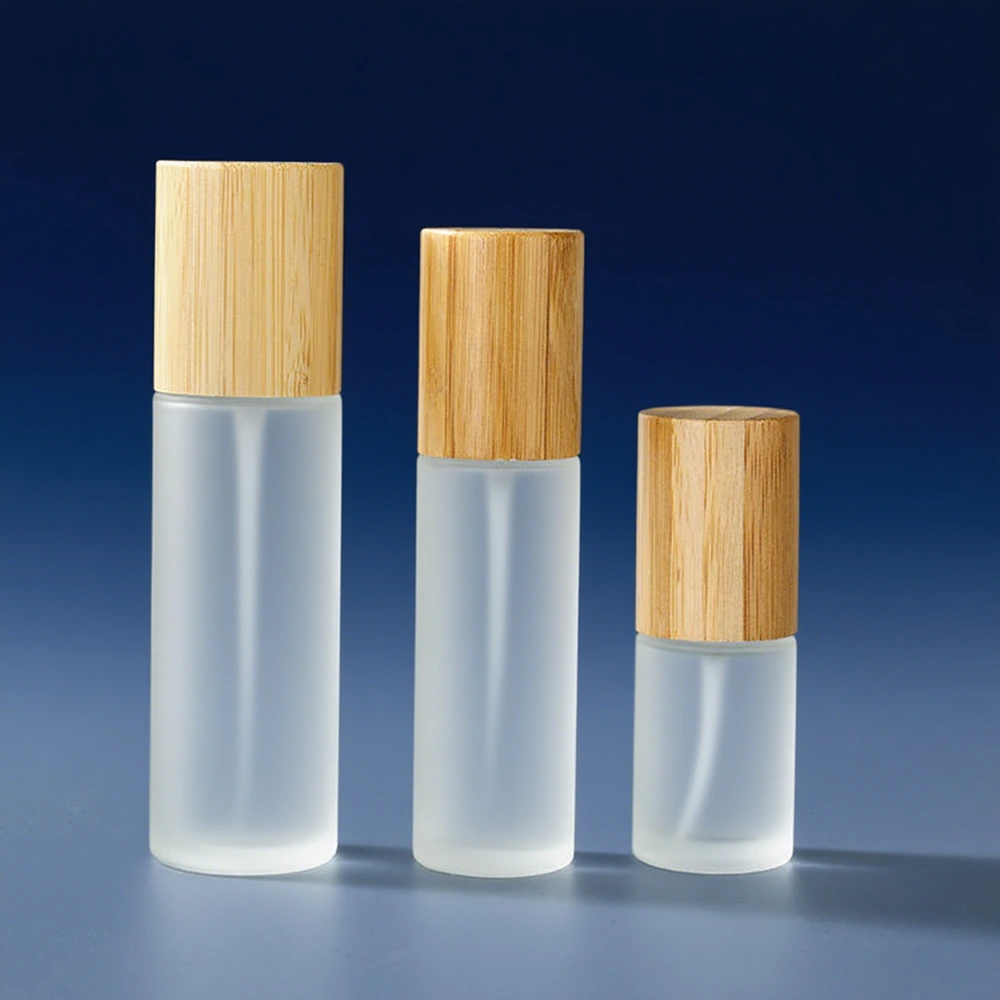
Acabados esmerilados/mate: El vidrio tostado, obtenido a través de la carcasa ácida, ofrece una apariencia elegante y cautivadora, además de una experiencia táctil más intensa, lo que eleva la reputación de la marca. Las botellas de vidrio negro mate también ofrecen un aspecto de alta gama.
2.3. Especificaciones de la ciencia de los materiales
El vidrio de alta calidad para botellas de aceites esenciales generalmente no contiene arsénico ni plomo, lo que garantiza la seguridad y pureza de los aceites. Ofrece una alta resistencia química y una resistencia extrema al calor y al frío. Las botellas con protección UV, como el vidrio ámbar, suelen bloquear hasta el 90 % de la luz UV por debajo de 450 nm. Por ejemplo, el vidrio violeta Miron, con una transmisión UVA máxima del 14 % para la luz (aproximadamente 400 nm) y una transmisión del 0 % para la luz visible (420 nm-680 nm), con una transmisión creciente para la luz infrarroja por encima de 700 nm.
2.4. Implicación de costos
Si bien los envases de vidrio suelen ser más costosos que los de plástico, sus beneficios para preservar la integridad del producto y proyectar una imagen premium a menudo justifican la inversión en aceites esenciales de alta calidad. Se ofrecen precios al por mayor para compras al por mayor, y algunos proveedores ofrecen precios competitivos para impulsar el desarrollo comercial en el segmento de lujo.
2.5. Características del embalaje inteligente
La integración de funciones de embalaje inteligentes es una tendencia emergente que aumenta la experiencia de lujo y aporta valor adicional:
- Etiquetas NFC (comunicación de región cercana): para verificación auténtica, información detallada del producto, reordenamiento y experiencia interactiva del consumidor (por ejemplo, recetas, promociones).
- Indicadores sensibles a la temperatura: Los indicadores de tiempo y pintura pueden cambiar de color para alertar a los consumidores. Si un producto se expone a temperaturas adversas, se garantiza su calidad y seguridad.
- Código QR y etiquetas RFID: para el seguimiento en tiempo real, aumentar la información del producto y la transparencia de la cadena de suministro.
- Microchips o hologramas anti-falsificación: Protegiendo la integridad de la marca y asegurando a los consumidores la autenticidad del producto.
2.6. Instalaciones integradas de estabilidad
La estabilidad ya no es una preocupación exclusiva, sino una expectativa básica para los consumidores de lujo. Las botellas de vidrio premium para aceites esenciales están incorporando rápidamente características ecológicas:
- Vidrio reciclable/apasiable: El vidrio es reutilizable sin necesidad de reciclar, 100 % reciclado y de calidad. Tras adaptarse a las preferencias de los consumidores hacia el medio ambiente sin comprometer la belleza ni la integridad funcional, existe una tendencia creciente hacia la inclusión de altos niveles de reciclaje de consumo (PCR).
- Diseño rellenable: Las marcas ofrecen viales duraderos de vidrio o acero inoxidable que se añaden a las bolsas de recarga o a las estaciones de recarga en tiendas. Esto reduce el desperdicio de envases, fomenta la fidelidad del cliente y se alinea con la filosofía de diseño minimalista que puede convertirse en un producto de lujo exclusivo.
- Cierre ecológico: Se sustituyen los goteros y tapones tradicionales de plástico mixto por opciones innovadoras como tapones biodegradables, tapas de bambú o goteros de PP reciclables. El cierre monocomponente facilita el reciclaje.
2.7. Mecanismos cerrados nuevos y seguros
Las botellas de aceite esencial premium tienen cierres y dispensadores especiales que garantizan la integridad del producto, la aplicación precisa y la seguridad:
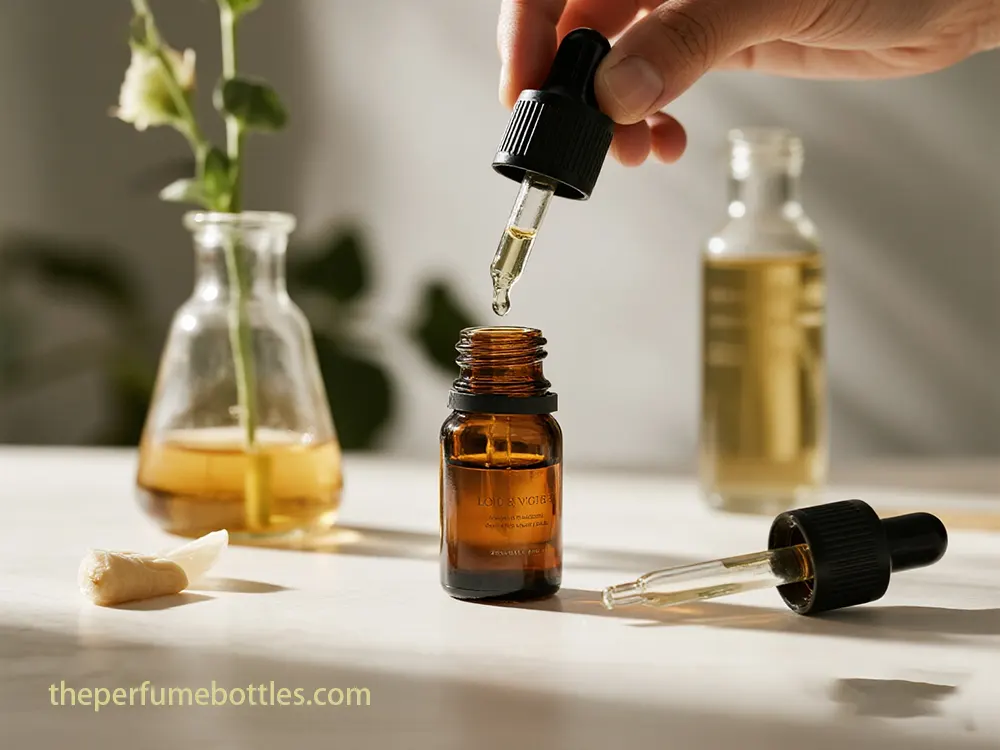
- Tapas cuentagotas: Esenciales para una dosificación precisa, a menudo incluyen versiones resistentes al vello y a la manipulación. Los goteros europeos son populares para un flujo controlado.
- Botellas roll-on: Con bolas de rodillo de plástico o acero inoxidable, estas prácticas aplicaciones directas utilizan una característica de lujo para llevar.
- Tapas fenólicas: Destacado por su alta resistencia a la tracción y durabilidad, ideal para productos químicos corrosivos y aceites de alta dispersión, a menudo con revestimiento de polycon para airtite, sello antifugas raktham.
- Integración de belleza de los CRC: Si bien son funcionales, las gafas de realidad aumentada (CRC) deben estar en sintonía con la estética del lujo. El mercado ofrece un diseño ingenioso y un diseño de tapa plana y suave. Las bombillas cuentagotas, el collar y la tapa metálica con grabado personalizado se pueden adaptar a la funcionalidad de las CR para aumentar su atractivo de lujo, garantizando que la seguridad no comprometa la elegancia.
3. Marco de posicionamiento de lujo integrado para marcas de aromaterapia
Las marcas de aromaterapia requieren una estrategia holística y cuidadosamente ejecutada para lograr y mantener un estatus de lujo que afecte cada aspecto de la interacción de la marca con sus sensibles clientes.
3.1. Historias estratégicas de marca
Las marcas de aromaterapia de lujo deben crear ecos cautivadores, auténticos y emocionales que reflejen las características de sus productos. Esta historia debe exponer el profundo porqué de la herencia, la artesanía y la existencia de la marca; los productos deben convertirse en símbolos de estatus, gusto y aspiración. La historia de una marca puede convertir un producto en parte integral de la historia personal del consumidor, fortalecer la lealtad a la marca y aumentar el valor percibido.
Narración multisensorial: La narrativa eficaz de una marca de lujo integra diversos elementos sensoriales en puntos de contacto físicos y digitales. Las tiendas insignia pueden plasmar la historia de una marca a través de fragancias, música y expositores interactivos. Las formas dinámicas de expandir estas historias a nivel global mediante materiales atractivos como plataformas digitales, vídeos y campañas interactivas, incluyendo redes sociales y realidad aumentada, pueden hacer que los clientes formen parte de la historia de la marca.
El “Logotipo Olfativo”: Las marcas de lujo están aprovechando el marketing olfativo para crear un "logotipo olfativo" exclusivo o una fragancia de marca que represente su rica identidad y valores únicos. Esta fragancia podría implementarse en entornos corporativos y minoristas, y extenderse a colecciones olfativas, como velas aromáticas, difusores y productos de belleza, ampliando la identidad de marca y creando una atmósfera única y memorable.
Obtén muestras gratis
3.2. Modelos de precios premium
La fijación de precios premium, también llamada de prestigio y lujo, establece precios que los sitúan muy por encima de la competencia con el fin de crear una percepción de mayor calidad, exclusividad y valor del producto. Esta estrategia beneficia al consumidor adinerado o con aspiraciones, que a menudo asocia un precio más alto con una mayor calidad, como ocurre con marcas como Rolex y Louis Vuitton.
Marcas de fragancias de nicho: Las marcas de fragancias nicho, que suelen producir en lotes más pequeños, posiblemente de tan solo 500 a 5000 unidades al mes, pueden alcanzar márgenes de beneficio bruto de hasta el 70-85 % y márgenes netos del 20-35 %. Las ganancias brutas y los márgenes netos de las marcas del mercado masivo suelen ser significativamente inferiores a los de los modelos de precios premium, ya que estos últimos, a menudo con liquidación, se basan no solo en el precio, sino también en una distribución limitada en marcas de fragancias nicho dirigidas a entusiastas que están dispuestos a pagar más por algo que suele ser único y artesanal, además de su exclusividad.
Ediciones limitadas y precios de escasez: Lanzar artículos de edición limitada a precios más altos, controlando al mismo tiempo la cantidad disponible, genera valor percibido y competencia entre los consumidores. Por ejemplo, las velas y las cajas de regalo de lujo crean una impresión de singularidad y justifican el precio.
3.3. Canales de distribución exclusivos
Las marcas de aromaterapia de lujo evalúan dónde quieren estar disponibles para los consumidores restringiendo intencionalmente su disponibilidad a tiendas de alta gama, boutiques de lujo y especializadas, ofrecidas en grandes almacenes de lujo (por ejemplo, Harrods, Selfridges, Harvey Nichols), o más comúnmente en un sitio web específico creado para cada marca. La distribución exclusiva enfatiza la escasez y aumenta el atractivo al garantizar que la marca sea accesible en un lugar que refleje sus valores de lujo y exclusividad, atrayendo a un consumidor muy específico que no solo está interesado en el producto, sino también en el ambiente del lugar donde está disponible.
3.4. Abastecimiento ético y transparente de ingredientes
Los consumidores de productos de lujo ahora esperan que la sostenibilidad y el abastecimiento ético sean prácticas básicas. La creciente demanda de productos y servicios sostenibles y éticos significa que la sostenibilidad se ha convertido en un requisito fundamental, en lugar de un factor diferenciador. Las marcas de aromaterapia de lujo que incorporan aceites esenciales puros y orgánicos y sostenibilidad pueden alcanzar precios más altos porque los consumidores valoran los esfuerzos de sostenibilidad y, a menudo, los asocian con autenticidad y calidad. Certificaciones como USDA Organic, EcoCert, JAS, COSMOS-standard, FSC, Cradle to Cradle Certified®, GRS, B Corp, CarbonNeutral® y Leaping Bunny son fundamentales para apoyar prácticas sostenibles y éticas que generen confianza en los consumidores y mitiguen el lavado de imagen verde.
3.5. Experiencia de usuario mejorada de extremo a extremo
La experiencia de un producto de lujo va más allá de la compra del artículo; se refleja en cada punto de interacción que el cliente tiene con la marca de lujo.
- Marketing experiencial: Este es un componente crucial de la experiencia de lujo y transforma las interacciones cotidianas en conexiones emocionales mediante experiencias que rodean el producto de lujo. Estas interacciones pueden incluir eventos inmersivos, instalaciones interactivas y experiencias sensoriales, como la "nube perfumada" de Cartier, y talleres personalizados de mezcla de aceites esenciales con profesionales certificados, como los que ofrece Scentonomy.
- Experiencia de desempaquetado: La experiencia de desempaquetado es un punto de contacto emocional importante tras la compra. En el caso de la aromaterapia de lujo, esto puede incluir un empaque valioso, materiales táctiles y la delicada liberación del aroma característico del producto al abrirlo, lo que puede crear una experiencia multisensorial.
- Campañas de correo electrónico posteriores a la compra: Las campañas de correo electrónico posteriores a la compra (notificaciones, invitaciones a programas de fidelización, sugerencias de productos personalizadas y acceso exclusivo a nuevas colecciones) también son importantes para desarrollar la lealtad y la defensa de la marca.
- Experiencia digital: Una sólida presencia digital que incluya la narración mediante contenido atractivo y la interacción emocional a través de las redes sociales puede considerarse el principal diferenciador. Las pruebas virtuales con IA (para difusores) y la personalización mediante la experiencia digital (boletines informativos personalizados e invitaciones a eventos) pueden mejorar la experiencia general del cliente.
- Invitaciones exclusivas a la comunidad en línea: Las invitaciones posteriores a la compra a las comunidades de membresía oficial de la marca aumentan la conexión y la lealtad a la marca y pueden servir como un canal de servicio al cliente en línea, disminuyendo posteriormente los costos de servicio al cliente.
- Personalización habilitada por IA: La IA está transformando la interacción con los clientes de lujo al utilizar datos para reconocer patrones y preferencias que derivan en recomendaciones de productos, personalización y, en última instancia, interacción con la marca. La IA puede interactuar (interacción) con los clientes, ofrecer soluciones específicas (fidelización) y proporcionar información para garantizar la mejor experiencia de producto. También puede mejorar el retorno de la inversión en marketing, aumentar la interacción y reducir la pérdida de clientes. La IA está infundiendo interacción y personalización en todo el recorrido del cliente, desde el reconocimiento de marca antes de la compra hasta la fidelización posterior a la misma (chatbots de IA y análisis predictivo).
- Modelos de suscripción: Para las empresas de suscripción, aprovechar la IA es esencial para mejorar el valor de vida del cliente (CLV) a través de análisis de datos de múltiples capas, predicciones y microsegmentos de clientes procesables para implementar programas de renovación preventiva.
- Soporte omnicanal: Un enfoque sólido de soporte omnicanal garantiza que todos sus canales de comunicación estén conectados con el consumidor en paralelo para ofrecer una experiencia poscompra fluida con mensajes consistentes en todos los puntos de contacto.
- Sostenibilidad y Circularidad en Post-Compra: La generación actual de consumidores sigue valorando la circularidad. Regulaciones empresariales como el Pasaporte Digital de Productos (DPP) de la UE han impulsado a las marcas a replantear la cadena de suministro (desde el abastecimiento hasta la venta) y a desarrollar una interacción posventa que incluya la autenticidad, la reventa y las relaciones a largo plazo.
3.6. Enfoque de nuevas entradas vs. marcas tradicionales
Nuevas entradas: Pueden aprovechar un nicho desde el principio a través de la experiencia artesanal y utilizar un marketing experiencial único (por ejemplo, tiendas emergentes, barras de fragancias, talleres de mezclas personalizables, etc.) para obtener participación.
Marcas heredadas: Pueden elevar su posición centrándose en una rica herencia con mensajes consistentes en todas las plataformas y encontrando formas de colaborar que continúen elevando el lujo mientras amplían las ofertas de productos (por ejemplo, JW Marriott + Aromatherapy Associates).
4. Análisis del mercado geográfico y oportunidades de espacio en blanco
Aunque no se proporcionó un mercado geográfico específico para profundizar, el concepto de posicionamiento de la aromaterapia de lujo no se limita a las fronteras nacionales o de mercado, y las consideraciones locales son esenciales. Por ejemplo, los hoteles y spas de lujo en Dubái utilizan notas de Oriente Medio en perfumes y aceites, como el oud, el incienso, la mirra, el sándalo, el jazmín y la rosa, para conectar a los visitantes con la cultura, el patrimonio local o la experiencia local. Este es un excelente ejemplo de la importancia no solo de comprender las preferencias locales, sino también de cómo incorporar los significados y la importancia locales en las iniciativas de entrada y expansión a nuevos mercados.
4.1. Evaluación de las estrategias actuales de empaquetado de la marca
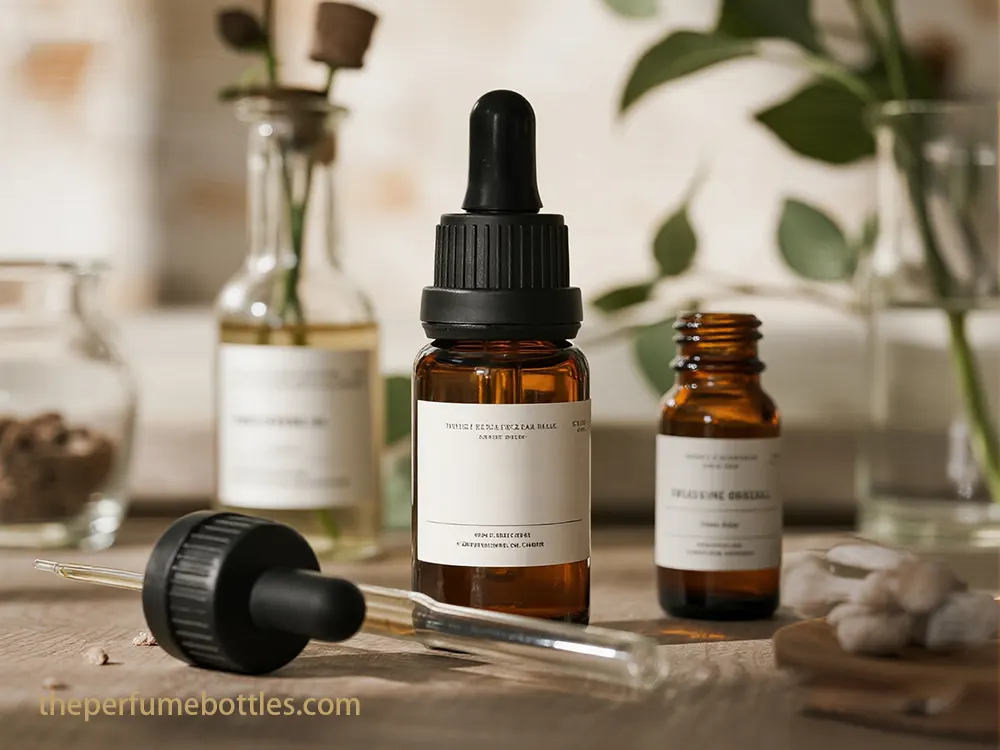
En las categorías de lujo, las marcas de aromaterapia existentes implementan vidrio oscuro (ámbar, azul cobalto) para la protección UV y una estética clásica. Pueden usar un acabado esmerilado o etiquetas personalizadas, pero aún hay mucho margen para la diferenciación mediante el desarrollo de nuevas opciones mediante la ciencia de los materiales o un diseño que también incluya nueva tecnología.
4.2. Descubriendo oportunidades de espacio en blanco
- Hiperpersonalizado a escala: Más allá de los talleres de mezclas artesanales, existen opciones y un espacio para la IA que utiliza la biometría, el estilo de vida y las condiciones ambientales en tiempo real para ofrecer mezclas y difusores de aceites esenciales altamente personalizados. Existe una oportunidad similar que podría presentarse a través de cajas de suscripción personalizadas que respondan a las necesidades de bienestar del momento.
- El vidrio violeta de Miron como distinción: El vidrio violeta Miron posee una identidad propia, pero aún no se ha generalizado en la aromaterapia de lujo. Las marcas que se dedican exclusivamente a esta aplicación, priorizando sus beneficios de conservación y validez científica, podrían consolidar una posición única en cuanto a la integridad y sostenibilidad del producto.
- Embalaje inteligente integrado para la gestión del bienestar: La combinación de botellas de vidrio premium para aceites esenciales con etiquetas NFC o códigos QR que enlazan a paneles de bienestar personalizados que permiten rastrear el uso y la necesidad de reordenar ofrece una gran oportunidad. Imagine una botella Vesseluxe que, al tocarla, ofrece una explicación detallada de las propiedades del aceite, sus beneficios terapéuticos y su ritual de uso, lo que permite rastrear su uso y la necesidad de reordenar correctamente.
- Programas de Recarga de Lujo y Circularidad: Aunque se anticipa la sostenibilidad, los programas de recarga de lujo y discretos aún son incipientes. Estos podrían incluir botellas hermosas, robustas y rellenables de Vesseluxe, una suscripción a bolsitas de recarga concentradas elaboradas con biociencia biodegradable o boutiques de alta gama con recarga exclusiva en persona.
- Colaboraciones artesanales y de edición limitada: Colaborar con artistas, diseñadores o marcas de estilo de vida de lujo de alto perfil para colecciones de aceites esenciales de edición ultra limitada con diseños de botellas únicos (por ejemplo, vidrio soplado a mano, detalles de metal) y mezclas de aceites esenciales raras creará una demanda tremenda y permitirá puntos de precio ultra premium.
- Experiencias olfativas de inmersión cultural: Para mercados geográficos específicos, desarrollar líneas de aromaterapia que cuenten una profunda historia cultural mediante perfiles aromáticos únicos, abastecimiento tradicional y envases de inspiración cultural ofrece un importante espacio en blanco. No se trata solo de usar ingredientes locales, sino de crear una experiencia auténtica, educativa y emocionalmente conectada.
- Cierres a prueba de niños con diseño sofisticado: El mercado de cierres a prueba de niños que se integren con el diseño de lujo aún está en desarrollo. Las marcas que logren crear cierres a prueba de niños innovadores y fáciles de usar (como los tapones SnapSlide CR), manteniendo un diseño contemporáneo y lujoso con un grabado personalizado o un toque premium, probablemente tendrán éxito entre los padres adinerados que buscan un producto de lujo seguro para sus hijos.
Obtén muestras gratis
5. Recomendaciones estratégicas para impulsar las marcas de aromaterapia
Para alcanzar y mantener el estatus de lujo, las marcas de aromaterapia deben adoptar una estrategia multidimensional que combine un packaging de alta gama, una sólida historia de marca y una excelente experiencia del cliente. Vesseluxe, como ejemplo hipotético de packaging de alta gama, ilustra muchos de estos temas.
5.1. Utilice embalajes de alta gama sin comprometer la calidad
- Calidad de los materiales: Ante todo, elija una botella de vidrio para aceites esenciales de alta calidad y químicamente inerte para conservar su producto. Para una mejor protección y una propuesta de venta única, considere invertir en vidrio violeta Miron, con selenio e indio añadidos para prolongar la vida útil y la potencia de los aceites esenciales.
- El packaging como extensión de la marca: En segundo lugar, contrate a un diseñador industrial de primer nivel para que le ayude a crear una botella con una forma personalizada, con relieves intrincados, colores llamativos o acabados (esmerilado, negro mate, metálico, etc.) que realcen la identidad de la marca ante el consumidor y justifiquen un precio más elevado. En otras palabras, la botella debe ser tan lujosa como su apariencia.
- Cierres innovadores: Utilice cierres a prueba de niños de vanguardia, de alta calidad y elegantes. Considere opciones como las tapas ergonómicas SnapSlide CR o el grabado láser personalizado en una tapa metálica para una atractiva solución de circuito cerrado que complementa el diseño del envase, a la vez que añade una capa adicional de seguridad, evitando los inconvenientes del lujo.
- Lujo sostenible: Cree una historia de sostenibilidad significativa para sus envases aprovechando altos porcentajes de vidrio reciclado posconsumo (PCR) y apoyando sistemas premium rellenables. La marca debe contar su historia de sostenibilidad mediante certificaciones prácticas (como FSC, GRS, B Corp) que conecten con el segmento de consumo de lujo más ecológico.
5.2. Crear una narrativa y una experiencia de marca inmersivas
- Narración auténtica: Crear una narrativa de marca que cuente la historia del producto, su legado, su artesanía y el abastecimiento ético de los aceites esenciales. Esta narrativa debe ser una experiencia emocional más profunda, conectada con el bienestar, la aspiración y la conectividad emocional; ya no es simplemente un producto en la vida diaria del consumidor, sino mucho más.
- Compromiso multisensorial: Comparte la historia de tu marca en todos los puntos de contacto. Crea un "logotipo olfativo" único para tu marca que pueda difundirse sutilmente en los puntos de venta o incluirse en productos complementarios. Crea una atractiva secuencia de unboxing que involucre la vista, el tacto y el olfato en un atractivo ritual poscompra.
- Marketing experiencial: Ofrezca talleres exclusivos, sesiones de mezclas personalizadas o eventos sensoriales para que los consumidores interactúen con los productos y su historia. Estos talleres prácticos fomentan la confianza emocional y la lealtad a la marca.
Alianzas estratégicas: Colabore con otras marcas de lujo, artistas y socios hoteleros (como hoteles y spas de lujo) que generen valor y puedan generar o ampliar su credibilidad y alcance. Colaborar con otras marcas de lujo puede dar a conocer su marca a un nuevo público adinerado o darle un significado adicional en el contexto del lujo.
5.3. Implementar una estrategia de precios y distribución premium
- Precios de prestigio: Implemente una estrategia de precios premium que transmita la alta calidad, exclusividad y artesanía de sus productos. Justifique el precio más alto mostrando abiertamente el origen ético de los materiales, envases innovadores (como los de Vesseluxe) y su valor terapéutico.
- Distribución exclusiva: Limitar la distribución a boutiques especializadas de alta gama, grandes almacenes de alta gama y un canal en línea cuidadosamente seleccionado. Al limitar la distribución, aumenta el atractivo del producto y su asociación con detractores del sector minorista de alta gama.
- Ediciones limitadas: Lanzar periódicamente mezclas o colecciones de aceites esenciales de edición limitada, con envases especiales e ingredientes únicos, para crear urgencia en el producto y elevar el valor percibido a través de la exclusividad.
5.4. Aprovechar la tecnología para la hiperpersonalización y la interacción
- Personalización impulsada por IA: Aproveche la IA para evaluar los datos de los clientes y generar recomendaciones de productos hiperpersonalizadas, individualizar el contenido y personalizar el servicio al cliente para aumentar significativamente el compromiso, la lealtad y el ROI de marketing.
- Integración de envases inteligentes: Implemente etiquetas NFC o códigos QR en las botellas de Vesseluxe para brindar acceso instantáneo a la información del producto, su autenticación, guías de uso y contenido de bienestar personalizado para los clientes. Considere usar indicadores sensibles a la temperatura para garantizar la calidad del producto.
- Experiencia Omnicanal: Desarrollar una experiencia de marca fluida y cohesiva en cada punto de contacto, tanto online como offline. Desde una plataforma de comercio electrónico más sofisticada hasta programas de correo electrónico personalizados y un servicio al cliente eficiente, cada interacción debe fortalecer el posicionamiento de la marca de lujo.
- Comunidades digitales: Establezca comunidades en línea exclusivas donde los clientes puedan conversar sobre sus experiencias, obtener asesoramiento de expertos y fortalecer su conexión con la marca. Fidelizarlos de esta manera también puede reducir los costos de atención al cliente.
5.5. Innovación proactiva y seguimiento del mercado
- I+D de embalaje en curso: Investigue constantemente nuevos desarrollos en tecnologías de vidrio, materiales sostenibles y características de envases inteligentes. Le recomendamos invertir en la investigación de nuevos sistemas de dispensación que combinen seguridad infantil y una experiencia de lujo (por ejemplo, microdosificación táctil).
- Diseño centrado en el usuario para CRC: Realice pruebas y estudios con usuarios sobre cierres a prueba de niños, especialmente aquellos dirigidos a consumidores de lujo y con dificultades de destreza, para garantizar una facilidad de uso que no afecte la experiencia premium del desempaquetado. Se debe obtener retroalimentación cualitativa del usuario sobre la sensación táctil, el sonido y la calidad percibida.
- Evaluación del ciclo de vida (ACV): Realice análisis de ciclo de vida completos de todas las opciones de embalaje para comprender las alternativas sostenibles con mayor impacto a considerar. Comprender la cadena de suministro completa, desde la extracción de la materia prima hasta el final de su vida útil, es fundamental en el proceso de análisis de ciclo de vida.
- Exploración de la psicología del consumidor: Investigar por qué los consumidores están dispuestos a pagar más por el ecolujo y comprender los factores psicológicos que impulsan este fenómeno. Entender cómo las características específicas del diseño, como el diseño minimalista, las texturas naturales y las afirmaciones transparentes de sostenibilidad, pueden influir en el valor percibido y la experiencia de lujo.
- Inteligencia regulatoria: Para mantenerse al tanto de las regulaciones globales vecinas en envases a prueba de niños y reclamos de sustentabilidad, conozca las regulaciones globales que aún pueden no existir o que solo se encuentran en las primeras etapas de desarrollo en territorios de lujo importantes, como la UE, los EE. UU. y Asia.
- Visibilidad en la cadena de suministro: Investigar tecnologías, como blockchain, para mejorar la transparencia y la trazabilidad en el abastecimiento de aceites esenciales y materiales de embalaje para reforzar la confianza del consumidor en las afirmaciones de lujo ecológico.
Si las marcas de aromaterapia implementan a fondo las sugerencias anteriores, podrán fortalecer su posicionamiento, fidelizar a sus clientes de lujo y tener éxito en un mercado competitivo. El uso de botellas de vidrio de aceites esenciales de lujo como las de Vesseluxe, junto con un enfoque de marca creativo y holístico, impulsará el éxito.
Comentarios
Categorías de productos
Botellas en oferta
Soluciones de fabricación de frascos de perfume para la identidad de marca
Descubra cómo un fabricante de frascos de perfume realza la identidad de marca a través de un diseño personalizado, materiales de primera calidad y capacidades de producción escalables.
Guía de selección de proveedores de envases cosméticos
Elegir un proveedor de envases cosméticos estéticos es tácticamente esencial e incide en la identidad de marca, las expectativas del consumidor y las decisiones de inversión.
Frasco con gotero para solución de una marca canadiense.
Descubra cómo una botella personalizada con gotero ayudó a una marca canadiense a obtener un empaque de primera calidad y un rendimiento de dispensación preciso.
Los 5 principales fabricantes de frascos de perfume de vidrio en China
Descubra los principales fabricantes de frascos de perfume en China que ofrecen diseños personalizados, materiales ecológicos y soluciones de envasado innovadoras para marcas de belleza globales.
Opciones de venta al por mayor de envases elegantes para cosméticos
Descubra opciones de venta al por mayor de envases de cosméticos con estilo, incluyendo diseños de vidrio que realzan la imagen de marca y atraen a los consumidores modernos.
- +86 186 5178 1159
- [email protected]
- Lunes a domingo de 7:00 a 21:00
Etiquetas
Where to Buy Mini Fragrances Bottles Wholesale in 2026
18/06/2026
Find the best places to buy mini fragrance bottles wholesale in 2026. Compare suppliers, pricing, customization options, and sourcing tips.
Essential Questions to Ask Cosmetic Jar Suppliers Before Ordering
16/06/2026
Discover the exact questions to ask cosmetic jar suppliers before ordering. Avoid costly mistakes, and vet suppliers effectively for safe bulk sourcing.
Caso práctico: Cómo una empresa de frascos cuentagotas de vidrio mejoró la consistencia de su producto.
09/06/2026
Descubre cómo una empresa de frascos cuentagotas de vidrio mejoró la consistencia de la dosificación, redujo las roturas y potenció la imagen de marca de una línea de cuidado de la piel en expansión.
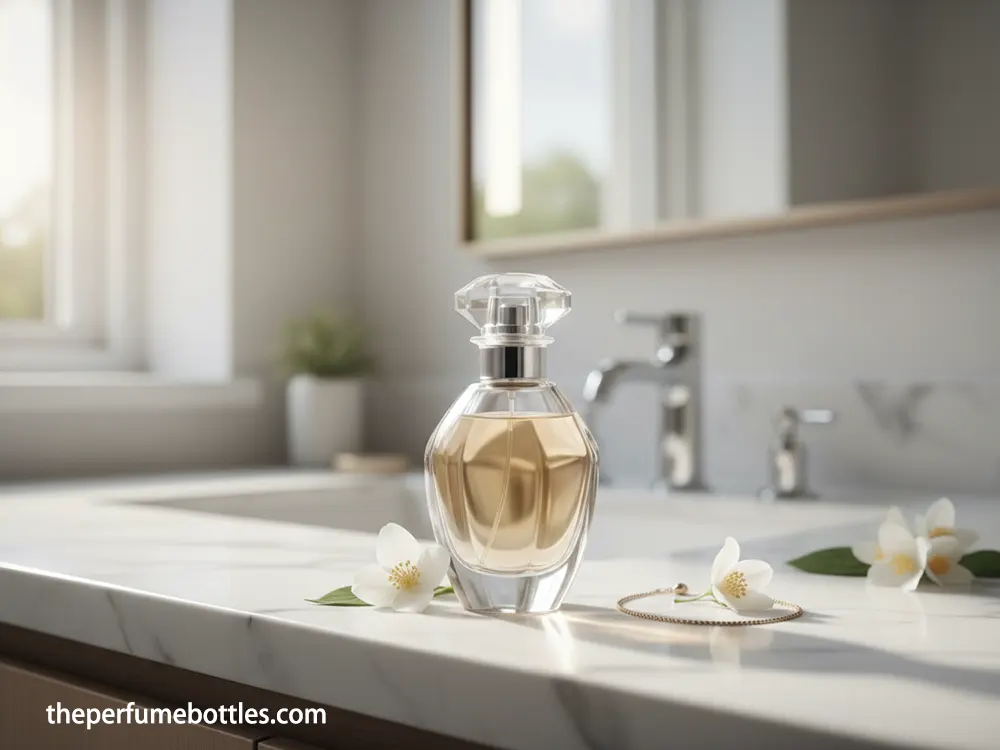
Cómo adquirir frascos de perfume de vidrio personalizados al por mayor directamente de las fábricas.
03/06/2026
Aprenda cómo obtener frascos de perfume de vidrio personalizados al por mayor directamente de las fábricas, reducir costos, evitar riesgos de calidad y asegurar una producción OEM confiable.
 ES
ES  EN
EN  FR
FR  IT
IT  DE
DE  NL
NL  PL
PL  RU
RU  PT
PT  FI
FI  DA
DA  SV
SV  RO
RO  CS
CS  ZH
ZH  KO
KO  JA
JA  AR
AR  TR
TR  ID
ID  EL
EL  HU
HU  BG
BG