
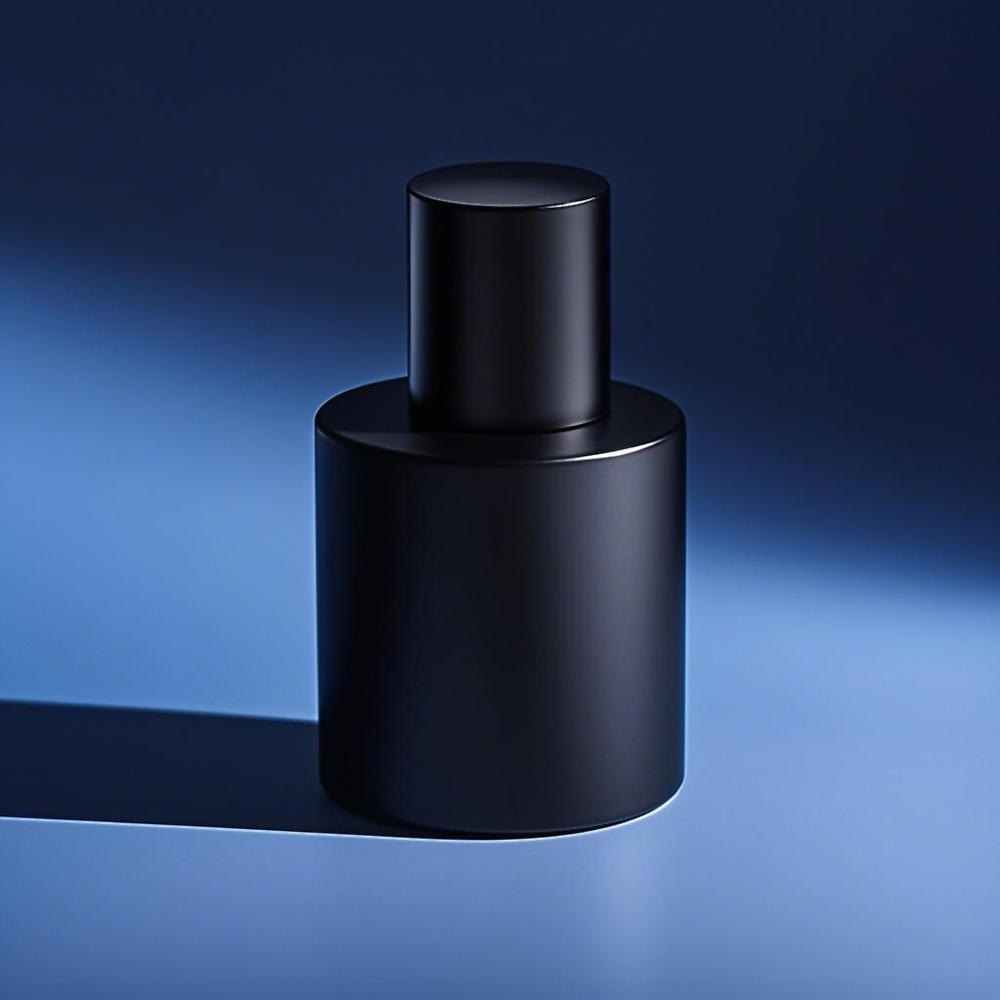
Evita 5 errori quando acquisti flaconi roll-on per oli essenziali
Table of Contents
Evita 5 errori quando acquisti flaconi roll-on per oli essenziali: materiali di rivestimento, qualità del roll-on
Nel mercato degli oli essenziali in rapida espansione, si stima che raggiungerà tra i 27 e i 59 miliardi di dollari entro il 2030-2034, la domanda di alta qualità bottiglie roll-on per gli oli essenziali è fondamentale per gli acquirenti B2B. Poiché i consumatori stanno diventando rapidamente consapevoli della qualità del prodotto e degli ingredienti naturali, il packaging degli oli essenziali non è più un semplice contenitore, ma una componente significativa dell'integrità del marchio, dell'efficacia del prodotto e della soddisfazione del cliente. Questo rapporto, redatto secondo gli standard di eccellenza di Vesseluxe, evidenzia i cinque errori comuni ma critici che gli acquirenti B2B dovrebbero attentamente evitare non solo per soddisfare i propri prodotti a base di oli essenziali, ma anche per superare le aspettative del mercato, proteggere la reputazione del marchio e promuovere il successo a lungo termine.
Errore 1: trascurare la compatibilità dei materiali per diverse miscele di oli
La complessità chimica degli oli essenziali, inclusi i composti organici volatili come monoterpeni, sesquiterpeni, alcoli e aldeidi, richiede una rigorosa selezione dei materiali sia per i flaconi che per i componenti dei roller. Un errore fondamentale è presumere che tutti i materiali di imballaggio siano inattivi, causando il deterioramento del prodotto, la contaminazione e rischi per la sicurezza.
L'imperativo del vetro e dell'acciaio inossidabile
Il vetro di colore scuro, in particolare ambra o blu cobalto, è universalmente riconosciuto come una migliore alternativa per la conservazione degli oli essenziali, grazie alla sua inerzia chimica e alla capacità di bloccare i dannosi raggi UV, che ne aumentano l'ossidazione e il deterioramento. Preserva la qualità, la potenza e le proprietà terapeutiche dell'olio. L'elevata resistenza offre una migliore durabilità chimica e resistenza termica per le applicazioni che richiedono il vetro borosilicato (ad esempio, lobchois boro 3.3), rendendolo ideale per oli essenziali altamente corrosivi.
Per i rollerball, l'acciaio inossidabile è il materiale di riferimento. La sua durevolezza, la scorrevolezza e l'eccellente resistenza alle reazioni chimiche garantiscono la longevità e la purezza dell'olio, donando una sensazione di calma e freschezza durante l'applicazione. Rollerball in vetro è un'opzione valida di fascia media, mentre il rollerball in plastica è generalmente l'opzione di qualità più bassa, che soffre di applicazioni incoerenti, perdite e cadute.
I pericoli delle plastiche incompatibili
Sebbene alcune materie plastiche come HDPE (polietilene ad alta densità, RIC n. 2), PET (polietilene tereftalato, RIC n. 1) e PP (polipropilene, RIC n. 5) offrano una certa resistenza, la loro compatibilità è fortemente limitata, soprattutto con gli oli essenziali non divisi. L'HDPE è considerato il materiale plastico più adatto per la conservazione a breve termine o per oli diluiti, spesso utilizzato in contenitori con tappo e disinnesco. Tuttavia, per HDPE e PET, le concentrazioni di olio essenziale non devono superare il 5% per l'olio vettore, mentre per LDPE e PP si raccomanda un massimo del 2%.
È fondamentale sottolineare che alcune plastiche sono estremamente incoerenti e dovrebbero essere evitate a tutti i costi. Il cloruro di polivinile (PVC, RIC n. 3), il polistirene (PS, RIC n. 6) e il Tygon sono soggetti a erosione, attacco, fusione e lisciviazione se esposti agli oli essenziali. Il codice di identificazione della resina (RIC) è un indicatore importante per identificare la plastica inevitabile.
Il potere solvente degli oli essenziali
Specifici componenti degli oli essenziali agiscono come potenti solventi, comportando rischi significativi per i materiali incompatibili:
- Oli di agrumi: Ricco di d-limonene (C10H16), gli oli essenziali di agrumi (ad esempio, limone, arancia selvatica, uva) sono forti solventi naturali. La D-linfina non è particolarmente raccomandata per polietilene, polipropilene, gomma naturale, nitrile, neoprim o tygon e può facilmente dissolvere il polistirene interrompendone i legami molecolari. Pertanto, gli oli di agrumi dovrebbero essere idealmente conservati in vetro o acciaio inossidabile.
- Oli corrosivi: Oli come quello di chiodi di garofano, ricchi di eugenolo (almeno il 50%), si ammorbidiscono nella plastica e causano malessere. L'eugenolo reagisce con forti agenti ossidanti, acidi e basi, il che sottolinea ulteriormente la necessità di imballaggi inerti.

Ricevi campioni gratuiti
Lisciviazione e fattori ambientali
Un rischio significativo degli imballaggi in plastica è la lisciviazione degli oli essenziali in plastificanti e altri composti. Gli oli essenziali possono entrare in contatto con composti organici volatili (VOC) nei polimeri plastici, causando la migrazione della plastica dall'olio, ammorbidendo, screpolando e lasciando residui chimici (ad esempio, plastificanti ftalati). Questi possono accumularsi negli oli, presentando rischi per la salute a lungo termine sotto forma di interferenti endocrini.
Inoltre, la stabilità a lungo termine è fortemente influenzata da fattori ambientali. La luce UV accelera l'ossidazione, modifica la struttura dell'olio ad alta temperatura e, a sua volta, l'ossidazione viene accelerata dall'esposizione all'ossigeno, riducendone le proprietà terapeutiche. Sigillare ermeticamente, utilizzare contenitori ermetici e lasciare almeno uno spazio di testa sufficiente per prolungare la durata di conservazione.
Selezione e test proattivi dei materiali
Per evitare questo errore, gli acquirenti B2B devono fare:
- Dare priorità al vetro scuro e all'acciaio inossidabile per l'imballaggio primario e il rollerball, seguire gli standard del contenitore per l'integrità del materiale.
- Richiedi dati completi sulla compatibilità chimica dai fornitori di tutti i componenti di imballaggio, in particolare per gli elementi in plastica come raccordi e tappi.
- Implementare metodologie di test rigorose, tra cui la cromatografia di gas-spettrometria di massa (GC-MS) e la spettroscopia infrarossa a trasformazione (FTIR), l'identificazione dei singoli componenti, la determinazione della quantità percentuale e l'adulterazione o la lisciviazione del plastificante.
- Consultare i database di compatibilità chimica (ad esempio, vermi del carbone) e condurre studi sulla stabilità termica e sulla compatibilità atomica dei farmaci durante lo sviluppo della formulazione.
- Rispettare gli standard normativi e le certificazioni (ad esempio, standard ISO e di farmacopea) che guidano la selezione dei materiali e garantiscono la sicurezza del prodotto.
Errore 2: Sottovalutare il meccanismo Rollerball e l'integrità del montaggio
Il sistema rollerball è l'interfaccia principale tra il prodotto e l'utente. Design, contenuto e integrità del montaggio possono essere sottovalutati, con conseguente cascata di errori che possono influire direttamente sull'esperienza utente e sulla reputazione del marchio. Questo è un aspetto importante in cui Vesseluxe la qualità risplende davvero.
Modalità di guasto comuni del rollerball
- Perdita: Si tratta di un problema diffuso, spesso dovuto a una scarsa fabbricazione dell'alloggiamento delle sfere, a una rigidità insufficiente tra l'alloggiamento e le sfere, a irregolarità nel collo della bottiglia, a materiali di bassa qualità o a una manipolazione scorretta. Le variazioni di pressione durante i viaggi aerei sono un problema serio, indipendentemente dalla tenuta del tappo. Durante la tappatura, una coppia di serraggio inferiore può anche causare perdite lungo la filettatura della bottiglia.
- La palla si blocca/non rotola fluidamente:Gli utenti segnalano spesso che le sfere sono troppo strette o impediscono il "blocco", la rotazione agevole o l'erogazione adeguata del prodotto. Ciò può essere causato dal fatto che la sfera si blocca eccessivamente nella sua sede di plastica o semplicemente deve essere "lavorata" per allentarsi.
- Flusso di olio incoerente:
- Basso flusso: Il rullo eroga solo una piccola quantità di olio, spesso a causa di un piccolo foro o di una sfera nell'alloggiamento, che è molto stretto. Gli utenti potrebbero accidentalmente interpretarlo come un malfunzionamento piuttosto che come un'opzione di progettazione.
- Portata variabile: L'incoerenza tra la viscosità dell'olio e la progettazione del rollerball o il processo di stampaggio può causare sbavature e un'erogazione incoerente.
- Flusso elevato: Al contrario, un design altamente funzionale, determinato dalle dimensioni del foro nell'alloggiamento, distribuisce una grande quantità di olio.
- Usura prematura della sfera o dell'alloggiamento:Le penne roller in plastica, essendo l'opzione di qualità inferiore, sono associate a un tasso di reclami più elevato e hanno prestazioni inferiori nel tempo rispetto al vetro o all'acciaio inossidabile. La mancanza di sfere può anche danneggiare il meccanismo dei cuscinetti a sfera, causandone l'usura o la rottura.
- Distacco completo del montaggio: Se l'alloggiamento a pressione del rollerball non è saldamente inserito nel collo della bottiglia, o se la bottiglia presenta irregolarità, l'installazione potrebbe essere allentata o diversa, con conseguente rischio di perdite. Anche un montaggio inappropriato, come ad esempio non aver completamente svitato il rollerball, può contribuire a questo problema.
Cause principali: materiali, produzione e viscosità
- Materiale della sfera rotante: Come evidenziato nell'Errore 1, l'acciaio inossidabile è un'opzione migliore per durata e scorrevolezza rispetto al vetro. I rollerball in plastica sono generalmente inferiori. Le sfere in plastica sono un materiale emergente e innovativo.
- Progettazione e produzione di accessori per alloggiamenti:La qualità dei raccordi in plastica con sfera rotante è importante. La precisione di fabbricazione influisce sulla prevenzione e sulla stabilità del flusso in caso di perdite dirette. La dimensione del foro sotto il raccordo dell'alloggiamento determina la portata dell'olio.
- Qualità dell'assemblaggio:Durante la tappatura automatica, una coppia di chiusura bassa potrebbe causare perdite lungo la filettatura del flacone. È importante assicurarsi che la sfera sia correttamente infiammata nella sua sede, talvolta ottenuta avvitando un tappo.
- Viscosità dell'olio: La viscosità della miscela di oli essenziali influisce notevolmente sulle prestazioni del roller. I fluidi più fluidi possono fuoriuscire più facilmente, mentre gli oli più grossolani potrebbero non essere efficaci.
Controllo qualità e innovazione per le prestazioni di Vesseluxe
Per garantire le prestazioni del rollerball di qualità Vesseluxe, gli acquirenti B2B dovrebbero:
- Richiedere rigorosi controlli di qualità dai fornitori, tra cui:
- Prova di coppia di chiusura: Calibrazione e verifica delle impostazioni di coppia della macchina tappatrice per prevenire perdite.
- Ispezioni visive: Durante tutto il processo di riempimento, per confermare la quantità corretta del prodotto e individuare eventuali irregolarità.
- Convalida del limite del fornitore: Provare il nuovo tappo del distributore con diversi tipi di olio.
- Test GC-MS per gli oli essenziali per garantire purezza e forza, poiché questo olio influisce sulla viscosità e sulla potenziale interazione.
- Cerca design innovativi per rollerball che risolvono i punti di guasto generali. Sebbene la geometria specifica dell'alloggiamento innovativo non sia ampiamente dettagliata, il settore è alla ricerca di materiali avanzati come le sfere in ceramica.
- Considera l'impatto delle miscele di oli essenziali Direct Costs:
- Ricercare e implementare in modo proattivo la scienza dei materiali avanzata Damaged goods due to insufficient packaging lead to expensive returns, replacement inventory and additional shipping expenses. The US retail return alone was around $ 685 billion in 2024.
- Promuovere protocolli di test standardizzati Low-quality packaging can be inefficient to handle, requiring more labor for packing and re-packaging, and potentially growing warehousing costs due to heavy or non-optimized designs.
Errore 3: Non dare priorità alla sigillatura robusta e alla prevenzione delle perdite
Una guarnizione di tenuta compromessa non è solo un inconveniente; porta alla perdita del prodotto, a una bassa potenza dell'olio e a una grave insoddisfazione del cliente, riducendo direttamente l'affidabilità del marchio. Questo errore evidenzia l'importanza fondamentale di tecnologie di tenuta avanzate e di una progettazione accurata, i principi fondamentali della qualità Vesseluxe.
Tecnologie avanzate di rivestimento
Oltre alla schiuma di base, esiste una serie di sofisticate tecnologie di rivestimento per garantire una tenuta ermetica:
- Rivestimenti a induzione (ad esempio, HS035):Offrono una tenuta stagna attiva e un sigillo antimanomissione tramite calore elettromagnetico. Sono adatti sia per bottiglie in vetro che per vari tipi di plastica e spesso presentano la possibilità di stampare la dicitura "sigillato per la vostra protezione".
- Rivestimenti sensibili alla pressione (ad esempio, PS22 di Tekni-plex): Offrono una sigillatura monouso senza attrezzature speciali, seguendo le linee del contenitore durante l'applicazione del tappo. Sebbene sia conveniente per i prodotti secchi, di solito non soddisfano i requisiti FDA in materia di manomissione latente.
- Rivestimenti conici in LDPE:Consigliato soprattutto per oli essenziali e rigide reazioni chimiche, si trova solitamente in tappi di urea e fenolici per bottiglie di vetro.
- Rivestimenti in polpa e alluminio: Presentano un'elevata resistenza agli idrocarburi (alcol, chetoni, olio) e offrono resistenza agli odori/sapori, rendendoli adatti alle applicazioni alimentari, ma non compatibili con acidi o alcalini.
- Rivestimenti in Teflon® PTFE:Offrono una migliore resistenza chimica, comprendono i solventi volatili, i composti sensibili e le sostanze chimiche corrosive che degradano altri ingredienti.
- Rivestimenti ventilati: Progettato con uno sfiato e una membrana per consentire il flusso d'aria senza perdite di prodotto, previene danni dovuti a variazioni di pressione dovute a temperatura e ambiente, adatto sia per prodotti solidi che liquidi.

Ricevi campioni gratuiti
Finiture del collo e design del cappuccio standardizzati
L'integrità della tenuta inizia dalla finitura del collo della bottiglia e dal design del tappo.
- Finiture del manico standardizzate: Il rispetto degli standard di settore come GPI/SPI (USA) e DIN o GL18 (Europa) è fondamentale. Le finiture del collo per oli essenziali sono 18–400, 20–410, 24–410 e 28–410. Lo standard DIN 18 è utilizzato specificamente per i flaconi contagocce europei, che garantiscono una tenuta e una tenuta ottimali anche con oli a base di agrumi difficili. È un metodo sicuro e fondamentale per una tenuta sicura e a prova di perdite per la filettatura del tappo per la finitura del collo del flacone. Il collo finlandese PP28 (Pilfer Proof) è progettato per la chiusura antimanomissione con anello a strappo.
- Progetti di tappi avanzati: I tappi moderni integrano numerose caratteristiche protettive. I tappi a prova di bambino (CR) e quelli antimanomissione (TE) sono spesso utilizzati, soprattutto per gli oli essenziali, con caratteristiche che forniscono prove visive di manomissione, come fascette frangibili o sigilli a induzione. Diversi tappi TE includono inserti contagocce (ad esempio, contagocce verticali) o pipette sottili per un'erogazione accurata di prodotti a bassa viscosità, oppure orifizi sottili da 0,9 mm. Questi tappi sono disponibili in materiali come polipropilene, urea e alluminio.
Il ruolo critico della coppia di chiusura
Il volume di forza rotazionale (coppia di chiusura) applicata durante la tappatura è il fattore più importante per garantire l'integrità della tenuta della bottiglia. Questo determina la compressione necessaria sulle superfici di tenuta. Una coppia inadeguata porta a perdite o perdite di pressione, mentre una coppia eccessiva rischia di strappare la filettatura, danneggiare la fascetta antimanomissione o rendere difficile l'apertura della bottiglia. Per raggiungere la finestra di coppia "Sweet Spot" sono necessari strumenti di tappatura raffinati e rigorose procedure di verifica, monitoraggio e controllo.
Compatibilità dei materiali e sostenibilità nella sigillatura
La complessità chimica degli oli essenziali richiede un'attenta selezione del materiale del rivestimento e del tappo per prevenirne il deterioramento, mantenerne la resistenza ed evitare reazioni chimiche o lisciviazione.
Anche la stabilità è un fattore trainante in crescita. L'industria sta adottando l'eco-innovazione nel packaging, includendo materiali riciclati e riciclati (ad esempio, vetro PCR, PET riciclato), opzioni biodegradabili (plastica di origine vegetale) e chiusure ecologiche (bambù, PP riciclato). Anche l'adozione di chiusure monomateriale migliora il riciclo.
Protocolli di test avanzati
Per verificare la resistenza delle soluzioni di sigillatura, vengono impiegati metodi specifici di test di integrità della chiusura del contenitore (CCIT):
- Metodo di decadimento del vuoto (ASTM F2338-09): Un test di tenuta non distruttivo in grado di rilevare perdite di piccole dimensioni in confezioni rigide non confezionate, pari a 5,0 micrometri, è adatto per controlli in corso d'opera e test di stabilità.
- Test di perdita di elio: Offre un rilevamento delle perdite altamente sensibile e preciso, ideale per vari formati di imballaggio.
Questi metodi sono importanti per garantire la sterilità, prevenire la contaminazione e mantenere l'efficacia del prodotto, in linea con l'impegno di Vesseluxe per l'integrità del prodotto.
Errore 4: Sacrificare la qualità e la durata per un risparmio immediato sui costi
In un mercato competitivo, la tentazione di scegliere flaconi roll-on economici e di bassa qualità per gli oli essenziali può essere forte. Tuttavia, questo errore comporta sempre costi significativi a lungo termine, vanificando la redditività e la fiducia nei marchi. Un approccio basato sulla prostituzione presuppone che la qualità sia un investimento, non una spesa.
Il vero costo degli imballaggi economici
Il mercato degli oli essenziali sta vivendo una forte crescita, trainata da consumatori attenti che prediligono prodotti naturali e biologici. Ciò significa che la qualità è un fattore discriminante importante. Optare per un packaging di bassa qualità aumenta notevolmente i costi diretti e indiretti:
Costi diretti:
- Resi e sostituzioni dei prodotti: I prodotti danneggiati a causa di imballaggi inadeguati comportano resi costosi, sostituzione dell'inventario e spese di spedizione aggiuntive. Solo negli Stati Uniti, i resi al dettaglio ammontavano a circa 685 miliardi di dollari nel 2024.
- Inefficienze operative: Gli imballaggi di bassa qualità possono essere inefficienti da gestire, richiedendo più manodopera per l'imballaggio e il riconfezionamento e potenzialmente aumentando i costi di magazzinaggio a causa di progetti pesanti o non ottimizzati.
Costi indiretti:
- Erosione della fiducia e della reputazione del marchio: Un packaging scadente influisce direttamente sulla percezione del cliente, portando a recensioni negative, mancate vendite e minori opportunità di mercato. Questo prodotto subisce il "doppio colpo" della sostituzione e della perdita di valore nel ciclo di vita del cliente.
- Non conformità normativa: Mancato trasporto, penalità e ulteriore danno alla reputazione con contenuti scadenti o regole di progettazione del settore.
Il ROI degli imballaggi di alta qualità
Investire in imballaggi personalizzati e di alta qualità produce rendimenti medi:
- Aumento delle vendite e dei ricavi: I clienti percepiscono i prodotti come di alta qualità con imballaggi premium, aumentando la propensione a pagare fino al 35% (Nielseniq). Gli imballaggi personalizzati possono aumentare le vendite del 40% (FTA) e il ROI del 15% quando si collabora con fornitori di imballaggi esperti (dati NTT).
- Aumento del valore del ciclo di vita del cliente (CLTV) e fedeltà al marchio: Promuove la fedeltà al marchio di packaging premium e incoraggia gli acquisti ripetuti. Un sondaggio di Dotcom Distribution ha rilevato che il 40% dei consumatori dovrebbe acquistare da commercianti online con packaging premium. Una qualità di consegna costante, supportata da un packaging resistente, genera fiducia e fidelizzazione.
- Efficienza logistica e prevenzione dei danni: Un design personalizzato dell'imballaggio protettivo, materiali avanzati (ad esempio, imbottiture antiurto) e una purificazione basata sui dati (ad esempio, test di caduta e vibrazione) riducono significativamente i danni ai prodotti e i resi. L'adattamento dell'imballaggio all'efficienza dimensionale riduce anche i costi di spedizione e movimentazione e migliora lo stoccaggio in magazzino.
Costo totale di proprietà (TCO) e verifica dei fornitori
Per evitare la trappola dei falsi risparmi, gli acquirenti B2B devono adottare il modello del Costo Totale di Proprietà (TCO) per il packaging. Questo include l'approccio complessivo:
- Costi di acquisizione: Prezzo di acquisto, spedizione, installazione.
- Costi operativi: Manutenzione, energia, manodopera, ammodernamento, fornitura.
- Costi di fine vita: Smaltimento, valore residuo.
- Costi indiretti: Formazione, tempi di inattività, conformità e, soprattutto, danni al marchio.
È importante che i fornitori siano sottoposti a rigidi controlli. Questi includono la valutazione della stabilità finanziaria, delle capacità produttive, dei processi di controllo qualità e del rispetto degli standard ISO, delle GMP e della conformità biologica. I fornitori più prestigiosi forniscono documenti importanti come report GC-MS, certificati di analisi (COA) e schede di sicurezza dei materiali (MSDS) per garantire la stabilità del prodotto e la trasparenza della qualità a livello di lotto.
Inoltre, gli oli essenziali richiedono imballaggi speciali, contenitori in vetro o alluminio con cuciture per la sicurezza UV e un design a prova di perdite, antimanomissione e resistente ai raggi UV, per mantenere l'integrità e le proprietà mediche.
Errore 5: Trascurare la coerenza estetica e la presentazione del marchio
In un mercato affollato, il packaging è spesso il primo e più duraturo elemento di impressione per un marchio. La stabilità della bellezza e la trascuratezza della presentazione complessiva del marchio sono errori gravi che possono ridurre la percezione del mercato, l'attrattiva a scaffale e il rafforzamento dell'immagine di un marchio premium. Vesseluxe Packaging sa che l'aspetto visivo è parte integrante della qualità percepita.
Il packaging come ambasciatore strategico del marchio
Il packaging degli oli essenziali è un "venditore silenzioso" e un ambasciatore fondamentale del marchio. Questo influenza notevolmente l'impressione generale, che può determinare le vendite, e trasmette l'impegno verso i valori del marchio, la qualità e la stabilità. Un packaging coerente garantisce che il marchio appaia professionale e ben organizzato, in grado di offrire qualità ed è importante per consolidare la riconoscibilità e la fiducia del marchio.
La coerenza estetica genera riconoscimento e fiducia
Mantenere l'uniformità negli elementi visivi – loghi, colori, font e design generale – su tutti i materiali di imballaggio e i punti di contatto del brand è di fondamentale importanza. Questa stabilità crea un forte riconoscimento del brand, promuove la familiarità e rafforza la fiducia e la lealtà. Marchi come Apple e Coca-Cola sono un esempio di come un branding costante e immediatamente riconoscibile aumenti la soddisfazione degli utenti e porti a elevati tassi di conversione e fidelizzazione.

Ricevi campioni gratuiti
Forma, finitura e materiale della bottiglia: creazione della percezione
La scelta della dimensione, della finitura e del contenuto della bottiglia influisce direttamente sulla percezione del consumatore e sull'integrità del prodotto:
- Protezione UV ed estetica: I flaconi in vetro ambrato e blu cobalto sono preferiti per la protezione dai raggi UV, preservando l'efficacia dell'olio. Il vetro smerigliato conferisce una bellezza moderna, mentre l'ambra scura può evocare mistero e lusso.
- Funzionalità e appeal: I flaconi contagocce sono preziosi per un'applicazione precisa. Materiali di alta qualità come il vetro sono preferiti per la loro natura non-disciplinare. L'alluminio offre una protezione completa dalla luce e può essere un punto di forza. I coperchi colorati utilizzati da Rocky Mountain Oils migliorano l'esperienza d'uso e la classificazione dei flaconi bianchi satinati.
Qualità e design dell'etichetta: il fattore differenziante
Sono necessarie etichette di alta qualità per esprimere discriminazione e messaggi di marca:
- Materiali e miglioramenti: La carta kraft per prodotti biologici, quella metallica/olografica per prodotti di lusso e le tecniche di stampa arricchite come la goffratura, la stampa a caldo e la verniciatura ne aumentano il valore presunto.
- Tipografia e informazioni: Caratteri eleganti e informazioni chiare sono importanti. Un design minimalista e lussuoso, con una tipografia pulita, è sinonimo di lusso. L'etichetta dovrebbe inoltre essere resistente all'olio e utilizzare adesivi aggressivi, dato il piccolo perimetro delle bottiglie di olio, essenziale per prevenire danni e mantenere l'integrità estetica.
Psicologia del packaging e coinvolgimento sensoriale
Il design del packaging sfrutta principi psicologici e influenza il comportamento dei consumatori attraverso segnali visivi, tattili e persino olfattivi. I consumatori prendono decisioni di acquisto rapide (fino al 60% in pochi secondi) basandosi sulla percezione sensoriale. Il colore suscita emozioni (il bianco per la purezza, l'oro per il lusso), mentre elementi vivaci come top coat brillanti, rivestimenti in velluto e packaging creano un senso di lusso. L'"esperienza di unboxing" è un'importante frontiera del marketing, che promuove connessioni profonde e incoraggia la condivisione sui social media.
Imballaggi sostenibili: un motore di valore
Una fetta crescente di consumatori attenti all'ambiente (l'82% è disposto a pagare per un packaging durevole) ricerca attivamente marchi in linea con i propri valori. L'utilizzo di imballaggi ecocompatibili, biodegradabili, riciclabili o compostabili, non solo riduce l'impatto ambientale, ma aumenta anche l'immagine del marchio, l'affidabilità e la fedeltà. A quanto pare, la comunicazione di queste pratiche sull'etichetta rafforza la fiducia.
Raggiungere una percezione di "lusso" o "premium"
Per creare una percezione di lusso o di qualità superiore, i marchi Vesseluxe adottano strategie di packaging specifiche:
- Materiali di alta qualità, design eleganti e minimalisti, etichette metalliche o olografiche e miglioramenti di stampa.
- Forme di bottiglie uniche, chiusure magnetiche ed elementi tattili contribuiscono a rendere l'esperienza di unboxing più piacevole.
Marchi di successo come Young Living e doTERRA utilizzano iconiche bottiglie in vetro color ambra/cobalto, etichette minimaliste con dettagli dorati e confezioni regalo raffinate per escludere il lusso.
Sfide e integrazione digitale
Il settore si trova ad affrontare sfide nel mantenimento della stabilità, come garantire la tenuta degli inserti contagocce, prevenire la rottura della fascetta antimanomissione e prevenire la rottura dei tappi. Anche le dimensioni ridotte dei flaconi di oli essenziali presentano difficoltà nell'adattare le informazioni mantenendo al contempo un design accattivante.
L'integrazione digitale, come i codici QR che rimandano a report di test, ricette o consigli per il benessere, collega l'interazione fisica a quella digitale, migliorando l'esperienza del cliente. Il packaging funge anche da mezzo narrativo, esprimendo la storia del marchio, le pratiche di approvvigionamento o la mission aziendale.
Conclusione
Evitare questi cinque errori importanti non significa solo prevenire i fallimenti; riguarda anche il posizionamento strategico del marchio per il successo nel mercato degli oli essenziali competitivi. Dando priorità alla compatibilità dei materiali, garantendo l'integrità del rollerball e del sistema di fissaggio, implementando meccanismi di tenuta robusti, comprendendo il corretto costo della qualità e creando con cura la presentazione del marchio, gli acquirenti B2B possono migliorare la propria offerta di prodotti. Adottare lo standard Vesseluxe significa impegnarsi per l'eccellenza in ogni fase, dalla selezione dei materiali alla bellezza finale, costruendo infine una reputazione di qualità, affidabilità e fiducia dei consumatori che garantisca redditività a lungo termine e leadership di mercato.
Comments
Product Categories
Hot Sale Bottles

Flaconi per cosmetici personalizzabili: potenzia l'identità del tuo marchio
La scelta tra vasetti e tubetti di crema da viaggio può avere un impatto significativo sul modo in cui i tuoi prodotti cosmetici vengono confezionati e percepiti dai consumatori.

Principali tendenze nel mercato all'ingrosso dei flaconi roll-on
Scopri le ultime tendenze del mercato all'ingrosso di flaconi roll-on per gli acquirenti B2B. Rimani all'avanguardia nell'approvvigionamento di imballaggi roll-on di qualità, all'ingrosso e a prezzi competitivi.

Caso di studio: forniture di flaconi di profumo per un'azienda francese di fragranze
Scopri le forniture di flaconi per profumi con opzioni di fornitura all'ingrosso e OEM. Consegna rapida, prezzi competitivi e soluzioni personalizzate per i marchi di fragranze.

Flacone contagocce Euro da 30 ml: una soluzione strategica per gli oli essenziali
Scopri perché il flacone Euro Dropper da 30 ml è ideale per le startup di oli, CBD, sieri ed e-liquidi, offrendo

Quanto tempo può durare il profumo nella bottiglia: fattori che influenzano la durata di conservazione del profumo
Scopri quanto tempo può durare un profumo nella bottiglia. Scopri come la chimica, la conservazione e il confezionamento influiscono sull'integrità di una fragranza e come prolungarne al massimo la durata.
- +86 186 5178 1159
- [email protected]
- Mon-Sun 07:00-21:00
Tags

Le migliori opzioni di personalizzazione offerte dai principali rivenditori di bottiglie di profumo in vetro
06/03/2026
Esplora le migliori opzioni di personalizzazione offerte da un rivenditore leader di flaconi per profumi in vetro. Scopri come forniamo stampi, colori e finiture unici per marchi di lusso.

Caso di studio: dai problemi dei rivenditori di bottiglie di vetro con rullo alla fornitura stabile della fabbrica
25/02/2026
I problemi dei rivenditori di bottiglie a rullo in vetro hanno spinto una fabbrica di olio spagnola a rivolgersi a noi per bottiglie a rullo personalizzate a prova di perdite, con vestibilità precisa, qualità stabile e fornitura all'ingrosso.

Personalizzato o di serie? Guida per gli acquirenti di flaconi contagocce in vetro
19/02/2026
Stai scegliendo un rivenditore di flaconi contagocce in vetro? Esplora la nostra guida sul packaging personalizzato e su quello in stock. Scopri come aiutiamo gli acquirenti a ottimizzare i costi e l'impatto del marchio.

Caso di studio: flaconi di profumo in vetro personalizzati per uno studio di profumi di nicchia francese
12/02/2026
Flaconi di profumo in vetro personalizzati per uno studio di profumi francese. Abbiamo realizzato flaconi satinati sfumati con tappi in legno, migliorando l'immagine del marchio e l'attrattiva per la vendita al dettaglio.
 IT
IT  EN
EN  FR
FR  DE
DE  NL
NL  PL
PL  RU
RU  PT
PT  FI
FI  ES
ES  DA
DA  SV
SV  RO
RO  CS
CS  ZH
ZH  KO
KO  JA
JA  AR
AR  TR
TR  ID
ID  EL
EL  HU
HU  BG
BG