
3.2. Snap-On / Press-Fit Bottles: Gentle Prying Required
Table of Contents
Scopri come svitare una bottiglia di profumo con metodi sicuri per modelli con tappo a vite, a cricchetto e ricaricabili
Questa ampia guida, offerta da Vesseluxe, per quanto riguarda le complicazioni legate alla chiusura delle bottiglie di profumo, offre tecniche specialistiche e approfondimenti su come svitare una bottiglia di profumo, D-Crimp sigilla l'atmosfera e gestisce i processi post-apertura in modo sicuro ed efficace. Il nostro obiettivo è fornire ad appassionati e professionisti in egual misura le conoscenze necessarie per preservare il loro prezioso aroma e prolungare la vita delle loro eleganti creazioni.
1. Identificare il tipo di flacone di profumo (a cricchetto vs. ricaricabile/con tappo a vite)
Prima di provare ad aprire qualsiasi bottiglia di profumo, è fondamentale identificarne il meccanismo di chiusura. Questa valutazione iniziale determina la capacità di preservare il metodo di apertura appropriato, gli strumenti necessari e l'atmosfera originale. I flaconi di profumo si dividono in tre categorie principali: con tappo a vite, con tappo a vite e con design ricaricabile realizzato appositamente.
1.1. Bottiglie sigillate: il sigillo permanente
I flaconi crimpati sono caratterizzati da un design elegante e senza soluzione di continuità, in cui la pompa è fissata in modo permanente al collo del flacone. Non ci sono filettature visibili e una fascia metallica viene premuta meccanicamente attorno a una cresta nel collo del flacone per fissare lo spruzzatore. I marchi di lusso spesso utilizzano questo design per esprimere eleganza, raffinatezza e un prodotto premium, privo di manomissioni, che nasconde completamente la zona crimpata con un collare decorativo. Movimenti incontrollati o capacità di non essere percepiti. Questo design garantisce una chiusura ermetica anti-manomissione, essenziale per preservare l'integrità della fragranza e prevenirne l'evaporazione, un aspetto di grande valore per i profumi di alta gamma.
1.2. Bottiglie con tappo a vite: il sigillo rimovibile
I flaconi con tappo a vite sono progettati per essere riutilizzabili e facili da usare. Presentano una scanalatura a spirale visibile (filettatura) sul collo del flacone, che consente al tappo o alla pompa di chiudersi ulteriormente, senza l'ausilio di attrezzature speciali. Il collo filettato viene formato durante il processo di stampaggio del vetro, garantendo una perfetta aderenza con la relativa chiusura filettata. La filettatura standard è rappresentata da due numeri, ad esempio 13/415 (diametro esterno 13 mm, 2 giri di filettatura).
1.3. Bottiglie ricaricabili appositamente progettate: progettate per durare a lungo
Un numero crescente di marchi privilegia la stabilità offrendo flaconi ricaricabili e design con tappo a vite, in linea con i valori di rispetto dell'ambiente e la richiesta dei consumatori di ridurre gli sprechi. Questi flaconi sono chiaramente progettati per un riutilizzo infinito e una lunga durata. I segnali visivi includono un ugello a vite per il riattacco, o meccanismi di ricarica nascosti come piccoli fori o punti rimovibili sul fondo del flacone, nascosti o separati per rivelare un foro di ricarica. Gli indicatori più affidabili spesso presentano un'etichetta chiara sulla bottiglia, sulla confezione o sul sito web del produttore che riporta la dicitura "ricaricabile" o che fornisce istruzioni per la ricarica.
Marchi come Mugler hanno inaugurato il sistema di ricarica nel 1992 con la fragranza "Fairy", dedicata alle stazioni di ricarica "a fontana" nei negozi e alle ricariche domestiche. Il flacone di ricarica è capovolto e si aggancia direttamente. Lancôme offre un sistema a capsule per una fontana ricaricabile per "Idôle" e la sua gamma Absolue. Questi design includono spesso cilindri di vetro leggeri e più piccoli e materiali riciclati, il che riflette un cambiamento significativo verso un packaging permanente.
2. Definizione del tuo obiettivo e valutazione delle risorse
Prima di procedere con qualsiasi metodo di apertura, definisci chiaramente il tuo obiettivo principale e valuta le risorse a tua disposizione. Questo passaggio importante orienterà la tua prospettiva e gestirà le aspettative in merito alla protezione dell'atomizzatore.
2.1. Chiarire il tuo obiettivo primario
Il tuo obiettivo determinerà in larga misura il metodo che sceglierai:
- Ricarica con la stessa fragranza: Questo è lo scopo più comune delle bottiglie ricaricabili o con tappo a vite. Il loro scopo è quello di aprire la bottiglia, trasferire una maggiore quantità dell'odore originale e sigillarla in modo sicuro.
- Riutilizza la bottiglia per una fragranza o uno scopo diverso: Ciò richiede una pulizia accurata per eliminare i residui di fragranza e potrebbe comportare il cambio dell'atmosfera o l'utilizzo di un bagnoschiuma separato.
- Accesso al liquido per la decantazione o la riparazione: Se l'atomizzatore è rotto o si desidera trasportare la fragranza in un ambiente da viaggio, la priorità è garantire un accesso sicuro al liquido, anche se ciò significa rinunciare all'atomizzatore originale.
Ricevi campioni gratuiti
2.2. Valutazione degli strumenti specializzati disponibili e della conservazione accettabile dell'atomizzatore
La disponibilità dell'attrezzatura e la tua disponibilità a danneggiare potenzialmente l'atomizzatore originale sono considerazioni fondamentali.
- Strumenti specializzati per l'apertura: Per i tappi a vite e le bottiglie ricaricabili, può essere sufficiente un panno caldo per catturare gli elastici o un panno caldo per allentarli... Per le bottiglie con tappo a vite, la situazione è più complessa. Attualmente non esiste uno strumento o una macchina specifica ampiamente riconosciuta in grado di rimuovere efficacemente le pompe di profumo con tappo a vite, proteggendo l'atmosfera originale per il riutilizzo sulla stessa bottiglia. Il metodo principale suggerito per la rimozione del tappo a vite include semplici coppiglie laterali, il che significa un processo disastroso per il tappo a vite, che richiede una nuova sigillatura con l'atmosfera originale, il che è altamente inappropriato senza una significativa perdita completa.
- Utensili a crimpare per sigillare, non aprire: È importante notare che esistono diverse macchine crimpatrici e attrezzature manuali (ad esempio, la crimpatrice per flaconi di profumo Smart Pack, la crimpatrice pneumatica semiautomatica per flaconi di profumo ZONESUN). Queste sono progettate per sigillare in modo sicuro le nuove pompe o i tappi spray sui flaconi di profumo, garantendo una tenuta stagna e a prova di perdite per la produzione o i progetti fai da te. Non sono progettate per aprire l'atmosfera crimpata esistente per la conservazione.
- Strumenti generali per l'accesso: Per aprire vari tipi di flaconi e raggiungere l'aroma, si consiglia spesso di utilizzare elettrodomestici generici come pinzette, piccole pinze, cacciaviti di precisione, forbici e impugnature in gomma. Lo scopo è principalmente quello di aprire la bottiglia, con minore attenzione a preservare l'integrità dell'atomizzatore originale per una nuova verifica.
- Conservazione dell'atomizzatore: Per i flaconi con tappo a vite, è possibile che l'atmosfera originale venga danneggiata durante la rimozione. Se preservare l'atmosfera è una priorità assoluta, si possono prendere in considerazione soluzioni alternative come le atmosfere da viaggio ricaricabili, che consentono di erogare il profumo direttamente dall'erogatore originale senza dover sostituire il flacone.
3. Metodi di apertura per bottiglie con tappo a vite e bottiglie ricaricabili progettate
Le bottiglie di fragranza Le linee progettate per un facile accesso sono generalmente dritte, ma tecniche specifiche possono garantire la sicurezza e prevenire danni.
3.1. Bottiglie con tappo a vite: l'approccio più semplice
Per aprire un flacone con tappo a vite, afferrarlo saldamente con una mano e ruotarlo in senso antiorario con l'altra. Se il tappo è capovolto o indurito, utilizzare un panno o un guanto di gomma per aumentare la presa. L'ampio elastico avvolto attorno al tappo può essere diviso per riscaldarlo. Per prevenire contaminazioni, ispezionare e pulire eventuali residui di fragranza dal collo del flacone.
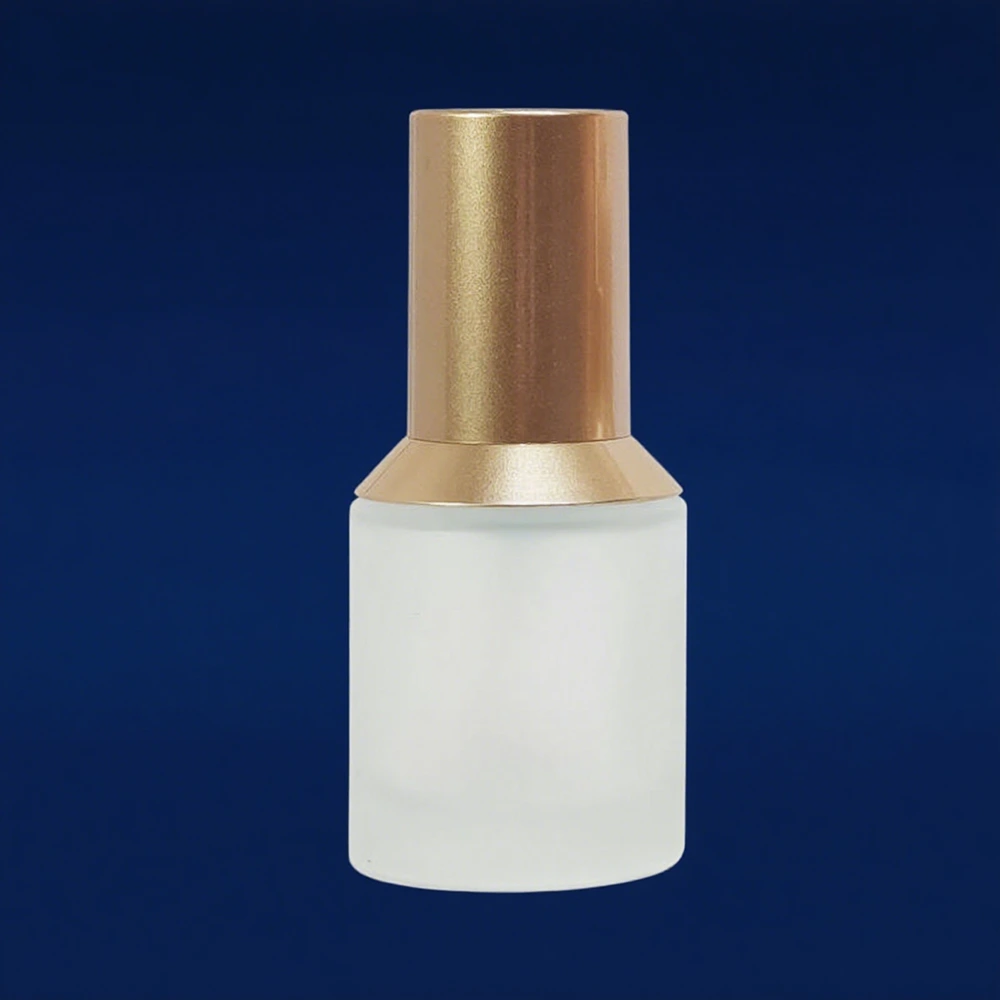
3.2. Bottiglie a scatto/a pressione: è necessario fare leva delicatamente
Queste bottiglie non hanno filettatura e si affidano alla pressione per fissare lo spruzzatore. Per aprire, rimuovere prima il tappo esterno. Avvolgere un piccolo panno intorno al collo della bottiglia per evitare graffi. Inserire un oggetto sottile e piatto (ad esempio un sarauta, un cacciavite a testa piatta o un coltello da burro) nella giuntura tra il collare dello spruzzatore e la bottiglia. È importante rompere i componenti in plastica o frantumare il vetro per evitare di usare troppa pazienza e forza.
3.3. Bottiglie con tappo incorporato: manipolazione attenta
Per le bottiglie in cui il tappo appare non staccato o si integra profondamente nel design, utilizzare un taglierino per tenere i bordi del tappo con una leggera pressione. Per allentarlo, spostare il tappo da sinistra a destra. Se il solo accorgimento non basta, posizionare con cautela un piccolo taglierino con del fango nella fessura tra il tappo e la bottiglia e piegarlo delicatamente; utilizzarlo come ultimo rimedio.
3.4. Meccanismi di ricarica specifici per marca
Molti marchi di lusso hanno integrato il raffinato sistema di ricarica. Ad esempio, "My Way" di Giorgio Armani ha un erogatore, un dispenser, che permette di invertire il flacone di ricarica da 150 ml ed è direttamente collegato al flacone dell'aroma. Questo indica un meccanismo di ricarica a vite standardizzato e intuitivo. Anche altri marchi come Lancôme e Mugler offrono sistemi di ricarica dedicati, spesso con istruzioni specifiche sulla confezione o sui siti web. Questi sistemi sono progettati per un facile aggancio e sgancio, spesso con un soddisfacente "clic" di chiusura, per garantire un'esperienza ottimale e favorire la stabilità.
3.5. Specifiche di coppia (linee guida generali)
Sebbene i valori di coppia specifici per i flaconi di profumo non siano ampiamente pubblicati ai consumatori, esistono linee guida generali per le chiusure. La coppia di applicazione, ovvero la forza rotazionale utilizzata per applicare una chiusura, è solitamente misurata in libbre per pollice (LB/in) e circa il 50% del diametro della chiusura (ad esempio, una chiusura da 63 mm può avere una coppia di applicazione di 31-38 LB/in). Il punto in cui si verifica una forza di applicazione eccessiva è la chiusura o la filettatura della bottiglia. I produttori di solito forniscono applicazioni fisse per i loro tappi per le specifiche di coppia.
4. Tecniche di de-crimpatura per flaconi atomizzatori sigillati
La crimpatura a D è l'operazione più complessa per le bottiglie in atmosfera sigillata, poiché queste bottiglie sono progettate per una chiusura permanente e a prova di manomissione. Questo processo comporta naturalmente un elevato rischio di danneggiare la bottiglia e l'atmosfera originale.
4.1. Comprendere la sfida
I flaconi crimpati sono progettati per un "fissaggio permanente e sicuro", creando un "legame irreversibile" che non può essere rimosso senza danneggiare visivamente la pompa o il collo della bottiglia. Questo design garantisce la resistenza alle manomissioni e l'integrità del prodotto per i marchi di lusso. I collari crimpati sono solitamente realizzati in alluminio o altri metalli, e talvolta servono a controllare la disponibilità di plastica.
4.2. Processo di de-crimpatura passo dopo passo (metodo fai da te)
Questo metodo si concentra sul raggiungimento del liquido, accettando il rischio che l'atomizzatore originale venga danneggiato.
- La sicurezza prima di tutto: Indossare sempre guanti resistenti e occhiali di sicurezza o una visiera protettiva per proteggersi dagli schizzi di vetro e dai liquidi.
- Preparare la bottiglia: Staccare il pulsante di plastica dello spruzzatore dall'atmosfera. Rimuovere il collo della bottiglia con un panno o un asciugamano protettivo per evitare graffi e garantire una presa migliore.
- Applicare calore delicato (facoltativo ma consigliato): Applicate un leggero calore su un collare metallico arricciato per uno o due minuti, utilizzando un asciugacapelli o una pistola termica. Questo può aiutare ad ammorbidire il metallo, rendendolo più facile da aprire.
- Sollevare la crimpatura:Utilizzare pinze a becchi lunghi, pinze normali o tronchesi per ferramenta. Afferrare il bordo del collare metallico morbido. Lavorare lentamente e con attenzione, muovendosi lungo tutto il collo della bottiglia, applicando pressione. L'obiettivo è quello di rovinare lentamente il collare metallico fino a quando non si allenta e non può essere rimosso.
- Rimuovere l'atomizzatore: Una volta che il collare è sufficientemente allentato, l'intero meccanismo dell'atomizzatore (compreso il tubo di pescaggio) può essere sollevato con cautela dalla bottiglia.
4.3. Strumenti specializzati per la de-crimpatura professionale
Sebbene i metodi fai da te siano disastrosi, esiste uno specifico utensile pneumatico per la rimozione del collare, come il CR12, che consente una decrimpatura senza danni, principalmente per le pompe "Crimp Low". È progettato per rimuovere il collare di dimensioni standard (ad esempio, 13 mm, 15 mm, 18 mm, 20 mm, prima dei 20 mm). Questo strumento viene solitamente utilizzato in ambienti industriali o professionali per il controllo qualità o il riciclaggio, non per la protezione dell'atmosfera a livello di consumatore.
Ricevi campioni gratuiti
4.4. "Pompe auto-aggraffanti"
Alcuni sistemi, noti come "pompe auto-crimpanti" o "pompe a pressione", offrono un'opzione di assemblaggio più semplice e una tenuta potenzialmente meno permanente rispetto alle crimpature tradizionali. Questi sistemi consentono un assemblaggio rapido e semplice senza macchinari pesanti, suggerendo un design che può essere più reattivo per la rimozione non distruttiva, sebbene la loro statica sia ancora descritta come "semipermanente" o "più permanente".
4.5. Considerazioni post-de-crimpatura
L'integrità strutturale a lungo termine di una bottiglia è compromessa dopo la decrimpatura e la bottiglia non è generalmente progettata per essere riutilizzata nella sua forma originale crimpata. Il rischio di crimpatura a D è quello di indebolire il collo di vetro. È necessario installare una nuova pompa crimpatrice senza dover richiudere una bottiglia decrimpata.
5. Procedure post-apertura: riempimento, pulizia e richiusura
Una volta aperta la bottiglia di profumo, le fasi successive, che possono essere il riempimento con una singola fragranza, la sua completa pulizia per un nuovo utilizzo o la sua successiva sigillatura, richiedono la massima attenzione all'integrità della fragranza e al mantenimento della funzionalità della bottiglia.
5.1. Riempimento della bottiglia
Per evitare errori e ridurre gli sprechi durante il riempimento del profumo, i migliori esercizi sono usare piccoli imbuti, siringhe (senza ago), pipette o dispositivi speciali come i contagocce. Funzione di flusso facilitato per grandi lotti. Evitare di riempire eccessivamente, poiché questa è una causa comune di perdite.
5.2. Pulizia accurata per il riutilizzo
Per pulire efficacemente una bottiglia di profumo è necessario un approccio in più fasi per rimuovere gli oli profumati residui e disinfettare il flacone.
- Risciacquo iniziale: Svuotare completamente la bottiglia e sciacquarla bene con acqua tiepida per rimuovere i residui.
- Lavaggio con sapone: Aggiungere un detersivo per piatti delicato e senza profumo all'acqua tiepida e agitare all'interno. Per le aperture più strette, è possibile utilizzare una scopa di cotone. Una volta rimossi tutti i residui di sapone, è importante risciacquare più volte con acqua tiepida pulita per garantire che il prodotto possa rilasciare un nuovo aroma.
- Immersione in alcol per la dissoluzione dell'olio: L'alcol isopropilico (al 70% o più) è importante per sciogliere i profumi più ostinati e pulire il flacone. Versare una piccola quantità nel flacone, ruotare tutte le superfici per ricoprirle e lasciare agire per alcuni minuti; in caso di residui persistenti, lasciare agire per 15 minuti. In questo modo si rimuovono efficacemente le molecole di fragranza aromatica. Successivamente, è necessario risciacquare con acqua pulita e tiepida.
- Pulizia avanzata (aceto e abrasivi): In particolare, per residui ostinati o macchie, si può utilizzare una soluzione di aceto bianco distillato, possibilmente lasciata in ammollo per tutta la notte. Un cucchiaio può essere utilizzato come detergente delicato senza residui interni, con un detersivo liquido per piatti delicato.
- Pulizia dell'atomizzatore e del tubo di immersione: Se l'atomizzatore è rimovibile, separarlo e sciacquare separatamente ogni componente con acqua tiepida, seguita da alcol isopropilico. Prestare particolare attenzione all'ugello di spruzzatura per assicurarsi che non sia ostruito. Per gli atomizzatori non rimovibili, spruzzare acqua tiepida o una soluzione alcolica attraverso il meccanismo per pulire le barriere.
- Pulizia ad ultrasuoni (avanzata): Per componenti complessi come tubi di pescaggio e componenti dell'atomizzatore, i pulitori a ultrasuoni offrono prestazioni migliori. Questi dispositivi utilizzano onde sonore a frequenza microscopica per creare microbolle in cavità, rimuovendo efficacemente sporco, grasso e oli senza strofinare fisicamente o utilizzare prodotti chimici rigidi, raggiungendo anche le aree inaccessibili alla pulizia manuale.
- Asciugatura completa: Dopo la pulizia, è importante evitare che l'umidità residua derivante da un'asciugatura prolungata possa causare la formazione di muffe. Posizionare il contenitore in un luogo ben ventilato per garantirne la completa evaporazione. Un panno morbido e privo di lanugine o tovaglioli di carta possono assorbire l'umidità iniziale.
5.3. Considerazioni sulla compatibilità chimica
Nella scelta dei detergenti, è importante considerare la loro compatibilità chimica con vari materiali plastici, come quelli delle bottiglie e degli atomizzatori (ad esempio, vetro, vari materiali plastici come LDPE, HDPE, PP, PET, PTFE, PVC e metalli) e con i residui chimici rispetto al vetro.
5.4. Richiusura dell'atomizzatore
Il metodo di richiusura dipende dal tipo di bottiglia e dall'obiettivo che si vuole raggiungere.
- Crimpatura per guarnizioni ermetiche: La crimpatura è il metodo più comune ed efficace per sigillare ematicamente i flaconi di profumo, prevenendo l'evaporazione, proteggendo le fragranze dagli agenti esterni e garantendo la sicurezza contro eventuali manomissioni. Questo processo, che può proteggere una nuova pompa sul collo del flacone, non può essere eseguito con attrezzature specifiche. Atmosfera.
- Tappi a vite:Originariamente progettati con tappo a vite, basta avvitarli nuovamente al tappo o all'atomizzatore. Sono ideali per profumi fai da te o per uso domestico, poiché consentono una facile ricarica.
- Tappi a pressione: Gli atomizzatori a pressione utilizzano meccanismi a molla che premono la bottiglia nel collo. Per la sostituzione è necessario un attento allineamento. Sebbene offrano una tenuta semi-stabile per le guarnizioni permanenti, possono essere difficili da rimuovere senza danneggiare la bottiglia o il tappo, rendendoli meno adatti a ripetuti rabbocchi rispetto ai modelli a vite.
- Soluzioni innovative di sigillatura (speculative): Per elementi decorativi o per la sigillatura personalizzata, nel settore dei beni di lusso vengono utilizzati in alternativa adesivi trasparenti e fototrattati. Questi offrono elevata resistenza, resistenza all'umidità e rapidità di trattamento, e possono essere progettati per essere gonfiati e personalizzati. Il consumatore sarà una sfida. In particolare, guarnizioni in silicone su misura o sistemi di sigillatura magnetica miniaturizzati possono offrire opzioni di fascia alta riutilizzabili in futuro.
Ricevi campioni gratuiti
6. Considerazioni sulla sicurezza e risoluzione dei problemi comuni
La sicurezza è fondamentale quando si maneggiano bottiglie di vetro, attrezzature affilate e aromi volatili. Comprendere i problemi più comuni e le relative soluzioni può prevenire perdite e infortuni.
6.1. Precauzioni di sicurezza essenziali
Dispositivi di protezione individuale (DPI):
- Guanti: Indossare sempre i guanti per proteggere le mani da vetreria tagliente e da potenziali irritazioni causate dagli oli profumati. Si raccomandano guanti antitaglio per maneggiare il vetro, soprattutto durante la decrimming. I guanti Nitrail per fragranze sono adatti per la manipolazione di contenitori e la pulizia, poiché impediscono la penetrazione degli oli e prevengono i contatti indesiderati.
- Protezione degli occhi: Indossare occhiali protettivi (occhiali di sicurezza o di sicurezza) per proteggere gli occhi da schizzi casuali di profumo o pezzi di vetro.
- Maschere respiratorie per fumi: Lavorare in un'area ben ventilata (finestre aperte, ventilatori), evitando il contatto diretto con i vapori del profumo, soprattutto per le persone sensibili, o con fragranze concentrate o con odori forti.
Manipolazione sicura del vetro e degli utensili affilati:
- Presa sicura: Tenere saldamente il flacone di profumo. Utilizzare un panno pulito o un'impugnatura in gomma per aumentare la presa e proteggere il flacone dai graffi.
- Evitare l'uso eccessivo della forza:Usare troppa forza può danneggiare la chiusura, rompere la bottiglia o causare lesioni. Con metodi delicati.
- Attenzione agli oggetti taglienti: Evitare di usare coltelli per incidere le bottiglie aperte. Durante la decrimming, utilizzare la tendina laterale o la barauta con estrema cautela per evitare di rompere o tagliare la bottiglia.
- Smaltimento del vetro rotto: Se una bottiglia si rompe, smaltire con cura il vetro rotto e il liquido. Avvolgere il vetro rotto in carta di giornale o cartone prima di gettarlo nella spazzatura.
Configurazione dell'area di lavoro sicura: Assicurarsi che la bottiglia sia stesa su una superficie stabile, pulita e trasparente per evitare la diffusione e la contaminazione.
6.2. Risoluzione dei problemi comuni
Tappi bloccati
- Colpi delicati: Picchiettare leggermente la bottiglia su una superficie solida.
- Metodo dell'acqua calda: Per espandere metallo o plastica, far scorrere acqua calda su un tappo o un tappo, oppure sciogliere i residui secchi. Evitare il surriscaldamento.
- Presa migliorata: Utilizzare guanti antiscivolo, strappi testurizzati o avvolgere un elastico attorno al coperchio.
- Alcol isopropilico: Strofinare delicatamente il collo con alcol isopropilico per sciogliere i residui.
- Metodo del congelatore: Mettere la bottiglia nel congelatore per circa 15 minuti per facilitare l'allentamento del tappo.
- Equalizzazione della pressione: A causa delle variazioni di pressione (ad esempio dovute ai viaggi aerei), per il tappo è possibile eguagliare la pressione perforando l'angolo superiore del tappo con uno spillo.
- Assistenza professionale:Per bottiglie di valore o antiche, consultare un restauratore professionista.
Atomizzatori / spruzzatori rotti
- Ugello intasato:
- Rimuovere la testina dell'ugello (se rimovibile) e sciacquarla sotto l'acqua corrente calda.
- Utilizzare un ago sottile o uno spillo per pulire i residui di profumo essiccati dai piccoli fori.
- Immergere lo spruzzatore in acqua calda o alcol isopropilico, quindi pompare delicatamente per distribuire il vino, risciacquare con acqua distillata e asciugare l'aria.
- Ugello staccato/allentato: Riattaccare allineandolo allo stelo e premendo o ruotando delicatamente.
- Sistema di pompaggio rotto:
- Se la testina di spruzzatura è danneggiata ma la pompa funziona, sostituire la testina di spruzzatura con una compatibile.
- Se lo spruzzatore è completamente rotto, sostituirlo con una pompa spray universale o aftermarket, verificandone la compatibilità.
- Una piccola quantità di senape può lentamente riparare una pompa inceppata.
- Alcuni utenti sono riusciti a separare con successo gli steli dell'atmosfera utilizzando una supercolla cianoacrilica attorno alla molla e alla membrana della valvola.
- Trasferimento del profumo:Se l'atomizzatore non è riparabile, trasferirlo con cautela in un contenitore nuovo, pulito e a tenuta stagna utilizzando una siringa o un imbuto. Filtrare un pezzo di vetro con filtri da caffè o un setaccio a maglie fini. Evitare imbuti o bottiglie di plastica, poiché la plastica può reagire con i profumi.
Fuoriuscite di liquidi
- Azione immediata: Tamponare, non strofinare, con tovaglioli di carta o panni puliti per assorbire rapidamente il liquido.
Polveri assorbenti: Coprire con bicarbonato di sodio o amido di mais, lasciare agire, quindi aspirare o spazzare via. Il bicarbonato di sodio neutralizza gli odori. - Soluzioni per la pulizia:
- Superfici dure: Utilizzare acqua tiepida con detersivo per piatti delicato, oppure aceto bianco e acqua in parti uguali. Anche l'alcol isopropilico è efficace. Fare prima una prova.
Tessuti/Tappeti: Applicare una soluzione detergente delicata per bucato o una pasta di bicarbonato di sodio. Tamponare delicatamente. Risciacquare con acqua fredda.
- Superfici dure: Utilizzare acqua tiepida con detersivo per piatti delicato, oppure aceto bianco e acqua in parti uguali. Anche l'alcol isopropilico è efficace. Fare prima una prova.
- Ventilazione: Aprite le finestre o usate un ventilatore per disperdere il forte profumo.
- Smaltimento del profumo residuo: Piccole quantità assorbite dagli asciugamani di carta finiscono in sacchetti di plastica sigillati. Quantità maggiori richiedono di informarsi presso le autorità locali sui rifiuti pericolosi; versarli nello scarico è pericoloso.
Colli di bottiglia danneggiati
- Crepe/scheggiature: Per piccole crepe, è possibile utilizzare una resina epossidica specifica per riparare colla trasparente o vetro. Assicurarsi che la bottiglia sia pulita e priva di olio.
- Colli spezzati: Si tratta di una riparazione complessa, che spesso richiede servizi professionali di restauro del vetro.
- Prevenzione: Conservare le bottiglie su superfici stabili, lontano dai bordi e maneggiarle con delicatezza.
De-crimpatura incompleta
- Strumenti e tecnica:Continuare a usare il cotone o la barauta per allargare e piegare lentamente la parte metallica attorno all'atmosfera per coprirla. Per evitare di rompere la bottiglia, sono necessarie pazienza e cura.
- Sfide: Non esiste un'attrezzatura specifica per una decrimming non distruttiva e qualificata a disposizione dei consumatori. Uno spray per crimming eccessivo può intasare la valvola, mentre crimming deboli possono causare perdite.
- Rischio di danni: Si corre un rischio elevato di danneggiare la bottiglia durante la decrimming, soprattutto se è critica.
- Alternativa per la decantazione: Se la de-crimpatura è molto rischiosa e l'atomizzatore è funzionante, il profumo può essere spruzzato direttamente in un piccolo ambiente oppure utilizzando una siringa/pipetta, se la bottiglia ha un tappo a vite o un rollerball.
6.3. Suggerimenti proattivi per una maggiore sicurezza ed efficienza
- Sviluppare un albero decisionale completo per la risoluzione dei problemi: Creare un albero decisionale interattivo che guidi gli utenti in base alla tipologia di flacone (tappo a vite, tappo a vite, spray, rollerball) e a problematiche specifiche (tappi bloccati, atmosfera rotta, perdite). Ogni passaggio condurrà a fasi specifiche di risoluzione dei problemi, quindi agli strumenti necessari, ai DPI e a un chiaro "quando cercare assistenza professionale". Ciò semplificherà il processo e ridurrà gli errori degli utenti.
- Procedure di emergenza per la ricerca in caso di esposizione a sostanze chimiche: Fornire protocolli di primo soccorso specifici per il contenuto generale di profumi (ad esempio, etanolo, oli essenziali, composti aromatici sintetici) in termini di esposizione cutanea, oculare o inalazione. Ciò includerà il lavaggio immediato della pelle, un abbondante risciacquo degli occhi e l'esposizione all'aria aperta per l'inalazione, quando si è alla ricerca di una terapia, con istruzioni chiare per la ricerca della terapia.
- Linee guida dettagliate per lo smaltimento: Compilare un elenco completo dei materiali utilizzati per i flaconi di profumo (vetro, plastica varia, metallo) e delle relative linee guida specifiche per il riciclaggio/smaltimento, sottolineando che le normative locali variano notevolmente. Fornire istruzioni chiare per lo smaltimento di vetri rotti, componenti in plastica e profumi residui, sottolineando il danno ambientale derivante dallo smaltimento dei profumi negli scarichi.
Comments
Product Categories
Hot Sale Bottles
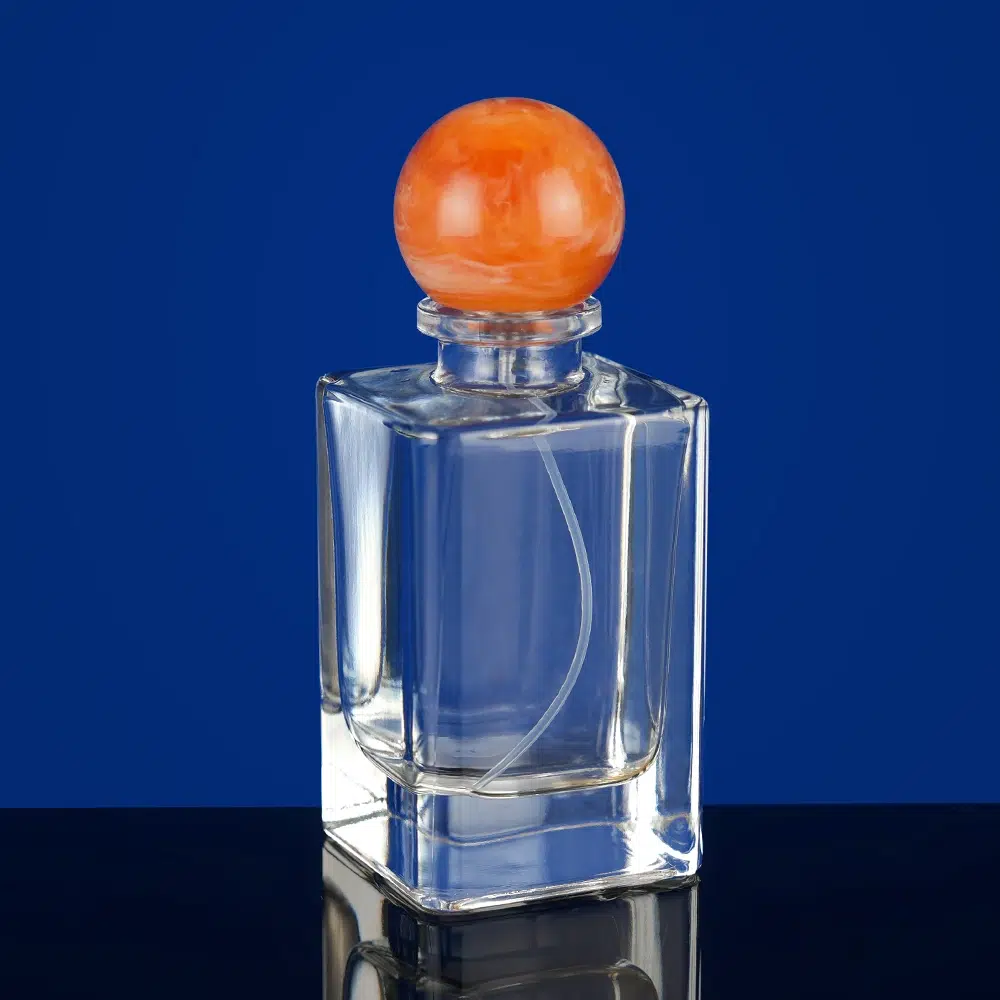
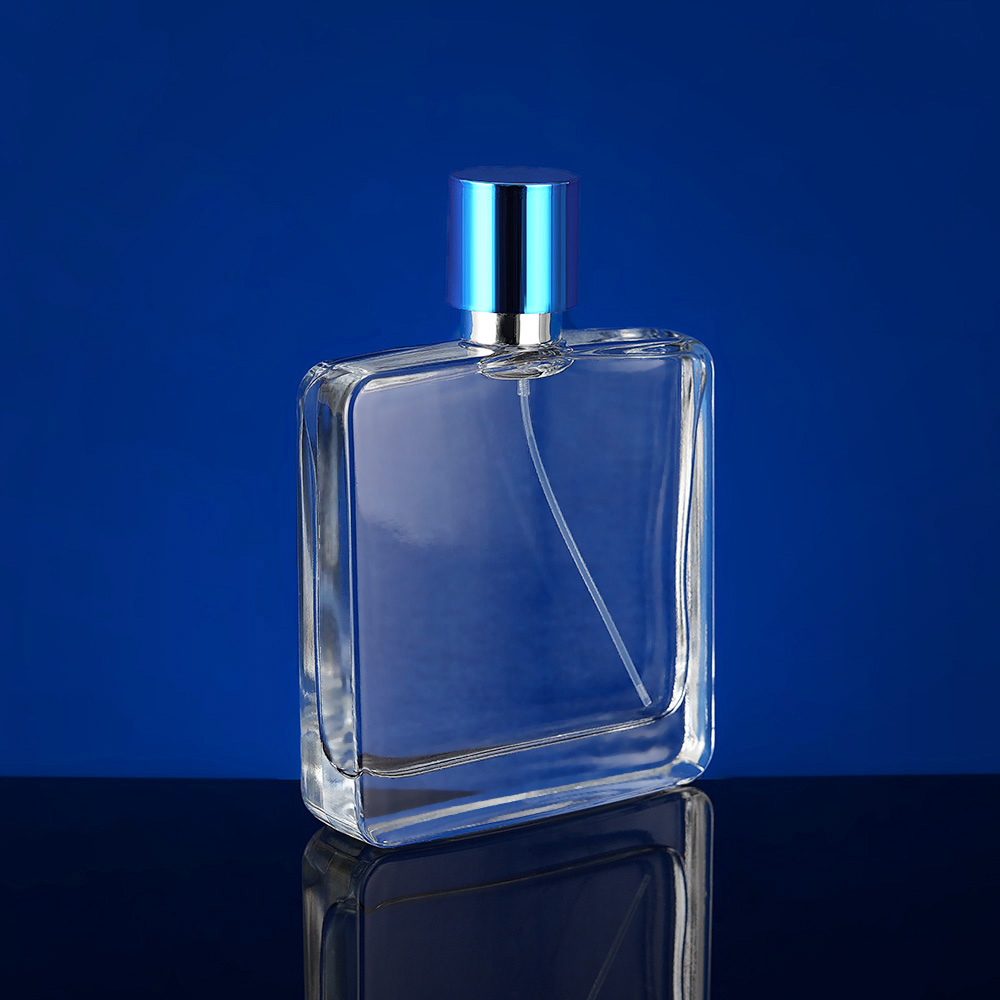
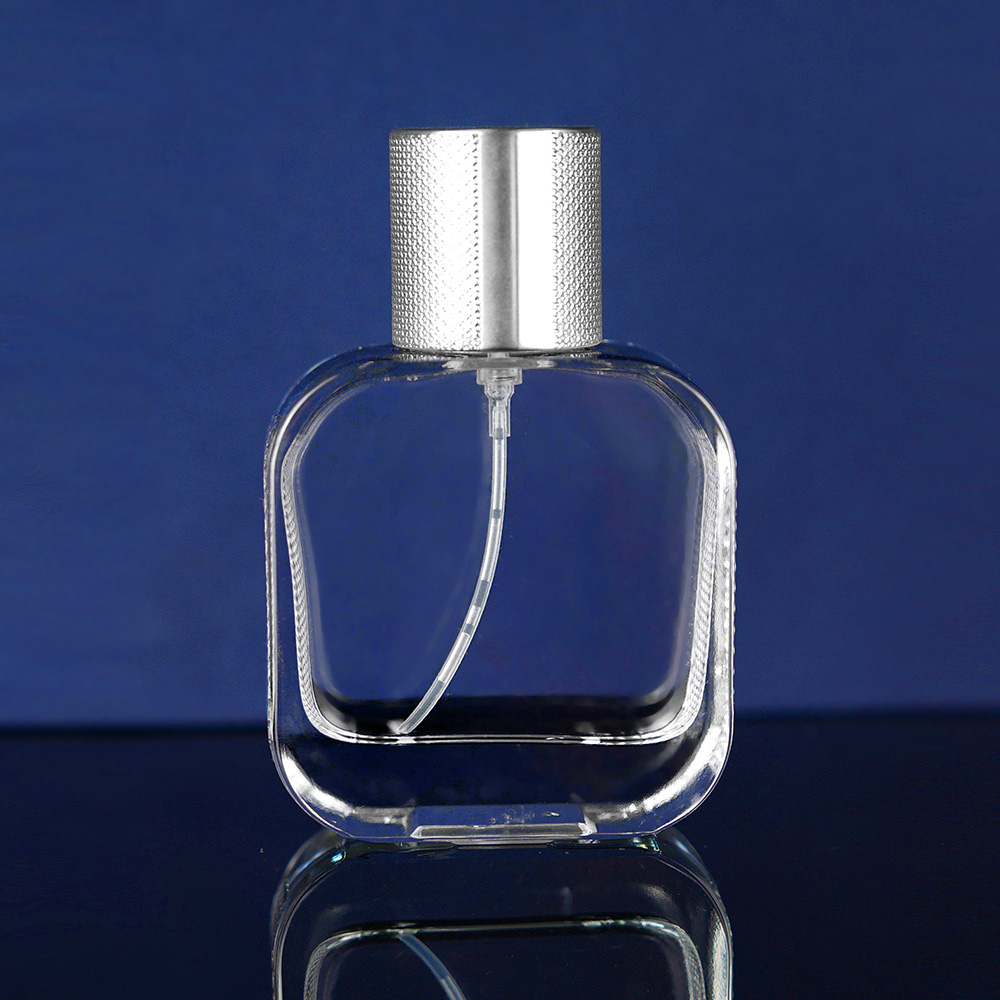
Caso di studio: flaconi di profumo in vetro personalizzati per un marchio di fragranze francese
Flaconi di profumo in vetro personalizzati con colori uniformi, elevata trasparenza e design di alta qualità

Perché sempre più marchi scelgono flaconi di profumo personalizzati
Scopri perché sempre più marchi scelgono flaconi di profumo personalizzati per migliorare l'identità del marchio, incrementare le vendite e abbracciare la sostenibilità.
Guida completa su come utilizzare mini flaconi di profumo senza spray
Impara ad aprire, estrarre, applicare e utilizzare mini flaconi di profumo senza spruzzatore. Consigli per flaconi con tappo a spruzzo, flaconi con tappo a vite e per il trasferimento su rollerball.
Caso di studio: come un marchio portoghese indipendente di profumi ci ha scelto come fornitore di flaconi di profumo in vetro
Un marchio di profumi collabora con noi in qualità di fornitore di flaconi di profumo in vetro, risolvendo problemi di smerigliatura e di tenuta del tappo con un'ingegneria precisa e una produzione personalizzata stabile.
Caso di studio: bottiglie personalizzate per oli essenziali per un cliente americano
Scopri come le bottiglie personalizzate per oli essenziali hanno risolto le sfide di tenuta e ritenzione dell'aroma, offrendo
- +86 186 5178 1159
- [email protected]
- Mon-Sun 07:00-21:00
Tags
Caso di studio: dai problemi dei rivenditori di bottiglie di vetro con rullo alla fornitura stabile della fabbrica
25/02/2026
I problemi dei rivenditori di bottiglie a rullo in vetro hanno spinto una fabbrica di olio spagnola a rivolgersi a noi per bottiglie a rullo personalizzate a prova di perdite, con vestibilità precisa, qualità stabile e fornitura all'ingrosso.
Personalizzato o di serie? Guida per gli acquirenti di flaconi contagocce in vetro
19/02/2026
Stai scegliendo un rivenditore di flaconi contagocce in vetro? Esplora la nostra guida sul packaging personalizzato e su quello in stock. Scopri come aiutiamo gli acquirenti a ottimizzare i costi e l'impatto del marchio.
Caso di studio: flaconi di profumo in vetro personalizzati per uno studio di profumi di nicchia francese
12/02/2026
Flaconi di profumo in vetro personalizzati per uno studio di profumi francese. Abbiamo realizzato flaconi satinati sfumati con tappi in legno, migliorando l'immagine del marchio e l'attrattiva per la vendita al dettaglio.
Il vantaggio strategico di collaborare con un grossista di flaconi roll-on in vetro per marchi di bellezza premium
05/02/2026
Scopri come un importante grossista di flaconi roll-on in vetro offre imballaggi personalizzati, sostenibili e di alta qualità, con un'elevata protezione della formula e conformità globale.
 IT
IT  EN
EN  FR
FR  DE
DE  NL
NL  PL
PL  RU
RU  PT
PT  FI
FI  ES
ES  DA
DA  SV
SV  RO
RO  CS
CS  ZH
ZH  KO
KO  JA
JA  AR
AR  TR
TR  ID
ID  EL
EL  HU
HU  BG
BG