
多用途包装のための小型ガラスロールオンボトルの適応性
目次
小さなガラスロールボトルが革新的なデザインと持続可能性を組み合わせ、正確な供給を実現する方法をご覧ください。
1. はじめに:ロールオンボトルの永続的な魅力
小型のガラス製ロールオンボトルは、その正確さ、携帯性、製品の完全性により、さまざまな業界で欠かせないパッケージングソリューションとなっています。 ベッセルクス 消費者体験とそれがブランド差別化に及ぼす重要な影響を認識しています。主要セグメントである世界の小型ガラス製ロールオンボトル市場は、2023年に約15億米ドルと推定され、2032年には約6.2%のCAGRで成長し、2032年には26億米ドルに達すると予測されています。他の予測では、2034年には10.30%のCAGRで高い成長を示し、最大3億1,000万米ドルに達すると予測されています。ボトル市場(ガラスおよびプラスチック)における全体的な役割も、エッセンシャルオイル、パーソナルケア、医療用途の需要に支えられ、2033年までに6.5%から9.3%のCAGRで成長すると予想されています。持続可能性。
2. 多様な用途に向けた設計と材料の革新
の汎用性 小さなガラスのロールオンボトル 洗練されたデザインと戦略的な素材の選択により、製品の完全性とユーザー エクスペリエンスが最適化されます。
無料サンプルを入手
2.1. ガラスの種類と紫外線カット
ガラスの選択は製品保護にとって重要です。
- 琥珀色のガラス 有害な紫外線(450nm未満、500nmまで)を最大99%遮断し、レチノール、ビタミンC、エッセンシャルオイルなどの光に敏感な要素を保護し、透明なガラスやプラスチックに比べてエッセンシャルオイルの保存期間を最大40%延長します。
- コバルトブルーガラス また、UV 保護 (450 nm 未満) も提供しますが、緑色のガラスは効果が低くなります。
- 透明ガラス 紫外線の 85% 以上を透過するため、効力が大幅に低下します (例: レチノールの場合、3 か月後には 37%)。
2.2. ガラスの組成:ホウケイ酸ガラス vs. ソーダ石灰ガラス
化学組成は適合性に影響します。
- 高ホウケイ酸ガラス 12~15%の三酸化ホウ素を配合することで優れた耐薬品性を実現し、耐腐食性表面を形成します。腐食性の高い配合においても重量変化は0.02%未満であり、ビタミンC溶液を添加しソーダ石灰ガラスと比較して材料劣化は24分の1に抑えられています。また、製造および保管において重要な、150°F(65°C)までの急激な温度低下にも耐えます。
- ソーダ石灰ガラス一般的で経済的な製品は、化学的安定性が低い(pH 4.5~5.5)。高pH製剤はナトリウムイオンの漏出を引き起こし、製品のpHを変化させ、酸化を加速させる可能性がある(ビタミンCセラムは12週間後に酸化が47%増加)。アルカリによる攻撃は、濁りや重金属の溶出を引き起こし、リコールにつながる可能性がある。
2.3. サイズ範囲と容量の設定
ロールオンボトル 様々なサイズがあります。5mlと10mlは旅行、サンプル、濃縮エッセンシャルオイルの保存に人気です。20mlと30ml(1オンス)の大きめのサイズは、毎日のスキンケアや香水に適しています。5~10mlのセグメントは、ミニ詰め替え用香水ボトルの中で最大の市場シェア(39%)を占めています。
2.4. ローラーボールの材質と性能
ローラーボールの素材は、用途、衛生、高級感に影響を与えます。
- ステンレス鋼:アイセラムに清涼感を与え、非多孔性で、細菌の増殖に耐性があり、高級感を醸し出します。
- ガラス: 化学的に不活性で、エッセンシャルオイルや香水の純度を保ちます。また、調合剤としても内服されます。
- プラスチック: 大量生産に最も費用対効果が高く、ローション、デオドラント、リップグロスなどに最適です。高品質のBPAフリープラスチックを使用しているため、リスクを最小限に抑えます。
- セラミック: 化学的不活性、滑らかさ、低刺激性を備えた高級スキンケアのプレミアムな選択肢です。
2.5. 内部コーティングとカスタマイズ
内部コーティングは、製品に悪影響を与えない限り、美観や耐薬品性(例:香水、エタノール)を向上させることができます。BPAフリーのコーティングもご用意しています。形状、色(透明、アンバー、コバルトブルー、フロスト)、仕上げ(シルクスクリーン、ホットスタンプ)、ブランドを強調できます。ローラーボールの正確なフィット感と真円度は、スムーズでコントロールされた、漏れのない吐出に不可欠です。
3. エッセンシャルオイルを超えて:製品の視野を広げる
ロールオンボトルは、対象を絞って衛生的に持ち運びできるという利点を生かして、さまざまな製品カテゴリーで採用が広がっています。
3.1. ターゲットを絞ったスキンケアトリートメント
ロールオンパッケージは、精密スキンケア製品を提供する成長分野です。
- アイセラム: 金属またはセラミック製のローラーボールは、冷却効果とむくみ解消効果をもたらします。
- ニキビスポット治療:細菌を広げることなく直接塗布でき、使いやすさと旅行に便利な点が人気です。
- 保湿リップセラム: ローリング動作により製品が均等に分散され、吸収力が高まります。
3.2. 頭痛と痛みを和らげる軟膏
ロールオンは、エッセンシャル オイルや治療用ブレンド (例: Zandu ロールオン、Natura Bona の頭痛緩和スティック、Biofreeze) を使用した、便利で汚れのない持ち運び可能な頭痛や筋肉痛の緩和策です。
3.3. キューティクルオイルとネイルオイル
ロールオン形式は、健康な爪とキューティクルを促進するキューティクルオイルとネイルオイルを衛生的かつ正確に、汚れなく塗布するのに最適です (例: ROLL-X™ キューティクルオイル、MiniLuxe の Nourishing Cuticle Oil ローラーボール)。
3.4. ペットケア製品
ペットケア業界では、猫や犬に正確に局所的に塗布する CBD オイルなどの局所塗布用ロールオンを採用しています (例: Gaia Provides Pet Topical Roll-On CBD Oil)。
3.5. 天然の虫除け
シトロネラやユーカリなどのエッセンシャルオイルや、アクティブなライフスタイルに応えるロールオンタイプの製品を使用することで、天然虫よけ市場は大幅な成長(2035年までに年平均成長率7.7%で65億米ドル)が見込まれています。
無料サンプルを入手
3.6. 採用を促進するコアとなる利点
ロールオンアプリケーターには、次のような基本的な利点があります。
- 精密ターゲティング: 特定の場所に正確な量を塗布し、無駄を減らします。
- ハンズフリーで衛生的なアプリケーション: 肌のケアと治癒に不可欠な汚染を防ぎます。
- 携帯性と旅行のしやすさ: コンパクトで、漏れがなく、多くの場合 TSA 準拠です。
- 混乱の軽減: 注ぎ口に比べて漏れを軽減します。
- 冷却効果とマッサージ: 金属/セラミック製のローラーボールが心地よい感覚を与え、吸収力を高めます。
- 製品の保存: 密閉性とエアレスシステムにより敏感な原材料を保護し、保存期間を延長します。
- 持続可能性の可能性: 多くは詰め替え可能または再利用可能です。
これらの拡張されたアプリケーションは、効果的で便利、かつ消費者に優しいソリューションとしてのロールオンパッケージの戦略的価値を強調しています。
4. 精度と利便性:ユーザーエクスペリエンス
小型のガラス製ロールオンボトルは、正確性、利便性、そして人間工学に基づいた設計が大きな違いを生み、ユーザーエクスペリエンスを左右します。消費者は、携帯性、塗布量の管理、そして清潔な使用感を重視しています。
4.1. 優れた携帯性と旅行への利便性
コンパクトで安全、そして多くの場合漏れ防止のロールオンタイプは、移動や旅行、そして慎重な保管に最適です。TSA認証のロールオンタイプも多数あり、香水、エッセンシャルオイル、デオドラントなどをいつでもどこでも持ち運ぶのに最適です。
4.2. 精密かつ制御された分配
ローラーで塗布することで、無駄な塗布を減らし、効果を最大限に引き出します。調整されたローリングボール機構により、最適な摩擦、流量制御、肌への密着を実現し、液だれすることなく適量を塗布できます。
4.3. 触覚アプリケーションと衛生管理によるユーザーエクスペリエンスの向上
自己完結型デザインにより、汚れを残さず、清潔に塗布でき、指への直接接触を防ぎます。また、穏やかなローリングスピードでミニマッサージ効果も得られ、吸収力と感覚体験を高め、ブランドへの愛着を高めます。
4.4. 機能性に影響を与える材料と設計の特徴
ボールとボトルの素材の選択は、完全性、機能性、美観に影響します。
- ローラーボールの材質: ローションにはプラスチック、冷却/薬用にはステンレス、高級スキンケアには高級セラミック/ガラス。
- ボトルの材質: 耐薬品性と高級感を兼ね備えたガラス、適度な耐久性を備えたプラスチック。竹のような耐久性のある素材も登場しています。
- デザイン要素: 長方形の形状によりグリップが向上し、耐久性があり漏れ防止の金属キャップにより見た目も魅力的です。
4.5. 他のアプリケータータイプに対する利点
ロールオンにはさまざまな利点があります:
- スプレーと比較: より正確な塗布、長時間の安全性(デオドラント)、成分ロスの低減、敏感肌への優しさを実現。スプレータイプは素早く広範囲に塗布できます。
- ドロッパーと対比: Excel、手間いらずのアプリ、そして持ち運びやすさと手軽なタッチアップ。正確な量、香りの重ねづけ、カスタムミックス、粗めのオイルには、スポイトが最適です。
4.6. 多様なライフスタイルセグメントと嗜好
消費者セグメントはロールオン特性を重視します:
- 忙しい個人および旅行者: 価格、携帯性、素早い適用、漏れ防止設計。
- フレグランス愛好家: 対象を絞って塗布し、長持ちさせるにはロールオンを選びましょう。重ね塗りにはスポイトを好む人もいます。
- 健康志向と環境配慮志向の消費者:アルコールフリーのヨガと耐久性のある再利用パッケージに魅力を感じました。
- 医薬品/治療目的の使用者:正確かつクリーンな局所治療の適用から利益を得ます。
4.7. 美的デザインとブランディング
滑らかなデザイン、革新的な質感、仕上げ(つや消し、メタライゼーション)、効果的なブランディングは、消費者を引き付け、製品を差別化し、購入の決定に影響を与えるために重要です。
5. 市場のダイナミクスと将来の成長
消費者の嗜好、テクノロジー、小売業の変化により、小型ガラスロールオンボトル市場は力強い成長を見せています。
5.1. 現在の市場状況と成長要因
世界のガラス製ローラーボトル市場は2023年に15億米ドル規模でしたが、2032年には26億米ドル(年平均成長率6.2%)に達すると予測されています(一部の推計による)。一方、ロールオンボトル市場(ガラスおよびプラスチック)は、2033年までに6.5~9.3%の年平均成長率で成長すると予測されています。
主な推進要因:
- 利便性と携帯性: 持ち運びが簡単で、移動中に要求されるソリューションです。
- 管理された衛生的なアプリケーション: 正確な配送の無駄を削減し、衛生的な使用を保証します。
- 持続可能性の好み:リサイクル可能/再利用可能なガラスの需要が堅調で、ガラス瓶市場の成長の約 30% を占めています。
- 主なアプリケーションセグメント: 化粧品、パーソナルケア(香水、デオドラント - 2024年には71.5億米ドル、CAGR 6.14%で122.2億米ドル)、医薬品、アロマセラピー。
- 新興医療アプリケーション: ワクチン製造および遺伝子治療用のロールオンは、2031 年までに 1 億 3,000 万米ドルに達すると予測されています (CAGR 9.3%)。
5.2. 地理的市場リーダーシップと製造拠点
北米は、エッセンシャルオイルとパーソナルケア製品への高い需要と、持続可能なパッケージへの注目によって牽引されています。アジア太平洋地域は、都市化、所得の向上、そして製造拠点としての役割(例えば、中国は専門産業クラスターを有し、ロールオンボトル製造で優位に立っています)によって、最も急速に成長している地域です。
5.3. 将来の動向と新興技術
今後5~10年の間に大きな進展が見られるでしょう。
持続可能なコンテンツイノベーション
環境に優しい素材への移行:
- リサイクルプラスチック: RPET および PCR の使用が増加しました。
- 植物由来および生分解性素材: 植物由来のプラスチック、紙、菌糸体、海藻を探る。
- モノマテリアルパッケージング: リサイクルを簡素化します。
- ガラス: リサイクル性と高級品への継続的な嗜好により、2033 年まで 8.8% の CAGR で成長すると予測されています。
高度な配信システム
効率性と衛生性を高めるイノベーション:
- デュアルローラーシステム: より広い範囲をカバーします。
- 詰め替え可能なデザイン:取り外し可能なローラーボール付きで安定性抜群。
- 抗菌素材: 医薬品製剤用。
- ローラーボール冷却テクノロジー: スキンケア効果に。
- エアレスロールオンシステム: 敏感な処方に対応するため、衛生的なディスペンシングと無酸素保管を組み合わせました。アルプラは、漏れ防止性能と成分削減を実現したロールオンデオドラントを最適化しました。
スマートパッケージ統合
インタラクティブツールのためのデジタル技術:
- QRコード:製品情報、マーケティング、トレーサビリティへのコスト効率の高いアクセス。
- NFC: 高級化粧品に使用されている、偽造防止機能を備えたプレミアムでシームレスな体験。
- RFIDチップ: 主にサプライチェーン物流向け。
- IoT統合: リアルタイムの追跡、状態監視、サプライチェーンの透明性と消費者エンゲージメントのためのデータ共有。
- スペキュレーティブテクノロジーズ: 使用状況の追跡、リマインダー、適応型配信。
美的・体験的デザインのトレンドs
感情的な関与とユーザー エクスペリエンスに焦点を当てます。
- ミニマリズム: すっきりとしたライン、ニュートラルなパレット。
- パーソナライゼーション: カスタマイズされたデザイン、デジタル印刷。
- 高級感の魅力: 虹色の着色ガラス、竹仕上げ、金属製のキャップ。
- 開封体験: ブランドの差別化に不可欠です。
製造業とサプライチェーンへの影響
テクノロジーは業務に革命をもたらします。
- AIと自動化:AI を活用した設計、生産の最適化、品質管理、ロボットによるパッケージングにより、効率化と廃棄物の削減を実現します。
- 3Dプリント: 迅速なプロトタイピング、カスタマイズされたデザイン、SKU 増加のためのオンデマンド生産。
- Eコマースの最適化: 物流の効率化、損傷の軽減、消費者との直接的な関わりを考えて設計されたパッケージ。
無料サンプルを入手
5.4. 消費者の期待と市場の再編
消費者は、機能、パーソナライゼーション、健康、強度、そして特に安定性を重視しています(74%が持続可能なパッケージを検討しています)。消費者は、パッケージが体験を提供し、価値観を反映し、インタラクティブなデジタルコンテンツを提供することを期待しています。堆肥化可能でスマートなパッケージを採用するブランドは、競争優位に立つでしょう。市場では、SKUの拡大と迅速な製造に対する需要が高まるでしょう。
6. 持続可能性と責任ある包装
ロールオンボトルの環境フットプリントは調査中で、イノベーションを推進しています。ガラスは利点をもたらしますが、循環型社会の実現には、リサイクルや消費者行動を含むライフサイクル全体が重要です。
6.1. ガラスの固有のリサイクル性とリサイクル含有量
ガラスは100%リサイクル可能で、品質を永久に損なうことなくリサイクルできるため、非常に耐久性に優れています。新しいガラス容器の多くは70%がリサイクルガラスで、中には95%に達するものもあります。ガラスの使用量が大幅に減少しています。
6.2. ガラスリサイクルにおける課題
リサイクルにもかかわらず、課題は存在します。
- 汚染: シングルストリームシステムでガラスが破損すると、他のリサイクル材料が汚染され、埋め立て処分が必要になります。
- 重量と輸送: ガラスの重量により輸送コストと環境への影響が増加します。
- 世間の認知度: 意識の欠如は効果的なリサイクルへの参加を妨げます。
6.3. リフィルプログラムの普及率と成功率
詰め替え可能な美容製品への消費者の関心が高まっています。昨年、フランスの女性化粧品消費者の59%が詰め替え製品を購入しており、その動機は環境への影響(70%)、節約(64%)、利便性(39%)でした。2022年には、メイクアップ製品の詰め替え製品の売上は364%増加しました。
6.4. 消費者の再充填プログラム参加意欲と障壁
79.3%の消費者が持続可能性を重視している一方で、詰め替え用スキンケアを積極的に使用しているのは23.4%のみで、美容液(5%)や香水(<1%)はごくわずかである。障壁としては、代替品を見つける難しさ(50.6%)、好みのブランドから入手できないこと(36.8%)、汚染への懸念(31%)、実際の持続可能性への疑問(17%)などが挙げられる。採用のインセンティブとしては、有効性の証明(34%)、競争力のある価格設定(34%)、優先ブランドからの入手(43%)などがある。
6.5. ライフサイクルアセスメント(LCA)の比較:ガラスとプラスチック
LCAでは異なる結果が示されています。プラスチックボトルは、材料、製造、流通における環境負荷の削減(例:78.7%の軽量化)により、排出量やエネルギーといった分野で環境負荷が低い場合が多いです。しかし、ガラスは2~3サイクルで分解するプラスチックとは異なり、無限にリサイクルできるため、閉ループ型の再利用性の高いシステムにおいては、ガラスの方がより持続可能な可能性があります。
6.6. 循環型経済モデルのベストプラクティス
ガラス球形モデルの成功は再利用を優先しています。Rewineのような企業は、ボトルの返却を促すことでボトルの85%の再利用を実現しており、Sustainable Wine Solutionsはボトル返却制度によって二酸化炭素排出量を95%削減しました。これには、消費者の積極的な参加とインフラ整備が不可欠です。
6.6. 規制圧力とインセンティブ
各国政府は、義務化、使い捨てプラスチックの制限、拡大製造者責任(EPR)プログラムなど、持続可能な包装に関する規則を実施しています。欧州連合(EU)のPPWR(プラスチック包装・リサイクル・ルール)は、調和のとれた再利用システム、デポジット回収計画、野心的なリサイクル目標(ガラスの75%)、そして2030年までに住宅における小型使い捨て化粧品の規制を含む廃棄物削減目標を掲げています。
6.7. 詰め替え可能な美容市場を牽引する人口動態
環境意識の高いミレニアル世代(73%がサステナブルブランドを好んでいる)とジェーンZ(75%が環境への影響を重視する習慣)は、詰め替え可能な美容製品市場を運営しています。女性が多数派を占める一方で、男性はジェンダープレートシステムへの関心が高まっています。高所得の消費者は、高品質で耐久性のある製品への投資に熱心です。
7. 結論:多用途包装の未来
小型ガラス製ロールオンボトルは、ダイナミックでインパクトのあるパッケージソリューションです。化学的不活性、紫外線カット(特にホウケイ酸ガラスと琥珀色ガラス)、そして様々なローラーボール素材により、精度と製品の完全性が確保されています。エッセンシャルオイルだけでなく、スキンケア、鎮痛剤、ネイルケア、ペット用品、天然虫よけなどにも用途が広がり、その汎用性は驚異的です。
優れた携帯性、コントロールされた吐出、そしてクリーンな塗布を特徴とするユーザーエクスペリエンスは、依然として重要な推進力となっています。利便性、パーソナライゼーション、そしてサステナビリティへの需要が高まり、市場動向が変化する中で、ロールオンボトルは継続的な成長が見込まれます。高度な吐出メカニズム、スマートパッケージの統合、そして持続可能な素材といった今後のイノベーションは、責任あるパッケージにおけるロールオンボトルの地位をさらに強化するでしょう。
Vesseluxeでは、機能的で美しく、環境に配慮し、適応性に優れたパッケージを目指しています。小さなガラス製のロールオンボトルは、まさにこのアプローチを体現するものであり、伝統と革新を融合させ、多用途で持続可能なパッケージングという業界の未来を形作っています。
コメント
製品カテゴリー
人気ボトル
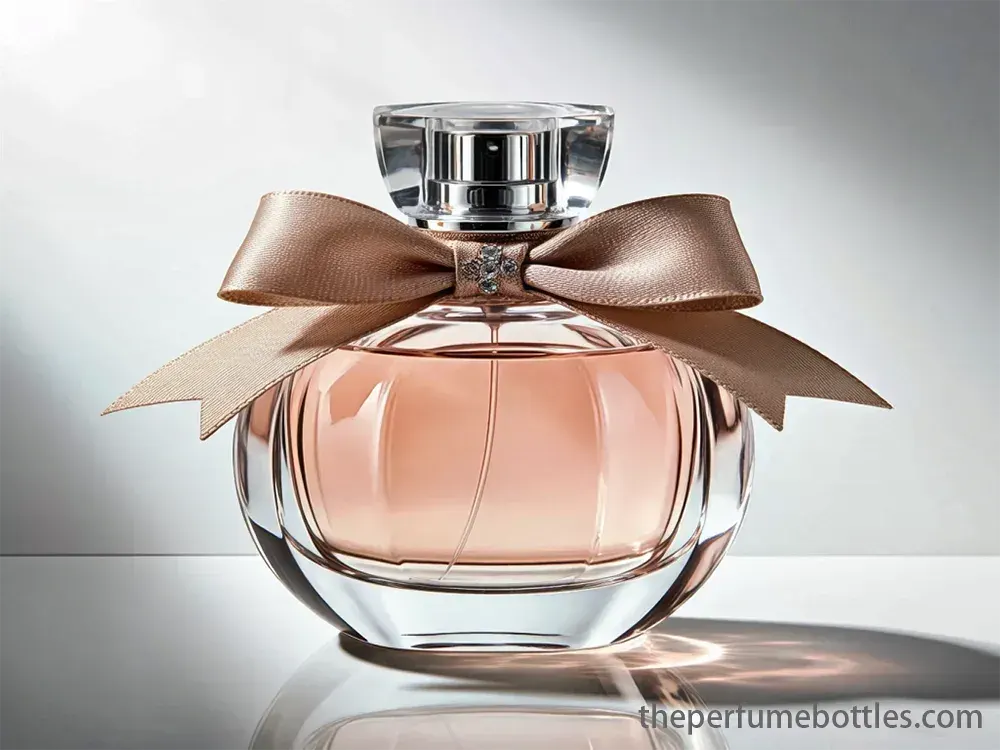
高級ブランドのためのエレガントなリボン型香水瓶デザイン
高級フレグランスのパッケージに最適な、優美なリボン型香水ボトルをご覧ください。当社のユニークなデザインで、あなたの香水ラインに魅力と優雅さをプラスしましょう。

すべてのバイヤーが知っておくべき香水瓶の供給トレンド
持続可能なデザインから革新的なパッケージング ソリューションまで、ビジネスの競争力維持に役立つ最新の香水瓶供給トレンドをご紹介します。
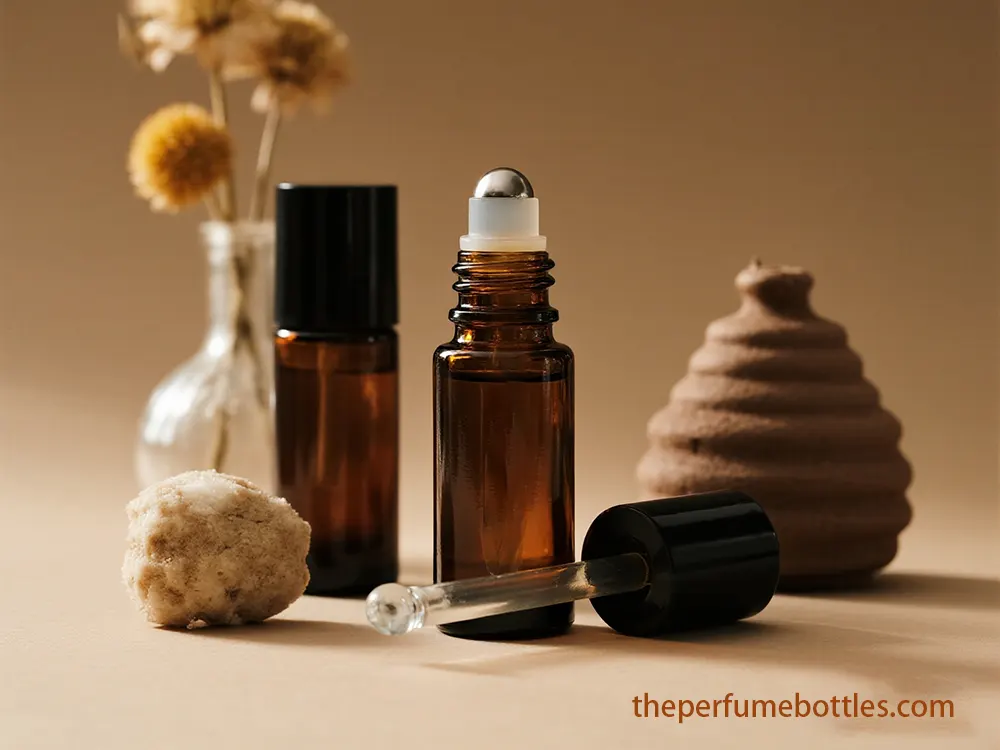
エッセンシャルオイルのロールオンボトルを購入する際に避けるべき5つの間違い
エッセンシャルオイルのロールオンボトルを購入する際に避けるべき5つの間違い - カバー素材、ローラーボールの品質
プレミアムビューティーブランド向けガラスローラーボトル卸売業者との提携による戦略的メリット
大手ガラスローラーボトル卸売業者が、強力な処方保護と世界的なコンプライアンスを備えた高品質で持続可能なカスタムパッケージを提供する方法をご覧ください。
- +86 186 5178 1159
- [email protected]
- 月~日 7:00~21:00
タグ
大手ガラス香水瓶販売店が提供する最高のカスタマイズオプション
06/03/2026
ガラス製香水瓶の大手ディーラーが提供する、最高のカスタマイズオプションをご覧ください。高級ブランド向けに、独自の金型、色、仕上げを提供する当社の取り組みをご覧ください。
ケーススタディ:ガラスローラーボトルの販売店の問題から安定した工場供給まで
25/02/2026
ガラス製ローラーボトルのディーラーの問題により、スペインの石油工場は、正確なフィット感、安定した品質、大量供給を備えた漏れ防止のカスタムローラーボトルを求めて当社に依頼しました。
カスタムか在庫か?ガラスドロッパーボトル販売店向けガイド
19/02/2026
ガラス製スポイトボトルの販売店をお探しですか?カスタムパッケージと在庫パッケージの比較ガイドをご覧ください。バイヤーのコストとブランド効果を最適化するお手伝いをいたします。
ケーススタディ:フランスのニッチな香水スタジオ向けのガラス製香水瓶のカスタマイズ
12/02/2026
フランスの香水スタジオ向けにガラス製の香水瓶をカスタマイズしました。グラデーションのフロストボトルと木製キャップを組み合わせ、ブランドイメージと店頭での魅力を高めました。
 JA
JA  EN
EN  FR
FR  IT
IT  DE
DE  NL
NL  PL
PL  RU
RU  PT
PT  FI
FI  ES
ES  DA
DA  SV
SV  RO
RO  CS
CS  ZH
ZH  KO
KO  AR
AR  TR
TR  ID
ID  EL
EL  HU
HU  BG
BG