
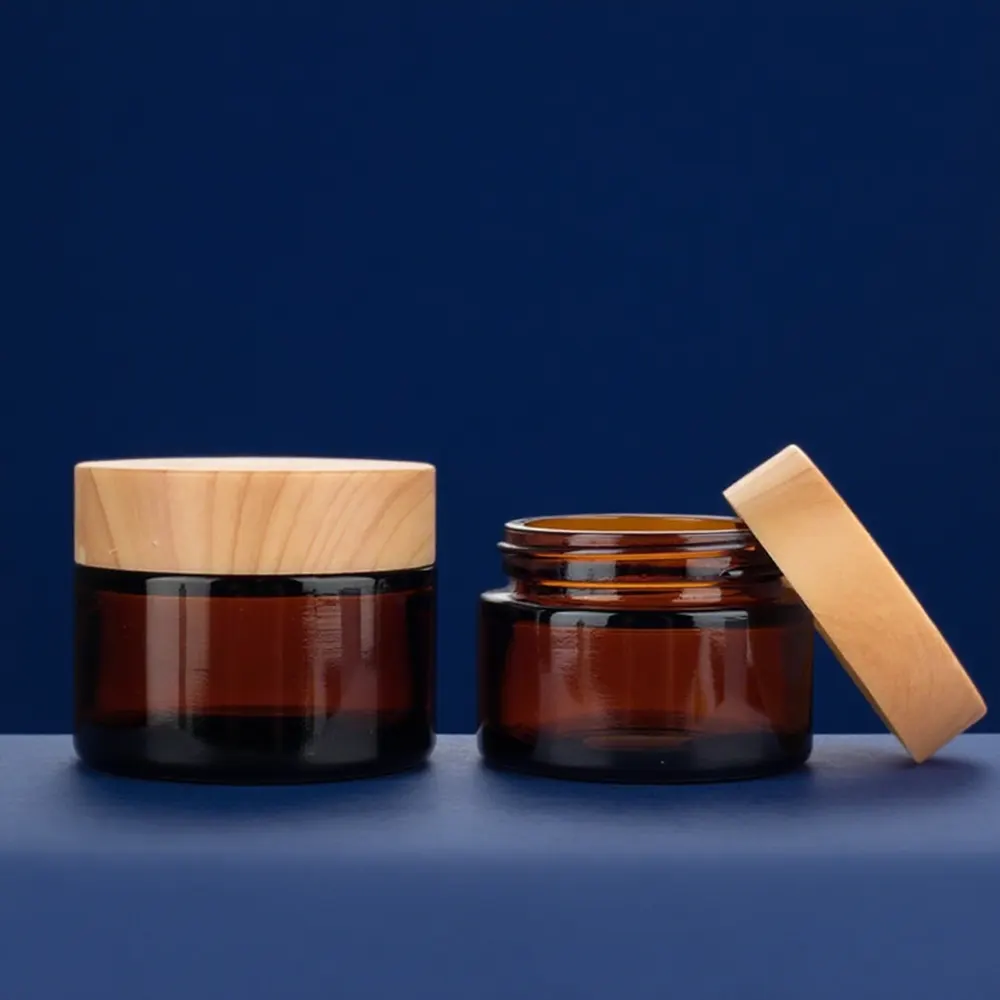
ガラス香水瓶メーカーがブランド差別化を推進する方法
目次
大手ガラス香水瓶メーカーが、マスマーケットブランドの差別化をどのように支援しているかをご覧ください。
1. マスマーケット向け香水におけるパッケージの力
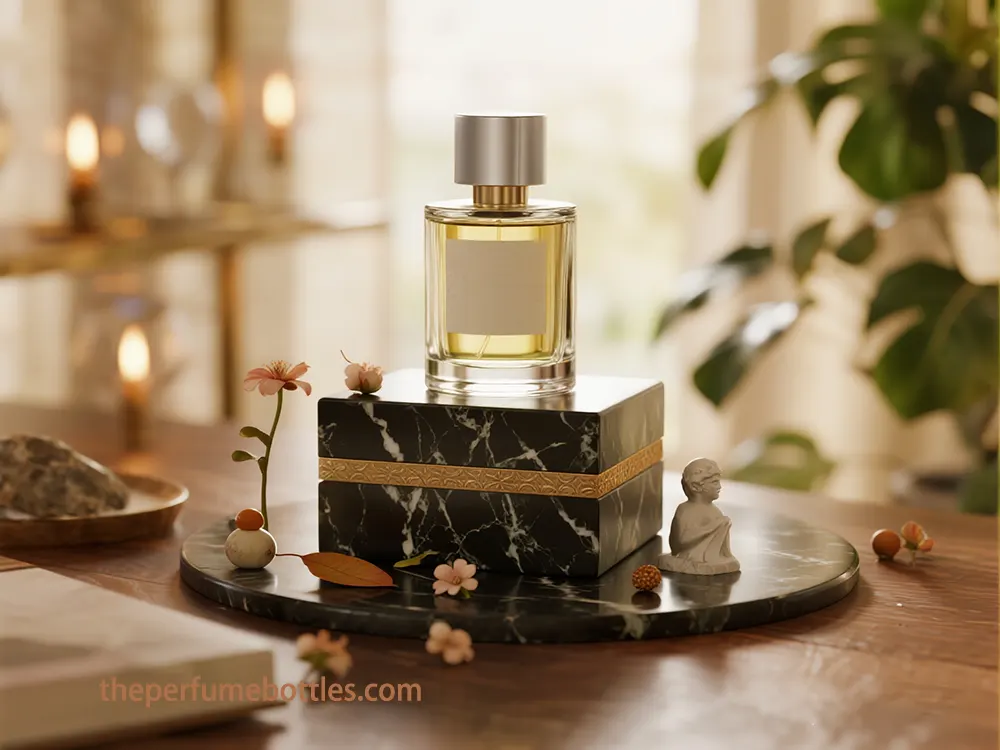
ほぼすべての小売店において、ガラス製香水瓶メーカーは重要な役割を果たしています。ボトルの外観は第一印象を決定づけ、香りを試す前から購買者の購入決定に影響を与えることも少なくありません。パッケージは「感情的なアンバサダー」として機能し、ブランドのアイデンティティとストーリーを伝えます。高品質なガラス瓶メーカーによって作られた、オーダーメイドのガラス瓶は、 ガラス製の香水瓶 フレグランスメーカーとして、フレグランスを「マストハブアイテム」へと昇華させ、ブランドの魅力を高め、感情的なつながりを深めています。
2. ガラス香水瓶メーカーのコア機能
大量生産ブランド向けのカスタム形状、色、キャップを効率的かつコスト効率よく生産するには、高度な製造技術が必要です。
無料サンプルを入手
2.1. 大量生産のための成形技術
「プレス&ブロー」法は、ガラス瓶の大量生産における主流の方法です。溶融ガラスを金型に押し込み、その後、空気圧で最終形状に成形します。「プレス&ブロー」法は、一般的なブロー成形と同様に、製品品質を一定に保つために、非常に正確で再現性の高い圧力制御を必要とします。
現在、マルチセクションマシンでは多数の独立したセクションが稼働しており、モーション制御アルゴリズムを備えた高度なPLC技術も活用されています。これにより、温度、タイミング、圧力をリアルタイムで監視できるため、均一な品質と高い生産速度を実現できます。
設計ソフトウェアは、容量(30ml、50ml、100ml)、ネック仕上げ(15mm~18mm)といった特徴を考慮しながら、3Dビジュアライゼーションを行うための鍵となります。最初のモデルは多くの場合3Dプリントされ、金型を作成する前に、形状、サイズ、重量(200~400g)、そして人間工学的な適合性を確認するために使用されます。
2.2. マスマーケット向けカスタマイズのための多様な装飾技術
幅広い装飾技術により、大量のパーソナライゼーションが可能になります。
- スクリーン印刷(シルクスクリーン) スクリーン印刷法(シルクスクリーンを使用)は、用途が広く、長持ちし、非常にシンプルです。また、PLC マシンを使用して簡単に自動化でき、さまざまな形状に 4 ~ 5 色(35 ~ 50 個/分)で印刷でき、UV 反応性インクやメタリック インクをサポートできます。
- ホットスタンプ(箔押し) 熱と圧力を加えることで、メタリック箔やカラー箔に、サテン、半光沢、あるいは高光沢といった特徴を持つ「新しい」表面が与えられ、高級感を演出します。ロボット化された機械は、様々なボトルに最大360度(最大2,500個/時)の装飾を施し、製品の高い価値を伝える手段を提供します。
- フロスティング(酸エッチング/サンドブラスト): この方法により、半透明のマット仕上げが得られ、ボトルの見た目と手触りが向上し、内容物を有害な光線から保護します。大量生産に適した装飾技術であり、比較的経済的です。
- スプレー塗装/カラーコーティング:食品に安全なスプレーコーティングは、ガラス表面に希望の色を「焼き付ける」方法です。大量生産の場合は、生産中に色を追加することも可能です。最新の方法としては、マーブルコーティングやサーモクロミズムコーティングなどがあります。
- UV印刷: この方法では、非常に薄いインクが紫外線ですぐに硬化するため、複雑なデザイン、グラデーション、写真画像など、非常に高解像度の印刷が可能になり、鮮やかさと長寿命が実現し、あらゆる規模の制作に適しています。
- パッド印刷: 他の印刷方法と比較して、このプロセスは遅いため、大量生産に使用する場合は、この技術的制限に対する解決策を見つける必要があります。しかし、複雑なデザインには最適であり、最大限の出力を得るためには、最も繊細な作業で最大限の精度を実現します。
- レーザー彫刻: 印刷された画像、ロゴ、またはテキストのトリミングを実行するのはレーザー ビームであり、このプロセスはソフトウェア制御されているため完全に自動化されています。
- 真空コーティング(メタライゼーション): これは真空装置の使用によって実現され、非常に薄い金属層を塗布することで反射性の鏡のような仕上がりとなり、製品を紫外線から保護するとともに、製品の高級感、耐摩耗性、耐腐食性を高めます。
- 群がる:おそらくナイロン製のポリマー繊維が、ベルベットのような「ソフトタッチ」技術で施されており、触感だけでなく、製品の高級感の視覚的な側面も高めています。
- ホログラフィックコーティング: これは耐久性のある真空イオンプレーティングプロセスであり、明るくカラフルで魅力的な虹色の層が追加されます。
2.3. キャップのカスタマイズと素材の選択
香水のキャップは、PP、ABS、サーリン、アルミニウム、ザマック、木材、アクリルなどの素材で作られており、価格だけでなく高級感にも影響を与えます。ABSは量販品の分野で広く使用されている素材で、その最大の特徴は、強度、靭性、加工のしやすさ、そして優れた質感です。さらに、UV、メタライゼーション、転写印刷などの加工を施すことで、個性的なデザインに仕上げることが可能です。ABSキャップに金属インサートを取り付けるだけで、高価なザマックのキャップに非常によく似た外観になり、中堅市場に適しています。サーリンは透明度が高くガラスのような質感で知られる素材で、製品をより魅力的で長持ちさせます。
プラスチックキャップにおいて、射出成形は極めて重要な役割を果たします。蓋やキャップ用の金型のコストは通常7,000ドルから40,000ドルです。16個取りのポンプヘッド金型は120,000ドル以上かかる場合もありますが、主要部品2つ(例:アクチュエーターとねじ付きカラー)を変更するだけで、金型費用を12,000ドルから15,000ドルまで大幅に削減でき、カスタマイズの度合いと量産コストのバランスを維持できます。キャップの重量を大幅に増やすだけで、製品価値は飛躍的に高まり、より高級感のある外観と感触が得られます。
2.4. 高速生産における品質管理と効率
原材料から完成品に至るまで、あらゆる段階で厳格な品質管理が行われています。自動検査システムでは、高速カメラ、赤外線センサー、精密測定ツールを活用し、検査対象物の360度寸法と欠陥をリアルタイムで確認できます。多段階検査(ホットエンドサンプリング、焼鈍後検査)は非常に重要です。さらに、炉温度、バッチ混合、金型検査の連続監視も同様に重要です。自動化システムにより、欠陥検出時間は8時間以上から30分に短縮され、廃棄物とCO2排出量を大幅に削減しました。
3. 戦略的差別化:ブランドストーリーテリングのためのカスタムガラス香水瓶
パーソナライズされたデザインのボトル、配色、キャップオプションは、マスマーケットブランドがブランドアイデンティティを表現し、顧客が認識するブランド価値を高め、消費者の注目を集めて肯定的な反応を得られる機能的な特徴を生み出すのに役立ちます。
3.1. ボトルの形状とデザインの記号論
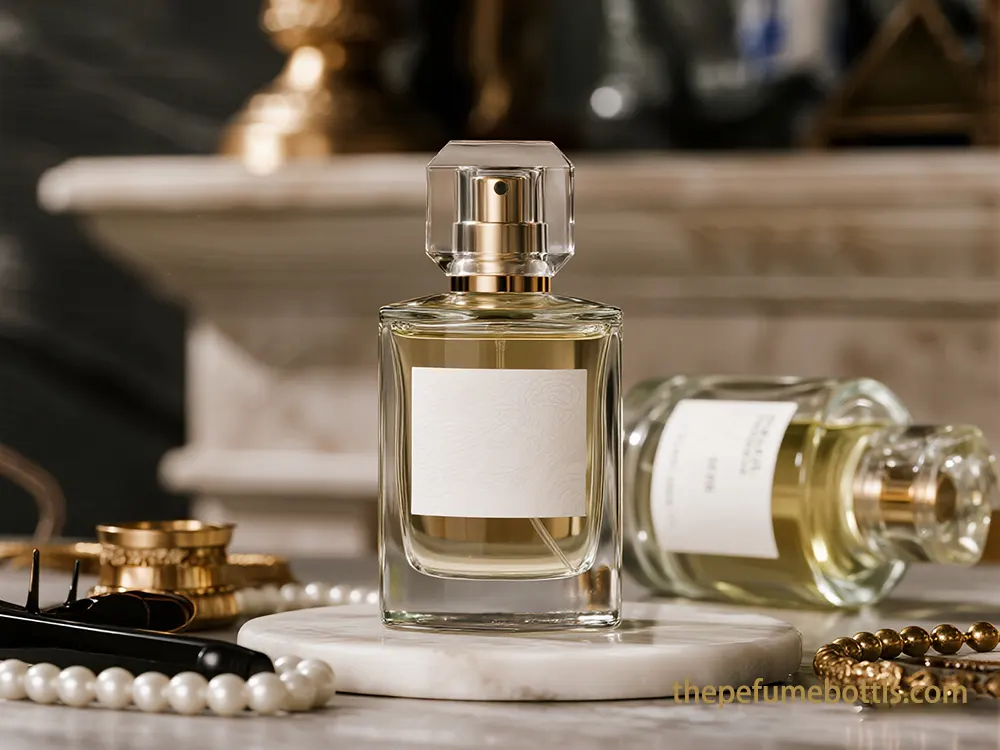
フレグランスボトル 香りは、ブランドのアイデンティティとストーリーを表現する「感情的なアンバサダー」であり、香りを体験する前から購買行動に最も大きな影響を与えます。形状、色、素材、キャップ、重量、ロゴ、タイポグラフィといったデザイン要素が相まって、消費者にブランドへの親しみを抱かせる多感覚体験を生み出します。
- 長方形/正方形 (例: シャネル No.5) は、精密さ、強さ、永遠の性質を表します。
- 曲線美/丸み (例: ジャン=ポール・ゴルチエ) は官能的で愛らしく柔らかな印象を与え、幅広い層の観客を魅了することができます。
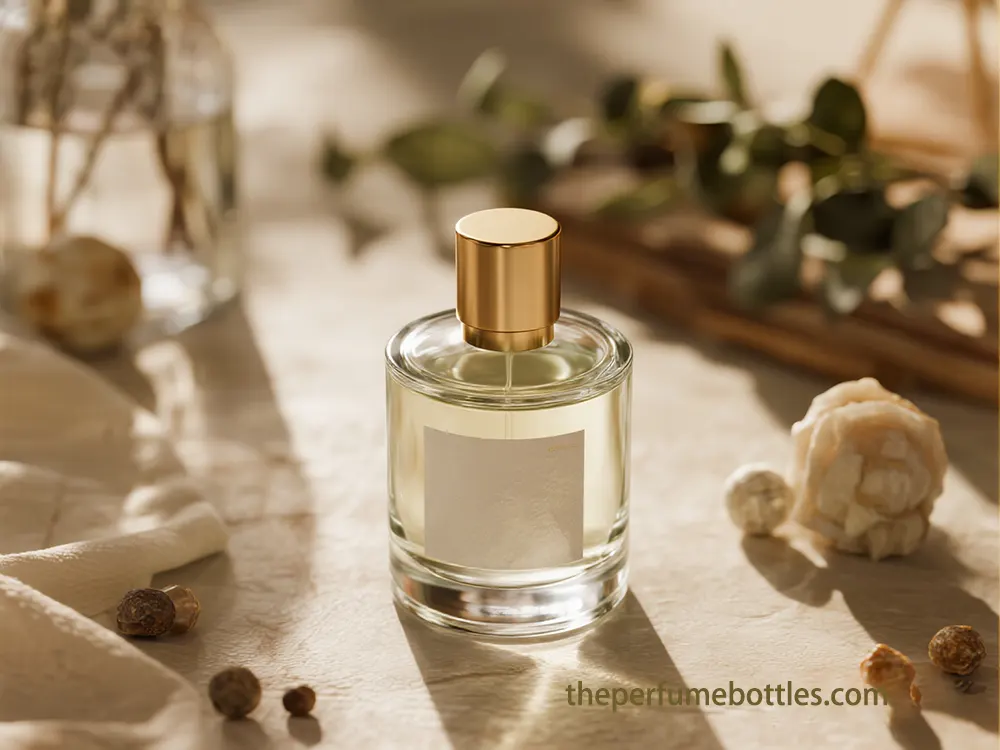
- 洗練されたミニマリストの円筒形 (例: Jo Malone、Byredo) はすべてモダンでシンプル、多用途なので、現代的でユニセックスなフレグランスに適しています。
- ユニーク/型破り (例: ティエリー・ミュグレーの「エンジェル」スター、モスキーノの「トイ」テディベア、キャロリーナ・ヘレラのハイヒール) は、アイデアをはっきりと表現し、その人の独自性を反映し、人々が簡単に覚えられる数少ないものの 1 つとなり、想起率を 30% 以上向上させます。
- 背が高くて細い ボトルはエレガントです。 幅広の形状 強さを伝える。
3.2. 色と仕上げの心理学
色彩心理学は香りの特徴と潜在的な消費者に対応します。
- 暖色系 (赤、オレンジ、黄色)元気が出る感じ。
- クールな色 (青、緑) リラックスした印象を与えます。
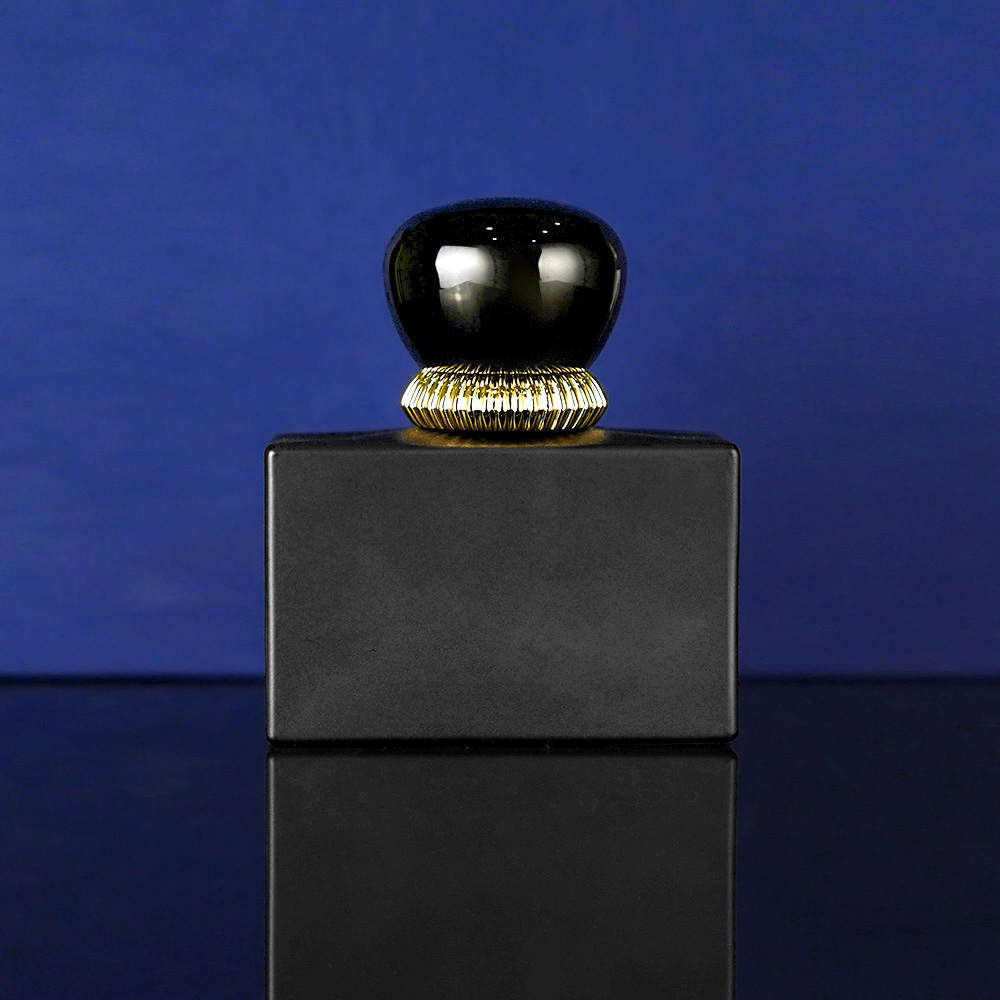
- ニュートラルカラー (黒、白)は高級感を表現します。
- ピンク 愛を示すものである。 メタリックトーン (ゴールド、シルバー)高級感を与えます。
- グラデーション/ツートンデザイン ますます人気が高まっています。
- ボトルの色によっても、人の嗅覚は変わります。
質感や仕上げは、視覚だけでなく触覚にも訴えかけます。すりガラスは、素材がミニマルなエレガンスを醸し出す完璧な例です。マット仕上げは洗練されたスタイルを演出し、光沢のある輝きや結晶化するコーティングは、永遠の輝きを感じさせます。メタライジングは、アイテムに高級感を与えます。ソフトタッチのラベルやエンボス加工のロゴは、触覚を通して高級感を表現します。
3.3. ターゲット層とのつながり
成功しているブランドは、顧客の好み、文化、購買行動を分析して把握しています。
- 女性消費者: 品質、外観、色、製造などの側面を優先することで、感情的かつ美的に魅力的なカスタムボトルのトレンドにつながります。
- 若い世代(Z世代、ミレニアル世代)自分たちの価値観(例:倫理的な調達)を反映した、パーソナライズされた、本物でカスタマイズされた香りを求めています。ユニークで見た目も美しく、「インスタ映え」し、ソーシャルメディアでのエンゲージメントにつながる製品には、より高い価格を支払う意思があります。
- 文化的なニュアンス: パッケージのデザインは文化的価値観を反映しています。たとえば、中東市場は鮮やかな金色と複雑な模様の使用が特徴ですが、アジアのデザインはシンプルさに重点を置いています。
3.4. 美学を超えて:人間工学とインタラクティブ要素
機能性とユーザーエクスペリエンスは不可欠です。キャップの密閉不良、使いにくいノズル、不自然な形状などは、ユーザー満足度を低下させる要因となります。パッケージは製品を保護するだけでなく、使いやすさ(人間工学、グリップ、サイズ、容量)も考慮する必要があります。
QR コード、NFC タグ、AR 機能などのインタラクティブなコンポーネントにより、開梱時の体験が充実し、製品情報が提供され、ユーザーの関与が促進されるため、パッケージが「Instagram に投稿したくなる」ものになります。
無料サンプルを入手
4. 価値の最適化:マスマーケット向けカスタマイズのコストとROI
カスタムガラス香水瓶への投資は、他にはない特徴とリーズナブルな価格のバランスを取ることが不可欠です。投資収益率(ROI)は、売上にとどまらず、ブランドエクイティとロイヤルティの向上にもつながります。
4.1. コスト構成要素と規模の経済
コストは以下によって影響を受けます:
- 金型作成:主な障壁は初期投資であり、複雑な設計の場合は通常 3,000 ~ 10,000 ドル以上、最大で 50,000 ドルに達することもあります。
- 原材料:通常のガラスはボトル 1 本あたり 0.50 ~ 5 ドル、プラスチック部品/アトマイザーは 0.10 ~ 1 ドル、高級金属部品はボトル 1 本あたり最大 10 ドルです。
- エネルギー消費量: エネルギーの大部分、すなわち 70% は溶解/精製に使用され、したがって総生産コストの 20~30% を占めます。
- 人件費:組み立て、品質管理、梱包には1本あたり0.50~2ドルかかり、これは総生産量の40~70%を占めています。また、人件費の低い地域では、取引先の人件費も削減されています。
- 装飾/仕上げ:標準的な装飾は 1 本あたり 0.10 ~ 0.50 ドル、複雑な詳細は 0.50 ~ 2 ドル、極度にカスタマイズされたサービスは 75 ドル以上です。
- 物流/梱包: 送料0.02~0.10/個、外箱0.50~10+。
それが達成の理由です 規模の経済 非常に重要です。1ユニットあたりのコストは、生産量に応じて大幅に減少します。少量生産の場合は1ユニットあたり5~10ドルですが、大量生産の場合は1ボトルあたり1~3ドルです。フルカスタムデザインは通常、最小注文数量(MOQ)が高く、ほとんどの場合10,000ユニット以上ですが、工場によっては最低限の経済的採算性を確保するために50,000~300,000ユニットを必要とする場合もあります。
ストックデコレーションは、金型費用がかからず最小発注量(MOQ)も低い(500~3,000個)ため、スタートアップにとってより便利であり、市場テストの財務リスクは最小限に抑えられます。
4.2. 投資収益率(ROI)の測定
カスタムパッケージングは、多くの利益をもたらす計画的なビジネス戦略です。
- 消費者への影響: ほとんどの場合 (72%)、消費者はどの製品を購入するかを決める主な判断基準としてパッケージを使用しており、そのうち約 60% は魅力のないパッケージを避けています。
- ブランド想起/認識: これにより、ブランドを 58% 記憶しやすくなり (Nielsen、2023 年)、ユニークなアイコンが作成されます。
- 知覚価値/プレミアム価格設定: 最大のメリットの一つは、消費者の認識価値を高め、より高い価格設定を可能にすることです。消費者は高品質のパッケージに対し、最大35%も高い価格を支払う意思があります。
- 直接販売の向上: カスタムパッケージは、売上を最大40%、実店舗での売上を最大30%増加させる可能性があります(NielsenIQ)。美しいボトルは、消費者の購買意欲を25%高めます。
- 戦略的差別化: 2030 年までに 350 億ドルに達すると予想される市場で生き残るための必須条件です。
- ブランドロイヤルティ/感情的なつながり: ブランドへの愛着を通じて、満足した顧客は自発的に繰り返し購入を促します。
- 価値ドライバーとしての持続可能性: 消費者の 52% が環境に優しいブランドを選択し、環境に優しいコミュニケーションにより売上が 28% 増加しています (McKinsey、2023)。
- 偽造防止: 独自に作られたカスタムシェイプを模倣するのは困難です。
- 運用効率: 破損した商品とそれに関連する費用のかかるサイクルから会社を解放するのに役立ちます。
- 「開封体験」: 関係者間の相互コミュニケーションをソーシャル メディアによって可能な限り最高レベルで促進し、話題性のあるマーケティングを実現します。
主要業績評価指標(KPI)には、売上高、顧客満足度、ブランド認知度、業務効率、エンゲージメント、返品率が含まれます。さらに、ブランド想起率と顧客生涯価値も非常に重要です。財務モデリング(時系列分析、重回帰分析)は、ROI予測の手法の一つです。
5. 持続可能なソリューション:大衆市場への訴求力のある環境に配慮したカスタマイズ
環境に優しい製品に対する消費者の需要の高まりにより、大量生産されるガラス製香水瓶の持続可能な製造が進んでいます。
5.1. リサイクルコンテンツと軽量化
- リサイクル素材(PCRガラス):使用済み消費者リサイクル(PCR)ガラスの使用は、二酸化炭素排出量の削減とバージン素材の需要増加を目指す業界のトレンドです。一部の企業はPCRガラスの使用率を最大60%にまで高めており、ロクシタンは100%使用しています。2021年のEUにおけるリサイクルガラス使用率の平均は52%でした。
- 軽量化: 強度や外観を犠牲にすることなくガラスの使用量を削減することで、環境面でも経済面でもメリットがもたらされます。原材料の使用量削減、生産・輸送コストの削減、そしてCO2排出量の削減です。現在、ボトルは20年前のものより30%軽量化され、CO2排出量は50年前より70%削減されています。ホウケイ酸ガラスは、より薄く、同時に耐久性の高い壁面を実現するのに役立っています。
5.2. 詰め替え可能なシステムと消費者の採用
詰め替え可能な香水システムの使用は、廃棄物の削減だけでなく、コスト削減にもつながります。ゲランやミュグレーといった高級ブランドは詰め替え可能な製品ラインを展開しており、これにより廃棄物を最大45%削減しています。世界の詰め替え可能な香水ボトル市場は、2025年までに15億ドル規模に達し、2025年から2033年にかけて年平均成長率(CAGR)7%で成長すると予測されています。
Haptic Finishes:
5.3. 認証および規制の枠組み
持続可能性を推進する認証:
- クレードル・トゥ・クレードル認定™: 評価には、物質の健全性、物質の再利用、水の管理、再生可能資源からのエネルギー、社会的公平性が含まれます。
- B Corp認証: 優れた社会的・環境的パフォーマンスを認めます。
- エコサート認証: 原料、製造、パッケージに関して非常に厳格な基準を満たしたオーガニック/ナチュラル化粧品を認証します。
- EcoVadisの評価: 環境、労働と人権、ビジネス倫理、持続可能な調達の側面をカバーします。
- グローバルリサイクル基準(GRS):リサイクルされたコンテンツとサプライチェーンの実践に関する証拠を提供します。
- FSC認証板紙: 責任ある管理が行われた森林からの木材で作られた外装パッケージ。
EUの規制、例えば包装および包装廃棄物規制(PPWR)(2026年半ば)では、統一された再利用システム、デポジット返還制度、そして2030年までにリサイクル可能な包装の導入が求められています。また、廃棄物削減目標(2030年までに5%、2035年までに10%、2040年までに15%)が定められ、「懸念物質」の削減や拡大生産者責任(EPR)の実施も求められています。
5.4. 持続可能な包装に対する消費者の支払い意欲
ほとんどの消費者は、持続可能なパッケージにより多くのお金を払うでしょう。Trivium Packagingの2023年レポートによると、消費者の82%がより多くのお金を払うと回答しており、これは前年から増加しています。消費者は、一部が紙でできているパッケージには16%高い金額を支払う用意があります。回答者の63%は、詰め替え可能な美容製品の購入を促進するために、10~20%の価格削減を期待すると回答しています。特に若い消費者と高所得者は、より高額な支払いをすることに関心があり、喜んで支払う意思があります。
持続可能なカスタマイズのための推奨ソリューション:
- 補充エクスペリエンスの向上: 使いやすく、こぼれないデバイス、わかりやすい説明書、そして「スマートパッケージ」。
- 戦略的価格設定/価値コミュニケーション:一方では長期的な節約に注目してもらい、他方では段階的な価格設定(詰め替え時に 10 ~ 20% 安くするなど)を提供することができます。
- 可用性/可視性の向上: より幅広い顧客層が製品にアクセスしやすくするために、店内の看板を明確に表示します。
- マーケティング/透明性の強化: 製品の環境的利点を明確に伝え、「エコラベル」を使用して信頼を促進し、「グリーンウォッシング」に対抗します。
- 美的/品質の認識に対処する:製品の高級感と見た目の魅力を保ち、ソーシャル メディアにも適した、環境に優しいパッケージを作成します。
- 態度と行動のギャップを克服する:便利で手頃な価格、そして見た目も美しい持続可能な選択肢を消費者に提供します。
6. 未来の展望:マスマーケット向け香水瓶カスタマイズの革新
大量市場の香水瓶のカスタマイズの将来は、進歩的な技術、洗練された素材、そしてパーソナライゼーションと環境への配慮に対する変化するニーズによって左右されます。
6.1. ガラス製香水瓶メーカーがデザインとハイパーパーソナライゼーションにAIを活用する方法
AIはトレンドや人口統計を調べて最適なレイアウト、色、画像を見つけ出し、パッケージデザインを改革します。そのため、デザイン部分が容易になります。DesignNBuyなどのプロセスでは、ライブ変更や結果が要求される印刷に役立つAIデザインツールにアクセスできます。Packify.aiは製品の画像を作成し、ユーザーの指示からアイデアを取得するため、デザインプロセス全体が迅速に完了します。Fragrance InnovatorなどのAIツールは、クリエイティブなボトルデザインのインスピレーションの源として機能し、さまざまな分野からの入力が可能です。このテクノロジーがあれば、個人用ボトルのカスタム生産を通じて、通常の汎用低コストの消費者向けパッケージをほとんど使用しなくなることが容易に想像できます。つまり、生体認証データは、各人のユニークな製品を入手できるようにするためのボットスパムラベルのフィジタルIDを運ぶ媒体として機能する可能性があります。
無料サンプルを入手
6.2. 先進製造業とデジタル印刷
- 3Dプリント: 大規模利用を想定したガラス瓶のダイレクト3Dプリント技術はまだ初期段階ですが、一方で、工芸品の初回生産、オンデマンドの装飾、オーナメントとして既に広く利用されています。そのため、研究開発、パッケージデザイン、そしてブランドや製品のコミュニケーションタイミング、コンテンツ、プレゼンテーション、アクティベーションといったマーケティング活動にも活用できます。ヴィクター&ロルフは、複雑な花模様をあしらった限定版フラワーボムの制作に3D手法を採用しました。
- ガラスへの直接印刷: デジタル印刷は、写真のようにリアルなマニュアルや複雑なパターンをサポートし、見た目に魅力的で、細部までこだわった色鮮やかな画像をガラスに直接印刷できる点で、まさに「ゲームチェンジャー」です。UV 印刷では、ロゴはどんな色でも使用できます。テキストは純白で、印刷によるメタリック効果は、単一ユニット (1~2 個) でもガラスに直接施すことができます。上記の技術により、ガラス容器用の耐久性があり信頼性の高い目立つラベルのアイデアが提案されています。
6.3. ARとスマートパッケージによる没入型消費者エンゲージメント
AR(拡張現実)は、パッケージ業界にとって、次世代の消費者エンゲージメントを実現する頼りになるツールです。AR搭載スマートフォンでパッケージをスキャンすると、没入感のあるバーチャル開封体験、香りのストーリー、光学的な香りのプロファイル、あるいはカスタマイズされたボトルの一人称視点といった体験が得られます。ジョー・マローンのAR体験は、香りの繋がりを明らかにします。パコ・ラバンヌの小型NFCチップを搭載した「コネクテッド」ボトルは、ゲーム、プレイリスト、AR機能へのアクセスを提供するだけでなく、ユーザーにユニークでインタラクティブな体験を提供します。この「スマートパッケージ」(QRコード、NFCチップ)は、リアルタイムの偽造防止、ブランドストーリーテリング、そして特別な顧客エンゲージメントも可能にします。
6.4. ガラス組成とコーティングにおける革新
- 新しいガラス配合:
- 超軽量ガラス: 製造・輸送におけるCO2排出量を削減し、コストも削減します。Verescenceは、高級感を損なうことなく、全体重量を最大60%削減することに成功しました。ホウケイ酸ガラスを使用することで、より薄く、より耐久性の高い壁を実現しました。
- 高強度ガラス: ホウケイ酸ガラスは、複雑な形状に対しても耐熱衝撃性を備えています。そのため、様々なコーティング技術を用いることで、製品の性能と耐久性を向上させることができます。
- 鮮明度の向上: スーパーフリントガラスは、その卓越した透明度により高級フレグランスのパッケージに選ばれています。
- 高度なコーティング:
- 傷/薬品耐性: GLASNOL®タイプのコーティングは、処理された表面に高光沢効果をもたらすだけでなく、経年劣化による摩耗や損傷への耐性も向上させます。メタライゼーション(UVコーティング)により、摩耗、腐食、傷に対する保護性能が向上します。
- UV保護コーティング: シュトエルツレ社のルミコート(2024年10月発売)は、優れた光学透過性を備えた紫外線カット剤です。ハインツグラス社の「インビジブルシールド」は、UVニスを一体化した製品です。このナノコーティングは、透明ボトルにおける紫外線遮断率99%を目指しています。
- 触覚仕上げ: マットコーティングは、モダンでエレガントでありながら、サテンのような質感も実現しています。フロック加工素材は、柔らかさとベルベットのような質感を再現しています。
- スマートコーティング: サーモクロミズムは温度によって色が変化します。研究者たちはセルフクリーニングガラスの開発を検討しています。ホログラフィックコーティングは、虹彩効果を得る方法の一つです。
6.5. 代替透明材料と費用便益分析
業界では従来のガラスに代わる可能性のあるものを検討しています。
- バイオベース/リサイクルプラスチック: ダウはLVMHと提携し、バイオベース素材(使用済み食用油など)やプラスチック廃棄物の活用に取り組んでいます。生分解性プラスチック(サトウキビやコーンスターチ由来)の将来は、環境の観点から明るいと見られています。パルプ成形包装は、衝撃吸収性と生分解性の優れた組み合わせです。
- 代替透明素材: アクリルは軽量で透明度が高く、衝撃にも壊れにくいという特徴がありますが、ガラスのような質感が得られず、リサイクルが難しいという欠点があります。耐薬品性と耐久性が求められる製品には、PETとPVCが最もよく使用される素材です。
- 軽量金属: アルミニウムとステンレススチールは、モダンな外観、耐久性、リサイクル性を完璧に組み合わせており、香りを長持ちさせるための光と空気のバリアを提供します。
費用便益分析:軽量ガラスの使用は大幅なコスト削減につながります。プラスチックボトルは、量販香水業界にとって依然として安価なソリューションとなっています。メタライゼーションなどのカスタマイズ装飾は、経済的な差別化を図る手段です。環境に優しい素材は当初は多少高価かもしれませんが、新たな技術によってコストを削減し、持続可能性とブランドイメージのバランスをとることを目指しています。
世界の香水パッケージ市場は、2032年までに59億5,000万米ドルに達し、年平均成長率(CAGR)6.93%で成長すると予測されています。パーソナライズされた香水ボトルの世界市場は、2027年までに38億米ドルに達し、年平均成長率(CAGR)7.2%で成長すると予測されています。これらのブレークスルーは、今後5~10年の間に、マスマーケット全体でこれらの技術がカスタマイズとハイパーパーソナライゼーションのために急速に導入されることを示唆しています。
6.6. 循環型経済モデルのベストプラクティス
ガラス球形モデルの成功は再利用を優先しています。Rewineのような企業は、ボトルの返却を促すことでボトルの85%の再利用を実現しており、Sustainable Wine Solutionsはボトル返却制度によって二酸化炭素排出量を95%削減しました。これには、消費者の積極的な参加とインフラ整備が不可欠です。
6.6. 規制圧力とインセンティブ
各国政府は、義務化、使い捨てプラスチックの制限、拡大製造者責任(EPR)プログラムなど、持続可能な包装に関する規則を実施しています。欧州連合(EU)のPPWR(プラスチック包装・リサイクル・ルール)は、調和のとれた再利用システム、デポジット回収計画、野心的なリサイクル目標(ガラスの75%)、そして2030年までに住宅における小型使い捨て化粧品の規制を含む廃棄物削減目標を掲げています。
6.7. 詰め替え可能な美容市場を牽引する人口動態
環境意識の高いミレニアル世代(73%がサステナブルブランドを好んでいる)とジェーンZ(75%が環境への影響を重視する習慣)は、詰め替え可能な美容製品市場を運営しています。女性が多数派を占める一方で、男性はジェンダープレートシステムへの関心が高まっています。高所得の消費者は、高品質で耐久性のある製品への投資に熱心です。
7. 結論:多用途包装の未来
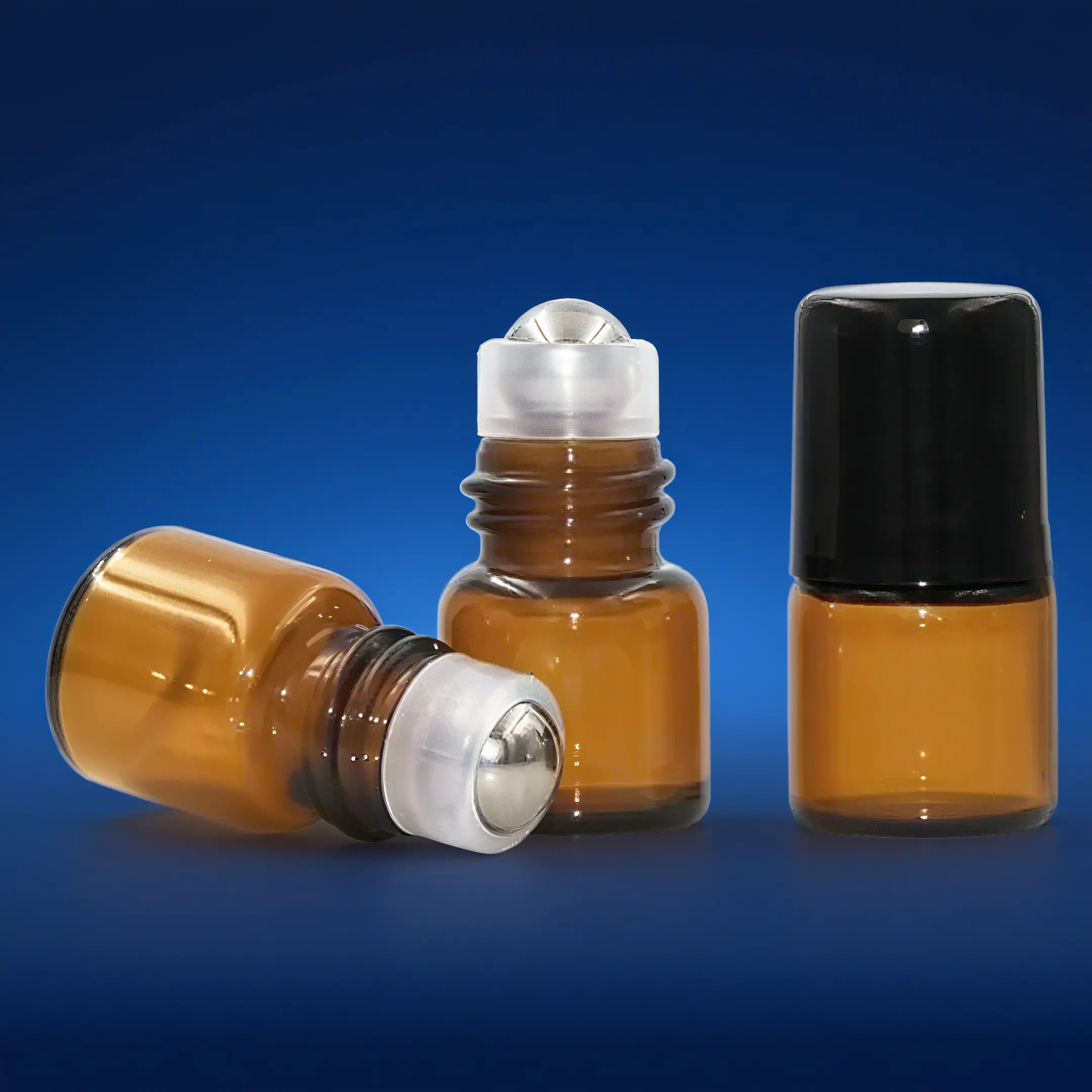
小型ガラス製ロールオンボトルは、ダイナミックでインパクトのあるパッケージソリューションです。化学的不活性、紫外線カット(特にホウケイ酸ガラスと琥珀色ガラス)、そして様々なローラーボール素材により、精度と製品の完全性が確保されています。エッセンシャルオイルだけでなく、スキンケア、鎮痛剤、ネイルケア、ペット用品、天然虫よけなどにも用途が広がり、その汎用性は驚異的です。
優れた携帯性、コントロールされた吐出、そしてクリーンな塗布を特徴とするユーザーエクスペリエンスは、依然として重要な推進力となっています。利便性、パーソナライゼーション、そしてサステナビリティへの需要が高まり、市場動向が変化する中で、ロールオンボトルは継続的な成長が見込まれます。高度な吐出メカニズム、スマートパッケージの統合、そして持続可能な素材といった今後のイノベーションは、責任あるパッケージにおけるロールオンボトルの地位をさらに強化するでしょう。
で ベッセルクス私たちは、機能的で美しく、環境に配慮し、適応性に優れたパッケージを構想しています。小さなガラス製のロールオンボトルは、このアプローチを象徴するものであり、伝統と革新を融合させ、多用途で持続可能なパッケージングという業界の未来を形作っています。
コメント
製品カテゴリー
人気ボトル

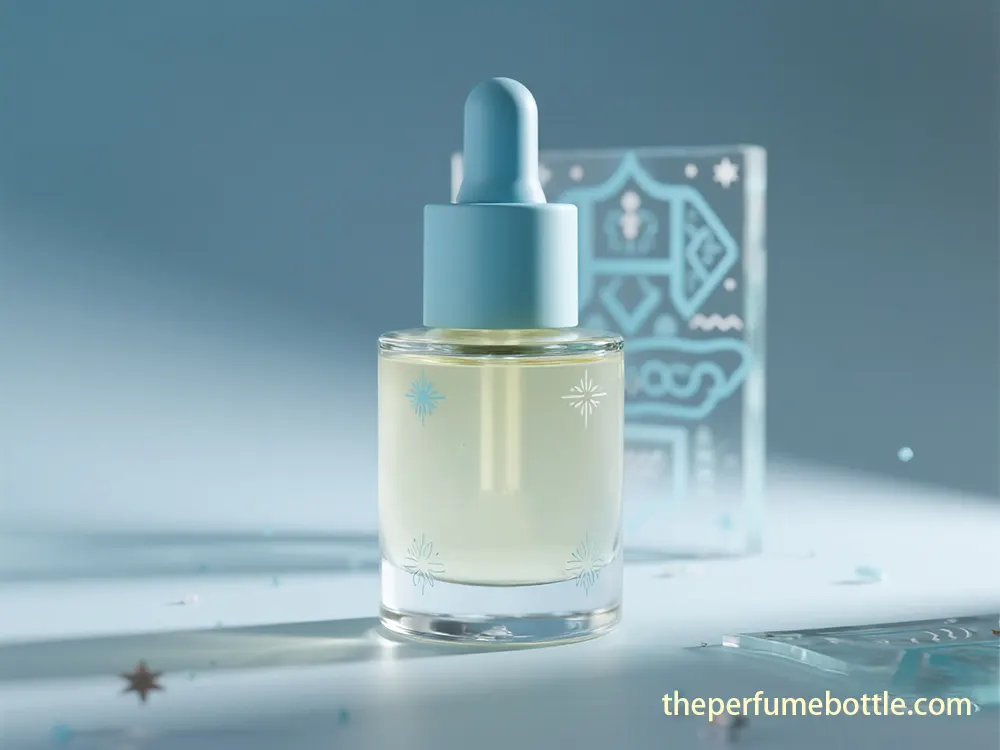
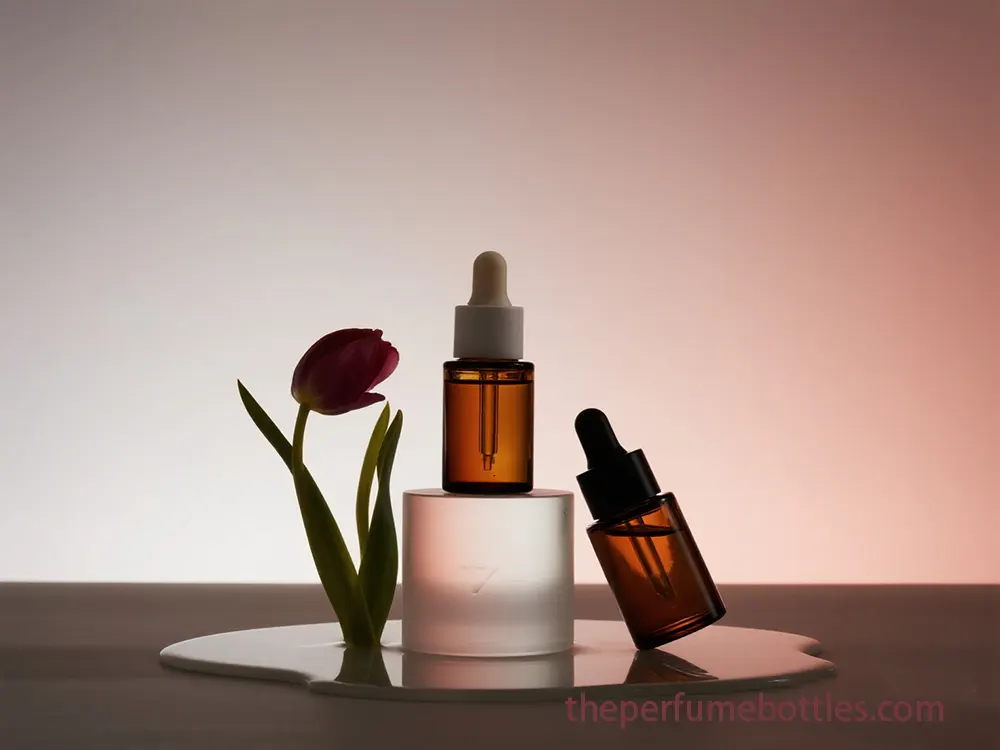
ケーススタディ:ドイツのフレグランスブランド向けカスタムガラス製琥珀色ドロッパーボトルの製造
完璧な色の均一性、UV 保護、プレミアム品質を備えたカスタムガラス琥珀色のスポイトボトル。スキンケアとエッセンシャル オイル用に作られています。
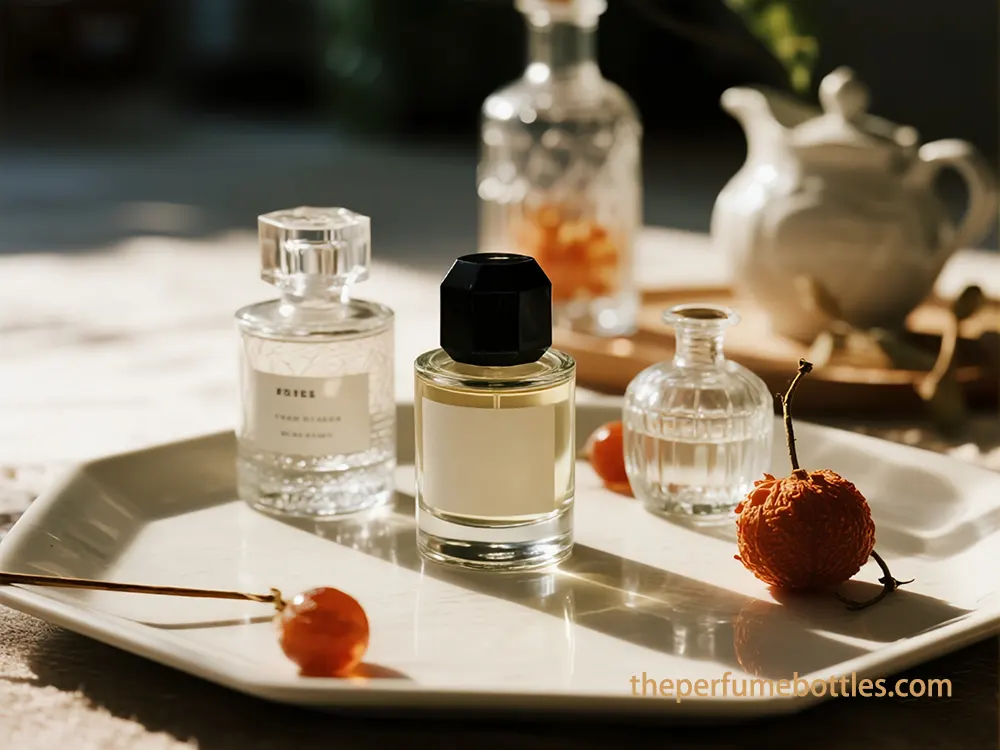
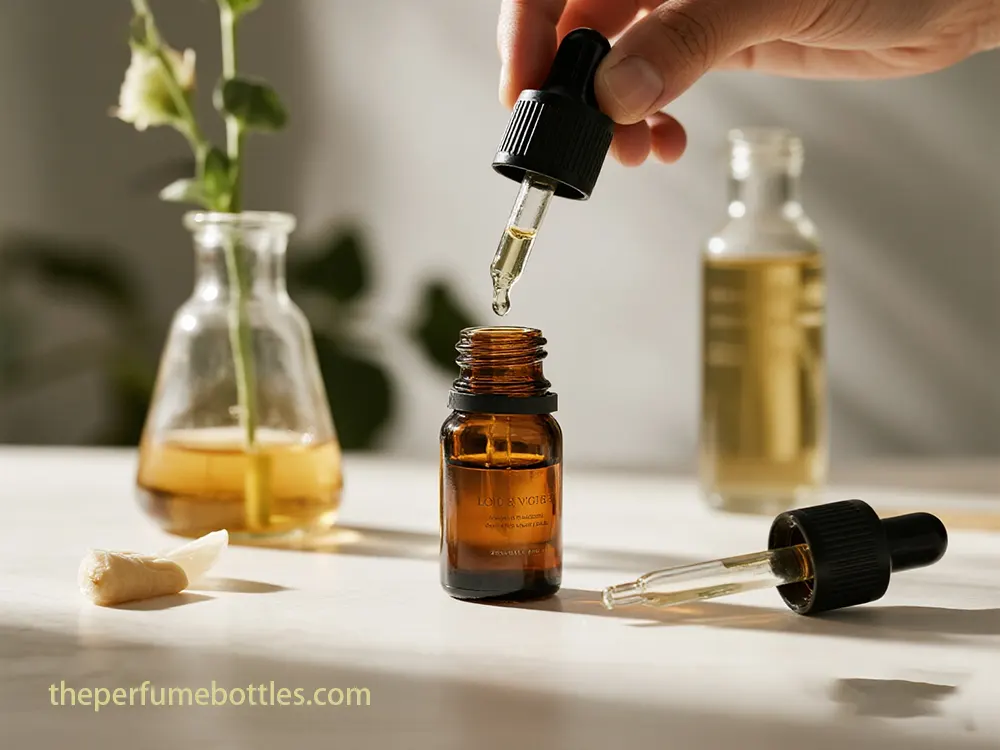
アロマセラピーブランド向けエッセンシャルオイルガラスボトルによるラグジュアリーなポジショニング
エッセンシャルオイルのガラスボトルでアロマセラピーブランドをレベルアップ。ラグジュアリーなデザインとサステナビリティを追求した
- +86 186 5178 1159
- [email protected]
- 月~日 7:00~21:00
タグ
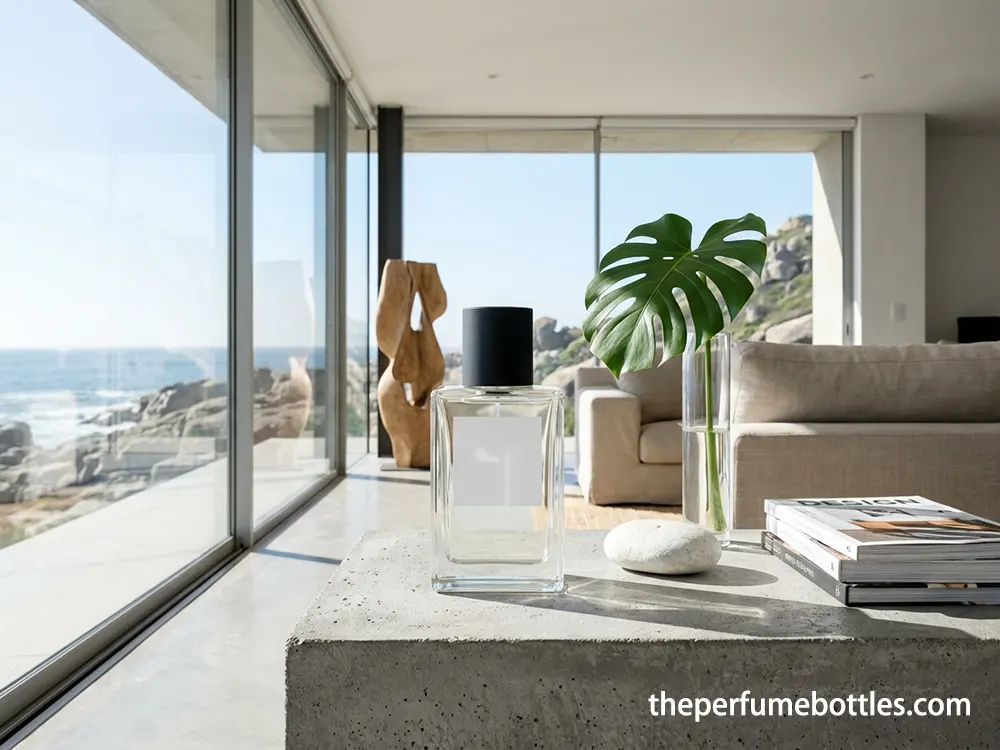
大手ガラス香水瓶販売店が提供する最高のカスタマイズオプション
06/03/2026
ガラス製香水瓶の大手ディーラーが提供する、最高のカスタマイズオプションをご覧ください。高級ブランド向けに、独自の金型、色、仕上げを提供する当社の取り組みをご覧ください。
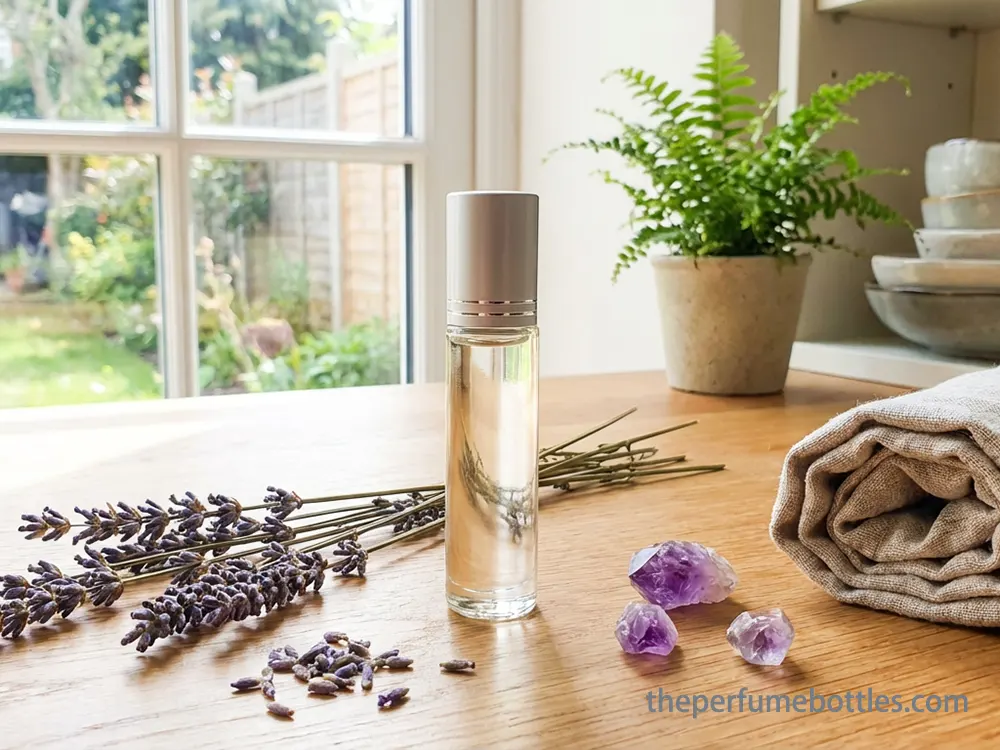
ケーススタディ:ガラスローラーボトルの販売店の問題から安定した工場供給まで
25/02/2026
ガラス製ローラーボトルのディーラーの問題により、スペインの石油工場は、正確なフィット感、安定した品質、大量供給を備えた漏れ防止のカスタムローラーボトルを求めて当社に依頼しました。
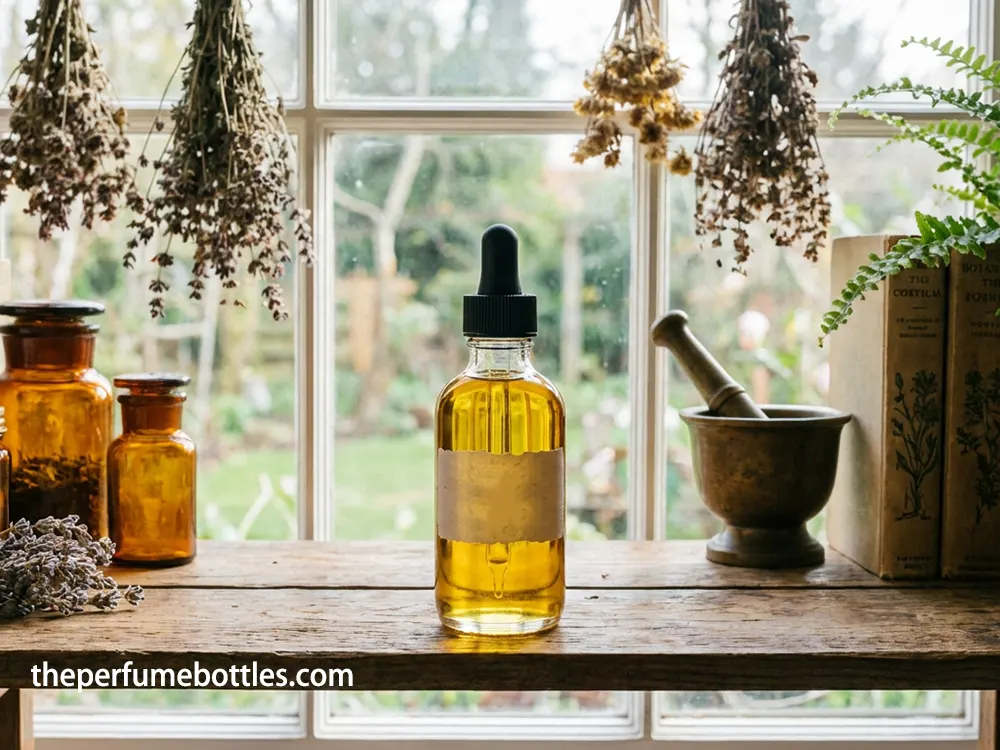
カスタムか在庫か?ガラスドロッパーボトル販売店向けガイド
19/02/2026
ガラス製スポイトボトルの販売店をお探しですか?カスタムパッケージと在庫パッケージの比較ガイドをご覧ください。バイヤーのコストとブランド効果を最適化するお手伝いをいたします。
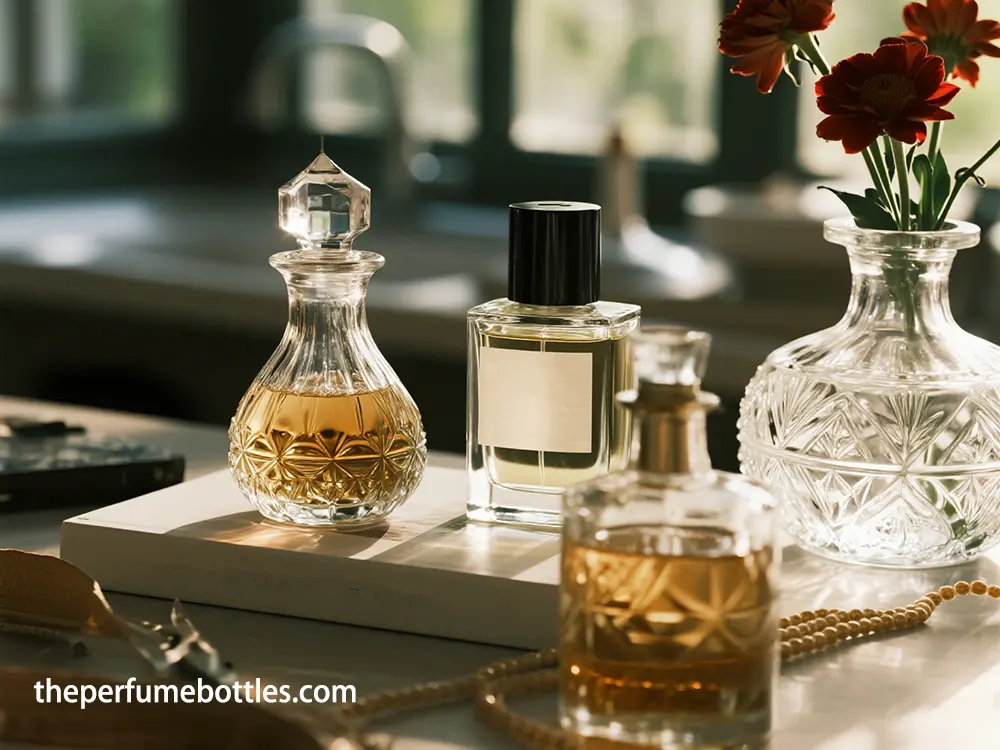
ケーススタディ:フランスのニッチな香水スタジオ向けのガラス製香水瓶のカスタマイズ
12/02/2026
フランスの香水スタジオ向けにガラス製の香水瓶をカスタマイズしました。グラデーションのフロストボトルと木製キャップを組み合わせ、ブランドイメージと店頭での魅力を高めました。
 JA
JA  EN
EN  FR
FR  IT
IT  DE
DE  NL
NL  PL
PL  RU
RU  PT
PT  FI
FI  ES
ES  DA
DA  SV
SV  RO
RO  CS
CS  ZH
ZH  KO
KO  AR
AR  TR
TR  ID
ID  EL
EL  HU
HU  BG
BG