
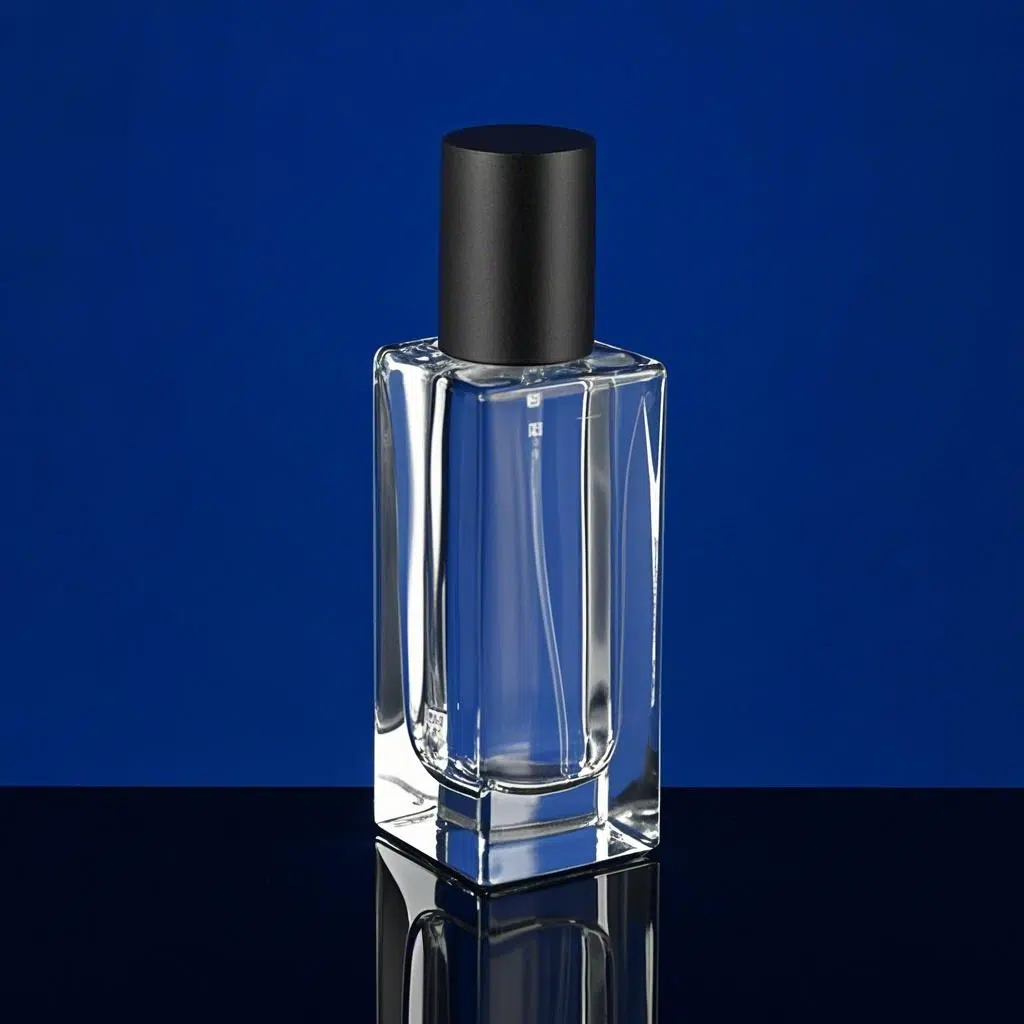
2025~2032년 향수병 공급업체 동향
목차
향수병 공급업체가 혁신, 맞춤화 및 지속가능성을 통해 2025년부터 2032년까지 변화하는 소비자 요구에 어떻게 적응하는지 살펴보세요.
안정성, 민영화, 디지털 통합에 대한 소비자의 요구로 인해 글로벌 향수 포장 시장은 변화하고 있습니다. 본 보고서는 향수 포장 시장의 주요 동향과 적응 전략을 간략하게 설명합니다. 향수병 2025년부터 2032년까지의 공급업체. 안정성, 리필 가능 시스템, 그리고 친환경 소재(예: PCR 유리, 바이오 기반 플라스틱)가 무엇보다 중요합니다. 소비자는 친환경 제품에 프리미엄 가격을 지불합니다. AI와 첨단 제조 기술은 개인이 깊은 정서적 유대감을 형성하는 독특한 디자인과 맞춤형 경험을 창출할 수 있도록 지원합니다. 디지털 통합(NFC, QR 코드, AR)은 참여도를 높이고, 진정성을 보장하며, 공급망을 간소화합니다. 중요한 운영 요소로는 첨단 제조(예: 프로토타입/한정판 3D 프린팅)와 유연한 공급망(다각화, 미래 예측 분석)이 있습니다. AI는 디자인 추적성 및 블록체인을 위한 이러한 적응력을 강화합니다. 미래에는 공급업체, 브랜드, 그리고 소비자가 개별적으로 그리고 디지털적으로 풍부한 향의 경험을 함께 만들어가는 총체적인 접근 방식이 필요합니다.
1. 서론
고급 향수 산업은 절정에 달했습니다. 소비자들은 이제 향수의 우아함을 원하며, 이는 향수의 수명 주기를 넘어선, 그리고 향수의 상호작용을 위한 것입니다. 본 보고서는 향수병 공급업체들이 소비자의 요구에 어떻게 대응하고, 포장 혁신의 원동력에 초점을 맞추는지 설명합니다. 2025년부터 2032년까지의 글로벌 분석 프로젝트 동향과 지역별 시장 현황을 분석합니다. 주요 목표는 시장 변화에 따라 공급업체들이 필요한 조치를 취할 수 있도록 지원하는 것입니다.
2. 변화하는 소비자 요구: 포장 혁신의 원동력
현대 소비자들은 고급 향수에 대한 수요를 바꾸고 있으며, 병 디자인과 생산에 있어서 패러다임의 전환을 주도하고 있습니다.
2.1. 지속 가능성: 새로운 럭셔리 필수 요소
안정성이 포장재 변화의 주요 요소입니다. 밀레니얼 세대와 Z세대는 친환경 제품에 프리미엄 가격을 지불합니다. 주요 변화는 다음과 같습니다.
- 친환경 콘텐츠의 우세: 시장에는 생분해성/재활용 플라스틱, 종자용 종이, 버섯 기반 포장재, 옥수수 기반 바이오플라스틱, 재활용 유리, 알루미늄, 식물성 잉크 등 내구성이 뛰어난 옵션이 있습니다. 2025년에는 화장품/향수 포장재 시장이 98억 2천만 달러 규모로 성장할 것으로 예상되며, 화장품/향수 포장재는 고급스러움과 재활용성 때문에 유리를 선호할 것으로 예상됩니다.
- 충전형 시스템의 등장: 리필 시스템은 중요하며, 10회 사용 후 탄소 발자국이 최대 50%까지 감소할 것으로 예상됩니다. 전 세계 리필 향수 시장은 2021년부터 2031년까지 연평균 5.3% 성장할 것으로 예상되며, 주요 브랜드들이 이 솔루션을 도입할 것으로 예상됩니다. 미니 리필 향수 시장 규모는 2024년 181억 3천만 달러였으며, 2030년에는 226억 3천만 달러에 이를 것으로 예상됩니다.
- 미니멀리즘과 낮은 폐기물: 불필요한 층을 줄이고 기능을 우선시하는 우아함에 초점을 맞춘 미니멀한 디자인이 선호됩니다.
- 녹색 화학 및 비문서화된 구성 요소: 포장 외에도 친환경 화학과 불편한 소재를 채택했으며, 소비자의 73%가 복지, 식물성, 동물 학대 향을 우선시합니다.
- 규제 및 소비자 압력: 소비자와 규제 기관의 압력 안정성은 포장 기반을 조성하여 환경 친화적인 브랜드에 대한 충성도를 높입니다.
2.2. 개인화: 독특한 연결 만들기
소비자들은 독특하고 독점적인 제품을 요구하며, 깊은 감정적 유대감을 위해 개별 포장을 선호하고, 특히 고급 선물을 늘리고 있습니다.
- 적응 옵션: 옵션으로는 최적화된 인쇄, 새겨진 캡, 맞춤형 디자인 및 제한된 산스크리트 상자가 있습니다.
- AI 기반 적응: AI는 냄새 분석부터 온라인 병 최적화까지 다양한 기술을 통해 초고속 승객 경험을 제공합니다. 2030년까지 명품 브랜드의 70%가 AI 적응 도구를 도입할 수 있을 것으로 예상됩니다.
- 소규모 브랜드에 대한 접근: YKS Ventures와 같은 회사는 최소 주문 수량(MOQ)을 줄여 소규모 브랜드와 영향을 받는 기업이 민영화에 참여할 수 있도록 돕습니다.
2.3. 디지털 통합: 대화형 경험
기술은 변환합니다 향수 포장 대화형 브랜드 터치포인트로 전환하여 소비자 경험을 향상시키고 데이터를 제공합니다.
- 대화형 패키징 요소: QR 코드와 NFC 태그는 브랜드 스토리, 진품 확인, 튜토리얼, 위조 방지를 위해 점점 더 많이 활용되고 있습니다. 예를 들어, 파코 라반의 팬텀은 독점적인 디지털 자료에 NFC 칩을 사용합니다.
- 프로모션 현실(AR) 경험: AR 패키징은 디지털 애니메이션, 가상 언박싱, 트라이온을 가능하게 하며, 온라인 쇼핑을 가능하게 하고 반품을 줄여줍니다.
- 스마트 기기와 IoT: 리필이 가능한 스마트 향수병과 IoT 기능을 갖춘 디퓨즈는 스마트 홈 생태계와의 미래 상호 작용을 제안합니다.
- 디자인에 대한 디지털 효과: 소셜 미디어는 포장 디자인에 영향을 미쳐 미적 감각을 높이고 병을 공유하게 합니다.
- 향상된 온라인 경험: 전자상거래에서 몰입형 온라인 패키징은 브랜드 경험과 제품 보호를 위해 중요합니다.
2.4. 사치와 경제성: 이중적 수요
고급 제품도 중요하지만, 저렴한 옵션, 특히 소형 리필 용기에 대한 수요도 높습니다. 고급 용기 시장은 2033년까지 780억 달러에 이를 것으로 예상되며, 소비자들은 정교한 포장에 프리미엄 가격을 지불합니다. 미니 리필 용기(5~10ml, 시장 점유율 39%)는 이러한 기능, 여행, 그리고 실험을 완벽하게 보완합니다.
2.5. 재충전 가능성: 순환 경제의 기둥
재활용 가능한 포장재가 이제 폐기물을 줄이고 환경을 생각하는 소비자들의 장기 사용을 장려할 것으로 예상됩니다. 브랜드들은 다양한 메커니즘을 감지하고 있지만, 소비자들은 매장 내 재고 현황을 이해하고 구매하는 데 어려움을 겪고 있습니다.
무료 샘플 받기
3. 전략적 적응: 소재 혁신 및 디자인 역량
향수병 공급업체는 개발 요구 사항을 충족하기 위해 맞춤형 소재 혁신과 디자인 역량이 필요하며, 최첨단 소재, 모듈식 원칙 및 고급 민영화가 결합됩니다.
3.1. 지속가능성을 위한 소재 혁신
지속 가능한 소재에 대한 변화는 전통적인 유리를 넘어 다양한 친환경 옵션으로 확대되었습니다.
- 생물 기반 플라스틱: 바이오 기반 플라스틱은 재생 가능한 자원(사탕수수, 옥수수 전분, 버섯)에서 빠르게 활용되고 있습니다. 다우(Dow)와 LVMH의 폐기물 감시 피드스톡스(feedstox) 파트너십은 가볍고 내구성이 뛰어나며 적응성이 뛰어난 디자인을 제공하는데, 이것이 그 예입니다.
- 재활용 소재 혁신(PCR 유리 및 플라스틱):
- PCR 유리: PCR 유리는 샤넬과 록시땅 같은 브랜드에서 널리 채택되고 있습니다. 게레스하이머와 같은 선구자들은 10년 이상 고 PCR 유리를 생산하여 탄소 발자국과 에너지를 줄여 왔습니다.
- PCR 플라스틱: 재활용 플라스틱(R-PET, R-HDPE)은 폐기물을 줄이고 창의적인 디자인을 가능하게 합니다. 바이레도(byredo)와 같은 브랜드는 PCR을 사용하고, 게레스하이머(Gerresheimer)는 최대 100% R-PET를 제공합니다. 저싱 커스텀(Jersing Custom)은 PCR 포장재와 버진 플라스틱의 내구성을 전문으로 합니다.
- 경량 금속: 알루미늄이나 티타늄과 같은 가벼운 금속은 현대적인 미학성, 복잡한 디테일, 낮은 무게, 운송 비용 및 환경적 영향을 줄입니다.
- 붕규산 유리: 보로실틱 유리는 열 충격 저항성이 뛰어나 얇고 가벼운 아벤가르드 병의 크기를 줄이고 탄소 배출을 줄입니다.
- 재충전 및 재사용이 가능한 시스템: 리필 및 재활용 병은 중요한 트렌드입니다. Diptyque, Byredo, Louis Vuitton과 같은 브랜드는 리필 프로그램을 시행하여 폐기물을 크게 줄이고 있습니다.
3.2. 모듈식 및 리필 가능 디자인
편의성, 안정성, 민영화에 대한 소비자 수요에 따라 모듈식과 재충전형 디자인이 인기를 끌고 있습니다.
- 현재 상태 및 시장 채택: 미니 리필 향수 시장은 2030년까지 226억 3천만 달러 규모로 성장할 것으로 예상되며, 유리 용기가 시장 점유율 53.4%를 차지할 것으로 예상됩니다. 5~10ml 용량이 가장 인기가 높습니다. 리필 용기는 고급 브랜드들의 확장 계획에 따라 기대되는 제품입니다.
- 기술적 및 미적 과제: 고급스러운 외관(프리미엄한 느낌, 견고한 마감, 만족스러운 마감)을 유지하고, 리필 시 향의 품질을 유지하는 것이 과제입니다. 누수 방지 및 내구성 있는 시스템과 소재 혁신(예: 단일 소재 알루미늄)이 활발히 진행되고 있습니다.
- 베셀럭스 고급 PCR 유리와 이중 기반 성분을 사용하여 기본적으로 고급스러운 미학과 견고하고 누출 방지 엔지니어링을 통합한 정교한 모듈식 및 재충전 가능한 디자인을 개발하는 선두주자로서의 입지를 확보할 수 있습니다.
- 경제 모델: 리필 시스템은 브랜드(저생산량)와 소비자(낮은 리필 가격, 10~20% 절감 필요) 모두에게 비용 효율성을 제공합니다. 브랜드는 고급 제품의 형태로 고품질 리필을 제공할 수 있습니다. 멤버십 서비스(예: Scentbird)는 비용 효율적인 냄새 탐색 서비스를 제공합니다.
- 브랜드 충성도에 미치는 영향:리필 가능한 옵션은 소비자의 안정적인 구매 의지를 보여주며, 소비자의 세심한 주의와 충성도를 높입니다. 개별적인 제품(예: 르 라보의 핸드 블렌딩)은 이러한 유대감을 더욱 강화합니다.
3.3. 미적 및 기능적 개인화 강화
민영화는 공급업체에 광범위한 적응과 고급 장식 기술을 요구하는 주요 차별입니다.
- 맞춤형 디자인 서비스: 공급업체는 3D 모델링을 제공하고 고유한 병 크기, 색상 및 마감(무광, 광택, 서리, 테이크, 금속)에 대한 3D 모델링과 프로토타입을 제공합니다.
- 고급 장식 기술: 실크스크린 인쇄, 핫 스탬핑, 라벨링, 조각 및 레이저 조각과 같은 고급 장식 기술을 사용하여 브랜드 정체성을 강화합니다.
- 포괄적 디자인: 삽입형 디자인은 2025년까지 한정된 기술로도 디자인된 희귀한 아름다움의 향수를 선보일 혁신적인 트렌드입니다. 이는 보편적인 기능성 포장에 대한 수요를 강조합니다.
4. 운영 혁신: 첨단 제조 및 공급망 복원력
개발된 수요는 제조 및 공급망 전략에 있어서 상당한 운영상의 변화를 요구합니다.
4.1. 첨단 제조: 자동화 및 적층 제조
- 오토메이션: 코봇과 GTP(물류-사람) 시스템을 포함하는 자동화는 제조 정확도, 생산성, 안전성을 개선하고, 창고 공간을 최적화하며 비용을 절감합니다.
- 주소 제조(3D 프린팅):
- 신속한 프로토타입 제작: 3D 프린팅은 신속한 프로토타입 제작에 널리 사용되어 설계부터 프로토타입 제작까지 걸리는 시간을 최대 12시간까지 단축합니다. ELC와 로레알은 금형과 지그 제작에 3D 프린팅을 활용하여 시간과 비용을 절감합니다.
- 고급스럽고 한정된 산스크리트어 제작: 3D 프린팅으로 만든 고급 한정판 산스크리트 병(예: 빅터앤롤프의 "플라워밤 오트 쿠튀르", 3D 프린팅 외골격이 들어간 포뮬러 1의 F1 향수).
- 적절한 기술 및 재료: 적합한 기술로는 금속 3D 프린팅, 레진 기반(SLA, DLS), FDM 등이 있습니다. 소재는 UV 미세 레진부터 생분해성 바이오플라스틱(PLA), 그리고 케이싱용 강철까지 다양합니다.
- 이익: 주요 이점으로 설계 독립성, 성장 가속화, 프로토타입 비용 절감, 민영화, 폐기물 70~90% 감소 등이 있습니다.
- 경계: 이러한 경계에는 단위당 대량 생산 비용이 높고, 물리적 특성이 부족하고(예: 내화학성이 있는 경우 종종 기존의 내부 병이 필요함), 확장성 문제, 에너지 소비 및 VOC 배출 등이 포함됩니다.
- 주문형 제조: 3D 프린팅은 특히 독립 브랜드의 경우 주문형, 현지 생산, 폐기물, 재고 및 운송 비용을 줄이는 데 도움이 됩니다.
4.2. 공급망 회복력 및 투명성
지정학적 불확실성, 물리적 불안정성, 소비자 수요에 대응하려면 민첩하고 투명하며 유연한 공급망이 가장 중요합니다.
- 다각화 및 지역화: 원자재 공급원의 다양성과 다지역 공급업체 관계 구축은 공급 위험을 줄입니다. 지정학적 스트레스가 있는 지역에서는 지역 제조업 투자를 축소하고 축소하는 것이 중요합니다.
- 위험 관리를 위한 고급 분석: 고급 분석(예측 모델, 머신 러닝)을 통해 초기 경고 신호와 공급업체 취약성 평가를 포함한 적극적인 위험 감지, 수요 예측 및 재고 적응이 가능합니다.
- 지구물리학적 효과: 지구물리학적 문제(무역 분쟁, 갈등, 환경 정책)는 콘텐츠의 가용성과 비용에 큰 영향을 미쳐 접근이 제한되고 통화 가치가 오르락내리락하는 현상이 발생합니다.
- 협력 및 에코디진: 전략적 파트너십(예: 생물 기반 플라스틱을 위한 Dow와 LVMH Beauty)은 영구적인 혁신과 유연성을 위해 중요합니다.
- 주요 지표: 유연성은 민첩성, 속도, 가시성, 유연성(교체 가능한 리소스, 강력한 공급업체 관계), 협업을 통해 측정됩니다.
- 기술 통합: 자동화, 지능형 주문 관리, 실시간 가시성 도구는 민첩성을 높이고, 운영을 간소화하고, 재고에 적응하고, 데이터 기반 의사 결정을 가능하게 합니다.
- 공급업체의 신뢰성 및 품질 관리: 신뢰할 수 있는 공급업체는 강력한 물류, 계획적인 계획, 재료의 순도와 제작 기술에 대한 엄격한 품질 관리를 요구합니다.
- 순환 경제 이론: 역방향 공급망, 생태 설계, 녹색 물류를 포함한 SSCM을 통합하면 재생 불가능한 자원의 의존성과 부족을 줄여 유연성이 향상됩니다.
- 디지털 트윈(추측): 고급 분석에 따르면 디지털 트윈 앱은 전체 공급망(출하부터 최종 수명까지)을 시뮬레이션할 수 있으며, 이를 통해 실시간 모니터링, 향후 유지 관리, 유연성을 위한 경관 계획의 투명성, 민첩성 및 유연성이 향상될 수 있습니다.
무료 샘플 받기
5. 기술적 지원 요소: AI, 블록체인, 디지털 통합
새로운 기술은 향수병 공급업체의 가격 사슬에서 혁신과 적응을 적극적으로 촉진합니다.
5.1. 패키징의 AI와 생성 디자인
- 주요 및 떠오르는 기술: 생성적 디자인 AI는 2025년 패키징 디자인 시장에서 AI의 37.2%를 차지할 것으로 예상되며, 글로벌 일반 AI 패키징 시장은 2035년까지 약 108억 3,600만 달러(CAGR 29.4%)에 이를 것으로 예상됩니다. 이러한 성장은 재료, 제조, 비용 및 성능 매개변수를 기반으로 수천 가지 디자인 옵션을 생성할 수 있는 AI의 능력에서 비롯됩니다.
- 설계를 위한 AI 장비: packify.ai, pacdora, promeai, Lumenor AI와 같은 AI 도구와 새로운 블랙 AI 개념, 3D 시각화, AI 이미지 생성을 위한 추닝(churning)이 병 생성을 위해 등장하고 있습니다. Chatgpt와 Midjourney도 통합되어 있습니다.
- 재료 적응 및 폐기물 부족: AI는 포장 크기를 최적화하여 폐기물(15~25%)과 에너지(10~20%)를 절감합니다. 제품의 취약성, 무게, 환경 영향을 분석하여 친환경 소재를 추천합니다.
- 신속한 프로토타입 및 개발: AI는 설계를 자동화하고 최적화하며, 신속한 옵션 생성, 타당성 평가 및 실시간 조정을 지원합니다. AMCOR 3D는 모델 설계에 AI를 활용하여 시장 성장을 적시에 가속화합니다.
- 장식된 미학과 사유화: AI는 새롭고 가볍고 효율적인 포장재를 개발하고, 참신한 디자인을 구현합니다. 럭셔리 제품의 경우, 규모에 맞춰 독특하고 적응력 있는 제품을 생산하고, 소비자와의 깊은 유대감을 강화합니다.
- 3D 프린팅과의 통합: AI의 3D 모형과 시뮬레이션 기능은 복잡한 기하학적 구조에 대한 신속한 물리적 프로토타입 제작 및 통합 제조와의 통합을 지원합니다.
- 예측 분석: AI는 제조에 필요한 시리즈, 재고, 제조 수요를 공급하고, 생산을 조정하고, 추가 재고를 줄이고, 향후 유지 관리를 지원합니다.
- 새로운 기술 세트와 도덕적 고려 사항: 생성적 AI 도입에는 새로운 기술(초기 설계, 해석, 통합)이 필요합니다. 윤리적 우려 사항에는 데이터 프라이버시, 편견, 투명성, 지적 재산권 소유, 노동력 대체, 그리고 AI의 환경적 영향 등이 포함됩니다.
- 향수 제조에 있어서의 AI: AI는 포장을 넘어 개인 맞춤형 향을 개발합니다. DSM-Firmenich의 아로마틱 앤 테크놀로지(Aroma and Technology)는 AI를 활용하여 모든 비인간적인 매력을 예측하고 고유한 향을 개발합니다. Symrise의 필리라(Philyra, IBM과 협력)는 성공적인 향을 디자인합니다. AI는 또한 감정에 기반한 향을 개발하기 위한 "신경성" 연구 시설을 제공합니다.
5.2. 추적성 및 진위성을 위한 블록체인
- 산업 주도 도입: Aura Blockchain Consortium(LVMH, Prada)은 5,000만 개 브랜드와 5,000만 개 제품에 대해 50개 이상의 브랜드와 5,000만 개 이상의 제품을 위한 블록체인 솔루션을 제공합니다.
- 브랜드 구현: Amouage는 2025년 7월 Digital Product Passport를 위해 Aura에 합류했습니다. ELC와 Aveda는 마다가스카르 바닐라 추적성을 위해 블록체인을 시범 운영하여 구성 요소 투명성을 높였습니다.
- 위조 방지: 블록체인은 고유한 디지털 식별자(QR, NFC)를 되돌릴 수 없는 계좌 장부에 결합하여 4,640억 달러 규모의 가짜 시장과 경쟁하며, 이를 통해 위조를 방지하고 진위 검증을 가능하게 합니다.
- 투명성과 도덕적 소싱 강화: 블록체인은 원자재부터 제품까지 종단 간 가시성을 제공하여 브랜드가 도덕적인 조달, 안정성, 공정한 노동을 입증하고 의식 있는 소비자의 신뢰를 구축할 수 있도록 합니다.
- 참여를 위한 NFT: NFT는 진정성, 완벽성, 참여를 위해 통합되어 물리적 향수와 관련된 특별한 디지털 자산, 아트워크, 경험 및 로열티 프로그램을 제공합니다.
- 운영 용량: 블록체인은 스마트 계약을 통해 공급망 운영을 간소화하고, 재고, 조달 및 물류를 자동화하고, 비용을 절감하고, 과잉 지출을 줄이고, 효율성을 개선합니다.
- 과제: 과제로는 높은 구현 비용, 확장성, 상호 운용성, 통합의 복잡성, 인재 격차 등이 있습니다.
- 지속 가능성 지원: 블록체인은 탄소 발자국을 추적하고, 친환경적 생산을 확인하고, 재사용 및 수명 주기 관리를 위한 데이터를 제공하여 순환 경제의 목표를 지원합니다.
6. 생태계 영향: 공급업체, 브랜드 및 최종 소비자 경험
공급업체는 향수 브랜드가 운영되는 방식과 최종 소비자가 생태계에서 제품과 상호 작용하는 방식을 근본적으로 변화시키는 데 최적화합니다.
6.1. 향수병 공급업체에 미치는 영향
- 비즈니스 모델 변경: 공급업체는 영구적인 설계 컨설팅, 첨단 소재 소싱 및 기술 통합(예: 3D 프린팅, 스마트 패키징)을 포함하여 기존 제조 방식에서 포괄적인 솔루션으로 전환됩니다.
- 역량에 대한 투자: PCR 유리의 신규 용광로와 에너지/CO2 배출량을 줄이는 기술과 같은 영구적인 생산 역량에 대한 중요한 투자가 이루어지고 있습니다.
- 전략적 파트너십: 협력(예: Toli 및 Eastman) 및 인수(예: Verescence가 PacificGlas를 인수)를 통해 시장 접근성과 지속 가능한 제공이 확대됩니다.
- 새로운 수익 흐름: 새로운 수익원으로는 생태적 디자인, 리필 시스템, 경량 유리, 기술 기반 서비스(예: 레이저 조각, 스마트 패키징 통합) 등이 있습니다.
- 과제: 고급스러운 미적 감각, 내구성, 그리고 안정성의 균형이 과제입니다. 섬세한 유리, 복잡한 형태, 그리고 혼합 소재는 재활용을 어렵게 하고 파손 가능성을 높입니다. 기능적인 문제(막힌 노즐, 꽉 조이는 캡) 또한 해결해야 합니다.
6.2. 향수 브랜드가 새로운 포장 솔루션을 활용하는 방법
- 브랜드 차별화: 브랜드는 차별화를 위해 내구성 있고 개별화된 포장을 사용하고, 의식 있는 소비자에게 어필하며 평판을 높입니다.
- 강화된 스토리텔링: 포장은 브랜드 정체성, 가치, 안정성에 대한 헌신을 표현하고, 감정적 연결을 촉진하는 강력한 스토리텔링 장치가 됩니다.
- 소비자 참여: 스마트 패키징(NFC, QR, AR)은 상호작용적 경험, 독점적 콘텐츠, 진정성을 제공하고, 참여도를 30% 이상 증가시키고 재평가를 20% 증가시킵니다.
- 순환 경제 도입:브랜드는 순환 경제 원칙에 맞춰 리필 프로그램을 적용하고 PCR 콘텐츠를 사용하며 낭비를 줄입니다.
- 접근성:레어 뷰티와 같은 브랜드는 포괄적인 디자인을 개척하고, 다양한 소비자를 위해 사용하기 쉬운 포장을 만들고, 새로운 산업 표준을 확립했습니다.
6.3. 최종 소비자의 제품 상호작용 및 인식의 진화
- 가치 중심 구매: 소비자, 특히 젊은 세대는 가치 중심의 브랜드를 우선시하며, 내구성이 뛰어나고 도덕적으로 좋은 제품에 더 많은 비용을 지불할 의향이 있습니다.
- 개인화된 경험: 소비자는 독특하고 맞춤형 제품을 기대합니다. 개별 포장은 감정적 관계와 선물의 수용력을 향상시킵니다.
- 대화형 참여: 디지털 특성은 수동적인 소비를 대화형 경험으로 전환하여 제품과 브랜드에 대한 심층적인 통찰력을 제공합니다.
- 신뢰와 진정성: 블록체인과 스마트 패키징은 투명성과 신뢰성을 제공하며, 위조품과 싸우고 신뢰를 구축하는 것이 중요합니다.
- 편의성 및 휴대성: 미니 리필형과 솔리드 향수 형태는 시설, 여행 및 사용 목적에 적합합니다.
- 다중 감각 경험: 포장은 촉각적 요소, 독특한 질감, 향기로운 소재를 통해 여러 감각을 사로잡아 풍부한 개봉 경험을 선사합니다.
무료 샘플 받기
7. 미래 전망 및 공급업체를 위한 전략적 필수 사항
향수 포장 시장은 앞으로 3~7년 동안 급속히 발전할 것으로 예상됩니다. 베셀럭스, 미래지향적인 공급업체로서 경쟁 우위와 시장 리더십을 확보하기 위해 이러한 변화를 지속적으로 수용해야 합니다.
7.1. 미래 전망(2025-2032)
- 표준으로서의 초지속 가능성: 2028년까지 고급 포장재의 30% 이상이 내구성을 갖추게 될 것이며, 이는 PCR(PCR)을 넘어 첨단 바이오 기반 플라스틱, 단일 사회적, 퇴비화 가능 구성품까지 아우르는 범위로 확장될 것입니다. 리필 가능 시스템은 우아함, 편의성, 그리고 용기 내구성을 중시하는 브랜드를 위한 표준으로 자리매김할 것입니다.
- AI 기반 설계 및 제조의 우위: 일반 AI는 디자인 워크플로우에 혁신을 가져와 복잡하고 맞춤형 개별 병 디자인의 신속한 재현을 가능하게 할 것입니다. AI는 제조를 최적화하고, 수요를 예측하고, 재고를 관리하며, 폐기물과 에너지를 절감할 것입니다. 적층 제조와 AI의 통합은 주문형 맞춤형 고급 포장, 염색 대량 생산 및 맞춤형 제작을 가능하게 할 것입니다.
- 유비쿼터스 디지털 통합: 스마트 패키징은 QR 코드를 넘어 NFC/RFID까지 확장되어 원활한 인증, 몰입형 AR, 그리고 개별 디지털 자료를 제공합니다. 이를 통해 병은 인터랙티브 브랜드 세계로 향하는 입구로 탈바꿈하고, 충성도를 높이며, 소비자 데이터를 제공합니다.
- 종단 간 신뢰를 위한 블록체인: 블록체인 공급망은 특히 명품 분야에서 투명성, 도덕적 소싱, 위조 방지를 표준화할 것입니다. 디지털 제품 여권과 NFT는 돌이킬 수 없는 완벽성/소유권 기록, 소비자 신뢰, 그리고 새로운 참여/충성도 경로를 제공할 것입니다.
- 대규모 개인화 및 포용성: 적응형 AI와 디지털 인쇄는 초개인화된 디자인을 가능하게 합니다. 누구나 쉽게 접근할 수 있는 엔지니어드 패키징을 통해 포용적인 디자인이 등장하고, 희귀한 아름다움을 선도합니다.
- 파괴적 포맷이 인기를 얻다: 고체 향수와 스프레이가 아닌 다른 형태의 향수는 휴대성, 안정성, 새로운 활용법을 특징으로 하는 전통적인 병에 도전할 것입니다.
- 탄력적이고 지역화된 공급망: 지구물리적 불안정성과 환경적 우려는 다양하고 지역적이며 국지적인 공급망을 가속화할 것입니다. 예측 분석과 디지털 트윈(추측적)은 적극적인 위험 관리, 물류 적응 및 연속성 확보에 중요할 것입니다.
7.2. 공급업체를 위한 전략적 필수 사항
- 지속 가능한 소재와 모듈형 디자인을 위한 R&D에 많은 투자를 하세요:
- 차세대 생체재료에 집중:순환형 컨텐츠를 넥스트지 바이오 기반 폴리머, 균사체로 구성하고 비교할 수 있는 고급스러운 미학과 작업을 제공합니다.
- 리필 시스템의 개선: 향기를 보존하고 고급스러움을 더해주는 혁신적이고, 사용자 친화적이며, 미적으로도 만족스럽고, 누출 방지 리필 시스템, 표준화된 포맷을 만나보세요.
- 수명주기 평가(LCA) 통합: 모든 신소재/디자인에 대한 광범위한 LCAS를 통합하여 환경 영향을 파악하고, 영구적인 혁신을 안내하며, 주장을 검증합니다.
- AI와 생성적 디자인을 핵심 역량으로 수용하세요.
- AI 기반 디자인 스튜디오:AI-Paid Design Studio를 활용하여 빠른 프로토타입, 소재 최적화 및 복잡하고 개별적인 병 디자인을 통해 일반 AI를 활용하고 AI-Paid Design Studio의 장점을 활용하세요.
- 운영을 위한 예측 분석: 수요/공급망에서 수요 급증에 대한 고급 분석을 적용하고, 생산을 적응시키고, 수요를 관리하고, 수요를 중단합니다.
- 인재 개발: 아파스킬 인력의 AI 프롬프트 엔지니어링, 데이터 해석, 설계/제조 분야의 AI 도구 통합.
- 스마트 패키징과 블록체인 솔루션을 통합하세요:
- 표준화된 디지털 통합: NFC/RFID 태그와 QR 코드를 통합하여 전문성을 확대하고, 포괄적인 디지털 자료 플랫폼을 제공합니다.
- 서비스로서의 블록체인: 공급망 추적성/진위성을 위한 블록체인 솔루션을 제공하고, 잠재적으로 업계 표준을 위한 컨소시엄에 가입할 가능성이 있습니다.
- 데이터 보안 및 개인정보 보호: 스마트 패키징에 대한 소비자의 신뢰를 구축하기 위해 강력한 데이터 보안과 글로벌 개인정보 보호 규정 준수를 우선시합니다.
- 긴밀하고 유연한 공급망 구축:
- 지리적 다각화: 지정학적 위험을 줄이고 리드타임을 단축하기 위해 제조 시설과 원자재 공급업체의 글로벌 네트워크를 구축합니다.
- 전략적 참여: 기술, 자재 및 물류 공급업체와 긴밀한 파트너십을 공동으로 구축하여 유연하고 투명한 가격 체계를 구축합니다.
- 디지털 트윈 구현(Satta): 실시간 모니터링을 위한 종단 간 공급망 시뮬레이션과 디지털 트윈 개발 탐색을 통해 능동적인 의사 결정과 신속한 대응이 가능합니다.
- 포용적이고 경험적인 디자인을 옹호합니다.
- 유니버설 디자인 원칙: 새로운 제품 개발에 포괄적인 디자인 원칙을 통합하고, 다양한 소비자 그룹이 접근하기 쉽고 사용하기 쉬운 포장을 보장합니다.
- 다중 민감성 경험: 터치 가능한 마감, 독특한 질감, 기억에 남는 다중 감각적 언박싱 경험을 위한 대화형 요소를 활용한 혁신으로 브랜드 스토리를 강화합니다.
- 규모에 따른 적응: 광범위하고 효율적이며 비용 효과적인 민영화를 위해 유연한 제조 및 디지털 인쇄를 개발합니다.
이러한 필수 과제를 해결함으로써 Vesseluxe는 리더십을 통합하여 럭셔리 향수 포장의 미래를 책임감 있고 혁신적이며 소비자 중심으로 만들 수 있습니다.
댓글
제품 카테고리
인기 세일 병

사례 연구: 미국 에센셜 오일 브랜드에 적합한 스포이드형 유리병
스포이드형 유리병이 어떻게 미국 에센셜 오일 브랜드에 정확한 분사, 맞춤 제작 및 확장 가능한 생산 솔루션을 제공하여 브랜드 성장을 도왔는지 살펴보세요.
유리 롤러볼 병: 품질 및 구매 가이드
유리 롤러볼 병을 공장가로 대량 구매하세요. 도매 공급, 자체 브랜드 옵션, 브랜드별 무료 샘플, 빠른 배송 서비스를 제공합니다.

도매 유리 향수병: 품질 및 지속가능성
도매 유리 향수병이 향수 브랜드에 이상적인 이유를 품질, 맞춤 제작, 지속 가능성, 디자인 및 대량 구매 가격에 대한 정보를 통해 알아보세요.
- +86 186 5178 1159
- [email protected]
- 월-일 07:00-21:00
태그

What to Do With Empty Perfume Bottles After Use?
18/09/2026
폐기, 재활용, 재판매, 용도 변경 및 브랜드 프로그램을 통해 빈 향수병을 처리하는 방법에 대한 전문가 가이드를 통해 환경에 미치는 영향과 숨겨진 가치를 밝힙니다.

사례 연구: 크림 용기 공급업체가 한국 브랜드의 뚜껑 밀착성을 개선한 방법
15/09/2026
크림 용기 공급업체가 맞춤형 크림 용기, 정확한 목 부분 치수, 그리고 뚜껑 닫힘 테스트를 통해 한국 스킨케어 브랜드의 뚜껑 밀착 문제를 어떻게 해결했는지 살펴보세요.
사례 연구: 맞춤형 유리 스포이드 병이 독일 에센셜 오일 브랜드에 미친 영향
11/09/2026
독일산 에센셜 오일을 위한 맞춤형 유리 드로퍼 병 - 고급 장식, 엄격한 품질 관리, 프리미엄 브랜드 포장을 위한 완벽한 마감 처리.
사례 연구: 스위스 브랜드 향수병 맞춤 각인 방법
11/09/2026
맞춤형으로 제작된 향수병이 스위스 고객사들에게 고급스러운 포장, 강력한 브랜드 이미지, 그리고 독창적인 제품 정체성을 구축하는 데 어떻게 도움이 되었는지 알아보세요.