
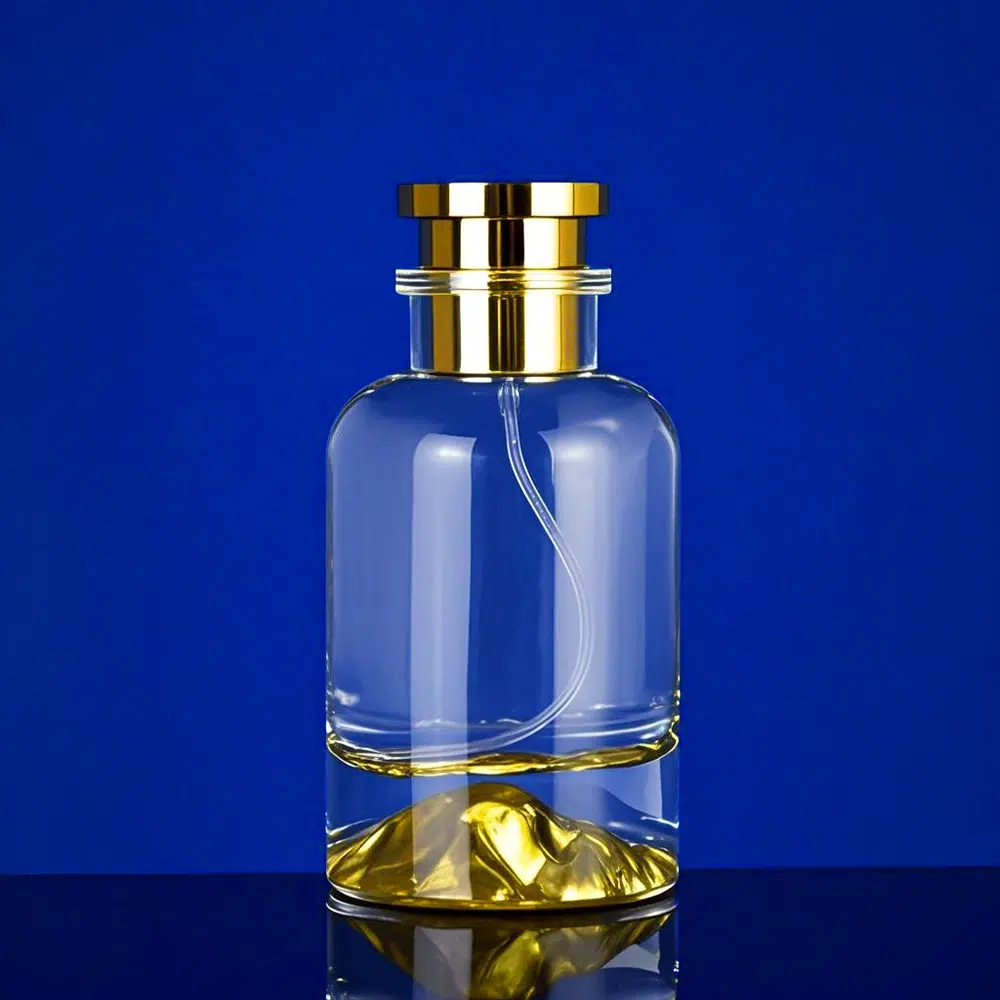
Szczegółowy przewodnik o tym, jak odkręcić pokrywę butelki perfum i nie tylko
Spis treści
Dowiedz się, jak odkręcić butelki perfum bezpiecznymi metodami dla falistej, z dokręcaną pokrywą i wielokrotnego użytku
Ten obszerny przewodnik, udostępniony przez Statek luksusowy, w zakresie komplikacji związanych z zamykaniem butelek perfum, oferuje fachowe techniki i specjalistyczne wskazówki dotyczące odkręcania butelek perfum, D-Crimp uszczelnia atmosferę i zarządza procesami po otwarciu bezpiecznie i skutecznie. Naszym celem jest zapewnienie zarówno entuzjastom, jak i profesjonalistom wiedzy, która pozwoli im zachować cenny aromat i przedłużyć żywotność ich eleganckich statków.
1. Identyfikacja typu butelki perfum (zaciskanej czy napełnianej/zakręcanej)
Przed próbą otwarcia jakiegokolwiek flakon perfum, kluczowe jest zidentyfikowanie mechanizmu zamykania. Ta wstępna ocena określa możliwość zachowania odpowiedniej metody otwierania, wymaganych narzędzi i oryginalnej atmosfery. Flakony perfum zazwyczaj dzielą się na trzy główne kategorie: z zakrętką, z zakrętką i specjalnie zaprojektowane, z możliwością ponownego napełnienia.
1.1. Butelki zaciskane: trwałe uszczelnienie
Zaciskane butelki charakteryzują się smukłą, bezszwową konstrukcją, w której pompka jest na stałe przymocowana do szyjki butelki. Nie ma widocznych gwintów, a metalowa opaska jest mechanicznie dociskana do wypukłości w szyjce butelki, aby zabezpieczyć atomizer. Marki luksusowe często stosują ten wzór, aby wyrazić elegancję, wyrafinowanie i produkt premium, który jest odporny na manipulacje, a jednocześnie całkowicie ukrywa zaciśnięty obszar pod ozdobnym kołnierzem. Niekontrolowany ruch lub możliwość niezauważenia. Ta konstrukcja zapewnia hermetyczne zamknięcie, chroniące przed manipulacją, co jest istotne dla zachowania integralności zapachu i zapobiegania parowaniu, co jest niezwykle cenne w przypadku perfum z wyższej półki.
1.2. Butelki z zakrętką: Zdejmowana plomba
Butelki z zakrętką są zaprojektowane z myślą o wielokrotnym użyciu i łatwości użytkowania. Umożliwiają one widoczny spiralny rowek (gwint) na szyjce butelki, umożliwiając dokładniejsze zamknięcie zakrętką lub pompką. Bez użycia specjalistycznego sprzętu. Gwintowana szyjka jest formowana w procesie formowania szkła, co zapewnia dokładne dopasowanie do pasującego zamknięcia gwintowanego. Standardowe wykończenie gwintu jest oznaczone dwiema liczbami, np. 13/415 (średnica zewnętrzna 13 mm, 2 zwoje gwintu).
1.3. Butelki wielokrotnego użytku o specjalnej konstrukcji: zaprojektowane z myślą o długowieczności
Coraz więcej marek stawia na stabilność, oferując butelki wielokrotnego użytku i zakrętki, zgodnie z wartościami ekologicznymi i oczekiwaniami konsumentów dotyczącymi ograniczenia ilości odpadów. Butelki te są zaprojektowane z myślą o nieskończonej możliwości wielokrotnego użytku i trwałości. Sygnały wizualne obejmują łatwe napełnianie i zakręcaną końcówkę do ponownego zakładania, a także ukryte mechanizmy napełniania, takie jak małe otwory lub wyjmowane otwory na spodzie butelki, które są niewidoczne lub oddzielone, aby odsłonić otwór do napełniania. Najbardziej niezawodne wskaźniki często mają wyraźne oznaczenie na butelce, opakowaniu lub stronie internetowej producenta, informujące o możliwości ponownego napełniania lub zawierające instrukcję napełniania.
Marki takie jak Mugler zapoczątkowały system wielokrotnego napełniania w 1992 roku zapachem swojej wróżki, dedykowanym stacjom napełniania „fontann” w sklepach i w domach. Butelka z wkładem jest mocowana do góry dnem i bezpośrednio włączona. Lancôme oferuje system kapsułek do wielokrotnego napełniania dla „Idôle” i całej linii absolute. Projekty te często obejmują lekkie, mniejsze szklane cylindry i materiały z recyklingu, co odzwierciedla znaczącą zmianę w kierunku trwałych opakowań.
2. Określenie celu i ocena zasobów
Zanim zastosujesz jakąkolwiek metodę otwierania, jasno określ swój główny cel i oceń dostępne zasoby. Ten ważny krok ukształtuje Twoje podejście i pozwoli Ci określić oczekiwania dotyczące ochrony atomizera.
2.1. Wyjaśnienie głównego celu
Twój cel w dużej mierze określi metodę, którą wybierzesz:
- Uzupełnij tym samym zapachem: To najczęstszy cel butelek wielokrotnego napełniania lub zakręcanych. Jego celem jest otwarcie butelki, uwolnienie większej ilości oryginalnego zapachu i bezpieczne zamknięcie.
- Ponowne wykorzystanie butelki w celu uzyskania innego zapachu lub w innym celu: Wymaga to dokładnego czyszczenia w celu usunięcia resztek zapachu i może wiązać się z wymianą atmosfery lub użyciem osobnego pasa.
- Uzyskaj dostęp do płynu w celu jego dekantacji lub naprawy: Jeśli atomizer ulegnie uszkodzeniu lub zechcesz przenieść zapach do przestrzeni podróżnej, priorytetem jest bezpieczny dostęp do płynu, nawet jeśli oznacza to konieczność zrzeczenia się oryginalnego atomizera.
Pobierz bezpłatne próbki
2.2. Ocena dostępnych specjalistycznych narzędzi i akceptowalnej konserwacji atomizera
Kluczowe znaczenie mają dostępność sprzętu i ryzyko uszkodzenia oryginalnego atomizera.
- Specjalistyczne narzędzia do otwierania: W przypadku zakrętek i butelek wielokrotnego napełniania wystarczy ciepła ściereczka do złapania gumek lub ciepła ściereczka do ich poluzowania… W przypadku butelek karbowanych sytuacja jest bardziej złożona. Obecnie nie ma powszechnie uznanego specjalistycznego narzędzia ani maszyny, które umożliwiałyby skuteczne usuwanie zaciśniętych pompek perfum, chroniąc oryginalną atmosferę przed ponownym użyciem w tej samej butelce. Podstawowa metoda usuwania karbów obejmuje proste zawleczki boczne, co oznacza katastrofalny proces dla zaciśniętych butelek, których ponowne uszczelnienie z oryginalną atmosferą karbowaną jest wysoce nieodpowiednie bez znaczącej całkowitej utraty.
- Narzędzia zaciskające do zamykania, a nie otwierania: Należy pamiętać, że istnieje wiele różnych maszyn zaciskających i urządzeń ręcznych (np. zaciskarka do butelek perfum Smart Pack, półautomatyczna pneumatyczna zaciskarka do butelek perfum ZONESUN). Są one przeznaczone do bezpiecznego zamykania nowych pompek lub nakrętek rozpylających na butelkach perfum, zapewniając szczelne i szczelne zamknięcie w procesie produkcyjnym lub projektach DIY. Nie są one przeznaczone do otwierania istniejącej zaciśniętej atmosfery w celu konserwacji.
- Ogólne narzędzia dostępu: Do otwierania różnych rodzajów butelek w celu dotarcia do aromatu często zaleca się stosowanie standardowych urządzeń gospodarstwa domowego, takich jak pęseta, małe szczypce, precyzyjne śrubokręty, nożyczki i gumowe uchwyty. Celem jest tu głównie otwarcie butelki, z mniejszym naciskiem na zachowanie integralności oryginalnego atomizera w celu ponownej weryfikacji.
- Konserwacja atomizera: W przypadku butelek z zaciśniętymi końcówkami należy się spodziewać, że oryginalna atmosfera zostanie uszkodzona podczas wyjmowania. Jeśli priorytetem jest zachowanie atmosfery, należy rozważyć alternatywne rozwiązania, takie jak napełnialna atmosfera podróżna, która umożliwia pompowanie bezpośrednio z oryginalnej dyszy perfum bez konieczności wymiany butelki.
3. Metody otwierania butelek z zakrętką i butelek wielokrotnego napełniania
Butelki na zapachy zaprojektowane z myślą o łatwym dostępie są na ogół proste, ale specjalne techniki mogą zapewnić bezpieczeństwo i zapobiec uszkodzeniom.
3.1. Butelki z zakrętką: najłatwiejsze podejście
Aby otworzyć butelkę z zakrętką, należy mocno chwycić butelkę jedną ręką i przekręcić nakrętkę drugą w kierunku przeciwnym do ruchu wskazówek zegara. Jeśli nakrętka się przewróci lub stwardnieje, należy użyć ściereczki lub gumowej rękawicy, aby zwiększyć przyczepność. Szeroką gumkę owiniętą wokół nakrętki można rozerwać, aby ją podgrzać. Aby zapobiec zanieczyszczeniu, należy sprawdzić i usunąć resztki zapachu z szyjki butelki.
3.2. Butelki zatrzaskowe/wciskane: Wymagane delikatne podważanie
Te butelki nie mają gwintu i są zabezpieczone przed naciskiem, aby zabezpieczyć spryskiwacz. Aby otworzyć, najpierw zdejmij zewnętrzną nakrętkę. Owiń szyjkę butelki cienką szmatką, aby zapobiec zarysowaniom. Włóż cienki, płaski przedmiot (np. sarautę, płaski śrubokręt lub nóż do masła) w szczelinę między kołnierzem spryskiwacza a butelką. Ważne jest, aby nie uszkodzić plastikowych elementów ani nie stłuc szkła, aby uniknąć cierpliwości i nadmiernej siły.
3.3. Butelki z zatopionym korkiem: ostrożna manipulacja
W przypadku butelek, w których nakrętka wydaje się być nieoddzielona lub głęboko wtopiona w wzór, użyj igłowego narzędzia do delikatnego przytrzymania krawędzi nakrętek. Aby ją poluzować, zważ nakrętkę od lewej do prawej. Jeśli samo nacięcie okaże się niewystarczające, ostrożnie włóż mały nożyk z gliną w szczelinę między nakrętką a butelką i delikatnie zegnij, używając go jako ostatecznego rozwiązania.
3.4. Mechanizmy uzupełniania specyficzne dla danej marki
Wiele marek luksusowych zintegrowało wyrafinowany system napełniania. Na przykład, butelka „My Way” Giorgio Armaniego posiada dozownik, który umożliwia odwrócenie butelki o pojemności 150 ml i jest bezpośrednio połączony z buteleczką z aromatem. Wskazuje to na standardowy, łatwy w obsłudze mechanizm napełniania za pomocą zakrętki. Inne marki, takie jak Lancôme i Mugler, również oferują dedykowane systemy napełniania, często ze szczegółowymi instrukcjami na opakowaniach lub stronach internetowych. Systemy te zostały zaprojektowane z myślą o łatwym włączaniu i wyłączaniu, często z satysfakcjonującym zamknięciem „klik”, co zapewnia doskonałe doznania i stabilność.
3.5. Specyfikacje momentu obrotowego (wytyczne ogólne)
Chociaż konkretne wartości momentu obrotowego dla butelek perfum nie są powszechnie publikowane wśród konsumentów, istnieją ogólne wytyczne dotyczące zamknięć. Moment obrotowy, czyli siła obrotowa potrzebna do zamknięcia, jest zazwyczaj mierzona w funtach na cal (LB/cal) i wynosi około 50% średnicy zamknięcia (np. zamknięcie o średnicy 63 mm może mieć moment obrotowy 31–38 LB/cal). Punkt, w którym występuje nadmierna siła przyłożenia, jest zamykany lub gwint butelki. Producenci zazwyczaj podają stałe wartości momentu obrotowego dla swoich nakrętek.
4. Techniki odkręcania uszczelnionych butelek atomizera
Zaciskanie D-crimming to najtrudniejsza operacja w przypadku butelek z zamkniętą atmosferą, ponieważ butelki te są zaprojektowane tak, aby zapewnić trwałe, odporne na manipulację zamknięcie. Proces ten naturalnie wiąże się z wysokim ryzykiem uszkodzenia butelki i oryginalnej atmosfery.
4.1. Zrozumienie wyzwania
Butelki zaciskane są zaprojektowane z myślą o „trwałym i bezpiecznym mocowaniu”, tworząc „nieodwracalne połączenie”, którego nie można usunąć bez widocznego uszkodzenia pompki lub szyjki butelki. Taka konstrukcja zapewnia odporność na manipulacje i integralność produktu w przypadku marek luksusowych. Kołnierze zaciskane są zazwyczaj wykonane z aluminium lub innych metali, a czasami w celu kontroli szczelności w przypadku plastiku.
4.2. Proces odkręcania krok po kroku (metoda DIY)
Ta metoda koncentruje się na dotarciu do cieczy, przyjmując, że oryginalny atomizer może ulec uszkodzeniu.
- Bezpieczeństwo przede wszystkim: Zawsze zakładaj solidne rękawice i okulary ochronne lub osłonę twarzy, aby chronić się przed szklanymi przedmiotami i rozpryskami cieczy.
- Przygotuj butelkę: Wyjmij plastikowy przycisk spryskiwacza z powietrza. Owiń szyjkę butelki w ochronną szmatkę lub ręcznik, aby zapobiec zarysowaniom i zapewnić lepszy chwyt.
- Zastosuj delikatne ciepło (opcjonalne, ale zalecane): Przyłóż delikatne ciepło do metalowej, zaciśniętej obroży, przez jedną lub dwie minuty, używając suszarki do włosów lub opalarki. To pomoże zmiękczyć metal i prawdopodobnie będzie łatwiej go otworzyć.
- Podważ zacisk:Użyj szczypiec z wąskimi końcówkami, szczypiec zwykłych lub szczypiec do metalu. Przytrzymaj sam brzeg miękkiego, metalowego kołnierza. Pracuj powoli i ostrożnie, przesuwając go wokół całej szyjki butelki, wywierając nacisk. Celem jest powolne niszczenie metalowego kołnierza, aż się poluzuje i nie będzie można go zdjąć.
- Wyjmij atomizer: Gdy kołnierz będzie wystarczająco luźny, można ostrożnie wyjąć cały mechanizm atomizera (wraz z rurką zanurzeniową) z butelki.
4.3. Specjalistyczne narzędzia do profesjonalnego rozkruszania
Chociaż metody „zrób to sam” są katastrofalne, dostępny jest specjalny pneumatyczny przyrząd do usuwania kołnierzy, taki jak CR12, umożliwiający bezproblemowe usuwanie zagnieceń, głównie w przypadku pomp „Crimp Low”. Jest on przeznaczony do usuwania kołnierzy o standardowych wymiarach (np. 13 mm, 15 mm, 18 mm, 20 mm, przed 20 mm). Narzędzie to jest zazwyczaj używane w przemyśle lub w profesjonalnych zastosowaniach do kontroli jakości lub recyklingu, a nie do ochrony atmosfery na poziomie konsumenckim.
Pobierz bezpłatne próbki
4.4. „Pompy samozaciskające”
Niektóre systemy, znane jako „pompy samozaciskowe” lub „pompy wciskane”, oferują opcję łatwiejszego montażu i potencjalnie mniej trwałego uszczelnienia niż tradycyjne zaciski. Systemy te umożliwiają szybki i łatwy montaż bez użycia ciężkiego sprzętu, co sugeruje konstrukcję, która może być bardziej responsywna w przypadku nieniszczącego demontażu, chociaż ich statyczność jest nadal określana jako „półtrwała” lub „bardziej trwała”.
4.5. Uwagi dotyczące postępowania po odgniataniu
Długoterminowa integralność strukturalna butelki ulega uszkodzeniu po rozformowaniu, a butelka zazwyczaj nie jest przeznaczona do ponownego użycia w oryginalnej, zaformowanej formie. Ryzyko zaformowania D-Crimp ma na celu osłabienie szklanej szyjki. Wymagana jest nowa pompka z zaformowaną pompką bez ponownego uszczelniania rozformowanej butelki.
5. Procedury po otwarciu: ponowne napełnianie, czyszczenie i ponowne zamykanie
Po otwarciu butelki perfum, w kolejnych etapach napełnia się ją pojedynczym zapachem, całkowicie oczyszcza, by wykorzystać ją w nowym celu, lub ponownie zamyka. Każdy proces wymaga starannej dbałości o integralność zapachu i zachowanie funkcjonalności butelki.
5.1. Napełnianie butelki
Aby zapobiec manipulacjom i ograniczyć marnotrawstwo podczas uzupełniania perfum, najlepszym rozwiązaniem są małe lejki, strzykawki (bez igieł), pipety lub specjalne urządzenia, takie jak pipety. Funkcja łatwego przepływu dla dużych partii. Unikaj przepełniania, ponieważ jest to częsta przyczyna wycieków.
5.2. Dokładne czyszczenie w celu ponownego użycia
Skuteczne czyszczenie butelki perfum wymaga wieloetapowego podejścia mającego na celu usunięcie pozostałości olejków zapachowych i dezynfekcję Vesseluxe.
- Płukanie początkowe: Całkowicie opróżnij butelkę i dokładnie wypłucz ją ciepłą wodą, aby usunąć luźne pozostałości.
- Mydło do mycia: Dodaj delikatny, bezzapachowy płyn do mycia naczyń do ciepłej wody i zamieszaj w środku. Do wąskich otworów można użyć bawełnianej miotły. Wszystkie pozostałości mydła zostały usunięte, dlatego ważne jest wielokrotne płukanie czystą, ciepłą wodą, aby upewnić się, że nie wpłynie to na nowy aromat.
- Moczenie w alkoholu w celu rozpuszczenia oleju: Alkohol izopropylowy (70% lub więcej) jest niezbędny do rozpuszczenia uporczywych perfum i wyczyszczenia butelki. Nanieś niewielką ilość do butelki, obróć wszystkie powierzchnie, aby pokryć je płynem i pozostaw na kilka minut lub na 15 minut, jeśli pozostałości są uporczywe – skutecznie usunie cząsteczki aromatycznych zapachów. Następnie należy przepłukać butelkę czystą, ciepłą wodą.
- Zaawansowane czyszczenie (ocet i materiały ścierne): Szczególnie w przypadku uporczywych pozostałości lub przebarwień można użyć roztworu białego octu destylowanego, najlepiej pozostawić na noc. Łyżeczka może służyć jako delikatny środek do czyszczenia bez wewnętrznych pozostałości, z lekkim płynem do mycia naczyń, z lekkim płynem do mycia naczyń.
- Czyszczenie atomizera i rurki zanurzeniowej: Jeśli atomizer jest wyjmowany, należy go oddzielić i przepłukać każdą część osobno ciepłą wodą, a następnie alkoholem izopropylowym. Szczególną uwagę należy zwrócić na dyszę rozpylającą, aby upewnić się, że nie jest zatkana. W przypadku atomizerów niewyjmowanych, należy spryskać mechanizm ciepłą wodą lub roztworem alkoholu, aby oczyścić bariery.
- Czyszczenie ultradźwiękowe (zaawansowane): W przypadku skomplikowanych elementów, takich jak rurka zanurzeniowa i części atomizera, myjki ultradźwiękowe zapewniają lepszą wydajność. Urządzenia te wykorzystują fale dźwiękowe o mikroskopijnej częstotliwości do tworzenia mikropęcherzyków, skutecznie usuwając brud, smar i oleje bez konieczności szorowania ani stosowania sztywnych środków chemicznych, docierając do miejsc niedostępnych do czyszczenia ręcznego.
- Dokładne suszenie: Po czyszczeniu ważne jest, aby nie dopuścić do zawilgocenia naczynia, które pozostało po żmudnym suszeniu, lub zapobiec rozwojowi pleśni. Umieść naczynie w dobrze wentylowanym miejscu, aby zagwarantować całkowite odparowanie. Miękka, niepozostawiająca włókien ściereczka lub ręczniki papierowe mogą wchłonąć wilgoć.
5.3. Zagadnienia dotyczące zgodności chemicznej
Wybierając środki czyszczące, należy wziąć pod uwagę ich kompatybilność chemiczną z różnymi rodzajami tworzyw sztucznych, takimi jak butelki i atomizery (np. szkło, różne tworzywa sztuczne, takie jak LDPE, HDPE, PP, PET, PTFE, PVC i metale), a także z pozostałościami chemicznymi w porównaniu ze szkłem.
5.4. Ponowne uszczelnienie atomizera
Metoda ponownego zamykania zależy od rodzaju butelki i celu, jaki chcesz osiągnąć.
- Zaciskanie uszczelnień hermetycznych: Zaciskanie to najpowszechniejsza i najskuteczniejsza metoda hermetycznego zamykania butelek perfum, zapobiegająca parowaniu, chroniąca zapachy przed czynnikami zewnętrznymi i zabezpieczająca przed manipulacją. Proces ten, który może chronić nową pompkę na szyjce butelki, nie może być realizowany przy użyciu specjalnego sprzętu. Atmosfera.
- Nakrętki śrubowe:Oryginalnie zaprojektowane z zakręcaną nakrętką, wystarczy ponownie przykręcić do nakrętki lub atomizera. Idealnie nadają się do samodzielnego tworzenia perfum lub do użytku domowego, ponieważ umożliwiają łatwe uzupełnianie.
- Nakładki wciskane: Atomizery wciskane wykorzystują mechanizm sprężynowy, który dociska butelkę do szyjki. Do wymiany wymagane jest staranne ustawienie. Chociaż zapewniają one częściowo stabilne uszczelnienie, ich usunięcie bez uszkodzenia butelki lub nakrętki może być trudne, co czyni je mniej odpowiednimi do wielokrotnego napełniania w porównaniu z atomizerami nakręcanymi.
- Innowacyjne rozwiązania w zakresie ponownego zamykania (spekulacyjne): Do elementów dekoracyjnych lub niestandardowego ponownego uszczelniania, w branży dóbr luksusowych stosuje się alternatywnie przezroczyste kleje poddane lekkiej obróbce. Oferują one wysoką wytrzymałość, odporność na wilgoć i szybkie działanie, a także mogą być zaprojektowane tak, aby spulchniały się w celu personalizacji. Konsument będzie miał problem. W szczególności, dopasowane uszczelki silikonowe lub miniaturowe systemy uszczelniające z magnesem mogą zapewnić wysokiej jakości, wielokrotnego użytku opcje w przyszłości.
Pobierz bezpłatne próbki
6. Zagadnienia bezpieczeństwa i rozwiązywanie typowych problemów
Bezpieczeństwo jest najważniejsze podczas obchodzenia się ze szklanymi butelkami, ostrym sprzętem i lotnymi aromatami. Zrozumienie typowych problemów i ich rozwiązań może zapobiec stratom i obrażeniom.
6.1. Podstawowe środki ostrożności
Środki ochrony indywidualnej (PPE):
- Rękawice: Zawsze noś rękawice, aby chronić dłonie przed ostrym szkłem i potencjalnym podrażnieniem olejkiem zapachowym. Do obsługi szkła, zwłaszcza podczas rozformowywania, zaleca się rękawice odporne na przecięcia. Rękawice nitralowe do otwierania opakowań z zapachami nadają się do obsługi pojemników i czyszczenia, ponieważ zapobiegają przenikaniu olejków i przenoszeniu się substancji zapachowych.
- Ochrona oczu: Załóż okulary ochronne (gogle lub okulary ochronne), aby zabezpieczyć oczy przed przypadkowym rozpryskiwaniem perfum lub kawałkami szkła.
- Maski oddechowe chroniące przed oparami: Pracuj w dobrze wentylowanym pomieszczeniu (otwarte okna, wentylatory), aby uniknąć bezpośredniego kontaktu z oparami perfum, zwłaszcza w przypadku osób wrażliwych, lub z intensywnymi, skoncentrowanymi zapachami.
Bezpieczne obchodzenie się ze szkłem i ostrymi narzędziami:
- Pewny chwyt: Trzymaj mocno flakon perfum. Użyj czystej ściereczki lub gumowego uchwytu, aby zwiększyć przyczepność i chronić flakon przed zarysowaniem.
- Unikaj nadmiernej siły:Użycie zbyt dużej siły może uszkodzić zamknięcie, rozbić butelkę lub spowodować obrażenia. Należy stosować metody delikatne.
- Ostrożność w obchodzeniu się z ostrymi przedmiotami: Unikaj używania noży do otwierania butelek. Podczas rozformowywania używaj nożyczek bocznych lub barauta z zachowaniem szczególnej ostrożności, aby zapobiec stłuczeniu lub przecięciu butelki.
- Utylizacja stłuczonego szkła: Jeśli butelka się stłucze, ostrożnie pozbądź się stłuczonego szkła i płynu. Przed wyrzuceniem do śmieci owiń stłuczone szkło gazetą lub tekturą.
Konfiguracja bezpiecznego miejsca pracy: Aby zapobiec rozprzestrzenianiu się substancji i zanieczyszczeniu, należy upewnić się, że butelka jest rozłożona na stabilnej, czystej i czystej powierzchni.
6.2. Rozwiązywanie typowych problemów
Zablokowane czapki
- Delikatne stukanie: Lekko postukaj butelką o twardą powierzchnię.
- Metoda ciepłej wody: Aby rozszerzyć metal lub plastik, polej nakrętkę lub korek gorącą wodą albo rozpuść zaschnięte pozostałości. Unikaj przegrzania.
- Ulepszony chwyt: Załóż rękawice ochronne, rozpruj materiał lub owiń pokrywę gumką recepturką.
- Alkohol izopropylowy: Dokładnie przetrzyj szyję alkoholem izopropylowym, aby rozpuścić pozostałości.
- Metoda zamrażania: Włóż butelkę do zamrażarki na około 15 minut, aby ułatwić poluzowanie nakrętki.
- Wyrównanie ciśnienia: Ze względu na zmiany ciśnienia (np. w wyniku podróży samolotem) w przypadku czapki, przebicie górnego rogu czapki szpilką może wyrównoważyć ciśnienie.
- Pomoc profesjonalna:W przypadku cennych lub zabytkowych butelek należy skonsultować się z profesjonalnym konserwatorem.
Zepsute atomizery/spryskiwacze
- Zatkana dysza:
- Zdejmij głowicę dyszy (jeśli jest odłączalna) i opłucz ją pod bieżącą gorącą wodą.
- Za pomocą cienkiej igły lub szpilki wyczyść zaschnięte resztki perfum z małych otworów.
- Zanurz spryskiwacz w gorącej wodzie lub alkoholu izopropylowym, delikatnie pompuj, aby przepuścić wino, przepłucz wodą destylowaną i osusz powietrze.
- Odłączona/luźna dysza: Zamontuj ponownie, wyrównując z trzonem i delikatnie dociskając lub obracając.
- Uszkodzony układ pompowy:
- Jeśli głowica natryskowa jest uszkodzona, ale pompka działa, należy wymienić głowicę na kompatybilną.
- W przypadku całkowitego uszkodzenia opryskiwacza należy wymienić go na pompę opryskiwacza uniwersalną lub zamienną, sprawdzając kompatybilność.
- Mała musztarda może powoli naprawić zator pompy.
- Niektórzy użytkownicy zdołali pomyślnie oddzielić trzpienie atmosferyczne od membrany zaworu, stosując cyjanoakrylowy klej superklej.
- Przenoszenie perfum:Jeśli atomizer jest nienaprawialny, ostrożnie przenieś go do nowego, czystego i szczelnego pojemnika za pomocą strzykawki lub lejka. Przefiltruj kawałek szkła przez filtry do kawy lub drobne sito. Unikaj plastikowych lejków i butelek, ponieważ plastik może reagować z perfumami.
Wycieki płynów
- Natychmiastowe działanie: Osuszyć, a nie pocierać, ręcznikami papierowymi lub czystymi ściereczkami, aby szybko wchłonąć płyn.
Proszki chłonne: Posyp sodą oczyszczoną lub mąką kukurydzianą, odstaw, a następnie odkurz lub zmieć. Soda oczyszczona neutralizuje zapachy. - Rozwiązania czyszczące:
- Twarde powierzchnie: Użyj ciepłej wody z łagodnym płynem do mycia naczyń lub mieszanki białego octu i wody w równych proporcjach. Alkohol izopropylowy również jest skuteczny. Najpierw przetestuj.
Tkaniny/Dywany: Nanieś łagodny detergent do prania lub pastę z sody oczyszczonej. Delikatnie przetrzyj. Spłucz zimną wodą.
- Twarde powierzchnie: Użyj ciepłej wody z łagodnym płynem do mycia naczyń lub mieszanki białego octu i wody w równych proporcjach. Alkohol izopropylowy również jest skuteczny. Najpierw przetestuj.
- Wentylacja: Otwórz okna lub użyj wentylatora, aby rozproszyć intensywny zapach.
- Utylizacja resztek perfum: Niewielkie ilości wchłonięte przez ręczniki papierowe trafiają do szczelnych plastikowych torebek. Większe ilości wymagają zapoznania się z lokalnymi przepisami dotyczącymi odpadów niebezpiecznych; wylewanie do kanalizacji jest szkodliwe.
Uszkodzone szyjki butelek
- Pęknięcia/odpryski: W przypadku małych pęknięć można użyć żywicy epoksydowej przeznaczonej do naprawy przezroczystego kleju lub szkła. Upewnij się, że butelka jest czysta i wolna od oleju.
- Złamane karki: Jest to skomplikowana naprawa, często wymagająca profesjonalnych usług renowacji szkła.
- Zapobieganie: Przechowuj butelki na stabilnych powierzchniach, z dala od krawędzi i obchodź się z nimi ostrożnie.
Niekompletne odgięcie
- Narzędzia i technika:Kontynuuj, używając waty lub barauty, aby powoli rozszerzać i powoli zaginać metalową część wokół atmosfery, aby ją zakryć. Aby uniknąć stłuczenia butelki, należy zachować cierpliwość i ostrożność.
- Wyzwania: Konsumenci nie mają dostępu do specjalistycznego sprzętu do profesjonalnego, bezinwazyjnego usuwania zagnieceń. Zbyt mocne zagniecenie może zablokować zawór, a zbyt słabe zagniecenie może spowodować wyciek.
- Ryzyko uszkodzenia: Istnieje duże ryzyko uszkodzenia butelki podczas rozkręcania, zwłaszcza jeśli jest to czynność krytyczna.
- Alternatywa dla dekantacji: Jeśli rozkręcanie jest bardzo ryzykowne, a atomizer jest sprawny, perfumy można rozpylić bezpośrednio do niewielkiej atmosfery lub za pomocą strzykawki/pipety, jeśli butelka ma odkręcaną nakrętkę lub aplikator kulkowy.
6.3. Proaktywne sugestie dotyczące zwiększenia bezpieczeństwa i wydajności
- Opracuj kompleksowe drzewo decyzyjne do rozwiązywania problemów: Stwórz interaktywne drzewo decyzyjne, które poprowadzi użytkowników w oparciu o typy butelek (zakrętka, korek, spray antysmogowy, roll-on) i konkretne problemy (zatkane nasadki, uszkodzone uszczelki, przecieki). Każda gałąź będzie prowadzić do konkretnych etapów rozwiązywania problemów, zapewniając niezbędne narzędzia, środki ochrony indywidualnej i jasno wskazując, kiedy szukać pomocy u profesjonalisty. Usprawni to proces i zmniejszy ryzyko błędu użytkownika.
- Procedury postępowania w sytuacjach awaryjnych w przypadku narażenia na działanie substancji chemicznych: Należy zapewnić szczegółowe protokoły pierwszej pomocy w przypadku narażenia skóry, oczu lub wdychania substancji zawierających perfumy (np. etanol, olejki eteryczne, syntetyczne związki aromatyczne). Należy natychmiast przemyć skórę, obficie przepłukać oczy oraz wyjść na świeże powietrze w celu inhalacji, w przypadku poszukiwania terapii, wraz z jasnymi wskazówkami dotyczącymi jej stosowania.
- Szczegółowe wytyczne dotyczące utylizacji: Sporządź kompleksową listę materiałów, z których wykonane są butelki perfum (szkło, różne rodzaje plastiku, metal) oraz ich szczegółowych wytycznych dotyczących recyklingu/utylizacji, podkreślając, że lokalne przepisy są bardzo zróżnicowane. Przygotuj jasne instrukcje dotyczące utylizacji stłuczonego szkła, plastikowych elementów i resztek perfum, podkreślając szkody dla środowiska spowodowane wlewaniem perfum do kanalizacji.
Uwagi
Kategorie produktów
Butelki z gorącą wyprzedażą
Oświadczenie dotyczące szpilek: projekt flakonu perfum na wysokim obcasie
Jak długo perfumy utrzymują się w butelce? Zrozumienie aspektów wpływających na trwałość zapachu jest kluczowe dla producentów i konsumentów.
10 najpopularniejszych trendów w projektowaniu dużych butelek perfum w 2025 roku
W ciągle zmieniającym się świecie zapachów duże flakony perfum to coś więcej niż tylko pojemniki – to wyraz luksusu, elegancji i osobistej ekspresji.
Wszechstronność rynku przezroczystych szklanych butelek typu roll-on: kompleksowa analiza
Wszechstronność rynkowa przezroczystych szklanych butelek typu roll-on do olejków eterycznych, perfum i kosmetyków
Czy Sephora uzupełnia butelki perfum: polityka, dostępność i perspektywy na przyszłość
Czy Sephora uzupełnia flakony perfum? Ten raport oferuje dogłębną ocenę planów i praktyk Sephory w zakresie uzupełniania perfum.
Studium przypadku: niestandardowe szklane słoiki na krem dla koreańskiej marki kosmetyków do pielęgnacji skóry
Odkryj, jak francuska marka zajmująca się aromaterapią stworzyła niestandardowe butelki na olejki eteryczne. Niezawodne rozwiązania B2B w zakresie opakowań dla produktów wellness premium.
- +86 186 5178 1159
- [email protected]
- Pon.-Niedz. 07:00-21:00
Tagi
Studium przypadku: Od problemów dystrybutorów szklanych butelek do butelek typu roll-on do stabilnych dostaw fabrycznych
25/02/2026
Problemy sprzedawców szklanych butelek typu roll-on skłoniły hiszpańską fabrykę oleju do zwrócenia się do nas po szczelne, niestandardowe butelki typu roll-on o precyzyjnym dopasowaniu, stabilnej jakości i dostępne w dużych ilościach.
Niestandardowe czy standardowe? Przewodnik dla kupujących szklanych butelek z kroplomierzem
19/02/2026
Wybierasz dystrybutora szklanych butelek z kroplomierzem? Zapoznaj się z naszym poradnikiem dotyczącym opakowań niestandardowych i standardowych. Dowiedz się, jak pomagamy kupującym optymalizować koszty i wpływ marki.
Studium przypadku: Szklane butelki perfum dostosowane do potrzeb niszowego studia perfumiarskiego we Francji
12/02/2026
Szklane flakony na perfumy zostały spersonalizowane dla francuskiego studia perfum. Dostarczyliśmy gradientowe, matowe flakony z drewnianymi nakrętkami, co wzmocniło wizerunek marki i atrakcyjność w sprzedaży detalicznej.
Strategiczna zaleta współpracy z hurtownikiem szklanych butelek typu roll-on dla marek kosmetyków premium
05/02/2026
Dowiedz się, w jaki sposób wiodący hurtownik szklanych butelek typu roll-on dostarcza wysokiej jakości, zrównoważone, niestandardowe opakowania z solidną ochroną formuły i zgodnością z globalnymi przepisami.
 PL
PL  EN
EN  FR
FR  IT
IT  DE
DE  NL
NL  RU
RU  PT
PT  FI
FI  ES
ES  DA
DA  SV
SV  RO
RO  CS
CS  ZH
ZH  KO
KO  JA
JA  AR
AR  TR
TR  ID
ID  EL
EL  HU
HU  BG
BG