
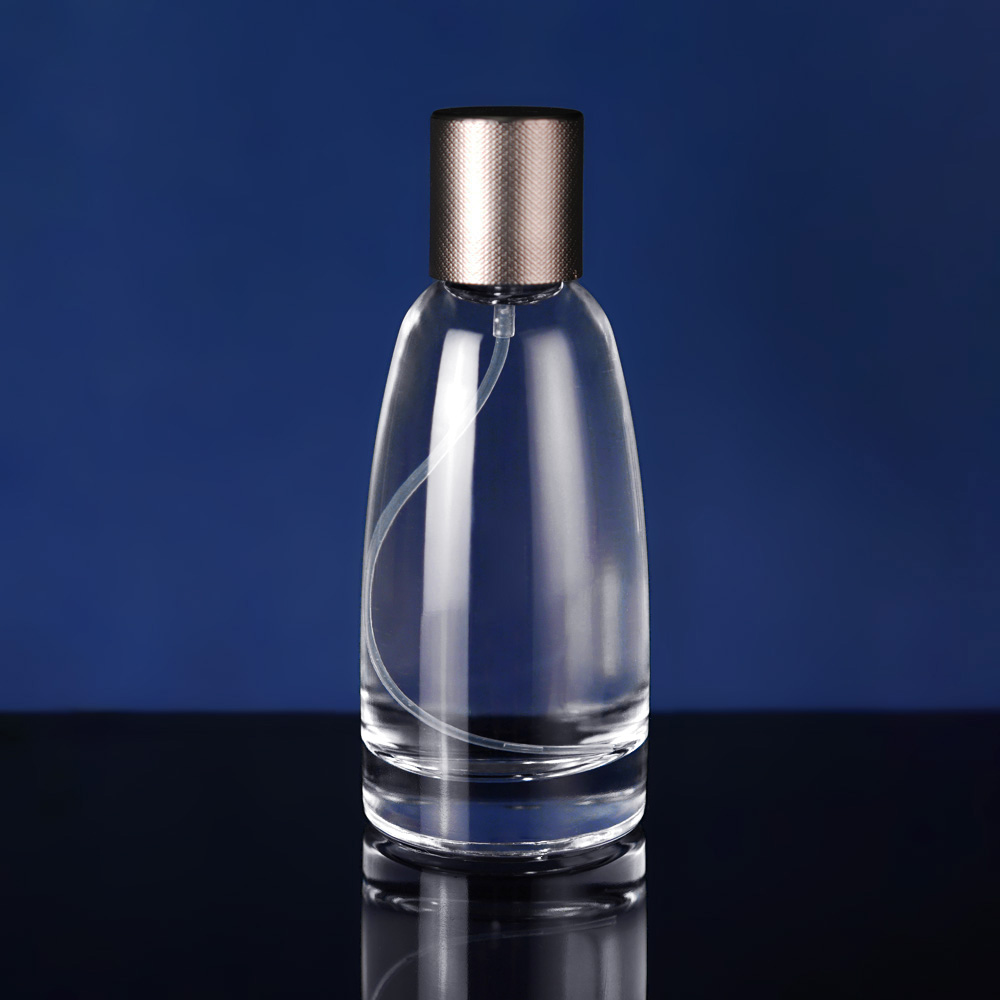
Jak producent szklanych butelek perfum zwiększa różnicowanie marki
Spis treści
Odkryj, w jaki sposób wiodący producent szklanych butelek na perfumy pomaga markom masowym wyróżnić się
1. Siła opakowań w perfumach dostępnych na rynku masowym
W niemal każdym lokalnym sklepie detalicznym producent szklanych flakonów perfum odgrywa kluczową rolę – wygląd flakonu tworzy pierwsze wrażenie, często wpływając na decyzję kupującego, jeszcze przed przetestowaniem zapachu. Opakowanie działa jak „emocjonalny ambasador”, przekazując tożsamość i historię marki. Specjalnie zaprojektowany szklany flakon, wykonany przez wysokiej jakości szklane butelki perfum producent przekształca zapach w produkt „must-have”, zwiększając atrakcyjność marki i pogłębiając więź emocjonalną.
2. Podstawowe możliwości producenta szklanych butelek na perfumy
Wydajna i ekonomiczna produkcja niestandardowych kształtów, kolorów i nakrętek dla marek dostępnych na rynku masowym opiera się na zaawansowanych technologiach produkcyjnych.
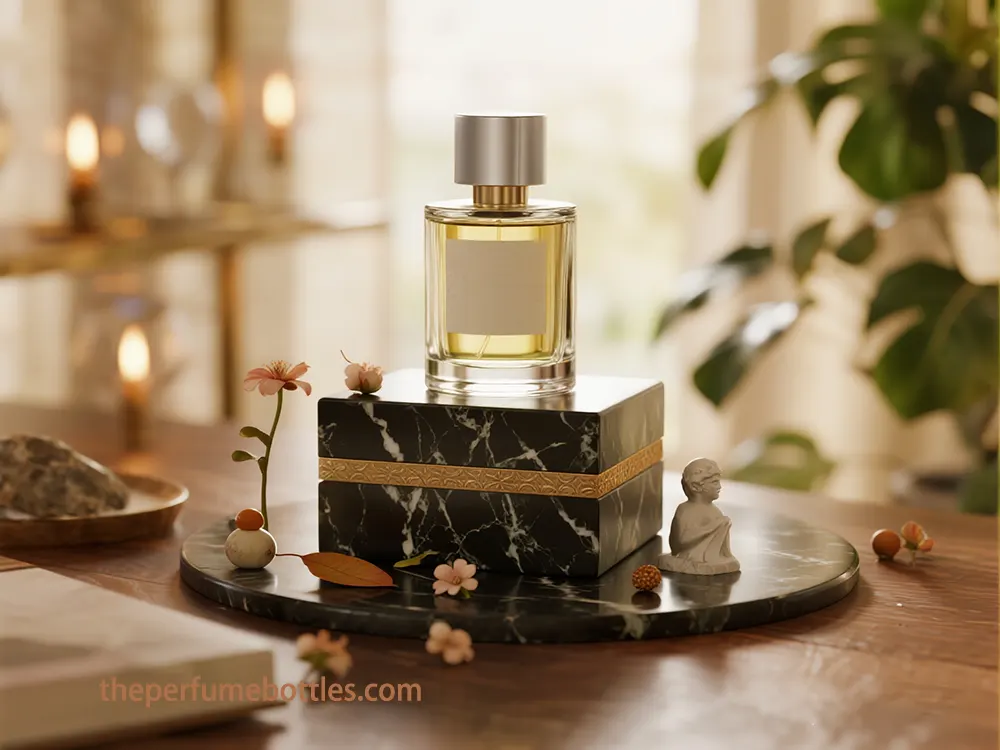
Pobierz bezpłatne próbki
2.1 Techniki kształtowania dla produkcji wielkoseryjnej
Metoda „press & blow” jest główną metodą produkcji butelek szklanych na dużą skalę. Metalowa forma jest wypełniana poprzez prasowanie stopionego szkła, a następnie pod ciśnieniem sprężonego powietrza uzyskuje się ostateczny kształt. Metoda „press & blow”, podobnie jak standardowe formowanie rozdmuchowe, wymaga bardzo precyzyjnej i powtarzalnej kontroli ciśnienia, aby utrzymać jakość produktu na stałym poziomie.
Obecnie w maszynach wielosekcyjnych pracuje wiele niezależnych sekcji, a zaawansowana technologia PLC z algorytmami sterowania ruchem jest również wykorzystywana. Dzięki temu temperatura, czas i ciśnienie mogą być monitorowane w czasie rzeczywistym, co pozwala na uzyskanie jednorodnej jakości i wysokiej wydajności produkcji.
Oprogramowanie projektowe jest kluczowe dla wizualizacji 3D, uwzględniając takie cechy, jak objętość (30 ml, 50 ml, 100 ml) i grubość szyjki (15–18 mm). Pierwsze modele są najczęściej drukowane w 3D i służą do sprawdzenia kształtu, rozmiaru, wagi (200–400 g) oraz ergonomii przedmiotu przed wykonaniem formy.
2.2. Różnorodne techniki dekoracji do personalizacji na rynku masowym
Pełen zakres technik dekoracyjnych zapewnia możliwość personalizacji wielkoseryjnej:
- Sitodruk (Sitodruk): Metoda sitodruku (za pomocą sitodruku) jest wszechstronna, trwała i całkiem prosta. Można ją również łatwo zautomatyzować za pomocą maszyn PLC, które mogą drukować nawet 4-5 kolorami na różnych kształtach (35-50 sztuk na minutę) i obsługują tusze reagujące na promieniowanie UV oraz tusze metaliczne.
- Tłoczenie na gorąco (drukowanie folią): Za pomocą ciepła i ciśnienia, metaliczna lub kolorowa folia uzyskuje „nową” powierzchnię o właściwościach satyny, półpołysku lub wysokiego połysku, co zapewnia luksusowy wygląd. Zrobotyzowane maszyny dekorują różne butelki w zakresie do 360 stopni (do 2500 części na godzinę), zapewniając w ten sposób wysoką wartość produktu.
- Mrożenie (trawienie kwasem/piaskowanie): Dzięki tej metodzie uzyskuje się półprzezroczyste, matowe wykończenie, dzięki czemu butelka wygląda i jest przyjemniejsza w dotyku, a zawartość jest chroniona przed szkodliwym promieniowaniem. Ta masowa technika zdobienia jest dość ekonomiczna.
- Natryskiwanie/Powłoka kolorowa:Powłoka natryskowa bezpieczna dla żywności to metoda, w której pożądany kolor jest „wypalany” na powierzchni szkła. W przypadku dużych serii kolor można dodawać w trakcie produkcji. Do najnowszych metod należą powłoki marmurowe i termochromowe.
- Druk UV: Metoda ta polega na nakładaniu bardzo cienkich tuszy, które są natychmiast utwardzane światłem UV, dzięki czemu możliwe jest uzyskanie wydruków o bardzo wysokiej rozdzielczości, różnego rodzaju złożonych wzorów, gradientów lub obrazów fotograficznych, o dużej intensywności kolorów i trwałości, które nadają się do produkcji o dowolnym rozmiarze.
- Tampodruk: W porównaniu z innymi metodami drukowania, proces ten jest wolniejszy, dlatego należy znaleźć rozwiązanie tego ograniczenia technologicznego, jeśli zamierza się go używać do produkcji wielkoseryjnej. Jest on jednak idealny do złożonych projektów i zapewnia najwyższą dokładność, pod warunkiem, że maksymalna wydajność jest uzyskiwana przy najdelikatniejszej pracy.
- Grawerowanie laserowe: Za przycinanie wydrukowanego obrazu, logo lub tekstu odpowiada wiązka laserowa. Proces ten jest całkowicie automatyczny, gdyż sterowany jest za pomocą oprogramowania.
- Powłoka próżniowa (metalizacja): Odbywa się to przy użyciu aparatury próżniowej. Polega na nałożeniu bardzo cienkiej warstwy metalu, co daje odblaskowe, lustrzane wykończenie, które chroni produkt przed promieniowaniem UV i podnosi jego poziom luksusu, odporności na zużycie i ochrony przed korozją.
- Gromadzenie się:Włókna polimerowe, najprawdopodobniej wykonane z nylonu, nakładane są przy użyciu technologii „soft touch” o aksamitnym wykończeniu, która oprócz walorów dotykowych, podnosi również walory wizualne luksusowego produktu.
- Powłoka holograficzna: Jest to trwały proces galwanizacji jonowej, który powoduje powstanie jasnej, kolorowej i atrakcyjnej opalizującej warstwy.
2.3. Personalizacja czapki i wybór materiału
Nasadki do perfum wykonane są z takich materiałów jak PP, ABS, Surlyn, aluminium, Zamak, drewno i akryl, co wpływa nie tylko na cenę, ale także na poziom postrzegania luksusu. ABS to materiał powszechnie stosowany w produktach masowych, którego najważniejszą cechą jest wytrzymałość, trwałość, łatwość obróbki i przyjemna faktura. Dodatkowo, można go personalizować za pomocą UV, metalizacji lub druku transferowego. Dzięki prostemu obciążeniu nasadek ABS metalowymi wkładkami, uzyskany produkt jest bardzo zbliżony do drogiego Zamak, co jest dobre dla rynku średniego. Surlyn to materiał znany ze swojej przejrzystości i szklanego wykończenia, co czyni go bardziej atrakcyjnym i trwałym.
W przypadku plastikowych nakrętek formowanie wtryskowe odgrywa kluczową rolę. Koszty form do produkcji wieczek i nakrętek wynoszą zazwyczaj od 7000 do 40 000 dolarów. Chociaż pełne formy do głowic pompowych z 16 gniazdami mogą kosztować ponad 120 000 dolarów, wystarczy wymienić tylko dwa kluczowe komponenty (np. siłownik + gwintowany kołnierz), aby uzyskać znaczną redukcję kosztów oprzyrządowania do 12 000–15 000 dolarów, zachowując tym samym równowagę między stopniem personalizacji a kosztami produkcji masowej. Wartość produktu może znacznie wzrosnąć dzięki samemu znacznemu zwiększeniu wagi nakrętki, co nadaje mu bardziej luksusowy wygląd.
2.4. Kontrola jakości i wydajność w produkcji szybkobieżnej
Ścisła kontrola jakości jest przeprowadzana na każdym etapie, począwszy od surowca, a skończywszy na gotowym produkcie. Zautomatyzowane systemy kontroli wykorzystują kamery szybkoobrotowe, czujniki podczerwieni i precyzyjne narzędzia pomiarowe, które umożliwiają weryfikację wymiarów w czasie rzeczywistym, w zakresie 360 stopni, oraz weryfikację defektów badanego obiektu. Kontrola wieloetapowa (pobieranie próbek z gorącego końca, kontrola po wyżarzaniu) jest niezwykle istotna. Równie istotny jest ciągły monitoring temperatury pieca, mieszania wsadu oraz kontroli form. Systemy automatyczne skróciły czas wykrywania defektów z ponad 8 godzin do 30 minut, co znacznie zmniejszyło ilość odpadów i emisję CO2.
3. Strategiczne różnicowanie: niestandardowe szklane flakony perfum do opowiadania historii marki
Zaprojektowane butelki, schematy kolorów i opcje nakrętek, które są spersonalizowane, pomagają markom masowym wyrazić tożsamość marki, zwiększyć wartość marki postrzeganą przez klientów i stworzyć funkcjonalne cechy, które przyciągają uwagę konsumentów i wywołują u nich pozytywną reakcję.
3.1. Semiotyka kształtu i projektu butelki
Butelki na zapachy Są „emocjonalnymi ambasadorami”, którzy prezentują tożsamość i historię marki, wywierając tym samym największy wpływ na zakup, jeszcze zanim poczuje się zapach. Elementy designu, takie jak kształt, kolor, materiał, nakrętka, waga, logo i typografia, razem tworzą wielozmysłowe doświadczenie, które pozwala konsumentowi zapoznać się z marką.
- Prostokątny/Kwadratowy (np. Chanel No. 5) wskazują na precyzję, siłę i wieczną naturę.
- Zaokrąglony/Krągły (np. Jean Paul Gaultier) sugerują zmysłowość, są urocze i delikatne, dlatego mogą przyciągnąć szeroką publiczność.
- Elegancki, minimalistyczny, cylindryczny (np. Jo Malone, Byredo) są nowoczesne, proste i uniwersalne, dlatego też nadają się do współczesnych zapachów i zapachów unisex.
- Unikalny/Niekonwencjonalny (np. gwiazda „Aniołek” Thierry’ego Muglera, miś „Toy” Moschino, buty na obcasie Caroliny Herrery) wyrażają głośne idee, odzwierciedlają wyjątkowość danej osoby i stają się jedną z niewielu rzeczy, które ludzie łatwo zapamiętują, zwiększając w ten sposób wskaźnik zapamiętania o ponad 30%.
- Wysoki i szczupły butelki są eleganckie; szersze kształty przekazać siłę.
3.2. Psychologia koloru i wykończenia
Psychologia koloru odpowiada za charakter zapachu i potencjalnego konsumenta.
- Ciepłe kolory (Czerwony, Pomarańczowy, Żółty) wywołują uczucie bycia energicznym.
- Fajne kolory (Niebieski, Zielony) dają wrażenie relaksu.
- Neutralne kolory (Czarny, Biały) to kolory, które wyrażają klasę.
- Różowy jest oznaką miłości; Metaliczne odcienie (Złoto, srebro) dają wrażenie luksusu.
- Wzory gradientowe/dwukolorowe stają się coraz bardziej popularne.
- Nawet kolor butelki może zmienić sposób, w jaki dana osoba odczuwa zapach.
Tekstury i wykończenia zachęcają zmysł dotyku do połączenia ze wzrokiem. Szkło matowe to doskonały przykład minimalistycznej elegancji wnoszonej przez ten materiał. Matowe wykończenia świadczą o pewnym wyrafinowanym stylu; połysk i krystalizujące powłoki dają wrażenie trwałości. Metalizacja nadaje przedmiotowi niezwykle luksusowy wygląd. Miękkie w dotyku etykiety i wytłoczone logo to namacalne sposoby prezentacji luksusu.
3.3. Nawiązywanie kontaktu z docelową grupą demograficzną
Marki odnoszące sukcesy analizują i poznają preferencje, kulturę oraz zachowania zakupowe swoich klientów.
- Kobiety konsumentki: Priorytetem są takie aspekty jak jakość, wygląd, kolor i produkcja, co prowadzi do trendu niestandardowych butelek, które są atrakcyjne pod względem emocjonalnym i estetycznym.
- Młodsze pokolenia (pokolenie Z, millenialsi):Pożądają spersonalizowanych, autentycznych i spersonalizowanych zapachów, które odzwierciedlają ich wartości (np. etyczne pozyskiwanie). Są skłonni zapłacić więcej za wyjątkowe, atrakcyjne wizualnie i „godne Instagrama” produkty, które generują zaangażowanie w mediach społecznościowych.
- Niuanse kulturowe: Projekt opakowania odzwierciedla wartości kulturowe; na przykład rynki Bliskiego Wschodu charakteryzują się wykorzystaniem żywego złota i skomplikowanych wzorów, podczas gdy projekty azjatyckie skupiają się bardziej na prostocie.
3.4. Poza estetyką: ergonomia i elementy interaktywne
Funkcjonalność i komfort użytkowania są kluczowe. Wadliwe uszczelnienie nakrętek, trudne w użyciu dysze czy nieregularne kształty – to wszystko czynniki obniżające poziom satysfakcji użytkowników. Opakowanie musi nie tylko chronić produkt, ale także być proste w użyciu (ergonomia, uchwyt, rozmiar, pojemność).
Interaktywne elementy, takie jak kody QR, znaczniki NFC i funkcje rozszerzonej rzeczywistości (AR), wzbogacają doświadczenie rozpakowywania, udostępniają informacje o produkcie i angażują użytkowników, dzięki czemu opakowanie staje się „godne Instagrama”.
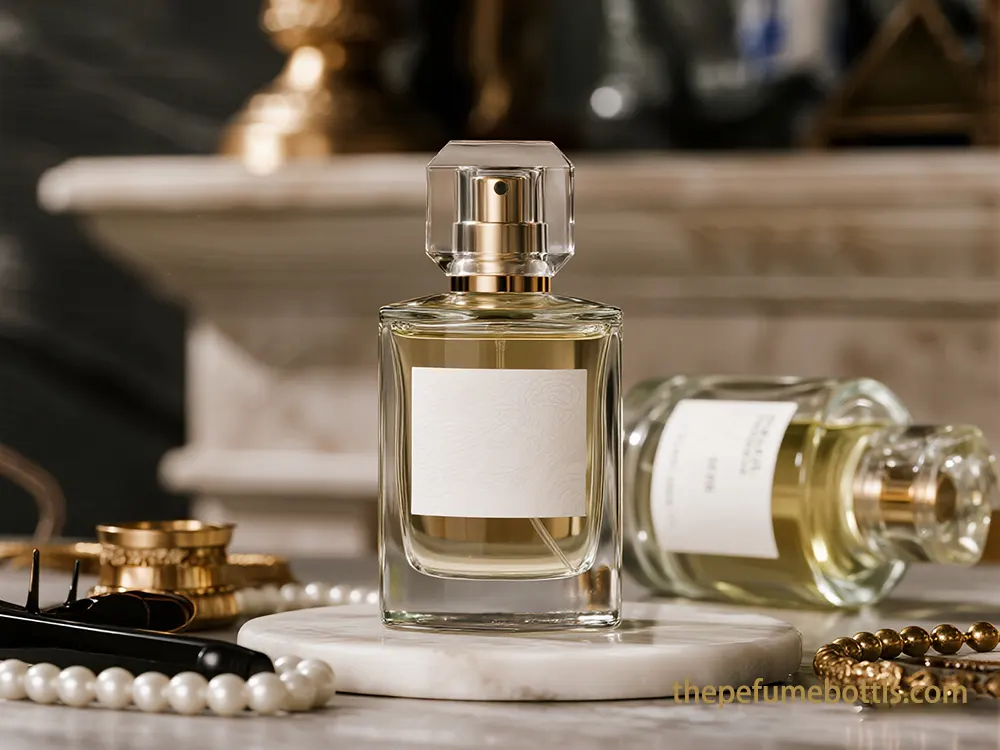
Pobierz bezpłatne próbki
4. Optymalizacja wartości: implikacje kosztowe i zwrot z inwestycji w dostosowanie do rynku masowego
Inwestycje w niestandardowe szklane flakony perfum wymagają połączenia unikatowych cech z rozsądną ceną. Zwrot z inwestycji (ROI) wykracza poza sprzedaż, obejmując również wartość marki i lojalność wobec niej.
4.1. Składniki kosztów i korzyści skali
Na koszty wpływają:
- Tworzenie formy:Główną barierą jest początkowa inwestycja, która zwykle mieści się w przedziale od 3 tys. do 10 tys. dolarów i więcej w przypadku skomplikowanego projektu, a maksymalnie może wynieść 50 tys. dolarów.
- Surowce:Zwykłe szkło kosztuje 0,50–5 dolarów za butelkę; plastikowe części/atomizery 0,10–1 dolara; luksusowe metalowe części do 10 dolarów za butelkę.
- Zużycie energii: Większość energii, tj. 70%, zużywana jest na przetapianie i rafinację, co stanowi 20–30% całkowitych kosztów produkcji.
- Koszty pracy:0,50-2/butelkę na montaż, kontrolę jakości, pakowanie, co stanowi 40-70% całkowitej produkcji. Ponadto regiony o niższych kosztach pracy obniżają koszty pracy swoich partnerów biznesowych.
- Dekoracja/Wykończenie:Standardowe dekoracje 0,10–0,50 USD/butelkę; skomplikowane szczegóły 0,50–2 USD; wyjątkowo niestandardowe usługi 75 USD+.
- Logistyka/Pakowanie: Koszt wysyłki 0,02–0,10/sztuka; koszt opakowania zewnętrznego 0,50–10+.
Dlatego właśnie osiągnięcie Ekonomia skali Jest niezwykle ważny. Koszt jednostkowy drastycznie spada wraz ze wzrostem wolumenu. Podczas gdy małe partie kosztują 5-10 sztuk/sztukę, produkcja na dużą skalę kosztuje 1-3 sztuki/butelkę. W pełni spersonalizowane projekty zazwyczaj charakteryzują się wysokimi minimalnymi ilościami zamówienia (MOQ), najczęściej ponad 10 000 sztuk, a niektóre fabryki wymagają 50 000-300 000 sztuk, aby osiągnąć minimalną opłacalność ekonomiczną.
Dekorowanie towarów magazynowych jest wygodniejsze dla startupów, ponieważ nie wiąże się z opłatami za formy i niższymi minimalnymi ilościami zamówienia (500–3000 sztuk), co minimalizuje ryzyko finansowe związane z testowaniem rynku.
4.2. Pomiar zwrotu z inwestycji (ROI)
Niestandardowe pakowanie to zaplanowany ruch biznesowy, który przynosi duże zyski:
- Wpływ konsumenta: W większości przypadków (72%) konsumenci kierują się opakowaniem jako głównym kryterium przy podejmowaniu decyzji o zakupie produktu; około 60% z nich unika nieatrakcyjnych opakowań.
- Przypomnienie/rozpoznawanie marki: Pomaga zapamiętać markę w 58% (Nielsen, 2023), tworząc w ten sposób unikalną ikonę.
- Postrzegana wartość/cena premium: Jedną z największych zalet jest możliwość podniesienia postrzeganego poziomu wartości, a tym samym możliwość naliczenia konsumentom wyższych cen. Konsumenci są skłonni zapłacić nawet o 35% więcej za wysokiej jakości opakowanie.
- Bezpośredni wzrost sprzedaży: Niestandardowe opakowania mogą prowadzić do wzrostu sprzedaży nawet o 40%, a sprzedaży w sklepach o 30% (NielsenIQ). Estetyczne butelki zwiększają o 25% chęć zakupu u konsumentów.
- Strategiczne różnicowanie: Niezbędny element przetrwania na rynku, którego wartość ma osiągnąć 35 miliardów dolarów do 2030 roku.
- Lojalność wobec marki/więź emocjonalna: Miłość do marki sprawia, że zadowolony klient chętnie dokonuje ponownych zakupów.
- Zrównoważony rozwój jako czynnik napędzający wartość: 52% konsumentów wybiera marki przyjazne dla środowiska; komunikacja przyjazna dla środowiska odpowiada za 28% wzrost sprzedaży (McKinsey, 2023).
- Ochrona przed fałszerstwem: Trudniej jest naśladować unikalnie wykonane, niestandardowe kształty.
- Efektywność operacyjna: Pomaga uwolnić firmę od kosztownego cyklu związanego z uszkodzonymi towarami i związanymi z tym wydatkami.
- „Doświadczenie rozpakowywania”: Wzajemna komunikacja między zaangażowanymi stronami ułatwiona jest za pośrednictwem mediów społecznościowych, na najwyższym możliwym poziomie, a marketing jest tematem rozmów.
Kluczowe wskaźniki efektywności (KPI) obejmują sprzedaż, satysfakcję klienta, postrzeganie marki, efektywność operacyjną, zaangażowanie i wskaźniki zwrotów. Ponadto, rozpoznawalność marki i wartość klienta w całym cyklu jego życia (LV) również mają ogromne znaczenie. Modelowanie finansowe (szeregi czasowe, wielokrotna regresja liniowa) jest jednym ze sposobów prognozowania zwrotu z inwestycji (ROI).
5. Zrównoważone rozwiązania: Ekologiczna personalizacja dla masowego odbiorcy
Rosnący popyt konsumentów na produkty przyjazne dla środowiska przyczynia się do zrównoważonej produkcji szklanych butelek na perfumy na masową skalę.
5.1. Zawartość materiałów pochodzących z recyklingu i lekkość
- Zawartość pochodząca z recyklingu (szkło PCR):Wykorzystanie szkła pochodzącego z recyklingu pokonsumenckiego (PCR) to trend w branży, który ma na celu zmniejszenie śladu węglowego i zapotrzebowania na materiały pierwotne. Niektóre firmy osiągnęły poziom PCR sięgający 60%, podczas gdy L'Occitane wykorzystuje go w 100%. Średnia zawartość szkła pochodzącego z recyklingu w UE w 2021 roku wyniosła 52%.
- Odchudzanie: Redukcja szkła bez utraty wytrzymałości i wyglądu przynosi korzyści zarówno środowiskowe, jak i ekonomiczne: mniejsze zużycie surowców, niższe koszty produkcji/transportu oraz mniejszą emisję CO2. Obecnie butelki są o 30% lżejsze niż 20 lat temu, a emisja CO2 jest o 70% niższa niż 50 lat temu. Szkło borokrzemianowe przyczynia się do uzyskania cieńszych, a jednocześnie trwalszych ścianek.
5.2. Systemy wielokrotnego napełniania i akceptacja konsumentów
Stosowanie systemów perfum z wymiennymi wkładami to sposób na redukcję odpadów i źródło oszczędności. Marki luksusowe, takie jak Guerlain i Mugler, oferują linie z wymiennymi wkładami, co pozwala ograniczyć ilość odpadów nawet o 45%. Przewiduje się, że globalny rynek butelek perfum z wymiennymi wkładami osiągnie wartość 1,5 miliarda dolarów do 2025 roku, ze średnioroczną stopą wzrostu (CAGR) na poziomie 7% w latach 2025-2033.
Haptic Finishes:
5.3. Certyfikacje i ramy regulacyjne
Certyfikaty wspierające zrównoważony rozwój:
- Certyfikat Cradle to Cradle™: Ocena obejmuje stan materiałów, ponowne wykorzystanie materiałów, zarządzanie wodą, energię ze źródeł odnawialnych i sprawiedliwość społeczną.
- Certyfikacja B Corp: Nagradza doskonałe osiągnięcia społeczne i środowiskowe.
- Certyfikacja Ecocert: Certyfikuje kosmetyki organiczne/naturalne na podstawie bardzo rygorystycznych kryteriów dotyczących składników, produkcji i opakowania.
- Oceny EcoVadis: Obejmuje zagadnienia związane z ochroną środowiska, prawami pracowniczymi i prawami człowieka, etyką biznesu i zrównoważonymi zamówieniami publicznymi.
- Globalny Standard Recyklingu (GRS):Dostarcza dowodów na zawartość materiałów pochodzących z recyklingu oraz praktyki stosowane w łańcuchu dostaw.
- Tektura z certyfikatem FSC: Za opakowanie zewnętrzne wykonane z drewna pochodzącego z odpowiedzialnie zarządzanych lasów.
Przepisy UE, takie jak rozporządzenie w sprawie opakowań i odpadów opakowaniowych (PPWR) (w połowie 2026 r.), wymagają zharmonizowanego systemu ponownego użycia, systemów kaucji zwrotnej oraz opakowań nadających się do recyklingu do 2030 r. Określają one również cele w zakresie redukcji odpadów (5% do 2030 r., 10% do 2035 r., 15% do 2040 r.), ograniczają ilość „substancji budzących obawy” i wdrażają rozszerzoną odpowiedzialność producenta (EPR).
5.4. Gotowość konsumentów do płacenia za zrównoważone opakowania
Większość konsumentów zapłaci więcej za opakowania ekologiczne. Według raportu Trivium Packaging z 2023 roku, 82% konsumentów zapłaciłoby więcej, co stanowi wzrost w porównaniu z poprzednimi latami. Konsumenci są gotowi zapłacić o 16% więcej za opakowanie wykonane częściowo z papieru. 63% respondentów twierdzi, że w przypadku kosmetyków wielokrotnego użytku spodziewaliby się oszczędności rzędu 10-20% ceny, aby zachęcić do zakupu takich produktów. Młodsi konsumenci i osoby o wysokich dochodach są szczególnie zainteresowani i skłonni zapłacić więcej.
Proponowane rozwiązania w zakresie zrównoważonej personalizacji:
- Ulepszone doświadczenie uzupełniania: Łatwe w użyciu urządzenia zapobiegające rozlewaniu, czytelne instrukcje, „inteligentne opakowania”.
- Strategiczna komunikacja cenowa/wartości:Z jednej strony można zwrócić uwagę na długoterminowe oszczędności, z drugiej strony można oferować zróżnicowane ceny (np. 10-20% tańsze uzupełnienia).
- Poprawa dostępności/widoczności: Zwiększenie dostępności produktów dla szerszego grona odbiorców dzięki czytelnemu oznakowaniu w sklepie.
- Wzmocnij marketing/przejrzystość: Komunikuj w jasny sposób korzyści środowiskowe produktu; stosuj „eko-etykiety”, aby budować zaufanie i przeciwdziałać „ekościemie”.
- Adres Percepcja estetyczna/jakościowa:Stwórz przyjazne dla środowiska opakowania, które zachowają luksusowy charakter produktu i będą wizualnie atrakcyjne, a jednocześnie będą odpowiednie do wykorzystania w mediach społecznościowych.
- Pokonaj różnicę między postawą a zachowaniem:Zapewnij konsumentom możliwość dokonywania zrównoważonych wyborów, które są wygodne, przystępne cenowo i estetyczne.
6. Horyzonty przyszłości: innowacje w personalizacji butelek perfum na rynku masowym
Przyszłość personalizacji butelek perfum na masową skalę zależy od postępowych technologii, zaawansowanych materiałów oraz zmieniających się potrzeb w zakresie personalizacji i przyjazności dla środowiska.
6.1. Jak producenci szklanych flakonów perfum wykorzystują sztuczną inteligencję do projektowania i hiperpersonalizacji
Sztuczna inteligencja zmienia projektowanie opakowań, analizując trendy i dane demograficzne, aby określić układ, kolory i obrazy, które najlepiej pasują, dzięki czemu projektowanie staje się łatwiejsze. Procedury takie jak DesignNBuy zapewniają dostęp do narzędzi projektowych AI, które pomagają w modyfikacji na żywo i drukowaniu wymagającym rezultatów. Packify.ai tworzy obrazy produktów i czerpie pomysły z instrukcji użytkownika, dzięki czemu cały proces projektowania odbywa się szybko. Narzędzia AI takie jak Fragrance Innovator stanowią źródło inspiracji dla kreatywnych projektów butelek, a dane wejściowe mogą pochodzić z różnych dziedzin. Mając tę technologię pod ręką, można sobie łatwo wyobrazić bardzo rzadkie wykorzystanie standardowych, uniwersalnych i tanich opakowań konsumenckich poprzez produkcję niestandardowych butelek osobistych. Mianowicie dane biometryczne mogą służyć jako nośnik identyfikatora fizycznego do etykietowania spamem botowym, aby udostępnić unikalny produkt każdej osoby.
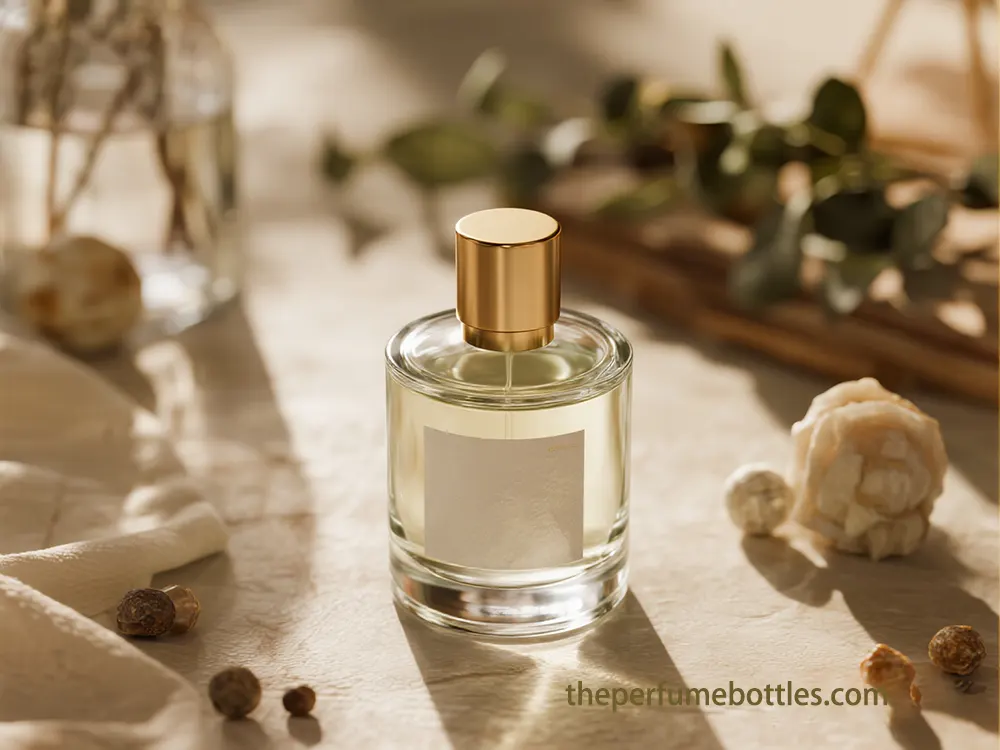
Pobierz bezpłatne próbki
6.2. Zaawansowana produkcja i druk cyfrowy
- Drukowanie 3D: Technologia umożliwiająca bezpośredni druk 3D szklanych butelek do użytku na dużą skalę jest wciąż w powijakach, podczas gdy z drugiej strony jest już szeroko stosowana do produkcji rzemieślniczej, dekoracji i ozdób na zamówienie. W związku z tym może być elementem badań, rozwoju i projektowania opakowań, a także marketingu, w formie planowania komunikacji marki i produktu, treści, prezentacji i aktywacji. Viktor&Rolf zastosowali metodologię 3D do produkcji limitowanej edycji Flowerbomb o złożonym wzorze kwiatów.
- Drukowanie bezpośrednio na szkle: Druk cyfrowy to prawdziwy przełom, jeśli chodzi o atrakcyjne wizualnie, szczegółowe, intensywne kolory obrazów bezpośrednio na szkle, z obsługą fotorealistycznych instrukcji i skomplikowanych wzorów. Druk UV umożliwia wykonanie logo w dowolnym kolorze, podczas gdy tekst może być czysto biały, a metaliczny efekt druku może być widoczny bezpośrednio na szkle nawet w przypadku pojedynczych sztuk (1-2). Powyższe techniki stawiają czoła wyzwaniom tworzenia trwałych i niezawodnych, wyróżniających się etykiet na szklane pojemniki.
6.3. Angażujące zaangażowanie konsumenta dzięki rozszerzonej rzeczywistości (AR) i inteligentnym opakowaniom
AR (rzeczywistość rozszerzona) to narzędzie, które branża opakowaniowa wykorzystuje do angażowania konsumentów na wyższym poziomie. Konsument za pomocą smartfona z technologią AR może uzyskać wciągające wirtualne rozpakowywanie, historie zapachowe, optyczne profile zapachowe, a także bezpośredni widok spersonalizowanych butelek po zeskanowaniu opakowania. Doświadczenie AR Jo Malone ujawnia relacje zapachowe. „Połączona” butelka Paco Rabanne z niewielkim chipem NFC oferuje użytkownikowi nie tylko dostęp do gier, playlist i funkcji AR, ale także wyjątkowe, interaktywne doświadczenie. To „inteligentne opakowanie” (kody QR, chipy NFC) umożliwia również zwalczanie podróbek w czasie rzeczywistym, opowiadanie historii marki i ekskluzywne angażowanie klientów.
6.4. Innowacje w składzie szkła i powłokach
- Nowe formuły szkła:
- Ultralekkie szkło: Emisja CO2 podczas produkcji i transportu jest niższa, a ponadto oszczędza pieniądze. Verescence udało się osiągnąć całkowitą redukcję masy nawet o 60% bez uszczerbku dla luksusowego komponentu. Zastosowanie szkła borokrzemianowego pozwala na uzyskanie cieńszych i trwalszych ścianek.
- Szkło o wysokiej wytrzymałości: Szkło borokrzemianowe zapewnia odporność na szok termiczny w przypadku skomplikowanych kształtów. W tym celu wydajność i trwałość produktu można poprawić również poprzez zastosowanie kilku technologii powlekania.
- Zwiększona przejrzystość: Szkło super flint jest wybierane ze względu na swoją wyjątkową przejrzystość do opakowań luksusowych perfum.
- Zaawansowane powłoki:
- Odporność na zarysowania/chemikalia: Dzięki powłoce GLASNOL®, powierzchnia pokryta powłoką nie tylko zyskuje wysoki połysk, ale z czasem staje się również bardziej odporna na zużycie. Metalizacja (powłoka UV) poprawia ochronę przed zużyciem, korozją i zarysowaniami.
- Powłoki ochronne UV: Lumi Coat firmy Stoelzle (październik 2024) to filtr UV o doskonałej przejrzystości optycznej. „Niewidzialne Tarcze” firmy Heinz-Glas to połączenie lakierów UV. Nanopowłoki zapewniają 99% filtracji UV w przezroczystych butelkach.
- Wykończenia dotykowe: Matowe powłoki nadają produktowi nowoczesny, elegancki, a jednocześnie satynowy charakter. Flokowane materiały imitują miękkość i aksamitną fakturę.
- Inteligentne powłoki: Termochromizm zmienia kolor pod wpływem temperatury. Naukowcy rozważają samoczyszczące się szkło. Powłoka holograficzna to jeden ze sposobów uzyskania efektu opalizującego.
6.5. Alternatywne materiały transparentne i analiza kosztów i korzyści
Branża poszukuje możliwych alternatyw dla tradycyjnego szkła:
- Tworzywa sztuczne pochodzenia biologicznego/poddane recyklingowi: Dow współpracuje z LVMH przy tworzeniu materiałów biopochodnych (np. zużytego oleju kuchennego) oraz odpadów plastikowych. Przyszłość biodegradowalnych tworzyw sztucznych (wykonanych z trzciny cukrowej i skrobi kukurydzianej) rysuje się w jasnych barwach z ekologicznego punktu widzenia. Opakowania z masy celulozowej to doskonałe połączenie amortyzacji wstrząsów i biodegradowalności.
- Alternatywne materiały przezroczyste: Akryl jest lekki, przezroczysty i odporny na uderzenia; jednak najczęściej nie ma faktury szkła i jest trudny do recyklingu. PET i PVC to najpopularniejsze materiały do produkcji produktów wymagających odporności chemicznej i trwałości.
- Metale lekkie: Aluminium i stal nierdzewna to idealne połączenie nowoczesnego wyglądu, trwałości i możliwości recyklingu, stanowiące barierę dla światła i powietrza, co wydłuża trwałość zapachu.
Analiza kosztów i korzyści:Zastosowanie lekkiego szkła może przynieść znaczne oszczędności. Plastikowe butelki nadal stanowią tanie rozwiązanie dla masowego przemysłu perfumeryjnego. Indywidualne dekoracje, takie jak metalizacja, to ekonomiczny sposób na wyróżnienie się. Chociaż ekologiczne materiały mogą być początkowo nieco droższe, nowe technologie mają na celu obniżenie kosztów, a tym samym zrównoważenie zrównoważonego rozwoju z wizerunkiem marki.
Przewiduje się, że globalny rynek opakowań perfum osiągnie wartość 5,95 mld USD do 2032 roku, rosnąc ze średniorocznym wskaźnikiem wzrostu (CAGR) na poziomie 6,93%. Przewiduje się, że światowy rynek personalizowanych flakonów perfum osiągnie wartość 3,8 mld USD do 2027 roku, rosnąc ze średniorocznym wskaźnikiem wzrostu (CAGR) na poziomie 7,2%. Te przełomowe osiągnięcia wskazują na szybkie wdrażanie tych technologii w sektorze rynku masowego w celu personalizacji i hiperpersonalizacji w ciągu najbliższych 5-10 lat.
6.6 Najlepsze praktyki dla modeli gospodarki o obiegu zamkniętym
Udane modele szkła sferycznego preferują ponowne wykorzystanie. Firmy takie jak Rewine osiągają ponowne wykorzystanie 85% butelek, zachęcając do ich zwrotu, a Sustainable Wine Solutions zmniejszyło ślad węglowy o 95% dzięki programowi zwrotu butelek. Wymaga to silnego zaangażowania konsumentów i odpowiedniej infrastruktury.
6.6. Presja i zachęty regulacyjne
Rządy wdrażają przepisy dotyczące zrównoważonych opakowań, w tym nakazy, ograniczenia dotyczące plastiku jednorazowego użytku oraz programy rozszerzonej odpowiedzialności producenta (EPR). PPWR Unii Europejskiej stawia sobie za cel harmonijny system ponownego użycia, plany pobierania kaucji, ambitny cel recyklingu (75% dla szkła) oraz cele dotyczące redukcji odpadów, w tym ograniczenia dotyczące małych jednorazowych kosmetyków w gospodarstwach domowych do 2030 roku.
6.7. Dane demograficzne wpływające na rynek kosmetyków z możliwością uzupełniania
Świadome ekologicznie pokolenie millenialsów (preferuje 73% marek zrównoważonych) i Jane Z (75% nawyków związanych z wpływem na środowisko) prowadzą sklepy z kosmetykami wielokrotnego użytku. Podczas gdy kobiety stanowią większość, mężczyźni wykazują coraz większe zainteresowanie systemami opakowań dla kobiet i mężczyzn. Konsumenci o wysokich dochodach chętnie inwestują w wysokiej jakości, trwałe produkty.
7. Wnioski: Przyszłość wszechstronnych opakowań
Małe szklane butelki roll-on to dynamiczne i efektowne rozwiązanie opakowaniowe. Ich chemiczna obojętność, ochrona UV (szczególnie szkło borokrzemianowe i bursztynowe) oraz różnorodne materiały, z których wykonane są kulki roll-on, zapewniają precyzję i integralność produktu. Ich zastosowania rozszerzyły się poza olejki eteryczne, obejmując pielęgnację skóry, łagodzenie bólu, pielęgnację paznokci, produkty dla zwierząt domowych i naturalne repelenty na owady, wykazując niezwykłą wszechstronność.
Kluczowym czynnikiem pozostaje doświadczenie użytkownika, definiowane przez lepszą przenośność, kontrolowane dozowanie i czystą aplikację. Wraz ze zmieniającą się dynamiką rynku, popytem na wygodę, personalizację i zrównoważony rozwój, butelki roll-on są gotowe na dalszy wzrost. Przyszłe innowacje, w tym zaawansowane mechanizmy dozowania, inteligentna integracja opakowań i zrównoważone materiały, wzmocnią ich pozycję w obszarze odpowiedzialnego pakowania.
Na Statek luksusowy, wyobrażamy sobie opakowania funkcjonalne, estetyczne, ekologiczne i elastyczne. Małe szklane butelki typu roll-on są ucieleśnieniem tego podejścia, łącząc tradycję z innowacją, aby kształtować przyszłość branży w zakresie wszechstronnych i zrównoważonych opakowań.
Uwagi
Kategorie produktów
Butelki z gorącą wyprzedażą
Studium przypadku: Butelka z kroplomierzem dla kanadyjskiej marki
Spersonalizowane buteleczki z kroplomierzem, precyzyjnymi szyjkami i rozwiązaniami premium dla marek wellness.
Dlaczego grawerowane flakony perfum cieszą się coraz większą popularnością?
Odkryj, dlaczego grawerowane flakony perfum są teraz tak popularne — to idealne połączenie elegancji, personalizacji i trwałego wpływu marki.
Porównanie wiodących dostawców opakowań kosmetycznych
Odkryj najlepszych dostawców opakowań kosmetycznych do zamówień hurtowych. Porównaj sprawdzonych producentów oferujących niestandardowe rozwiązania.
Studium przypadku: Niestandardowe, precyzyjnie zaprojektowane szklane butelki na olejki eteryczne od austriackiego klienta
Precyzyjne szklane butelki na olejki eteryczne z idealnie dopasowanym aplikatorem — szczelne, najwyższej jakości i wzmacniające wizerunek marki.
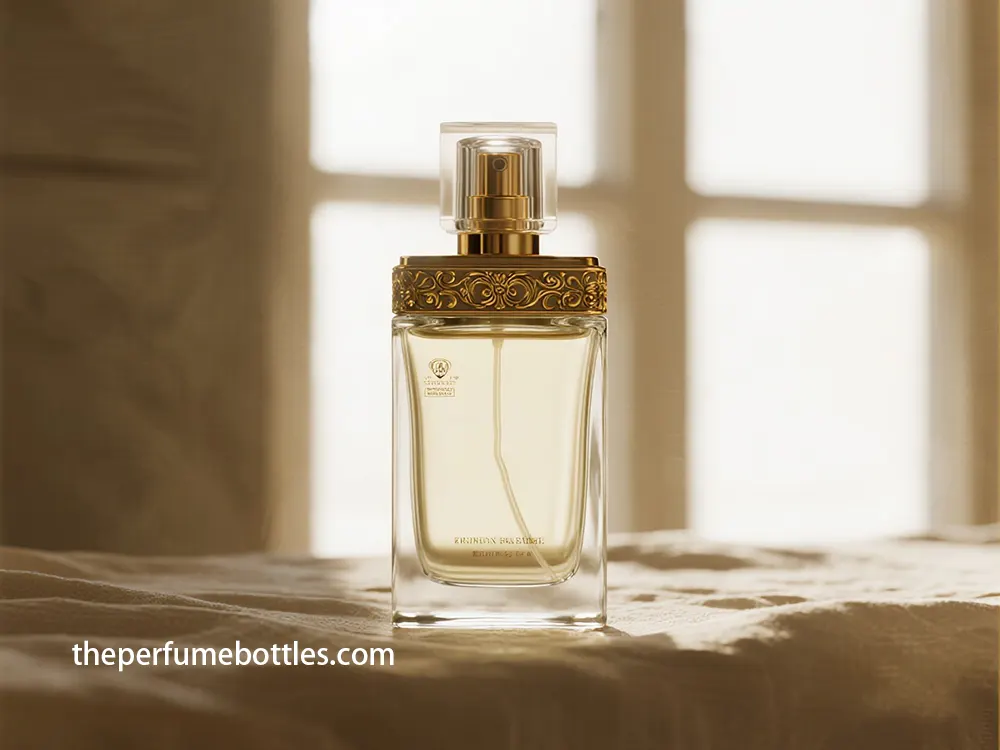
Zwiększanie atrakcyjności: wykorzystanie hurtowej sprzedaży luksusowych butelek perfum
Podnieś atrakcyjność swojej linii perfum dzięki strategicznej sprzedaży hurtowej luksusowych butelek na perfumy.
- +86 186 5178 1159
- [email protected]
- Pon.-Niedz. 07:00-21:00
Tagi
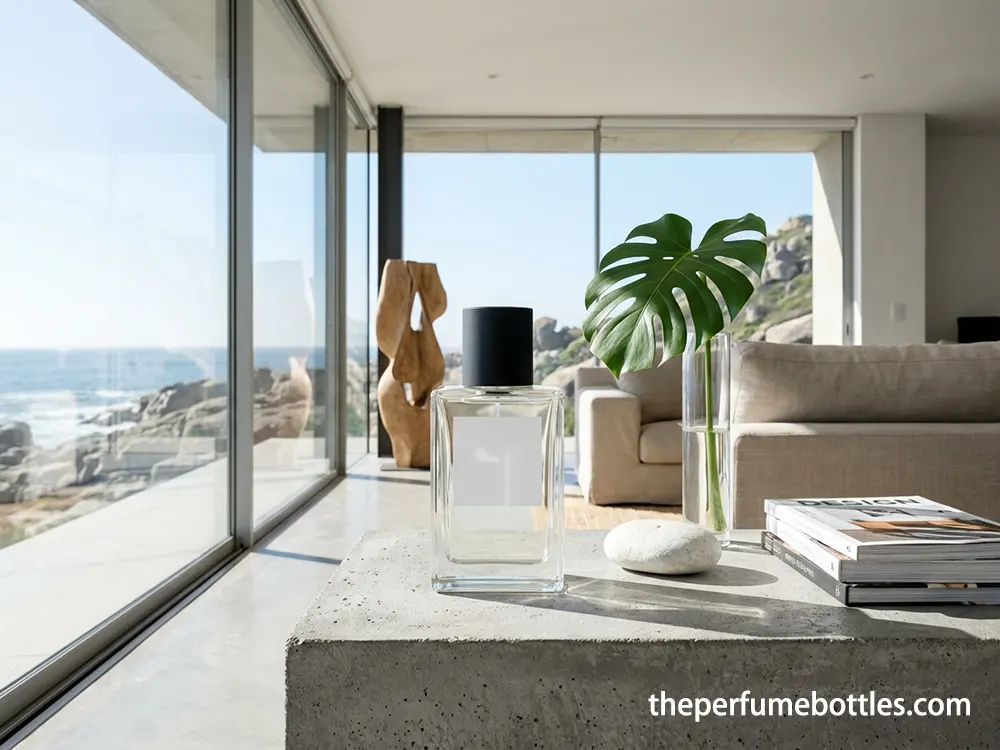
Najlepsze opcje personalizacji oferowane przez wiodących sprzedawców szklanych butelek perfum
06/03/2026
Poznaj najlepsze opcje personalizacji oferowane przez wiodącego sprzedawcę szklanych flakonów perfum. Dowiedz się, jak oferujemy unikalne formy, kolory i wykończenia dla luksusowych marek.
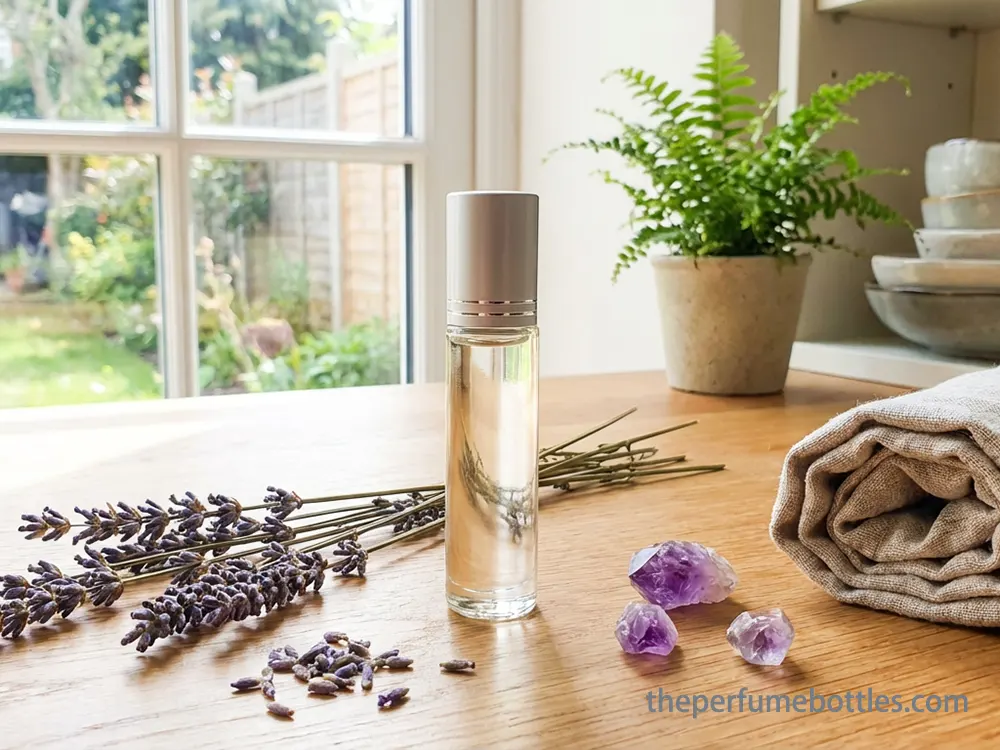
Studium przypadku: Od problemów dystrybutorów szklanych butelek do butelek typu roll-on do stabilnych dostaw fabrycznych
25/02/2026
Problemy sprzedawców szklanych butelek typu roll-on skłoniły hiszpańską fabrykę oleju do zwrócenia się do nas po szczelne, niestandardowe butelki typu roll-on o precyzyjnym dopasowaniu, stabilnej jakości i dostępne w dużych ilościach.
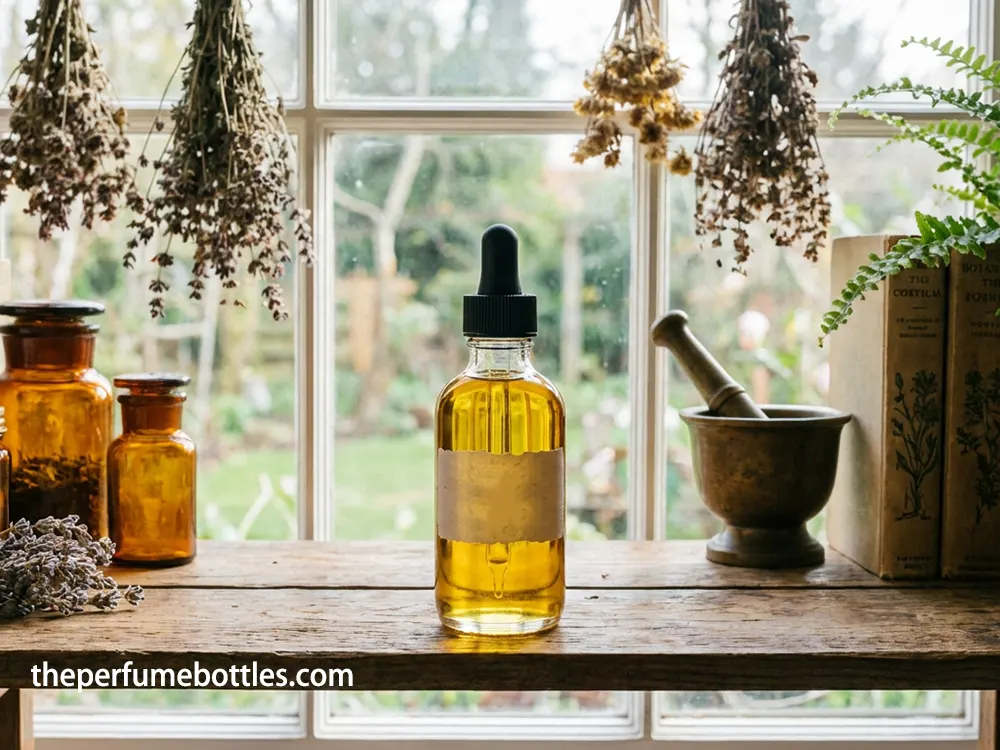
Niestandardowe czy standardowe? Przewodnik dla kupujących szklanych butelek z kroplomierzem
19/02/2026
Wybierasz dystrybutora szklanych butelek z kroplomierzem? Zapoznaj się z naszym poradnikiem dotyczącym opakowań niestandardowych i standardowych. Dowiedz się, jak pomagamy kupującym optymalizować koszty i wpływ marki.
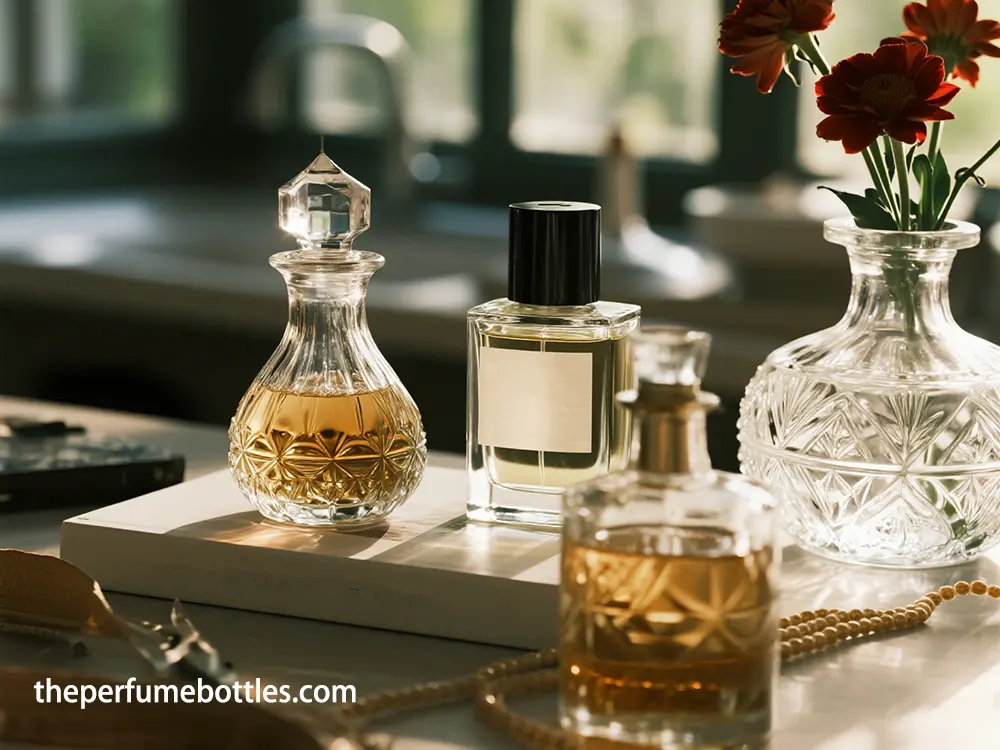
Studium przypadku: Szklane butelki perfum dostosowane do potrzeb niszowego studia perfumiarskiego we Francji
12/02/2026
Szklane flakony na perfumy zostały spersonalizowane dla francuskiego studia perfum. Dostarczyliśmy gradientowe, matowe flakony z drewnianymi nakrętkami, co wzmocniło wizerunek marki i atrakcyjność w sprzedaży detalicznej.
 PL
PL  EN
EN  FR
FR  IT
IT  DE
DE  NL
NL  RU
RU  PT
PT  FI
FI  ES
ES  DA
DA  SV
SV  RO
RO  CS
CS  ZH
ZH  KO
KO  JA
JA  AR
AR  TR
TR  ID
ID  EL
EL  HU
HU  BG
BG