
Como desenroscar um frasco de perfume e outras dicas
Índice
Descubra como desenroscar um frasco de perfume facilmente e explore dicas práticas adicionais para manutenção, reabastecimento e cuidados com o frasco.
Este guia abrangente, oferecido a você por VesseluxeEm relação às complicações do fechamento de frascos de perfume, oferecemos técnicas especializadas e dicas especiais sobre como desenroscar um frasco de perfume, como vedar a atmosfera com a tecnologia D-Crimp e como gerenciar os processos pós-abertura de forma segura e eficaz. Nosso objetivo é capacitar tanto entusiastas quanto profissionais, fornecendo o conhecimento necessário para preservar seus preciosos aromas e prolongar a vida útil de seus elegantes perfumes.
1. Identificando o tipo de frasco de perfume (com tampa de pressão ou recarregável/de rosca)
Antes de tentar abrir qualquer coisa frasco de perfumeÉ fundamental identificar o mecanismo de fechamento do frasco. Essa avaliação inicial determina a possibilidade de preservar o método de abertura adequado, as ferramentas necessárias e a atmosfera original. Os frascos de perfume geralmente se dividem em três categorias principais: com tampa de pressão, com tampa de rosca e com design recarregável.
1.1. Garrafas seladas: a vedação permanente
Os frascos com lacre frisado caracterizam-se por um design elegante e sem emendas, onde a bomba é fixada permanentemente ao gargalo do frasco. Não há roscas visíveis, e uma faixa metálica é pressionada mecanicamente ao redor de uma saliência no gargalo para fixar o borrifador. Marcas de luxo frequentemente utilizam esse design para expressar elegância, sofisticação e um produto premium, à prova de adulteração, que esconde completamente a área frisada com um colarinho decorativo. Esse design proporciona uma vedação hermética e inviolável, essencial para preservar a integridade da fragrância e evitar a evaporação, o que é de extrema importância para perfumes de alta qualidade.
1.2. Garrafas com Tampa de Rosca: O Lacre Removível
As garrafas com tampa de rosca são projetadas para reutilização e praticidade. Elas possuem uma ranhura espiral visível (rosca) no gargalo, permitindo o fechamento completo com a tampa ou bomba dosadora, sem a necessidade de ferramentas especiais. A rosca no gargalo é formada durante o processo de moldagem do vidro, garantindo um encaixe preciso com a tampa de rosca correspondente. A rosca padrão é representada por dois números, por exemplo, 13/415 (diâmetro externo de 13 mm, 2 voltas de rosca).
1.3. Garrafas recarregáveis especialmente desenvolvidas: projetadas para durar mais tempo
Cada vez mais marcas priorizam a estabilidade, oferecendo garrafas recarregáveis e com tampa de rosca, alinhando-se a valores ecológicos e à demanda do consumidor por menos desperdício. Essas garrafas são claramente projetadas para reutilização infinita e durabilidade. Sinais visuais incluem facilidade de abertura e um bico rosqueável para recolocação, ou mecanismos de recarga ocultos, como pequenos orifícios ou compartimentos removíveis na parte inferior da garrafa, que podem ser escondidos ou separados para revelar uma porta de recarga. Os indicadores mais confiáveis geralmente são a indicação clara na garrafa, na embalagem ou no site do fabricante de que a garrafa é recarregável, ou instruções de recarga.
Marcas como Mugler impulsionaram o sistema de refil em 1992 com a fragrância de sua fada, dedicada aos dispensadores de refil em lojas e aos refis para uso doméstico. O frasco de refil é encaixado de cabeça para baixo. A Lancôme oferece um sistema de cápsulas para refil em dispensadores de refil para "Idôle" e sua linha Absolue. Esses designs geralmente incluem cilindros de vidro menores e mais leves, além de materiais reciclados, o que reflete uma mudança significativa em direção a embalagens permanentes.
2. Definindo seu objetivo e avaliação de recursos
Antes de prosseguir com qualquer método de abertura, defina claramente seu objetivo principal e avalie os recursos disponíveis. Essa etapa importante direcionará sua perspectiva e gerenciará as expectativas em relação à proteção do atomizador.
2.1. Esclarecendo seu objetivo principal
Seu objetivo determinará em grande parte o método que você escolherá:
- Reabasteça com a mesma fragrância: Essa é a finalidade mais comum para garrafas recarregáveis ou com tampa de rosca. Seu propósito é abrir a garrafa, transferir mais do odor original e selá-la com segurança.
- Reutilize o frasco para uma fragrância ou finalidade diferente: Isso requer uma limpeza completa para eliminar qualquer resíduo de fragrância e pode incluir a alteração do ambiente ou o uso de um bandh separado.
- Acesse o líquido para decantação ou reparo: Se o atomizador estiver quebrado ou se você quiser transportar a fragrância para um local de viagem, a prioridade é ter acesso seguro ao líquido, mesmo que isso signifique abrir mão do atomizador original.
Obtenha amostras grátis
2.2. Avaliação das ferramentas especializadas disponíveis e da preservação aceitável do atomizador
A disponibilidade do equipamento e a sua disposição para potencialmente danificar o atomizador original são considerações essenciais.
- Ferramentas especializadas para abertura: Para frascos com tampa de rosca e recarregáveis, um pano quente para prender os elásticos ou um pano quente para soltá-los pode ser suficiente… Para frascos com lacre de pressão, a situação é mais complexa. Atualmente, não existe uma ferramenta ou máquina especial amplamente reconhecida que possa remover lacres de pressão de frascos de perfume de forma eficiente, preservando a atmosfera original para reutilização no mesmo frasco. O principal método sugerido para remover o lacre de pressão inclui o uso de cotonetes laterais, o que resulta em um processo desastroso para o lacre, pois a vedação fica comprometida, preservando a atmosfera original do lacre, o que é altamente inadequado sem causar perdas significativas.
- Ferramentas de crimpagem para selar, não para abrir: É importante notar que existem diversas máquinas de crimpagem e equipamentos manuais disponíveis (por exemplo, a Máquina de Crimpagem de Frascos de Perfume Smart Pack, a Ferramenta de Crimpagem Pneumática Semi-Automática para Frascos de Perfume ZONESUN). Esses equipamentos são projetados para selar com segurança novas bombas ou tampas de spray em frascos de perfume, garantindo uma vedação hermética e à prova de vazamentos para projetos de fabricação ou faça-você-mesmo. Eles não são projetados para abrir a atmosfera já crimpada para fins de conservação.
- Ferramentas gerais de acesso: Utensílios domésticos comuns, como pinças, alicates pequenos, chaves de fenda de precisão, tesouras e pegadores de borracha, são frequentemente recomendados para abrir diversos tipos de frascos e acessar o aroma. O objetivo principal é abrir o frasco, com menos ênfase na preservação da integridade do atomizador original para posterior verificação.
- Preservação do atomizador: Em frascos com lacre de segurança, é de se esperar que a fragrância original seja danificada durante a remoção. Se a preservação da fragrância for uma prioridade, considere soluções alternativas como fragrâncias recarregáveis para viagem, que permitem o uso direto do bico do perfume sem a necessidade de trocar o frasco.
3. Métodos de abertura para garrafas com tampa de rosca e garrafas recarregáveis.
Os frascos de fragrância As estruturas projetadas para facilitar o acesso geralmente são retas, mas técnicas específicas podem garantir a segurança e evitar danos.
3.1. Garrafas com Tampa de Rosca: A Abordagem Mais Fácil
Para abrir um frasco com tampa de rosca, segure-o firmemente com uma mão e gire a tampa no sentido anti-horário com a outra. Se a tampa estiver torta ou difícil de abrir, use um pano ou luva de borracha para ter mais firmeza. A faixa de borracha que envolve a tampa pode ser cortada para aquecê-la. Para evitar contaminação, inspecione e limpe qualquer resíduo de fragrância do gargalo do frasco.
3.2. Garrafas de encaixe por pressão: É necessário fazer alavanca com cuidado.
Essas garrafas não possuem rosca e o borrifador se fecha apenas por pressão. Para abrir, primeiro remova a tampa externa. Envolva o gargalo da garrafa com um pano pequeno para evitar arranhões. Insira um objeto fino e plano (como uma espátula, uma chave de fenda de ponta chata ou uma faca de manteiga) na fenda entre o anel do borrifador e a garrafa. É importante evitar quebrar componentes de plástico ou estilhaçar o vidro para não precisar de força excessiva.
3.3. Garrafas com Tampa Embutida: Manipulação Cuidadosa
Para garrafas onde a tampa parece estar bem encaixada ou profundamente integrada ao design, use um alicate de bico fino para segurar as bordas da tampa com uma leve pressão. Para soltá-la, gire a tampa da esquerda para a direita. Se essas tentativas não forem suficientes, coloque cuidadosamente um pequeno estilete com massa de modelar na fenda entre a tampa e a garrafa e dobre-o suavemente; use-o como último recurso.
3.4. Mecanismos de recarga específicos da marca
Muitas marcas de luxo integraram o sistema de recarga sofisticado. Por exemplo, o perfume "My Way", de Giorgio Armani, possui um dispensador que permite inverter o frasco de recarga de 150 ml e está diretamente conectado ao frasco principal. Isso demonstra um mecanismo de rosca padronizado e fácil de usar para a recarga. Outras marcas, como Lancôme e Mugler, também oferecem sistemas de recarga específicos, geralmente com instruções detalhadas em suas embalagens ou sites. Esses sistemas são projetados para fácil encaixe e dissolução, muitas vezes com um "clique" satisfatório ao fechar, para manter uma ótima experiência e promover a estabilidade do produto.
3.5. Especificações de Torque (Diretrizes Gerais)
Embora os valores específicos de torque para frascos de perfume não sejam amplamente divulgados aos consumidores, existem diretrizes gerais para tampas. O torque de aplicação, a força rotacional utilizada para fechar uma tampa, geralmente é medido em libras por polegada (lb/in) e em cerca de 50% do diâmetro da tampa (por exemplo, uma tampa de 63 mm pode ter um torque de aplicação de 31 a 38 lb/in). O ponto em que a força de aplicação excessiva é aplicada é o fechamento da tampa ou a rosca do frasco. Os fabricantes geralmente fornecem especificações de torque para suas tampas.
4. Técnicas de deslacração de frascos atomizadores selados
A crimpagem de garrafas com atmosfera selada é a operação mais desafiadora, pois essas garrafas são projetadas para um lacre permanente e inviolável. Esse processo, naturalmente, acarreta um alto risco de danificar a garrafa e a atmosfera original.
4.1. Compreendendo o Desafio
As garrafas com fecho de pressão são projetadas para uma “fixação permanente e segura”, criando uma “ligação irreversível” que não pode ser removida sem danificar visivelmente a bomba ou o gargalo da garrafa. Esse design garante resistência à adulteração e integridade do produto para marcas de luxo. Os fechos de pressão geralmente são feitos de alumínio ou outros metais, e às vezes também de plástico.
4.2. Processo de Descrimpagem Passo a Passo (Método Faça Você Mesmo)
Este método tem como foco alcançar o líquido, mesmo que o atomizador original possa ser danificado.
- Segurança em primeiro lugar: Use sempre luvas resistentes e óculos de proteção ou protetor facial para se proteger de estilhaços de vidro e respingos de líquidos.
- Prepare a garrafa: Retire o botão de plástico do pulverizador. Remova o gargalo da garrafa com um pano ou toalha protetora para evitar arranhões e proporcionar melhor aderência.
- Aplicar calor suave (opcional, mas recomendado): Aplique calor suave em uma braçadeira metálica prensada por um ou dois minutos, usando um secador de cabelo ou pistola de ar quente. Isso pode ajudar a amolecer o metal, possivelmente facilitando a abertura.
- Desencaixe a crimpagem:Use um alicate de bico fino, um alicate comum ou um alicate de corte para ferragens. Segure a extremidade da braçadeira metálica macia. Trabalhe lenta e cuidadosamente, percorrendo toda a volta do gargalo da garrafa, aplicando pressão. O objetivo é deformar a braçadeira metálica aos poucos até que ela se solte e não possa mais ser removida.
- Remova o atomizador: Assim que a trava estiver suficientemente solta, todo o mecanismo do atomizador (incluindo o tubo de imersão) pode ser cuidadosamente retirado do frasco.
4.3. Ferramentas especializadas para descrimpagem profissional
Embora os métodos caseiros sejam desastrosos, existe um removedor de colarinho pneumático específico, como o CR12, que permite a remoção sem danos, principalmente para bombas de crimpagem "Crimp Low". Ele foi projetado para remover colarinhos de dimensões padrão (por exemplo, 13 mm, 15 mm, 18 mm, 20 mm, antes de 20 mm). Essa ferramenta geralmente é usada em ambientes industriais ou profissionais para controle de qualidade ou reciclagem, e não para proteção atmosférica em nível de consumidor.
Obtenha amostras grátis
4.4. "Bombas de auto-crimpagem"
Alguns sistemas, conhecidos como "bombas de auto-crimpagem" ou "bombas de pressão", oferecem uma opção de montagem mais fácil e vedação potencialmente menos permanente do que as crimpagens tradicionais. Esses sistemas permitem uma montagem rápida e fácil sem a necessidade de maquinário pesado, e sugerem um design que pode ser mais ágil para remoção não destrutiva, embora sua fixação ainda seja descrita como "semipermanente" ou "mais permanente".
4.5. Considerações pós-descrimpagem
A integridade estrutural a longo prazo de uma garrafa fica comprometida após a remoção da lacre, e a garrafa geralmente não é projetada para ser reutilizada em sua forma original. O método D-Crimp tem como objetivo enfraquecer o gargalo de vidro. Uma nova bomba de crimpagem é necessária sem a possibilidade de vedar novamente uma garrafa após a remoção do lacre.
5. Procedimentos pós-abertura: reabastecimento, limpeza e fechamento da embalagem
Uma vez aberto o frasco de perfume, as etapas seguintes envolvem o seu enchimento com uma única fragrância, a sua completa limpeza para um novo uso ou o seu fechamento. Cada processo requer atenção meticulosa à integridade da fragrância e à manutenção da funcionalidade do frasco.
5.1. Reabastecendo a garrafa
Para evitar derramamentos e reduzir o desperdício durante o reabastecimento de perfumes, o uso de funis pequenos, seringas (sem agulhas), pipetas ou dispositivos especiais, como conta-gotas, é a melhor opção. A facilidade de fluxo é essencial para grandes quantidades. Evite o enchimento excessivo, pois essa é uma causa comum de vazamentos.
5.2. Limpeza completa para reutilização
A limpeza eficaz de um frasco de perfume requer uma abordagem em várias etapas para remover os óleos de fragrância residuais e higienizar o Vesseluxe.
- Enxágue inicial: Esvazie completamente a garrafa e enxágue-a bem com água morna para remover quaisquer resíduos soltos.
- Lavagem com sabão: Adicione um detergente neutro e sem perfume à água morna e agite o interior. Uma vassoura de algodão pode ser usada para aberturas estreitas. Após remover todos os resíduos de sabão, enxágue várias vezes com água morna limpa para garantir que o novo aroma seja absorvido.
- Imersão em álcool para dissolução de óleo: O álcool isopropílico (70% ou mais) é importante para dissolver perfumes persistentes e limpar o frasco. Coloque uma pequena quantidade no frasco, gire-o para cobrir todas as superfícies e deixe agir por alguns minutos, ou por 15 minutos para resíduos persistentes. Isso remove eficazmente as moléculas aromáticas da fragrância. Em seguida, enxágue com água limpa e morna.
- Limpeza avançada (vinagre e abrasivos): Especialmente para resíduos ou manchas persistentes, pode-se usar uma solução de vinagre branco destilado, possivelmente deixando agir durante a noite. Uma colherada pode servir como um removedor suave de manchas, sem deixar resíduos internos, com detergente líquido neutro.
- Limpeza do atomizador e do tubo de imersão: Se o atomizador for removível, separe-o e enxágue cada parte separadamente com água morna, seguida de álcool isopropílico. Preste atenção especial ao bico de pulverização para garantir que esteja livre de obstruções. Para atomizadores não removíveis, borrife água morna ou uma solução de álcool pelo mecanismo para limpar as barreiras.
- Limpeza ultrassônica (avançada): Para componentes complexos, como tubos de imersão e peças de atomizadores, os limpadores ultrassônicos oferecem melhor desempenho. Esses dispositivos utilizam ondas sonoras de frequência microscópica para criar bolhas em microcavidades, removendo com eficácia sujeira, graxa e óleos sem a necessidade de esfregar fisicamente ou usar produtos químicos agressivos, alcançando áreas inacessíveis à limpeza manual.
- Secagem completa: Após a limpeza, é importante neutralizar a umidade residual resultante da secagem prolongada para evitar a formação de mofo. Coloque o recipiente em um local bem ventilado para garantir a evaporação completa. Um pano macio e sem fiapos ou papel-toalha podem absorver a umidade inicial.
5.3. Considerações sobre compatibilidade química
Ao selecionar produtos de limpeza, é importante considerar sua compatibilidade química com diferentes tipos de plástico, como os materiais de frascos e atomizadores (por exemplo, vidro, diversos plásticos como LDPE, HDPE, PP, PET, PTFE, PVC e metais). Além disso, é fundamental avaliar a resistência química dos produtos químicos em comparação com o vidro.
5.4. Recoloque a vedação do atomizador
O método de vedação depende do tipo de garrafa e do seu objetivo.
- Crimpagem para selos herméticos: A crimpagem é o método mais comum e eficaz para selar hermeticamente frascos de perfume, prevenindo a evaporação, protegendo as fragrâncias de agentes externos e oferecendo vedação inviolável. Este processo, que pode proteger uma nova bomba no gargalo do frasco, não requer equipamentos específicos. Atmosfera.
- Tampas de rosca:Originalmente concebidos com tampa de rosca, basta enroscá-los novamente na tampa ou no atomizador. São ideais para perfumes caseiros ou uso doméstico, pois permitem um reabastecimento fácil.
- Tampas de encaixe por pressão: Os atomizadores de encaixe por pressão utilizam mecanismos com mola que pressionam o frasco no gargalo. É necessário um alinhamento cuidadoso para a substituição. Embora proporcionem uma vedação semi-estável e permanente, podem ser difíceis de remover sem danificar o frasco ou a tampa, tornando-os menos adequados para recargas frequentes em comparação com os atomizadores de rosca.
- Soluções inovadoras de vedação (especulativas): Para elementos decorativos ou vedação personalizada, adesivos transparentes que requerem tratamento com luz são usados como alternativa na indústria de bens de luxo. Esses adesivos oferecem alta resistência, resistência à umidade e secagem rápida, podendo ser projetados para inflar e personalizar o produto. O consumidor final representará um desafio. Especificamente, juntas de silicone sob medida ou sistemas de vedação magnética em miniatura podem oferecer opções sofisticadas e reutilizáveis no futuro.
Obtenha amostras grátis
6. Considerações de segurança e resolução de problemas comuns
A segurança é fundamental ao manusear garrafas de vidro, utensílios cortantes e aromas voláteis. Compreender os problemas comuns e suas soluções pode prevenir perdas e lesões.
6.1. Precauções Essenciais de Segurança
Equipamento de Proteção Individual (EPI):
- Luvas: Use sempre luvas para proteger as mãos de vidros afiados e possíveis irritações causadas por óleos de fragrância. Recomenda-se o uso de luvas resistentes a cortes para manusear vidros, especialmente durante a remoção de resíduos. Luvas de nitrilo são adequadas para manusear e limpar recipientes de fragrâncias, pois impedem a penetração do óleo e evitam a contaminação cruzada.
- Proteção ocular: Use óculos de proteção (óculos de segurança ou óculos de proteção) para evitar que os olhos fiquem irritados com respingos ocasionais de perfume ou pedaços de vidro.
- Máscaras respiratórias para fumos: Trabalhe em uma área bem ventilada (janelas abertas, ventiladores), para evitar a inalação direta do vapor do perfume, especialmente para pessoas sensíveis, ou fragrâncias concentradas com aromas fortes.
Manuseio seguro de vidro e ferramentas cortantes:
- Aderência segura: Segure o frasco de perfume firmemente. Use um pano limpo ou uma base de borracha para aumentar a aderência e proteger o frasco contra arranhões.
- Evite o uso excessivo de força:Usar força excessiva pode danificar a tampa, quebrar a garrafa ou causar ferimentos. Use métodos suaves.
- Cuidado com objetos cortantes: Evite usar facas para mexer em garrafas abertas. Ao remover o lacre, use uma espátula ou um garfo com extrema cautela para evitar quebrar ou cortar a garrafa.
- Descarte de vidro quebrado: Se uma garrafa quebrar, descarte os cacos de vidro e o líquido com cuidado. Envolva os cacos de vidro em jornal ou papelão antes de colocá-los no lixo.
Configuração de um espaço de trabalho seguro: Certifique-se de que a garrafa esteja espalhada sobre uma superfície estável, limpa e livre de imperfeições para evitar derramamento e contaminação.
6.2. Solução de problemas comuns
Tampas presas
- Batidas suaves: Bata levemente a garrafa em uma superfície sólida.
- Método da água morna: Para expandir metal ou plástico, passe água quente sobre a tampa ou rolha, ou dissolva os resíduos secos. Evite o superaquecimento.
- Aderência aprimorada: Use luvas aderentes, um rasgo texturizado ou prenda a tampa com um elástico.
- Álcool isopropílico: Limpe cuidadosamente a região do pescoço com álcool isopropílico para dissolver os resíduos.
- Método de congelamento: Coloque a garrafa no congelador por cerca de 15 minutos para ajudar a soltar a tampa.
- Equalização de pressão: Devido às mudanças de pressão (por exemplo, em viagens aéreas), perfurar o canto superior da tampa com um alfinete pode ajudar a igualar a pressão.
- Assistência profissional:Para garrafas valiosas ou antigas, consulte um restaurador profissional.
Atomizadores/Pulverizadores Quebrados
- Bocal entupido:
- Remova o bocal (se for removível) e enxágue em água corrente quente.
- Use uma agulha fina ou um alfinete para limpar resíduos de perfume seco de pequenos orifícios.
- Mergulhe o borrifador em água quente ou álcool isopropílico, depois bombeie suavemente para transferir o vinho, enxágue com água destilada e deixe secar ao ar livre.
- Bocal solto/desprendido: Recoloque alinhando com a haste e pressionando ou girando suavemente.
- Sistema de bomba avariado:
- Se o bocal de pulverização estiver danificado, mas a bomba funcionar, troque o bocal de pulverização por um compatível.
- Caso o pulverizador esteja completamente avariado, substitua-o por uma bomba de pulverização paralela ou universal, certificando-se da compatibilidade.
- Um pouco de mostarda pode, aos poucos, resolver o problema de uma bomba de despejo.
- Alguns usuários conseguiram reconectar com sucesso as hastes atmosféricas separadas usando supercola de cianoacrilato ao redor da mola e da membrana da válvula.
- Transferência de perfume:Se o atomizador estiver irreparável, transfira-o cuidadosamente para um recipiente novo, limpo e hermético, utilizando uma seringa ou um funil. Filtre um pedaço de vidro com filtros de café ou uma peneira fina. Evite funis ou frascos de plástico, pois o plástico pode reagir com os perfumes.
Derramamentos de líquidos
- Ação imediata: Seque o líquido rapidamente com papel toalha ou panos limpos, sem esfregar.
Pós absorventes: Cubra com bicarbonato de sódio ou amido de milho, deixe agir e depois aspire ou varra. O bicarbonato de sódio neutraliza os odores. - Soluções de limpeza:
- Superfícies duras: Use água morna com detergente neutro ou partes iguais de vinagre branco e água. O álcool isopropílico também é eficaz. Faça um teste primeiro.
Tecidos/Tapetes: Aplique uma solução de detergente neutro para roupas ou pasta de bicarbonato de sódio. Dê leves batidinhas. Enxágue com água fria.
- Superfícies duras: Use água morna com detergente neutro ou partes iguais de vinagre branco e água. O álcool isopropílico também é eficaz. Faça um teste primeiro.
- Ventilação: Abra as janelas ou use um ventilador para dispersar o cheiro forte.
- Descarte de perfume residual: Pequenas quantidades absorvidas por toalhas de papel devem ser colocadas em sacos plásticos selados. Quantidades maiores exigem consulta às normas locais de descarte de resíduos perigosos; despejar no ralo é prejudicial.
Gargalos de garrafa danificados
- Rachaduras/Lascas: Para pequenas rachaduras, pode-se usar epóxi próprio para reparar cola transparente ou vidro. Certifique-se de que o frasco esteja limpo e sem óleo.
- Pescoços quebrados: Trata-se de um reparo complexo, que geralmente exige serviços profissionais de restauração de vidros.
- Prevenção: Armazene as garrafas em superfícies estáveis, longe das bordas, e manuseie-as com cuidado.
Descrimpagem incompleta
- Ferramentas e técnicas:Continue usando algodão ou barbante para alargar e dobrar lentamente a parte metálica ao redor da garrafa até cobri-la completamente. Para evitar quebrar a garrafa, é preciso paciência e cuidado.
- Desafios: Não existe equipamento específico para a remoção de resíduos de forma qualificada e não destrutiva disponível para o consumidor. O uso excessivo de spray removedor de resíduos pode obstruir a válvula, enquanto soluções pouco eficazes podem causar vazamentos.
- Risco de danos: Existe um alto risco de danos à garrafa de descriminalização, especialmente se esta estiver em condições críticas.
- Alternativa para decantação: Se a remoção da tampa crimpada for muito arriscada e o atomizador estiver funcionando, o perfume pode ser pulverizado diretamente em uma pequena quantidade de ar ou usando uma seringa/pipeta, caso o frasco tenha tampa de rosca ou aplicador roll-on.
6.3. Sugestões proativas para maior segurança e eficiência
- Desenvolva uma árvore de decisão abrangente para a resolução de problemas: Crie uma árvore de decisão interativa que oriente os usuários com base nos tipos de frasco (tampa de rosca, rolha, spray inseticida, roll-on) e problemas específicos (tampas presas, válvulas quebradas, vazamentos). Cada ramificação levará às etapas específicas de solução de problemas, indicando as ferramentas necessárias, os EPIs e quando buscar ajuda profissional. Isso simplificará o processo e reduzirá erros do usuário.
- Pesquise os procedimentos de emergência para exposição a produtos químicos: Forneça protocolos específicos de primeiros socorros para o conteúdo geral de perfumes (por exemplo, etanol, óleo essencial, compostos aromáticos sintéticos) em termos de exposição da pele, exposição dos olhos ou inalação. Isso incluirá lavagem imediata da pele, lavagem abundante dos olhos e busca por ar fresco em caso de inalação, com orientações claras sobre como proceder.
- Orientações detalhadas para descarte: Elabore uma lista completa dos materiais comuns em frascos de perfume (vidro, diversos tipos de plástico, metal) e suas respectivas diretrizes de reciclagem/descarte, enfatizando que as normas locais podem variar bastante. Forneça instruções claras para o descarte de vidros quebrados, componentes plásticos e resíduos de perfume, destacando os danos ambientais causados pelo descarte inadequado de perfumes em ralos.
Comentários
Categorias de produtos
Garrafas em promoção


Como escolher a fábrica de frascos de óleos essenciais certa?
Descubra o que os compradores empresariais devem esperar de uma fábrica de frascos para óleos essenciais, desde a qualidade do vidro e personalização até a quantidade mínima de encomenda, testes e fornecimento em grande escala.
Estudo de caso: Como um distribuidor de garrafas roll-on de vidro melhorou a qualidade no Canadá
Veja como um fornecedor de frascos roll-on de vidro entregou frascos roll-on premium para uma marca canadense de óleos essenciais, com personalização confiável e controle de qualidade rigoroso.
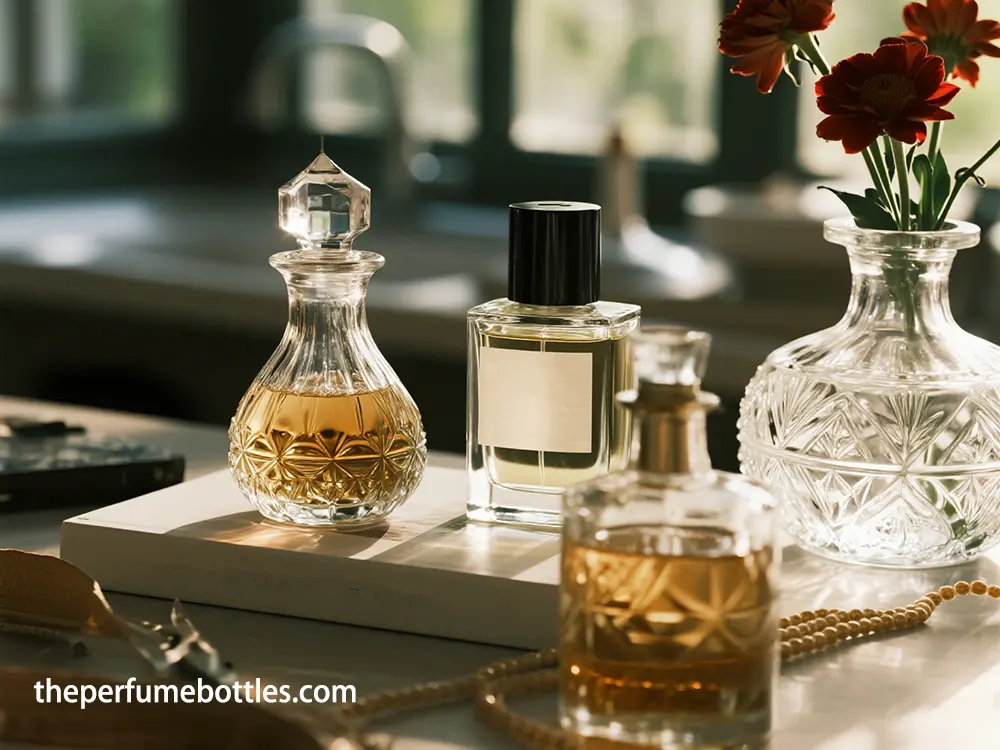
Case Study: How Glass Perfume Bottles Customize Helped a French Brand Improve Branding
Descubra como os frascos de perfume de vidro personalizados foram aprimorados por um estúdio de perfumes francês, oferecendo design exclusivo, qualidade premium e diferenciação no mercado.
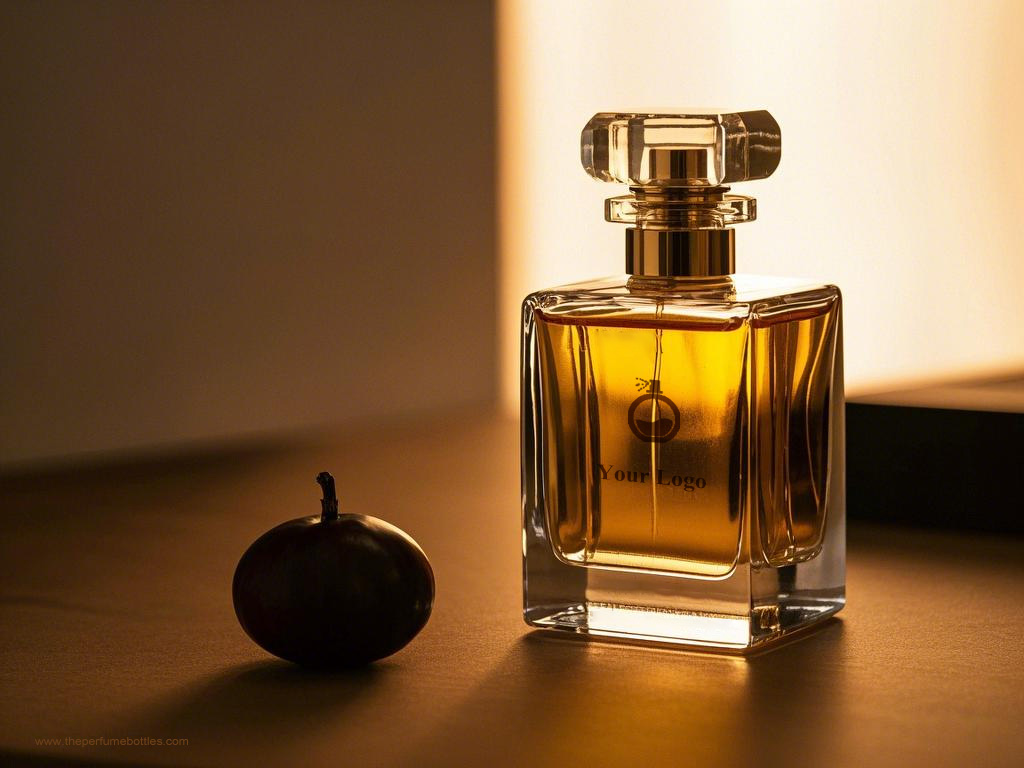
Frascos de perfume grandes no atacado: Guia de tendências de design
Descubra as tendências de atacado de frascos de perfume grandes, com informações sobre designs premium, qualidade do vidro, personalização, custos de embalagem e fornecimento em grandes quantidades.
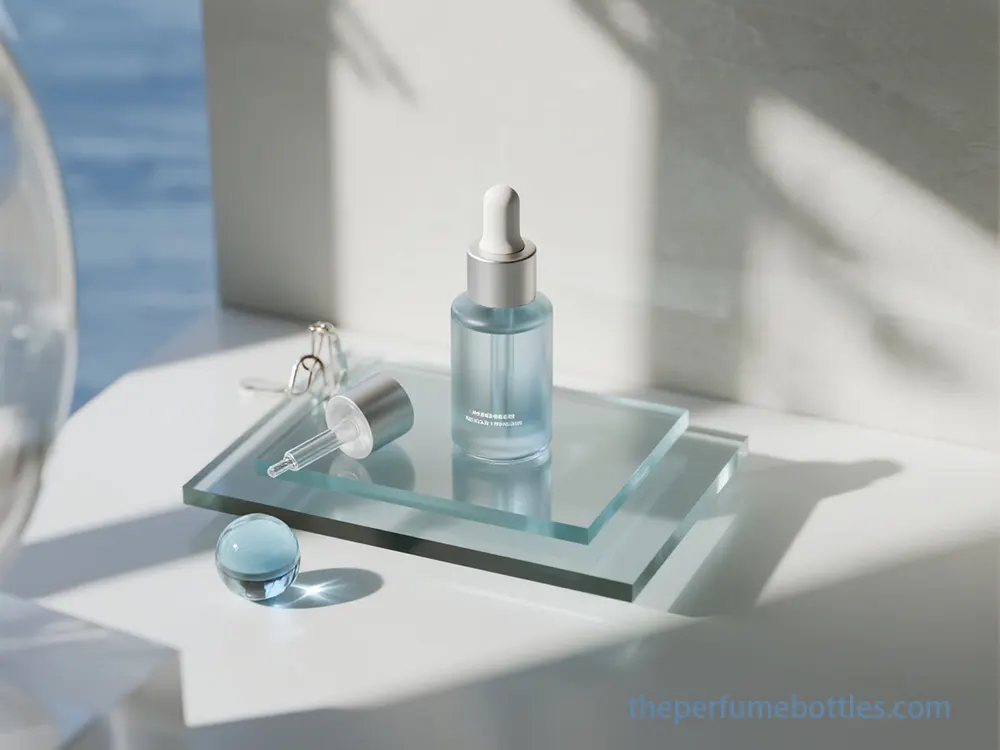
Estudo de caso: Frascos de vidro com conta-gotas para uma marca americana de óleos essenciais
Veja como os frascos de vidro com conta-gotas ajudaram uma marca americana de óleos essenciais com soluções de dosagem precisa, personalização e produção escalável.
- +86 186 5178 1159
- [email protected]
- Segunda a domingo, das 7:00 às 21:00
Etiquetas
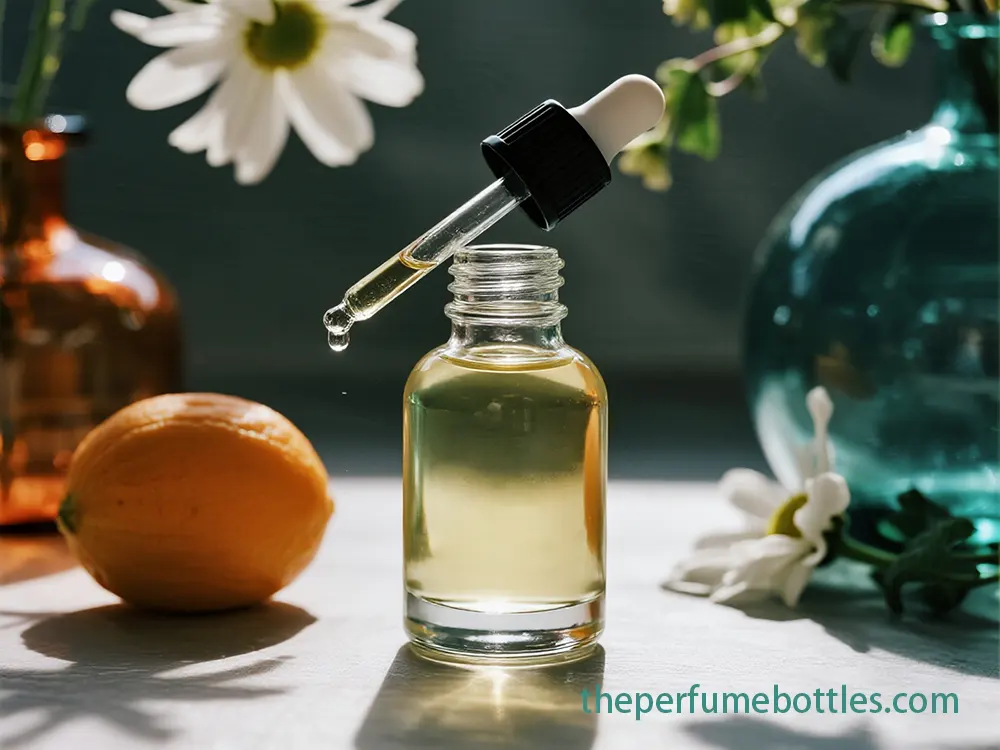
Case Study: How a Custom Glass Dropper Bottles Supported German Essential Oil Brand
11/09/2026
Frascos conta-gotas de vidro personalizados para óleos essenciais alemães — decoração sofisticada, rigoroso controle de qualidade e acabamento impecável para embalagens de marcas premium.
Case Study: How to Custom Engraved Perfume Bottles for Swiss Brands
11/09/2026
Descubra como frascos de perfume personalizados com gravação ajudaram clientes suíços a obter embalagens de alta qualidade, uma marca mais forte e uma identidade de produto única.
Case Study: How Glass Lotion Bottles Helped a Japanese Brand Fix Quality
11/09/2026
See how custom glass lotion bottles helped a Japanese skincare brand improve pump performance, bottle stability, and premium packaging, driving sales growth.
Case Study: How a Glass Perfume Bottles Company Helped EU Brands Improve Branding
11/09/2026
Uma empresa de frascos de perfume de vidro fez parceria com um estúdio de fragrâncias para desenvolver frascos personalizados com design sofisticado, detalhes precisos e produção em larga escala estável.