
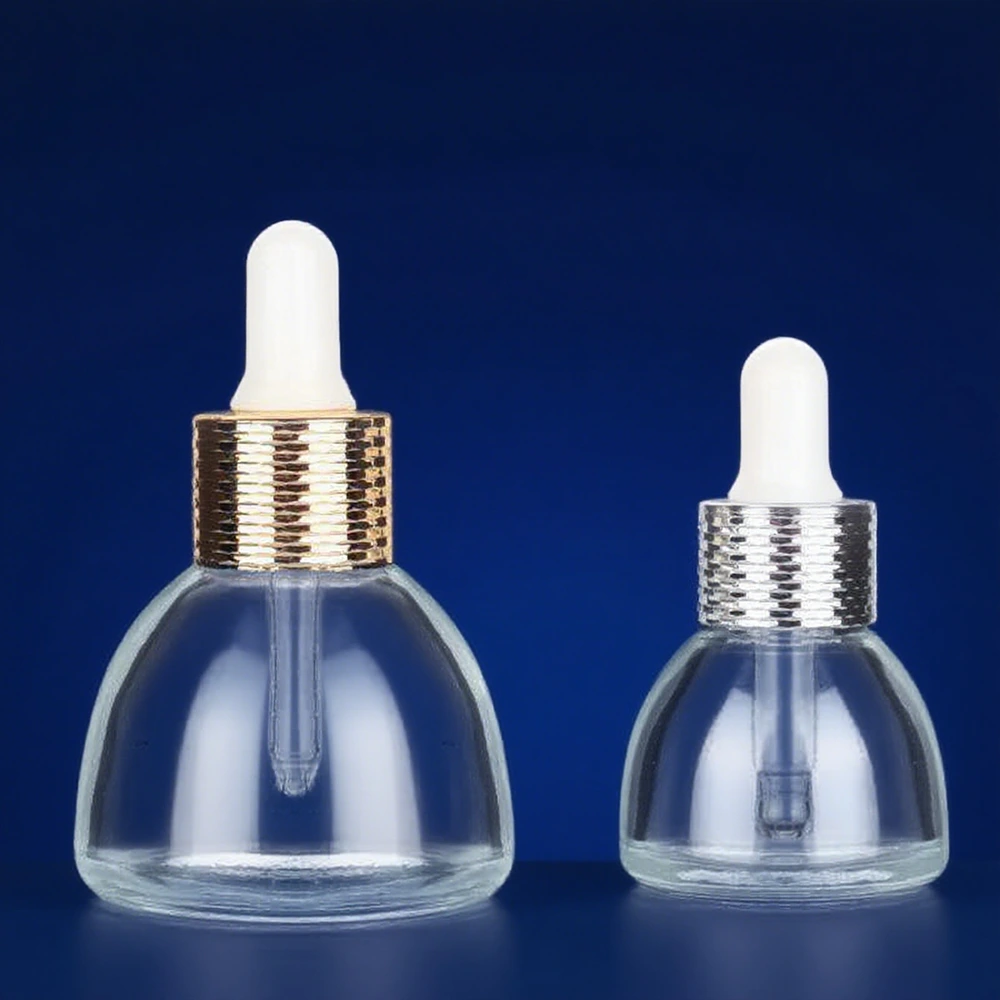
Fabricante de frascos de perfume de vidro impulsiona a diferenciação da marca
Índice
Veja como um fabricante de frascos de perfume de vidro ajuda as marcas a se destacarem com designs personalizados, materiais de alta qualidade e produção consistente.
1. O Poder da Embalagem na Perfumaria de Mercado de Massa
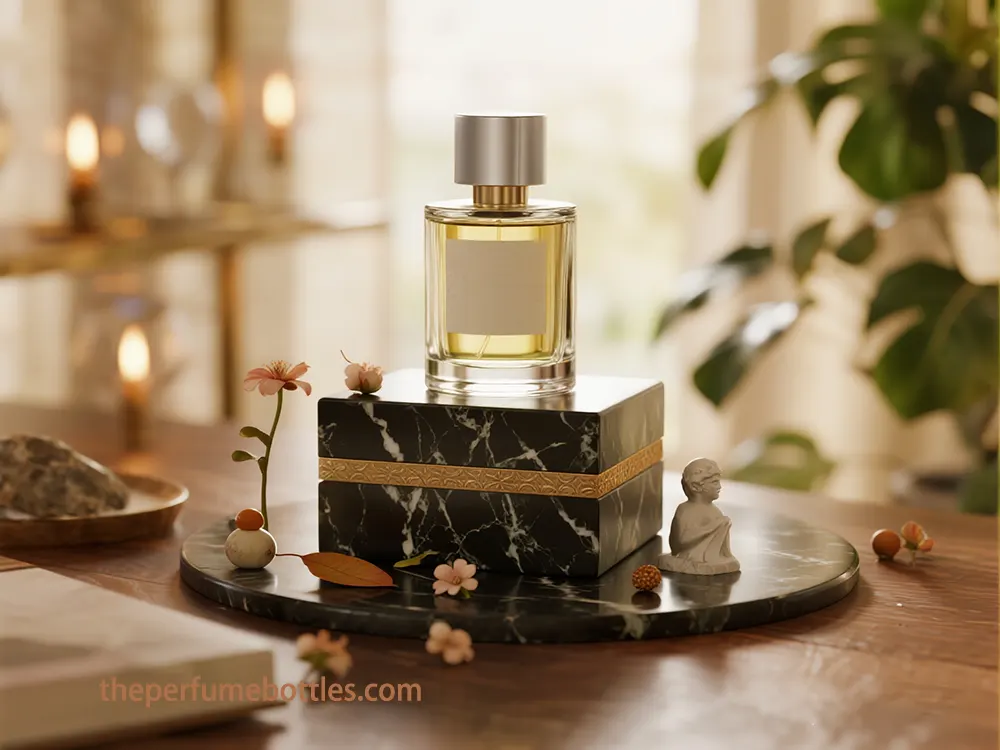
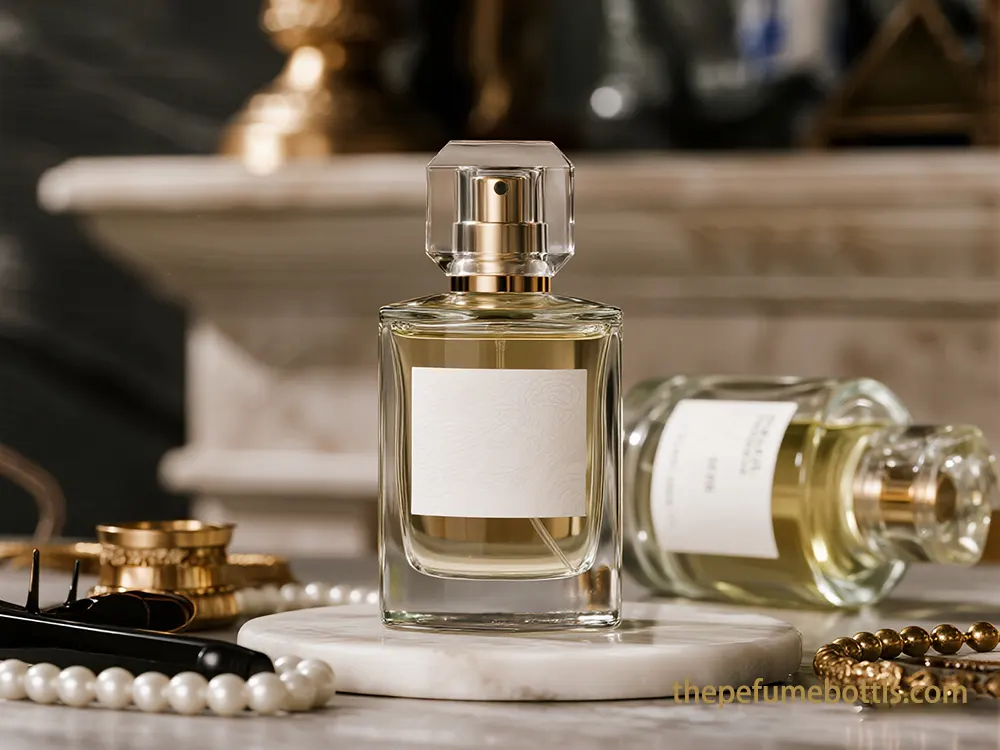
Em praticamente todos os pontos de venda locais, o fabricante de frascos de perfume de vidro desempenha um papel fundamental — a aparência do frasco cria a primeira impressão, muitas vezes influenciando a decisão do comprador mesmo antes de experimentar a fragrância. A embalagem funciona como um "embaixador emocional", transmitindo a identidade e a história da marca. Um frasco de vidro personalizado, produzido por um fabricante de alta qualidade. frascos de perfume de vidro O fabricante transforma a fragrância em um item indispensável, aumentando o apelo da marca e aprofundando a conexão emocional.
2. Principais Competências de um Fabricante de Frascos de Perfume de Vidro
A produção eficiente e economicamente viável de formatos, cores e tampas personalizadas para marcas de mercado de massa depende de processos de fabricação avançados.
Obtenha amostras grátis
2.1. Técnicas de conformação para produção em alto volume
O método de "prensagem e sopro" é o principal método para a fabricação de garrafas de vidro em grande volume. Um molde de metal é preenchido com vidro fundido por meio da prensagem, após o que é utilizada pressão de ar para obter a forma final. O método de "prensagem e sopro", assim como a moldagem por sopro em geral, exige um controle de pressão muito preciso e repetível para que a qualidade do produto seja mantida em um nível consistente.
Atualmente, diversas seções independentes operam em máquinas multisseção, e tecnologia avançada de CLP (Controlador Lógico Programável) com algoritmos de controle de movimento também é utilizada. Graças a isso, a temperatura, o tempo e a pressão podem ser monitorados em tempo real, permitindo assim a obtenção de uma produção com qualidade uniforme e altas taxas de produção.
O software de design é fundamental para a visualização 3D, levando em consideração características como volume (30 ml, 50 ml, 100 ml) e acabamento do gargalo (15 mm a 18 mm). Os primeiros modelos são geralmente impressos em 3D e servem para verificar a forma, o tamanho, o peso (200 a 400 g), bem como a ergonomia do produto antes da criação do molde.
2.2. Diversas técnicas de decoração para personalização em larga escala
Uma gama completa de técnicas de decoração oferece a possibilidade de personalização em grande escala:
- Serigrafia (Impressão em tela): A serigrafia (por meio de telas de impressão) é um método versátil, duradouro e bastante simples; além disso, é facilmente automatizável com máquinas PLC que podem imprimir até 4-5 cores em diversos formatos (35-50 peças/minuto) e são compatíveis com tintas reativas a UV e metálicas.
- Estampagem a quente (impressão com folha metálica): Por meio de calor e pressão, a folha metálica ou colorida recebe uma superfície "nova" com características acetinadas, semibrilhantes ou de alto brilho, conferindo um aspecto luxuoso. Máquinas robotizadas decoram até 360 graus em diversas garrafas (até 2.500 peças/hora), proporcionando assim uma forma de agregar valor ao produto.
- Acabamento fosco (gravação ácida/jateamento de areia): Com esse método, obtém-se um acabamento fosco translúcido, o que confere à garrafa uma aparência e toque melhores, além de proteger o conteúdo dos raios nocivos. Trata-se de uma técnica de decoração amplamente utilizada e bastante econômica.
- Pintura/Revestimento Colorido:Um revestimento em spray atóxico é o método pelo qual a cor desejada é "fixada" na superfície do vidro. A cor pode ser adicionada durante a produção em larga escala. Alguns dos métodos mais recentes incluem revestimentos com efeito mármore e termocrômico.
- Impressão UV: O método envolve tintas muito finas que são curadas instantaneamente com luz UV, resultando em impressões de altíssima resolução, com designs complexos, gradientes ou imagens fotográficas que apresentam boa vivacidade e longa durabilidade, sendo adequadas para produções de qualquer tamanho.
- Impressão por tampografia: Em comparação com outros métodos de impressão, o processo é mais lento e, consequentemente, uma solução para essa limitação tecnológica deve ser encontrada caso se deseje utilizá-lo para produção em larga escala. No entanto, é ideal para designs complexos e oferece a maior precisão, desde que o rendimento máximo seja obtido com a menor delicadeza possível.
- Gravação a laser: É o feixe de laser que realiza o recorte da imagem, logotipo ou texto impresso, e o processo é completamente automático, pois é controlado por software.
- Revestimento a vácuo (metalização): É obtido através do uso de um aparelho de vácuo e envolve a aplicação de uma camada metálica muito fina, resultando em um acabamento reflexivo, semelhante a um espelho, que protege o produto dos raios UV e o eleva em termos de luxo, resistência ao desgaste e proteção contra corrosão.
- Aglomeração:As fibras poliméricas, provavelmente feitas de náilon, são aplicadas através de uma tecnologia aveludada de "toque suave" que, além do aspecto tátil, também realça o aspecto visual de luxo do produto.
- Revestimento holográfico: Este é um processo durável de revestimento iônico a vácuo que resulta na adição de uma camada iridescente brilhante, colorida e atraente.
2.3. Personalização da Tampa e Seleção de Materiais
As tampas para perfumes são feitas de materiais como PP, ABS, Surlyn, alumínio, Zamac, madeira e acrílico, que influenciam não só o preço, mas também o nível de luxo percebido. O ABS é um material amplamente utilizado em produtos de mercado de massa, sendo suas principais características a resistência, a durabilidade, a facilidade de processamento e a textura agradável. Além disso, pode ser personalizado por meio de impressão UV, metalização ou transferência. Ao adicionar inserções metálicas às tampas de ABS, o produto resultante se assemelha bastante ao Zamac, um material mais caro, sendo uma boa opção para o mercado intermediário. O Surlyn é um material conhecido por sua transparência e acabamento vítreo, o que torna o produto mais atraente e durável.
Para tampas de plástico, a moldagem por injeção desempenha um papel fundamental. O custo dos moldes para tampas geralmente varia entre US$ 7.000 e US$ 40.000. Embora moldes completos para cabeçotes de bomba com 16 cavidades possam custar mais de US$ 120.000, a simples troca de dois componentes-chave (por exemplo, atuador e colar roscado) permite uma redução significativa nos custos de ferramental, para algo entre US$ 12.000 e US$ 15.000, mantendo assim o equilíbrio entre o grau de personalização e o custo da produção em massa. O valor de um produto pode ser consideravelmente elevado com um aumento significativo no peso da tampa, o que lhe confere uma aparência e um toque mais sofisticados.
2.4. Controle de Qualidade e Eficiência na Produção em Alta Velocidade
Um rigoroso controle de qualidade é realizado em todas as etapas, desde a matéria-prima até o produto final. Os sistemas automatizados de inspeção utilizam câmeras de alta velocidade, sensores infravermelhos e ferramentas de medição de precisão que permitem a verificação em tempo real das dimensões e defeitos do objeto inspecionado, em 360 graus. Verificações em múltiplos níveis (amostragem na extremidade quente, inspeção pós-recozimento) são cruciais. Além disso, o monitoramento contínuo da temperatura do forno, da mistura dos lotes e da inspeção do molde são igualmente importantes. Os sistemas automatizados reduziram o tempo de detecção de defeitos de mais de 8 horas para 30 minutos, diminuindo significativamente o desperdício e as emissões de CO2.
3. Diferenciação Estratégica: Frascos de Perfume de Vidro Personalizados para Contar a História da Marca
Garrafas com design diferenciado, esquemas de cores e opções de tampas personalizadas ajudam as marcas de mercado de massa a expressar sua identidade, aumentar o valor da marca percebido pelos clientes e criar características funcionais que chamam a atenção dos consumidores e geram uma resposta positiva.
3.1. A Semiótica da Forma e do Design da Garrafa
Frascos de perfume São “embaixadores emocionais” que representam a identidade e a história da marca, exercendo, assim, grande influência na decisão de compra, mesmo antes da experiência olfativa. Elementos de design como forma, cor, material, tampa, peso, logotipo e tipografia criam, em conjunto, uma experiência multissensorial que familiariza o consumidor com a marca.
- Retangular/Quadrado (Ex.: Chanel nº 5) indicam precisão, força e natureza eterna.
- Curvilíneo/Arredondado (Ex.: Jean Paul Gaultier) sugerem sensualidade, um ar amável e delicado, podendo assim atrair um público amplo.
- Elegante, minimalista, cilíndrico (Ex.: Jo Malone, Byredo) são todas modernas, simples e versáteis, razão pela qual são adequadas para fragrâncias contemporâneas e unissex.
- Único/Não convencional (Ex.: a estrela "Angel" de Thierry Mugler, o ursinho de pelúcia "Toy" da Moschino, o sapato de salto alto de Carolina Herrera) expressam ideias impactantes, refletem a singularidade da pessoa e se tornam um dos poucos itens que as pessoas conseguem lembrar com facilidade, aumentando assim a recordação em mais de 30%.
- Alto e esguio As garrafas são elegantes; formas mais amplas Transmitir força.
3.2. A Psicologia da Cor e do Acabamento
A psicologia das cores está relacionada ao caráter do aroma e ao potencial consumidor.
- Cores quentes (Vermelho, laranja, amarelo) transmitem a sensação de energia.
- Cores frias (Azul, Verde) dão a impressão de serem relaxantes.
- Cores neutras (Preto, Branco) são as cores que expressam elegância.
- Rosa é indicativo de amor; Tons metálicos (Ouro, prata) dão a impressão de serem luxuosos.
- Desenhos em degradê/duas cores estão se tornando cada vez mais populares.
- Até mesmo a cor de um frasco pode mudar a forma como uma pessoa sente o cheiro de uma fragrância.
Texturas e acabamentos convidam o tato a complementar a visão. O vidro fosco é um exemplo perfeito da elegância minimalista proporcionada pelo material. Acabamentos foscos remetem a um estilo refinado; brilhos intensos e revestimentos cristalizados conferem uma sensação de eternidade. A metalização torna um item extremamente luxuoso. Etiquetas com toque suave e logotipos em relevo são formas táteis de expressar luxo.
3.3. Conectando-se com o público-alvo
Marcas de sucesso analisam e conhecem as preferências, a cultura e o comportamento de compra de seus clientes.
- Consumidoras: Priorizar aspectos como qualidade, aparência, cor e produção, criando assim uma tendência de garrafas personalizadas, emocional e esteticamente atraentes.
- Gerações mais jovens (Geração Z, Millennials):Desejam fragrâncias personalizadas, autênticas e sob medida que representem seus valores (por exemplo, fornecimento ético). Estão dispostos a pagar mais por produtos únicos, visualmente atraentes e "dignos do Instagram" que gerem engajamento nas redes sociais.
- Nuances culturais: O design da embalagem reflete os valores culturais; por exemplo, os mercados do Oriente Médio são caracterizados pelo uso de dourado vibrante e padrões complexos, enquanto os designs asiáticos são mais focados na simplicidade.
3.4. Além da Estética: Ergonomia e Elementos Interativos
Funcionalidade e experiência do usuário são indispensáveis. Problemas na vedação da tampa, bicos difíceis de usar ou formatos inadequados são fatores que reduzem o nível de satisfação dos usuários. A embalagem precisa não apenas proteger o produto, mas também ser fácil de usar (ergonomia, aderência, tamanho, capacidade).
Componentes interativos como códigos QR, etiquetas NFC e recursos de realidade aumentada enriquecem a experiência de desembalagem, oferecem informações sobre o produto e envolvem os usuários, tornando a embalagem "digna do Instagram".
Obtenha amostras grátis
4. Otimizando o valor: implicações de custo e retorno sobre o investimento da personalização para o mercado de massa
Investir em frascos de perfume de vidro personalizados exige equilibrar características exclusivas com preços acessíveis. O retorno sobre o investimento (ROI) vai além das vendas, abrangendo também o valor da marca e a fidelização do cliente.
4.1. Componentes de Custo e Economias de Escala
Os custos são afetados por:
- Criação de moldes:A principal barreira é o investimento inicial, que geralmente varia de US$ 3.000 a US$ 10.000 ou mais para um projeto complexo, podendo chegar a um máximo de US$ 50.000.
- Matérias-primas:Frascos de vidro comuns custam de US$ 0,50 a US$ 5; peças de plástico/atomizadores de US$ 0,10 a US$ 1; peças de metal de luxo chegam a custar US$ 10 por frasco.
- Consumo de energia: A maior parte da energia, ou seja, 70% dela, é utilizada para fusão/refino e, portanto, representa 20-30% dos custos totais de produção.
- Custos de mão de obra:0,50-2 por garrafa para montagem, controle de qualidade e embalagem, o que representa 40-70% da produção total. Além disso, regiões com menor custo de mão de obra estão reduzindo os custos trabalhistas de seus parceiros comerciais.
- Decoração/Acabamento:Decoração padrão: 0,10 a 0,50 por garrafa; detalhes complexos: 0,50 a 2 dólares; serviços extremamente personalizados: a partir de 75 dólares.
- Logística/Embalagem: Envio: 0,02-0,10/unidade; embalagem externa: 0,50-10+.
Essa é a razão pela qual alcançar Economias de escala É muito importante. O custo por unidade diminui drasticamente com o volume. Enquanto pequenos lotes têm um preço de 5 a 10 por unidade, a produção em larga escala custa de 1 a 3 por garrafa. Projetos totalmente personalizados geralmente têm quantidades mínimas de pedido (MOQs) elevadas, na maioria das vezes mais de 10.000 unidades, com algumas fábricas exigindo de 50.000 a 300.000 unidades para viabilidade econômica mínima.
A decoração de produtos em estoque é mais conveniente para startups, pois não há custo com moldes e as quantidades mínimas de pedido (MOQs) são menores (500 a 3.000 unidades), minimizando assim o risco financeiro dos testes de mercado.
4.2. Medindo o Retorno sobre o Investimento (ROI)
A embalagem personalizada é uma estratégia de negócios planejada que traz muitos lucros:
- Influência do consumidor: Na maioria das vezes (72%), os consumidores utilizam a embalagem como principal critério de decisão na escolha de um produto; cerca de 60% deles evitam embalagens pouco atraentes.
- Recordação/Reconhecimento da Marca: Isso ajuda a que 58% das pessoas se lembrem da marca (Nielsen, 2023), criando assim um ícone único.
- Valor percebido/Preços premium: Uma das maiores vantagens é a capacidade de elevar o nível de valor percebido e, assim, poder cobrar preços mais altos dos consumidores. Os consumidores estão dispostos a pagar até 35% a mais por embalagens de alta qualidade.
- Aumento nas vendas diretas: Embalagens personalizadas podem levar a um aumento de até 40% nas vendas e de 30% nas vendas em lojas físicas (NielsenIQ). Frascos com design atraente aumentam em 25% a intenção de compra dos consumidores.
- Diferenciação estratégica: Um requisito essencial para sobreviver em um mercado que deverá atingir US$ 35 bilhões até 2030.
- Fidelização à marca/Conexão emocional: Por meio do amor pela marca, o cliente satisfeito gerará, voluntariamente, compras repetidas.
- Sustentabilidade como fator de valorização: 52% dos consumidores optam por marcas ecologicamente corretas; a comunicação ecológica é responsável por um aumento de 28% nas vendas (McKinsey, 2023).
- Proteção contra a falsificação: Formas personalizadas, criadas de maneira única, são mais difíceis de imitar.
- Eficiência operacional: Ajuda a empresa a se livrar do ciclo dispendioso de mercadorias danificadas e das despesas associadas.
- “Experiência de Unboxing”: Comunicação mútua entre as partes envolvidas facilitada pelas redes sociais, no mais alto nível possível, e marketing que dá o que falar.
Os Indicadores-Chave de Desempenho (KPIs) incluem vendas, satisfação do cliente, percepção da marca, eficiência operacional, engajamento e taxas de retorno. Além disso, o reconhecimento da marca e o valor do ciclo de vida do cliente também são de grande importância. A modelagem financeira (séries temporais, regressão linear múltipla) é uma das formas de previsão do ROI.
5. Soluções Sustentáveis: Personalização Ecoconsciente para Atrair o Mercado de Massa
A crescente demanda do consumidor por produtos ecológicos está impulsionando a fabricação sustentável de frascos de perfume de vidro para o mercado de massa.
5.1. Conteúdo Reciclado e Redução de Peso
- Conteúdo reciclado (vidro PCR):A utilização de vidro reciclado pós-consumo (PCR) é uma tendência na indústria para reduzir a pegada de carbono e a demanda por matérias-primas virgens. Algumas empresas já atingiram até 60% de PCR, enquanto a L'Occitane utiliza 100%. A média da UE para conteúdo reciclado foi de 52% em 2021.
- Redução de peso: A redução do uso de vidro sem sacrificar a resistência ou a aparência traz vantagens tanto ambientais quanto econômicas: menor consumo de matéria-prima, custos de produção e transporte mais baixos e menos emissões de CO2. Hoje, as garrafas são 30% mais leves do que as de 20 anos atrás, e as emissões de CO2 são 70% menores do que há 50 anos. O vidro borossilicato contribui para a obtenção de paredes mais finas e, ao mesmo tempo, mais duráveis.
5.2. Sistemas recarregáveis e adoção pelo consumidor
A utilização de sistemas de perfumes recarregáveis é um método de redução de resíduos e também uma fonte de economia de custos. Marcas de luxo como Guerlain e Mugler possuem linhas de produtos recarregáveis, o que leva a uma redução de resíduos de até 45%. O mercado global de frascos de perfume recarregáveis deverá atingir US$ 1,5 bilhão até 2025, com uma taxa de crescimento anual composta (CAGR) de 7% entre 2025 e 2033.
Haptic Finishes:
5.3. Certificações e Marcos Regulatórios
Certificações que impulsionam a sustentabilidade:
- Certificação Cradle to Cradle™: A avaliação inclui a saúde dos materiais, a reutilização de materiais, a gestão da água, a energia proveniente de fontes renováveis e a equidade social.
- Certificação B Corp: Reconhece o excelente desempenho social e ambiental.
- Certificação Ecocert: Certifica cosméticos orgânicos/naturais com critérios muito rigorosos em relação a ingredientes, produção e embalagem.
- Classificações EcoVadis: Abrange aspectos ambientais, trabalhistas e de direitos humanos, ética empresarial e compras sustentáveis.
- Padrão Global de Reciclagem (GRS):Fornece evidências sobre o conteúdo reciclado e as práticas da cadeia de suprimentos.
- Papelão com certificação FSC: Para a embalagem externa feita de madeira proveniente de florestas geridas de forma responsável.
As regulamentações da UE, como o Regulamento sobre Embalagens e Resíduos de Embalagens (PPWR) (meados de 2026), exigem um sistema harmonizado de reutilização, sistemas de depósito e retorno e embalagens recicláveis até 2030. Também especifica metas de redução de resíduos (5% até 2030, 10% até 2035, 15% até 2040), reduz as “substâncias preocupantes” e implementa a Responsabilidade Estendida do Produtor (REP).
5.4. Disposição do consumidor em pagar por embalagens sustentáveis
A maioria dos consumidores está disposta a pagar mais por embalagens sustentáveis. De acordo com o relatório de 2023 da Trivium Packaging, 82% dos consumidores estariam dispostos a pagar mais, um aumento em relação aos anos anteriores. Os consumidores estão dispostos a pagar 16% a mais por uma embalagem que seja parcialmente feita de papel. 63% dos entrevistados afirmam que, no caso de produtos de beleza recarregáveis, esperariam uma economia de 10 a 20% no preço para incentivar a compra desses produtos. Consumidores mais jovens e com renda mais alta estão particularmente preocupados e dispostos a pagar mais.
Soluções sugeridas para personalização sustentável:
- Melhore a experiência de recarga: Dispositivos fáceis de usar e à prova de derramamento; instruções claras; “embalagem inteligente”.
- Precificação Estratégica/Comunicação de Valor:Por um lado, pode-se destacar as economias a longo prazo; por outro, pode-se oferecer preços escalonados (por exemplo, refis 10 a 20% mais baratos).
- Melhorar a disponibilidade/visibilidade: Tornar os produtos mais acessíveis a um público mais amplo; sinalização clara nas lojas.
- Fortalecer o marketing/transparência: Comunicar os benefícios ambientais do produto de forma clara; usar "rótulos ecológicos" para facilitar a confiança e combater o "greenwashing".
- Abordar as percepções estéticas/de qualidade:Crie embalagens ecológicas que mantenham o produto luxuoso e visualmente atraente, além de serem adequadas para mídias sociais.
- Superar a lacuna entre atitude e comportamento:Oferecer aos consumidores opções para fazer escolhas sustentáveis que sejam convenientes, acessíveis e esteticamente agradáveis.
6. Horizontes Futuros: Inovações na Personalização de Frascos de Perfume para o Mercado de Massa
O futuro da personalização de frascos de perfume para o mercado de massa é influenciado por tecnologias inovadoras, materiais sofisticados e pelas crescentes necessidades de personalização e respeito ao meio ambiente.
6.1. Como os fabricantes de frascos de perfume de vidro usam IA para design e hiperpersonalização
A IA reinventa o design de embalagens ao analisar tendências e dados demográficos para determinar o layout, as cores e as imagens mais adequadas, facilitando assim o processo de criação. Plataformas como a DesignNBuy oferecem acesso a ferramentas de design com IA, que auxiliam na modificação em tempo real e na impressão com resultados precisos. A Packify.ai cria imagens dos produtos e obtém ideias a partir das instruções do usuário, agilizando todo o processo de design. Ferramentas de IA como a Fragrance Innovator servem como fonte de inspiração para designs criativos de frascos, e as informações podem vir de diversas áreas. Com essa tecnologia disponível, podemos facilmente imaginar o uso cada vez menor de embalagens comuns, genéricas e de baixo custo, dando lugar à produção personalizada de frascos individuais. Os dados biométricos podem servir como meio para a identificação físico-digital em rótulos anti-spam, tornando cada produto único e disponível para cada pessoa.

Obtenha amostras grátis
6.2. Manufatura Avançada e Impressão Digital
- Impressão 3D: A tecnologia que permite a impressão 3D direta de garrafas de vidro para uso em larga escala ainda está em seus primórdios, enquanto, por outro lado, já é amplamente utilizada para primeiras tiragens artesanais, decoração e ornamentação sob demanda. Portanto, pode fazer parte da pesquisa, desenvolvimento e design de embalagens, bem como do marketing, na comunicação da marca e do produto, no planejamento, conteúdo, apresentações e ativações. A Viktor&Rolf utilizou a metodologia 3D na produção de uma Flowerbomb de edição limitada com um padrão complexo de flores.
- Impressão direta em vidro: A impressão digital é uma verdadeira revolução quando se trata de imagens visualmente atraentes, com alto nível de detalhes e cores intensas, impressas diretamente no vidro, com suporte para manuais fotorrealistas e padrões complexos. A impressão UV permite que os logotipos sejam impressos em qualquer cor, enquanto o texto pode ser branco puro, e o efeito metálico da impressão pode ser aplicado diretamente no vidro, mesmo em uma única unidade (1 ou 2 peças). As técnicas acima mencionadas oferecem a possibilidade de criar rótulos duradouros, confiáveis e diferenciados para recipientes de vidro.
6.3. Envolvimento imersivo do consumidor com RA e embalagens inteligentes
A Realidade Aumentada (RA) é uma ferramenta essencial para a indústria de embalagens em termos de engajamento do consumidor de alto nível. Através de um smartphone com RA, o consumidor pode ter experiências imersivas de unboxing virtual, conhecer histórias olfativas, visualizar perfis ópticos de fragrâncias ou ter uma visão em primeira pessoa dos frascos personalizados ao escanear a embalagem. A experiência de RA da Jo Malone revela relações entre fragrâncias. O frasco "conectado" da Paco Rabanne, com um pequeno chip NFC, vai além do acesso a jogos, playlists e recursos de RA, oferecendo ao usuário uma experiência única e interativa. Essa "embalagem inteligente" (códigos QR, chips NFC) também permite o combate à falsificação em tempo real, a construção da narrativa da marca e um engajamento exclusivo com o cliente.
6.4. Inovações na composição e revestimentos do vidro
- Novas formulações de vidro:
- Vidro ultraleve: Contribui com menos CO2 na produção e no transporte, além de gerar economia. A Verescence conseguiu uma redução de peso total de até 60% sem comprometer o aspecto luxuoso. O uso de vidro borossilicato permite paredes mais finas e duráveis.
- Vidro de alta resistência: O vidro borossilicato oferece resistência ao choque térmico para formatos complexos. Para isso, o desempenho e a durabilidade do produto podem ser aprimorados também por meio do uso de diversas tecnologias de revestimento.
- Clareza aprimorada: O vidro super flint é escolhido por sua transparência excepcional para embalagens de fragrâncias de luxo.
- Revestimentos avançados:
- Resistência a riscos/produtos químicos: Com o revestimento tipo GLASNOL®, a superfície tratada não só adquire um efeito de alto brilho, como também se torna mais resistente ao desgaste ao longo do tempo. A metalização (revestimento UV) melhora a proteção contra desgaste, corrosão e riscos.
- Revestimentos com proteção UV: O Lumi Coat da Stoelzle (outubro de 2024) é um protetor UV com excelente transparência óptica. Os "Escudos Invisíveis" da Heinz-Glas são a integração de vernizes UV. Os nanorrevestimentos visam filtrar 99% dos raios UV em garrafas transparentes.
- Acabamentos táteis: Os revestimentos foscos conferem ao produto um toque moderno, elegante e, ao mesmo tempo, acetinado. Os materiais flocados imitam a maciez e a textura aveludada.
- Revestimentos inteligentes: A termocromia altera a cor com a temperatura. Pesquisadores estão considerando o desenvolvimento de vidros autolimpantes. O revestimento holográfico é uma das maneiras de obter efeitos iridescentes.
6.5. Materiais Transparentes Alternativos e Análise de Custo-Benefício
A indústria está investigando possíveis alternativas ao vidro convencional:
- Plásticos de base biológica/reciclados: A Dow colabora com a LVMH na criação de materiais de base biológica (como óleo de cozinha usado) e materiais para resíduos plásticos. O futuro dos plásticos biodegradáveis (feitos de cana-de-açúcar e amido de milho) parece promissor do ponto de vista ecológico. As embalagens de celulose moldada oferecem uma excelente combinação de absorção de impacto e biodegradabilidade.
- Materiais transparentes alternativos: O acrílico é leve, transparente e não quebra facilmente com impactos; no entanto, geralmente não tem a mesma textura do vidro e é difícil de reciclar. PET e PVC são os materiais mais populares para produtos que exigem resistência química e durabilidade.
- Metais leves: O alumínio e o aço inoxidável são a combinação perfeita de design moderno, durabilidade e reciclabilidade, proporcionando assim barreiras contra luz e ar que prolongam a fragrância.
Análise de custo-benefício:O uso de vidro leve pode gerar economias substanciais. As garrafas de plástico ainda são uma solução barata para a indústria de perfumes em larga escala. Decorações personalizadas, como a metalização, são uma forma econômica de diferenciação. Embora os materiais ecológicos possam ser um pouco mais caros inicialmente, novas tecnologias visam reduzir os custos e, assim, equilibrar a sustentabilidade com a imagem da marca.
O mercado global de embalagens de perfumes deverá atingir US$ 5,95 bilhões até 2032, crescendo a uma taxa composta de crescimento anual (CAGR) de 6,93%. O mercado mundial de frascos de perfume personalizados deverá alcançar US$ 3,8 bilhões até 2027, crescendo a uma CAGR de 7,2%. Esses avanços indicam uma rápida adoção dessas tecnologias em todo o setor de mercado de massa para customização e hiperpersonalização nos próximos 5 a 10 anos.
6.6. Melhores Práticas para Modelos de Economia Circular
Modelos esféricos de vidro bem-sucedidos priorizam a reutilização. Empresas como a Rewine alcançam a reutilização de 85% das garrafas incentivando a devolução, e a Sustainable Wine Solutions reduziu sua pegada de carbono em 95% com um programa de devolução de garrafas. Isso requer forte participação do consumidor e infraestrutura adequada.
6.6. Pressões e incentivos regulatórios
Os governos estão implementando regras para embalagens sustentáveis, incluindo mandatos, restrições ao plástico de uso único e programas de responsabilidade estendida do fabricante (REP). O Plano de Redução de Resíduos e Embalagem (PPWR) da União Europeia tem como meta um sistema harmonioso de reutilização, planos de depósito e retirada de resíduos, uma meta ambiciosa de reciclagem (75% para vidro) e metas de redução de resíduos, incluindo restrições a pequenos produtos cosméticos de uso único em residências até 2030.
6.7. Dados demográficos que impulsionam o mercado de cosméticos recarregáveis
A geração millennial, preocupada com o meio ambiente (73% preferem marcas sustentáveis), e Jane Z (75% dos hábitos são voltados para o impacto ambiental) dominam o mercado de cosméticos com embalagens recarregáveis. Embora as mulheres sejam maioria, os homens demonstram crescente interesse em sistemas de embalagens sem distinção de gênero. Consumidores de alta renda estão dispostos a investir em produtos duráveis de alta qualidade.
7. Conclusão: O futuro das embalagens versáteis
Os pequenos frascos roll-on de vidro são uma solução de embalagem dinâmica e impactante. Sua inércia química, proteção UV (particularmente o vidro borossilicato e âmbar) e a variedade de materiais da esfera roll-on garantem precisão e integridade do produto. Suas aplicações se expandiram além de óleos essenciais, abrangendo cuidados com a pele, alívio da dor, cuidados com as unhas, produtos para animais de estimação e repelentes naturais de insetos, demonstrando uma versatilidade notável.
A experiência do usuário, definida por maior portabilidade, dosagem controlada e aplicação limpa, continua sendo um fator-chave. À medida que a dinâmica do mercado evolui com a demanda por conveniência, personalização e sustentabilidade, os frascos roll-on estão preparados para um crescimento contínuo. Inovações futuras, incluindo mecanismos de dosagem avançados, integração de embalagens inteligentes e materiais sustentáveis, fortalecerão sua posição no mercado de embalagens responsáveis.
No VesseluxeNa nossa visão, concebemos embalagens funcionais, estéticas, ecologicamente conscientes e adaptáveis. Os pequenos frascos de vidro com aplicador roll-on personificam essa abordagem, combinando tradição e inovação para moldar o futuro da indústria em embalagens versáteis e sustentáveis.
Comentários
Categorias de produtos
Garrafas em promoção
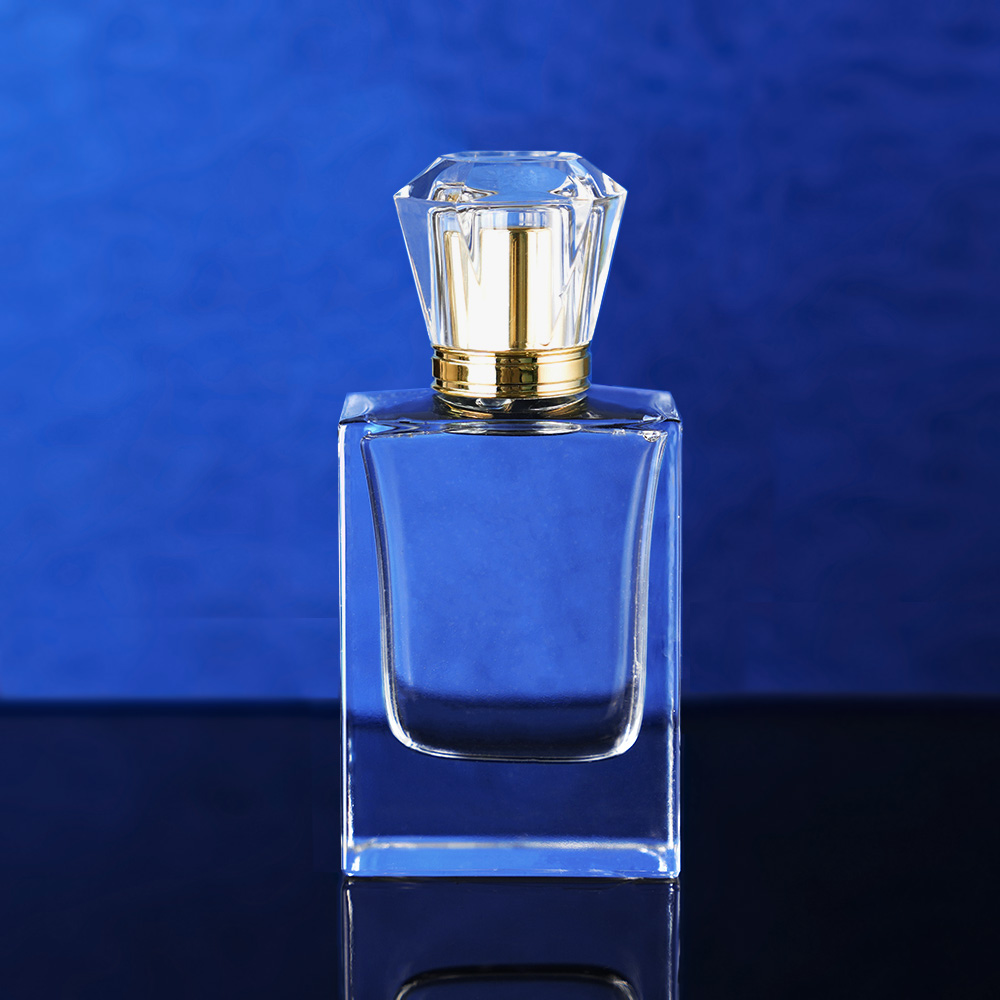
Frascos Roll-On de Vidro Transparente: Análise de Versatilidade de Mercado
Analisar as aplicações de frascos roll-on de vidro transparente em cosméticos e produtos de higiene pessoal, com foco em flexibilidade, portabilidade e tendências de demanda do consumidor.
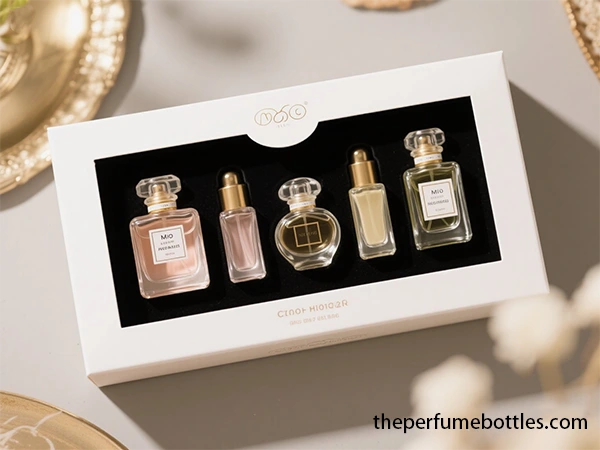
Conjunto de Mini Frascos de Perfume: Presente Ideal para Condução de Veículos e Promoção de Eventos
Descubra como os conjuntos de miniaturas de frascos de perfume podem aprimorar estratégias de presentes, campanhas promocionais e o engajamento do cliente para marcas de fragrâncias.
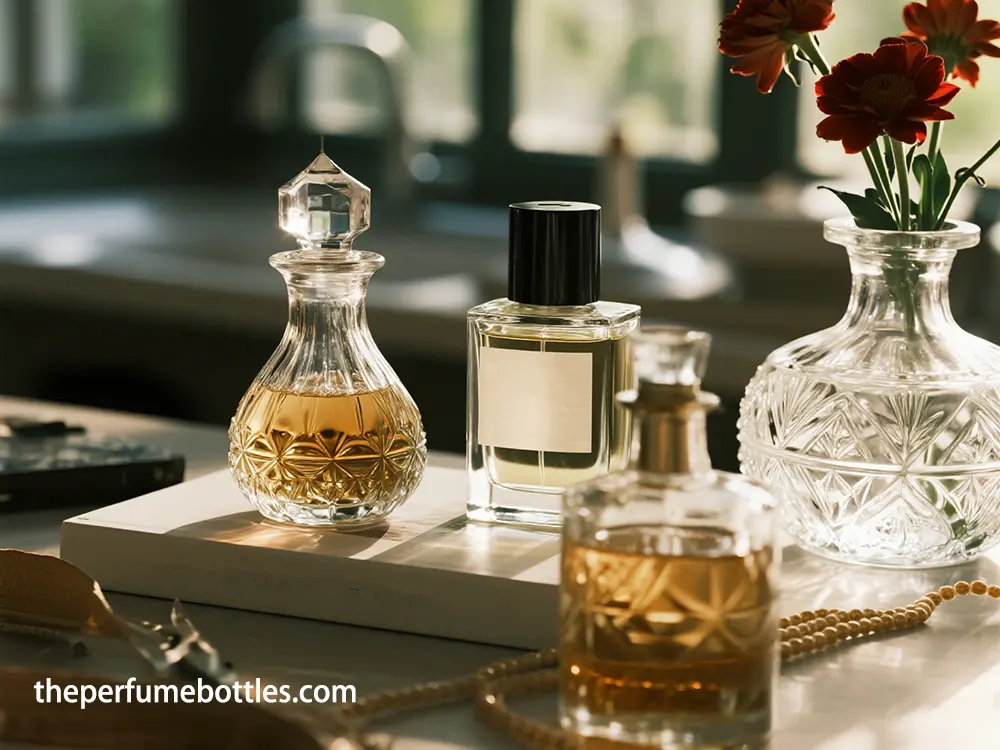
Frascos de perfume de vidro personalizáveis para o sucesso da sua marca
Descubra como os frascos de perfume de vidro personalizados foram aprimorados por um estúdio de perfumes francês, oferecendo design exclusivo, qualidade premium e diferenciação no mercado.
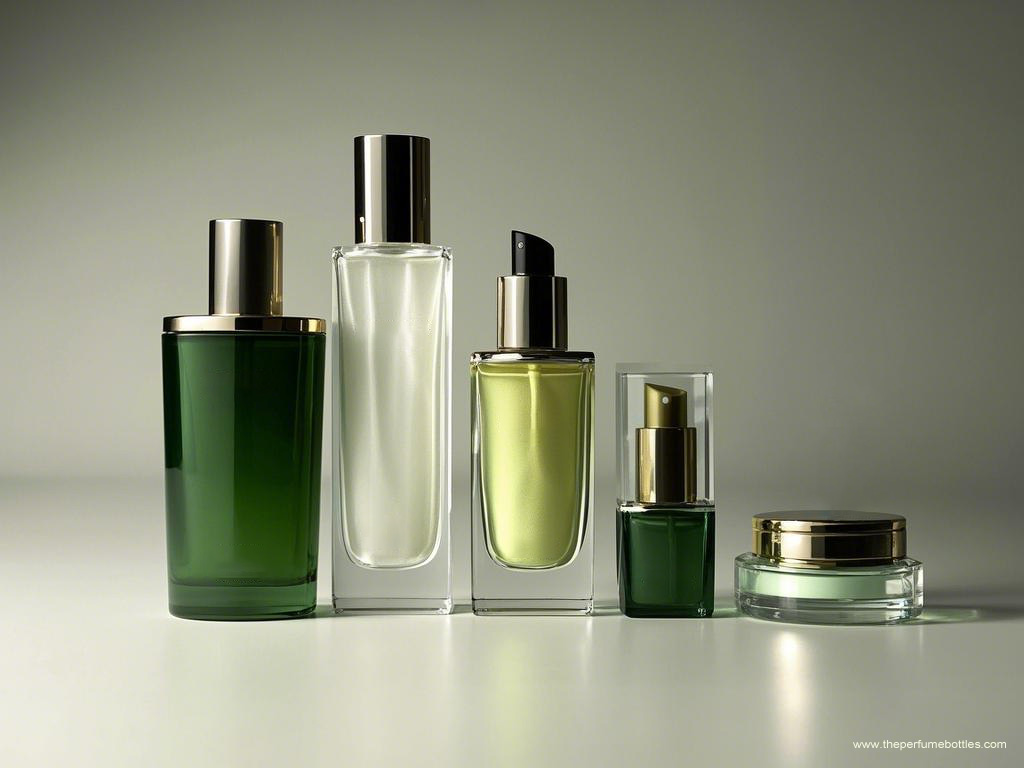
Tendências e soluções em design de embalagens de cosméticos de luxo
Explore os mais recentes designs de embalagens de cosméticos de luxo, incluindo recipientes de vidro, acabamentos premium, tendências de sustentabilidade e opções de personalização.
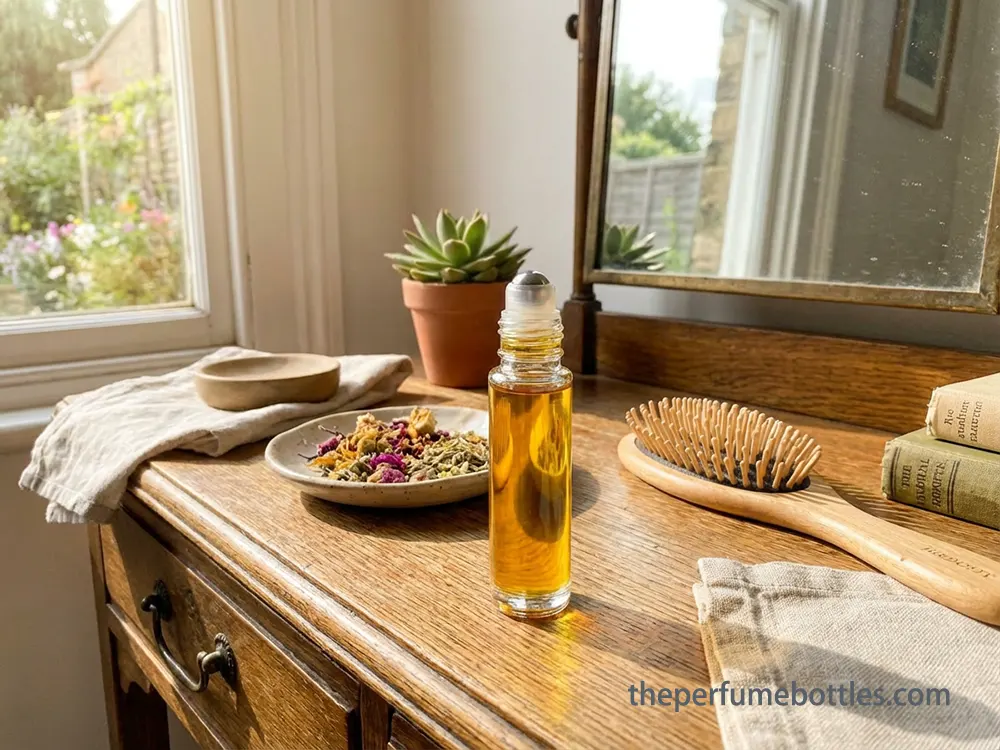
Estudo de caso: Como um fornecedor de frascos roll-on de vidro atende uma marca americana
Descubra como um fornecedor de frascos roll-on de vidro ajudou um parceiro americano a desenvolver frascos personalizados para óleos essenciais com produção e qualidade confiáveis.
- +86 186 5178 1159
- [email protected]
- Segunda a domingo, das 7:00 às 21:00
Etiquetas
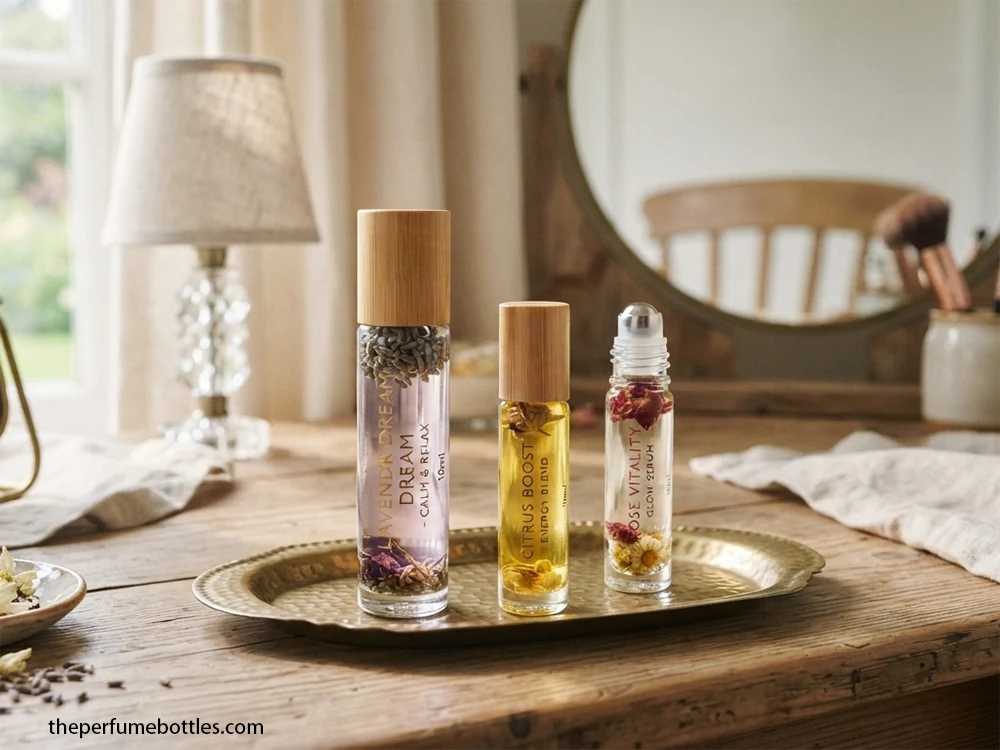
What to Look for in a Roller Bottle Factory?
12/08/2026
Learn what to look for in a roller bottle factory, from glass quality and roller performance to customization, MOQ, testing, and bulk supply.
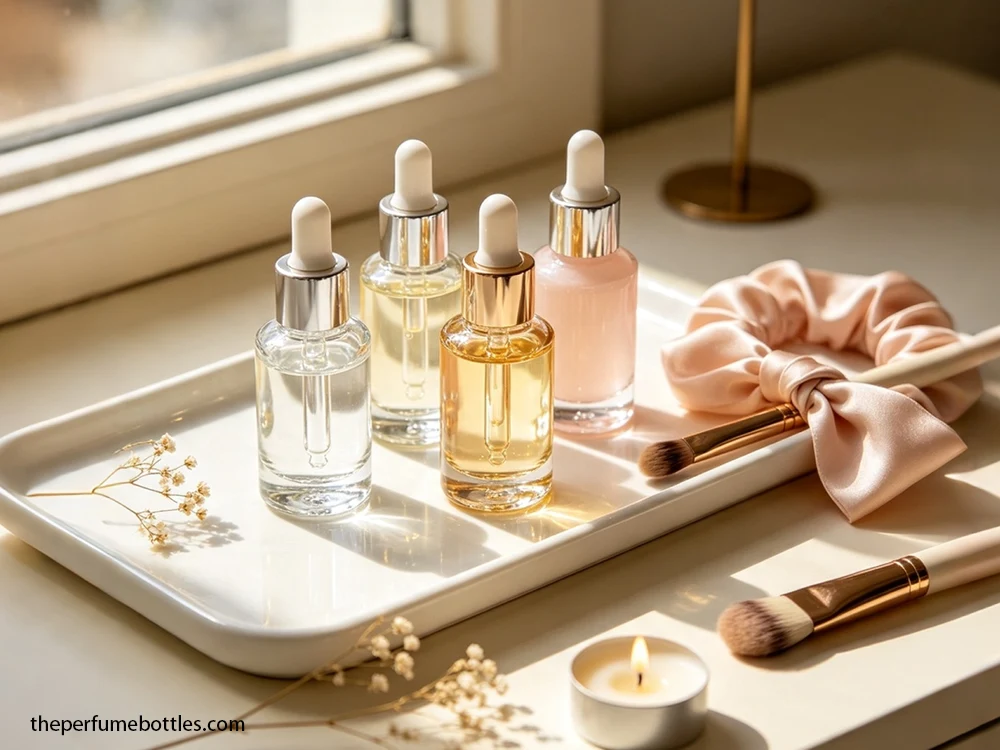
Estudo de caso: como uma fábrica de frascos conta-gotas resolveu o problema de vazamentos para uma marca canadense.
05/08/2026
Uma fábrica de frascos conta-gotas ajudou uma marca canadense de óleos essenciais a resolver problemas de vazamento com encaixe preciso, testes de vedação e frascos conta-gotas confiáveis.
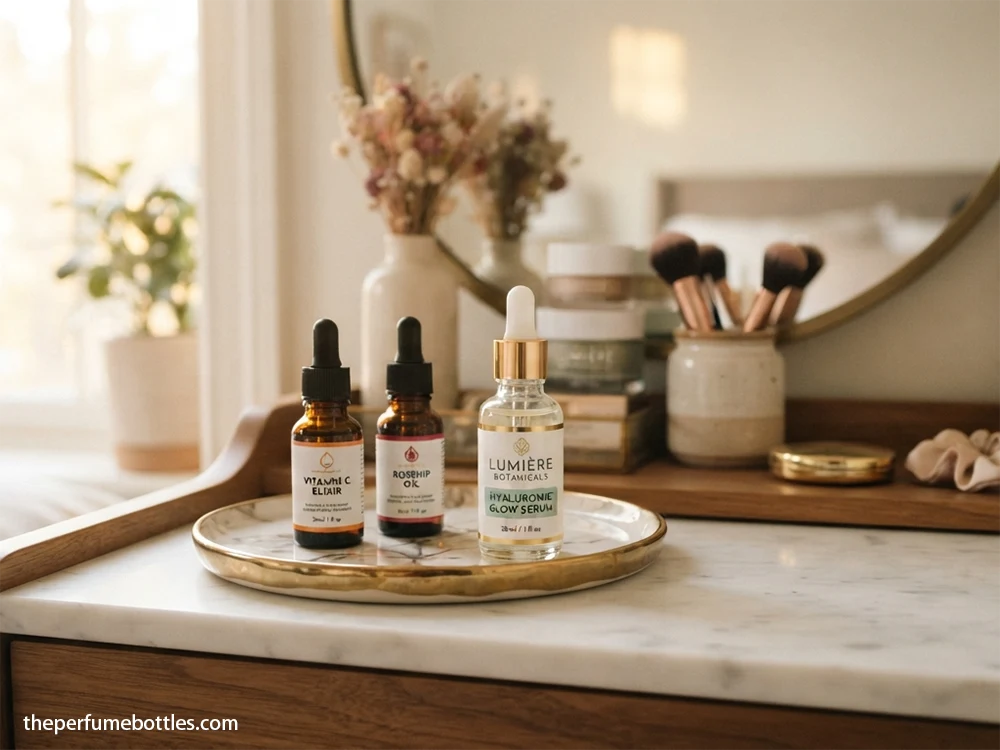
Tendências dos fabricantes de frascos conta-gotas em 2026
28/07/2026
Descubra como um fabricante de frascos conta-gotas está se adaptando às tendências de 2026 em materiais, personalização, sustentabilidade e soluções de embalagens a granel.
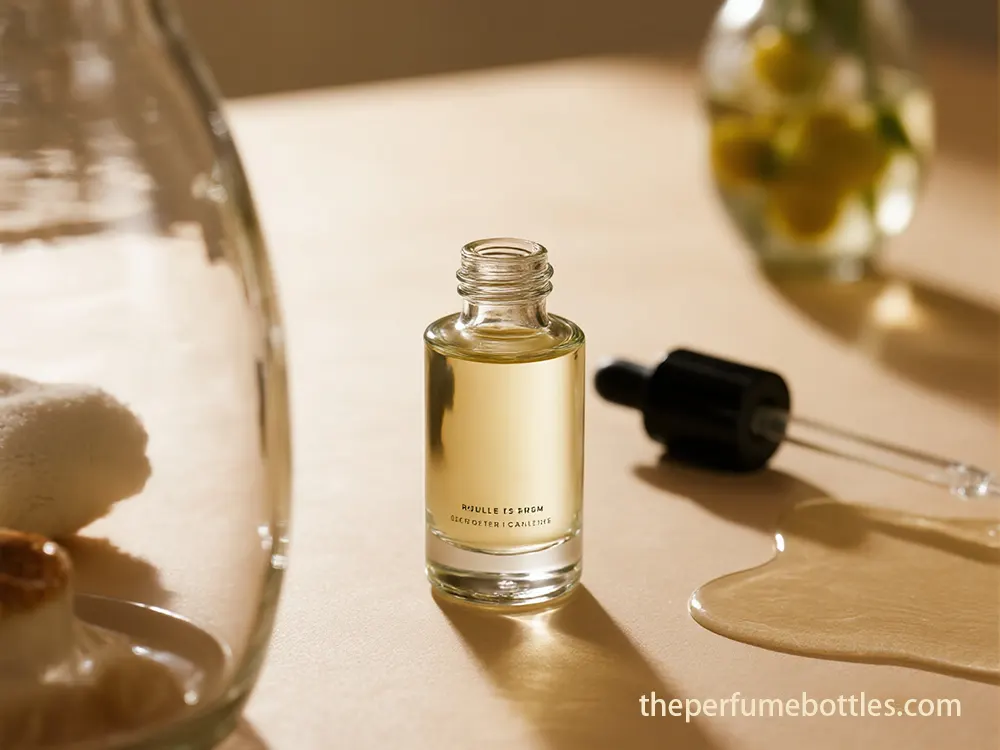
Estudo de caso: Frascos roll-on de vidro transparente personalizados para marca canadense
21/07/2026
Saiba como fornecemos frascos roll-on de vidro transparente personalizados para uma marca canadense, com materiais de qualidade, desempenho preciso do mecanismo roll-on e fabricação escalável.