
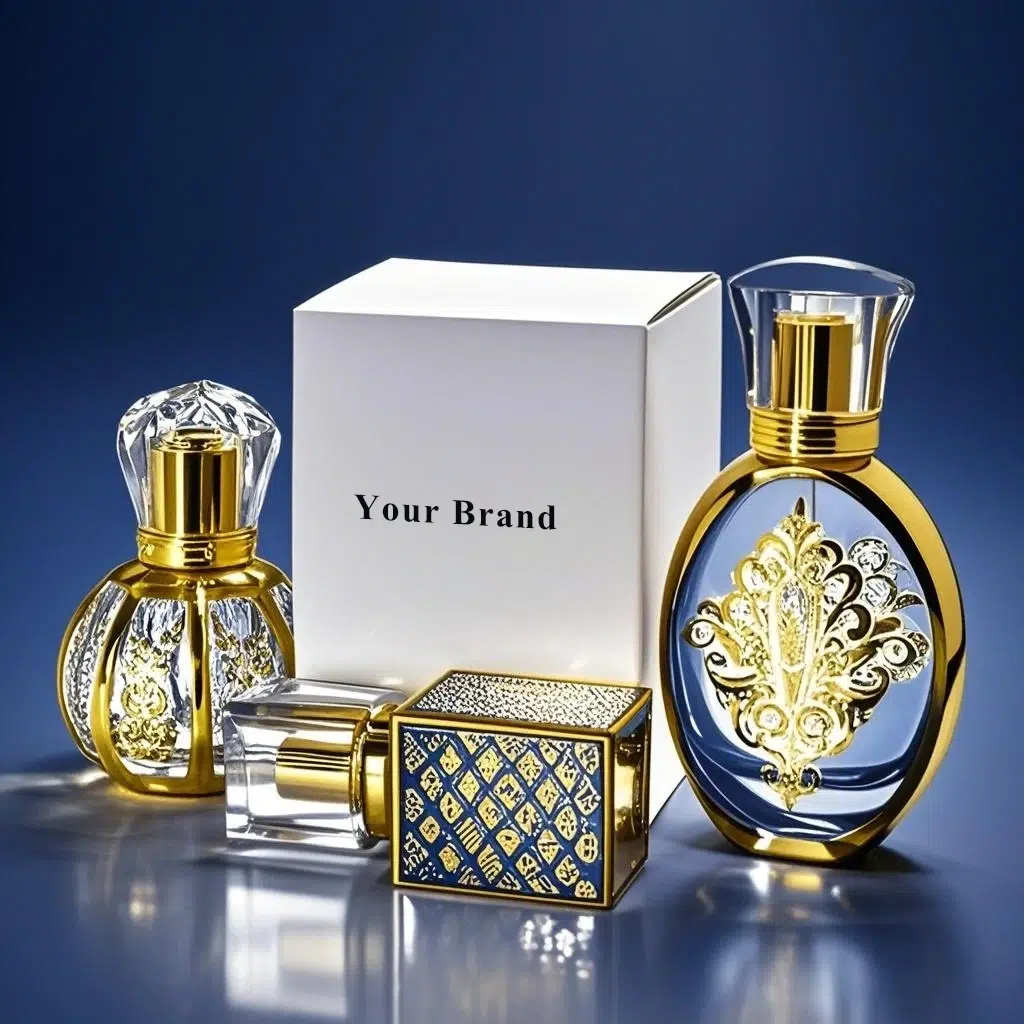
A arte e a ciência por trás dos fabricantes de frascos de perfume personalizados
Índice
Descubra como os fabricantes de frascos de perfume personalizados gerenciam o design e a engenharia de moldes.
1. Introdução à fabricação de frascos de perfume de vidro personalizados
Os fabricantes de frascos de perfume personalizados combinam visão artística com engenharia precisa, diferenciando-se da produção em massa. Para marcas exigentes, um frasco sob medida expande sua identidade, transmite luxo e aprimora a experiência do consumidor. VesseluxeA [Nome da Empresa], fabricante de frascos de perfume personalizados, transforma designs exclusivos em requintadas peças de vidro, oferecendo flexibilidade incomparável em tamanho, formato, cor e elementos complexos. Este relatório detalha os complexos processos de fabricação: concepção, engenharia de moldes, decoração avançada, rigoroso controle de qualidade e integração de inovações modernas e práticas contínuas.
2. Conceitualização, Projeto e Engenharia de Moldes
Frasco de perfume personalizado A produção começa com a tradução da visão do cliente em um projeto tangível. Isso inclui um modelo CAD preciso. Essas plantas técnicas digitais incluem briefings detalhados do cliente, esboços conceituais e modelagem 3D avançada, sendo essenciais para a engenharia e fabricação de moldes personalizados.
2.1. Fabricação de moldes de precisão
Os moldes personalizados, um investimento inicial importante, são exclusivos para o tamanho de cada garrafa. Essa construção depende de tecnologias avançadas:
- Usinagem CNC multieixos:A usinagem CNC de 5 eixos é fundamental para geometrias complexas em moldes de alta precisão (até 5 micrômetros) e para garrafas de vidro. Softwares CAM como o HyperMill garantem acabamento superficial e desempenho de corte ideais.
- Usinagem por eletroerosão (EDM): A eletroerosão (EDM), tradicionalmente usada para materiais geométricos complexos e rígidos, pode ser aplicada para criar detalhes finos ou cavidades complexas em moldes de frascos de perfumes rígidos.
- Fabricação aditiva (impressão 3D): A impressão 3D desempenha um papel duplo: prototipagem rápida para testes de funcionalidade de forma econômica a partir de modelos CAD, antes da produção de moldes dispendiosos. Além disso, cria insertos de molde duráveis, reduz o tempo de desenvolvimento de ferramentas de prototipagem de semanas para 48 horas e proporciona economias significativas. Materiais como a resina rígida 10K da Formlabs e o polímero xPEEK147 da Henkel Loctite (Henkel Lokkette) suportam milhares de ciclos de moldagem por sopro.
2.2. Materiais de moldagem e suas propriedades
A escolha do material do molde é importante para a durabilidade e o desempenho:
- Materiais comuns: O ferro fundido é comum, mas sofre oxidação e deformação. O aço inoxidável e as ligas especiais para altas temperaturas oferecem maior durabilidade e resistência a temperaturas extremas (por exemplo, fusão a 1300 °C) e ciclos térmicos prolongados.
- Melhorias nos materiais: A adição de cobre, cromo e estanho ao ferro bruto aumenta a rigidez e a resistência ao desgaste. Novos componentes, como o ferro vermicular com baixo teor de alumínio, podem quintuplicar a vida útil do molde. A alta dureza em altas temperaturas previne defeitos como garrafas deformadas. Os moldes devem absorver o calor uniformemente e resfriar rapidamente.
- Revestimentos avançados para moldes: Os revestimentos de superfície aumentam a vida útil do molde, evitam a aderência do vidro e garantem um acabamento liso. Entre eles, incluem-se revestimentos superdeslizantes, antiaderentes para altas temperaturas, resistentes à corrosão e resistentes ao desgaste.
2.3. Impacto do projeto do molde na distribuição do vidro e na prevenção de defeitos
O design do molde afeta diretamente a qualidade da garrafa final:
- Causas do defeito: O controle inadequado de temperatura, o projeto inadequado do molde e a má fluidez do vidro causam distribuição irregular, deformação, afundamento dos ombros e defeitos na base.
- Projeto e simulação avançados: A modelagem e simulação 3D (preenchimento de moldes, análise estrutural) preveem a espessura do vidro e previnem defeitos. O software KB reduz em mais de 75% o tempo de projeto/análise e melhora o rendimento. A redução da temperatura do forno aumenta a visibilidade do vidro fundido e facilita a fabricação de moldes complexos.
3. Preparação das matérias-primas e do lote de vidro
Personalizado de alta qualidade frascos de perfume de vidro dependem cuidadosamente da seleção e preparação das matérias-primas.
Obtenha amostras grátis
3.1. Requisitos de Matérias-Primas Primárias e Pureza
Os principais ingredientes — areia de sílica (SiO₂), carbonato de sódio (Na₂CO₃) e calcário (CaCO₃) — compõem mais de 98% dos frascos de perfume de vidro. Para o vidro de luxo, a pureza do material é fundamental.
- Areia de sílica: A transmissão de luz e a pureza de cor ideais exigem mais de 99% de dióxido de silício, com controle rigoroso das impurezas de ferro e titânio.
- Carbonato de sódio e calcário: Para uma fusão eficiente e simétrica, são necessários alta pureza e tamanhos de partículas específicos, além de evitar tonalidades indesejáveis, como o verde induzido pelo ferro.
- Caco de vidro (vidro reciclado):Os cacos de vidro proporcionam benefícios ambientais ao reduzir a temperatura de fusão e o consumo de energia. No entanto, um alto teor de cacos de vidro, especialmente após a chanfradura, pode introduzir impurezas que afetam a qualidade e causam fragilidades estruturais.
3.2. Papel dos aditivos minoritários
Aditivos em pequena quantidade conferem as propriedades ópticas e estéticas desejadas:
- Descolorantes: Neutralizar tonalidades indesejadas, especialmente o tom esverdeado causado pelo ferro.
- Agentes de aplicação de multas:Remove bolhas e impurezas do vidro derretido, aumentando a transparência.
- Corantes: Compostos químicos específicos conferem a tonalidade desejada; as formulações geralmente são de propriedade exclusiva.
- Óxido de chumbo:Historicamente, o óxido de chumbo tem aumentado a densidade, a durabilidade e o índice de refração do vidro cristalino. Formulações modernas utilizam óxido de bário ou óxido de zinco como alternativa.
3.3. Preparação e homogeneização do lote
A dosagem precisa e a combinação correta dos materiais são importantes para se obter uma mistura homogênea de vidro para fusão.
- Técnicas de homogeneização:A homogeneidade ideal do lote é importante para a qualidade do vidro e para a eficiência do forno. Misturadores intensivos (por exemplo, Eirich) produzem lotes altamente homogêneos.
- Tecnologias avançadas de pré-aquecimento: O sistema de pré-aquecimento de lotes e cacos (por exemplo, "Pré-aquecedor de lotes/cacos com leito chuvoso") opera em fornos com temperaturas superiores a 538 °C (1000 °F), recuperando uma quantidade significativa de energia. Esses sistemas apresentam uma economia de energia de 12 a 20%, seja pela redução do consumo de combustível ou pelo aumento da produção.
4. Processos de Fusão e Formação Primária do Vidro
Após a preparação do lote, o vidro é submetido a um processo de fusão em alta temperatura e moldado para adquirir o formato original e personalizado da garrafa.
4.1. Fusão do Vidro
A mistura é aquecida a 1200 °C-1600 °C em um forno, tornando-se um líquido fundido. Em seguida, é refinada para obter a viscosidade ideal de trabalho, necessária para remover e moldar as bolhas. A temperatura e a viscosidade são fundamentais para a obtenção de garrafas de alta qualidade, pois afetam a espessura e a integridade da parede. Uma viscosidade ideal de 1000 dPa·s é frequentemente obtida com temperaturas abaixo de 1200 °C, conforme orientação dos operadores.
4.2. Técnicas de Conformação Primária
A modelagem da garrafa ocorre por meio de diversos métodos principais:
- Processo de sopro e sopro:Utilizada para garrafas de gargalo estreito, uma gota de metal fundido é alimentada por gravidade em um molde vazio, onde ar comprimido forma o gargalo e uma cruz. A peça é então invertida, aquecida e soprada até adquirir sua forma final. O processo exige habilidade, mas menos em formas complexas.
- Processo de prensagem e sopro:Amplamente adotada para formatos complexos, designs elaborados e garrafas de boca larga. Uma gota de vidro fundido é pressionada para formar um cilindro com um soprador em um molde, em seguida, o cilindro é transferido para o molde e soprado até atingir o tamanho desejado. Isso proporciona um melhor controle da distribuição do vidro, permitindo alta qualidade em designs complexos e minimizando defeitos.
- Sopro de vidro artesanal: Uma técnica manual em que artesãos moldam o vidro derretido sem moldes, ideal para frascos de perfume únicos, artísticos e personalizados. Marcas de luxo valorizam formas exclusivas, padrões complexos e relevos personalizados, refletindo prestígio. Por ser trabalhosa, resulta em pequenas quantidades e custos elevados, além de possíveis imperfeições.
4.3. Desafios na Precisão Dimensional para Geometrias Complexas
A fabricação de frascos de perfume com formatos altamente irregulares ou orgânicos exige precisão dimensional e integridade estrutural. Formas complexas causam desequilíbrios de peso, instabilidade na produção e espessura de parede inconsistente. Ângulos agudos ou contornos intrincados aumentam o risco de deformação/rachaduras durante o resfriamento. É difícil obter superfícies perfeitas, sem marcas de junção ou de molde, o que frequentemente exige polimento automático e acabamento manual. A precisão no acabamento do gargalo é crucial para garantir a integridade do vácuo e evitar vazamentos.
Obtenha amostras grátis
5. Recozimento, Resfriamento e Inspeção Inicial de Qualidade
Após a fabricação, os frascos de perfume de vidro personalizados passam por importantes processos de pós-fabricação para garantir integridade estrutural e durabilidade.
5.1. Recozimento: Alívio de tensões e aumento da durabilidade
O recozimento é um processo de resfriamento controlado que reduz a tensão interna causada pelo resfriamento rápido. Isso permite que as alterações moleculares e os fluxos viscosos, entre os pontos de recozimento e de tensão, transformem o vidro quebradiço em um produto durável e estável, prevenindo a quebra espontânea e aumentando a resistência a choques mecânicos e térmicos.
- Faixas de temperatura críticas: O recozimento é realizado à temperatura de recozimento, geralmente entre 454 e 482 °C (ou entre 510 e 550 °C para vidro sódio-cálcico). No ponto de tensão, a tensão é fixada permanentemente.
Impacto da composição e da espessura: O tempo ideal de aquecimento depende da estrutura da moeda, da expansão térmica e da espessura/tamanho da garrafa. Garrafas com geometrias complexas ou espessas exigem maior tempo de aquecimento e resfriamento lento para manter a pressão uniforme. - Estresse e relaxamento estrutural: A isenção de tensão em materiais vítreos inclui a isenção de tensão residual (redução da tensão residual) e o relaxamento estrutural (alterações na temperatura imaginária que afetam a viscosidade). A isenção de tensão geralmente é intensificada.
- Design Lehr: O recozimento ocorre em um Lehar com temperatura controlada, um forno multizona. O aquecimento multizona e a convecção forçada são importantes para o projeto dos terminais, garantindo um recozimento eficiente e uniforme. A pesquisa concentra-se em Lehars com eficiência energética e no posicionamento ideal dos sensores.
- Métricas de qualidade do recozimento: O vidro Annield resiste a choques térmicos, impactos e pressão interna. O vidro Annield de baixa qualidade sofre com microfissuras e fraturas espontâneas. O nível de tensão interna é medido com tensômetros, com recomendações específicas para cada tipo de garrafa (por exemplo, ≤4 para cerveja, ≤2 para bebidas leves).
5.2. Medição Avançada de Tensões Residuais
Para um controle de qualidade rigoroso, a tensão residual é medida usando fotolitografia:
- Fotoelasticidade integrada: Calcula a tensão superficial e a vazão para recipientes axissimétricos.
- Fotoelasticidade Integrada Modificada, Método de Luz Dispersa, Tomografia Fotoelástica: Campos de tensão 3D complexos são usados para determinar o campo em frascos de perfume personalizados não axissimétricos. A polarimetria é uma técnica relacionada.
5.3. Processos de Endurecimento Além do Recozimento Padrão
Além do recozimento padrão, o vidro pode ser submetido a processos bastante rigorosos para aumentar significativamente sua resistência:
- Endurecimento térmico (revenimento):O aquecimento do vidro acima de 600 °C e o resfriamento rápido criam forças de compressão na superfície e tensão interna, o que o torna 4 a 5 vezes mais resistente e o faz estilhaçar em pequenos pedaços inofensivos.
- Fortalecimento pelo calor (HS): Menos intenso, o vidro HS é cerca de duas vezes mais resistente que o vidro temporário, que se quebra em pedaços maiores.
- Endurecimento químico (troca iônica): A imersão do vidro antiald em um banho de sal fundido substitui os pequenos íons da superfície por íons maiores, criando uma camada superficial compactada que aumenta a resistência e a capacidade de suportar impactos.
- Imersão em calor: Um processo de pós-endurecimento, que consiste na aplicação de calor intenso para acelerar a expansão do sulfeto de níquel, rompe painéis defeituosos em um ambiente controlado.
6. Personalização Avançada: Decoração e Acabamento de Superfícies
O apelo estético dos frascos de perfume de vidro personalizados é grandemente realçado por diversas decorações e acabamentos de superfície, transformando recipientes funcionais em obras de arte.
6.1. Serigrafia
A serigrafia (impressão em tela) é um método versátil e durável para a criação de designs vívidos e precisos. Os avanços modernos incluem:
- Tintas sustentáveis:Tintas reativas a UV, metálicas e orgânicas permanentes avançadas (por exemplo, Ultra Glass LEDGF livre de BPA) proporcionam alto brilho e economia de energia durante a cura UV/LED. A tinta argânica também oferece alta resistência a arranhões e produtos químicos.
- Efeitos multicoloridos e táteis: Capaz de criar padrões multicoloridos complexos. A "impressão em relevo" produz efeitos táteis nítidos e adaptáveis através de revestimentos de película espessa.
6.2. Estampagem a quente
A estampagem a quente (impressão com folha metálica) proporciona acabamentos metálicos luxuosos e duráveis:
- Brilho Luxuoso: A transferência de folhas metálicas (ouro, prata, cores personalizadas) ou o uso de calor e pressão sobre a tinta pré-seca criam um efeito sofisticado, muitas vezes holográfico ou em relevo.
- Durabilidade e versatilidade: A tecnologia UV proporciona alta durabilidade contra umidade e manuseio. Disponível em diversos formatos de garrafa, incluindo impressão em 360°. Primers especiais para serigrafia garantem ótima adesão.
Obtenha amostras grátis
6.3. Fosqueamento e corrosão ácida
Essas técnicas proporcionam diversos efeitos em termos de texto e privacidade:
- Ataque ácido: Utiliza produtos químicos corrosivos, como o ácido fluorídrico, para conferir uma aparência lisa, translúcida e opaca, oferecendo uma superfície resistente a impressões digitais e à umidade.
- Jateamento de areia: O bombardeio da superfície com partículas abrasivas resulta em uma textura espessa.
- Preocupações:O transporte tradicional de ácido acarreta desafios de segurança e ambientais devido aos produtos químicos corrosivos e à poluição, além de reduzir custos e disponibilidade.
6.4. Técnicas de Pulverização
A aplicação sofisticada de spray proporciona ampla adaptação estética e funcional:
- Acabamentos Diversos: Inclui efeitos totalmente opacos, translúcidos, degradê, metálicos, com toque suave, craquelados e com glitter.
- Pulverização em gradiente: A cor controla a densidade da cor para infecções precisas e ininterruptas, realçando a personalidade.
- Revestimentos com toque suave: Crie uma textura fosca, como veludo ou camurça, que aprimora a experiência tátil e reforça a percepção da marca. Os consumidores estão dispostos a pagar mais por esse tipo de acabamento. Esses revestimentos à base de poliuretano oferecem excelente resistência a produtos químicos e arranhões.
6.5. Metalização Avançada
A deposição física de vapor (PVD) e a pulverização catódica proporcionam um acabamento de alta qualidade:
- Acabamentos espelhados:A deposição física de vapor (PVD) aplica camadas metálicas ultra-inclinadas (~ 100 nm) sobre o vidro, criando acabamentos e espelhos que melhoram a estética e oferecem proteção contra raios UV.
- Pulverização catódica por magnetron: A deposição física de vapor por magnetron (PVD), uma técnica altamente eficiente, garante a aplicação precisa do metal com boa espessura de camada, alta densidade, baixa rugosidade e forte adesão.
- Sustentabilidade: As inovações em pulverização catódica e metalização líquida transparente são recorrentes, oferecem baixo consumo de energia e garantem a reciclagem do vidro.
6.6. Aplicação de decalques
Aplicações de decalques complexas e adesivos em relevo 3D proporcionam uma adaptação detalhada:
- Projetos detalhados: A transferência de decalques consiste na impressão de desenhos em papel/película especial e na sua aplicação em vidro através de calor e pressão, permitindo a criação de designs amplos, multicoloridos e confortáveis.
- Adesivos com relevo 3D: Em rápido crescimento, os adesivos com relevo 3D oferecem diferenciação tátil; 78% dos consumidores de produtos de luxo atribuem qualidade premium à textura em relevo. A configuração de relevo diagonal reduz o custo em 40%.
- Padrões de durabilidade: Exige-se que os fornecedores sejam certificados pela ISO 15378 e que sejam realizados testes específicos de adesão por descascamento, fricção, resistência à água e à temperatura.
6.7. Gravação a laser
A gravação a laser proporciona decoração de alta precisão, permanente e adaptável:
- Permanente e preciso: Utiliza um feixe de laser para desenhar ou esculpir na superfície do vidro, criando um desenho permanente e preciso com detalhes finos e texturas únicas, frequentemente com um efeito fosco.
- Vantagens: O processo sem contato reduz o risco de ruptura, economiza até 80% do tempo de processamento em comparação com a jateamento de areia e oferece mais flexibilidade no posicionamento da tipografia e do design.
6.8. Impressão Digital
A impressão digital diretamente no vidro proporciona alta definição, velocidade e adaptabilidade:
- Detalhes excepcionais: Permite a aplicação direta de imagens digitais com ampla gama de cores, qualidade fotorrealista e padrões complexos.
- Personalização rápida: Relação custo-benefício, eliminando a necessidade de tela física para tiragens pequenas ou coleções de nicho.
- Tintas curáveis por UV: As tintas curáveis por UV, geralmente utilizadas, oferecem alta flexibilidade, ampla gama de cores e durabilidade. São mais ecológicas devido ao baixo desperdício e à menor emissão de poluentes. O efeito pode ser criado manipulando-se as camadas brancas.
6.9. Revestimentos Hápticos e Materiais Inteligentes
- Revestimentos táteis:Crie sensações táteis específicas (por exemplo, toque macio, aveludado, emborrachado, sedoso, texturizado) que aprimorem a experiência sensorial e promovam conexões emocionais. As formulações modernas oferecem excelente resistência a produtos químicos e arranhões, são ecologicamente corretas, à base de água e apresentam tendências em relação às opções de resistência aos raios UV.
- Materiais inteligentes e eletrônica embarcada: Entre as inovações emergentes, destacam-se o "Vidro Inteligente" (comutação entre transparente e fosco) e os revestimentos termocrômicos, que revelam padrões com as mudanças de temperatura.
- Revestimentos de proteção UV: Revestimentos como o Lumi Coat absorvem os raios UV prejudiciais, protegem perfumes e aromas, apoiando os princípios da "beleza limpa" ao estabilizar as moléculas.
7. Controle e Garantia de Qualidade Abrangentes
Protocolos rigorosos de controle de qualidade e garantia asseguram a precisão dimensional, a perfeição estética e a integridade funcional do frasco de cada perfume personalizado. O controle de qualidade moderno utiliza automação avançada e inteligência artificial para alcançar precisão e eficiência sem precedentes.
Obtenha amostras grátis
7.1. Sistemas de visão baseados em IA para detecção de defeitos
Sistema de inspeção visual com inteligência artificial revoluciona a detecção de defeitos em garrafas de vidro:
- Detecção de alta precisão: Com uma taxa mínima de falsos positivos (0,14%) em softwares como o Dipinspect® da switchon, é possível detectar com precisão 99,8% dos defeitos, como gargalo torto/empenado, incompatibilidade do furo e partículas estranhas internas.
- Inspeção completa: O sistema de inspeção de garrafas com IA da Robovision inspeciona cada garrafa em tempo real, verificando desalinhamento da tampa, rótulo incorreto/ausente, anomalias no nível de enchimento, defeitos no código de barras e rachaduras estruturais. Esses sistemas identificam defeitos de 0,1 mm (bolhas, rachaduras) com 99,7% de precisão.
- Tecnologia: Os sistemas de visão artificial utilizam câmeras de alta resolução (CCD/CMOS), sensores especiais e iluminação LED para capturar imagens multiangulares de grande angular (por exemplo, 360°) e analisá-las com algoritmos de IA/ML em busca de falhas.
7.2. Aprendizado de Máquina para Manutenção Preditiva
O aprendizado de máquina prevê falhas e o equipamento as previne:
- Sistemas de alerta precoce: Aproveitando sensores (temperatura, pressão, vibração, acústica) e análise de dados, a manutenção futura fornece alertas iniciais de falhas em ferramentas adjacentes.
- Benefícios: Essa abordagem ativa reduz o tempo de inatividade em 10 a 20%, diminui o custo de manutenção em até 10% e reduz o tempo de planejamento em 50%. A IA pode prever a perda de moldes, reduzindo o tempo de inatividade em mais de 30%.
- Algoritmos:Possíveis algoritmos, como o classificador de floresta aleatória, permitem prever com eficácia os erros da máquina e o tempo de usinagem.
7.3. Sistemas robóticos para manuseio e inspeção de precisão
A robótica aumenta a precisão e a eficiência no manuseio e na inspeção:
- Manuseio automatizado:Os sistemas robóticos são amplamente utilizados no manuseio de pellets, encaixotamento e garrafas de vidro. As unidades de processamento e os mecanismos de efetores manipulam diversas garrafas, folhas deslizantes e separadores de camadas sem a necessidade de troca de ferramentas, melhorando a produtividade e a qualidade.
- Células de Inspeção Automatizadas: Células de automação verificam falhas como tampas soltas, quebradas ou com vazamento em frascos de vidro, excluindo objetos defeituosos usando óptica e pneumática avançadas em velocidade constante.
- Aperto suave: Os componentes utilizados no manuseio de garrafas geralmente incluem robótica flexível ou técnicas de preensão delicadas para evitar danos às frágeis garrafas de vidro durante a inspeção.
7.4. Comparação com os métodos tradicionais
Os sistemas de inspeção baseados em IA oferecem benefícios significativos em relação aos métodos tradicionais:
- Precisão e velocidade superiores:Os sistemas de IA proporcionam maior precisão (por exemplo, 99,8% em comparação com a incompatibilidade manual), operam em alta velocidade (centenas de garrafas por minuto) e garantem um controle de qualidade frequente. A inspeção manual é lenta, inconsistente e propensa a erros humanos.
- Relação custo-benefício: Resulta em custos de mão de obra reduzidos, desperdício mínimo, menor recall de produtos, diminuição do tempo de inatividade e melhoria da eficiência energética.
7.5. Integração de análises de dados em tempo real para otimização de processos
A análise de dados em tempo real, impulsionada por sensores de IoT e software avançado, é importante para a adaptação contínua dos processos:
- Monitoramento contínuo: Permite a identificação rápida de gargalos, falhas e desvios (por exemplo, temperatura, pressão, tempo).
- Ajustes dinâmicos: Os sistemas de IA ajustam dinamicamente a temperatura do forno (redução de energia de 15 a 20%), otimizam o pré-aquecimento para a mesma viscosidade do vidro fundido (redução de 3% na deficiência) e ajustam os parâmetros para que as máquinas previnam defeitos (redução de 4% na taxa de defeitos). Este produto melhora a compatibilidade e a eficiência operacional.
7.6. Desenvolvimento de 'Gêmeos Digitais' para Garantia da Qualidade
Os gêmeos digitais são representações virtuais dinâmicas que aumentam a garantia de qualidade:
- Monitoramento virtual: Os gêmeos digitais trocam dados constantemente com suas contrapartes físicas por meio de sensores de IoT, monitorando todo o processo de produção, desde as matérias-primas até o produto final.
- Identificação proativa de problemas: Elas permitem a simulação e análise de processos de fabricação em diversas circunstâncias, identificando deficiências, obstáculos ou potenciais problemas de qualidade.
- Alertas em tempo real: Fornece monitoramento de qualidade em tempo real, acionando alertas para ações corretivas. Se as especificações do produto causarem distração, previna defeitos.
7.7. Desafios do treinamento de modelos de IA para projetos personalizados altamente variáveis
O treinamento de modelos de IA para inspeção personalizada de garrafas de vidro apresenta desafios únicos:
- Transparência e Variabilidade: A transparência do vidro pode ocultar pequenos defeitos, e os diversos tamanhos/designs personalizados das garrafas dificultam a obtenção de imagens em múltiplos ângulos.
- Requisitos de dados: Para superar esses desafios, são necessários algoritmos de inspeção avançados e técnicas de treinamento intensivo em grandes conjuntos de dados, destinados ao aprendizado do padrão de defeitos. Conjuntos de dados de alta qualidade são importantes, incluindo extração automática de dados, melhor detecção de anomalias externas e conjuntos de dados sintéticos frequentes.
- Adaptabilidade: A variabilidade inerente ao design de frascos de perfume personalizados exige uma gestão de modelos robusta e argumentos de inspeção adaptáveis, possivelmente com interfaces sem código para que os operadores possam treinar e implementar modelos de IA para novos produtos.
8. Inovações modernas, automação e sustentabilidade na produção de garrafas personalizadas
A indústria de frascos de perfume de vidro personalizados está se desenvolvendo rapidamente, impulsionada pelo progresso tecnológico e pela crescente responsabilidade ambiental.
8.1. Estratégias de redução de peso
A leveza é uma tendência importante, que proporciona benefícios ambientais e de custo:
- Técnicas: A tecnologia Narrow Neck Press and Blow (NNPB) reduz significativamente a relação peso-potência (por exemplo, uma garrafa de 200 ml pesa 140 gramas, com uma relação de 0,65 contra 1,0 a 3,0 da tradicional), sem comprometer a resistência mecânica ou a sensação de luxo.
- Benefícios: A embalagem de 100 ml resulta em redução da matéria-prima, baixa emissão/custo de transporte e diminuição de 50% no tempo do ciclo de produção.
- Desafios: É importante manter a integridade estrutural e a resistência à pressão, especialmente em projetos personalizados complexos. A baixa taxa de fragmentação durante o transporte no comércio eletrônico é um obstáculo, exigindo avanços na tecnologia de máquinas de produção para uma adoção mais ampla.
8.2. Aumento da utilização de vidro reciclado pós-consumo (PCR)
A adoção de vidro reciclado é a pedra angular da produção permanente:
- Benefícios ambientais: A inclusão de vidro reciclado (coletado) reduz a pegada de carbono, a temperatura e o consumo de energia, além de eliminar outros resíduos. O conteúdo de vidro reciclado reduz o aumento de 10% nas emissões de CO2 em 5% e o consumo de energia em 3%.
- Apelo estético: O vidro reciclado oferece uma beleza singular, com variações microscópicas de cor e textura, que é explorada por marcas de luxo como elemento diferenciador.
- Desafios para o setor de luxo: Embora benéfico, manter uma clareza e estabilidade de cor extraordinárias em produtos de luxo de alta qualidade com uma porcentagem muito maior de PCR continua sendo um desafio de inovação.
8.3. Melhorias na Eficiência Energética
Progressos importantes estão sendo feitos na tecnologia de fornos:
- Combustão oxicombustível:A combustão oxicombustível aumenta a eficiência do forno, reduz as emissões e melhora a qualidade do vidro, causando uma diminuição de 20 a 45% no consumo de combustível e uma redução de 70 a 90% nas emissões de NOx.
- Recuperação de calor residual: O sistema de rejuvenescimento e regeneração utiliza o calor residual do ar/oxigênio de pré-aquecimento da combustão para aumentar a eficiência do forno em 50 a 65%. Tecnologias como o HRA™ da Fives Group podem reduzir o consumo de gás em 10%.
8.4. Sistemas de Reciclagem de Água
A conservação da água é importante na fabricação de vidro:
- Sistemas de circuito fechado: Sistemas de reciclagem de água em circuito fechado e com descarga zero produzem água cinza cristalina e de alta qualidade, reduzindo a dependência de água potável. Esses sistemas incluem pré-tratamento, filtração avançada, tratamento químico e desinfecção.
- Benefícios: A rede pode reduzir o consumo de água em 85%, a máquina pode prolongar sua vida útil ao evitar o desgaste por partículas de vidro e pode reduzir a poluição ambiental.
8.5. Fontes de energia alternativas
A indústria descobre alternativas aos combustíveis fósseis:
- Fusão elétrica: A fusão elétrica tem se mostrado eficaz na redução de emissões; tanques de grande escala funcionam principalmente com energia renovável, visando reduzir as emissões de gases de efeito estufa em 80%.
- Fornos híbridos: Os fornos híbridos combinam energia elétrica com combustíveis tradicionais, sendo 80% de eletricidade renovável, estimando-se reduções significativas de CO2.
- Hidrogênio e Metanol:O hidrogênio e o metanol estão sendo estudados como combustíveis de combustão direta, embora sejam necessárias novas tecnologias de queimadores e fornos.
8.6. Tecnologias de Captura de Carbono
A Captura e Armazenamento de Carbono (CCS) está sendo desenvolvida para este setor "difícil de descarbonizar":
- Projetos de teste: O projeto C-capture utiliza uma tecnologia inovadora e de baixo custo para capturar carbono, livre de aminas, e é utilizado por empresas como a empresa para remover o CO2 das emissões de gases fluidos em fábricas de vidro.
8.7. Modelos de Economia Circular
A indústria de perfumes adota os princípios da economia circular:
- Garrafas reutilizáveis: As garrafas recarregáveis, que rapidamente se tornaram populares, são projetadas para durar bastante, permitindo que os clientes reproduzam o aroma em pontos de recarga ou por meio de programas de devolução.
- Conteúdo reciclado: Garrafas de vidro 100% recicladas e descoberta de materiais biodegradáveis/compostáveis para outros componentes de embalagem.
8.8. Metodologias de Avaliação do Ciclo de Vida (ACV)
A Avaliação do Ciclo de Vida (ACV) avalia o impacto ambiental dos recipientes de vidro:
- Avaliação do Ciclo de Vida Cradle-to-Cradle: Utiliza a metodologia ISO 14040/44 para avaliar o impacto ambiental desde a extração das matérias-primas até o descarte final; o conceito "do berço ao berço" é o mais preciso para o vidro. Coleta dados de diversos fornos para identificar oportunidades de melhoria.
9. Conclusão e Perspectivas Futuras
A fabricação de frascos de perfume de vidro personalizados demonstra um compromisso crescente com o artesanato, a engenharia precisa, a inovação e a estabilidade. Desde o conceito inicial do design até o frasco Vesseluxe final, primorosamente decorado, cada etapa conseguiu transmitir luxo e reforçar a identidade da marca.
A indústria caminha para a adaptação em larga escala e a produção sob demanda, demonstrando uma identidade única por meio de esquemas de cores, posicionamento de logotipos, formatos e diversos acabamentos, investindo em amplos conjuntos de frascos cosméticos personalizados com as marcas.
A estabilidade é um fator primordial para o consumidor e um catalisador para a inovação. O vidro é ideal para esse fim, devido à sua natureza 100% reciclável, reutilizável e passiva. A ênfase tem sido na adoção de um modelo de economia circular para aumentar a leveza dos materiais, o uso de vidro reciclado pós-consumo (PCR) e a redução do desperdício, além de promover a fidelização.
A estética premium e as embalagens sofisticadas continuarão a ser o fator decisivo na escolha do consumidor, com grandes investimentos em técnicas avançadas de decoração, como relevo, fosqueamento, gravação a laser, vidro bicolor e textura suave ao toque, para experiências sensoriais únicas. A estabilidade é garantida pela redução do material físico.
Materiais avançados aprimoram as propriedades do vidro científico, possibilitando inovações como baixa perda elétrica, alta dureza e vidro ultrafino e flexível. A deposição de camadas atômicas (ALD) implementa estruturas em escala nanométrica que melhoram a resistência à hidrólise e bloqueiam a luz ultravioleta com precisão, sem comprometer a transparência. A busca por um vidro ultraestável promete benefícios para o desempenho futuro.
No entanto, o setor deve levar em consideração os fatores geopolíticos e econômicos que afetam as cadeias de suprimentos. Disputas comerciais, tarifas, conflitos regionais e mudanças climáticas interrompem o fornecimento de matérias-primas devido a eventos climáticos extremos, causam oscilações cambiais e aumentam os custos de transporte. Isso exige que as "cadeias de suprimentos globais" reduzam os riscos provenientes dos polos de produção tradicionais e fortaleçam as parcerias regionais.
O futuro da fabricação de frascos de perfume de vidro personalizados é impulsionado pela inovação constante da Vesseluxe, onde o compromisso inabalável com a tecnologia de ponta, o design artístico e a estabilidade resulta em embalagens belas, funcionais, responsáveis e com visão de futuro.
Comentários
Categorias de produtos
Garrafas em promoção
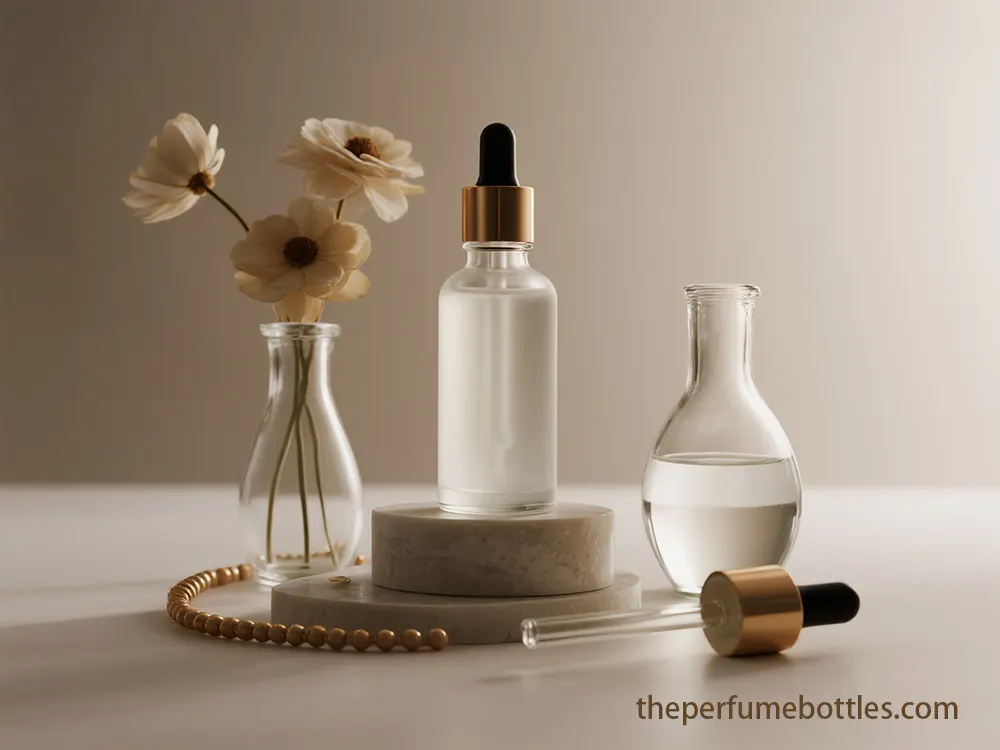
O papel indispensável das empresas de embalagens de cosméticos no sucesso dos frascos de vidro para óleos essenciais.
Descubra como as principais empresas de embalagens de cosméticos lançam frascos de vidro para óleos essenciais com inovação.
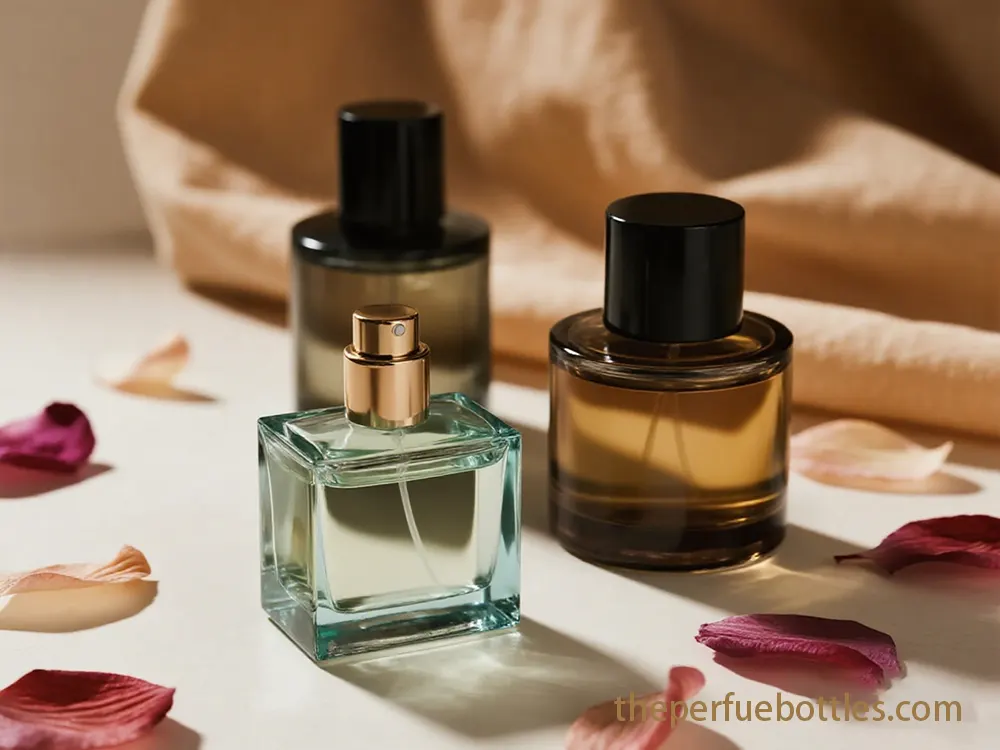
Longevidade do perfume: quanto tempo dura o perfume no frasco?
Descubra quanto tempo um perfume pode durar no frasco e como a embalagem primária preserva sua durabilidade por meio da ciência dos materiais, do design e do armazenamento.
Como escolher o fornecedor certo de embalagens cosméticas para sua marca
Escolher um fornecedor de embalagens cosméticas esteticamente agradáveis é uma decisão estrategicamente essencial, que impacta a identidade da marca, a percepção do consumidor e os investimentos realizados.
Do minimalismo ao luxo: tendências de design em frascos de óleos de aromaterapia
Descubra a evolução dos frascos de óleos de aromaterapia, do minimalista ao luxuoso, com materiais de alta qualidade.
Estudo de caso: Frasco de colônia personalizado para fragrâncias de marcas italianas
Descubra como a Vesseluxe resolveu desafios de design na criação de frascos de colônia personalizados impecáveis para
- +86 186 5178 1159
- [email protected]
- Segunda a domingo, das 7:00 às 21:00
Etiquetas

Principais opções de personalização oferecidas pelos principais fornecedores de frascos de perfume de vidro.
06/03/2026
Descubra as melhores opções de personalização de um dos principais fornecedores de frascos de perfume de vidro. Saiba como oferecemos moldes, cores e acabamentos exclusivos para marcas de luxo.
Estudo de caso: De problemas com distribuidores de frascos roll-on de vidro a um fornecimento estável de fábrica.
25/02/2026
Problemas com um fornecedor de frascos roll-on de vidro levaram uma fábrica de azeite espanhola a nos procurar para obter frascos roll-on personalizados à prova de vazamentos, com encaixe preciso, qualidade estável e fornecimento em grande quantidade.
Frascos conta-gotas de vidro personalizados ou de estoque? Um guia para compradores.
19/02/2026
Procurando um fornecedor de frascos conta-gotas de vidro? Explore nosso guia sobre embalagens personalizadas versus embalagens padrão. Saiba como podemos ajudar os compradores a otimizar custos e o impacto da marca.
Estudo de Caso: Frascos de Perfume de Vidro Personalizados para um Estúdio Francês de Perfumes de Nicho
12/02/2026
Personalizamos frascos de perfume de vidro para um estúdio de perfumes francês. Entregamos frascos com acabamento fosco degradê e tampas de madeira, reforçando a imagem da marca e o apelo para o varejo.
 PT
PT  EN
EN  FR
FR  IT
IT  DE
DE  NL
NL  PL
PL  RU
RU  FI
FI  ES
ES  DA
DA  SV
SV  RO
RO  CS
CS  ZH
ZH  KO
KO  JA
JA  AR
AR  TR
TR  ID
ID  EL
EL  HU
HU  BG
BG