
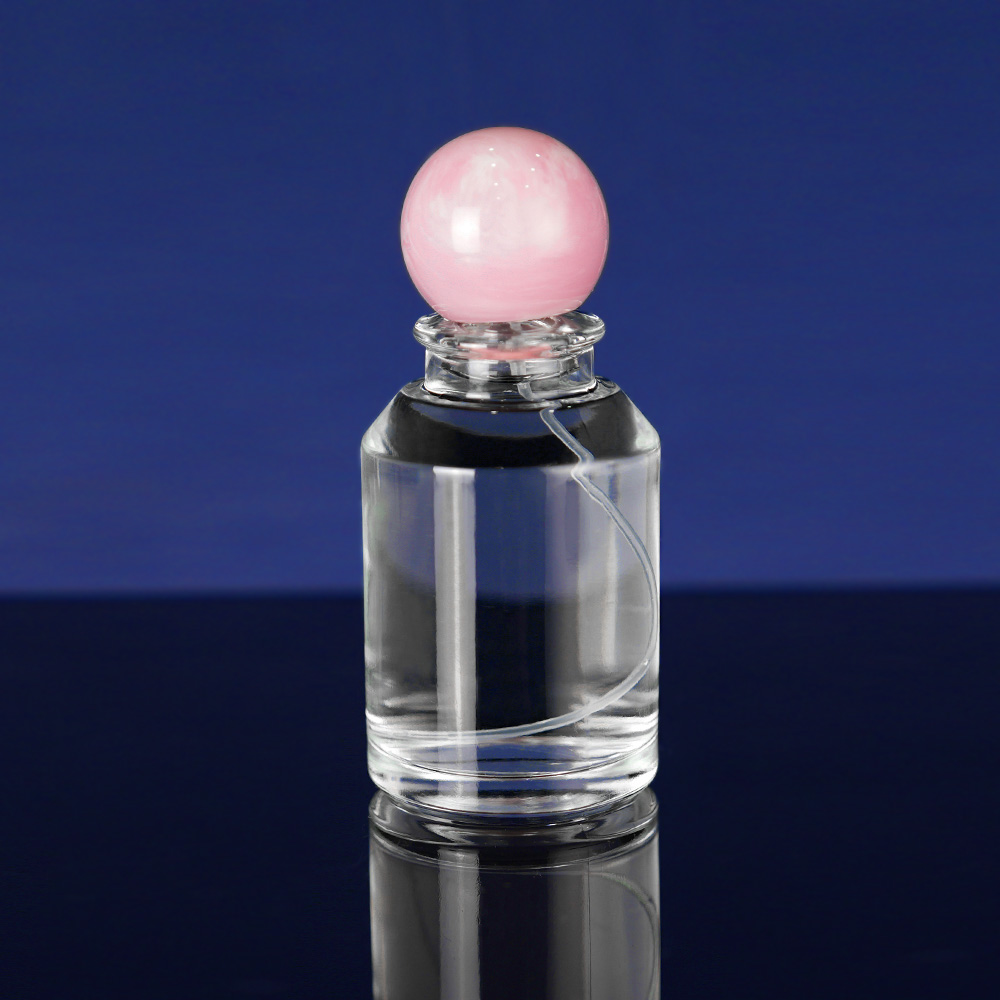
Un ghid complet despre cum să deșurubați o sticlă de parfum și nu numai
Cuprins
Învață cum să deșurubezi o sticlă de parfum cu metode sigure pentru modele sertizate, cu dop înșurubabil și reîncărcabile
Acest ghid amplu, oferit de VesseluxeÎn ceea ce privește complicațiile legate de închiderea sticlelor de parfum, oferă tehnici experte și perspective speciale asupra modului de deșurubare a unei sticle de parfum. D-Crimp sigilează atmosfera și gestionează procesele post-deschidere în siguranță și eficient. Ne propunem să oferim atât pasionaților, cât și profesioniștilor cunoștințele necesare pentru a le păstra aroma prețioasă și a prelungi durata de viață a elegantelor lor ambarcațiuni.
1. Identificarea tipului de sticlă de parfum (cu dop sertizat vs. reîncărcabilă/cu dop înșurubabil)
Înainte de a încerca să deschideți orice sticlă de parfum, este esențial să se identifice mecanismul său de închidere. Această evaluare inițială determină capacitatea de a păstra metoda de deschidere adecvată, instrumentele necesare și atmosfera originală. Sticlele de parfum se împart de obicei în trei categorii principale: sertizate, cu dop înșurubabil și cu design reîncărcabil fabricat special.
1.1. Sticle sertizate: Sigiliul permanent
Sticlele sertizate se caracterizează printr-un design elegant, fără sudură, în care pompa este atașată permanent la gâtul sticlei. Nu există fire vizibile, iar o bandă metalică este presată mecanic în jurul unei creste din gâtul sticlei pentru a fixa pulverizatorul. Mărcile de lux folosesc adesea acest design pentru a exprima eleganță, sofisticare și un produs premium, rezistent la manipulare, care ascunde complet zona sertizată cu un guler decorativ. Mișcarea necontrolată sau capacitatea de a fi neauzită. Acest design oferă o etanșare etanșă, importantă pentru a păstra integritatea parfumului și a preveni evaporarea, ceea ce este foarte valoros pentru parfumurile de lux.
1.2. Sticle cu dop filetat: Sigiliul detașabil
Sticlele cu dop filetat sunt concepute pentru a fi reutilizabile și ușor de utilizat. Acestea facilitează o canelură spiralată vizibilă (filet) pe gâtul sticlei, permițând închiderea ulterioară a capacului sau pompei. Fără echipament special. Gâtul filetat este format în timpul procesului de turnare a sticlei, ceea ce asigură o potrivire precisă cu un dop filetat corespunzător. Finisajul filetat normal este reprezentat de două numere, de exemplu, 13/415 (diametru exterior de 13 mm, 2 ture de filet).
1.3. Sticle reîncărcabile special concepute: concepute pentru longevitate
Numărul tot mai mare de mărci preferă stabilitatea, oferind sticle reîncărcabile și modele cu dop cu filet, aliniindu-se valorilor ecologice și cererii consumatorilor pentru un nivel redus de deșeuri. Aceste sticle sunt proiectate în mod clar pentru o reutilizare infinită și durabilitate. Semnalele vizuale includ o închidere ușoară și o duză înșurubabilă pentru reatașare, sau mecanisme de reumplere ascunse, cum ar fi găuri mici sau locații detașabile pe fundul sticlei, care sunt invizibile sau separate pentru a dezvălui un orificiu de reumplere. Cei mai fiabili indicatori au adesea o etichetă clară pe sticlă, ambalaj sau pe site-ul producătorului care menționează „reîncărcabil” sau oferă instrucțiuni de reumplere.
Branduri precum Mugler au inițiat sistemul reîncărcabil în 1992 cu parfumul „Zâna lor”, dedicat stațiilor de reumplere „fântână” din magazine și reumplerilor din casă. O sticlă de reumplere este răsturnată și atașată direct. Lancôme oferă un sistem de capsule pentru o fântână reîncărcabilă pentru „Idôle” și gama sa absolue. Aceste modele includ adesea cilindri de sticlă ușori, mai mici și materiale reciclate, ceea ce reflectă o schimbare semnificativă către ambalaje permanente.
2. Definirea obiectivului și evaluarea resurselor
Înainte de a continua cu orice metodă de deschidere, definește clar obiectivul tău principal și evaluează resursele pe care le ai la dispoziție. Acest pas important îți va direcționa perspectiva și va gestiona așteptările legate de protecția atomizorului.
2.1. Clarificarea obiectivului principal
Scopul tău va determina în mare măsură metoda pe care o vei alege:
- Reumplere cu același parfum: Acesta este cel mai comun scop pentru sticlele reîncărcabile sau cu dop filetat. Scopul său este de a deschide sticla, de a transfera mai mult din mirosul original și de a o sigila în siguranță.
- Reutilizați sticla pentru un alt parfum sau scop: Aceasta necesită o curățare temeinică pentru a elimina parfumul rezidual și poate include schimbarea atmosferei sau utilizarea unei benzi separate.
- Accesați lichidul pentru decantare sau reparare: Dacă atomizorul este stricat sau doriți să mutați parfumul într-o atmosferă de călătorie, prioritatea este accesul în siguranță la lichid, chiar dacă asta înseamnă renunțarea la atomizorul original.
Obțineți mostre gratuite
2.2. Evaluarea instrumentelor specializate disponibile și a conservării acceptabile a atomizatorului
Disponibilitatea echipamentului și disponibilitatea dumneavoastră de a deteriora potențial atomizorul original sunt aspecte cheie.
- Instrumente specializate pentru deschidere: Pentru dopurile cu filet și sticlele reîncărcabile, o cârpă caldă pentru prinderea benzilor de cauciuc sau o cârpă caldă pentru a le desface poate fi suficientă... Pentru sticlele sertizate, situația este mai complexă. În prezent, nu există nicio unealtă sau mașină specială recunoscută pe scară largă care să poată îndepărta eficient pompele de parfum sertizate, protejând atmosfera originală pentru reutilizare pe aceeași sticlă. Metoda principală sugerată pentru desertare include simple șuruburi laterale, ceea ce înseamnă un proces dezastruos pentru sertizare, care necesită resigilare cu atmosfera originală sertizată, ceea ce este extrem de inadecvat fără o pierdere completă semnificativă.
- Unelte de sertizare pentru sigilare, nu pentru deschidere: Este important de menționat că există o varietate de mașini de sertizat și echipamente manuale (de exemplu, mașina de sertizat sticle de parfum Smart Pack, unealta pneumatică semiautomată de sertizat sticle de parfum ZONESUN). Acestea sunt concepute pentru a sigila în siguranță pompe noi sau capace de pulverizare pe sticlele de parfum, asigurând o etanșare etanșă și fără scurgeri pentru proiecte de fabricație sau DIY. Nu sunt concepute pentru a deschide atmosfera sertizată existentă pentru conservare.
- Instrumente generale pentru acces: Aparate electrocasnice generale, cum ar fi pensete, clești mici, șurubelnițe de precizie, foarfece și mânere de cauciuc, sunt adesea recomandate pentru a deschide diverse tipuri de sticle și a obține aroma. Scopul aici este în principal de a deschide sticla, cu mai puțin accent pe păstrarea integrității atomizorului original pentru reverificare.
- Conservarea atomizatorului: Pentru sticlele sertizate, este de așteptat ca atmosfera originală să fie deteriorată în timpul scoaterii. Dacă este o prioritate ridicată conservarea atmosferei, luați în considerare soluții alternative, cum ar fi atmosfera de călătorie reîncărcabilă, care permite pomparea direct din duza originală a parfumului fără a schimba sticla.
3. Metode de deschidere pentru sticle cu dop filetat și sticle reîncărcabile
Sticlele de parfum Proiectate pentru acces facil sunt în general drepte, dar anumite tehnici pot asigura siguranța și pot preveni deteriorarea.
3.1. Sticle cu capac filetat: Cea mai simplă abordare
Pentru a deschide o sticlă cu capac cu filet, prindeți ferm sticla cu o mână și rotiți capacul în sens invers acelor de ceasornic cu cealaltă mână. Dacă capacul este răsturnat sau se întărește, folosiți o cârpă sau o mănușă de cauciuc pentru a îmbunătăți priza. Banda lată de cauciuc înfășurată în jurul capacului poate fi divizată pentru a încălzi banda. Pentru a preveni contaminarea, inspectați și curățați resturile de parfum de pe gâtul sticlei.
3.2. Sticle cu fixare prin presare: Este necesară o demontare ușoară
Aceste sticle nu au filet și se bazează pe presiune pentru a fixa pulverizatorul. Pentru a deschide, scoateți mai întâi capacul exterior. Înfășurați o cârpă mică în jurul gâtului sticlei pentru a preveni zgârieturile. Introduceți un dispozitiv subțire și plat (de exemplu, săraută, o șurubelniță plată sau un cuțit de unt) în îmbinarea dintre gulerul pulverizatorului și sticlă. Este important să crăpați componentele din plastic sau să spargeți sticla pentru a evita răbdarea și forța excesivă.
3.3. Sticle cu capac încorporat: Manipulare atentă
Pentru sticlele în care capacul pare nedeconectat sau se integrează profund în design, folosiți un vârf ascuțit pentru a ține marginile capacului cu o presiune ușoară. Pentru a-l slăbi, înclinați capacul de la stânga la dreapta. Dacă marginile sunt insuficiente, introduceți cu grijă un cuțit utilitar mic cu nămol în crăpătura dintre capac și sticlă și îndoiți-l ușor, folosindu-l ca ultim remediu.
3.4. Mecanisme de reumplere specifice mărcii
Multe mărci de lux au integrat sistemul rafinat de reumplere. De exemplu, parfumul „My Way” de la Giorgio Armani are un dozator care permite inversarea sticlei de reumplere de 150 ml și este conectat direct la sticla de aromă. Aceasta indică un mecanism standardizat și ușor de utilizat, cu înșurubare, pentru reumplere. Alte mărci, precum Lancôme și Mugler, oferă, de asemenea, sisteme de reumplere dedicate, adesea cu instrucțiuni specifice pe ambalaj sau pe site-urile lor web. Aceste sisteme sunt concepute pentru o angajare și o dizolvare ușoară, adesea cu o închidere satisfăcătoare prin „clic”, pentru a menține o experiență excelentă și a promova stabilitatea.
3.5. Specificații de cuplu (Instrucțiuni generale)
Deși valorile specifice ale cuplului de strângere pentru sticlele de parfum nu sunt publicate pe scară largă pentru consumatori, există îndrumări generale pentru închideri. Cuplul de aplicare, forța de rotație utilizată pentru a aplica o închidere, este de obicei măsurată în livre pe inch (LB/in) și aproximativ 50% din diametrul închiderii (de exemplu, o închidere de 63 mm poate avea o aplicare de 31–38 LB/in cuplu). Punctul în care forța de aplicare excesivă este închisă sau filetată sticlei. Producătorii oferă de obicei aplicații fixe pentru capacul lor pentru specificațiile de cuplu.
4. Tehnici de desertare pentru sticlele de atomizoare sigilate
Sigilarea prin D este cea mai dificilă operațiune de sigilare a sticlelor cu atmosferă etanșă, deoarece aceste sticle sunt proiectate pentru o etanșare permanentă, rezistentă la manipulare. Acest proces prezintă în mod natural un risc ridicat de deteriorare a sticlei și a atmosferei originale.
4.1. Înțelegerea provocării
Sticlele sertizate sunt concepute pentru o „atașare permanentă și sigură”, creând o „legătură ireversibilă” care nu poate fi îndepărtată fără distrugerea vizuală a pompei sau a gâtului sticlei. Acest design asigură rezistența la manipulare și integritatea produsului pentru mărcile de lux. Manșetele sertizate sunt de obicei fabricate din aluminiu sau alte metale și uneori controlează prezența plasticului.
4.2. Proces de desertare pas cu pas (metoda DIY)
Această metodă se concentrează pe atingerea lichidului, acceptând că atomizorul original va fi posibil să fie deteriorat.
- Siguranța pe primul loc: Purtați întotdeauna mănuși rezistente și ochelari de protecție sau o vizie pentru a vă proteja de stropii de sticlă și de lichide.
- Pregătiți sticla: Scoateți butonul de plastic al pulverizatorului din atmosferă. Îndepărtați gâtul sticlei într-o cârpă sau un prosop protector pentru a preveni zgârieturile și pentru a asigura o aderență mai bună.
- Aplicați căldură ușoară (opțional, dar recomandat): Aplicați căldură ușoară pe un guler metalic ondulat timp de una sau două minute, folosind un uscător de păr sau un pistol de căldură. Acest lucru poate ajuta la înmuierea metalului, putând fi mai ușor de deschis.
- Desfaceți sertizarea:Folosește un clește cu vârf ascuțit, un clește obișnuit sau un clește special. Prinde marginea extremă a gulerului ondulat din metal moale. Lucrează încet și cu grijă, mișcându-te în jurul întregului gât al sticlei, aplică presiune. Scopul este de a deteriora încet gulerul metalic până când se slăbește și nu mai poate fi îndepărtat.
- Scoateți atomizorul: Odată ce gulerul devine suficient de slăbit, întregul mecanism al atomizorului (inclusiv tubul de imersie) poate fi ridicat cu grijă din sticlă.
4.3. Unelte specializate pentru desertare profesională
Deși metodele DIY sunt dezastruoase, există un anumit instrument pneumatic de îndepărtare a gulerului, cum ar fi CR12, pentru desertizarea fără deteriorări, în principal pentru pompele „Crimp Low”. Acesta este conceput pentru a îndepărta gulerul de dimensiuni standard (de exemplu, 13 mm, 15 mm, 18 mm, 20 mm, înainte de 20 mm). Acest instrument este de obicei utilizat în medii industriale sau profesionale pentru controlul calității sau reciclare, nu pentru protecția atmosferei la nivel de consumator.
Obțineți mostre gratuite
4.4. „Pompe cu autosertizare”
Unele sisteme, cunoscute sub numele de „pompe autosertizabile” sau „pompe cu presare”, oferă o opțiune pentru o asamblare mai ușoară și o etanșare potențial mai puțin permanentă decât sertizarea tradițională. Aceste sisteme permit o asamblare rapidă și ușoară fără utilaje grele, sugerând un design care poate fi mai receptiv la îndepărtarea nedistructivă, deși electricitatea lor statică este încă descrisă ca fiind „semipermanentă” sau „mai permanentă”.
4.5. Considerații post-desertilizare
Integritatea structurală pe termen lung a unei sticle este compromisă după desertificare, iar sticla nu este, în general, proiectată pentru reutilizare în forma sa originală sertizată. Riscurile de sertizare D sunt încercate pentru a slăbi gâtul de sticlă. Este necesară o nouă pompă de sertizare fără a resigila o sticlă desertificată.
5. Proceduri post-deschidere: Reumplere, curățare și resigilare
Odată ce sticla de parfum este deschisă, în etapele următoare, fie se umple cu un singur parfum, fie se curăță complet pentru un nou scop, fie se sigilează din nou. Fiecare proces necesită o atenție deosebită integrității parfumului și menținerii funcționalității sticlei.
5.1. Reumplerea sticlei
Pentru a preveni contaminarea excesivă și a reduce risipa în timpul reumplerii parfumului, cele mai bune exerciții sunt utilizarea de pâlnii mici, seringi (fără ace), pipete sau utilizarea unor dispozitive speciale, cum ar fi pipetele cu filtru. Funcție de curgere ușoară pentru loturi mari. Evitați umplerea excesivă, deoarece aceasta este o cauză frecventă a scurgerilor.
5.2. Curățare temeinică pentru reutilizare
Curățarea eficientă a unei sticle de parfum necesită o abordare în mai multe etape pentru a îndepărta uleiurile parfumate reziduale și a igieniza Vesseluxe.
- Clătire inițială: Goliți complet sticla și clătiți-o bine cu apă caldă pentru a îndepărta reziduurile libere.
- Spălare cu săpun: Adăugați un detergent de vase blând, fără parfum, în apă caldă și amestecați în interior. O mătură de bumbac poate fi folosită pentru deschiderile înguste. Toate reziduurile de săpun au fost îndepărtate, clătiți-le de mai multe ori cu apă caldă curată pentru a vă asigura că se poate obține o aromă nouă.
- Înmuiere în alcool pentru dizolvarea uleiului: Alcoolul izopropilic (70% sau mai mult) este important pentru dizolvarea parfumurilor persistente și curățarea sticlei. Puneți o cantitate mică în sticlă, rotiți toate suprafețele pentru a le acoperi și lăsați să acționeze câteva minute sau, pentru reziduuri persistente, 15 minute. Acesta îndepărtează eficient moleculele de parfum aromatic. Ulterior, este necesar să clătiți cu apă curată și caldă.
- Curățare avansată (oțet și abrazivi): În special pentru reziduuri persistente sau disconforturi, se poate folosi o soluție de oțet alb distilat, eventual lăsată peste noapte. O lingură cu o lingură poate servi ca o curățare blândă fără resturi interne, cu detergent de vase lichid ușor, cu detergent de vase lichid ușor.
- Curățarea atomizorului și a tubului de imersie: Dacă atomizorul este detașabil, separați-l și clătiți fiecare piesă separat cu apă caldă, urmată de alcool izopropilic. O atenție deosebită la duza de pulverizare este acordată pentru a vă asigura că nu este înfundată. Pentru atomizoarele nedetașabile, pulverizați apă caldă sau o soluție de alcool prin mecanism pentru a curăța barierele.
- Curățare cu ultrasunete (avansată): Pentru componente complexe, cum ar fi tubul de imersie și piesele atomizoarelor, aparatele de curățare cu ultrasunete oferă performanțe mai bune. Aceste dispozitive utilizează unde sonore de frecvență microscopică pentru a crea microbule în cavitate, îndepărtând eficient murdăria, grăsimea și uleiurile fără frecare fizică sau substanțe chimice rigide, ajungând în zone inaccesibile pentru curățarea manuală.
- Uscare completă: După curățare, este important să se influențeze negativ umiditatea reziduală provenită de la uscarea dificilă sau să se prevină apariția mucegaiului. Așezați vasul într-o zonă bine ventilată pentru a garanta evaporarea completă. O cârpă moale, fără scame, sau prosoape de hârtie pot absorbi umezeala inițială.
5.3. Considerații privind compatibilitatea chimică
La selectarea agenților de curățare, este important să se ia în considerare compatibilitatea lor chimică cu diverse materiale plastice, cum ar fi materialele pentru sticle și atomizoare (de exemplu, sticlă, diverse materiale plastice precum LDPE, HDPE, PP, PET, PTFE, PVC și metale). Și reziduurile chimice în comparație cu sticla.
5.4. Re-etanșarea atomizorului
Metoda de resigilare depinde de tipul de sticlă și de obiectivul dumneavoastră.
- Sertizare pentru etanșări ermetice: Sertizarea este cea mai comună și eficientă metodă de sigilare hematică a sticlelor de parfum, prevenind evaporarea, protejând parfumurile de agenții externi și oferind siguranță împotriva manipulării. Acest proces, care poate proteja o pompă nouă pe gâtul sticlei, nu poate fi însoțit de echipamente specifice. Atmosferă.
- Capace cu filet:Inițial concepute cu capac cu filet, acestea trebuie doar să se înșurubeze din nou la capac sau la atomizor. Sunt ideale pentru parfumuri DIY sau pentru uz casnic, deoarece permit reumplerea ușoară.
- Capace Presabil: Atomizoarele cu prindere prin presare utilizează mecanisme cu arc care apasă sticla în gât. O aliniere atentă este necesară pentru înlocuire. Deși oferă o semi-stabilitate pentru etanșări permanente, pot fi dificil de îndepărtat fără a deteriora sticla sau capacul, ceea ce le face mai puțin potrivite pentru reumplerea repetată în comparație cu tipurile cu filet.
- Soluții inovatoare de reetanșare (speculative): Pentru elemente decorative sau resigilări personalizate, în industria bunurilor de lux se utilizează alternativ adezivi transparenți, cu tratament ușor. Aceștia oferă rezistență ridicată, rezistență la umiditate și tratament rapid, putând fi proiectați pentru a fi umflați în funcție de personalizare. Consumatorul va fi o provocare. Mai exact, garniturile de silicon personalizate sau sistemele de etanșare magnetică miniaturală pot oferi opțiuni de înaltă calitate, reutilizabile, în viitor.
Obțineți mostre gratuite
6. Considerații de siguranță și depanarea problemelor frecvente
Siguranța este primordială atunci când manipulați sticle de sticlă, echipamente ascuțite și arome volatile. Înțelegerea problemelor comune și a soluțiilor acestora poate preveni pierderile și rănile.
6.1. Măsuri esențiale de siguranță
Echipament individual de protecție (EIP):
- Mănuși: Purtați întotdeauna mănuși pentru a vă proteja mâinile de ascuțirea sticlei și de potențialele iritații cauzate de uleiul parfumat. Se recomandă mănuși rezistente la tăiere pentru manipularea sticlei, în special în timpul decrizării. Mănușile Nitrail pentru parfumuri deschise sunt potrivite pentru manipularea recipientelor și curățare, deoarece opun pătrunderea uleiului și previn senzația de plăcere încrucișată.
- Protecție pentru ochi: Purtați ochelari de protecție (ochelari de protecție sau ochelari de protecție) pentru a modela ochii cu stropi ocazionali de parfum sau bucăți de sticlă.
- Măști respiratorii pentru vapori: Lucrați într-o zonă bine ventilată (ferestre deschise, ventilatoare), evitând vaporii de parfum, în special pentru persoanele sensibile sau parfumurile concentrate sau puternice.
Manipularea în siguranță a sticlei și a uneltelor ascuțite:
- Prindere sigură: Țineți ferm sticla de parfum. Folosiți o cârpă curată sau un mâner de cauciuc pentru a crește aderența și a proteja sticla de zgârieturi.
- Evitați forța excesivă:Folosirea unei forțe prea mari poate deteriora închiderea, poate sparge sticla sau poate provoca răniri. Cu metode blânde.
- Atenție la obiectele ascuțite: Evitați utilizarea cuțitelor pentru a afecta sticlele deschise. La dezizolare, folosiți cortina laterală sau barauta cu mare precauție pentru a preveni spargerea sau tăierea sticlelor.
- Eliminarea cioburilor de sticlă: Dacă se sparge o sticlă, aruncați cu grijă cioburi de sticlă și lichid. Înfășurați cioburi de sticlă în ziar sau carton înainte de a le arunca la gunoi.
Configurarea spațiului de lucru securizat: Asigurați-vă că sticla este întinsă pe o suprafață stabilă, curată și curată pentru a preveni răspândirea și contaminarea.
6.2. Depanarea problemelor frecvente
Capace blocate
- Atingere ușoară: Loviți ușor sticla de o suprafață solidă.
- Metoda cu apă caldă: Pentru a dilata metalul sau plasticul, lăsați să curgă apă fierbinte peste un capac sau dop sau dizolvați reziduurile uscate. Evitați supraîncălzirea.
- Aderență îmbunătățită: Folosește mănuși antiderapante, o ruptură texturată sau înfășoară o bandă elastică în jurul capacului.
- Alcool izopropilic: Ștergeți cu grijă zona gâtului cu alcool izopropilic pentru a dizolva reziduurile.
- Metoda de congelare: Puneți sticla la congelator timp de aproximativ 15 minute pentru a ajuta la slăbirea capacului.
- Egalizarea presiunii: Din cauza schimbărilor de presiune (de exemplu, din cauza călătoriilor cu avionul), pentru capac, străpungerea colțului superior al capacului cu un ac poate egala presiunea.
- Asistență profesională:Pentru sticle valoroase sau vechi, consultați un restaurator profesionist.
Atomizoare / Pulverizatoare defecte
- Duză înfundată:
- Scoateți capul duzei (dacă este detașabil) și clătiți sub jet de apă fierbinte.
- Folosește un ac fin sau un ac de cuțit pentru a curăța reziduurile uscate de parfum din găurile mici.
- Înmuiați pulverizatorul în apă fierbinte sau alcool izopropilic, apoi pompați ușor pentru a distribui vinul, clătiți cu apă distilată și uscați aerul.
- Duză detașată/slăbită: Reatașați prin alinierea cu tija și apăsarea sau rotirea ușoară.
- Sistem de pompare defect:
- Dacă capul de pulverizare este deteriorat, dar pompa funcționează, schimbați capul de pulverizare cu unul compatibil.
- Pentru un pulverizator complet defect, înlocuiți-l cu o pompă de pulverizare aftermarket sau universală, asigurându-vă compatibilitatea.
- Muștarul mic poate repara încet o pompă de gem.
- Unii utilizatori au reluat cu succes separarea tulpinilor atmosferice folosind superadeziv cianoacrilic în jurul arcului și al membranei valvei.
- Transferul de parfum:Dacă atomizorul este ireparabil, mutați-l cu grijă într-un recipient nou, curat și etanș, folosind o seringă sau o pâlnie. Filtrați o bucată de sticlă cu filtre de cafea sau o sită fină. Evitați pâlniile sau sticlele de plastic, deoarece plasticul poate reacționa cu parfumurile.
Scurgeri de lichide
- Acțiune imediată: Ștergeți, nu frecați, cu prosoape de hârtie sau cârpe curate pentru a absorbi rapid lichidul.
Pulberi absorbante: Acoperiți cu bicarbonat de sodiu sau amidon de porumb, lăsați să stea, apoi aspirați sau măturați. Bicarbonatul de sodiu neutralizează mirosurile. - Soluții de curățare:
- Suprafețe dure: Folosește apă caldă cu detergent de vase delicat sau oțet alb și apă în părți egale. Alcoolul izopropilic este, de asemenea, eficient. Testează mai întâi.
Materiale textile/covoare: Aplicați o soluție blândă de detergent de rufe sau pastă de bicarbonat de sodiu. Tamponați ușor. Clătiți cu apă rece.
- Suprafețe dure: Folosește apă caldă cu detergent de vase delicat sau oțet alb și apă în părți egale. Alcoolul izopropilic este, de asemenea, eficient. Testează mai întâi.
- Ventilare: Deschideți ferestrele sau folosiți un ventilator pentru a dispersa mirosul puternic.
- Eliminarea parfumului rezidual: Cantități mici absorbite de prosoapele de hârtie se pun în pungi de plastic sigilate. Cantitățile mai mari necesită contactarea reglementărilor locale privind deșeurile periculoase; turnarea în canalizare este dăunătoare.
Gâturi de sticlă deteriorate
- Crăpături/Ciobiri: Pentru crăpături mici, se poate folosi rășină epoxidică concepută pentru repararea adezivului transparent sau a sticlei. Asigurați-vă că sticla este curată și fără ulei.
- Gâturi rupte: Aceasta este o reparație complexă, care necesită adesea servicii profesionale de restaurare a sticlei.
- Prevenirea: Depozitați sticlele pe suprafețe stabile, departe de margini și manipulați cu grijă.
Desertizare incompletă
- Instrumente și tehnică:Continuați să folosiți vată laterală sau baraută pentru a lărgi și îndoi încet partea metalică în jurul atmosferei pentru a o acoperi. Pentru a evita spargerea sticlei, este nevoie de răbdare și grijă.
- Provocări: Nu există echipamente speciale pentru desertificarea nedistructivă și calificată pentru consumatori. Spray-ul de sertizare excesiv poate bloca supapa, în timp ce sertizarea slabă poate provoca scurgeri.
- Risc de deteriorare: Există un risc ridicat de deteriorare a sticlei de dezartizare, mai ales dacă aceasta este critică.
- Alternativă pentru decantare: Dacă desertarea este foarte riscantă și atomizorul este funcțional, parfumul poate fi pulverizat direct într-o atmosferă mică sau folosind o seringă/pipetă, dacă sticla are un dop cu filet sau un roll-on.
6.3. Sugestii proactive pentru o siguranță și o eficiență sporite
- Dezvoltați un arbore decizional cuprinzător pentru depanare: Creați un arbore decizional interactiv care să ghideze utilizatorii în funcție de tipurile de sticle (capac cu filet, dop, spray anti-crimă, roll-on) și problemele specifice (capace blocate, atmosfere sparte, scurgeri). Fiecare ramificare va duce la etapele specifice de depanare, deci la instrumentele necesare, echipamentele de protecție individuală și o indicație clară privind momentul în care se solicită asistență profesională. Acest lucru va simplifica procesul și va reduce erorile utilizatorilor.
- Proceduri de urgență pentru expunerea la substanțe chimice în cadrul cercetării: Furnizați protocoale specifice de prim ajutor pentru conținutul general de parfum (de exemplu, etanol, ulei esențial, compuși aromatici sintetici) în ceea ce privește expunerea pielii, expunerea ochilor sau inhalarea. Acestea vor include spălarea imediată a pielii, clătirea abundentă a ochilor și ieșirea la aer curat pentru inhalare, atunci când se caută terapie, cu îndrumări clare în acest sens.
- Instrucțiuni detaliate privind eliminarea: Întocmiți o listă completă cu materialele generale pentru sticlele de parfum (sticlă, diverse materiale plastice, metal) și instrucțiunile specifice de reciclare/eliminare, subliniind faptul că reglementările locale variază foarte mult. Oferiți instrucțiuni clare pentru eliminarea cioburilor de sticlă, a componentelor din plastic și a parfumurilor reziduale, subliniind daunele aduse mediului pe care le provoacă aruncarea parfumului sub canalizare.
Comentarii
Categorii de produse
Sticle de vânzare fierbinte
Studiu de caz: Cum o fabrică de sticle cu pipetă a ajutat un brand de uleiuri vindecătoare
Un studiu de caz despre cum o fabrică de sticle cu pipetă din sticlă a ajutat un brand portughez de uleiuri medicinale să obțină o dozare precisă, o aderență îmbunătățită și ambalaje personalizate premium.
Unde să cumpărați en-gros sticle de chihlimbar cu pipetă: Un ghid complet B2B
Căutați sticle chihlimbar cu pipetă, în vrac? Obțineți prețuri competitive, mostre gratuite și opțiuni de personalizare pentru ambalajele mărcii dvs.
Alegerea furnizorului potrivit de sticle cu pipetă: De ce contează mai mult decât prețul
Învață cum să alegi furnizorul potrivit de sticle cu pipetă din sticlă, concentrându-te pe calitate, conformitate, stabilitatea aprovizionării și sustenabilitate, dincolo de cost.
Ghid pentru angrosistul de sticle cu pipetă: Design, materiale și conformitate
Informații esențiale pentru un angrosist de flacoane cu pipetă din sticlă privind designul, materialele și conformitatea pentru aplicații farmaceutice, cosmetice și de laborator.
Studiu de caz: Personalizarea sticlelor de parfum pentru un brand spaniol
Personalizați sticlele de parfum cu sticlă cristalină, calitate impecabilă și aspect luxos pentru mărci de parfumuri premium.
- +86 186 5178 1159
- [email protected]
- Luni-Duminică 07:00-21:00
Etichete
Studiu de caz: De la problemele distribuitorilor de sticle cu role de sticlă la aprovizionarea stabilă din fabrică
25/02/2026
Problemele legate de distribuitorii de sticle cu role de sticlă au determinat o fabrică spaniolă de ulei să apeleze la noi pentru sticle cu role personalizate, etanșe, cu potrivire precisă, calitate stabilă și livrare în vrac.
Personalizat sau standard? Ghidul distribuitorului de sticle cu pipetă din sticlă pentru cumpărători
19/02/2026
Alegeți un distribuitor de flacoane cu pipetă din sticlă? Explorați ghidul nostru despre ambalaje personalizate vs. ambalaje standard. Aflați cum îi ajutăm pe cumpărători să optimizeze costurile și impactul mărcii.
Studiu de caz: Sticle de parfum din sticlă personalizate pentru un studio de parfumuri de nișă franceză
12/02/2026
Sticle de parfum din sticlă personalizate pentru un studio de parfumuri francez. Am livrat sticle cu gradient mat și capace din lemn, sporind imaginea mărcii și atractivitatea în retail.
Avantajul strategic al parteneriatului cu un angrosist de sticle cu role de sticlă pentru mărci premium de produse cosmetice
05/02/2026
Aflați cum un important angrosist de sticle cu role de sticlă oferă ambalaje personalizate, sustenabile și de înaltă calitate, cu o protecție puternică a formulei și conformitate globală.
 RO
RO  EN
EN  FR
FR  IT
IT  DE
DE  NL
NL  PL
PL  RU
RU  PT
PT  FI
FI  ES
ES  DA
DA  SV
SV  CS
CS  ZH
ZH  KO
KO  JA
JA  AR
AR  TR
TR  ID
ID  EL
EL  HU
HU  BG
BG