
Cum determină producătorul de sticle de parfumuri diferențierea mărcii
Cuprins
Descoperiți cum un producător important de sticle de parfum din sticlă ajută brandurile de larg consum să iasă în evidență
1. Puterea ambalajelor în parfumeria de larg consum
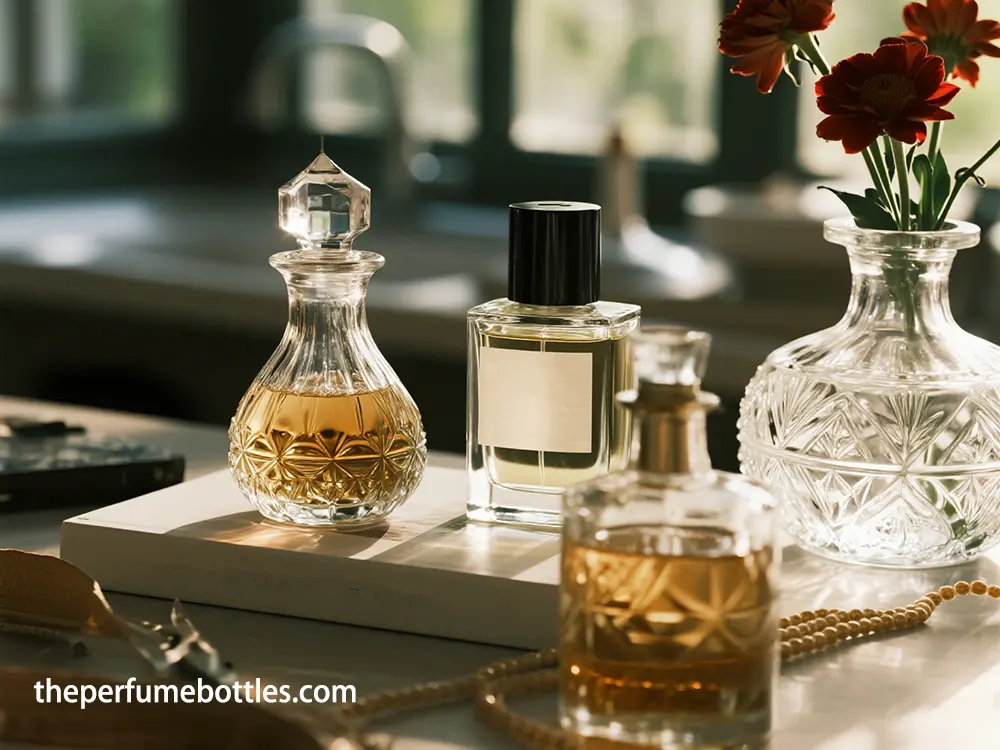
Aproape în fiecare caz local de vânzare cu amănuntul, producătorul de sticle de parfum din sticlă joacă un rol cheie - aspectul sticlei creează prima impresie, influențând adesea decizia cumpărătorului chiar înainte de a testa parfumul. Ambalajul funcționează ca un „ambasador emoțional”, transmițând identitatea și povestea mărcii. O sticlă de sticlă personalizată, realizată de un producător de înaltă calitate... sticle de parfum din sticlă producător, transformă parfumul într-un produs „must-have”, sporind atractivitatea mărcii și adâncind conexiunea emoțională.
2. Capacități principale ale unui producător de sticle de parfum din sticlă
Producția eficientă și rentabilă de forme, culori și capace personalizate pentru mărcile de larg consum se bazează pe o producție avansată.
Obțineți mostre gratuite
2.1. Tehnici de modelare pentru producția de volum mare
Metoda „presare și suflare” este principala metodă pentru fabricarea sticlelor de sticlă în volum mare. O matriță metalică este umplută prin presarea sticlei topite, după care se folosește presiune de aer pentru a obține forma finală. Metoda „presare și suflare”, împreună cu turnarea prin suflare în general, necesită un control al presiunii foarte precis și repetabil dacă se dorește menținerea calității produsului la un nivel constant.
În prezent, numeroase secțiuni independente funcționează în mașini cu mai multe secțiuni și se utilizează, de asemenea, tehnologie PLC avansată cu algoritmi de control al mișcării. Datorită acestui fapt, temperatura, temporizarea și presiunea pot fi monitorizate în timp real, permițând astfel obținerea unui rezultat cu o calitate uniformă și rate de producție ridicate.
Software-ul de design este esențial pentru vizualizarea 3D, luând în considerare caracteristici precum volumul (30ml, 50ml, 100ml), finisajul gâtului (15mm-18mm). Primele modele sunt cel mai adesea imprimate 3D și servesc la verificarea formei, dimensiunii, greutății (200-400g), precum și a ergonomiei articolului înainte de crearea matriței.
2.2. Diverse tehnici de decorare pentru personalizarea pieței de masă
O gamă completă de tehnici de decorare oferă posibilitatea personalizării de volum mare:
- Serigrafie (Silkscreen): O metodă de serigrafie (prin intermediul serigrafiei) este versatilă, durabilă și destul de simplă; de asemenea, este ușor automatizabilă cu mașini PLC care pot imprima până la 4-5 culori pe diverse forme (35-50 bucăți/minut) și pot suporta cerneluri reactive UV și metalice.
- Ștanțare la cald (imprimare pe folie): Prin intermediul căldurii și presiunii, folia metalică sau colorată primește o suprafață „nouă” cu caracteristicile satinate, semilucioase sau ultralucioase, pentru un aspect luxos. Mașinile robotizate decorează până la 360 de grade pe diverse sticle (până la 2.500 de bucăți/oră), oferind astfel o modalitate de a transmite o valoare ridicată unui produs.
- Glazurare (gravare acidă/sablare): Cu această metodă, se obține un finisaj mat translucid, astfel sticla arată și se simte mai bine, iar conținutul este protejat de razele dăunătoare. Fiind o tehnică de decorare populară în masă, este destul de economică.
- Pulverizare/Acoperire cu culoare:O acoperire prin pulverizare sigură pentru alimente este metoda prin care culoarea dorită este „coaptă” pe suprafața sticlei. Culoarea poate fi adăugată în timpul producției pentru serii mari. Printre cele mai noi metode se numără acoperirile cu marmură și termocromism.
- Imprimare UV: Metoda implică cerneluri foarte subțiri care sunt întărite imediat cu ajutorul unei lumini UV, rezultând astfel imprimarea unor modele complexe, gradiente sau imagini fotografice de rezoluție foarte înaltă, cu o vibranță bună și o durată lungă de viață, fiind potrivite pentru producții de orice dimensiune.
- Tampografie: Comparativ cu alte metode de imprimare, procesul este mai lent și, prin urmare, ar trebui găsită o soluție la această limitare tehnologică dacă doriți să o utilizați pentru producție de volum mare. Cu toate acestea, este ideală pentru modele complexe și cea mai precisă, cu condiția ca randamentul maxim să fie obținut la cea mai delicată lucrare.
- Gravură cu laser: Raza laser este cea care efectuează decuparea imaginii, logo-ului sau textului imprimat, iar procesul este complet automat, deoarece este controlat de software.
- Acoperire în vid (metalizare): Se realizează prin utilizarea unui aparat de vid și implică aplicarea unui strat metalic foarte subțire, ceea ce duce la un finisaj reflectorizant, asemănător oglinzii, care protejează produsul de razele UV și îi sporește luxul, rezistența la uzură și protecția împotriva coroziunii.
- Flocare:Fibrele polimerice, care cel mai probabil sunt fabricate din nailon, sunt aplicate printr-o tehnologie catifelată „soft touch”, care, pe lângă aspectul tactil, sporește și latura vizuală a luxului unui produs.
- Acoperire holografică: Acesta este un proces durabil de placare ionica în vid, care are ca rezultat adăugarea unui strat iridescent strălucitor, colorat și atractiv.
2.3. Personalizarea capacelor și selecția materialelor
Capacele pentru parfumuri sunt fabricate din materiale precum PP, ABS, Surlyn, aluminiu, Zamac, lemn și acril, care influențează nu doar prețul, ci și nivelul de percepție a luxului. ABS este un material utilizat pe scară largă în domeniul produselor de larg consum, a cărui caracteristică principală este rezistența, tenacitatea, ușurința în prelucrare și textura plăcută. În plus, poate fi personalizat prin UV, metalizare sau imprimare prin transfer. Prin simpla încărcare a capacelor din ABS cu inserții metalice, produsul rezultat seamănă foarte mult cu cel al unui Zamac scump, ceea ce este potrivit pentru piețele medii. Surlyn este un material cunoscut pentru claritatea și finisajul său asemănător sticlei, făcând astfel produsul mai atractiv și mai durabil.
Pentru capacele din plastic, turnarea prin injecție joacă un rol esențial. Costurile matrițelor fabricate pentru capace și capace sunt de obicei între 7.000 și 40.000 de dolari. Deși matrițele complete cu cap de pompă cu 16 cavități pot costa peste 120.000 de dolari, prin simpla schimbare a 2 componente cheie (de exemplu, actuatorul + gulerul filetat) se poate obține o reducere semnificativă a cheltuielilor cu sculele, până la 12.000-15.000 de dolari, menținând astfel echilibrul dintre gradul de personalizare și costul producției de masă. Valoarea unui produs poate fi extrem de ridicată doar printr-o creștere semnificativă a greutății capacului său, ceea ce îi conferă un aspect și o senzație mai luxoase.
2.4. Controlul calității și eficiența în producția de mare viteză
Controlul strict al calității este efectuat în fiecare etapă, începând de la materia primă și terminând cu produsul finit. Sistemele automate de inspecție implică utilizarea de camere de mare viteză, senzori cu infraroșu și instrumente de măsurare precise care permit dimensiuni în timp real, la 360 de grade, și verificarea defectelor obiectului inspectat. Verificările pe mai multe niveluri (eșantionare la capătul fierbinte, inspecție post-recoacere) sunt foarte importante. Pe lângă acestea, monitorizarea continuă a temperaturilor cuptorului, amestecarea loturilor și inspecția matriței sunt la fel de importante. Sistemele automatizate au scurtat timpul de detectare a defectelor de la peste 8 ore la 30 de minute, reducând astfel semnificativ deșeurile și emisiile de CO2.
3. Diferențiere strategică: Sticle de parfum din sticlă personalizate pentru povestirea mărcii
Sticlele proiectate, schemele de culori și opțiunile de capace personalizate ajută brandurile de larg consum să își exprime identitatea, să crească valoarea percepută de clienți și să creeze caracteristici funcționale care atrag atenția consumatorilor și au un răspuns pozitiv din partea acestora.
3.1. Semiotica formei și designului sticlei
Sticle de parfum sunt „ambasadori emoționali” care prezintă identitatea și povestea mărcii, având astfel cea mai mare influență asupra achiziției efectuate chiar înainte de a experimenta mirosul. Elementele de design precum forma, culoarea, materialul, capacul, greutatea, logo-ul și tipografia creează împreună o experiență multisenzorială care familiarizează consumatorul cu marca.
- Dreptunghiular/Pătrat (de exemplu, Chanel nr. 5) indică precizie, forță și natură eternă.
- Curbat/Rotunjit (de exemplu, Jean Paul Gaultier) sugerează senzualitate, sunt adorabile și blânde și, prin urmare, pot atrage un public larg.
- Elegant, Minimalist, Cilindric (de exemplu, Jo Malone, Byredo) sunt toate moderne, simple și versatile, motiv pentru care sunt potrivite pentru parfumuri contemporane și unisex.
- Unic/Neconvențional (de exemplu, vedeta din „Angel” a lui Thierry Mugler, ursulețul de pluș din „Toy” de la Moschino, pantofii cu toc de la Carolina Herrera) exprimă idei zgomotoase, reflectă unicitatea persoanei și devin printre puținele pe care oamenii le pot ține minte cu ușurință, crescând astfel memoria cu peste 30%.
- Înalt și subțire sticlele sunt elegante; forme mai largi transmite putere.
3.2. Psihologia culorii și finisajului
Psihologia culorii corespunde caracterului parfumului și potențialului consumator.
- Culori calde (Roșu, Portocaliu, Galben) aduc senzația de energie.
- Culori reci (Albastru, Verde) dau impresia de relaxare.
- Culori neutre (Negru, Alb) sunt cele care exprimă a fi elegant.
- Roz este un semn al iubirii; Tonuri metalice (Aur, Argint) dau impresia de lux.
- Modele în gradient/bicolor devin din ce în ce mai populare.
- Chiar și culoarea unei sticle poate schimba modul în care o persoană simte un parfum.
Texturile și finisajele invită simțul tactil să vină odată cu văzul. Sticla mată este un exemplu perfect de eleganță minimalistă adusă de material. Finisajele mate vorbesc despre un anumit stil rafinat; luciurile lucioase și straturile cristalizate dau o senzație de eternitate. Metalizarea face ca un articol să arate foarte luxos. Etichetele moi la atingere și logo-urile în relief sunt modalități tactile de prezentare a luxului.
3.3. Conectarea cu categoriile demografice țintă
Brandurile de succes analizează și cunosc preferințele, cultura și comportamentul de cumpărare al clienților lor.
- Consumatoare: Prioritizează aspecte precum calitatea, aspectul, culoarea și producția, ducând astfel la o tendință de sticle personalizate atractive din punct de vedere emoțional și estetic.
- Generațiile mai tinere (Generația Z, Millennials):Își doresc parfumuri personalizate, autentice și personalizate care să le reprezinte valorile (de exemplu, aprovizionarea etică). Sunt dispuși să plătească mai mult pentru produse unice, atractive din punct de vedere vizual și „demne de Instagram”, care duc la interacțiune pe rețelele sociale.
- Nuanțe culturale: Designul ambalajelor reflectă valorile culturale; de exemplu, piețele din Orientul Mijlociu sunt caracterizate de utilizarea aurului vibrant și a modelelor complexe, în timp ce designurile asiatice se concentrează mai mult pe simplitate.
3.4. Dincolo de estetică: ergonomie și elemente interactive
Funcționalitatea și experiența utilizatorului sunt indispensabile. Defecțiunea etanșării capacului, duzele greu de utilizat sau formele incomode sunt factori care reduc nivelul de satisfacție al utilizatorilor. Ambalajul trebuie nu doar să protejeze produsul, ci să fie și simplu de utilizat (ergonomie, prindere, dimensiune, capacitate).
Componentele interactive, cum ar fi codurile QR, etichetele NFC și funcțiile AR, îmbogățesc experiența de despachetare, oferă informații despre produs și implică utilizatorii, făcând astfel ambalajul „demn de Instagram”.
Obțineți mostre gratuite
4. Optimizarea valorii: Implicații de cost și rentabilitatea investiției în personalizarea pentru piața de masă
Investițiile în sticle de parfum personalizate din sticlă implică echilibrarea caracteristicilor unice cu prețuri rezonabile. Randamentul investiției (ROI) depășește vânzările și include valoarea mărcii și loialitatea.
4.1. Componente de cost și economii de scară
Costurile sunt afectate de:
- Crearea mucegaiului:Principala barieră este investiția inițială, care se situează de obicei între 3.000 și 10.000 USD sau mai mult pentru un design complicat și poate ajunge până la maximum 50.000 USD.
- Materii prime:Paharul obișnuit costă 0,50-5 dolari pe sticlă; piesele din plastic/atomizoarele costă 0,10-1 dolar; piesele metalice de lux costă până la 10 dolari pe sticlă.
- Consum de energie: Cea mai mare parte a energiei, adică 70%, este utilizată pentru topire/rafinare și, prin urmare, reprezintă 20-30% din costurile totale de producție.
- Costuri cu forța de muncă:0,50-2/sticlă pentru asamblare, controlul calității, ambalare, ceea ce reprezintă 40-70% din producția totală. De asemenea, regiunile cu costuri mai mici ale forței de muncă reduc costurile cu forța de muncă ale partenerilor lor de afaceri.
- Decorare/Finisare:Decorațiuni standard 0,10-0,50/sticlă; detalii complicate 0,50-2 USD; servicii extrem de personalizate peste 75 USD.
- Logistică/Ambalare: Livrare 0,02-0,10/buc; ambalaj exterior 0,50-10+.
Acesta este motivul pentru care se realizează Economii de scară este atât de important. Costul pe unitate scade drastic odată cu volumul. În timp ce loturile mici au un preț de 5-10/unitate, producția la scară largă costă 1-3/sticlă. Designurile complet personalizate au de obicei cantități minime de comandă (MOQ) ridicate, de cele mai multe ori peste 10.000 de unități, unele fabrici necesitând 50.000-300.000 de unități pentru o viabilitate economică minimă.
Decorarea stocurilor este mai convenabilă pentru startup-uri, deoarece nu există taxă pentru matriță și MOQ-uri mai mici (500-3.000 de unități), astfel încât riscul financiar al testării pieței este redus la minimum.
4.2. Măsurarea rentabilității investiției (ROI)
Ambalajele personalizate sunt o mișcare comercială planificată care aduce mult profit:
- Influența consumatorilor: De cele mai multe ori (72%) consumatorii folosesc ambalajul drept principal criteriu de decizie privind ce produs să cumpere; aproximativ 60% dintre aceștia evită ambalajele inestetice.
- Amintirea/Recunoașterea mărcii: Ajută la ținerea minții mărcii cu 58% (Nielsen, 2023), creând astfel o icoană unică.
- Valoare percepută/Preț premium: Unul dintre cele mai mari avantaje este capacitatea de a ridica nivelul valorii percepute și, prin urmare, de a putea percepe prețuri mai mari de la consumatori. Consumatorii sunt dispuși să plătească cu până la 35% mai mult pentru ambalaje de înaltă calitate.
- Creșterea vânzărilor directe: Ambalajele personalizate pot duce la o creștere a vânzărilor cu până la 40% și a vânzărilor în magazin cu 30% (NielsenIQ). Sticlele estetice duc la o creștere cu 25% a intențiilor de cumpărare ale consumatorilor.
- Diferențiere strategică: O condiție necesară pentru supraviețuire pe o piață care se așteaptă să ajungă la 35 de miliarde de dolari până în 2030.
- Loialitatea față de marcă/Conexiune emoțională: Prin dragostea pentru un brand, clientul mulțumit va genera în mod voluntar cumpărări repetate.
- Sustenabilitatea ca factor de valoare: 52% dintre consumatori optează pentru mărci ecologice; comunicarea ecologică este responsabilă pentru o creștere a vânzărilor cu 28% (McKinsey, 2023).
- Protecție împotriva contrafacerii: Mai greu de imitat forme personalizate create în mod unic.
- Eficiență operațională: Ajută la eliberarea companiei de ciclul costisitor al bunurilor deteriorate și de cheltuielile asociate.
- „Experiență de despachetare”: Comunicare reciprocă între părțile implicate facilitată de rețelele de socializare, la cel mai înalt nivel posibil, și fiind marketing de interes public.
Indicatorii cheie de performanță (KPI) cuprind vânzările, satisfacția clienților, percepția mărcii, eficiența operațională, implicarea și ratele de returnare. În plus, amintirea mărcii și valoarea pe durata vieții clientului sunt, de asemenea, de o mare importanță. Modelarea financiară (serii temporale, regresie liniară multiplă) este una dintre modalitățile de prognoză a rentabilității investiției.
5. Soluții sustenabile: personalizare ecologică pentru atractivitatea pieței de masă
Cererea tot mai mare a consumatorilor pentru produse ecologice duce la fabricarea sustenabilă a sticlelor de parfum din sticlă pentru piața de masă.
5.1. Conținut reciclat și greutate redusă
- Conținut reciclat (sticlă PCR):Utilizarea sticlei reciclate post-consum (PCR) este o tendință în industrie pentru reducerea amprentei de carbon și a cererii de materiale virgine. Unele companii au atins un PCR de până la 60%, în timp ce L'Occitane utilizează 100%. Media UE pentru conținutul reciclat a fost de 52% în 2021.
- Greutate redusă: Reducerea utilizării sticlei fără a sacrifica rezistența sau aspectul aduce avantaje atât pentru mediu, cât și economice: o utilizare mai redusă a materiilor prime, costuri de producție/transport mai mici și emisii de CO2 mai mici. Astăzi, sticlele sunt cu 30% mai ușoare decât cele de acum 20 de ani și există cu 70% mai puține emisii de CO2 decât acum 50 de ani. Sticla borosilicată contribuie la obținerea unor pereți mai subțiri și, în același timp, mai durabili.
5.2. Sisteme reîncărcabile și adoptarea de către consumatori
Utilizarea sistemelor de parfumare reîncărcabile este o metodă de reducere a deșeurilor, precum și o sursă de economii de costuri. Mărcile de lux precum Guerlain și Mugler au linii reîncărcabile, ceea ce duce la o reducere a deșeurilor de până la 45%. Se estimează că piața globală a sticlelor de parfum reîncărcabile va ajunge la 1,5 miliarde de dolari până în 2025, cu o creștere anuală compusă (CAGR) de 7% între 2025 și 2033.
5.4. Consumer Willingness to Pay for Sustainable Packaging
5.3. Certificări și cadre de reglementare
Certificări care promovează sustenabilitatea:
- Certificare Cradle to Cradle™: Evaluarea include sănătatea materialelor, reutilizarea materialelor, gestionarea apei, energia din surse regenerabile și echitatea socială.
- Certificare B Corp: Recunoaște performanța socială și de mediu excelentă.
- Certificare Ecocert: Certifică cosmeticele organice/naturale cu criterii foarte stricte privind ingredientele, producția și ambalajul.
- Evaluări EcoVadis: Acoperă aspecte legate de mediu, muncă și drepturile omului, etica în afaceri și achizițiile publice sustenabile.
- Standardul global pentru materiale reciclate (GRS):Oferă dovezi pentru conținutul reciclat și practicile din lanțul de aprovizionare.
- Carton certificat FSC: Pentru ambalajul exterior fabricat din lemn provenit din păduri gestionate responsabil.
Regulamentele UE, cum ar fi Regulamentul privind ambalajele și deșeurile de ambalaje (PPWR) (mijlocul anului 2026), impun un sistem armonizat de reutilizare, scheme de returnare a garanțiilor și ambalaje care pot fi reciclate până în 2030. De asemenea, acesta specifică obiective de reducere a deșeurilor (5% până în 2030, 10% până în 2035, 15% până în 2040), reduce „substanțele care prezintă motive de îngrijorare” și implementează Răspunderea Extinsă a Producătorului (EPR).
5.4. Disponibilitatea consumatorilor de a plăti pentru ambalaje sustenabile
Majoritatea consumatorilor vor plăti mai mult pentru ambalaje sustenabile. Conform raportului Trivium Packaging din 2023, 82% dintre consumatori ar plăti mai mult, ceea ce reprezintă o creștere față de anii precedenți. Consumatorii sunt dispuși să plătească cu 16% mai mult pentru un ambalaj fabricat parțial din hârtie. 63% dintre respondenți spun că pentru produsele cosmetice reîncărcabile s-ar aștepta la o economie de 10-20% din preț pentru a încuraja achiziționarea unor astfel de produse. Consumatorii mai tineri și cei cu venituri mari sunt deosebit de îngrijorați și dispuși să plătească mai mult.
Soluții sugerate pentru personalizare sustenabilă:
- Îmbunătățiți experiența de reumplere: Dispozitive ușor de utilizat, fără scurgeri; instrucțiuni clare; „ambalaj inteligent”.
- Comunicare strategică privind prețurile/valoarea:Pe de o parte, se pot aduce în atenție economii pe termen lung; pe de altă parte, se pot oferi prețuri diferențiate (de exemplu, reumpleri cu 10-20% mai ieftine).
- Îmbunătățiți disponibilitatea/vizibilitatea: Faceți produsele mai accesibile unui public mai larg; semnalizare clară în magazin.
- Consolidarea marketingului/transparenței: Comunicarea clară a beneficiilor de mediu ale produsului; utilizarea „etichetelor ecologice” pentru a facilita încrederea și a combate „greenwashing-ul”.
- Abordați percepțiile estetice/calitative:Creați ambalaje ecologice care să mențină produsul luxos și atractiv din punct de vedere vizual și să fie, de asemenea, potrivite pentru rețelele sociale.
- Depășiți decalajul dintre atitudine și comportament:Oferiți consumatorilor opțiuni pentru a face alegeri sustenabile, convenabile, accesibile și plăcute din punct de vedere estetic.
6. Orizonturi viitoare: Inovații în personalizarea sticlelor de parfum pentru piața de masă
Viitorul personalizării sticlelor de parfum pentru piața de masă este influențat de tehnologii progresive, materiale sofisticate și nevoile în schimbare de personalizare și ecologice.
6.1. Cum utilizează producătorii de sticle de parfum din sticlă inteligența artificială pentru design și hiperpersonalizare
Inteligența artificială reinventează designul ambalajelor analizând tendințele și datele demografice pentru a identifica aspectul, culoarea și imaginile care se potrivesc cel mai bine, ceea ce face ca partea de design să fie mai ușoară. Proceduri precum DesignNBuy oferă acces la instrumente de design bazate pe inteligență artificială, care ajută la modificarea live și la imprimarea cu rezultate exigente. Packify.ai creează imagini ale produselor și preia ideile din instrucțiunile utilizatorului, astfel încât întregul proces de design se realizează rapid. Instrumentele de inteligență artificială precum Fragrance Innovator funcționează ca sursă de inspirație pentru designuri creative de sticle, iar contribuțiile pot proveni dintr-o varietate de domenii diferite. Având această tehnologie la îndemână, ne putem imagina cu ușurință utilizarea foarte rară a ambalajelor de consum obișnuite, generice și ieftine prin producții personalizate de sticle personale. Mai exact, datele biometrice pot servi drept mediu care transportă ID-ul fizic pentru etichetarea spam-ului automat, pentru a face disponibil produsul unic al fiecărei persoane.
Obțineți mostre gratuite
6.2. Fabricație avansată și imprimare digitală
- Imprimare 3D: Tehnologia care permite imprimarea 3D directă a sticlelor de sticlă pentru utilizare la scară largă este încă la început, în timp ce, pe de altă parte, este deja utilizată pe scară largă pentru primele serii de produse artizanale, decorațiuni și ornamentații la cerere. Prin urmare, poate face parte din cercetare, dezvoltare și design de ambalaje, precum și din marketing, sub forma momentului comunicării de brand și produs, a conținutului, a prezentărilor și a activărilor. Viktor și Rolf au aplicat metodologia 3D în producția unei ediții limitate Flowerbomb cu un model complex de flori.
- Imprimare directă pe sticlă: Imprimarea digitală este o tehnologie revoluționară când vine vorba de imagini atractive din punct de vedere vizual, cu detalii intense și culori intense, direct pe sticlă, cu suport pentru manuale fotorealiste și modele complexe. Imprimarea UV permite ca logo-urile să fie în orice culoare, în timp ce textul poate fi alb pur, iar efectul metalic al imprimării direct pe sticlă poate fi realizat chiar și pentru o singură unitate (1-2 bucăți). Tehnicile de mai sus propun ideea unor etichete durabile și fiabile, care ies în evidență, pentru recipientele din sticlă.
6.3. Implicarea imersivă a consumatorilor cu ajutorul realității augmentate (AR) și ambalajelor inteligente
AR (Realitatea Augmentată) este un instrument esențial pentru industria ambalajelor în ceea ce privește implicarea consumatorilor la un nivel superior. Un consumator, prin intermediul unui smartphone echipat cu AR, poate beneficia de unboxing virtual captivant, povești despre parfumuri, profiluri optice de parfumuri sau vizualizări la persoana întâi ale sticlelor personalizate după scanarea unui ambalaj. Experiența AR a lui Jo Malone dezvăluie relațiile dintre parfumuri. Sticla „conectată” de la Paco Rabanne, cu un mic cip NFC, merge dincolo de furnizarea de acces la jocuri, playlisturi și funcții AR, oferind utilizatorului o experiență unică și interactivă. Acest „ambalaj inteligent” (coduri QR, cipuri NFC) permite, de asemenea, combaterea contrafacerii în timp real, povestirea mărcii și implicarea exclusivă a clienților.
6.4. Inovații în compoziția și acoperirile sticlei
- Noi formulări de sticlă:
- Sticlă ultra-ușoară: Contribuie la mai puține emisii de CO2 în producție și transport și economisește și bani. Verescence a reușit să realizeze o reducere totală a greutății de până la 60% fără a compromite componenta de lux. Utilizarea sticlei borosilicate permite obținerea unor pereți mai subțiri și mai durabili.
- Sticlă de înaltă rezistență: Sticla borosilicată oferă rezistență la șocuri termice pentru forme complexe. În acest scop, performanța și durabilitatea produsului pot fi îmbunătățite și prin utilizarea mai multor tehnologii de acoperire.
- Claritate îmbunătățită: Sticla Super Flint este aleasă pentru claritatea sa superlativă în ambalajele parfumurilor de lux.
- Acoperiri avansate:
- Rezistență la zgârieturi/chimice: Cu tipul de acoperire GLASNOL®, suprafața tratată nu numai că capătă un efect lucios, dar devine și mai rezistentă la uzură în timp. Metalizarea (acoperirea UV) îmbunătățește protecția împotriva uzurii, coroziunii și zgârieturilor.
- Acoperiri de protecție UV: Lumi Coat de la Stoelzle (octombrie 2024) este un protector UV cu o transparență optică excelentă. „Scuturile invizibile” de la Heinz-Glas reprezintă integrarea lacurilor UV. Nano-acoperirile vizează aici o filtrare UV de 99% în sticle transparente.
- Finisaje haptice: Acoperirile mate conferă produsului o notă modernă, elegantă și, în același timp, satinată. Materialele plușate imită moliciunea și textura catifelată.
- Acoperiri inteligente: Termocromismul își schimbă culoarea odată cu temperatura. Cercetătorii iau în considerare sticla autocurățabilă. Acoperirea holografică este una dintre modalitățile de a obține efecte iridescente.
6.5. Materiale transparente alternative și analiza cost-beneficiu
Industria analizează posibile alternative la sticla convențională:
- Materiale plastice biodegradabile/reciclate: Dow colaborează cu LVMH pentru crearea de materiale biologice (de exemplu, ulei de gătit uzat) și deșeuri din plastic. Viitorul materialelor plastice biodegradabile (fabricate din trestie de zahăr, amidon de porumb) pare promițător din punct de vedere ecologic. Ambalajele din celuloză turnată reprezintă o combinație excelentă de absorbție a șocurilor și biodegradabilitate.
- Materiale transparente alternative: Acrilul este ușor, transparent și nu se sparge ușor la impact; cu toate acestea, cel mai adesea nu are o textură asemănătoare sticlei și este dificil de reciclat. PET-ul și PVC-ul sunt cele mai populare materiale pentru produsele care necesită rezistență chimică și durabilitate.
- Metale ușoare: Aluminiul și oțelul inoxidabil sunt combinațiile perfecte între aspectul modern, durabilitate și reciclabilitate, oferind astfel bariere de lumină/aer pentru longevitatea parfumului.
Analiza cost-beneficiu:Utilizarea sticlei ușoare poate aduce economii substanțiale. Sticlele de plastic servesc în continuare ca o soluție ieftină pentru industria parfumurilor de masă. Decorațiunile personalizate, precum metalizarea, reprezintă o modalitate economică de diferențiere. Deși materialele ecologice pot fi încă puțin mai scumpe la început, noile tehnologii își propun să reducă costurile și, astfel, să echilibreze sustenabilitatea cu imaginea mărcii.
Se preconizează că piața globală a ambalajelor pentru parfumuri va ajunge la 5,95 miliarde USD până în 2032, cu o creștere anuală compusă (CAGR) de 6,93%. Se preconizează că piața mondială a sticlelor de parfum personalizate va ajunge la 3,8 miliarde USD până în 2027, cu o creștere anuală compusă (CAGR) de 7,2%. Aceste descoperiri indică o adoptare rapidă a acestor tehnologii în sectorul pieței de masă pentru personalizare și hiperpersonalizare în următorii 5-10 ani.
6.6. Cele mai bune practici pentru modelele de economie circulară
Modelele sferice de sticlă de succes preferă reutilizarea. Companii precum Rewine reușesc să reutilizeze 85% din sticle prin încurajarea returnărilor, iar Sustainable Wine Solutions a redus amprenta de carbon cu 95% prin intermediul schemei de returnare a sticlelor. Acest lucru necesită o participare puternică a consumatorilor și infrastructură.
6.6. Presiuni și stimulente din partea reglementărilor
Guvernele implementează reguli pentru ambalaje sustenabile, inclusiv mandate, restricții privind plasticul de unică folosință și programe de responsabilitate extinsă a producătorului (EPR). PPWR al Uniunii Europene își propune un sistem de reutilizare armonioasă, planuri de retragere a garanțiilor, un obiectiv ambițios de reciclare (75% pentru sticlă) și obiective de reducere a deșeurilor, inclusiv restricții privind produsele cosmetice mici de unică folosință în locuințe până în 2030.
6.7. Datele demografice determină piața produselor cosmetice reîncărcabile
Millennial, preocupat de mediu (73% dintre brandurile sustenabile preferă acest lucru) și Jane Z (75% dintre branduri preferă impactul asupra mediului) administrează piețe de produse cosmetice reîncărcabile. În timp ce femeile sunt majoritare, bărbații manifestă un interes tot mai mare pentru sistemele de identificare a genului. Consumatorii cu venituri mari sunt dornici să investească în produse premium durabile.
7. Concluzie: Viitorul ambalajelor versatile
Sticlele mici de sticlă tip roll-on reprezintă o soluție de ambalare dinamică și cu impact puternic. Inerția chimică, protecția UV (în special sticla borosilicată și sticla chihlimbară) și diversele materiale pentru bile roll-on asigură precizia și integritatea produsului. Aplicațiile lor s-au extins dincolo de uleiurile esențiale, la îngrijirea pielii, ameliorarea durerii, îngrijirea unghiilor, produse pentru animale de companie și repelente naturale pentru insecte, demonstrând o versatilitate remarcabilă.
Experiența utilizatorului, definită printr-o portabilitate mai bună, livrare controlată și aplicare curată, rămâne un factor cheie. Pe măsură ce dinamica pieței evoluează odată cu cererea de confort, personalizare și sustenabilitate, sticlele roll-on sunt pregătite pentru o creștere continuă. Inovațiile viitoare, inclusiv mecanisme avansate de livrare, integrarea inteligentă a ambalajelor și materialele sustenabile, le vor consolida poziția în domeniul ambalajelor responsabile.
La Vesseluxe, ne imaginăm ambalaje funcționale, estetice, ecologice și adaptabile. Sticlele mici de sticlă roll-on întruchipează această abordare, îmbinând tradiția și inovația pentru a modela viitorul industriei în ambalaje versatile și sustenabile.
Comentarii
Categorii de produse
Sticle de vânzare fierbinte
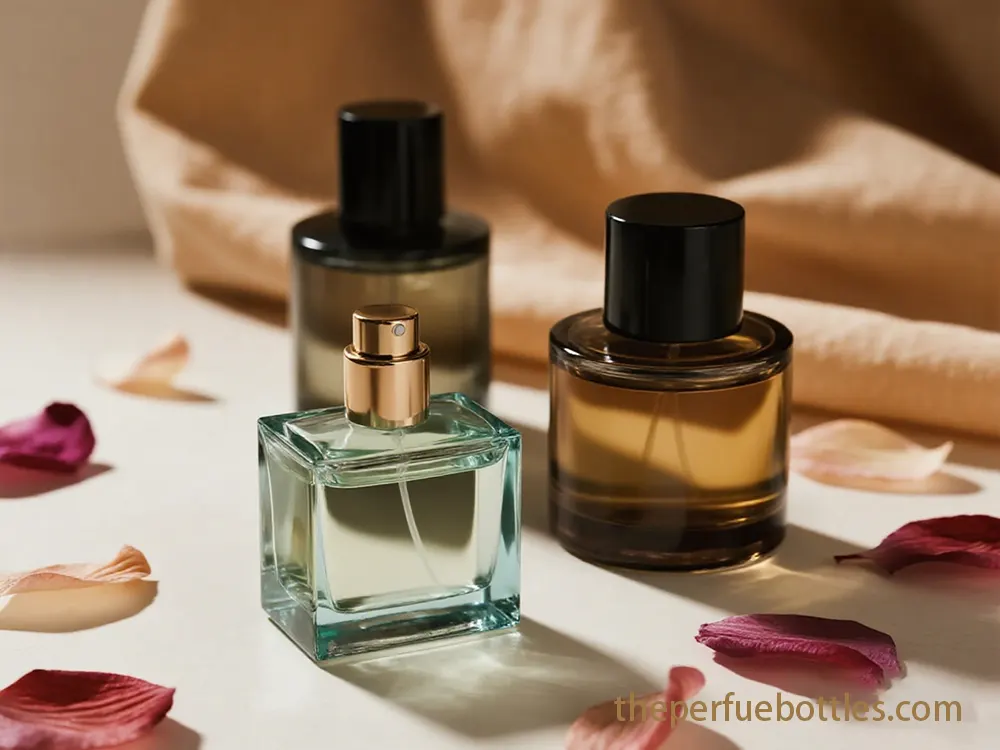
Longevitatea parfumului: Cât timp poate rezista parfumul în sticlă
Descoperiți cât timp poate rezista parfumul în sticlă și cum ambalajul primar menține longevitatea prin știința materialelor, design și depozitare.
De ce să alegeți ambalaje cosmetice personalizate pentru succesul brandului dvs.?
Descoperă cum ambalajele personalizate pentru produse cosmetice ajută brandul tău să iasă în evidență, să sporească atractivitatea produselor și să atragă cumpărători. Ideal pentru soluții B2B de ambalare pentru produse cosmetice.
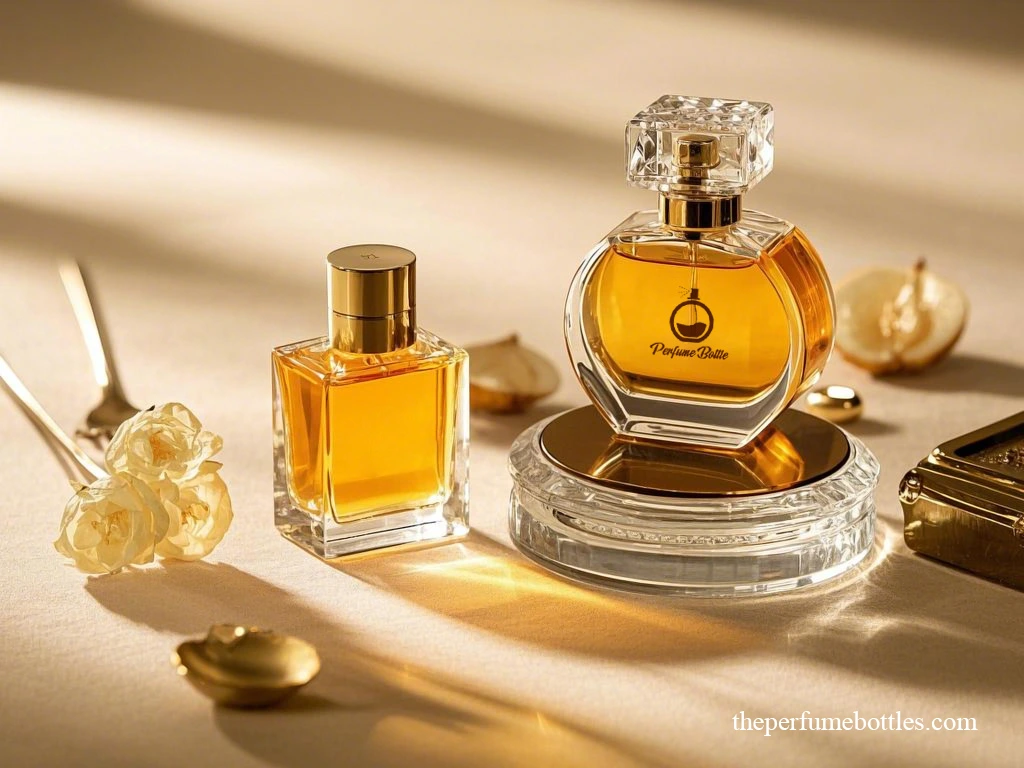
Un ghid complet pentru reumplerea sticlelor vechi de parfum: de la deschidere până la finisare
Dacă vrei să deschizi o sticlă veche de parfum pentru a o reumple, trebuie să alegi metoda potrivită în funcție de diferitele tipuri de sticle de parfum.
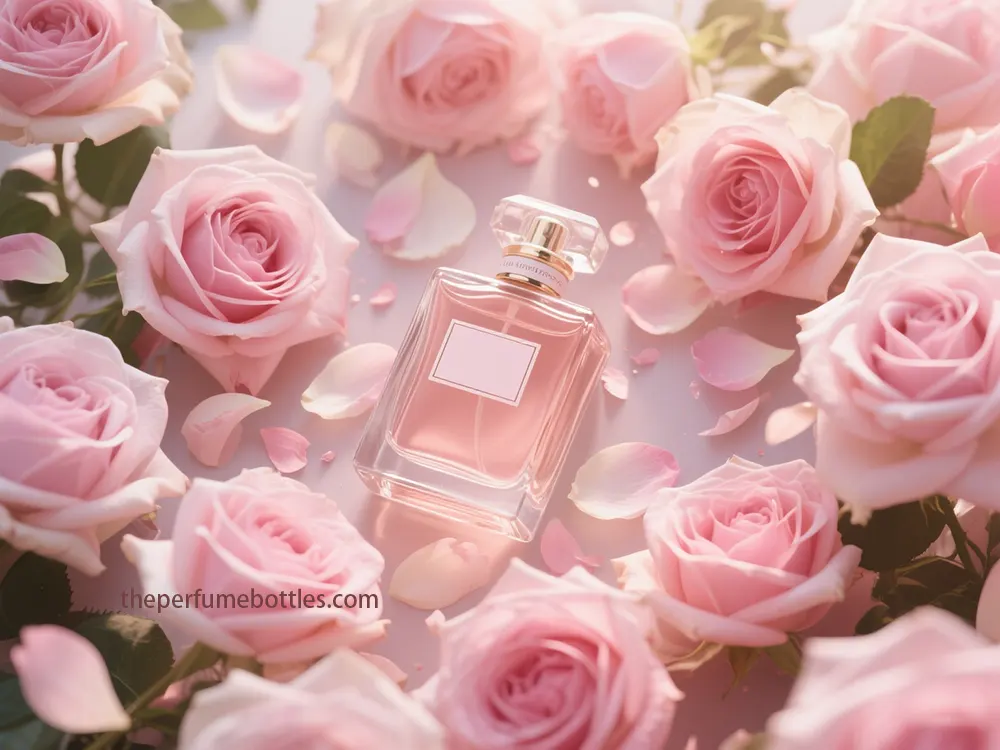
Personalizarea sticlelor de parfum en-gros pentru mărci private: un raport cuprinzător
Vesseluxe oferă personalizare completă pentru sticle de parfum en-gros, acoperind designul...
Cum să treci la ambalaje cosmetice ecologice fără a compromite calitatea
Trecerea la ambalaje cosmetice ecologice este un pas esențial către sustenabilitate în industria frumuseții. Cu toate acestea, brandurile își fac adesea griji cu privire la compromiterea calității produselor atunci când trec la soluții sustenabile.
- +86 186 5178 1159
- [email protected]
- Luni-Duminică 07:00-21:00
Etichete
Opțiuni de personalizare de top oferite de distribuitorii de sticle de parfum din sticlă de top
06/03/2026
Explorează cele mai bune opțiuni de personalizare de la un distribuitor important de sticle de parfum din sticlă. Află cum oferim matrițe, culori și finisaje unice pentru mărci de lux.
Studiu de caz: De la problemele distribuitorilor de sticle cu role de sticlă la aprovizionarea stabilă din fabrică
25/02/2026
Problemele legate de distribuitorii de sticle cu role de sticlă au determinat o fabrică spaniolă de ulei să apeleze la noi pentru sticle cu role personalizate, etanșe, cu potrivire precisă, calitate stabilă și livrare în vrac.
Personalizat sau standard? Ghidul distribuitorului de sticle cu pipetă din sticlă pentru cumpărători
19/02/2026
Alegeți un distribuitor de flacoane cu pipetă din sticlă? Explorați ghidul nostru despre ambalaje personalizate vs. ambalaje standard. Aflați cum îi ajutăm pe cumpărători să optimizeze costurile și impactul mărcii.
Studiu de caz: Sticle de parfum din sticlă personalizate pentru un studio de parfumuri de nișă franceză
12/02/2026
Sticle de parfum din sticlă personalizate pentru un studio de parfumuri francez. Am livrat sticle cu gradient mat și capace din lemn, sporind imaginea mărcii și atractivitatea în retail.
 RO
RO  EN
EN  FR
FR  IT
IT  DE
DE  NL
NL  PL
PL  RU
RU  PT
PT  FI
FI  ES
ES  DA
DA  SV
SV  CS
CS  ZH
ZH  KO
KO  JA
JA  AR
AR  TR
TR  ID
ID  EL
EL  HU
HU  BG
BG