





Guide for Glass Dropper Bottles Wholesaler: Design, Materials, and Compliance

Innehållsförteckning

Essential insights for a glass dropper bottles wholesaler on design, materials, and compliance for pharma, cosmetic, and lab applications.

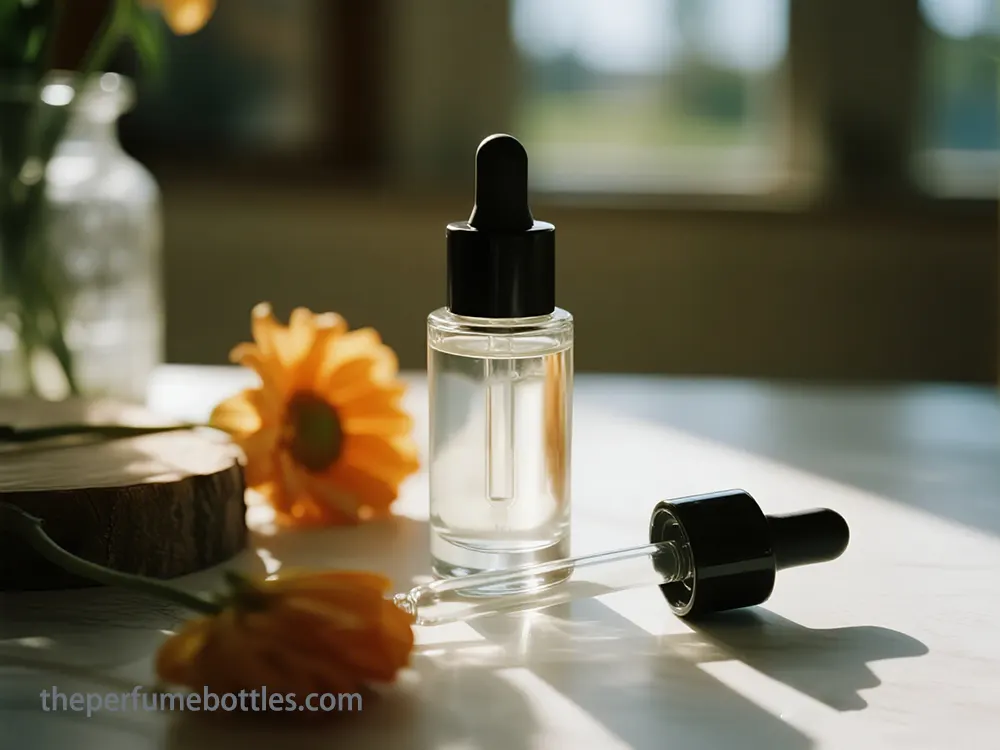
Vesseluxe, a major glass dropper bottles wholesaler, offers this information on the designing, material choice, and compliance of glass dropper bottles with high quality. This report provides the valuable input to the product developers and analysts in the pharmaceutical, cosmetic and laboratory industries because precision, safety and integrity represent the most important aspects of the product development.

glass dropper bottles wholesaler

Få gratisprover

1. Product Application and Core Requirements

The first step, which involves defining the intended application, determines the choice of materials and compliance with regulations. Pharmaceutical industries require sterile, inert, and accurate dosing of APIs, cosmetics focus on aesthetics, sun protection, and chemical compatibility of serums and laboratories demand the utmost accuracy and resistance of reagents. The liquid, oil, suspension, emulsion of the product (viscosity) also affects the design of dropper systems.

Prerequisites are oriented to the protection of products and the safety of the user and functionality. Bottles should be resistant to handling, prevent contents to be affected by contaminants (light, air, moisture) and allow precise dispensing. The choice of materials is the most crucial factor in inertness (no leaching), thermal stability (sterilization), and mechanical strength. Design should also be able to support filling, labeling and packaging.

2. Selection of Material that provides the best compatibility

The selection of material used in each of the parts of flaskan, the pipette, and the cap is a vital factor that can determine the integrity of products and their shelf life. The first one is chemical compatibility.

2. Viktiga anpassningsalternativ tillgängliga

2.1. Various Materials of the glass bottles

Glass is selected due to its high chemical inertness, barrier, and looks. Common types include:

  • Type I Borosilicate Glass: Best quality, good chemical and thermal shock protection, suitable with sensitive pharmaceuticals (injectables, strong acids/bases) because of the low leaching.
  • Type II Treated Soda-Lime Glass: De-alkalized soda-lime, enhanced chemical resistance to acidic/neutral aqueous preparation, but not as resistant as Type I.
  • Type III Soda-Lime Glass: This is standard soda-lime and only can be used on non-aqueous products or dry powders; this has lesser chemical resistance.

Type I or III amber glass offers UV protection of light-sensitive products. Aesthetic or where visibility is required and light sensitivity is not a problem is with clear glass.

2.2 Pipette and Cap Material Compatibility

Pipette and cap materials should be selected carefully to avoid having product interaction.

  • Pipette Materials: The tube is made of borosilicate glass, which is non-inert. Elastomer bulbs include:
    • Natural Rubber (NR): Rubber, poor chemical resistance/shelf-life.
    • Nitrile Butadiene Rubber (NBR): Excellent oil/chemical resistant, oily formulations.
    • EPDM: Excellent heat, ozone, weathering, solutions aqueous/alcoholic.
    • Silicone Rubber (VMQ): Very inert, very good temperature, low extractables; pharma/sensitive cosmetics.
  • Cap Materials:
    • Plastics: Polypropylene (PP) to provide chemical/cost resistance; Phenolic to provide strong solvents/good feel; Polyethylene (PE) to provide good chemical resistance.
    • Foder: Vital to product and seal. Usual categories Polyethylene Foam (F217) in general use; PTFE in aggressive chemicals/essential oils; Saranex in oxygen/moisture barrier.

The table below gives a summary of popular material options and their common uses:

ComponentMaterialtypKey PropertiesTypical Applications
BottleType I Borosilicate GlassHigh chemical inertness, thermal shock resistancePharmaceuticals, sensitive chemicals, injectables
 Amber Type I/III GlassUV protection, chemical inertness (Type I)Essential oils, light-sensitive APIs, serums
 Type III Soda-Lime GlassGood barrier, cost-effectiveNon-aqueous cosmetics, general purpose
Pipette BulbSilicone (VMQ)High inertness, temperature resistance, low extractablesPharmaceuticals, high-purity cosmetics
 EPDMGood chemical resistance, heat/ozone resistantAqueous solutions, some alcohols
 Nitrile (NBR)Oil and chemical resistanceOily formulations, essential oils
LockPolypropylene (PP)Good chemical resistance, rigid, cost-effectiveGeneral purpose, many cosmetics/pharma
 PhenolicExcellent chemical resistance, premium feelStrong solvents, essential oils, high-end products
Cap LinerPTFESuperior chemical resistance, inertAggressive chemicals, essential oils
 F217 FoamGeneral purpose, good sealWide range of products
 SaranexGood barrier against oxygen/moistureProducts sensitive to oxidation/moisture

3. Pipette Design for Functional Performance

The design of pipette influences the user experience, accuracy of dosing, and efficacy of products directly. Proper dosing is a main concern particularly in drugs. Pipettes are designed to drop a certain amount of drops or to measure a certain amount of drops based on:

  • Pipette Bore Diameter: Guarantees predictable flow of liquids.
  • Tip Geometry: Straight (universal), Bent (localized), Blunt (less dangerous), Fine (drop accuracy).
  • Bulb Compression/Recovery: Influences drop size, suction/expulsion force and drop consistency.

The viscosity determines the design of tips and bore; broad in viscous liquids, designed cautiously in low ones.

Volume can be measured by use of graduated pipettes. Markings (printed, etched, molded) should be correct (e.g. ISO 835) and resistant. Pipette glasses must have homogeneous wall thickness and homogenous internal diameter to determine the volume. Active ingredients should not be absorbed/adsorbed by material, which will result in wrong dosing.

glass dropper bottles wholesaler

Få gratisprover

4. Cap Features for Safety and Integrity

The cap is paramount to the safety, integrity, and the interaction with the product by the user.

4.1 Child-Resistant and Tamper-Evident Mechanisms

The first one is safety particularly child-hazardous products.

  • Child-Resistant (CR) Caps: demand particular actions (e.g. push-and-turn), which are not easily performed by children, and which are in compliance with standards such as PPPA (US) or ISO 8317.
  • Tamper-Evident (TE) Seals: These sealants prove that they were opened. Typical mechanisms: Shrink Bands, Breakaway Bands (ring loses), Induction Heat Seals (foil liner).

4.2 Liner Materials and Aesthetic Considerations

The cap liner provides a good seal thus blocking leakage and provides a barrier to oxygen/moisture. Liner materials (PTFE, Saranex, F217 foam) are selected due to their compatibility with chemicals and integrity during the shelf-life. In addition to functionality, color, finish, and shape of the cap are in part part of brand aesthetics (e.g., phenolic, PP: classic, modern), and must be ergonomic.

5. Regulatory Compliance and Market Considerations

The workaround regulatory standards is essential in ensuring that any glass dropper bottles wholesaler does not face legal and financial consequences.

glass dropper bottles wholesaler

Få gratisprover

5.1 Adherence to Pharmaceutical and Food-Grade Standards

Pharma and food-grade applications are required to be strictly adhering to international and national standards:

  • USP (United States Pharmacopeia): Defines chemical resistance, light transmission and extractable limits (e.g., USP USP ) of pharma packaging, regarding the safety of drugs.
  • FDA (Food and Drug Administration): Governs the packaging of food/drug in USA regarding the safety of material, non-toxicity as well as GMO.
  • EU Pharma (European Pharmacopoeia): Establishes EU pharma packaging requirements, e.g. glass hydrolytic resistance and elastomeric extractables.
  • ISO Standards: Offer packaging standards that are relevant to packaging, i.e. ISO 8317 (child-resistant) or ISO 15378 (GMP on medicinal packaging).

5.2 Target Market Requirements and Global Harmonization

The markets possess various regulatory peculiarities and consumer tastes.

  • Regional Differences: Local System (labeling, recycling, material limits) This is local (crucial to entry) and exists even when there is a harmonization effort.
  • Sustainability Initiatives: The sustainability packaging pressure contributes to the decision of using recycled content, recyclability, and low environmental impact.
  • Supply Chain Resilience: It is important to supply excellently sourced wholesalers such as Vesseluxe, with good quality control and traceability, during the world-wide upset.

Kommentarer

Produktkategorier

Heta reaflaskor

sv_SESV
Rulla till toppen

Starta ett anpassat projekt

Fyll i formuläret nedan så kontaktar vi dig inom kort.

Starta ett anpassat projekt

Vår säljchef kommer att kontakta dig inom 30 minuter via e-post på [email protected].