
Hur tillverkare av parfymflaskor i glas driver varumärkesdifferentiering
Innehållsförteckning
Upptäck hur en ledande tillverkare av parfymflaskor i glas hjälper massmarknadsvarumärken att sticka ut
1. Förpackningens kraft inom massmarknadsparfymer
I nästan varje lokal detaljhandel spelar tillverkaren av parfymflaskor i glas en nyckelroll – flaskans utseende skapar det allra första intrycket och påverkar ofta köparens beslut redan innan man testat doften. Förpackningen fungerar som en "känslomässig ambassadör" som förmedlar varumärkesidentitet och berättelse. En skräddarsydd glasflaska, tillverkad av en högkvalitativ tillverkare. parfymflaskor i glas tillverkaren, förvandlar doften till ett "måste-ha", vilket förstärker varumärkets attraktionskraft och fördjupar den känslomässiga bandet.
2. Kärnfunktioner hos en tillverkare av parfymflaskor i glas
Effektiv och kostnadseffektiv produktion av anpassade former, färger och kepsar för massmarknadsvarumärken är beroende av avancerad tillverkning.
Få gratisprover
2.1. Formningstekniker för högvolymsproduktion
”Press & blow”-metoden är den huvudsakliga metoden för tillverkning av stora volymer glasflaskor. En metallform fylls genom att pressa smält glas, varefter lufttryck används för att erhålla den slutliga formen. ”Press & blow”-metoden, tillsammans med vanlig formblåsning, kräver mycket exakt och repeterbar tryckkontroll om produktkvaliteten ska bibehållas på en jämn nivå.
För närvarande arbetar ett flersektionssystem med flera sektioner, och avancerad PLC-teknik med rörelsestyrningsalgoritmer används också. På grund av detta kan temperatur, tid och tryck övervakas i realtid, vilket möjliggör en produktion med jämn kvalitet och höga produktionshastigheter.
Designprogramvara är nyckeln till 3D-visualisering, med hänsyn till funktioner som volym (30 ml, 50 ml, 100 ml) och halsyta (15 mm–18 mm). De första modellerna är oftast 3D-utskrivna och används för att kontrollera form, storlek, vikt (200–400 g) samt ergonomi hos föremålet innan formen skapas.
2.2. Olika dekorationstekniker för massmarknadsanpassning
Ett komplett utbud av dekorationstekniker ger möjlighet till personalisering i hög volym:
- Screentryck (silkscreen): En metod för screentryck (med hjälp av silkscreen) är mångsidig, hållbar och ganska enkel; den är också lätt automatiserad med PLC-maskiner som kan trycka så mycket som 4-5 färger på olika former (35-50 bitar/minut) och kan stödja UV-reaktiva och metalliska bläck.
- Varmprägling (folietryck): Med hjälp av värme och tryck ges metallisk eller färgad folie en "ny" yta med egenskaper som satin, halvblank eller högblank för ett lyxigt utseende. Robotiserade maskiner dekorerar upp till 360 grader på olika flaskor (upp till 2 500 delar/timme), vilket ger ett sätt att förmedla ett högt värde för en produkt.
- Frostning (syraetsning/sandblästring): Med denna metod erhålls en genomskinlig matt yta, vilket gör att flaskan ser bättre ut och känns bättre, och innehållet skyddas från skadliga strålar. Det är en massproducerad dekorationsteknik och ganska ekonomisk.
- Sprutning/färgbeläggning:En livsmedelssäker spraybeläggning är den metod genom vilken den önskade färgen "bakas" på glasytan. Färg kan tillsättas under produktionen för stora serier. Några av de nyaste metoderna inkluderar marmor- och termokrombeläggningar.
- UV-tryckning: Metoden använder mycket tunna tryckfärger som härdas direkt med UV-ljus, vilket ger tryck med mycket hög upplösning för komplexa mönster, gradienter eller fotografiska bilder, med god livfullhet och lång livslängd, vilket gör dem lämpliga för produktioner av alla storlekar.
- Tampontryck: Jämfört med andra tryckmetoder är processen långsammare och följaktligen bör en lösning på denna tekniska begränsning hittas om man vill använda den för tillverkning i hög volym. Den är dock idealisk för komplexa mönster och mest exakt förutsatt att maximal produktion sker med det mest skonsamma arbetet.
- Lasergravering: Det är laserstrålen som utför beskärningen av den utskrivna bilden, logotypen eller texten, och processen är helt automatisk eftersom den styrs av programvara.
- Vakuumbeläggning (metallisering): Uppnås genom användning av en vakuumapparat och innebär att ett mycket tunt metalllager appliceras som leder till en reflekterande, spegelliknande yta som både skyddar produkten från UV-strålar och höjer produktens lyx, slitstyrka och korrosionsskydd.
- Flockning:Polymerfibrer, som troligen är gjorda av nylon, appliceras via en sammetslen "mjuk beröringsteknik", som, förutom det taktila, också förstärker den visuella sidan av en produkts lyx.
- Holografisk beläggning: Detta är en hållbar vakuumjonpläteringsprocess som resulterar i ett ljust, färgglatt och attraktivt skimrande lager.
2.3. Anpassning av lock och materialval
Parfymernas kapsyler är tillverkade av material som PP, ABS, Surlyn, aluminium, Zamak, trä och akryl, vilket inte bara påverkar priset utan även nivån av lyxupplevelse. ABS är ett flitigt använt material inom massmarknadsprodukter, vars viktigaste egenskap är dess styrka, seghet, enkla bearbetning och fina textur. Dessutom kan det personifieras genom UV-, metalliserings- eller transfertryck. Genom att helt enkelt tynga ABS-kapsyler med metallinsatser liknar den resulterande produkten mycket den hos en dyr Zamak, vilket är bra för medelstora marknader. Surlyn är ett material som är känt för sin klarhet och glasliknande finish, vilket gör produkten mer attraktiv och hållbar.
För plastkapsyler spelar formsprutning en avgörande roll. Kostnaden för formar som tillverkas för lock och kapsyler ligger vanligtvis mellan 7 000 och 40 000 dollar. Även om kompletta pumphuvudformar med 16 kaviteter kan kosta mer än 120 000 dollar, kan man genom att bara byta ut två nyckelkomponenter (t.ex. ställdon + gängad krage) uppnå en betydande minskning av verktygskostnaderna ner till 12 000–15 000 dollar, och därigenom bibehålla balansen mellan graden av anpassning och kostnaden för massproduktion. Värdet på en produkt kan höjas extremt bara genom en stor ökning av kapsylens vikt, vilket ger den ett mer lyxigt utseende och känsla.
2.4. Kvalitetskontroll och effektivitet i höghastighetsproduktion
Strikt kvalitetskontroll utförs i varje steg, från råmaterialet till den färdiga produkten. De automatiserade inspektionssystemen involverar användning av höghastighetskameror, infraröda sensorer och precisionsmätverktyg som möjliggör realtids, 360-graders dimensionering och defektverifiering av det inspekterade objektet. Flernivåkontroller (provtagning i varmänden, inspektion efter glödgning) är mycket viktiga. Utöver dessa är kontinuerlig övervakning av ugnstemperaturer, satsblandning och forminspektion lika viktiga. Automatiserade system har förkortat defektdetekteringstiden från över 8 timmar till 30 minuter, vilket avsevärt minskar avfall och koldioxidutsläpp.
3. Strategisk differentiering: Anpassade parfymflaskor i glas för varumärkesberättande
Designade flaskor, färgscheman och personligt anpassade kapsyler hjälper massmarknadsvarumärken att uttrycka sin varumärkesidentitet, öka varumärkesvärdet som uppfattas av kunderna och skapa funktionella funktioner som fångar konsumenternas uppmärksamhet och får ett positivt gensvar från dem.
3.1. Semiotiken kring flaskform och design
Doftflaskor är "känslomässiga ambassadörer" som förmedlar varumärkesidentiteten och berättelsen, och därmed har störst inflytande på köpet redan innan lukten upplevs. Designelement som form, färg, material, lock, vikt, logotyp och typografi skapar tillsammans en multisensorisk upplevelse som gör konsumenten bekant med varumärket.
- Rektangulär/Kvadratisk (t.ex. Chanel nr 5) indikerar precision, styrka och evig natur.
- Kurvig/Rundad (t.ex. Jean Paul Gaultier) antyder sensualitet, att vara älskvärd och mjuk, och kan därmed locka en bred publik.
- Elegant, minimalistisk, cylindrisk (t.ex. Jo Malone, Byredo) är alla moderna, enkla och mångsidiga, vilket är anledningen till att de passar för moderna och unisex-dofter.
- Unik/Okonventionell (t.ex. Thierry Muglers “Angel”-stjärna, Moschinos “Toy”-nalle, Carolina Herreras höga klackar) uttrycker högljudda idéer, återspeglar personens unikhet och blir en av de få som människor lätt kan komma ihåg, vilket ökar återkallelsen med mer än 30 %.
- Lång och smal flaskorna är eleganta; bredare former förmedla styrka.
3.2. Färgens och finishens psykologi
Färgpsykologi motsvarar doftens karaktär och den potentiella konsumenten.
- Varma färger (Röd, Orange, Gul) ger en känsla av energi.
- Coola färger (Blå, Grön) ger intrycket av att vara avkopplande.
- Neutrala färger (Svart, Vitt) är de som uttrycker att vara eleganta.
- Rosa är ett tecken på kärlek; Metalliska toner (Guld, Silver) ger intrycket av att vara lyxiga.
- Gradienta/tvåfärgade designer blir mer och mer populära.
- Även färgen på en flaska kan förändra hur en person känner igen en doft.
Texturer och ytbehandlingar inbjuder till känsel och syn. Frostat glas är ett perfekt exempel på minimalistisk elegans som materialet förmedlar. Matta ytor talar för en viss raffinerad stil; glansiga lyster och kristalliserande beläggningar ger en känsla av att vara evig. Metallisering gör att ett föremål ser väldigt lyxigt ut. Mjuka etiketter och präglade logotyper är taktila sätt att presentera lyx.
3.3. Att skapa kontakt med målgruppens demografi
Framgångsrika varumärken analyserar och känner till sina kunders preferenser, kultur och köpbeteende.
- Kvinnliga konsumenter: Prioritera aspekter som kvalitet, utseende, färg och produktion, vilket leder till en trend av specialanpassade, känslomässigt och estetiskt attraktiva flaskor.
- Yngre generationer (Generation Z, Millennials):Önskar personliga, autentiska och skräddarsydda dofter som representerar deras värderingar (t.ex. etiska inköp). De är villiga att betala mer för unika, visuellt attraktiva och "Instagramvärdiga" produkter som leder till engagemang på sociala medier.
- Kulturella nyanser: Förpackningens design speglar de kulturella värderingarna; till exempel kännetecknas marknaderna i Mellanöstern av användningen av livfullt guld och komplexa mönster, medan de asiatiska designerna är mer fokuserade på enkelhet.
3.4. Bortom estetik: Ergonomi och interaktiva element
Funktionalitet och användarupplevelse är oumbärliga. Felaktig försegling av locket, svåranvända munstycken eller otympliga former är alla faktorer som sänker användarnas nöjdhet. Förpackningen måste inte bara skydda produkten utan också vara enkel att använda (ergonomi, grepp, storlek, kapacitet).
Interaktiva komponenter som QR-koder, NFC-taggar och AR-funktioner berikar uppackningsupplevelsen, erbjuder produktinformation och engagerar användarna, vilket gör förpackningen "Instagramvärdig".
Få gratisprover
4. Optimera värde: Kostnadskonsekvenser och avkastning på investeringen för massmarknadsanpassning
Investeringar i specialdesignade parfymflaskor i glas innebär att man balanserar unika funktioner med rimliga priser. Avkastningen på investeringen (ROI) sträcker sig bortom försäljning och inkluderar även varumärkeskapital och lojalitet.
4.1. Kostnadskomponenter och skalfördelar
Kostnaderna påverkas av:
- Mögelskapande:Det största hindret är den initiala investeringen, och den ligger vanligtvis i intervallet 3 000–10 000 dollar+ för en komplicerad design och kan vara upp till maximalt 50 000 dollar.
- Råvaror:Vanligt glas kostar 0,50–5 dollar per flaska; plastdelar/förstoftare 0,10–1 dollar; lyxiga metalldelar upp till 10 dollar per flaska.
- Energiförbrukning: Merparten av energin, dvs. 70 %, används för smältning/raffinering och står därmed för 20–30 % av de totala produktionskostnaderna.
- Arbetskraftskostnader:0,50-2/flaska för montering, kvalitetskontroll och packning, vilket motsvarar 40-70 % av den totala produktionen. Dessutom sänker regioner med lägre arbetskraftskostnader sina affärspartners arbetskraftskostnader.
- Dekoration/Efterbehandling:Standarddekoration 0,10–0,50 USD/flaska; komplicerade detaljer 0,50–2 USD; extremt kundanpassade tjänster 75+ USD.
- Logistik/Förpackning: Frakt 0,02–0,10/enhet; ytterförpackning 0,50–10+.
Det är anledningen till att man uppnår Stordriftsfördelar är så viktigt. Kostnaden per enhet minskar drastiskt med volymen. Medan små partier prissätts till 5–10 stycken/enhet kostar storskalig produktion 1–3 stycken/flaska. Helt specialanpassade konstruktioner har vanligtvis höga minsta orderkvantiteter (MOQ), oftast 10 000+ enheter, där vissa fabriker kräver 50 000–300 000 enheter för en viss ekonomisk lönsamhet.
Lagerdekorering är mer bekvämt för nystartade företag, eftersom det inte finns någon formavgift och lägre MOQ (500–3 000 enheter), vilket minimerar den ekonomiska risken med marknadstester.
4.2. Mätning av avkastning på investeringen (ROI)
Anpassad förpackning är ett planerat affärsdrag som ger mycket vinst:
- Konsumentinflytande: För det mesta (72 %) använder konsumenter förpackningar som det viktigaste beslutskriteriet för vilken produkt de ska köpa; cirka 60 % av dem undviker oattraktiva förpackningar.
- Varumärkesåterkallelse/igenkänning: Det bidrar till att varumärket blir ihågkommet med 58 % (Nielsen, 2023), vilket skapar en unik ikon.
- Upplevt värde/Premiumprissättning: En av de största fördelarna är möjligheten att höja den upplevda värdenivån och därmed kunna ta ut högre priser från konsumenterna. Konsumenterna är villiga att betala upp till 35 % mer för högkvalitativa förpackningar.
- Ökning av direktförsäljning: Anpassade förpackningar kan leda till en ökning av försäljningen med upp till 40 % och försäljningen i butik med 30 % (NielsenIQ). Estetiska flaskor leder till 25 % högre köpintentioner hos konsumenter.
- Strategisk differentiering: En förutsättning för överlevnad på en marknad som förväntas nå 35 miljarder dollar år 2030.
- Varumärkeslojalitet/känslomässig koppling: Genom kärlek till ett varumärke kommer den nöjda kunden frivilligt att generera upprepade köp.
- Hållbarhet som värdedrivare: 52 % av konsumenterna väljer miljövänliga varumärken; miljövänlig kommunikation står för 28 % försäljningsökning (McKinsey, 2023).
- Skydd mot förfalskning: Svårare att imitera unikt utformade specialformer.
- Operativ effektivitet: Hjälper företaget att befria sig från den kostsamma cykeln av skadade varor och de därmed sammanhängande utgifterna.
- "Uppackningsupplevelse": Ömsesidig kommunikation mellan inblandade parter underlättad via sociala medier, på högsta möjliga nivå, och genom marknadsföring som är talk-of-the-town.
Nyckeltal (KPI:er) omfattar försäljning, kundnöjdhet, varumärkesuppfattning, operativ effektivitet, engagemang och returfrekvens. Dessutom är varumärkesåterkallelse och kundlivstidsvärde av stor betydelse. Finansiell modellering (tidsserier, multipel linjär regression) är ett av sätten att prognostisera ROI.
5. Hållbara lösningar: Miljömedveten anpassning för massmarknadsattraktion
Växande konsumentefterfrågan på miljövänliga produkter leder till hållbar tillverkning av massmarknadsflaskor av glasparfym.
5.1. Återvunnet innehåll och lättvikt
- Återvunnet innehåll (PCR-glas):Användningen av återvunnet glas (PCR) är en trend i branschen för att minska koldioxidavtrycket och efterfrågan på jungfruliga material. Vissa företag har uppnått upp till 60 % PCR, medan L'Occitane använder 100 %. EU-genomsnittet för återvunnet material var 52 % år 2021.
- Lättvikt: Att minska användningen av glas utan att offra styrka eller utseende ger både miljömässiga och ekonomiska fördelar: mindre användning av råmaterial, lägre produktions-/transportkostnader och färre koldioxidutsläpp. Idag är flaskor 30 % lättare än de från för 20 år sedan, och det finns 70 % färre koldioxidutsläpp än för 50 år sedan. Borsilikatglas bidrar till tunnare och samtidigt hållbara väggar.
5.2. Påfyllningsbara system och konsumentacceptans
Användningen av återfyllningsbara parfymflaskor är en metod för att minska avfall och även en källa till kostnadsbesparingar. Lyxmärken som Guerlain och Mugler har återfyllningsbara linjer, vilket leder till en avfallsminskning på upp till 45 %. Den globala marknaden för återfyllningsbara parfymflaskor förväntas uppgå till 1,5 miljarder dollar år 2025, med en årlig tillväxttakt på 7 % från 2025 till 2033.
Haptic Finishes:
5.3. Certifieringar och regelverk
Certifieringar som driver hållbarhet:
- Cradle to Cradle-certifierad™: Bedömningen inkluderar materialhälsa, materialåteranvändning, vattenförvaltning, energi från förnybara källor och social rättvisa.
- B Corp-certifiering: Erkänner utmärkta sociala och miljömässiga prestationer.
- Ecocert-certifiering: Certifierar ekologisk/naturlig kosmetika med mycket strikta kriterier för ingredienser, produktion och förpackning.
- EcoVadis-betyg: Omfattar aspekter av miljö, arbetsrätt och mänskliga rättigheter, affärsetik och hållbar upphandling.
- Global återvunnen standard (GRS):Ger bevis för återvunnet innehåll och leveranskedjans praxis.
- FSC-certifierad kartong: För ytterförpackningen tillverkad av trä från ansvarsfullt förvaltade skogar.
EU-förordningarna, såsom förordningen om förpackningar och förpackningsavfall (PPWR) (mitten av 2026), kräver ett harmoniserat återanvändningssystem, pantsystem och förpackningar som kan återvinnas senast 2030. Den specificerar också mål för avfallsminskning (5 % senast 2030, 10 % senast 2035, 15 % senast 2040), minskar mängden "problem" och implementerar utökat producentansvar (EPR).
5.4. Konsumenternas betalningsvilja för hållbara förpackningar
De flesta konsumenter kommer att betala mer för hållbara förpackningar. Enligt Trivium Packagings rapport från 2023 skulle 82 % av konsumenterna betala mer, vilket är en ökning jämfört med föregående år. Konsumenterna är beredda att betala 16 % mer för en förpackning som delvis är gjord av papper. 63 % av de svarande säger att de för återfyllningsbara skönhetsprodukter förväntar sig att 10–20 % av priset ska sparas för att uppmuntra köp av sådana produkter. Yngre konsumenter och höginkomsttagare är särskilt oroliga och villiga att betala mer.
Föreslagna lösningar för hållbar anpassning:
- Förbättra påfyllningsupplevelsen: Lättanvända, spillfria apparater; tydliga instruktioner; ”smart förpackning”.
- Strategisk prissättning/värdekommunikation:Å ena sidan kan långsiktiga besparingar uppmärksammas; å andra sidan kan trappstegsprissättning (t.ex. 10–20 % billigare påfyllningar) erbjudas.
- Förbättra tillgänglighet/synlighet: Gör produkter mer tillgängliga för en bredare publik; tydlig skyltning i butiken.
- Stärk marknadsföring/transparens: Kommunicera produktens miljöfördelar på ett tydligt sätt; använd ”miljömärkningar” för att öka förtroendet och motverka ”greenwashing”.
- Ta itu med estetiska/kvalitetsuppfattningar:Skapa miljövänliga förpackningar som håller produkten lyxig och visuellt tilltalande och som även är lämpliga för sociala medier.
- Övervinna skillnaden mellan attityd och beteende:Ge konsumenterna alternativ för att göra hållbara val som är bekväma, prisvärda och estetiskt tilltalande.
6. Framtida horisonter: Innovationer inom anpassning av parfymflaskor för massmarknaden
Framtiden för anpassning av parfymflaskor för massmarknaden påverkas av progressiv teknologi, sofistikerade material och de förändrade behoven av personalisering och miljövänlighet.
6.1. Hur tillverkare av parfymflaskor i glas använder AI för design och hyperpersonalisering
AI återuppfinner förpackningsdesign genom att titta på trender och demografi för att hitta layout, färg och bilder som passar bäst, vilket gör designdelen enklare. Procedurer som DesignNBuy ger tillgång till AI-designinstrument, som hjälper till med livemodifiering och resultatkrävande utskrifter. Packify.ai skapar bilder av produkterna och hämtar idéerna från användarens instruktioner, vilket gör att hela designprocessen går snabbt. AI-verktyg som Fragrance Innovator fungerar som inspirationskälla för kreativ flaskdesign, och input kan komma från en mängd olika områden. Med denna teknik till hands kan man lätt föreställa sig en mycket sällsynt användning av vanliga, generiska och billiga konsumentförpackningar genom specialproduktioner av personliga flaskor. Biometriska data kan nämligen fungera som ett medium som bär Physital ID för bot-spam-märkning för att göra varje persons unika produkt tillgänglig.
Få gratisprover
6.2. Avancerad tillverkning och digitaltryck
- 3D-utskrift: Tekniken som möjliggör direkt 3D-utskrift av glasflaskor för storskalig användning är fortfarande i sin linda, medan den å andra sidan redan används i stor utsträckning för hantverksmässiga första serier, dekorationer och utsmyckningar på begäran. Därför kan den vara en del av forskning, utveckling och förpackningsdesign, såväl som marknadsföring, i form av varumärkes- och produktkommunikation, timing, innehåll, presentationer och aktiveringar. Viktor & Rolf använde 3D-metodik i produktionen av en Flowerbomb i begränsad upplaga med ett komplext blommönster.
- Direkt-till-glas-utskrift: Digitaltryck är en rejäl revolution när det gäller visuellt tilltalande, detaljerade och färgintensiva bilder direkt på glas med stöd för fotorealistiska manualer och invecklade mönster. UV-tryckning gör att logotyper kan komma i valfri färg, medan texten kan vara rent vit och den metalliska effekten av tryckning direkt på glas kan göras även på en enda enhet (1-2 stycken). Ovanstående tekniker föranleder idén om hållbara och pålitliga etiketter för glasbehållare.
6.3. Immersivt konsumentengagemang med AR och smart förpackning
AR (Augmented Reality) är ett självklart verktyg för förpackningsindustrin när det gäller konsumentengagemang på nästa nivå. En konsument kan via en AR-utrustad smartphone få uppslukande virtuell uppackning, doftberättelser, optiska doftprofiler eller förstapersonsvyer av de anpassade flaskorna när de skannar en förpackning. Jo Malones AR-upplevelse avslöjar doftrelationer. Paco Rabannes "uppkopplade" flaska med ett litet NFC-chip går utöver att ge tillgång till spel, spellistor och AR-funktioner genom att erbjuda användaren en unik, interaktiv upplevelse. Denna "smarta förpackning" (QR-koder, NFC-chip) möjliggör också realtidsbekämpning av förfalskning, varumärkesberättelse och kundengagemang av exklusivt slag.
6.4. Innovationer inom glaskomposition och ytbehandlingar
- Nya glasformuleringar:
- Ultralätt glas: Bidrar med mindre koldioxidutsläpp i produktion och transport och sparar dessutom pengar. Verescence kunde uppnå en total viktminskning på upp till 60 % utan att kompromissa med lyxfaktorn. Användningen av borosilikatglas möjliggör tunnare och mer hållbara väggar.
- Höghållfast glas: Borosilikatglas erbjuder termisk chockbeständighet för komplexa former. För detta ändamål kan produktens prestanda och hållbarhet förbättras även genom användning av flera beläggningstekniker.
- Förbättrad klarhet: Superflintglas väljs för sin enastående klarhet i lyxiga doftförpackningar.
- Avancerade beläggningar:
- Reptålighet/kemisk motståndskraft: Med GLASNOL®-beläggningen får den behandlade ytan inte bara en högblank effekt utan blir också mer motståndskraftig mot slitage med tiden. Metallisering (UV-beläggning) förbättrar slitage-, korrosions- och repskyddet.
- UV-skyddande beläggningar: Stoelzles Lumi Coat (oktober 2024) är ett UV-skydd med utmärkt optisk transparens. Heinz-Glas "Invisible Shields" är en integrering av UV-lacker. Nanobeläggningar syftar här till 99 % UV-filtrering i transparenta flaskor.
- Haptiska ytbehandlingar: Matta ytbehandlingar ger produkten en modern, elegant och samtidigt satinliknande känsla. Flockade material imiterar mjukheten och den sammetsliknande texturen.
- Smarta beläggningar: Termokromism ändrar färg med temperaturen. Forskare överväger självrengörande glas. Holografisk beläggning är ett av sätten att få iriserande effekter.
6.5. Alternativa transparenta material och kostnads-nyttoanalys
Branschen undersöker möjliga alternativ till konventionellt glas:
- Biobaserade/återvunna plaster: Dow samarbetar med LVMH för att skapa biobaserade material (t.ex. använd matolja) och plastavfallsmaterial. Framtiden för biologiskt nedbrytbar plast (tillverkad av sockerrör, majsstärkelse) ser ljus ut ur ekologisk synvinkel. Formgjuten massaförpackning är en utmärkt kombination av stötdämpning och biologisk nedbrytbarhet.
- Alternativa transparenta material: Akryl är lätt, klart och går inte lätt sönder vid stötar; men det har oftast inte en glasliknande känsla och är svårt att återvinna. PET och PVC är de mest populära materialen för produkter som kräver kemisk resistens och hållbarhet.
- Lättmetaller: Aluminium och rostfritt stål är den perfekta kombinationen av modernt utseende, hållbarhet och återvinningsbarhet, vilket skapar ljus- och luftbarriärer för att doften ska vara hållbar.
Kostnads-nyttoanalys:Användningen av lättviktsglas kan ge betydande besparingar. Plastflaskor fungerar fortfarande som en billig lösning för massindustrin av parfym. Anpassad dekoration som metallisering är ett ekonomiskt sätt att differentiera sig. Även om miljövänliga material fortfarande kan vara lite dyrare i början, syftar ny teknik till att sänka kostnaderna och därmed balansera hållbarhet med varumärkesimage.
Den globala marknaden för parfymförpackningar förväntas nå 5,95 miljarder USD år 2032, med en årlig tillväxttakt på 6,93 %. Den globala marknaden för personliga parfymflaskor förväntas nå 3,8 miljarder USD år 2027, med en årlig tillväxttakt på 7,2 %. Dessa genombrott tyder på ett snabbt införande av dessa tekniker inom massmarknaden för anpassning och hyperpersonalisering under de kommande 5–10 åren.
6.6. Bästa praxis för modeller för cirkulära ekonomin
Framgångsrika sfäriska glasmodeller föredrar återanvändning. Företag som Rewine uppnår återanvändning av 85 % av flaskorna genom att uppmuntra returer, och Sustainable Wine Solutions har minskat koldioxidavtrycket med ett retursystem för flaskor med 95 %. Detta kräver starkt konsumentdeltagande och infrastruktur.
6.6. Regulatoriska påtryckningar och incitament
Regeringar implementerar regler för hållbara förpackningar, inklusive mandat, begränsningar av engångsplast och program för utökat tillverkaransvar (EPR). Europeiska unionens mål är att skapa ett harmoniskt återanvändningssystem, pantplaner, ett ambitiöst återvinningsmål (75 % för glas) och mål för minskat avfall, inklusive begränsningar av små engångsprodukter av kosmetiska produkter i bostäder till 2030.
6.7. Demografin som driver marknaden för påfyllningsbara skönhetsprodukter
Miljömedvetna Millennium (73 % av alla föredrar hållbara varumärken) och Jane Z (75 % av alla vanor föredrar miljöpåverkan) driver marknader för återfyllningsbara skönhetsprodukter. Medan kvinnor är i majoritet visar män ett ökande intresse för könsbaserade system. Höginkomsttagare är angelägna om att investera i premiumprodukter med hållbarhet.
7. Slutsats: Framtiden för mångsidiga förpackningar
Små roll-on-glasflaskor är en dynamisk och effektfull förpackningslösning. Deras kemiska inertitet, UV-skydd (särskilt borsilikat och bärnstensfärgat glas) och olika roll-on-material säkerställer noggrannhet och produktintegritet. Deras tillämpningar har utvidgats bortom eteriska oljor till hudvård, smärtlindring, nagelvård, husdjursprodukter och naturliga insektsmedel, vilket visar på anmärkningsvärd mångsidighet.
Användarupplevelse definierad av bättre portabilitet, kontrollerad leverans och ren applikation är fortfarande en viktig drivkraft. I takt med att marknadsdynamiken utvecklas med efterfrågan på bekvämlighet, personalisering och hållbarhet, är roll-on-flaskor redo för fortsatt tillväxt. Framtida innovationer, inklusive avancerade leveransmekanismer, smart förpackningsintegration och hållbara material, kommer att stärka deras position inom ansvarsfull förpackning.
På VesseluxeVi föreställer oss förpackningar som är funktionella, estetiska, miljömedvetna och anpassningsbara. De små roll-on-glasflaskorna är ett perfekt exempel på detta tillvägagångssätt och blandar tradition och innovation för att forma branschens framtid inom mångsidiga och hållbara förpackningar.
Kommentarer
Produktkategorier
Heta reaflaskor
Topptrender på grossistmarknaden för roll-on-flaskor
Upptäck de senaste trenderna inom grossistförsäljning av roll-on-flaskor för B2B-köpare. Ligg steget före när det gäller att hitta högkvalitativa roll-on-förpackningar i bulk till konkurrenskraftiga priser.
Fallstudie: Hur en leverantör av glasflaskor levererade en skräddarsydd varumärkesfokuserad lösning
Ett parfymmärke samarbetar med oss som leverantör av parfymflaskor i glas och löser problem med frosting och korkpassning med precis ingenjörskonst och stabil specialproduktion.
Guide till design och tillverkning av fjärilsparfymflaskor
Upptäck konsten, trenderna och materialen inom design av fjärilsparfymflaskor. Experttips för B2B-tillverkning för unika, iögonfallande doftförpackningar som fängslar.
Form och material för parfymflaskor för varumärken och grossister av parfymflaskor i glas
Parfymflaskans form och material är strategiska för varumärkesidentitet, produktintegritet och hållbarhet.
Fallstudie: Anpassad droppflaska i glas för ett amerikanskt varumärke för eteriska oljor
Anpassade droppflaskor i glas med exakt väggkontroll, låg vikt och hög estetik för eteriska oljor.
- +86 186 5178 1159
- [email protected]
- mån-sön 07:00-21:00
Taggar
De bästa anpassningsalternativen som erbjuds av ledande återförsäljare av parfymflaskor i glas
06/03/2026
Utforska de bästa anpassningsalternativen från en ledande återförsäljare av parfymflaskor i glas. Lär dig hur vi tillhandahåller unika formar, färger och ytbehandlingar för lyxmärken.
Fallstudie: Från problem hos återförsäljare av glasflaskor till stabil fabriksleverans
25/02/2026
Problem med återförsäljare av glasflaskor ledde till att en spansk oljefabrik kontaktade oss för läckagesäkra specialanpassade rullflaskor med exakt passform, stabil kvalitet och bulkleverans.
Specialtillverkade eller i lager? En återförsäljarguide för glasdropperflaskor för köpare
19/02/2026
Väljer du en återförsäljare av glasflaskor med dropp? Utforska vår guide om specialanpassade kontra standardförpackningar. Lär dig hur vi hjälper köpare att optimera kostnader och varumärkespåverkan.
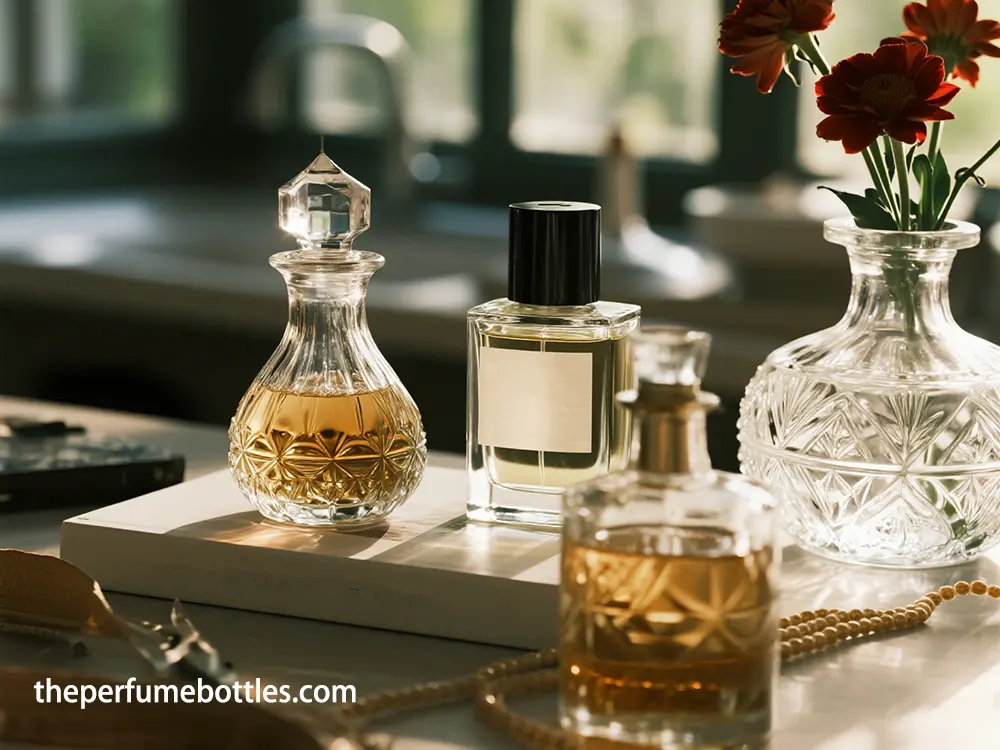
Fallstudie: Parfymflaskor i glas specialanpassade för en fransk nischad parfymstudio
12/02/2026
Parfymflaskor i glas, specialdesignade för en fransk parfymstudio. Vi levererade frostade flaskor med träkork, vilket förstärker varumärkesimagen och attraktionskraften i detaljhandeln.
 SV
SV  EN
EN  FR
FR  IT
IT  DE
DE  NL
NL  PL
PL  RU
RU  PT
PT  FI
FI  ES
ES  DA
DA  RO
RO  CS
CS  ZH
ZH  KO
KO  JA
JA  AR
AR  TR
TR  ID
ID  EL
EL  HU
HU  BG
BG