Cost-Benefit Analysis:

目录

了解领先的玻璃香水瓶制造商如何帮助大众市场品牌脱颖而出

Sleek, Minimalist, Cylindrical

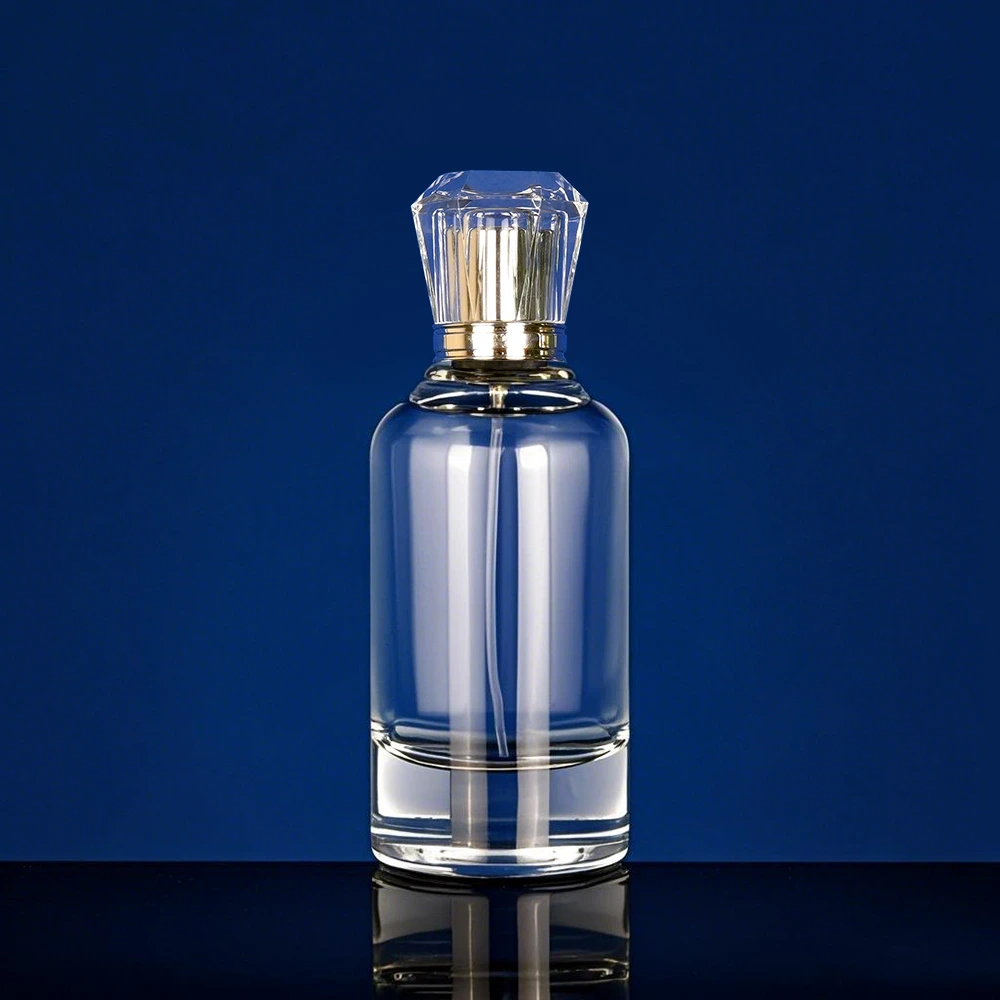
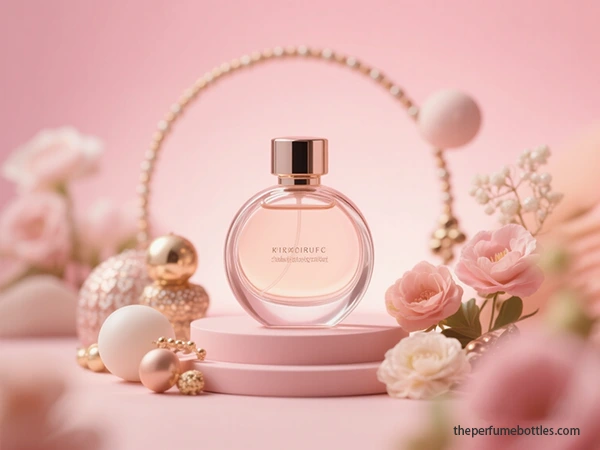
(e.g., Jo Malone, Byredo) are all modern, simple and versatile which is why they are suitable for contemporary and unisex fragrances. 玻璃香水瓶 (e.g., Thierry Mugler’s “Angel” star, Moschino’s “Toy” teddy bear, Carolina Herrera’s high-heel) express loud ideas, reflect the person’s uniqueness and become one of the very few that people can easily remember thus raising recall by more than 30%.

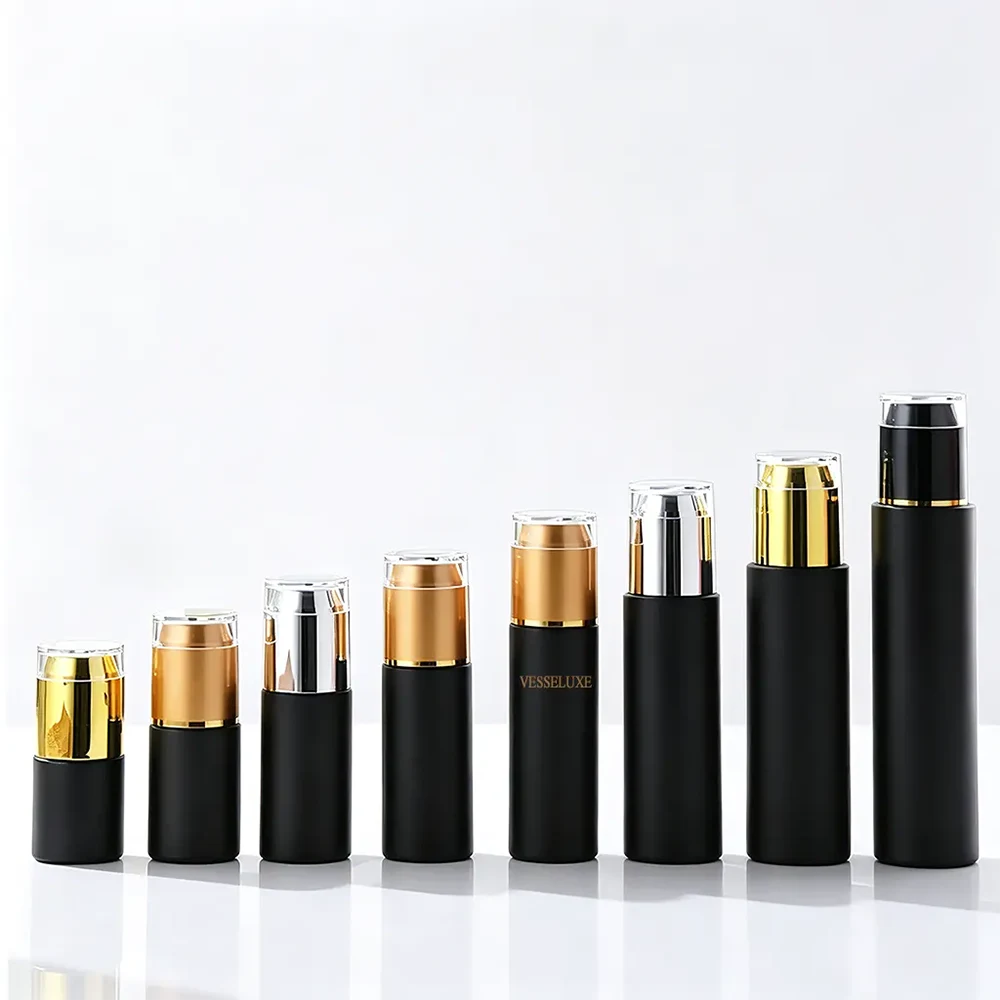
Tall and slender

bottles are elegant;

玻璃香水瓶制造商

获取免费样品

convey strength.

3.2. The Psychology of Color and Finish

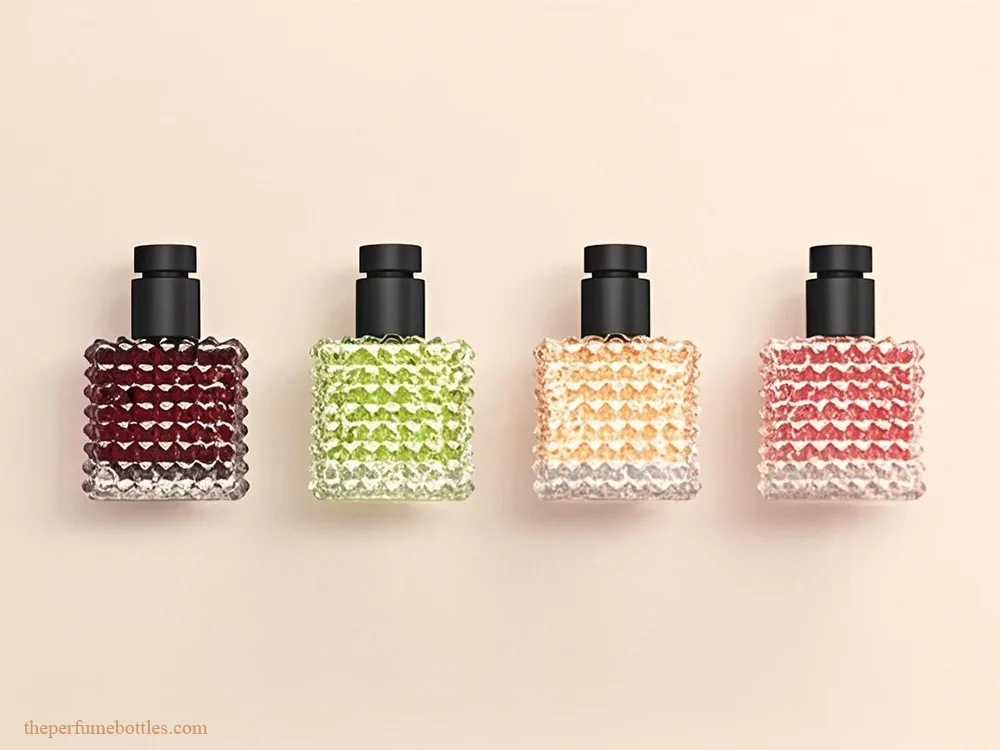
Colour psychology corresponds to the scent character and the potential consumer.

Warm colors

(Red, Orange, Yellow) bring about the feeling of being energetic.

Cool colors

  • (Blue, Green) give the impression of being relaxing. Neutral colors
  • (Black, White) are the ones that express being classy. Pink
  • is indicative of love; Metallic tones
  • (Gold, Silver) give the impression of being luxurious.Gradient/two-tone designs
  • UV印刷: Even the colour of a bottle can change the way a person smells a scent.
  • 移印: 3.3. Connecting with Target Demographics
  • 激光雕刻: Women Consumers:
  • 真空镀膜(金属化): Younger Generations (Gen Z, Millennials):
  • Desire personalized, authentic, and customized scents that represent their values (e.g., ethical sourcing). They are willing to pay more for unique, visually attractive, and “Instagram-worthy” products that lead to social media engagement.The design of the packaging mirrors the cultural values; for example, Middle Eastern markets are characterized by the use of vibrant gold and complex patterns, whereas the Asian designs are more focused on the simplicity.
  • 3.4. Beyond Aesthetics: Ergonomics and Interactive Elements Functionality and user experience are indispensable. Malfunction of the cap sealing, hard-to-use nozzles, or awkward shapes, all are factors that lower the satisfaction level of users. Packaging has to not only protect the product but also be of simple use (ergonomics, grip, size, capacity).

Interactive components such as QR codes, NFC tags, and AR features enrich the unboxing experience, offer product information, and get the users involved, thus making the packaging “Instagram-worthy”.

4. Optimizing Value: Cost Implications and ROI of Mass-Market Customization

Custom glass perfume bottle investments entail balancing one-of-a-kind features with reasonable prices. The return of investment (ROI) goes beyond sales to include brand equity and loyalty.

4.1. Cost Components and Economies of Scale

Costs are affected by :

Mold Creation:

The main barrier is the initial investment and it is usually in the range of $3,000-$10,000+ for a complicated design and can be up to a maximum of $50,000.

Raw Materials:

香水瓶 Energy Consumption:

  • Most of the energy, i.e., 70% of it, is used for melting/refining and thus, it accounts for 20-30% of the total production costs. Labor Costs:
  • 0.50-2/ bottle for assembly, QC, packing, which stands for 40-70% of the total production. Also, lower labor cost regions are cutting down labor costs of their business partners. Standard decoration 0.10-0.50/bottle; complicated details $0.50-$2; extremely customized services $75+.
  • Logistics/Packaging: Shipping 0.02-0.10/unit; outer packaging 0.50-10+.
  • That is the reason why achieving Economies of scale
  • is so important. The cost per unit decreases drastically with the volume. While small batches are priced at 5-10/unit; large-scale production costs 1-3/bottle.Fully custom designs usually have high minimum order quantities (MOQs), most times 10,000+ units, with some factories requiring 50,000-300,000 units for a minimum economic viability. Stock decorating is more convenient for startups, since there is no mold fee and lower MOQs (500-3,000 units), thus the financial risk of market testing is minimized. 4.2. Measuring the Return on Investment (ROI) Custom packaging is a planned business move that brings a lot of profit:

Consumer Influence:

Most of the time (72%) consumers are using packaging as the main decision criterion on what product to buy; about 60% of them are avoiding unattractive packaging.

  • Brand Recall/Recognition: It helps to remember the brand by 58% (Nielsen, 2023), thus creating a unique icon.
  • Perceived Value/Premium Pricing: One of the biggest advantages is the ability to elevate the perceived value level, and thus, to be able to charge the consumers higher prices. Consumers are willing to pay up to 35% more for high-quality packaging.
  • Direct Sales Uplift: Custom packaging may lead to an increase in sales by up to 40% and in-store sales by 30% (NielsenIQ). Aesthetic bottles lead to 25% more consumers’ purchasing intentions.
  • Strategic Differentiation: A requisite for survival in a market which is expected to reach $35 billion by 2030. Brand Loyalty/Emotional Connection: Through love for a brand, the happy customer will voluntarily generate repeated buying.
  • Sustainability as Value Driver: 52% of consumers opt for environmentally-friendly brands; eco-friendly communication accounts for 28% sales increase (McKinsey, 2023).
  • Protection Against Counterfeiting:

Harder to imitate uniquely crafted custom shapes.

Operational Efficiency:

Helps in freeing the company of the costly cycle of damaged goods and the associated expenses.

  • “Unboxing Experience”: Mutual communication between involved parties facilitated by social media, at the highest level possible, and being talk-of-the-town marketing.
  • Key Performance Indicators (KPIs) comprise sales, customer satisfaction, brand perception, operational efficiency, engagement, and return rates. Besides, brand recall and customer lifetime value are of great importance as well.Financial modeling (time series, multiple linear regression) is one of the ways of ROI forecasting.5. Sustainable Solutions: Eco-Conscious Customization for Mass-Market Appeal
  • 文化差异: 5.1. Recycled Content and Lightweighting

The use of Post-Consumer Recycled (PCR) glass is a trend in the industry to lower the carbon footprint and the demand for virgin materials. Some companies have achieved up to 60% PCR, while L’Occitane is using 100%. The EU average for recycled content was 52% in 2021.

The reduction of glass without the sacrifice of strength or appearance brings both environmental and economic advantages: less use of raw material, lower production/transport costs, and fewer CO2 emissions. Today, bottles are 30% lighter than those of 20 years ago, and there are 70% fewer CO2 emissions than 50 years ago. Borosilicate glass is helping to have thinner and at the same time durable walls.

5.2. Refillable Systems and Consumer Adoption

玻璃香水瓶制造商

获取免费样品

Consumer adoption, however, remains low (<1% in a 2023 survey) even though 79.3% of the respondents consider sustainability to be important. Barriers to sustainability include the higher initial costs of sustainable products, concerns about contamination, scepticism regarding the environmental benefits, limited availability of brands, and hesitation to make a change. On the other hand, adoption will increase if there will be a clear environmental demonstration (34%) and if the favorite brand will participate (43%). People prefer refill stations for bulk purchases.

5.3. Certifications and Regulatory Frameworks

Certifications driving sustainability:

Cradle to Cradle Certified™:

  • Assessment includes material health, material reutilization, water stewardship, energy from renewable sources, and social fairness.Acknowledges excellent social and environmental performance.
  • Ecocert Certification:Certifies organic/natural cosmetics with very strict criteria for ingredients, production, and packaging.
  • EcoVadis Ratings: Covers environmental, labor and human rights, business ethics and sustainable procurement aspects.
  • Global Recycled Standard (GRS):Provides evidence for the recycled content and supply chain practices.
  • 装饰/表面处理:For the outer packaging made from wood from responsibly managed forests.
  • The EU regulations, such as the Packaging and Packaging Waste Regulation (PPWR) (mid-2026), require a harmonized reuse system, deposit return schemes, and packaging that can be recycled by 2030. It also specifies waste reduction targets (5% by 2030, 10% by 2035, 15% by 2040), reduces “substances of concern,” and implements Extended Producer Responsibility (EPR). 5.4. Consumer Willingness to Pay for Sustainable Packaging

Most consumers will pay more for sustainable packaging. As per the Trivium Packaging’s 2023 report, 82% of consumers would pay more, which is an increase from the previous years.Consumers are ready to pay 16% more for a packaging that is partly made of paper.63% of the respondents say that for the refillable beauty products they would expect 10-20% of the price to be saved to encourage the purchase of such products.Younger consumers and high earners are especially concerned and willing to pay more. Suggested Solutions for Sustainable Customization: Enhance Refill Experience:

Easy-to-use, spill-free devices; clear instructions; “smart packaging”.

Strategic Pricing/Value Communication:

On the one hand, long-term savings can be brought to attention; on the other hand, tiered pricing (e.g., 10-20% cheaper refills) can be offered.

  • Improve Availability/Visibility: Make products more accessible to a wider audience; clear in-store signage.
  • Strengthen Marketing/Transparency: Communicating the environmental benefits of the product in a clear way; use “eco-labels” to facilitate trust and counter “greenwashing”.
  • Address Aesthetic/Quality Perceptions: Create environmentally friendly packaging that keeps the product luxurious and visually appealing and is also appropriate for social media.
  • Overcome Attitude-Behavior Gap: Provide consumers with the options to make sustainable choices that are convenient, affordable, and aesthetically pleasing.
  • 6. Future Horizons: Innovations in Mass-Market Perfume Bottle Customization The future of mass-market perfume bottle customization is influenced by progressive technologies, sophisticated materials, and the changing needs for personalization and eco-friendliness.
  • 6.1. How Glass Perfume Bottles Manufacturers Use AI for Design and Hyper-Personalization AI reinvent packaging design by looking at trends and demographics to figure out the layout, color, and pictures that fit best, thus, the designing part becomes easier.Procedures such as DesignNBuy give access to AI design instruments, which help in live modification and result-demanding printing.Packify.ai creates images of the products and gets the ideas from the user’s instruction, thus the whole designing process is done quickly.AI tools like Fragrance Innovator function as the source of inspiration for creative bottle designs, and the input may come from a variety of different fields.Having this technology at hand, one could easily imagine very seldom use of regular, generic and low-cost consumer packaging through custom productions of personal bottles.Namely, the biometric data may serve as a medium carrying Phygital ID for bot-spam labeling for making each person’s unique product available.
  • 6.2. Advanced Manufacturing and Digital Printing The technology enabling direct 3D printing of glass bottles for large-scale usage is still in its infancy, while on the other hand, it is already widely used for craft first runs, on-demand decoration and ornamentations. Hence, it can be part of research, development and packaging design, as well as marketing, in the form of brand and product communication timing, content, presentations and activations.Viktor&Rolf executed 3D methodology in the production of a limited-edition Flowerbomb with a complex pattern of blossoms.
  • Direct-to-Glass Printing: Digital printing is quite a “game-changer” when it comes to visually appealing, high detail, color intense pictures directly on glass with support for photorealistic manuals and intricate patterns.UV printing enables logos to come in any color, while the text can be pure white and the metallic effect of printing made directly on glass of even a single unit (1-2 pieces).The above techniques put forward the idea of lasting and reliable stand-out labels for glass containers.
  • 6.3. Immersive Consumer Engagement with AR and Smart Packaging AR (Augmented Reality) is a go-to tool for the packaging industry in terms of the next-level consumer engagement. A consumer through an AR-equipped smartphone can get immersive virtual unboxing, scent stories, optical scent profiles, or first-person views of the customized bottles upon scanning a package.Jo Malone’s AR experience divulges scent relationships.Paco Rabanne’s “connected” bottle with a tiny NFC chip goes beyond providing access to games, playlists, and AR features by offering the user a unique, interactive experience.This “smart packaging” (QR codes, NFC chips) also allows for real-time anti-counterfeiting, brand storytelling, and customer engagement of the exclusive kind.
  • 6.4. Innovations in Glass Composition and Coatings New Glass Formulations:

Ultra-lightweight Glass:

Contributes less CO2 in the production and transportation and saves money too. Verescence was able to realize an overall weight reduction of up to 60% without compromising the luxury component. The use of borosilicate glass allows for thinner, more durable walls.

High-Strength Glass:

Borosilicate glass offers thermal shock resistance for complex shapes. To this end, the performance and durability of the product can be improved also through the use of several coating technologies.

  • 再生材料含量(PCR玻璃):Super flint glass is chosen for its superlative clarity in luxury fragrance packaging.
  • 轻量化: With the GLASNOL® type of coating, the treated surface not only acquires a high-gloss effect but also becomes more resistant to wear and tear over time. Metallization (UV-coating) improves wear, corrosion, and scratch protection.

UV-Protective Coatings:

Stoelzle’s Lumi Coat (Oct 2024) is a UV protector with excellent optical transparency. Heinz-Glas’ “Invisible Shields” are the integration of UV varnishes. Nano-coatings here aim for 99% of UV filtration in transparent bottles.

Haptic Finishes:

Matte coatings give the product a modern, elegant, and at the same time, a satinlike touch. Flocked materials imitate the softness and the velvet-like texture.

Smart Coatings:

  • Thermochromism changes color with temperature. Researchers are considering self-cleaning glass. Holographic coating is one of the ways to get iridescent effects. 6.5. Alternative Transparent Materials and Cost-Benefit Analysis
  • 7.2. Packaging Companies as Strategic Consultants Bio-based/Recycled Plastics:
  • Dow collaborates with LVMH on creating bio-based materials (e.g. used cooking oil) and plastic waste materials. The future of biodegradable plastics (made of sugarcane, corn starch) looks bright from the ecological point of view. Molded pulp packaging is an excellent combination of shock absorption and biodegradability. Alternative Transparent Materials:
  • Acrylic is light, clear, and is not easily broken by impact; however, it most often does not have a glass-like feel and is difficult to recycle. PET and PVC are the most popular materials for products requiring chemical resistance and durability. Lightweight Metals:
  • Aluminum and stainless steel are the perfect combinations of the modern look, durability, and recyclability, thus providing light/air barriers for the fragrance longevity.Cost-Benefit Analysis:
  • The use of lightweight glass can bring substantial savings. Plastic bottles still serve as a cheap solution for the mass perfume industry. Customized decoration like metallization is an economical way to differentiate. Although eco-friendly materials may still be a bit more expensive in the beginning, new technologies are intending to lower the costs and thus balance sustainability with brand image. The global perfume packaging market is expected to reach USD 5.95 billion by 2032, growing at a CAGR of 6.93%. The worldwide market for personalized perfume bottles is expected to reach $3.8 billion by 2027, growing at a CAGR of 7.2%. These breakthroughs are indicative of a rapid adoption of these technologies across the mass-market sector for customization and hyper-personalization in the upcoming 5-10 years.

6.6. Best Practices for Circular Economy Models

Successful spherical models of glass prefer reuse. Companies like Rewine achieve re -use of 85% bottle by encouraging returns, and Sustainable Wine Solutions has reduced carbon footprint with bottle returns scheme by 95%. This requires strong consumer participation and infrastructure.

6.6. Regulatory Pressures and Incentives

Governments are implementing rules for sustainable packaging, including mandates, single-use plastic restrictions and extended manufacturer responsibility (EPR) programs. PPWR of the European Union goal the target harmonious reusing system, deposit withdrawal plans, ambitious recycling target (75%for glass), and waste cut targets, including restrictions on small single-use cosmetic products in housing by 2030.

  • 6.7. Demographics Driving Refillable Beauty Market Environmental conscious millennium (73% sustainable brands prefer) and Jane Z (75% of habits for environmental impact) run refillable beauty markets. While women are majority, men show increasing interest in gender-plate systems. High -income consumers are keen to invest in premium durable products.
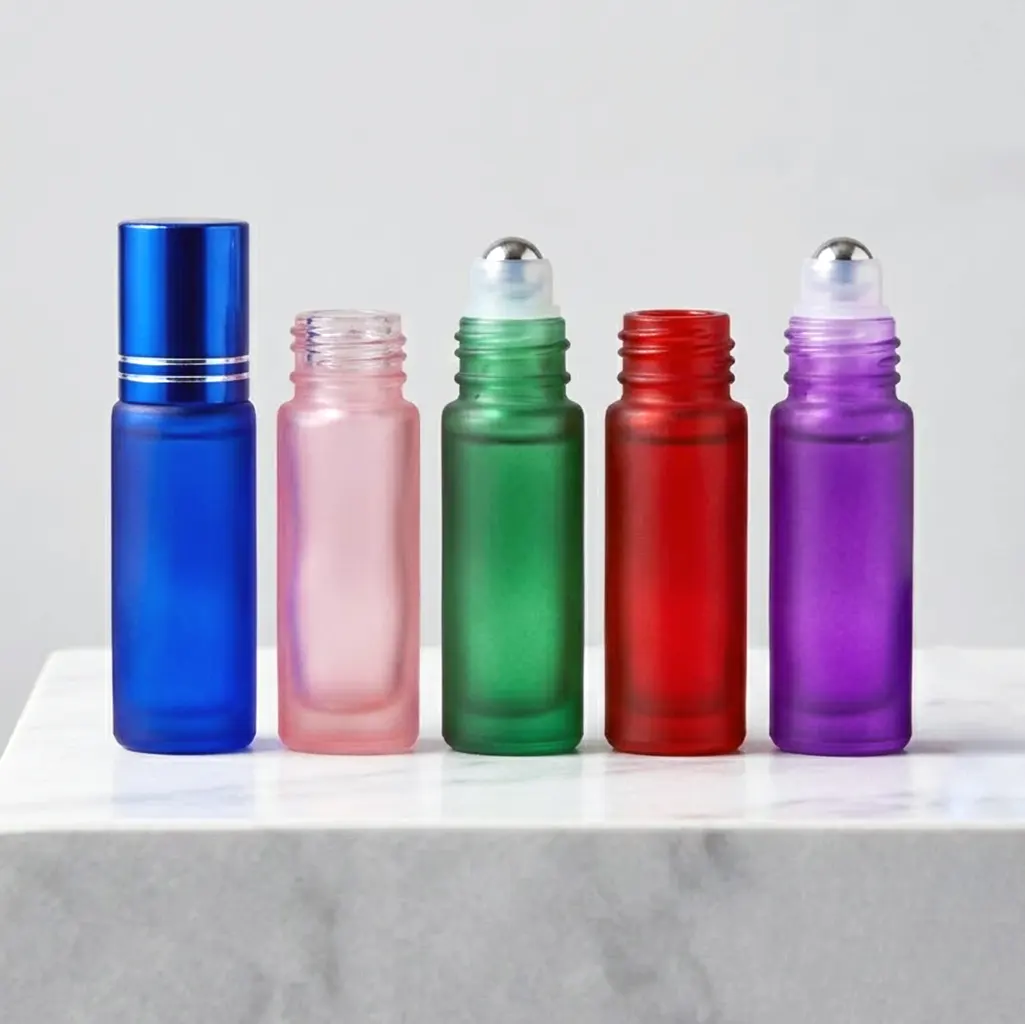
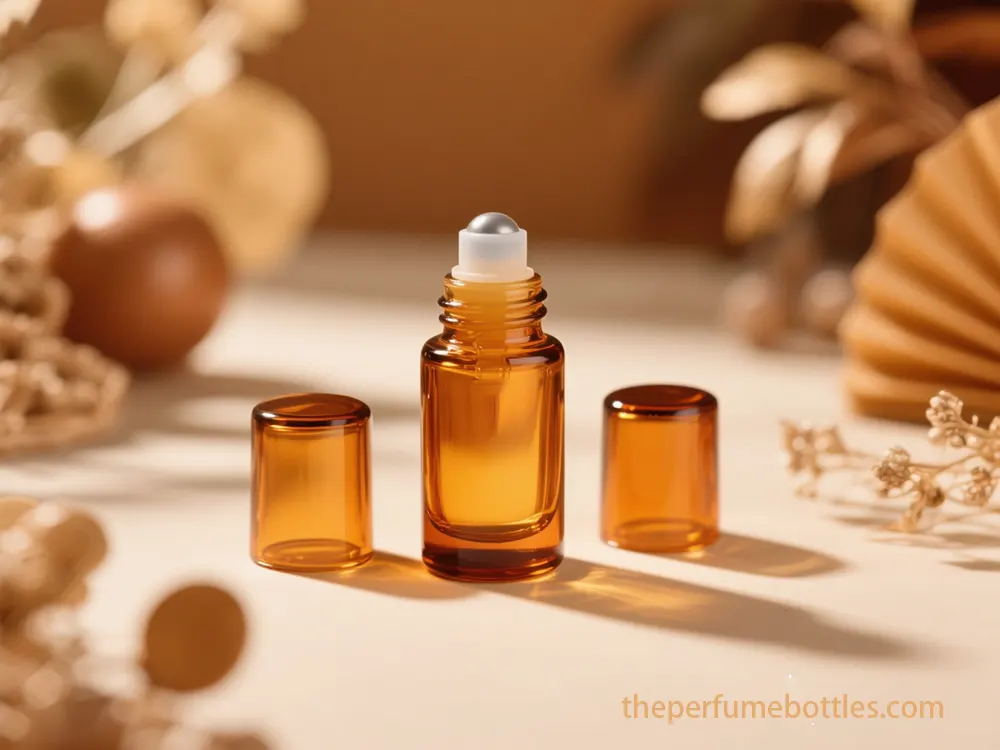
  • 7. Conclusion: The Future of Versatile PackagingSmall glass roll on bottles are a dynamic and impactful packaging solution. Their chemical inertness, UV protection (particularly borosilicate and amber glass), and various roller ball materials ensure accuracy and product integrity. Their applications have expanded beyond essential oils to skin care, pain relief, nail care, pet products, and natural insect repellents, demonstrating remarkable versatility.
  • User experience defined by better portability, controlled delivery and clean application remains a key driver. As market dynamics evolve with the demand for convenience, personalization and sustainability, roll-on bottles are poised for continued growth. Future innovations, including advanced delivery mechanisms, smart packaging integration and sustainable materials, will strengthen their position in responsible packaging. , we envision packaging that is functional, aesthetic, eco-conscious and adaptable. The small glass roll-on bottles epitomize this approach, blending tradition and innovation to shape the future of the industry in versatile and sustainable packaging.
  • Our sales manager will contact you within 30 minutes via email at 以明确的方式宣传产品的环境效益;使用 "生态标签",以促进信任并打击 "洗绿 "行为。
  • 解决审美/质量认知问题:创建环保包装,保持产品的奢华和视觉吸引力,同时也适合社交媒体。
  • 克服态度与行为之间的差距:为消费者提供方便、实惠、美观的可持续选择。

6.未来展望:大众市场香水瓶定制创新

大众市场香水瓶定制的未来受到先进技术、复杂材料以及不断变化的个性化和环保需求的影响。

6.1.玻璃香水瓶制造商如何利用人工智能进行设计和超个性化定制

Packify.ai可以创建产品图片,并从用户的指令中获取创意,从而快速完成整个设计过程。有了这项技术,人们就可以想象,通过定制生产个人瓶子,普通、通用和低成本的消费包装将很少被使用。也就是说,生物识别数据可以作为一种媒介,携带Phygital ID,用于机器人垃圾标签,使每个人都能获得独一无二的产品。

玻璃香水瓶制造商

获取免费样品

6.2.先进制造和数字印刷

  • 3D打印: 直接 3D 打印玻璃瓶的大规模应用技术仍处于起步阶段,但另一方面,它已被广泛用于工艺首批生产、按需装饰和装饰。因此,它可以成为研究、开发和包装设计的一部分,也可以以品牌和产品传播时机、内容、展示和活动的形式参与市场营销。Viktor&Rolf 在生产带有复杂花朵图案的限量版 Flowerbomb 时采用了 3D 方法。
  • 直接玻璃印刷 UV 印刷使徽标可以是任何颜色,而文字可以是纯白色,甚至可以在单个单元(1-2 件)的玻璃上直接印刷金属效果。

6.3.利用 AR 和智能包装让消费者身临其境地参与其中

AR(增强现实技术)是包装行业与消费者进行更高层次互动的首选工具。乔-马龙(Jo Malone)的 AR 体验揭示了香味之间的关系。帕高-拉巴纳(Paco Rabanne)的 "互联 "香水瓶带有一个微小的 NFC 芯片,不仅可以访问游戏、播放列表和 AR 功能,还能为用户提供独特的互动体验。这种 "智能包装"(QR 码、NFC 芯片)还可以实现实时防伪、品牌故事讲述和独一无二的客户参与。

6.4.玻璃成分和涂层的创新

  • 新型玻璃配方:
    • 超轻玻璃 在生产和运输过程中减少了二氧化碳排放量,同时也节省了成本。Verescence 能够实现整体减重达 60%,而不影响豪华组件。硼硅玻璃的使用使墙壁更薄、更耐用。
    • 高强度玻璃 硼硅玻璃可为复杂形状的产品提供抗热震性。为此,还可以通过使用多种涂层技术来提高产品的性能和耐用性。
    • 增强清晰度: 超级燧石玻璃因其超凡的透明度而被选中用于奢华香水包装。
  • 先进涂层:
    • 耐划伤/耐化学性 使用 GLASNOL® 涂料后,经过处理的表面不仅具有高光效果,而且随着时间的推移还具有更强的耐磨性和抗撕裂性。金属化(紫外线涂层)可提高耐磨性、抗腐蚀性和防刮伤性。
    • 紫外线防护涂层: Stoelzle 的 Lumi Coat(2024 年 10 月)是一种具有出色光学透明度的紫外线防护剂。Heinz-Glas 的 "隐形防护罩 "是紫外线清漆的集成产品。纳米涂层的目标是在透明瓶中实现 99% 的紫外线过滤。
    • 触感饰面 哑光涂层赋予产品现代、优雅,同时又如绸缎般的触感。植绒材料模仿了天鹅绒般的柔软质感。
    • 智能涂料: 热致变色会随着温度的变化而改变颜色。研究人员正在考虑自清洁玻璃。全息涂层是获得彩虹效果的方法之一。

6.5.替代透明材料和成本效益分析

业界正在研究传统玻璃的可能替代品:

  • 生物基/再生塑料: 陶氏与 LVMH 合作开发生物基材料(如废食用油)和废塑料材料。从生态角度来看,生物降解塑料(由甘蔗、玉米淀粉制成)的前景一片光明。纸浆模塑包装是减震性和生物降解性的完美结合。
  • 替代透明材料: 丙烯酸质轻、透明、不易被撞击破碎,但通常没有玻璃般的质感,而且难以回收利用。对于需要耐化学性和耐用性的产品来说,PET 和 PVC 是最常用的材料。
  • 轻质金属 铝和不锈钢是现代外观、耐用性和可回收性的完美结合,为香味的持久性提供了光/空气屏障。

成本效益分析:使用轻质玻璃可以节省大量成本。塑料瓶仍然是大众香水行业的廉价解决方案。金属化等定制装饰是一种经济的差异化方式。虽然环保材料一开始可能会比较昂贵,但新技术正致力于降低成本,从而在可持续发展和品牌形象之间取得平衡。

到 2032 年,全球香水包装市场预计将达到 59.5 亿美元,年复合增长率为 6.93%。到 2027 年,全球个性化香水瓶市场预计将达到 $3.8 亿美元,年复合增长率为 7.2%。这些突破表明,在未来 5-10 年内,大众市场将迅速采用这些技术进行定制和超个性化。

6.6.循环经济模式的最佳做法

成功的球形玻璃模型更倾向于重复使用。Rewine 等公司通过鼓励退瓶实现了 85% 玻璃瓶的再利用,而可持续葡萄酒解决方案公司通过退瓶计划减少了 95% 玻璃瓶的碳足迹。这需要强大的消费者参与和基础设施。

6.6.监管压力和激励措施

各国政府正在实施可持续包装规则,包括强制规定、一次性塑料限制和制造商责任延伸(EPR)计划。欧盟的 PPWR 目标包括和谐的再利用系统、押金提取计划、雄心勃勃的回收目标(玻璃回收率为 75%)以及减少废物的目标,其中包括到 2030 年限制在住房中使用小型一次性化妆品。

6.7.推动可填充式美容市场发展的人口统计因素

具有环保意识的千禧一代(73% 偏爱可持续品牌)和简-兹(75% 习惯对环境的影响)经营着可补充装美容市场。虽然女性占大多数,但男性对性别板系统的兴趣与日俱增。高收入消费者热衷于投资高档耐用产品。

7.结论:多功能包装的未来

小型玻璃滚瓶是一种充满活力和冲击力的包装解决方案。它们具有化学惰性、防紫外线(尤其是硼硅玻璃和琥珀色玻璃)以及各种滚珠材料,可确保产品的准确性和完整性。它们的应用范围已从精油扩展到护肤、止痛、指甲护理、宠物用品和天然驱虫剂等领域,显示出卓越的多功能性。

更好的便携性、可控的输送和清洁的应用所带来的用户体验仍然是主要驱动力。随着市场对便利性、个性化和可持续性需求的不断变化,滚塑瓶有望实现持续增长。未来的创新,包括先进的输送机制、智能包装集成和可持续材料,将巩固其在责任包装领域的地位。

Vesseluxe我们的目标是打造集功能性、美观性、环保性和适应性于一体的包装。小型玻璃滚瓶就是这种方法的缩影,它融合了传统与创新,以多功能、可持续的包装塑造了行业的未来。

评论

产品类别

热销瓶

zh_CNZH
滚动至顶部

开始定制项目

填写下面的表格,我们会尽快与您联系。

开始定制项目

我们的销售经理将在 30 分钟内通过电子邮件与您联系 [email protected].