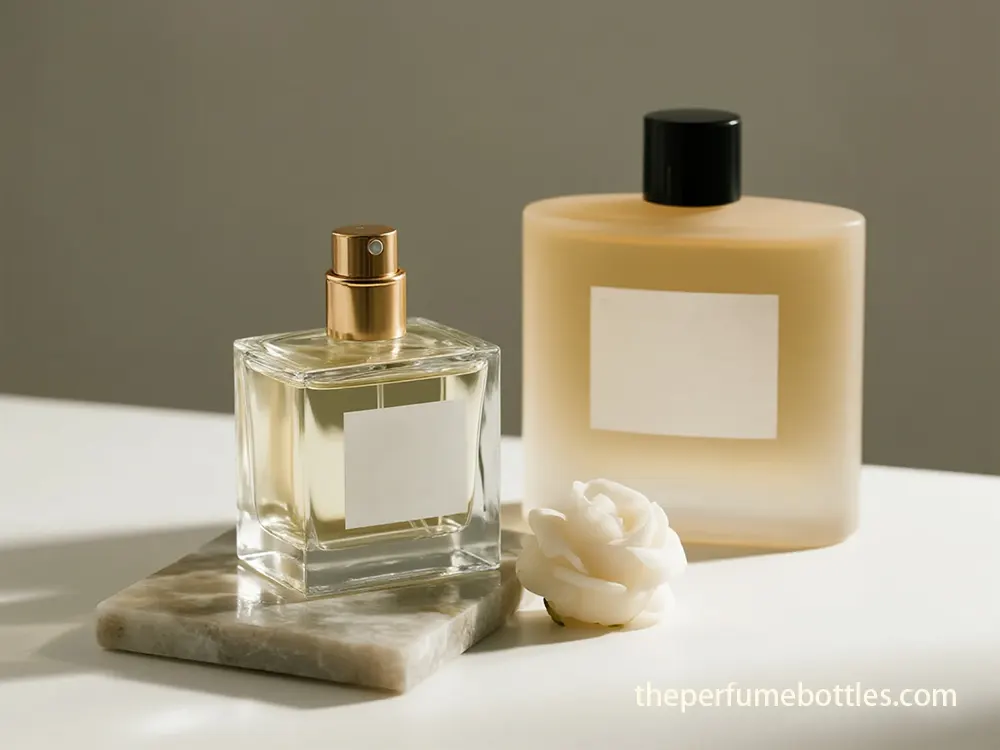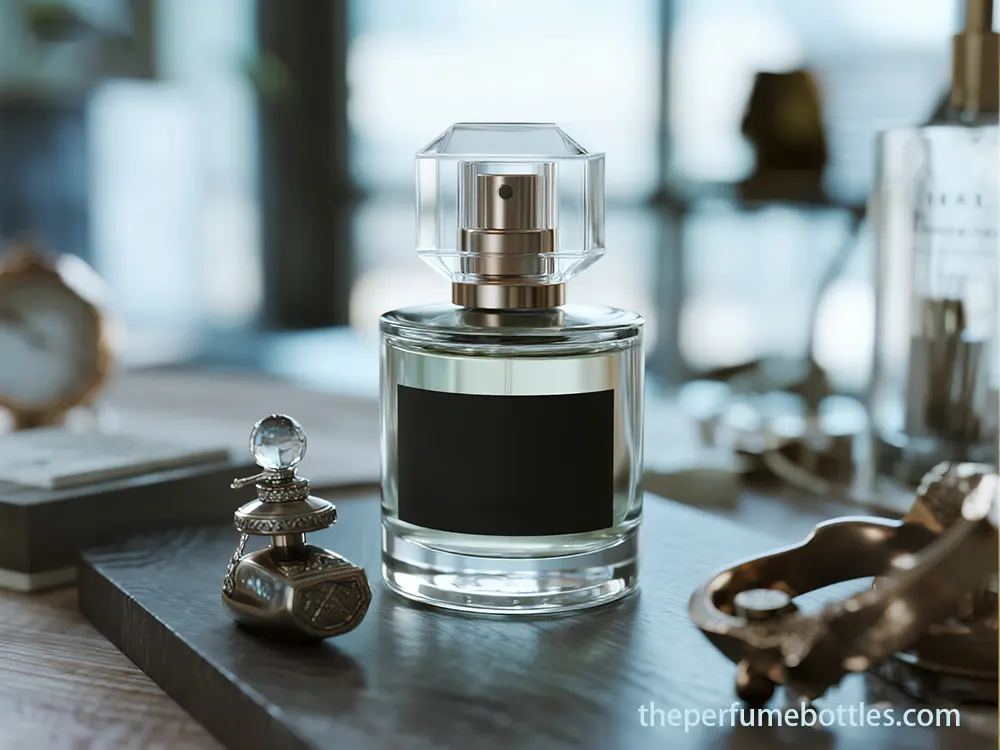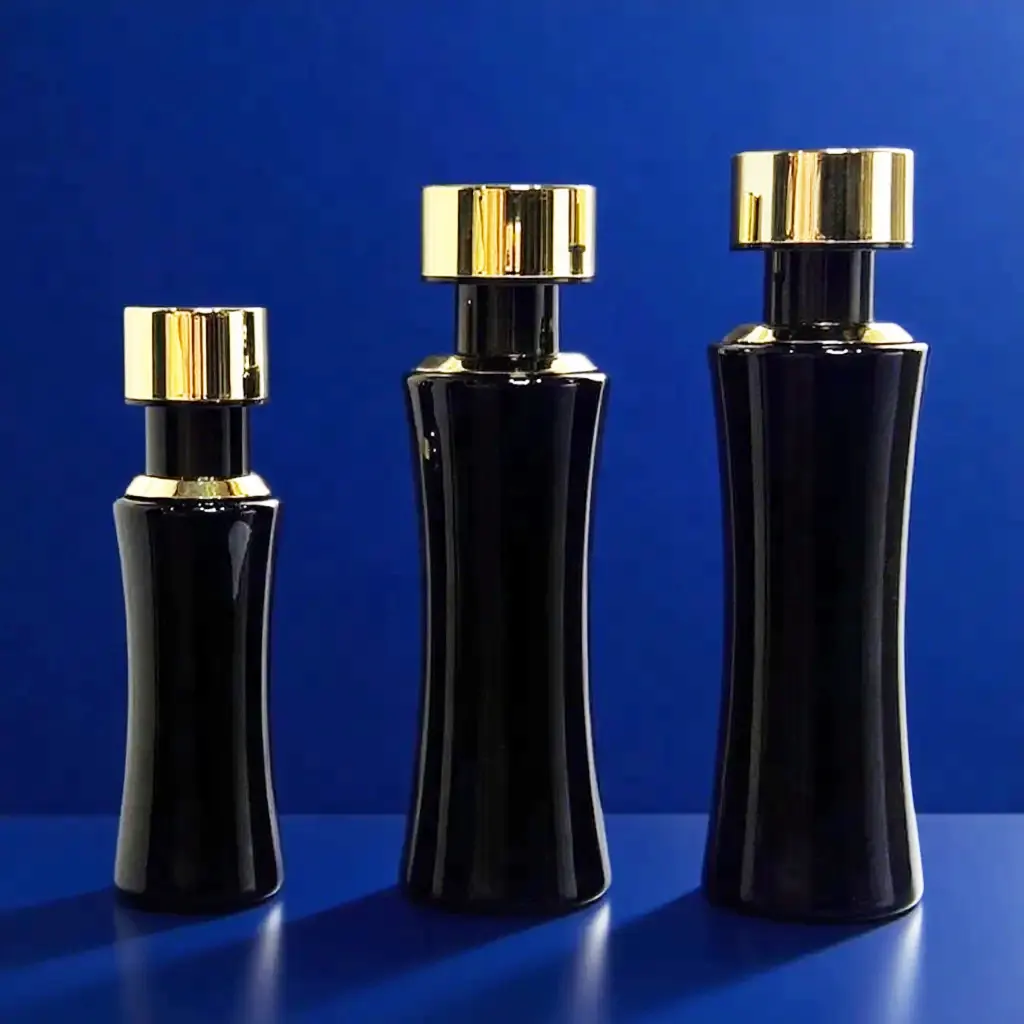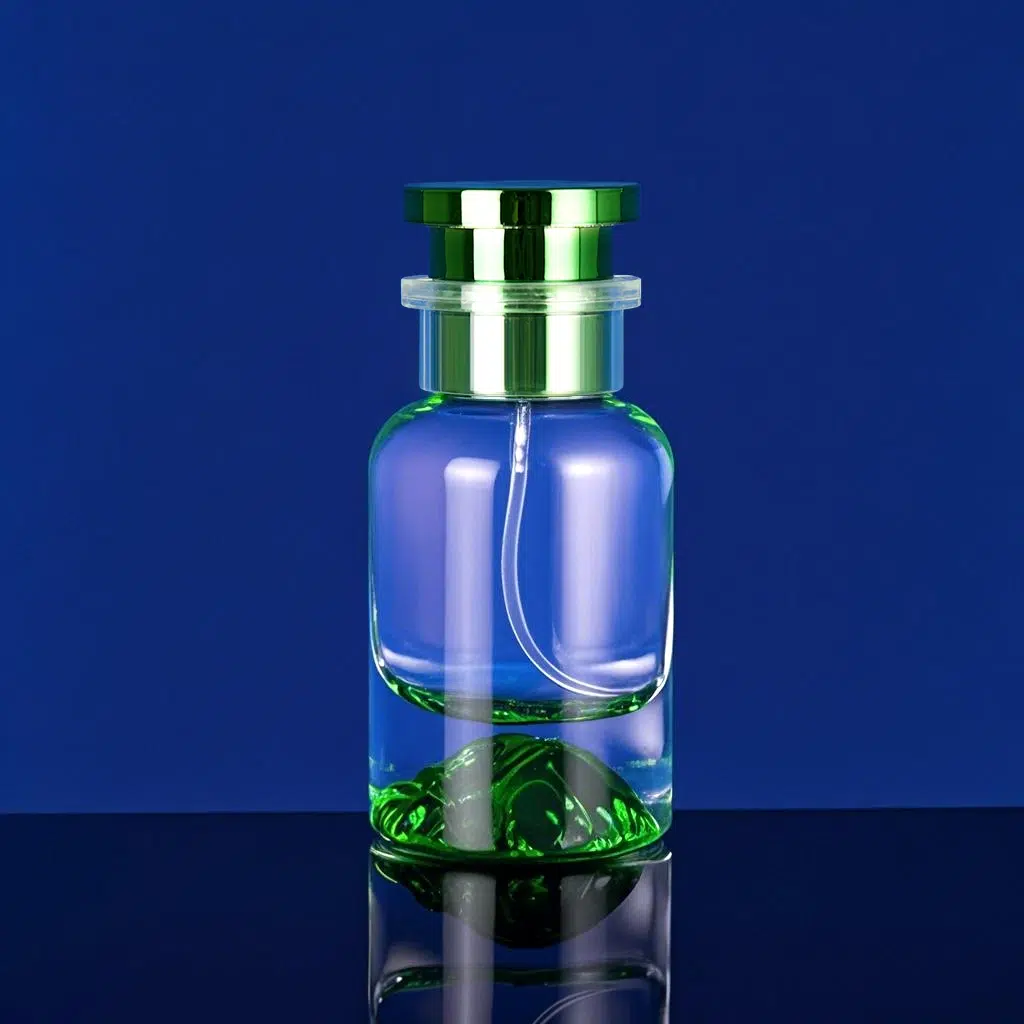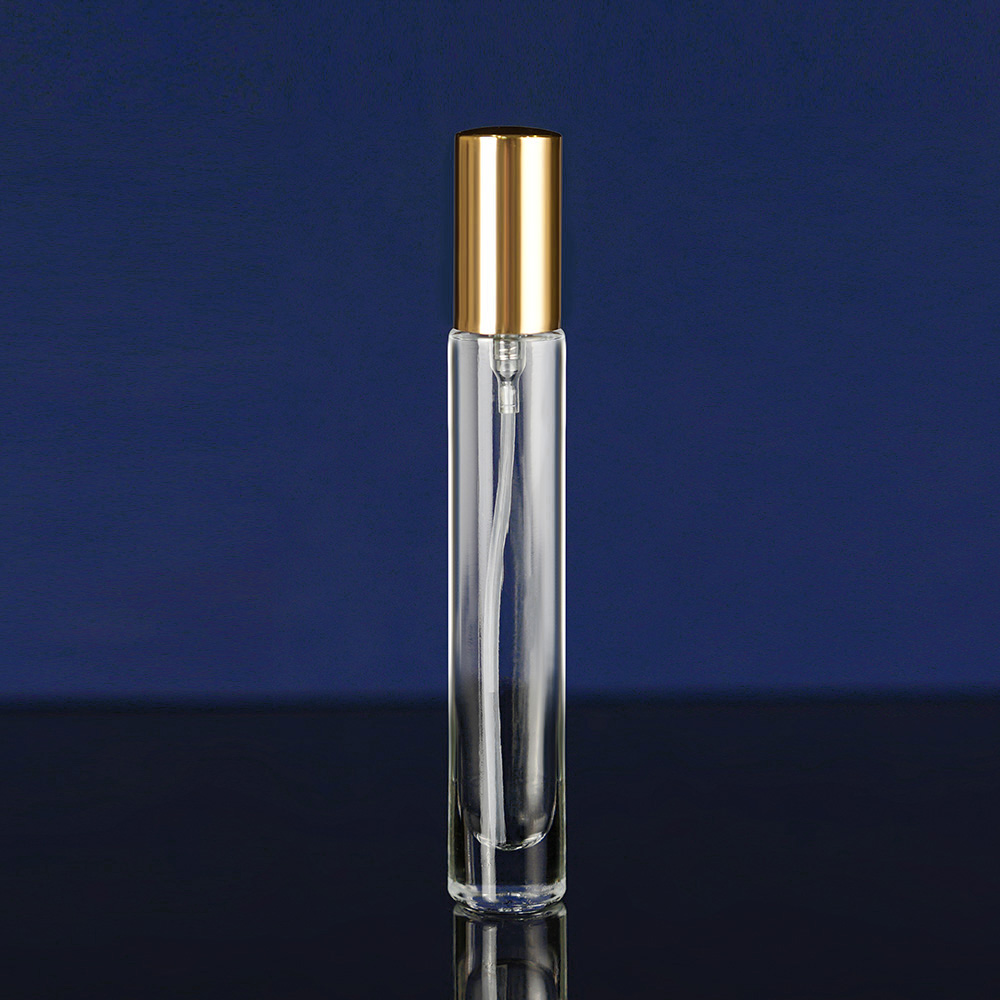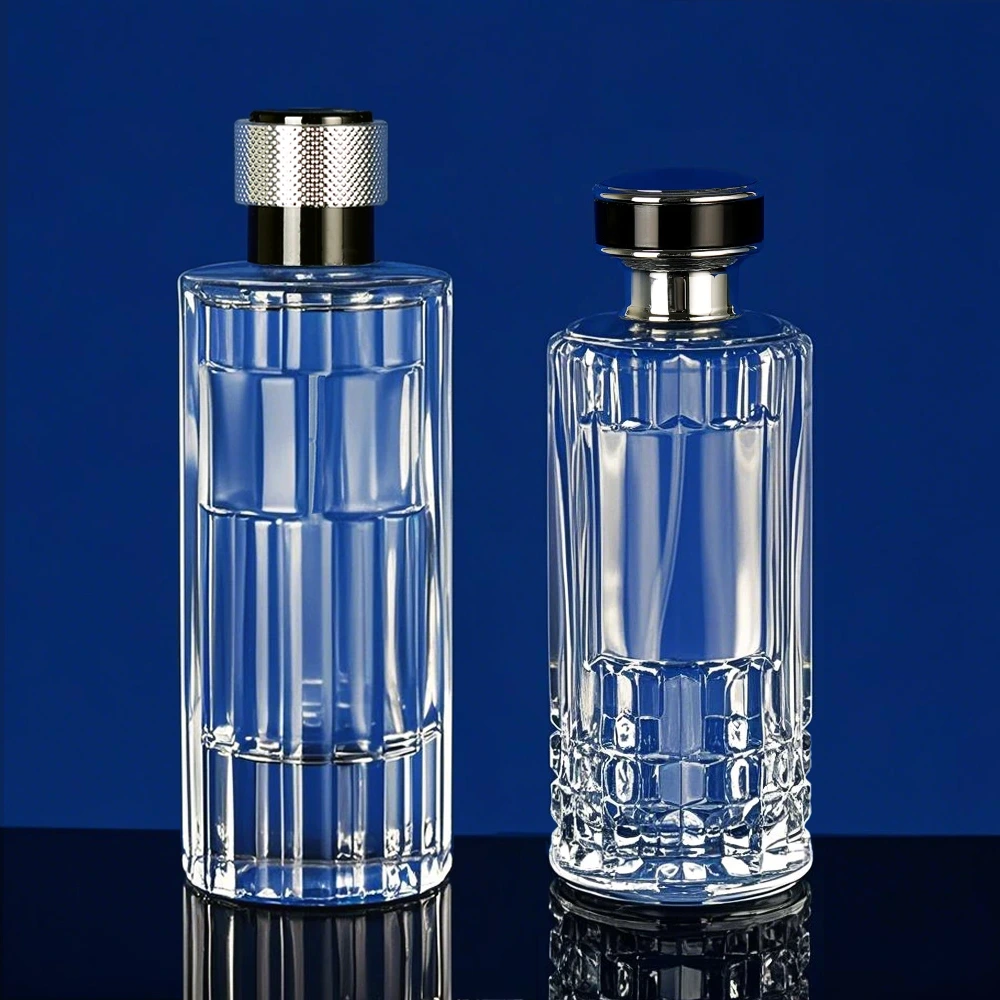
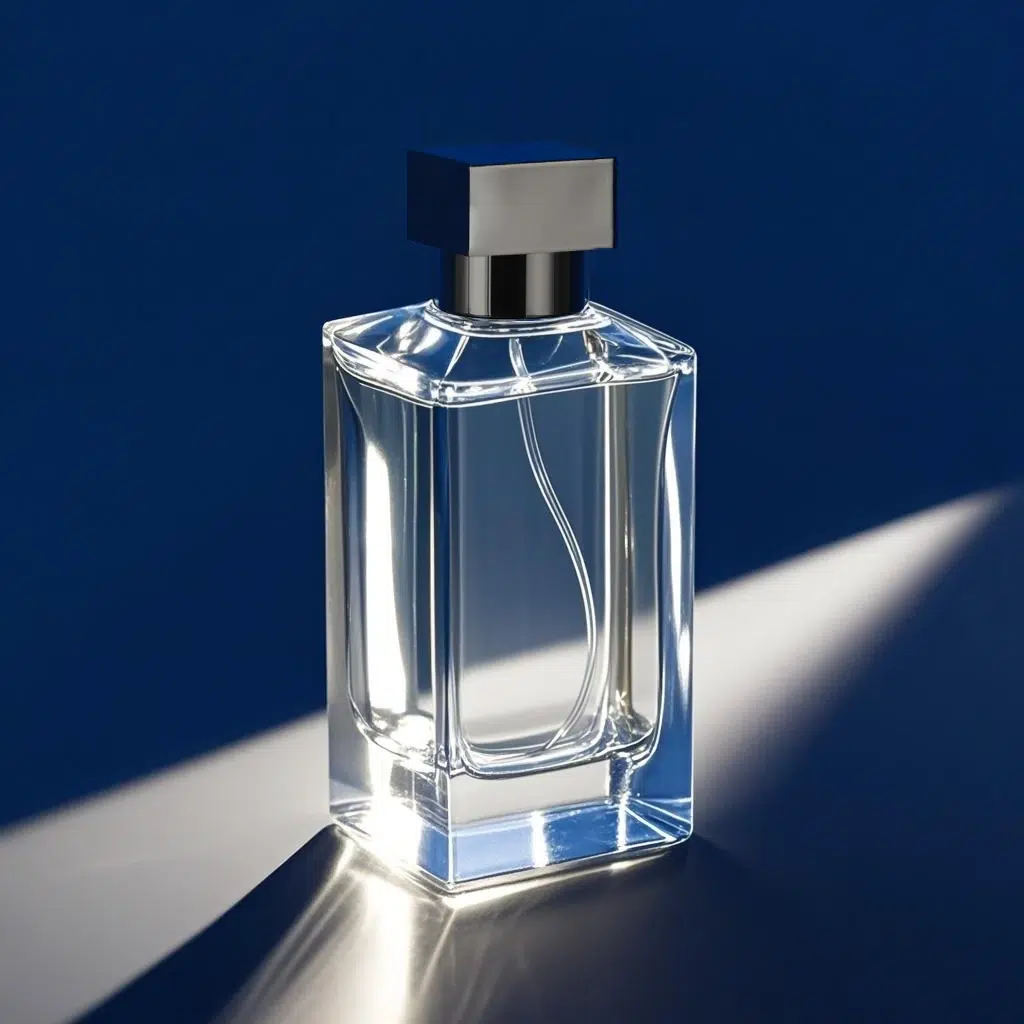
In e-commerce, packaging immersive online is important for brand experiences and product protection.
目录
2.5. Refillability: A Circular Economy Pillar 香水瓶 3. Strategic Adaptation: Material Innovation & Design Capabilities
1. 引言
3.1. Material Innovation for Sustainability
Changes for sustainable materials extend to diverse environmentally friendly options beyond traditional glass.
Bio-based plastic:
Bio-based plastics is rapidly used from renewable resources (sugarcane, corn starch, mushrooms). Dow’s partnership with LVMH for waste-surveillance feedstox offers light, durable and adaptable designs, an example of this.
Recycled Material Innovation (PCR Glass and Plastic):
- PCR Glass: PCR Glass is widely adopted by brands such as Chanel and L’Occitane. Pioneers like Gerresheimer have produced high-PCR glass for more than a decade, decreasing carbon footprint and energy.
- PCR Plastic: Recycled plastic (R-PET, R-HDPE) reduce waste and enable creative designs. Brands such as byredo use PCR, and gerresheimer provides up to 100% R-PET. Jersing custom specializes in PCR packaging, virgin plastic durability.
- Lightweight metals: Light metals such as aluminum and titanium reduce modern aesthetics, complex details, and low weight, transport costs and environmental footprints.
- Borosylctic Glass provides thermal shock resistance, which enables the size of thin, light, avent-garde bottle, reduces carbon emissions. Refilable and reusable systems:
- Refilable and re -purpose bottles are an important trend. Brands such as Diptyque, Byredo, and Louis Vuitton apply refill programs, cutting waste to a large extent. 3.2. Modular and Refillable Designs
Modular and refillable designs are booming, which are inspired by consumer demand for convenience, stability and privatization.
Current State & Market Adoption:
- Mini refillable perfume market is estimated to reach USD 22.63 billion by 2030, with glass 53.4% market share. The 5–10ml section is the most popular. Refilable packaging is an expectation, with an expansion program of luxury brands. Technical & Aesthetic Challenges:
- Challenges include maintaining luxury aesthetics (premium feel, walled component, satisfactory closure) and preserving the quality of fragrance during refills. Engineering leak-proof, durable system and material innovation (eg, mono-material aluminum) are running. can put itself in a position as a leader in developing sophisticated modular and refillable designs that basically integrates luxury aesthetics with strong, leak-proof engineering, using advanced PCR glass and bi-based ingredients.
- Economic models: Refillable systems provide cost efficiency for brands (low production) and consumers (low refill prices, 10-20% savings required). Brands can place high-quality refillals in the form of luxury items. Membership services (eg, Scentbird) offers cost -effective odor exploration.
Impact on Brand Loyalty:
Refillable options demonstrate stability commitment, promoting loyalty with consumers vigilant environment. Individuals (eg, Le Labo’s hand-blending) enhances this connection further. 香水包装 Privatization is a major discrimination, requiring extensive adaptation and advanced decoration techniques from suppliers.
- Bespoke Design Services: Suppliers provide 3D modeling and provide 3D modeling and prototyping for unique bottle size, size, color, and finish (matte, shiny, frost, taken, metal).
- Advanced decoration technology: Advanced decoration techniques include silk screen printing, hot stamping, labeling, engraving and laser engraving to enhance brand identity.
- Inclusive Design: Insertion design is a disruptive trend, exemplary by 2025 fragrances of rare beauty, designed for limited skill. This highlights the demand for universal functional packaging.
- 4. Operational Transformation: Advanced Manufacturing & Supply Chain Resilience Developed demands require significant operational changes in manufacturing and supply chain strategies.
- 4.1. Advanced Manufacturing: Automation & Additive Manufacturing Automation, which includes cobots and goods-to-person systems, improves manufacturing accuracy, productivity and safety, optimize the warehouse space and reduces costs.
Address Manufacturing (3D Printing):
Rapid prototyping:
3D printing is widely used for rapid prototypes, which cuts the design-to-prototype time up to 12 hours. ELC and L’Oréal use it for molds and jigs, saving time and cost.
Luxury and limited-sanskrit production:

获取免费样品
Appropriate technologies and materials:
Appropriate technologies include metal 3D printing, resin-based (SLA, DLS), and FDM. The material ranges from UV fine resin to biodegradable bioplastic (PLA) and steel for casing.
Major benefits include design independence, accelerated growth, prototype cost savings, privatization and 70–90% less waste.
Boundaries:
- Boundaries include high mass production cost per unit, physical property deficiency (eg, chemical resistance often needs a traditional inner bottle), scalability challenges, energy consumption and VOC emissions. On-demand manufacturing:
- 3D printing facilitates on-demand, local production, waste, inventory and transportation costs, especially for independent brands.
- 4.2. Supply Chain Resilience & Transparency Agile, transparent and flexible supply chains are paramount to develop geo -political uncertainties, physical instability and consumer demands.
- Diversification and regionalization: Diversity in sources of raw materials and the creation of multi-regional suppliers relationships reduces the supply risk. Drives to reduce and reduce regional manufacturing investments near geopolitical stress.
- Advanced Analytics for Risk Management: Advanced Analytics (Predictive Model, Machine Learning) enable active risk detection, demand forecast and stock adaptation, including initial warning signals and suppliers vulnerability evaluation.
- more inexpensive and mango (90% commercial glass), but less durable. Geophysical issues (trade disputes, conflicts, environmental policies) greatly affect the availability and costs of content, causing restricted access, currency ups and downs.
- Cooperation and eco-dizine: Strategic partnership (e.g., Dow and LVMH Beauty for bio-based plastics) are important for permanent innovation and flexibility.
Major metrics:
Flexibility is measured by agility, velocity, visibility, flexibility (interchangeable resource, strong supplier relationship), and collaboration.
- Technology Integration: Automation, intelligent order management, and real-time visibility tools enhance the agility, streamline operations, adapt to inventory, and enable data-operated decisions.
- Suppliers reliability and quality control: Reliable suppliers require strong logistics, casual planning and strict quality control for material purity and craftsmanship.
- Vesseluxe Integrating SSCM including reverse supply chain, eco-design and green logistics, increases flexibility by reducing non-renewable resource dependence and deficiency.
- Digital twins (speculation): Advanced analytics suggests that digital twin apps may simulate the entire supply chain (Source to End-Life), which can enable real-time monitoring, future maintenance and enhanced transparency, agility and flexibility to the landscape scheme for flexibility.
- 5. Technological Enablers: AI, Blockchain, and Digital IntegrationEmerging technologies actively run innovation and adaptation for perfume bottle suppliers in the price chain.
5.1. AI and Generative Design in Packaging
Major and Rising Technology:
- Generative Design AI is estimated to place 37.2% of AI in the packaging design market in 2025, the global generic AI packaging market has reached ~ $ 10,836 million to 2035 (29.4% CAGR). This growth is inspired by its ability to generate thousands of design options based on material, manufacturing, cost and performance parameters. AI Equipment for Design:
- AI tools such as packify.ai, pacdora, promeai, Lumenor AI, and churning for new black AI concept, 3D visualization, and AI image are emerging for generation bottles. Chatgpt and midjourney are also integrated. Material adaptation and waste deficiency:
- AI packaging size optimization, the material reduces waste (15–25%) and energy (10-20%). It recommends environmentally friendly materials by analyzing the fragility, weight and environmental impact of the product. Rapid prototypes and development:
AI automatic and optimizes the design, rapidly option generations, feasibility evaluation and real time adjustment. The AMCOR 3D uses AI for model design, timely accelerates the market.
Adorned aesthetics and privatization:
AI creates new, light, efficient packaging, generates novel design. For luxury, it enables unique, adaptable products on scale, promotes deep consumer connections.
- 自动化: AI’s 3D mockups and simulation capabilities support integration with rapid physical prototypeings and integrated manufacturing for complex geometrics.
- Predictive Analytics:
- AI supplies series, inventory, and manufacturing demand for manufacturing, aligning production, reducing additional inventory and supporting future maintenance. New skills set and moral concerns:
- New skills (early design, interpretation, integration) are required for generative AI adoption. Ethical concerns include data privacy, prejudice, transparency, IP ownership, labor displacement and environmental footprints of AI. AI in Fragrance Creation:
- Beyond Packaging, AI creates personal aroma. DSM-Firmenich’s aromatic and use AI to predict every inhuman appeal and produce unique Scents. Symrise’s philyra (with ibm) designs successful scents. AI also provides “neurosant” research facility for emotion-developed aroma. 5.2. Blockchain for Traceability and Authenticity
- 好处: Aura Blockchain Consortium (LVMH, Prada) provides blockchain solutions for over 50 brands and 50 million products on 50 million brands and 50 million products.
- Brand Implementation: Amouage joined Aura for Digital Product Passport in July 2025. ELC and Aveda piloted blockchain for Madagasan vanilla traceability, increasing the component transparency.
- Anti-counterfeiting: Blockchain combines unique digital identifiers (QR, NFC) to an irreversible account book and competes with $ 464 billion fake market, which prevents falseization and enables authenticity verification.
Increased transparency and moral sourcing:
Blockchain provides end-to-end visibility to product from raw materials, allowing brands to prove moral sourcing, stability and fair labor, building confidence with conscious consumers.
- NFTs for Engagement: NFT integrates for authenticity, perfection and engagement, offering special digital assets, artwork, experiences and loyalty programs associated with physical perfumes.
- Operating capacity: Blockchain streamlines the supply chain operation through smart contracts, automates inventory, procurement and logistics, reduces costs, reduces oversk and improves efficiency.
- Challenges include high implementation costs, scalability, interoperability, integration complex and a talent gap. Sustainability Support:
- Blockchain Tracks Carbon Footprint, confirms environmentally friendly production, and provides data for reuse and life cycle management, supporting the goals of the circular economy. 6. Ecosystem Impact: Suppliers, Brands, and the End-Consumer Experience
- Suppliers optimize fundamentally change of how perfume brands operate and how the end-consumer interact with products in the ecosystem. 6.1. Impact on Perfume Bottle Suppliers
- Business model change: Suppliers are transformed into comprehensive solutions from traditional manufacturing, including permanent design consultation, advanced material sourcing and technology integration (eg, 3D printing, smart packaging).
- Investments in capabilities: Important investments are made in permanent production capabilities, such as technologies to reduce new furnaces and energy/CO2 emissions for PCR glass.
- Strategic Partnership: Cooperation (eg, Toli and Eastman) and Acquisition (eg, Verescence acquiring PacificGlas) expand the market access and sustainable offerings.
- New revenue currents: New revenue currents include eco-design, refillable systems, lightweight glass and technology-operated services (eg, laser engraving, smart packaging integration).

获取免费样品
6.2. How Perfume Brands Leverage New Packaging Solutions
Brand Differentiation:
Brands use durable and individual packaging for discrimination, appeal to conscious consumers and increase reputation.
- Enhanced Storytelling: Packaging becomes a powerful storytelling device, which expresses brand identity, values and stability commitment, promotes emotional connections.
- Consumer Engagement: Smart Packaging (NFC, QR, AR) provides interactive experiences, exclusive content, and authenticity, increases more than 30% engagement and raises re -rates by 20%.
- Circular Economy Adoption: Brands apply refill programs and use PCR content, aligned with circular economy principles and reduce waste.
- Accessibility: Brands such as rare beauty pioneer inclusive designs, making easy-to-use packaging for diverse consumers, establishing new industry standards.
- 6.3. Evolution of the End-Consumer's Product Interaction and Perception Values-Driven Purchasing:
- Consumers, especially young demographics, prioritize values-based brands, are ready to pay more for durable and morally citrus products. Personalized Experience:
- Consumers expect unique, tailored products; Individual packaging enhances emotional relationship and gift capacity. Interactive Engagement:
- Digital characteristics convert passive consumption into interactive experiences, offering deep products and brands insight. Trust and Authenticity:
- Blockchain and smart packaging provide transparency and authenticity, it is important to combat fake and building trusts. Mini refillable and solid fragrance formats meet for facilities, travel and use for use.
Multi-Sensory Experience:
- Packaging attachs several senses through tactile elements, unique textures and aromatic materials, producing rich unboxing experiences. 7. Future Outlook & Strategic Imperatives for Suppliers
- The perfume packaging landscape will develop rapidly in the next 3-7 years. , as a forward thinking supplier, should continuously hug these changes for competitive edge and market leadership.
- 7.1. Projected Future Landscape (2025-2032) Hyper-Sustainability as the Norm:
- By 2028, more than 30% luxury packaging will be durable, which extends beyond PCR beyond PCR spread beyond advanced bio-based plastic, mono-social and compostable components. The Refillable System will be standard, which will feature brands on elegance, convenience and vessel durability. AI-Driven Design and Manufacturing Dominance:
- Generic AI, will bring revolution in design workflows, enabling rapid recurrence of complex, customized, individual bottle design. AI will optimize manufacturing, predict demand, and manage inventory, reduce waste and energy. AI integration with additive manufacturing will enable on-demand, customized, complex luxury packaging, staining mass production and bespoke craftsmanship. Ubiquitous Digital Integration:
- Smart Packaging will move beyond the QR code, which will run up to NFC/RFID, offer seamless authentication, immersive AR and individual digital materials. This transforms the bottle into an entrance to an interactive brand universe, enhances loyalty and provides consumer data. Blockchain for End-to-End Trust:
- 挑战: Personalization and Inclusivity at Scale:
- Adaptation AI and digital printing, which will enable hyper-Personalized designs. Inclusive design emerges, with engineer packaging for universal access, as leading by rare beauty. Disruptive Formats Gain Traction:
Solid fragrances and other non-spray formats will challenge traditional bottles, which are powered by portability, stability and novel application.
Resilient and Localized Supply Chains:
Geophysical instability and environmental concerns will accelerate diverse, regional and local supply chains. Predictive Analytics and Digital Twins (speculative) will be important to ensure active risk management, adaptation of logistics and continuity.
- 7.2. Strategic Imperatives for Suppliers Invest Heavily in R&D for Sustainable Materials and Modular Designs:
- Focus on Next-Gen Bio-materials: Buroce the circular content with next-ji bio-based polymers, mycellium composes and comparable luxury aesthetics and work.
- Refinement of Refill Systems: Innovative, user-friendly, aesthetically pleasing, leak-proof refill system that conserve fragrances and enhance luxury, discover standardized formats.
- Lifecycle Assessment (LCA) Integration: Integrate wide LCAS for all new materials/designs to determine environmental impact, guide permanent innovation and verify claims.
- 挑战: AI-Powered Design Studios:
Fast prototypes, material optimization and complex, individual bottle design to avail generic AIs with AI-Paid Design Studio to take advantage of AI-Paid Design Studio.
- Predictive Analytics for Operations: Apply advanced analytics in demand for demanding demand, adaptation of production, managing and disruption of demand in demand in demand/supply chain.
- Talent Development: AI Prompt Engineering in Apaskil Workforce, Data Interpretation, and AI Tool Integration in Design/Manufacturing.
- Integrate smart packaging and blockchain solutions: Standardized Digital Integration:
- Grow specialization in integrating NFC/RFID tag and QR code, offering comprehensive digital material platforms.Blockchain-as-a-Service:
- Provide blockchain solutions for supply chain traceability/authenticity, potentially joining the consortium for industry standards.Data Security and Privacy:
Priority to strong data security and global privacy compliance to create a consumer trust in smart packaging.
- Cultivation of tight and flexible supply chains: Geographical Diversification:
- Install a global network of manufacturing facilities and raw material suppliers to reduce geo -political risks and reduce lead time. Strategic participation:
- Create flexible, transparent price chains to co-insert deep partnerships with technology, materials, and logistics providers. Digital Twin Implementation (Satta):
- End-to-end supply chain simulation and exploration of digital twin development for real-time monitoring, which enables active decisions and rapid response. Champion Inclusive and Experiential Design:
- In the overall global bottles market, USD is estimated to increase from USD 200.9 billion to 2035 (4.8% CAGR) in 2025 to 2035 (4.8% CAGR), supported by investing in recurrent materials, smart packaging and refillable programs. Glass bottles are expected to increase USD from 40.2 billion in 2023. Multi-sensitive experience:
- Innovation with interactive elements for touchable finish, unique texture, and memorable, multi-sensory unboxing experiences that strengthen the brand story. Adaptation on the scale:

获取免费样品
By addressing these imperatives, Vesseluxe can unite its leadership, which gives the future of luxury fragrance packaging responsibly, innovatively and consumer-centered.
Case Study: Customized Bottle of Essential Oil for California Clients VesseluxeThe Art and Science Behind Custom Perfume Bottles Manufacturers
Discover how custom perfume bottles manufacturers manage design, mold engineering
- Case Study: Creating the Custom Glass Bottles for Aromatherapy Oils to Greek Brand Custom glass bottles for aromatherapy oils by Vesseluxe—lightweight, durable, and elegant packaging
- 人工智能驱动的设计与制造优势: 通用人工智能(Generic AI)将带来设计工作流程的革命,使复杂、定制化、个性化的瓶子设计得以快速重复。人工智能将优化生产、预测需求、管理库存、减少浪费和能源。人工智能与增材制造的整合将实现按需、定制、复杂的奢侈品包装,使大规模生产和定制工艺相得益彰。
- 无处不在的数字集成: 智能包装将超越 QR 码,发展到 NFC/RFID,提供无缝认证、沉浸式 AR 和个性化数字材料。这将把瓶子变成进入互动品牌世界的入口,提高忠诚度并提供消费者数据。
- 区块链促进端到端信任: 区块链供应链将使透明度、道德采购和反欺诈标准化,尤其是在奢侈品领域。数字产品护照和 NFT 将提供不可逆转的完美/所有权记录、消费者信任和新的参与/忠诚途径。
- 大规模的个性化和包容性: 适应人工智能和数字印刷,实现超个性化设计。包容性设计兴起,以稀有之美为主导的工程师包装将普及大众。
- 颠覆性格式获得牵引力: 固体香料和其他非喷雾形式将挑战传统瓶装香料,因为传统瓶装香料具有便携性、稳定性和新颖的应用方式。
- 弹性和本地化供应链: 地球物理的不稳定性和环境问题将加速多样化、区域性和地方性供应链的发展。预测分析和数字双胞胎(推测)对于确保积极的风险管理、物流适应性和连续性非常重要。
7.2.供应商的战略要务
- 大力投资于可持续材料和模块化设计的研发:
- 关注新一代生物材料:用 next-ji 生物基聚合物、菌丝体组成的圆形内容物,可媲美奢华美学和作品。
- 完善加注系统: 创新、易用、美观、防漏的笔芯系统,可保存香料,提升奢华感,发现标准化格式。
- 生命周期评估 (LCA) 整合: 对所有新材料/新设计进行广泛的 LCAS 整合,以确定对环境的影响,指导永久性创新并核实索赔。
- 将人工智能和生成式设计作为核心竞争力:
- 人工智能驱动的设计工作室:通过 AI-Paid Design Studio,利用通用人工智能进行快速原型设计、材料优化和复杂的个性化瓶型设计,从而发挥 AI-Paid Design Studio 的优势。
- 运营预测分析: 在需求/供应链中应用先进的需求分析技术,以满足需求、调整生产、管理和中断需求。
- 人才培养: Apaskil 劳动力中的人工智能提示工程、数据解释和设计/制造中的人工智能工具集成。
- 整合智能包装和区块链解决方案:
- 标准化数字集成: 在整合 NFC/RFID 标签和 QR 码方面不断发展壮大,提供全面的数字材料平台。
- 区块链即服务: 为供应链可追溯性/真实性提供区块链解决方案,有可能加入行业标准联盟。
- 数据安全与隐私: 优先考虑强大的数据安全性和全球隐私合规性,以建立消费者对智能包装的信任。
- 培育紧密灵活的供应链:
- 地域多样化: 建立全球生产设施和原材料供应商网络,以降低地缘政治风险,缩短交货时间。
- 战略参与: 创建灵活、透明的价格链,与技术、材料和物流供应商建立深度合作关系。
- 数字孪生实施(Satta): 端到端供应链模拟和数字孪生开发探索,用于实时监控,从而实现主动决策和快速反应。
- 倡导包容性和体验式设计:
- Touch luxury: 在新产品开发中融入包容性设计原则,确保不同消费群体都能获得易于使用的包装。
- 多种敏感体验: 通过互动元素进行创新,实现可触摸的表面效果、独特的质感以及令人难忘的多感官开箱体验,从而强化品牌故事。
- 规模适应: 发展柔性制造和数字印刷,实现广泛、高效、低成本的私有化。
通过解决这些当务之急,Vesseluxe 可以联合其领导层,以负责任、创新和以消费者为中心的方式,为未来的奢华香水包装注入活力。
评论