
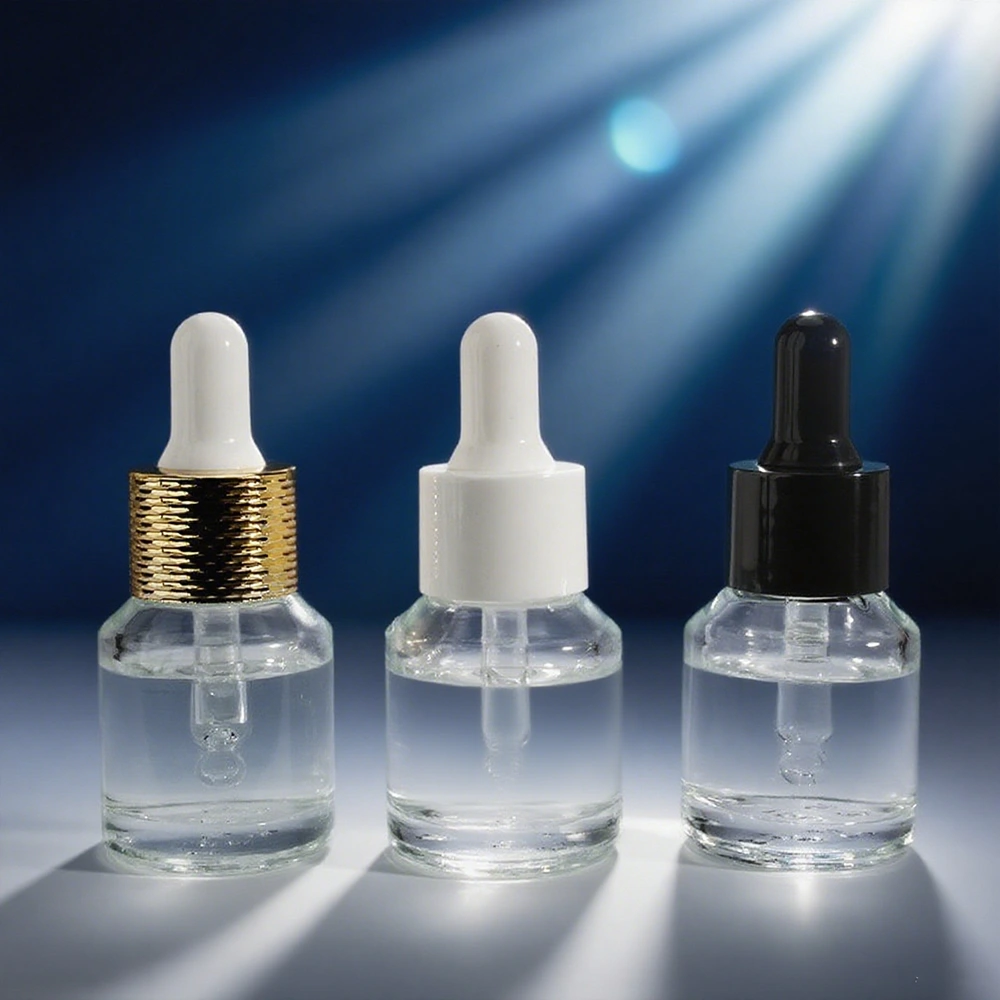
Positionnement haut de gamme grâce aux flacons en verre pour huiles essentielles destinés aux marques d'aromathérapie
Table des matières
Sublimez vos marques d'aromathérapie avec des flacons en verre pour huiles essentielles. Découvrez un design luxueux et durable.
Ce rapport présente un cadre stratégique pour les marques d'aromathérapie et met l'accent sur le rôle important du haut de gamme. flacons en verre pour huiles essentielles et une expérience de marque intégrée, pour atteindre et maintenir un statut de luxe. Les marchés de l'aromathérapie de luxe sont portés par des consommateurs avertis, principalement des personnes ultra-fortunées et des passionnés de bien-être, qui privilégient la discrétion, l'efficacité prouvée, la stabilité et les expériences exclusives. Pour répondre à ces attentes, les marques doivent adopter des solutions d'emballage sophistiquées, telles que celles proposées par VesseluxeCe rapport décrit un cadre de positionnement haut de gamme complet, intégrant des matériaux de pointe, un design optimal et une stabilité renforcée. Il présente des stratégies de marque, une tarification premium, une distribution exclusive, un approvisionnement éthique et une expérience utilisateur de haut niveau, incluant un engagement digital innovant et un suivi personnalisé. De l'expérience tactile d'un flacon d'exception aux recommandations personnalisées basées sur l'IA, chaque point de contact est soigneusement étudié pour permettre aux marques d'aromathérapie de créer des liens émotionnels profonds et de s'imposer sur le marché du bien-être de luxe.
1. Cibler les segments de consommateurs de luxe pour l'aromathérapie
Le marché de l'aromathérapie de luxe est fragmenté par des facteurs psychologiques et des motivations d'achat distincts, exigeant une stratégie de positionnement de marque adaptée. Comprendre ces différents segments est essentiel pour les marques qui souhaitent conquérir et fidéliser une clientèle aisée.
1.1. Personnes ultra-riches (UHNWI)
Les personnes ultra-riches (UHNWI) sont définies comme celles possédant plus de 50 millions de dollars d'actifs investissables et se positionnant à l'avant-garde des tendances du bien-être de luxe. Leur psychologie révèle un passage de la simple acquisition matérielle à un désir profond d'expériences transformatrices améliorant la santé, la longévité et la qualité de vie globale. Ce marché de la longévité devrait atteindre 610 milliards de dollars à l'échelle mondiale d'ici fin 2025, où bien-être, beauté et hospitalité proposent des expériences personnalisées, authentiques et enrichissantes, alliant bienfaits pour la santé et engagement émotionnel.
1.2. Répondre aux attentes des conducteurs et des clients fortunés en matière d'achat
- Luxe et longévité éprouvés : Les personnes très fortunées privilégient les expériences qui enrichissent leur vie et leur bien-être. En matière d'aromathérapie, cela signifie que les produits offrent bien plus qu'une simple fragrance ; ils doivent proposer un rituel thérapeutique favorisant la clarté mentale, la réduction du stress, la relaxation et un meilleur sommeil.
- Personnalisation et formulations sur mesure : La demande d'expériences personnalisées est primordiale. Les clients recherchent des mélanges de parfums sur mesure et des solutions d'aromathérapie individuelles qui correspondent à leur humeur, leur personnalité, leurs objectifs de bien-être et même à leur intérieur. Les créateurs de « Scentscaping », comme Jo Malone London, qui proposent des mélanges personnalisés pour créer des ambiances olfactives uniques, avec des techniques de superposition et des spécialistes en aromathérapie, illustrent parfaitement cette tendance.
- Stabilité et approvisionnement éthique : La conscience environnementale est un facteur d'achat important : 80 % des consommateurs sont prêts à payer plus cher pour des produits durables. Les marques d'aromathérapie de luxe devraient privilégier un approvisionnement responsable, travailler directement avec les agriculteurs (comme Aromatherapy Associates pour la récolte de la francanance en Somalie) et contribuer au développement des communautés locales. Cet engagement en faveur de pratiques éthiques est une évidence.
- Bien-être général et efficacité médicale : L'aromathérapie est considérée comme un soin médical bénéfique pour le bien-être mental, la réduction du stress et l'amélioration des performances cognitives. Le marché mondial des huiles essentielles, estimé à 8,8 milliards de dollars en 2022, devrait atteindre 15,3 milliards de dollars d'ici 2027, porté par l'engouement actuel pour les méthodes de traitement naturelles à base de plantes.
- Spécifications et réputation de la marque : Uhvis souhaite que les marques qui cultivent la rareté et le prestige offrent au public un accès à leurs produits et services. Cet accès se concrétise par des offres exclusives, des éditions limitées et une image de marque haut de gamme et cohérente.
- Des rituels multi-sensibles et des produits au design novateur : L'expérience de l'aromathérapie de luxe ne se limite pas au parfum ; elle englobe des diffuseurs et des emballages au design raffiné et esthétique. Les marques haut de gamme transforment les huiles essentielles en expériences sensorielles intenses, souvent associées à des technologies domotiques pour un bien-être personnalisé.
- Sabotage du temps et commodité : Les personnes ultra-fortunées privilégient l'efficacité et la praticité. Les marques qui s'intègrent naturellement à leur mode de vie trépidant sont considérées comme des outils de fitness intelligents, à la fois classiques et performants, basés sur l'IA.
- Nuances culturelles : L'aromathérapie puise ses racines dans une histoire et une culture profondes. Dans des contextes de luxe modernes, comme les hôtels et spas de Dubaï, des senteurs traditionnelles du Moyen-Orient telles que le oud, l'encens, la myrrhe, le santal, le jasmin et la rose sont utilisées pour connecter les visiteurs à la culture et au patrimoine locaux, ce qui souligne l'importance d'un développement de produits respectueux des cultures.
1.3. Section émergente
Au-delà des données démographiques, deux segments émergents majeurs façonnent le paysage de l'aromathérapie de luxe :
- Optimisateurs de bien-être riches : Ces personnes ultra-fortunées privilégient la longévité, la prévention et le bien-être. Elles associent objets connectés et diagnostics basés sur l'IA à des expériences de détente. Elles recherchent des produits d'aromathérapie scientifiquement validés, aux bienfaits pour la santé mentale (réduction du stress, amélioration des fonctions cognitives, etc.) et s'intégrant naturellement à leurs programmes de bien-être ou systèmes domotiques.
- Les plus grands connaisseurs de remèdes naturels : Cette section met l'accent sur la rareté des huiles essentielles, leur authenticité et leur qualité artisanale. Elle s'adresse aux producteurs de plantes rares, cueillies à l'état sauvage ou issues de cueillettes isolées, et recherche un lien profond avec l'histoire et le patrimoine des rituels traditionnels et des plantes.
1.4. Attentes générales concernant la marque
Dans ces sections, les consommateurs de produits de luxe espèrent que les marques s'accorderont à leur identité personnelle, apporteront une valeur ajoutée au-delà de la simple transaction et partageront des histoires authentiques suscitant des émotions positives. Ces sections sont destinées aux marques qui incarnent le savoir-faire artisanal, l'héritage et l'impact social, et qui communiquent efficacement leur engagement en matière de stabilité et de responsabilité sociétale des entreprises. Elles s'adressent également aux consommateurs qui souhaitent profiter de l'aromathérapie de luxe dans un contexte professionnel ou de voyage.
2. Les flacons en verre de qualité supérieure pour huiles essentielles définissent
Conditionnement des huiles essentielles Il ne s'agit pas d'un simple contenant ; c'est un élément essentiel de l'expérience de luxe, garantissant l'intégrité du produit et véhiculant les valeurs de la marque. En aromathérapie haut de gamme, les flacons en verre pour huiles essentielles sont la référence absolue, et des marques comme Vesseluxe incarnent les caractéristiques qui définissent le véritable luxe dans ce domaine.
Obtenez des échantillons gratuits
2.1. Science des matériaux avancée et protection contre les UV
Le verre est la norme dans l'industrie pour le conditionnement des huiles essentielles en raison de son inertie chimique. Celle-ci empêche la lixiviation, l'interaction ou l'absorption des huiles, préservant ainsi leur pureté, leur structure chimique et leurs propriétés, et prolongeant leur durée de conservation. C'est un avantage considérable par rapport au plastique, qui peut réagir avec les composants volatils des huiles essentielles, entraînant leur dégradation et des problèmes de sécurité.
- Sécurité UV : Les huiles essentielles sont très sensibles à la lumière, ce qui peut entraîner leur oxydation et une perte d'efficacité. Les flacons haut de gamme utilisent des méthodes de protection UV avancées :
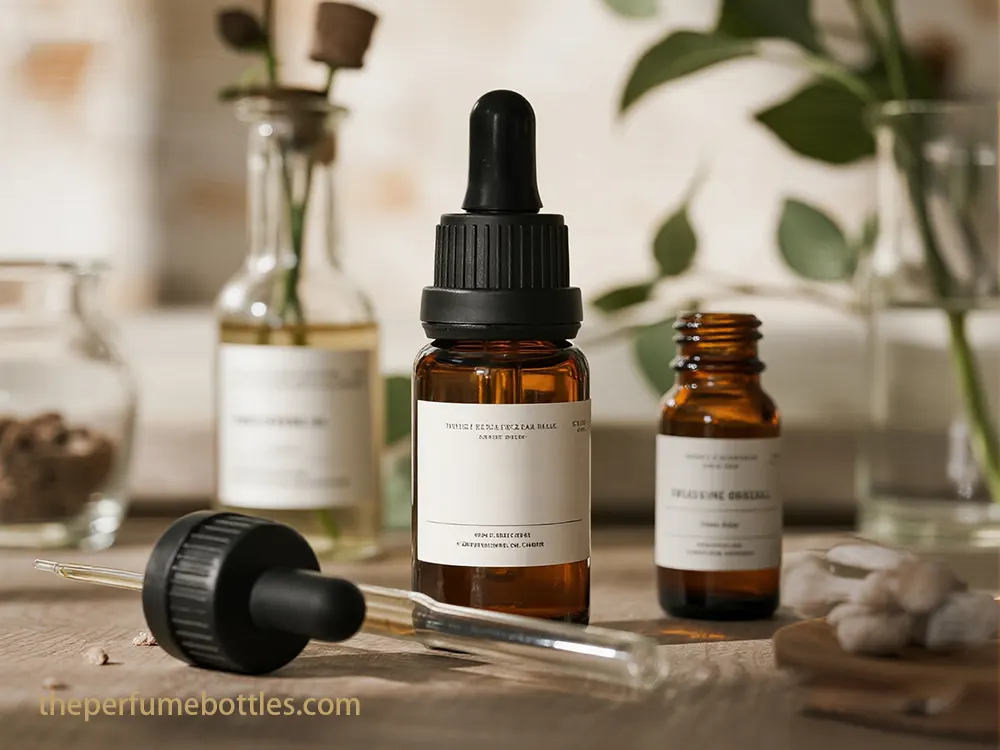
- Verre plus foncé : Le verre ambré et le verre bleu cobalt sont importants pour bloquer les rayons UVA et UVB nocifs. Le verre ambré est généralement considéré comme plus efficace que le verre bleu cobalt en matière de protection UV, bien que les deux offrent des avantages significatifs sur du verre clair.
- Technologie du verre violet Miron : Ce matériau de pointe, souvent de fabrication suisse, diffuse une lumière violette bénéfique et une lumière diffuse, bloquant l'intégralité du spectre de la lumière visible directe. Ces rayons lumineux invisibles spécifiques empêchent le développement des bactéries, offrent une protection optimale contre le vieillissement et prolongent la durée de vie et les performances des produits. Des essais biophotoniques scientifiques ont confirmé ses propriétés de conservation supérieures à celles du verre ambré et du verre transparent.
- Revêtements spécifiques : Même le verre clair peut être traité avec des revêtements spéciaux pour offrir une protection UV ; le produit offre une grande flexibilité de conception sans compromettre son intégrité.
2.2. Esthétique de conception sophistiquée
L'emballage de luxe transcende la simple fonctionnalité ; c'est une forme d'art qui éveille les sens et exprime l'unicité. Les flacons en verre haut de gamme pour huiles essentielles tirent parti des éléments de design pour créer une beauté raffinée.
Clarté et poids : La transparence du verre de haute qualité et son poids adéquat communiquent une impression de luxe et de durabilité.
Finitions givrées/mates : L'acide obtenu par frittage du verre confère à la bouteille une apparence élégante et captivante, ainsi qu'une sensation tactile accrue, rehaussant le prestige de la marque. Les bouteilles en verre noir mat contribuent également à leur aspect haut de gamme.
2.3. Spécifications en science des matériaux
Le verre de haute qualité utilisé pour les flacons d'huiles essentielles est généralement exempt d'arsenic et de plomb, garantissant ainsi la sécurité et la pureté des huiles. Il offre une excellente résistance chimique et une résistance extrême aux variations de température. Les flacons à protection UV, comme le verre ambré, bloquent généralement jusqu'à 90 % des rayons UV inférieurs à 450 nm. Par exemple, le verre violet Miron laisse passer jusqu'à 14 % des UVA (environ 400 nm) et aucune lumière visible (420-680 nm), tout en conservant une protection accrue contre les infrarouges supérieurs à 700 nm.
2.4. Incidences en termes de coûts
Bien que l'emballage en verre soit généralement plus onéreux que le plastique, ses avantages en matière de préservation de l'intégrité du produit et de valorisation de son image haut de gamme justifient souvent l'investissement pour les huiles essentielles de haute qualité. Des tarifs de gros sont proposés pour les achats en grande quantité, et certains fournisseurs offrent des prix compétitifs afin de favoriser le développement commercial dans le secteur du luxe.
2.5. Caractéristiques des emballages intelligents
L'intégration de fonctionnalités d'emballage intelligentes est une tendance émergente qui améliore l'expérience du luxe et apporte une valeur ajoutée :
- Étiquettes NFC (communication de proximité) : pour une vérification authentique, des informations détaillées sur les produits, la possibilité de passer une nouvelle commande et une expérience client interactive (par exemple, des recettes, des promotions).
- Indicateurs thermosensibles : Les indicateurs de température peuvent changer de couleur pour alerter les consommateurs. Si un produit est exposé à des températures extrêmes, il est essentiel de garantir sa qualité et sa sécurité.
- Codes QR et étiquettes RFID : pour le suivi en temps réel, l'amélioration des informations produits et la transparence de la chaîne d'approvisionnement.
- Puces électroniques ou hologrammes anti-contrefaçon : Protéger l'intégrité de la marque et garantir aux consommateurs l'authenticité du produit.
2.6. Installations intégrées de stabilisation
La stabilité n'est plus une préoccupation marginale, mais une exigence fondamentale des consommateurs de produits de luxe. Les flacons en verre haut de gamme pour huiles essentielles intègrent rapidement des caractéristiques respectueuses de l'environnement.
- Verre recyclé/apaisable : Le verre est réutilisable sans recyclage, 100 % recyclé et de qualité. Afin de répondre aux préférences des consommateurs en matière d'environnement, sans compromettre l'esthétique ni la fonctionnalité, on observe une tendance croissante à l'intégration de fortes proportions de matériaux recyclés par les consommateurs (PCR).
- Conception rechargeable : Les marques proposent des flacons résistants en verre ou en acier inoxydable, compatibles avec les sachets de recharge ou les bornes de recharge en magasin. Cette solution réduit les déchets d'emballage, fidélise la clientèle et s'inscrit dans une philosophie de design minimaliste, synonyme de luxe épuré.
- Fermeture écologique : On abandonne les compte-gouttes et bouchons traditionnels en plastique mixte au profit d'options innovantes telles que les bouchons biodégradables, les couvercles en bambou ou les compte-gouttes en PP recyclable. Le système de fermeture monocomposant facilite le recyclage.
2.7. Nouveaux mécanismes fermés sûrs
Les flacons d'huiles essentielles haut de gamme sont dotés de bouchons et de distributeurs spéciaux qui garantissent l'intégrité du produit, une application précise et la sécurité :
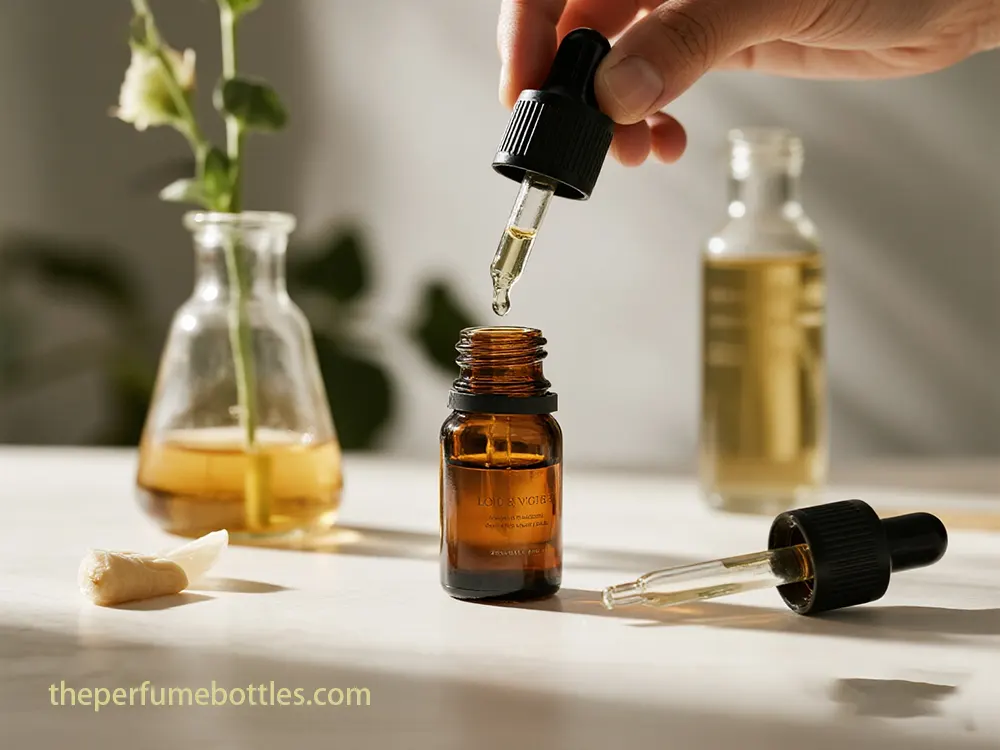
- Bouchons de compte-gouttes : Indispensables pour un dosage précis, les compte-gouttes européens existent souvent en versions résistantes aux cheveux et inviolables. Ils sont appréciés pour leur débit contrôlé.
- Flacons roll-on : Dotées de billes de roulement en plastique ou en acier inoxydable, ces applications directes pratiques offrent une fonctionnalité de luxe idéale pour les déplacements.
- Capsules phénoliques : Reconnu pour sa haute résistance à la traction et sa durabilité, idéal pour les produits chimiques corrosifs et les huiles très dispersantes, souvent avec une doublure en polycon pour une étanchéité à l'air et un joint anti-fuite.
- Intégration beauté des CRC : Tout en étant fonctionnels, les dispositifs de surveillance continue des urines (DCR) doivent s'inscrire dans une esthétique luxueuse. Le marché propose des modèles au design ingénieux et aux lignes épurées. Les ampoules compte-gouttes, les bagues et les capuchons métalliques gravés peuvent être personnalisés pour optimiser la fonctionnalité des DCR et renforcer leur attrait, garantissant ainsi que la sécurité ne compromette pas l'élégance.
3. Cadre de positionnement de luxe intégré pour les marques d'aromathérapie
Les marques d'aromathérapie ont besoin d'une stratégie holistique et soigneusement mise en œuvre pour atteindre et maintenir un statut de luxe, qui touche chaque aspect de l'interaction de la marque avec sa clientèle exigeante.
3.1. Histoires de marque stratégiques
Les marques d'aromathérapie de luxe doivent cultiver des résonances authentiques, émotionnelles et captivantes qui imprègnent leurs produits. Ce récit doit révéler les raisons profondes de leur héritage, de leur savoir-faire et de leur raison d'être. Les produits doivent devenir des symboles de statut, de goût et d'aspiration. L'histoire d'une marque peut intégrer un produit au parcours personnel du consommateur, renforcer sa fidélité et accroître la valeur perçue.
Narration multisensorielle : Une narration efficace pour les marques de luxe intègre diverses dimensions sensorielles à travers des points de contact physiques et numériques. Les boutiques phares peuvent incarner l'histoire d'une marque grâce aux parfums, à la musique et à des présentations interactives. Des moyens dynamiques de diffuser ces histoires à l'international via des supports attractifs tels que les plateformes numériques, les vidéos et les campagnes interactives, notamment sur les réseaux sociaux et dans le cadre d'expériences de réalité augmentée, permettent aux clients de s'immerger dans l'univers de la marque.
Le « logo olfactif » : Les marques de luxe exploitent le marketing olfactif pour créer un « logo olfactif » ou un parfum de marque exclusif, incarnant leur identité riche et leurs valeurs uniques. Ce parfum peut être déployé en entreprise, en point de vente et décliné dans des collections olfactives telles que des bougies parfumées, des diffuseurs et des produits de beauté, renforçant ainsi l'identité de la marque et créant une atmosphère unique et mémorable.
Obtenez des échantillons gratuits
3.2. Modèles de tarification premium
La stratégie de prix premium, également appelée prix de prestige ou de luxe, consiste à fixer des prix nettement supérieurs à ceux de la concurrence afin de créer une perception de qualité, d'exclusivité et de valeur supérieures pour le produit. Cette stratégie s'adresse aux consommateurs aisés ou ambitieux qui associent souvent prix élevé et qualité supérieure, comme c'est le cas pour des marques telles que Rolex et Louis Vuitton.
Marques de parfums de niche : Les marques de parfums de niche, qui produisent souvent en petites séries (de 500 à 5 000 unités par mois), peuvent atteindre des marges brutes de 70 à 85 % et des marges nettes de 20 à 35 %. Les marges brutes et nettes des marques grand public sont généralement bien inférieures à celles des marques premium, car ces dernières, souvent éphémères, misent non seulement sur le prix, mais aussi sur une distribution restreinte. Les marques de parfums de niche ciblent une clientèle passionnée, prête à payer plus cher pour un produit unique, artisanal et exclusif.
Éditions limitées et prix de rareté : La commercialisation d'articles en édition limitée à des prix plus élevés, tout en contrôlant les quantités disponibles, crée une valeur perçue et stimule la concurrence entre les consommateurs. Par exemple, les bougies de luxe et les coffrets cadeaux donnent une impression d'exclusivité et justifient leur prix.
3.3. Canaux de distribution exclusifs
Les marques d'aromathérapie de luxe choisissent leurs points de vente en limitant volontairement leur distribution aux boutiques haut de gamme, aux magasins de luxe et aux boutiques spécialisées, aux grands magasins prestigieux (comme Harrods, Selfridges, Harvey Nichols) ou, plus fréquemment, à leur site internet dédié. Ce recours à une distribution exclusive renforce la rareté et le désir en garantissant l'accès à la marque dans un lieu reflétant ses valeurs de luxe et d'exclusivité. Il attire ainsi une clientèle exigeante, sensible non seulement au produit, mais aussi à l'atmosphère du lieu où il est disponible.
3.4. Approvisionnement éthique et transparent en ingrédients
Les consommateurs de produits de luxe considèrent désormais la durabilité et l'approvisionnement éthique comme des pratiques de base. La demande croissante de produits et services durables et éthiques témoigne du fait que la durabilité est devenue une exigence fondamentale plutôt qu'un simple facteur de différenciation. Les marques d'aromathérapie de luxe qui intègrent des huiles essentielles pures et biologiques et privilégient une démarche durable peuvent pratiquer des prix plus élevés, car les consommateurs apprécient ces efforts et les associent souvent à l'authenticité et à la qualité. Les certifications telles que USDA Organic, EcoCert, JAS, COSMOS-standard, FSC, Cradle to Cradle Certified®, GRS, B Corp, CarbonNeutral® et Leaping Bunny sont essentielles pour soutenir des pratiques durables et éthiques, renforcer la confiance des consommateurs et lutter contre l'écoblanchiment.
3.5. Expérience utilisateur de bout en bout améliorée
L'expérience d'un produit de luxe va au-delà de l'achat de l'article ; elle se reflète dans chaque interaction du client avec la marque de luxe.
- Marketing expérientiel : Il s'agit d'un élément essentiel de l'expérience de luxe, qui transforme des interactions potentiellement banales en liens émotionnels grâce à des expériences immersives liées au produit. Ces expériences peuvent inclure des événements immersifs, des installations interactives et des expériences sensorielles, comme le « nuage parfumé » de Cartier, ou encore des ateliers de création de mélanges d'huiles essentielles personnalisés animés par des professionnels certifiés, tels que ceux proposés par Scentonomy.
- Expérience de déballage : L'expérience du déballage constitue un moment émotionnel important après l'achat. Dans le cas de l'aromathérapie de luxe, cela peut inclure un emballage précieux, des matériaux agréables au toucher et la diffusion subtile du parfum signature du produit à l'ouverture, créant ainsi une expérience multisensorielle.
- Campagnes par e-mail après achat : Les campagnes par e-mail après achat (notifications, invitations au programme de fidélité, suggestions de produits personnalisées et accès exclusif aux nouvelles collections) sont également importantes pour développer la fidélité à la marque et la promotion de celle-ci.
- Expérience numérique : Une présence numérique forte, qui repose sur la narration à travers un contenu captivant et l'engagement émotionnel via les réseaux sociaux, peut être considérée comme un facteur de différenciation majeur. Les essayages virtuels assistés par l'IA (pour les diffuseurs) et la personnalisation de l'expérience numérique (newsletters et invitations à des événements sur mesure) peuvent améliorer l'expérience client globale.
- Invitations exclusives à la communauté en ligne : Les invitations post-achat à rejoindre les communautés officielles de la marque renforcent le lien et la fidélité à la marque et peuvent servir de canal de service client en ligne, réduisant ainsi les coûts du service client.
- Personnalisation grâce à l'IA : L'IA révolutionne l'expérience client dans le secteur du luxe en exploitant les données pour identifier les tendances et les préférences, ce qui permet de recommander des produits, de personnaliser l'expérience et, en fin de compte, d'interagir avec la marque. L'IA peut interagir avec les clients, leur proposer des solutions ciblées et les fidéliser, tout en leur fournissant des informations précieuses pour une expérience produit optimale. Elle peut également améliorer le retour sur investissement marketing, accroître l'engagement et réduire le taux d'attrition. L'IA intègre l'engagement et la personnalisation à chaque étape du parcours client, de la découverte de la marque avant l'achat à la fidélisation après l'achat (grâce aux chatbots et à l'analyse prédictive).
- Modèles d'abonnement : Pour les entreprises par abonnement, l'utilisation de l'IA est essentielle pour améliorer la valeur vie client (CLV) grâce à une analyse de données multicouche, des prédictions et des micro-segments de clients exploitables afin de mettre en œuvre des programmes de renouvellement préventif.
- Assistance omnicanale : Une approche de support omnicanale solide garantit que tous vos canaux de communication entourent le consommateur en parallèle afin d'offrir une expérience post-achat fluide avec des messages cohérents sur tous les points de contact.
- Durabilité et circularité après l'achat : La génération actuelle de consommateurs continue de valoriser l'économie circulaire. Des réglementations commerciales telles que le Passeport numérique des produits (DPP) de l'UE ont incité les marques à repenser leur chaîne d'approvisionnement (de l'approvisionnement à la vente) et à développer un engagement après-vente incluant l'authenticité, la revente et des relations à long terme.
3.6. Approche des nouveaux entrants par rapport aux marques historiques
Nouvelles entrées : Ils sont capables de cibler un créneau très tôt grâce à l'expérience artisanale et d'utiliser un marketing expérientiel unique (ex : boutiques éphémères, bars à parfums, ateliers de création de mélanges personnalisables, etc.) pour gagner des parts de marché.
Marques historiques : Ils sont en mesure de renforcer leur position en misant sur un riche héritage, en diffusant un message cohérent sur toutes les plateformes et en trouvant des moyens de collaborer qui continuent de rehausser le luxe tout en élargissant leur offre de produits (ex. JW Marriott + Aromatherapy Associates).
4. Analyse géographique du marché et opportunités de croissance inexploitées
Bien qu'aucun marché géographique précis n'ait été identifié pour approfondir l'analyse, le positionnement de l'aromathérapie de luxe ne s'arrête pas aux frontières des pays ou des marchés ; la prise en compte du contexte local est essentielle. Par exemple, les hôtels et spas de luxe à Dubaï utilisent des notes orientales performantes dans leurs parfums et huiles, telles que le oud, l'encens, la myrrhe, le santal, le jasmin et la rose, afin de connecter les visiteurs à la culture, au patrimoine et à l'expérience locale. Ceci illustre parfaitement l'importance non seulement de comprendre les préférences locales, mais aussi d'intégrer les significations et les spécificités locales dans les stratégies d'entrée et d'expansion sur de nouveaux marchés.
4.1. Évaluation des stratégies actuelles d'emballage de marque
Dans le secteur du luxe, les marques d'aromathérapie existantes utilisent du verre foncé (ambre, bleu cobalt) pour la protection UV et une esthétique classique. Elles peuvent opter pour une finition dépolie ou des étiquettes personnalisées, mais il existe encore un fort potentiel de différenciation grâce au développement de nouvelles options via de nouveaux matériaux ou un design intégrant de nouvelles technologies.
4.2. Découvrir les opportunités d'espaces inexploités
- Hyper-personnalisé à grande échelle : En dehors des ateliers de création de mélanges d'huiles essentielles, il existe des possibilités et un potentiel considérable pour l'intelligence artificielle qui utilise la biométrie, les habitudes de vie et les conditions environnementales en temps réel afin de proposer des mélanges et des diffuseurs d'huiles essentielles ultra-personnalisés. Une opportunité similaire pourrait se présenter via des box par abonnement personnalisées, adaptées aux besoins de bien-être du moment.
- Le verre violet Miron comme distinction : Le verre violet Miron possède une identité propre, mais n'est pas encore largement répandu dans le secteur de l'aromathérapie de luxe. Les marques qui se spécialisent dans cette application, en mettant l'accent sur ses propriétés de conservation et sa validité scientifique, pourraient se positionner comme un acteur unique en matière d'intégrité et de durabilité des produits.
- Emballage intelligent intégré pour la gestion du bien-être : L'association de flacons d'huiles essentielles en verre haut de gamme avec des puces NFC ou des QR codes renvoyant à des tableaux de bord de bien-être personnalisés, permettant de suivre la consommation et d'anticiper les réapprovisionnements, représente une opportunité commerciale considérable. Imaginez un flacon Vesseluxe qui, d'un simple effleurement, fournit des informations détaillées sur les propriétés essentielles de l'huile, ses bienfaits thérapeutiques et son mode d'utilisation, tout en assurant un suivi précis de votre consommation et des réapprovisionnements adaptés.
- Programmes de recharge de luxe et de circularité : Bien que la durabilité soit une priorité, les programmes de recharge discrets et haut de gamme restent encore émergents. On pourrait imaginer des flacons élégants, robustes et rechargeables comme ceux de Vesseluxe, un abonnement à des recharges concentrées en sachets biodégradables ou encore des boutiques de luxe proposant un service de recharge exclusif sur place.
- Collaborations artisanales et en édition limitée : Collaborer avec des artistes, des designers ou des marques de luxe de renom pour des collections d'huiles essentielles en édition ultra-limitée, avec des flacons au design unique (par exemple en verre soufflé à la main, avec des accents métalliques) et des mélanges d'huiles essentielles rares, créera une demande considérable et permettra d'atteindre des prix ultra-premium.
- Expériences olfactives immersives sur le plan culturel : Pour certains marchés géographiques, développer des gammes d'aromathérapie qui racontent une histoire culturelle profonde à travers des profils olfactifs uniques, un approvisionnement traditionnel et un emballage inspiré par la culture représente un important potentiel. Il ne s'agit pas seulement d'utiliser des ingrédients locaux, mais de créer une expérience authentique, instructive et émotionnellement enrichissante.
- Fermetures à l'épreuve des enfants au design sophistiqué : Le marché des fermetures de sécurité enfant alliant design haut de gamme est encore en développement. Les marques capables de concevoir des fermetures innovantes et faciles à utiliser (comme les bouchons SnapSlide CR) tout en conservant un design contemporain et luxueux, avec une gravure personnalisée ou une touche premium, ont de fortes chances de séduire les parents aisés en quête d'un produit de luxe sûr pour leur enfant.
Obtenez des échantillons gratuits
5. Recommandations stratégiques pour valoriser les marques d'aromathérapie
Pour atteindre et conserver le statut de marque de luxe, les marques d'aromathérapie doivent adopter une stratégie multidimensionnelle, alliant un packaging haut de gamme, une histoire de marque forte et une expérience client exceptionnelle. Vesseluxe, à titre d'exemple hypothétique de packaging haut de gamme, illustre nombre de ces thèmes.
5.1. Utiliser un emballage haut de gamme sans compromis
- Qualité des matériaux : Avant toute chose, choisissez un flacon en verre de haute qualité, chimiquement inerte, pour préserver vos huiles essentielles. Pour une protection optimale et un argument de vente unique, envisagez d'investir dans le verre violet Miron, enrichi en sélénium et en indium pour prolonger la durée de conservation et préserver l'efficacité des huiles essentielles.
- L’emballage comme extension de la marque : Deuxièmement, faites appel à un designer industriel de renommée internationale pour concevoir une bouteille sur mesure, ornée de motifs en relief raffinés, de couleurs éclatantes ou de finitions (dépolie, noir mat, métallisée, etc.) qui renforcent l'identité de la marque auprès du consommateur et justifient un prix plus élevé. En d'autres termes, la bouteille doit offrir une sensation aussi luxueuse qu'elle en a l'air.
- Fermetures innovantes : Utilisez des fermetures de sécurité enfant de pointe, à la fois esthétiques et de haute qualité. Pensez à des options comme les bouchons ergonomiques SnapSlide CR ou la gravure laser personnalisée sur un bouchon métallique : une solution de fermeture élégante qui complète le design de l’emballage tout en offrant une sécurité renforcée, alliant luxe et sécurité.
- Luxe durable : Créez un discours durable et percutant pour vos emballages en privilégiant un pourcentage élevé de verre recyclé post-consommation (PCR) et en soutenant les systèmes de recharge haut de gamme. La marque devrait communiquer sur ce sujet grâce à des certifications concrètes (telles que FSC, GRS, B Corp) qui trouvent un écho auprès des consommateurs de luxe soucieux de l'environnement.
5.2. Créer un récit de marque et une expérience immersives
- Récits authentiques : Créez un récit de marque qui raconte l'histoire du produit, son héritage, son savoir-faire et l'approvisionnement éthique des huiles essentielles. Ce récit doit offrir une expérience émotionnelle plus profonde, un lien avec le bien-être, l'aspiration et la connexion émotionnelle – bien plus qu'un simple produit du quotidien.
- Engagement multisensoriel : Partagez l'histoire de votre marque à chaque point de contact. Créez un « logo olfactif » unique, subtilement diffusé en points de vente ou intégré à des produits complémentaires. Imaginez une expérience de déballage immersive qui sollicite la vue, le toucher et l'odorat pour une expérience post-achat captivante.
- Marketing expérientiel : Proposez des ateliers exclusifs, des séances de création de mélanges personnalisés ou des expériences sensorielles pour permettre aux consommateurs de découvrir les produits et leur histoire. Ces ateliers pratiques renforcent le lien émotionnel avec la marque et fidélisent le client.
Partenariats stratégiques : associez-vous à d’autres marques de luxe à forte valeur ajoutée, à des artistes et à des partenaires du secteur de l’hôtellerie (hôtels de luxe, spas, etc.) afin de renforcer votre crédibilité et d’étendre votre audience. Collaborer avec d’autres marques de luxe peut vous permettre de toucher une nouvelle clientèle aisée et/ou de donner une dimension supplémentaire à votre marque dans l’univers du luxe.
5.3. Mettre en œuvre une stratégie de tarification et de distribution premium
- Tarifs Prestige : Mettez en œuvre une stratégie de prix premium qui reflète la haute qualité, l'exclusivité et le savoir-faire de vos produits. Justifiez ce prix plus élevé en mettant en avant l'approvisionnement éthique des matériaux, des emballages innovants (comme ceux de Vesseluxe) et les bienfaits thérapeutiques.
- Distribution exclusive : Limiter la distribution aux boutiques spécialisées haut de gamme, aux grands magasins de luxe et à une plateforme en ligne sélective. Cette distribution restreinte accroît le caractère désirable du produit et renforce son association avec les détracteurs du commerce de détail haut de gamme.
- Éditions limitées : Lancez régulièrement des éditions limitées de mélanges ou de collections d'huiles essentielles, avec un emballage spécial et des ingrédients uniques, afin de créer un sentiment d'urgence autour du produit et d'en rehausser la valeur perçue grâce à l'exclusivité.
5.4. Tirer parti de la technologie pour une hyper-personnalisation et un engagement accru
- Personnalisation pilotée par l'IA : Tirez parti de l'IA pour analyser les données clients et générer des recommandations de produits hyper-personnalisées, individualiser le contenu et personnaliser le service client afin d'accroître significativement l'engagement, la fidélité et le retour sur investissement marketing.
- Intégration intelligente des emballages : Intégrez des étiquettes NFC ou des codes QR sur les flacons Vesseluxe pour offrir un accès instantané aux informations produit, à l'authentification du produit, aux guides d'utilisation et à des contenus bien-être personnalisés. Envisagez l'utilisation d'indicateurs de température pour garantir la qualité du produit.
- Expérience omnicanale : Développez une expérience de marque fluide et cohérente sur tous les points de contact, en ligne comme hors ligne. D'une plateforme e-commerce plus sophistiquée à des campagnes d'e-mailing personnalisées, en passant par un service client réactif, chaque interaction doit renforcer le positionnement de la marque de luxe.
- Communautés numériques : Créez des communautés en ligne exclusives où les clients peuvent échanger sur leurs expériences, obtenir des conseils d'experts et renforcer leur lien avec la marque. Fidéliser la clientèle de cette manière permet également de réduire les coûts du service client.
5.5. Innovation proactive et surveillance du marché
- Recherche et développement en cours dans le domaine de l'emballage : Effectuez une veille constante sur les dernières avancées en matière de technologies du verre, de matériaux durables et d'emballages intelligents. Investissez dans la recherche de nouveaux systèmes de distribution alliant sécurité enfant et expérience utilisateur haut de gamme (par exemple, le microdosage par simple pression).
- Conception centrée sur l'utilisateur pour les CRC : Réalisez des tests et des études auprès des utilisateurs concernant les fermetures de sécurité enfant, notamment auprès des consommateurs de produits de luxe et des personnes ayant des problèmes de dextérité, afin de garantir une facilité d'utilisation qui ne nuise pas à l'expérience haut de gamme du déballage. Il convient de recueillir des retours qualitatifs de l'utilisateur sur la sensation tactile, le son et la qualité perçue.
- Analyse du cycle de vie (ACV) : Réalisez des analyses de cycle de vie (ACV) complètes pour toutes les options d'emballage afin d'identifier les alternatives durables les plus pertinentes. Il est essentiel, dans le cadre d'une ACV, de comprendre l'intégralité de la chaîne d'approvisionnement, de l'extraction des matières premières à la fin de vie du produit.
- Exploration de la psychologie du consommateur : Mener des recherches sur les raisons pour lesquelles les consommateurs sont prêts à payer plus cher pour l'éco-luxe et comprendre les facteurs psychologiques sous-jacents à ce phénomène. Analyser comment des éléments spécifiques du design, tels que le minimalisme, les textures naturelles et la transparence des engagements en matière de développement durable, peuvent influencer la valeur perçue et l'expérience du luxe.
- Veille réglementaire : Pour rester au fait des réglementations internationales en matière d'emballages à l'épreuve des enfants et d'allégations de durabilité, renseignez-vous sur les réglementations mondiales qui n'existent peut-être pas encore ou qui n'en sont qu'aux premiers stades de développement dans des régions clés du secteur du luxe, comme l'UE, les États-Unis et l'Asie.
- Visibilité dans la chaîne d'approvisionnement : Étudier les technologies, telles que la blockchain, pour améliorer la transparence et la traçabilité de l'approvisionnement en huiles essentielles et en matériaux d'emballage afin de renforcer la confiance des consommateurs dans les allégations de luxe écologique.
Si les marques d'aromathérapie appliquent rigoureusement les suggestions ci-dessus, elles pourront renforcer leur positionnement, fidéliser leur clientèle haut de gamme et prospérer sur un marché concurrentiel. L'utilisation de flacons en verre luxueux pour huiles essentielles, comme ceux de Vesseluxe, associée à une approche de marque créative et holistique, sera un gage de succès.
Commentaires
Catégories de produits
Bouteilles en promotion
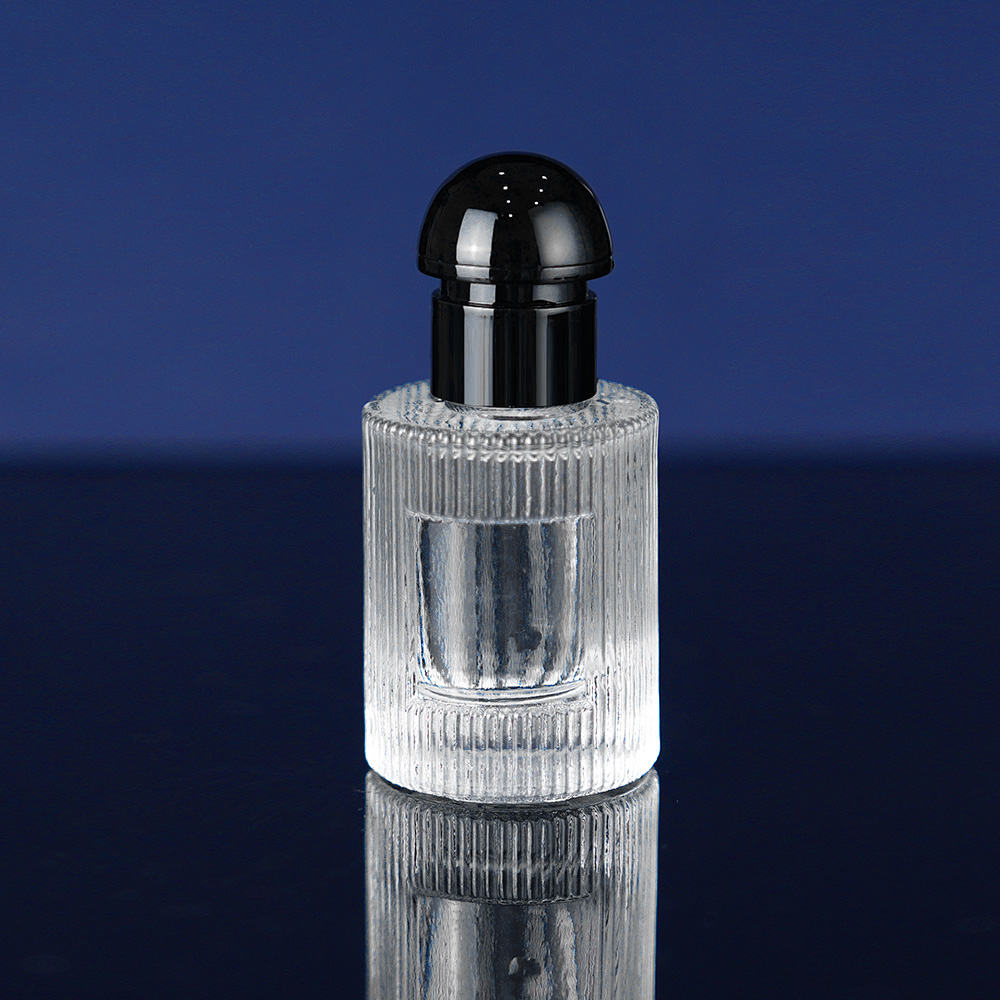
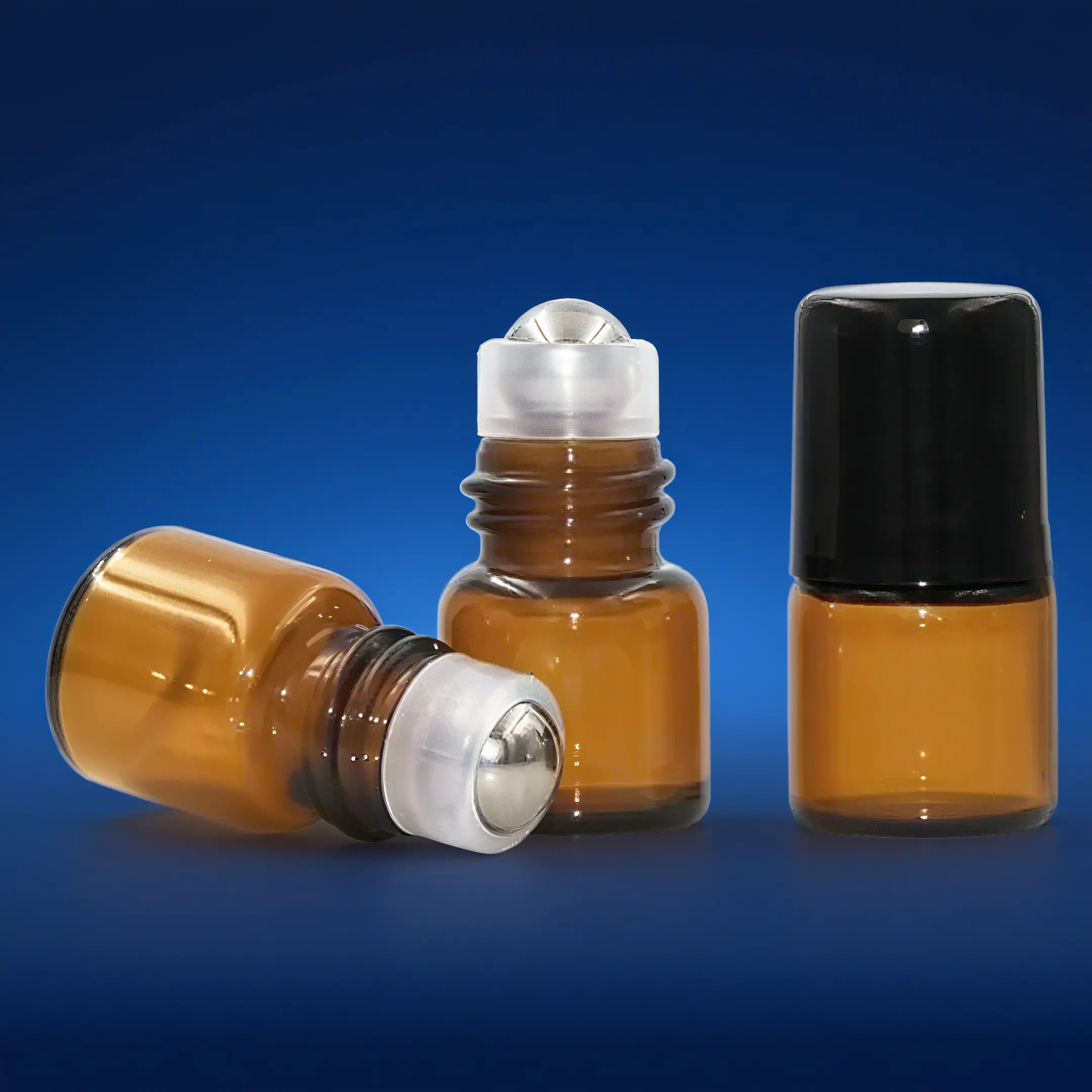
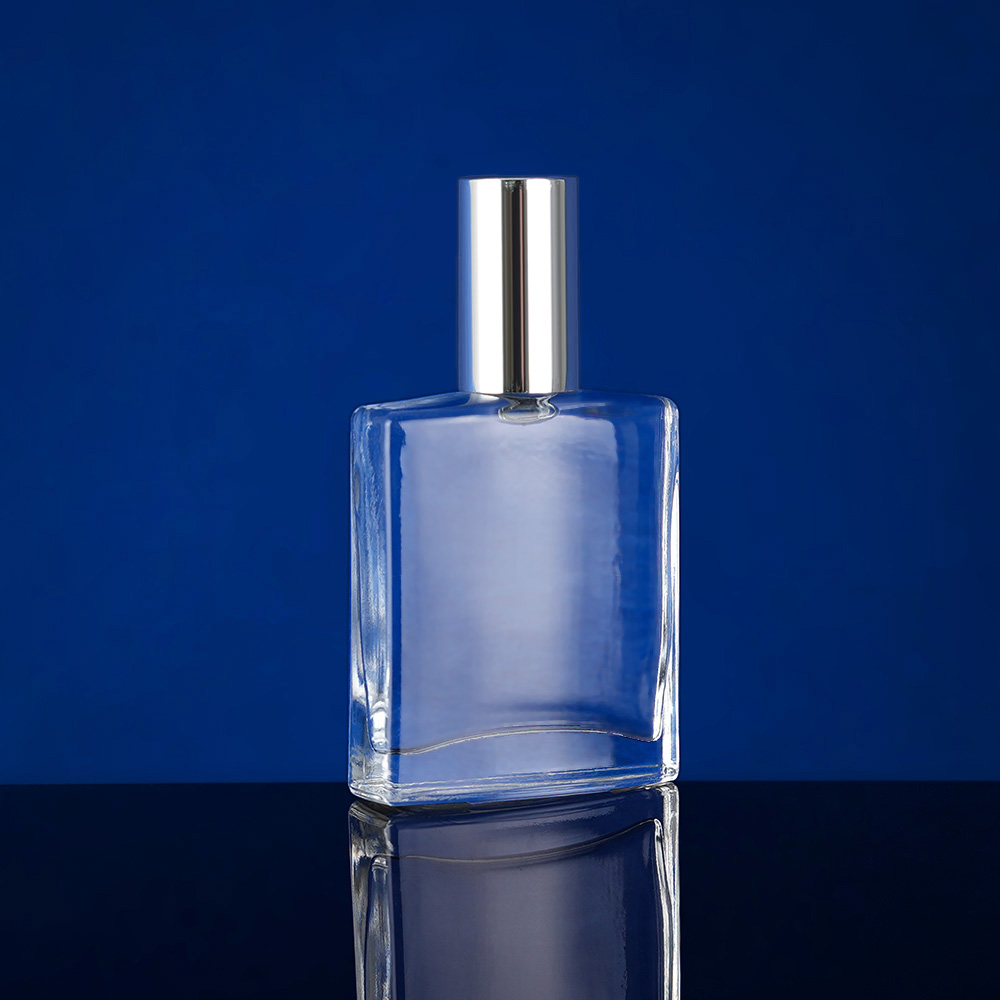
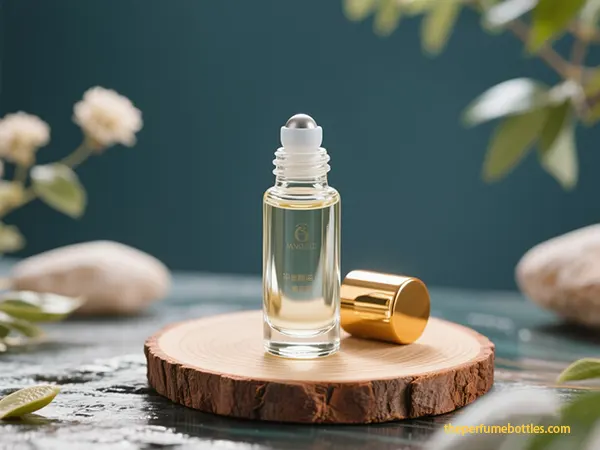
Comment se procurer des flacons roll-on en verre en gros ?
Achetez des flacons roll-on en verre en gros à prix d'usine. Vente en gros, options de marque privée, échantillons gratuits pour votre marque et livraison rapide.
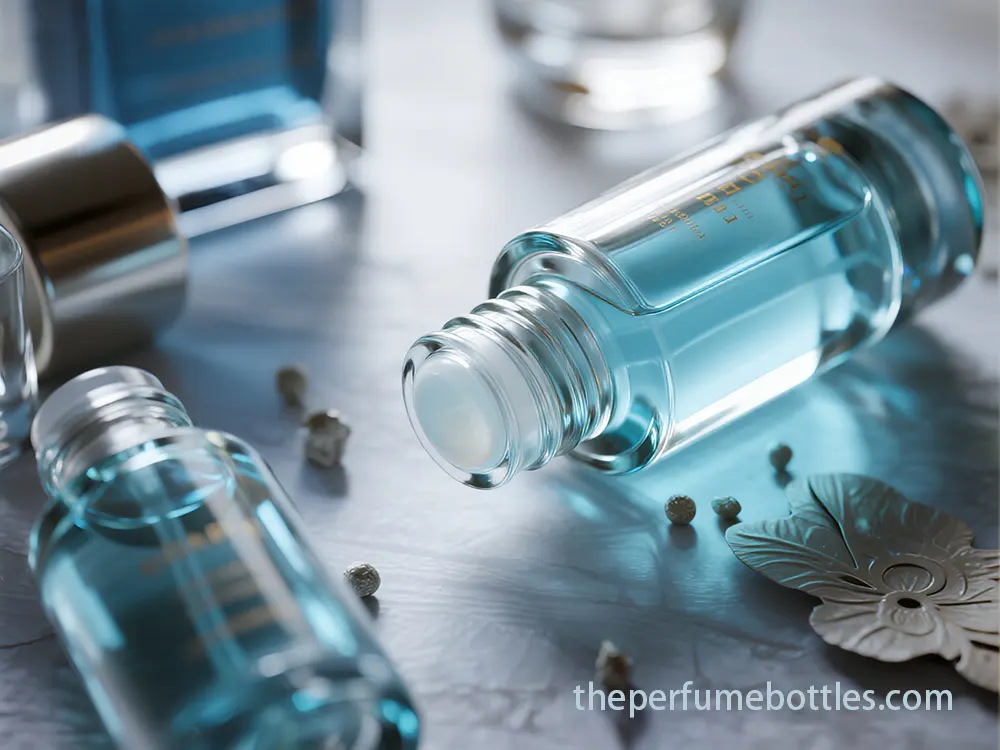
Étude de cas : Flacons roll-on vides en verre personnalisés pour une marque de parfums française
Flacons roll-on en verre vides personnalisés avec un col précis pour assurer un roulement fluide, une étanchéité parfaite et une qualité d'emballage supérieure.
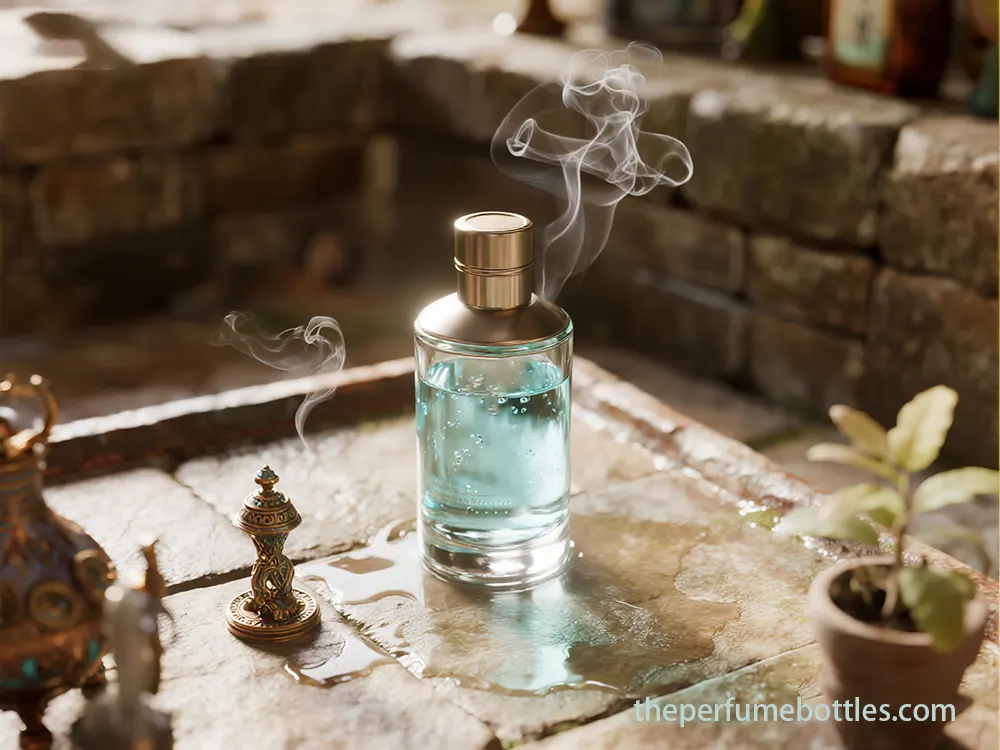
Étude de cas : Bouteille d'huile essentielle personnalisée pour des clients californiens
Découvrez comment Vesseluxe a créé une bouteille personnalisée d'huile essentielle équilibrant protection UV et élégance
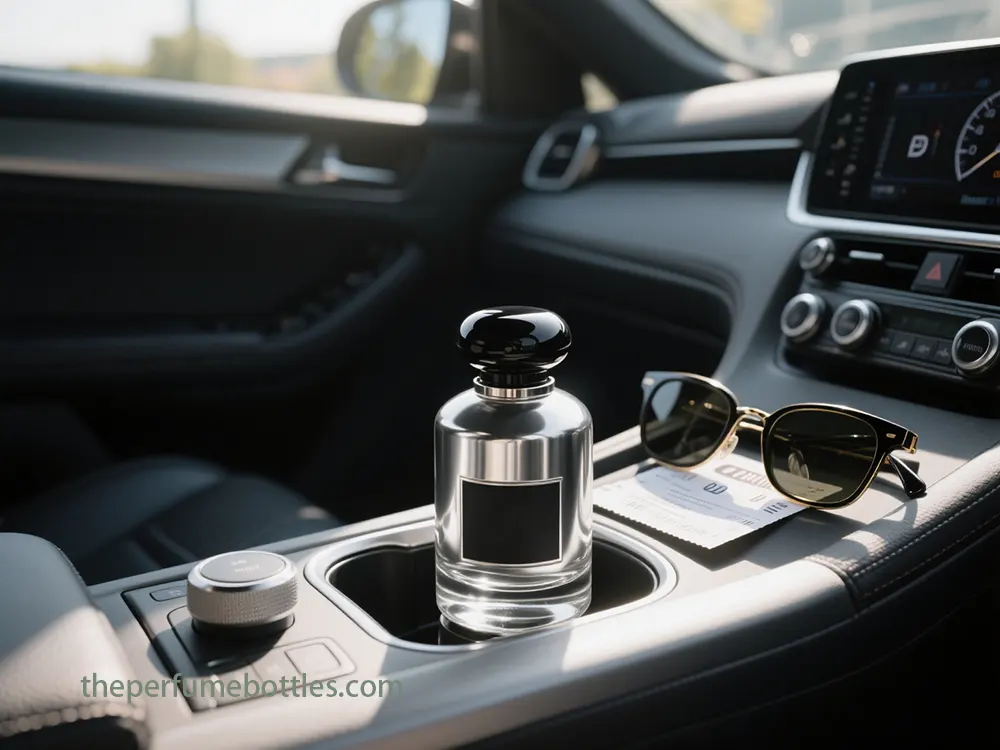
Valoriser l'identité de marque : Vente en gros de flacons de parfum en verre stratégiques pour un positionnement haut de gamme sur le marché
Découvrez comment une sélection stratégique de flacons de parfum en verre en gros renforce l'identité de votre marque.
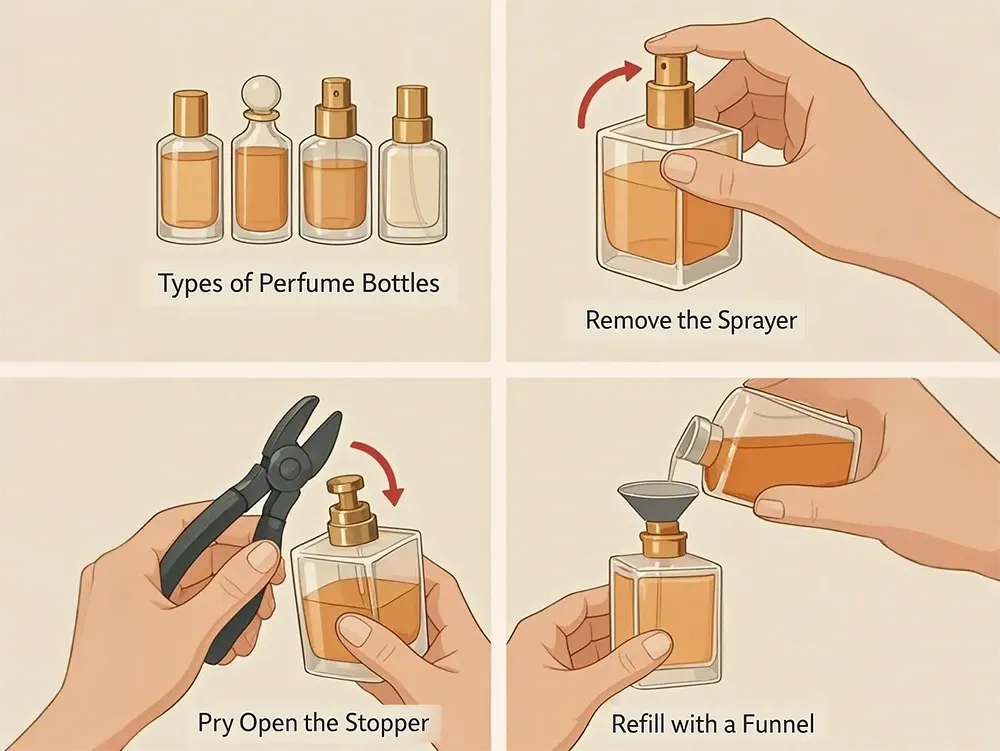
Comment ouvrir et remplir un flacon de parfum : conseils et astuces étape par étape
De la méthode pour ouvrir un flacon de parfum à l'apprentissage de la technique pour transférer votre parfum préféré sans le renverser, cet article vous explique tout.
- +86 186 5178 1159
- [email protected]
- Mon-Sun 07:00-21:00
Étiquettes
Principales options de personnalisation proposées par les principaux fournisseurs de flacons de parfum en verre
06/03/2026
Découvrez les options de personnalisation haut de gamme proposées par un fournisseur de flacons de parfum en verre de renom. Apprenez comment nous créons des moules, des couleurs et des finitions uniques pour les marques de luxe.
Étude de cas : Des problèmes de distribution de flacons roll-on en verre à un approvisionnement stable en usine
25/02/2026
Des problèmes rencontrés par un fournisseur de flacons à bille en verre ont conduit une usine pétrolière espagnole à se tourner vers nous pour obtenir des flacons à bille sur mesure étanches, d'une qualité stable et disponibles en grande quantité.
Flacons compte-gouttes en verre sur mesure ou standard ? Guide d’achat pour les revendeurs
19/02/2026
Vous cherchez un fournisseur de flacons compte-gouttes en verre ? Consultez notre guide sur les emballages personnalisés et standards. Découvrez comment nous aidons les acheteurs à optimiser leurs coûts et l’impact de leur marque.
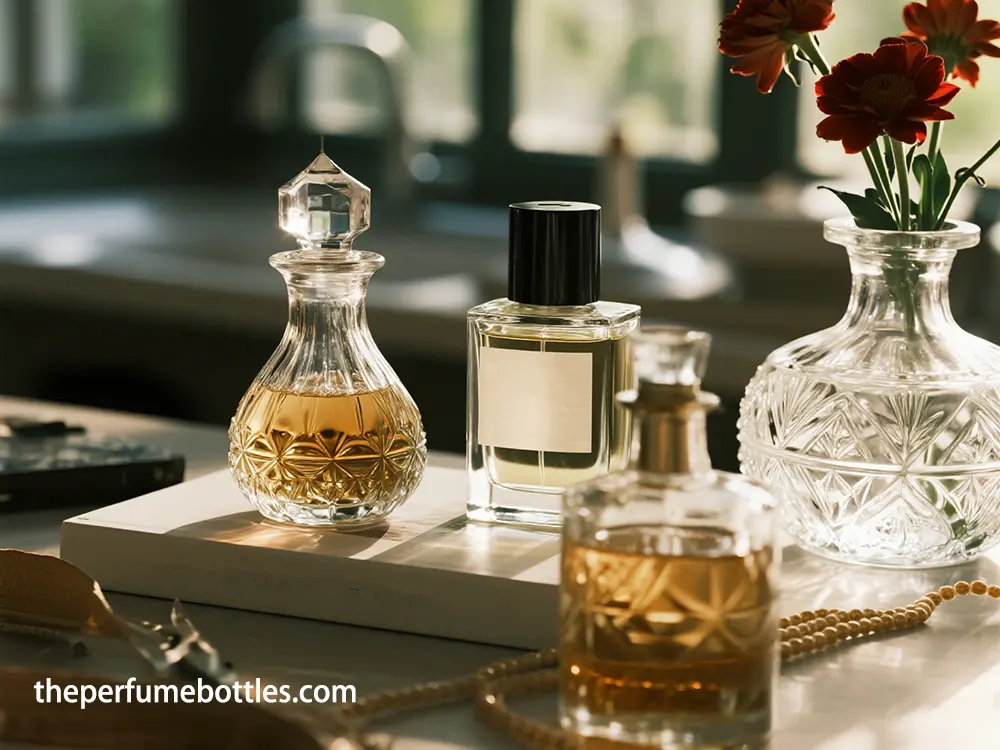
Étude de cas : Flacons de parfum en verre personnalisés pour un studio de parfumerie de niche français
12/02/2026
Des flacons de parfum en verre personnalisés ont été livrés pour un studio de parfumerie français. Nous avons fourni des flacons dépolis à effet dégradé avec des bouchons en bois, renforçant ainsi l'image de marque et son attrait en point de vente.
 FR
FR  EN
EN  IT
IT  DE
DE  NL
NL  PL
PL  RU
RU  PT
PT  FI
FI  ES
ES  DA
DA  SV
SV  RO
RO  CS
CS  ZH
ZH  KO
KO  JA
JA  AR
AR  TR
TR  ID
ID  EL
EL  HU
HU  BG
BG