
Guide complet sur le dévissage d'un flacon de parfum et bien plus encore
Table des matières
Apprenez à dévisser un flacon de parfum en toute sécurité, qu'il s'agisse de modèles à bouchon serti, à visser ou rechargeables.
Ce guide complet, qui vous est présenté par VesseluxeFace aux difficultés liées au bouchage des flacons de parfum, nous proposons des techniques expertes et des conseils pratiques pour dévisser un flacon, garantir une étanchéité parfaite grâce au système D-Crimp et gérer les opérations d'ouverture en toute sécurité et efficacité. Notre objectif est d'accompagner les passionnés comme les professionnels en leur fournissant les connaissances nécessaires pour préserver leurs précieux parfums et prolonger la durée de vie de leurs flacons.
1. Identifier le type de flacon de parfum (à sertir ou rechargeable/à visser)
Avant d'essayer d'ouvrir quoi que ce soit flacon de parfumIl est primordial d'identifier le mécanisme de fermeture. Cette première évaluation permet de déterminer la possibilité de conserver la méthode d'ouverture appropriée, les outils nécessaires et l'atmosphère d'origine. Les flacons de parfum se répartissent généralement en trois grandes catégories : à sertir, à vis et rechargeables.
1.1. Bouteilles serties : Le sceau permanent
Les flacons sertis se caractérisent par un design épuré et sans jointure, où la pompe est fixée de manière permanente au goulot. Aucun filetage n'est visible ; une bague métallique est pressée mécaniquement autour d'une arête du goulot pour maintenir le vaporisateur en place. Les marques de luxe privilégient souvent ce design pour exprimer élégance, raffinement et garantir un produit haut de gamme et inviolable, dissimulant ainsi la zone sertie sous une collerette décorative. Ce système assure une fermeture hermétique et inviolable, essentielle pour préserver l'intégrité du parfum et empêcher son évaporation, un atout précieux pour les parfums de luxe.
1.2. Bouteilles à bouchon à vis : Le joint amovible
Les flacons à bouchon à vis sont conçus pour être réutilisables et faciles d'utilisation. Ils comportent une rainure en spirale (filetage) visible sur le goulot, permettant une fermeture plus hermétique par le bouchon ou la pompe, sans outil spécifique. Le filetage est réalisé lors du moulage du verre, ce qui garantit un ajustement précis avec le bouchon fileté correspondant. Le filetage standard est indiqué par deux chiffres, par exemple : 13/415 (diamètre extérieur de 13 mm, 2 tours de filetage).
1.3. Bouteilles rechargeables spécialement conçues : pensées pour durer
De plus en plus de marques privilégient la stabilité en proposant des bouteilles rechargeables et des bouchons à vis, répondant ainsi aux valeurs environnementales et à la demande des consommateurs pour une réduction des déchets. Ces bouteilles sont clairement conçues pour une utilisation durable et à l'infini. Parmi les indices visuels, on trouve un système de remplissage facile et un embout à visser pour une remise en place rapide, ou des mécanismes de remplissage discrets tels que de petits trous ou des ouvertures amovibles au fond de la bouteille, qui peuvent être dissimulées ou séparées pour révéler l'orifice de remplissage. Les indicateurs les plus fiables comportent souvent une mention claire « rechargeable » sur la bouteille, l'emballage ou le site web du fabricant, ou encore des instructions de remplissage.
Des marques comme Mugler ont lancé le système de recharge en 1992 avec le parfum de leur marque Fairy, dédié aux fontaines à parfum en boutique et aux recharges à domicile. Le flacon de recharge se place à l'envers et se fixe directement dessus. Lancôme propose un système de capsules pour une fontaine à parfum rechargeable pour « Idôle » et sa gamme Absolue. Ces fontaines se caractérisent souvent par des cylindres en verre plus petits et plus légers, ainsi que par l'utilisation de matériaux recyclés, témoignant d'une évolution significative vers des emballages permanents.
2. Définition de votre objectif et évaluation des ressources
Avant d'opter pour une méthode d'ouverture, définissez clairement votre objectif principal et évaluez les ressources à votre disposition. Cette étape cruciale orientera votre approche et vous permettra de gérer vos attentes concernant la protection de l'atomiseur.
2.1. Clarifier votre objectif principal
Votre objectif déterminera en grande partie la méthode que vous choisirez :
- Rechargez avec le même parfum : C’est l’usage le plus courant des flacons rechargeables ou à bouchon à vis : ouvrir le flacon, transférer davantage de parfum d’origine et le refermer hermétiquement.
- Réutilisez le flacon pour un autre parfum ou un autre usage : Cela nécessite un nettoyage approfondi pour éliminer les parfums résiduels et peut impliquer de modifier l'atmosphère ou d'utiliser un bandh séparé.
- Accéder au liquide pour le transvasement ou la réparation : Si le vaporisateur est cassé ou si vous souhaitez emporter le parfum en voyage, la priorité est d'avoir un accès sûr au liquide, même si cela implique de renoncer au vaporisateur d'origine.

Obtenez des échantillons gratuits
2.2. Évaluation des outils spécialisés disponibles et des méthodes acceptables de conservation des atomiseurs
La disponibilité du matériel et votre volonté d'endommager potentiellement l'atomiseur d'origine sont des éléments clés à prendre en compte.
- Outils spécialisés pour l'ouverture : Pour les flacons à bouchon à vis et les flacons rechargeables, un chiffon chaud pour récupérer les élastiques ou les desserrer peut suffire. Pour les flacons sertis, la situation est plus complexe. Il n'existe actuellement aucun outil ou machine spécifique largement reconnu permettant de retirer efficacement les bouchons sertis tout en préservant l'atmosphère d'origine pour une réutilisation dans le même flacon. La principale méthode proposée pour le débourrage consiste à utiliser de simples goupilles latérales, ce qui représente un procédé risqué pour le sertissage, car le refermeture avec l'atmosphère d'origine est fortement déconseillé sans perte significative.
- Outils de sertissage pour sceller, pas pour ouvrir : Il est important de noter qu'il existe divers outils de sertissage, manuels ou automatiques (par exemple, la sertisseuse pour flacons de parfum Smart Pack ou l'outil de sertissage pneumatique semi-automatique ZONESUN). Ces outils sont conçus pour sceller en toute sécurité les nouvelles pompes ou les bouchons vaporisateurs sur les flacons de parfum, garantissant ainsi une étanchéité parfaite pour les projets de fabrication ou de bricolage. Ils ne sont pas conçus pour ouvrir l'atmosphère d'un sertissage existant à des fins de conservation.
- Outils généraux d'accès : Pour ouvrir différents types de flacons et accéder à l'arôme, on recommande souvent d'utiliser des outils courants comme des pinces à épiler, des petites pinces, des tournevis de précision, des ciseaux et des poignées en caoutchouc. L'objectif principal est d'ouvrir le flacon, sans trop se soucier de préserver l'intégrité du vaporisateur d'origine pour une éventuelle vérification ultérieure.
- Préservation de l'atomiseur : Pour les flacons sertis, il faut s'attendre à ce que l'atmosphère d'origine soit altérée lors du retrait. Si la préservation de cette atmosphère est primordiale, envisagez des solutions alternatives telles que les flacons de voyage rechargeables, qui permettent de prélever le parfum directement par l'embout d'origine sans changer de flacon.
3. Méthodes d'ouverture des bouteilles à bouchon à vis et des bouteilles rechargeables conçues à cet effet
Les flacons de parfum Conçus pour un accès facile, les modèles sont généralement droits, mais des techniques spécifiques peuvent garantir la sécurité et prévenir les dommages.
3.1. Bouteilles à bouchon à vis : la solution la plus simple
Pour ouvrir un flacon à bouchon à vis, tenez-le fermement d'une main et dévissez le bouchon dans le sens inverse des aiguilles d'une montre de l'autre. Si le bouchon est difficile à visser ou grippé, utilisez un chiffon ou un gant en caoutchouc pour une meilleure prise. Vous pouvez séparer la large bande de caoutchouc autour du bouchon pour la ramollir. Afin d'éviter toute contamination, vérifiez et nettoyez le goulot du flacon pour éliminer toute trace de parfum.
3.2. Bouteilles à clipser / à emboîter : un léger levier est nécessaire
Ces flacons sont dépourvus de filetage et leur système de fermeture repose sur la pression exercée sur le vaporisateur. Pour les ouvrir, retirez d'abord le bouchon extérieur. Enveloppez le goulot du flacon d'un petit chiffon pour éviter les rayures. Insérez un objet fin et plat (par exemple, une spatule, un tournevis plat ou un couteau à beurre) dans la jointure entre la bague du vaporisateur et le flacon. Il est important de fendre les parties en plastique ou de briser le verre pour éviter de forcer inutilement.
3.3. Bouteilles à bouchon intégré : manipulation délicate
Pour les bouteilles dont le bouchon semble mal fixé ou profondément intégré au design, utilisez un bec fin pour maintenir les bords du bouchon en exerçant une légère pression. Pour le dévisser, faites-le tourner de gauche à droite. Si cela ne suffit pas, insérez délicatement un petit couteau muni d'un peu de mastic dans l'interstice entre le bouchon et la bouteille, puis pliez doucement. Utilisez cette méthode en dernier recours.
3.4. Mécanismes de recharge spécifiques à la marque
De nombreuses marques de luxe ont intégré un système de recharge sophistiqué. Par exemple, « My Way » de Giorgio Armani est doté d'un distributeur permettant d'insérer le flacon de recharge de 150 ml par simple pression et directement relié au flacon de parfum. Ce système de remplissage à visser est standardisé et facile d'utilisation. D'autres marques comme Lancôme et Mugler proposent également des systèmes de recharge dédiés, souvent accompagnés d'instructions spécifiques sur l'emballage ou leur site web. Ces systèmes sont conçus pour une utilisation simple et rapide, avec un système de fermeture par un clic net, pour une expérience optimale et une meilleure stabilité.
3.5. Spécifications de couple (Directives générales)
Bien que les valeurs de couple spécifiques pour les flacons de parfum ne soient pas largement diffusées auprès des consommateurs, des recommandations générales existent pour la fermeture des bouchons. Le couple de serrage, c'est-à-dire la force de rotation nécessaire pour fermer un bouchon, est généralement mesuré en livres par pouce (lb/po) et correspond à environ 50 % du diamètre du bouchon (par exemple, un bouchon de 63 mm peut nécessiter un couple de serrage de 31 à 38 lb/po). Le point où la force de serrage excessive risque d'endommager le filetage du flacon. Les fabricants indiquent généralement des valeurs de couple de serrage fixes pour leurs bouchons.
4. Techniques de débourrage des flacons d'atomiseur scellés
Le sertissage D des bouteilles sous atmosphère scellée est l'opération la plus délicate, car ces bouteilles sont conçues pour un scellage permanent et inviolable. Ce procédé comporte naturellement un risque élevé d'endommager la bouteille et son atmosphère d'origine.
4.1. Comprendre le défi
Les flacons sertis sont conçus pour une fixation permanente et sécurisée, créant une liaison irréversible qui ne peut être retirée sans endommager visiblement la pompe ou le goulot. Ce système garantit l'inviolabilité et l'intégrité du produit pour les marques de luxe. Les bagues de sertissage sont généralement en aluminium ou autres métaux, et parfois en plastique.
4.2. Processus de dé-sertissage étape par étape (méthode à faire soi-même)
Cette méthode vise à atteindre le liquide, en acceptant que l'atomiseur d'origine soit potentiellement endommagé.
- La sécurité avant tout : Portez toujours des gants épais et des lunettes de sécurité ou une visière pour vous protéger des éclats de verre et des projections de liquides.
- Préparer la bouteille : Retirez délicatement le bouton pulvérisateur en plastique. Enlevez le goulot du flacon en le protégeant avec un chiffon ou une serviette afin d'éviter les rayures et d'améliorer la prise en main.
- Appliquer une chaleur douce (facultatif mais recommandé) : Appliquez une légère chaleur sur le collier métallique serti pendant une ou deux minutes, à l'aide d'un sèche-cheveux ou d'un pistolet thermique. Cela peut aider à ramollir le métal et faciliter son ouverture.
- Déclipser le sertissage :Utilisez une pince à bec fin, une pince classique ou une pince coupante. Saisissez le bord de la bague sertie en métal souple. Procédez lentement et avec précaution, en faisant le tour du goulot de la bouteille et en exerçant une pression. L'objectif est de desserrer progressivement la bague jusqu'à ce qu'elle ne puisse plus être retirée.
- Retirez l'atomiseur : Une fois que la bague est suffisamment desserrée, l'ensemble du mécanisme d'atomisation (y compris le tube plongeur) peut être délicatement retiré du flacon.
4.3. Outils spécialisés pour le dé-sertissage professionnel
Bien que les méthodes artisanales soient souvent désastreuses, un outil pneumatique spécifique pour retirer les colliers, tel que le CR12, permet un dé-sertissage sans dommage, notamment pour les pompes à sertissage basse pression. Il est conçu pour retirer les colliers de dimensions standard (par exemple, 13 mm, 15 mm, 18 mm, 20 mm et plus). Cet outil est généralement utilisé en milieu industriel ou professionnel pour le contrôle qualité ou le recyclage, et non pour la protection de l'environnement à usage domestique.
Obtenez des échantillons gratuits
4.4. « Pompes à sertissage automatique »
Certains systèmes, appelés « pompes à sertir automatiques » ou « pompes à pression », offrent une option de montage simplifiée et une étanchéité potentiellement moins permanente que les sertissages traditionnels. Ces systèmes permettent un montage rapide et facile sans machinerie lourde et suggèrent une conception plus réactive pour un démontage non destructif, bien que leur étanchéité soit toujours qualifiée de « semi-permanente » ou de « plus permanente ».
4.5. Considérations postérieures au dé-sertissage
Après le dé-sertissage, l'intégrité structurelle à long terme d'une bouteille est compromise et celle-ci n'est généralement pas conçue pour être réutilisée dans sa forme sertie d'origine. Le sertissage en D risque d'affaiblir le goulot en verre. Une nouvelle pompe à sertir est nécessaire sans pouvoir refermer la bouteille après dé-sertissage.
5. Procédures après ouverture : remplissage, nettoyage et refermeture
Une fois le flacon de parfum ouvert, les étapes suivantes consistent soit à le remplir d'une fragrance, soit à le nettoyer complètement pour un nouvel usage, soit à le refermer. Chaque opération exige une attention particulière afin de préserver l'intégrité du parfum et la fonctionnalité du flacon.
5.1. Remplissage du flacon
Pour éviter les débordements et réduire le gaspillage lors du remplissage des flacons de parfum, l'utilisation de petits entonnoirs, de seringues (sans aiguille), de pipettes ou d'appareils spécifiques comme les compte-gouttes souples est recommandée. Un débit régulier est conseillé pour les grandes quantités. Évitez le surremplissage, cause fréquente de fuites.
5.2. Nettoyage complet en vue de la réutilisation
Nettoyer efficacement un flacon de parfum nécessite une approche en plusieurs étapes pour éliminer les résidus d'huiles parfumées et désinfecter le Vesseluxe.
- Rinçage initial : Videz complètement la bouteille et rincez-la abondamment à l'eau tiède pour éliminer les résidus.
- Lavage au savon : Ajoutez un peu de liquide vaisselle doux et sans parfum à de l'eau tiède et faites tourner l'intérieur. Un balai en coton peut être utilisé pour les ouvertures étroites. Une fois tous les résidus de savon éliminés, il est important de rincer plusieurs fois à l'eau tiède claire pour favoriser l'absorption du nouveau parfum.
- Trempage dans l'alcool pour la dissolution de l'huile : L'alcool isopropylique (à 70 % ou plus) est important pour dissoudre les parfums tenaces et nettoyer le flacon. Versez-en une petite quantité dans le flacon, faites-le tourner pour bien enrober toutes les surfaces et laissez agir quelques minutes, ou 15 minutes pour les résidus persistants. Il élimine efficacement les molécules de parfum. Rincez ensuite abondamment à l'eau tiède.
- Nettoyage avancé (vinaigre et abrasifs) : Pour les résidus tenaces ou les décollages, une solution de vinaigre blanc distillé peut être utilisée, éventuellement laissée agir toute la nuit. Une cuillère à soupe de ce vinaigre peut servir de nettoyant doux, sans résidus internes, avec du liquide vaisselle doux.
- Nettoyage de l'atomiseur et du tube plongeur : Si l'atomiseur est amovible, démontez-le et rincez chaque pièce séparément à l'eau tiède, puis à l'alcool isopropylique. Veillez particulièrement à ce que la buse de pulvérisation ne soit pas obstruée. Pour les atomiseurs non amovibles, pulvérisez de l'eau tiède ou une solution alcoolisée à travers le mécanisme afin de nettoyer les barrières.
- Nettoyage par ultrasons (avancé) : Pour les composants complexes tels que les tubes plongeurs et les pièces d'atomiseur, les nettoyeurs à ultrasons offrent de meilleures performances. Ces appareils utilisent des ondes sonores à fréquence microscopique pour créer des microbulles, éliminant efficacement la saleté, la graisse et les huiles sans frottement physique ni produits chimiques agressifs, et atteignant des zones inaccessibles au nettoyage manuel.
- Séchage complet : Après le nettoyage, il est important d'éliminer toute trace d'humidité résiduelle afin d'éviter la formation de moisissures. Placez le récipient dans un endroit bien aéré pour permettre une évaporation complète. Un chiffon doux non pelucheux ou du papier absorbant peuvent absorber l'humidité initiale.
5.3. Considérations relatives à la compatibilité chimique
Lors du choix des produits de nettoyage, il est important de tenir compte de leur compatibilité chimique avec différents matériaux plastiques, tels que les flacons et les vaporisateurs (par exemple, le verre, divers plastiques comme le PEBD, le PEHD, le PP, le PET, le PTFE, le PVC et les métaux). Il convient également de considérer leur comportement chimique par rapport au verre.
5.4. Refermer l'atomiseur
La méthode de refermeture dépend du type de bouteille et de votre objectif.
- Sertissage pour joints hermétiques : Le sertissage est la méthode la plus courante et la plus efficace pour sceller hermétiquement les flacons de parfum. Il empêche l'évaporation, protège les fragrances des agents extérieurs et garantit leur inviolabilité. Ce procédé, qui permet de fixer une nouvelle pompe sur le goulot du flacon, ne peut être réalisé avec un équipement spécifique.
- Bouchons à visser :Conçus à l'origine avec un bouchon à visser, il suffit de le revisser sur le capuchon ou l'atomiseur. Idéaux pour la création de parfums maison ou pour un usage domestique, ils permettent un remplissage facile.
- Bouchons à pression : Les atomiseurs à pression utilisent un mécanisme à ressort qui fixe le flacon au niveau du goulot. Un alignement précis est nécessaire pour le remplacement. Bien qu'ils assurent une étanchéité relativement stable et permanente, leur retrait peut s'avérer difficile sans endommager le flacon ou le bouchon, ce qui les rend moins adaptés aux remplissages fréquents que les modèles à visser.
- Solutions innovantes de réétanchéité (à titre spéculatif) : Pour les éléments décoratifs ou les joints d'étanchéité personnalisés, l'industrie du luxe utilise des adhésifs transparents photosensibles. Offrant une haute résistance, une protection contre l'humidité et un séchage rapide, ils peuvent être conçus pour être gonflés sur mesure. Le consommateur devra relever le défi. Plus précisément, des joints en silicone sur mesure ou des systèmes de scellement magnétiques miniatures pourraient offrir à l'avenir des solutions haut de gamme réutilisables.
Obtenez des échantillons gratuits
6. Consignes de sécurité et dépannage des problèmes courants
La sécurité est primordiale lors de la manipulation de bouteilles en verre, d'objets tranchants et d'arômes volatils. La connaissance des problèmes courants et de leurs solutions permet de prévenir les pertes et les blessures.
6.1. Précautions de sécurité essentielles
Équipement de protection individuelle (EPI) :
- Gants: Portez toujours des gants pour vous protéger les mains des éclats de verre et des irritations potentielles dues aux huiles parfumées. Les gants anti-coupures sont recommandés pour manipuler le verre, notamment lors du décapage. Les gants en nitrile, qui empêchent la pénétration des huiles et préviennent les transferts de parfum, sont adaptés à la manipulation des flacons et au nettoyage.
- Protection des yeux : Portez des lunettes de protection (lunettes de sécurité ou lunettes de protection) pour éviter de colorer vos yeux avec des projections occasionnelles de parfum ou de morceaux de verre.
- Masques respiratoires pour les fumées : Travaillez dans un endroit bien ventilé (fenêtres ouvertes, ventilateurs), afin d'éviter les vapeurs de parfum directes, en particulier pour les personnes sensibles, ou les parfums concentrés aux senteurs fortes.
Manipulation sécuritaire du verre et des outils tranchants :
- Prise en main sûre : Tenez fermement le flacon de parfum. Utilisez un chiffon propre ou une poignée en caoutchouc pour une meilleure prise en main et pour éviter les rayures.
- Évitez d'utiliser une force excessive :Une force excessive peut endommager le bouchon, casser la bouteille ou provoquer des blessures. Privilégiez les méthodes douces.
- Attention aux objets tranchants : Évitez d'utiliser des couteaux pour ouvrir les bouteilles. Lors du décrassage, utilisez un tire-bouchon latéral ou un tire-bouchon avec une extrême précaution afin d'éviter de casser ou de couper la bouteille.
- Élimination du verre brisé : Si une bouteille se casse, jetez soigneusement les morceaux de verre et le liquide. Enveloppez les morceaux de verre dans du papier journal ou du carton avant de les jeter à la poubelle.
Configuration d'un espace de travail sécurisé : Veillez à poser le flacon sur une surface stable, propre et dégagée afin d'éviter toute propagation et contamination.
6.2. Dépannage des problèmes courants
Bouchons coincés
- Tapotements doux : Tapotez légèrement la bouteille sur une surface dure.
- Méthode de l'eau chaude : Pour dilater le métal ou le plastique, passez de l'eau chaude sur le bouchon ou le couvercle, ou dissolvez les résidus secs. Évitez toute surchauffe.
- Adhérence améliorée : Utilisez des gants antidérapants, un tissu texturé ou enroulez un élastique autour du couvercle.
- Alcool isopropylique : Essuyez soigneusement le contour du cou avec de l'alcool isopropylique pour dissoudre les résidus.
- Méthode de congélation : Placez la bouteille au congélateur pendant environ 15 minutes pour faciliter le dévissage du bouchon.
- Égalisation de la pression : En raison des variations de pression (par exemple, dues aux voyages en avion), percer le coin supérieur du bouchon avec une épingle permet d'égaliser la pression.
- Assistance professionnelle :Pour les bouteilles de valeur ou anciennes, consultez un restaurateur professionnel.
Atomiseurs/pulvérisateurs cassés
- Buse bouchée :
- Retirez la tête de buse (si elle est amovible) et rincez-la à l'eau chaude courante.
- Utilisez une aiguille fine ou une épingle pour nettoyer les résidus de parfum séchés dans les petits trous.
- Trempez le vaporisateur dans de l'eau chaude ou de l'alcool isopropylique, puis pompez doucement pour faire passer le vin, rincez à l'eau distillée et séchez l'air.
- Buse détachée/desserrée : Remettez-le en place en l'alignant avec la tige et en appuyant ou en le faisant tourner doucement.
- Système de pompe défectueux :
- Si la tête de pulvérisation est endommagée mais que la pompe fonctionne, remplacez-la par une tête compatible.
- En cas de pulvérisateur complètement hors service, remplacez-le par une pompe de pulvérisation compatible ou universelle.
- Un peu de moutarde peut lentement réparer une pompe à confiture.
- Certains utilisateurs ont réussi à remettre en marche les tiges d'atmosphère séparées en utilisant de la super colle cyanoacrylate autour du ressort et de la membrane de la valve.
- Transfert de parfum :Si le vaporisateur est irréparable, transvasez délicatement le parfum dans un récipient neuf, propre et hermétique à l'aide d'une seringue ou d'un entonnoir. Filtrez le liquide dans un morceau de verre à l'aide de filtres à café ou d'une passoire fine. Évitez les entonnoirs et les flacons en plastique, car ce matériau peut réagir avec les parfums.
Déversements de liquides
- Action immédiate : Tamponnez, ne frottez pas, avec des essuie-tout ou des chiffons propres pour absorber rapidement le liquide.
Poudres absorbantes : Recouvrir de bicarbonate de soude ou de fécule de maïs, laisser agir, puis aspirer ou balayer. Le bicarbonate de soude neutralise les odeurs. - Solutions de nettoyage :
- Surfaces dures : Utilisez de l'eau tiède avec un liquide vaisselle doux, ou un mélange à parts égales de vinaigre blanc et d'eau. L'alcool isopropylique est également efficace. Faites un essai au préalable.
Tissus/Tapis : Appliquez une solution de lessive douce ou une pâte de bicarbonate de soude. Tamponnez délicatement. Rincez à l'eau froide.
- Surfaces dures : Utilisez de l'eau tiède avec un liquide vaisselle doux, ou un mélange à parts égales de vinaigre blanc et d'eau. L'alcool isopropylique est également efficace. Faites un essai au préalable.
- Ventilation: Ouvrez les fenêtres ou utilisez un ventilateur pour disperser le parfum puissant.
- Élimination des résidus de parfum : Les petites quantités absorbées par les essuie-tout sont placées dans des sacs en plastique hermétiques. Les quantités plus importantes nécessitent de se renseigner sur la réglementation locale en matière de déchets dangereux ; les jeter dans les égouts est nocif.
Goulots d'étranglement endommagés
- Fissures/Ébréchures : Pour les petites fissures, on peut utiliser une colle époxy conçue pour réparer les colles transparentes ou le verre. Assurez-vous que le flacon est propre et exempt de graisse.
- Cou brisé : Il s'agit d'une réparation complexe, nécessitant souvent les services de professionnels de la restauration de vitres.
- Prévention: Rangez les bouteilles sur des surfaces stables, loin des bords, et manipulez-les avec précaution.
Désertissage incomplet
- Outils et techniques :Continuez à utiliser du coton ou une spatule pour élargir et plier lentement la partie métallique autour de l'ouverture afin de la recouvrir. Pour éviter de casser la bouteille, il faut faire preuve de patience et de précaution.
- Défis : Il n'existe pas d'équipement spécifique pour le dé-sertilisation non destructive à la disposition des consommateurs. Un excès de spray peut bloquer la valve, tandis qu'une sertissage insuffisant peut entraîner des fuites.
- Risque de dommages : Il existe un risque élevé d'endommagement du flacon de décrassage, surtout s'il est critique.
- Alternative au décantage : Si le démasquage est très risqué et que l'atomiseur est fonctionnel, le parfum peut être vaporisé directement dans une petite atmosphère ou à l'aide d'une seringue/pipette, si le flacon a un bouchon à visser ou une bille.
6.3. Suggestions proactives pour une sécurité et une efficacité accrues
- Élaborer un arbre de décision complet pour le dépannage : Créez un arbre de décision interactif qui guide les utilisateurs en fonction du type de flacon (bouchon à vis, bouchon classique, spray anti-fuite, roll-on) et du problème rencontré (bouchon bloqué, atmosphère défectueuse, fuite). Chaque branche mènera aux étapes de dépannage correspondantes, indiquant les outils et équipements de protection individuelle nécessaires, ainsi que les situations où il est nécessaire de faire appel à un professionnel. Ce système simplifiera le processus et réduira les erreurs des utilisateurs.
- Procédures d'urgence en cas d'exposition à des produits chimiques : Fournir des protocoles de premiers secours spécifiques en cas d'exposition à un parfum (par exemple, éthanol, huiles essentielles, composés aromatiques de synthèse) suite à un contact avec la peau, les yeux ou par inhalation. Ces protocoles incluent un lavage immédiat de la peau, un rinçage abondant des yeux et, en cas d'inhalation, une exposition à l'air frais. Il convient ensuite de suivre des instructions claires concernant la prise en charge médicale.
- Consignes détaillées d'élimination : Établissez une liste exhaustive des matériaux utilisés pour les flacons de parfum (verre, plastiques divers, métal) et des consignes spécifiques de recyclage et d'élimination, en précisant que les réglementations locales varient considérablement. Fournissez des instructions claires pour l'élimination du verre cassé, des composants en plastique et des résidus de parfum, en insistant sur les conséquences environnementales néfastes du rejet de parfum dans les égouts.
Commentaires
Catégories de produits
Bouteilles en promotion
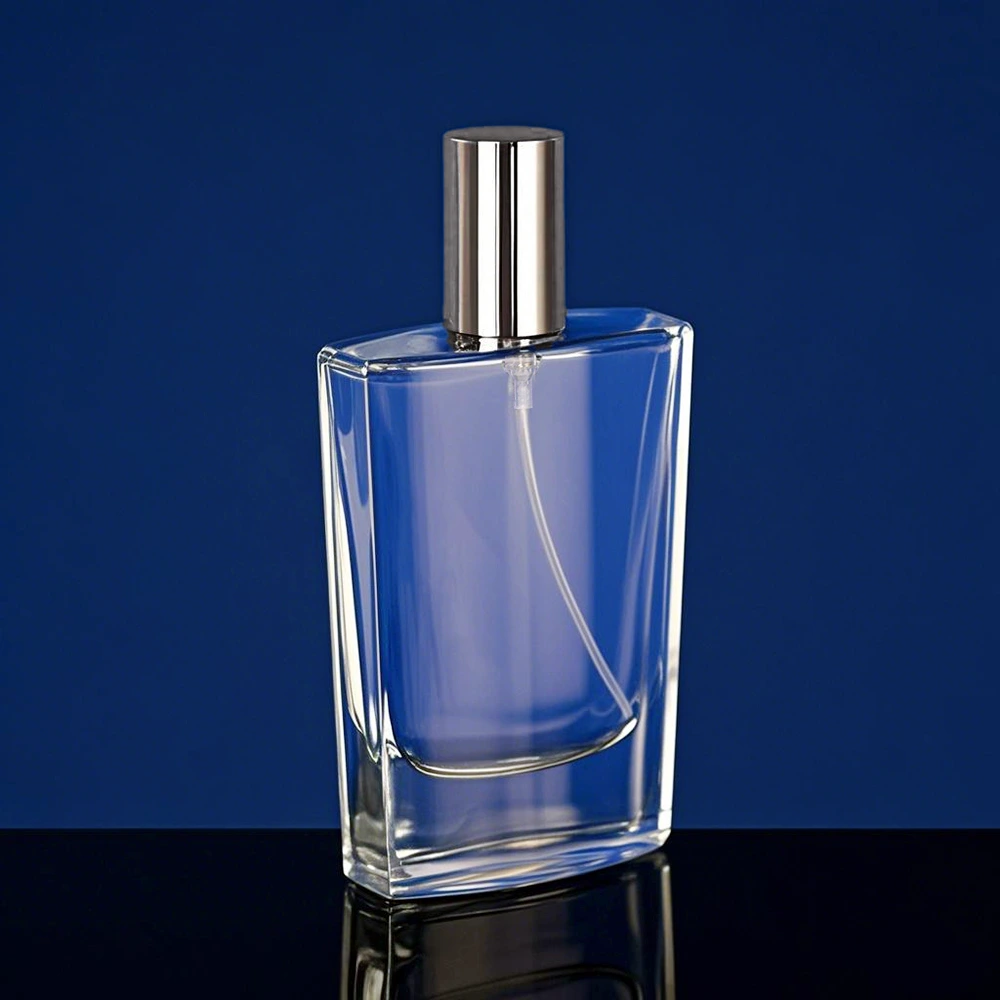
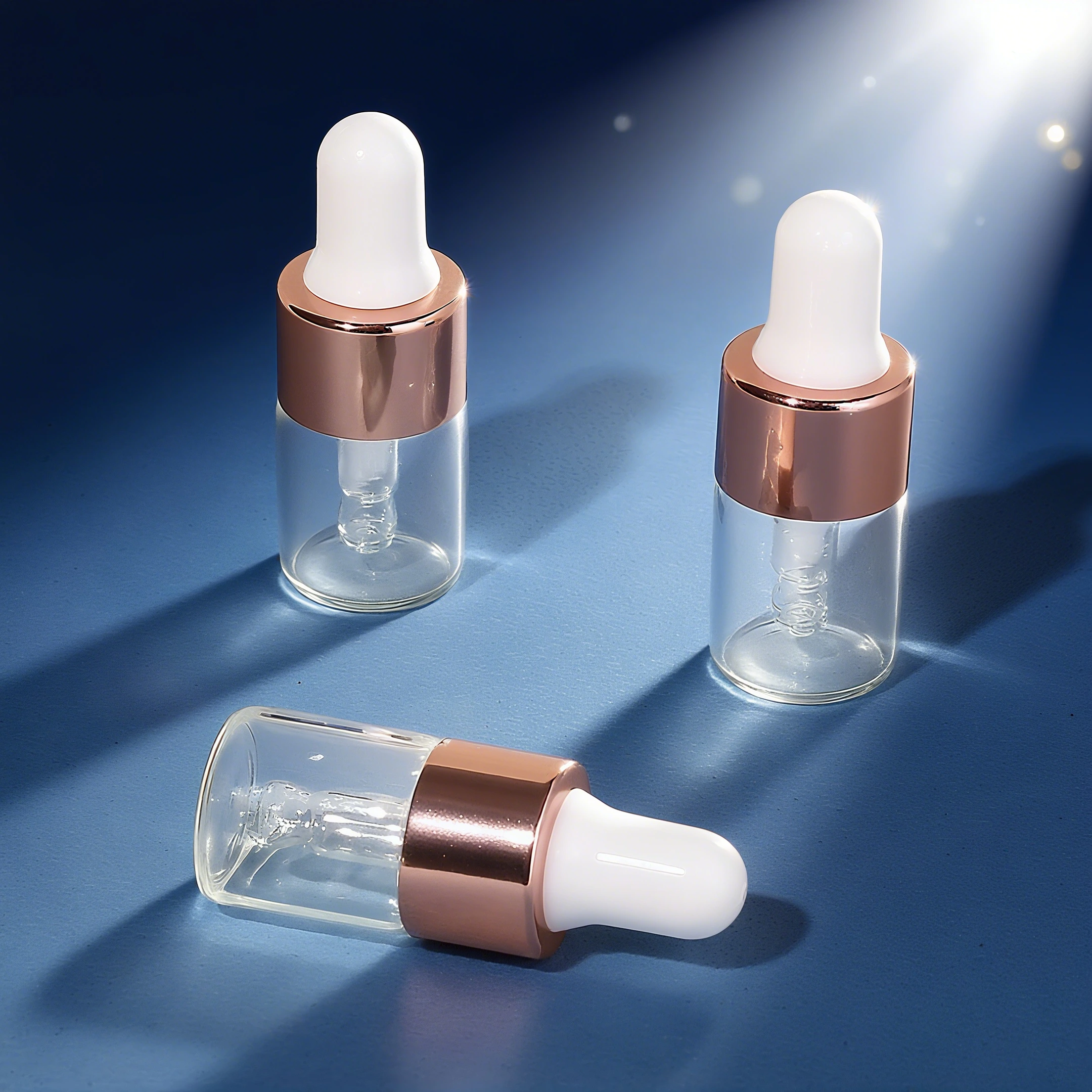
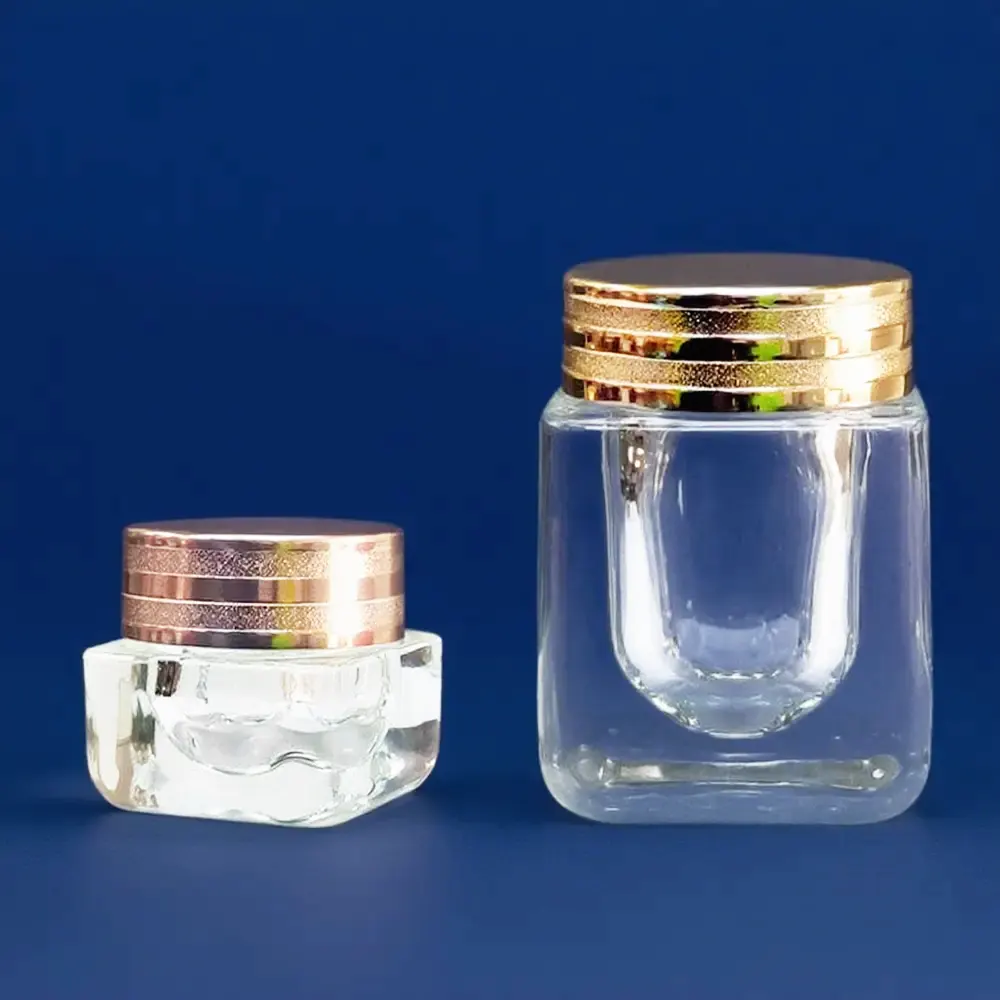

Augmentez vos ventes grâce à la vente en gros de flacons d'huiles essentielles de qualité supérieure.
Boostez votre activité grâce à la vente en gros de flacons d'huiles essentielles haut de gamme. Bénéficiez de flacons résistants et élégants à prix compétitifs pour assurer le succès de votre marque.

Le rôle de l'innovation dans l'amélioration des flacons roll-on en verre vides pour les cosmétiques
L'innovation dans les flacons roll-on en verre vides améliore l'expérience utilisateur, la durabilité et la durabilité des cosmétiques.
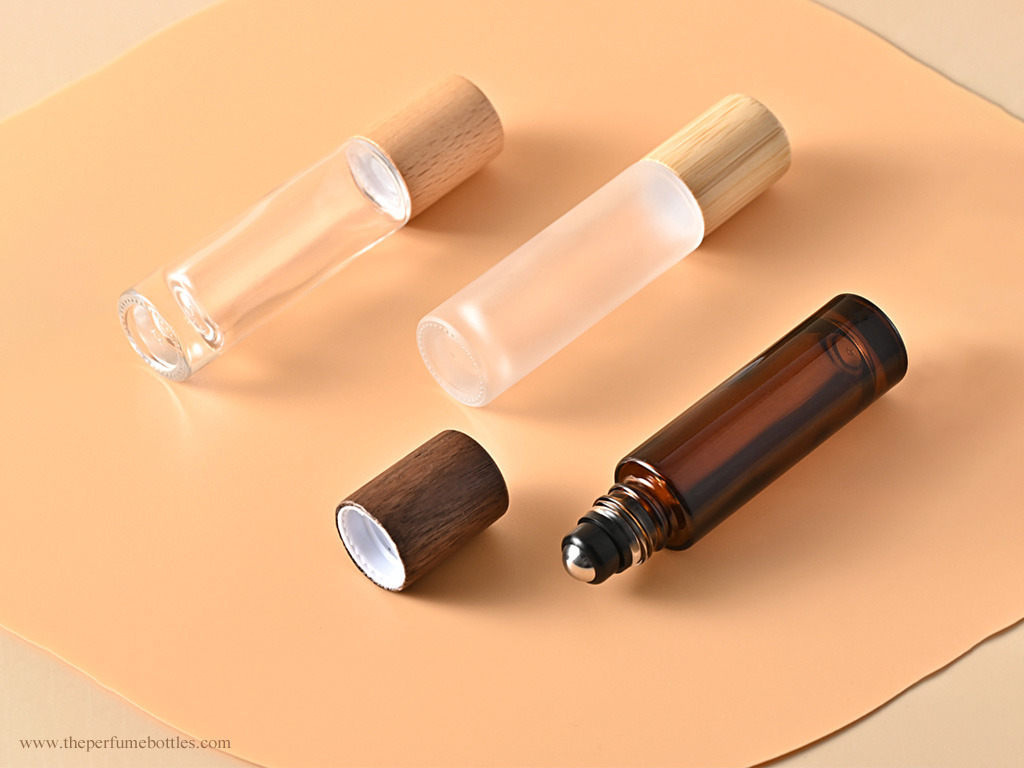
Comment choisir les meilleurs flacons de parfum roll-on pour votre gamme de produits
Les flacons de parfum à bille sont un excellent choix pour l'application de parfum, offrant précision et facilité d'utilisation.
Valorisez votre marque grâce à des emballages cosmétiques de luxe : guide de conception et solutions
Cet article explore l'univers des emballages cosmétiques de luxe, en expliquant leur importance pour les marques et en proposant des pistes pour créer des solutions d'emballage efficaces.
Polyvalence du marché des flacons roll-on en verre transparent : une analyse complète
La polyvalence du marché des flacons roll-on en verre transparent pour les huiles essentielles, les parfums et les cosmétiques
- +86 186 5178 1159
- [email protected]
- Mon-Sun 07:00-21:00
Étiquettes
Étude de cas : Des problèmes de distribution de flacons roll-on en verre à un approvisionnement stable en usine
25/02/2026
Des problèmes rencontrés par un fournisseur de flacons à bille en verre ont conduit une usine pétrolière espagnole à se tourner vers nous pour obtenir des flacons à bille sur mesure étanches, d'une qualité stable et disponibles en grande quantité.
Flacons compte-gouttes en verre sur mesure ou standard ? Guide d’achat pour les revendeurs
19/02/2026
Vous cherchez un fournisseur de flacons compte-gouttes en verre ? Consultez notre guide sur les emballages personnalisés et standards. Découvrez comment nous aidons les acheteurs à optimiser leurs coûts et l’impact de leur marque.

Étude de cas : Flacons de parfum en verre personnalisés pour un studio de parfumerie de niche français
12/02/2026
Des flacons de parfum en verre personnalisés ont été livrés pour un studio de parfumerie français. Nous avons fourni des flacons dépolis à effet dégradé avec des bouchons en bois, renforçant ainsi l'image de marque et son attrait en point de vente.
L’avantage stratégique d’un partenariat avec un grossiste de flacons roll-on en verre pour les marques de beauté haut de gamme
05/02/2026
Découvrez comment un grossiste leader de flacons roll-on en verre propose des emballages personnalisés, durables et de haute qualité, offrant une protection optimale de la formule et une conformité aux normes internationales.
 FR
FR  EN
EN  IT
IT  DE
DE  NL
NL  PL
PL  RU
RU  PT
PT  FI
FI  ES
ES  DA
DA  SV
SV  RO
RO  CS
CS  ZH
ZH  KO
KO  JA
JA  AR
AR  TR
TR  ID
ID  EL
EL  HU
HU  BG
BG