How Long Does Perfume Last in A Bottle
Table of Contents
Introduction
How long can perfume last in perfume bottles? Perfume is like “olfactory magic” in a bottle, composed of volatile fragrances, solvents and stabilizers. But its ingredients are very “delicate” and will slowly change, so it is important for everyone to understand “how long does perfume last in a bottle”~
In fact, the shelf life of perfume is affected by the following factors: whether the chemical formula itself is stable, whether the storage environment is dark and cool, and whether the perfume bottle is sealed well enough. Next, let’s talk about how these factors affect the “lifespan” of perfume~

Get Free Samples
Defining Fragrance Long Life in the Bottle
Perfume durability in the bottle indicates protecting its original fragrance and buildings. This varies from spoilage, though extreme deterioration makes fragrance unusable. Security is the capability to preserve fragrance in time, indicating quality and active ingredient choice. Destruction pathways like oxidation and hydrolysis transform particles, modifying aroma. Preserving durability minimizes these changes, maintaining the scent’s personality. Abject fragrance can create off-notes, lose strength, or change character.
Innate Variables Affecting Life Span
A fragrance’s formulation significantly influences its security and life-span. Trick inherent variables include the aromatic compounds, stabilizers, concentration, and age (vintage vs. modern-day).
Solution: Components and Stabilizers
The chemical nature of fragrance substances identifies their degradation sensitivity. Unsaturated compounds like terpenes and aldehydes are susceptible to oxidation. Stabilizers, generally anti-oxidants and UV absorbers, neutralize destruction. Antioxidants (e.g., BHT, Vitamin E) protect versus oxidation and rancidity. UV absorbers (e.g., Benzophenone by-products) prevent light-induced destruction and color modifications. Water material can advertise microbial growth, calling for preservatives. Some notes are unpredictable in water.
Concentration and Solvent Base
Fragrance oil focus relative to the solvent (normally ethanol and water) influences stability. Ethanol prevails as a result of its solubility, neutral smell, and evaporation homes. Greater ethanol material (around 80%+) can reduce oxidation.
Perfume concentrations vary, and the proportions of ingredients are like “formula codes”: Parfum, EDP, EDT, EDC, and Eau Fraiche have different oil, alcohol, and water contents.
EDT and EDC have higher alcohol contents, which is actually an “advantage” of keeping them in bottles – alcohol has its own antibacterial and antioxidant properties, just like adding a “protective cover” to the perfume, helping you extend the answer to “how long does perfume last in a bottle”~
Denatured alcohol, while safe, can possibly influence the base gradually.
Vintage vs. Modern Blends
Classic fragrances may degrade in a different way because of older components (some currently restricted), much less sophisticated stabilizer innovation, and possibly different production methods.

Get Free Samples
Extrinsic Ecological Elements
External storage space problems critically affect long life. Light, temperature level, and moisture accelerate destruction.
Light Direct exposure
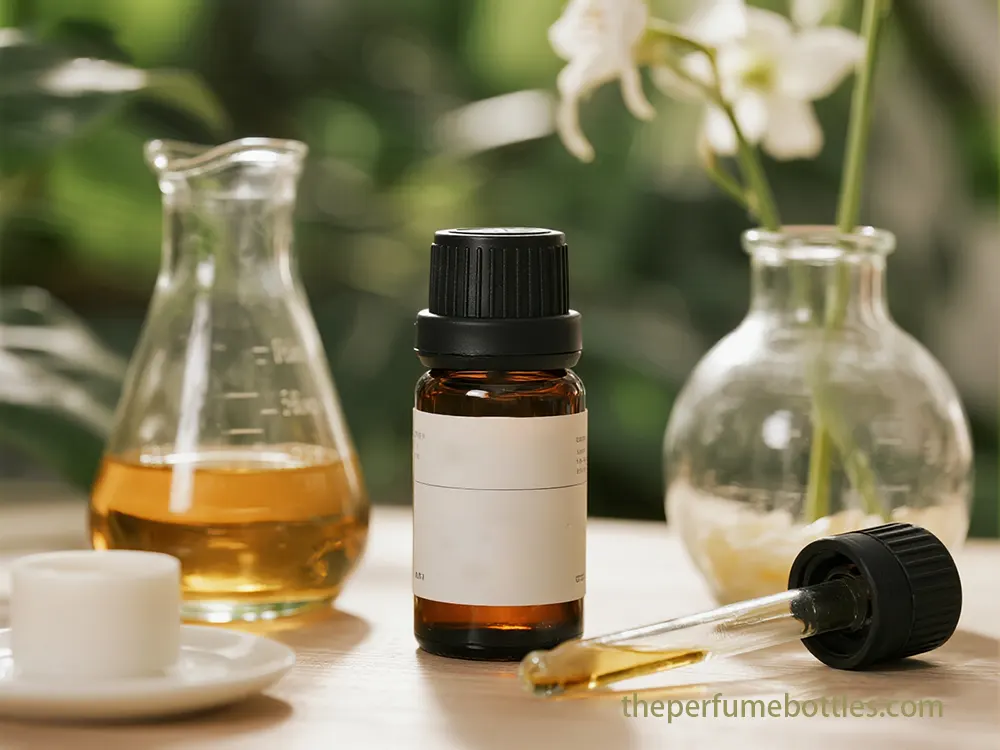
Light, especially UV, militarizes deterioration through photo-oxidation, damaging down scent molecules. Keeping perfumes in nontransparent containers or dark places lessens light direct exposure.
Temperature Fluctuations
Elevated temperatures speed up chemical reactions. Fluctuations can endanger seals, increasing oxygen access. Sped up security testing utilizes heat to replicate aging. A 10 ° C increase approximately increases the aging rate. Consistent, great temperature levels are best.
Moisture
Moisture introduces water, advertising hydrolysis. High moisture or water call impacts stability, especially with jeopardized seals. Preventing excessively moist atmospheres is recommended.
Influence of Container Layout and Usage
Container layout and usage influence direct exposure to destruction aspects, specifically oxygen.
Bottle Type: Atomizer vs. Dash
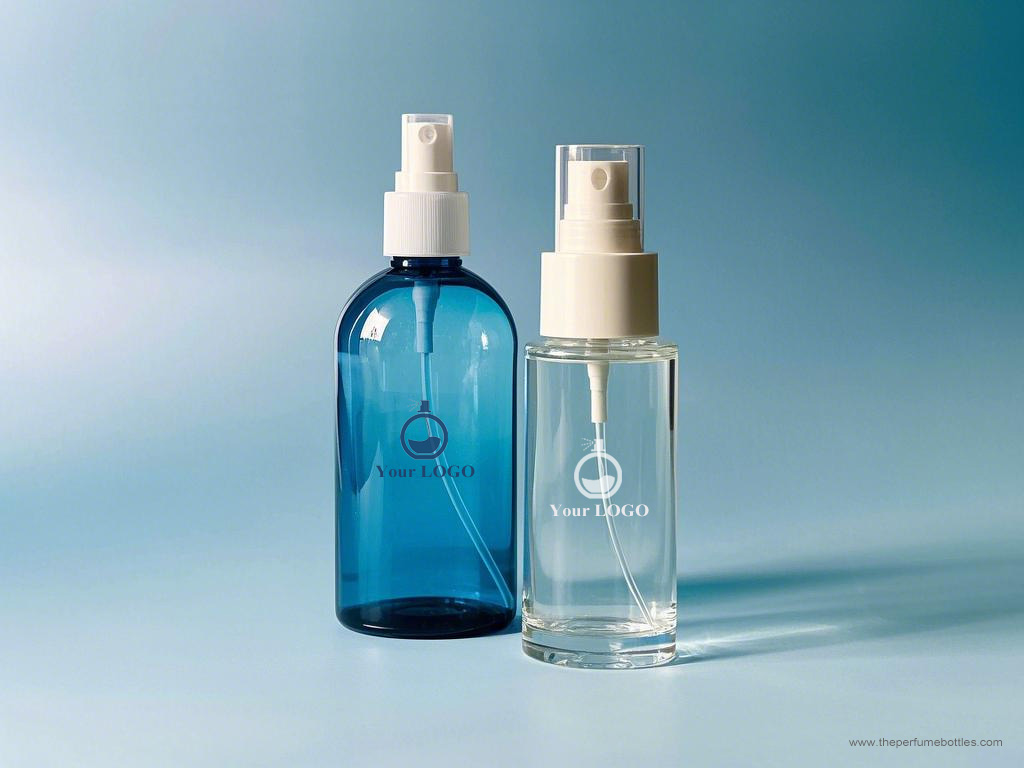
Atomizers limit air entry better than splash bottles, which subject the whole fluid surface to air, helping with evaporation and oxidation. Atomizers introduce less air per use, though liquid in the sprayer/dip tube can weaken over time, causing preliminary sprays to scent various.
Opened Up vs. Unopened Bottles
Unopened, secured bottles supply ideal protection against oxygen and evaporation. Opening introduces air into the headspace, and subsequent use of atomizers enhances air exposure, increasing oxidation. Snugly securing containers decreases air exposure.
Container Product
Glass is favored as it’s inert and does not react with or leach right into the perfume. Plastic can seep chemicals and be absorptive to oxygen, increasing oxidation.
Headspace Composition and Dissipation
The headspace (air over the liquid) contains oxygen, crucial for oxidative stability. With use, headspace volume boosts, boosting liquid-oxygen call. Dissipation right into the headspace, especially with inadequate seals or splash containers, alters the fragrance balance.

Get Free Samples
Identifying Perfume Degradation
Destruction is determined by adjustments in fragrance, shade, and quality.
Modifications in Scent Profile
The key indication is altered fragrance:
- Loss of Top Notes: Unstable initial notes evaporate or break down first.
- Advancement of Off-Notes: Degradation items develop undesirable smells (e.g., sour/vinegary from aldehyde oxidation).
- Transformed General Profile: Equilibrium shifts as elements degrade at various prices.
Sensory examination and analytical strategies associate chemical adjustments with viewed scent.
Adjustments in Color
Color adjustments occur because of tinted destruction products or ingredient oxidation (e.g., vanillin dimming).
Adjustments in Clearness and Consistency
Degraded perfumes might come to be over cast or form speeds up.
Analytical Identification of Degradation Products
Techniques like GC-MS, HPLC, DART-MS, and E-Nose recognize chemical modifications, destruction items, and track compound depletion, associating them with sensory modifications.

Get Free Samples
Strategies for Optimizing Fragrance Lifespan
Correct storage space and dealing with reduce deterioration factors.
Optimum Storage Problems
Shop perfumes in an amazing, dark location with stable temperature level and humidity. Avoid temperature level variations (restrooms, near warm resources). Refrigeration can aid. Avoid direct light. Shop in original packaging or a dark closet. Avoid excessive humidity.
Decreasing Air Exposure
Oxygen drives oxidation. Reduce air exposure:
- Maintain Bottles Tightly Sealed: Fasten caps after usage.
- Shop Upright: Reduces fluid surface exposed to headspace air.
- Lessen “Air Time”: Fast when utilizing splash bottles; decant if required.
Product packaging Considerations
Initial packaging usually protects from light and environment. Nontransparent bottles provide much better light security.
Handling and Usage
- Stay Clear Of Shaking: Can present air bubbles.
- Preliminary Sprays: Spray a few times after disuse to clear degraded liquid from the sprayer/dip tube.
Carrying out these strategies reduces destruction, maintaining fragrance and high quality. While not uncertain, proper treatment prolongs usable life.
Comments
Product Categories
Hot Sale Bottles

The Art of Protection: Crafting the Ideal Amber Bottle with Dropper for Cosmetics
Amber bottle with dropper combine elegant design, UV protection, child safety, and precise dosing

Case Study: Custom Amber Dropper Bottles for a UK Client
Explore our custom amber dropper bottles case study for a UK client—perfect for B2B bulk orders and premium cosmetic or essential oil packaging.

The Ultimate Guide to Customization in Beauty Packaging
In the competitive world of beauty products, customization in beauty packaging is a game-changer.

Choosing the Right Glass Dropper Bottles Supplier: Why It Matters More Than Price
Learn how to choose the right glass dropper bottles supplier by focusing on quality, compliance, supply stability, and sustainability beyond just cost.

The Future of Earth-Friendly Essential Oil Roller Bottles
Eco-friendly essential oil roller bottle: trends, recycled glass, plant plastics, and strategies for brands to
- +86 186 5178 1159
- [email protected]
- Mon-Sun 07:00-21:00
Tags

Plastic vs Stainless Steel Roller Balls: Best Choice for Glass Roller Bottles
Plastic vs stainless steel roller balls—compare flow, hygiene, and durability to choose the best roller ball material for glass roll-on bottles.

Case Study: How us Helped Glass Dropper Bottles Distributor to Custom New Products
Glass dropper bottles distributor from the U.S. partnered with us to create custom cosmetic bottles with precise design, stable quality, and bulk production.

Top Customization Options Offered by Leading Glass Perfume Bottles Dealers
Explore the top customization options from a leading glass perfume bottles dealer. Learn how us provides unique molds, colors, and finishes for luxury brands.

Case Study: From Glass Roller Bottles Dealer Issues to Stable Factory Supply
Glass roller bottles dealer issues led a Spanish oil factory to us for leak-proof custom roller bottles with precise fit, stable quality, and bulk supply.