
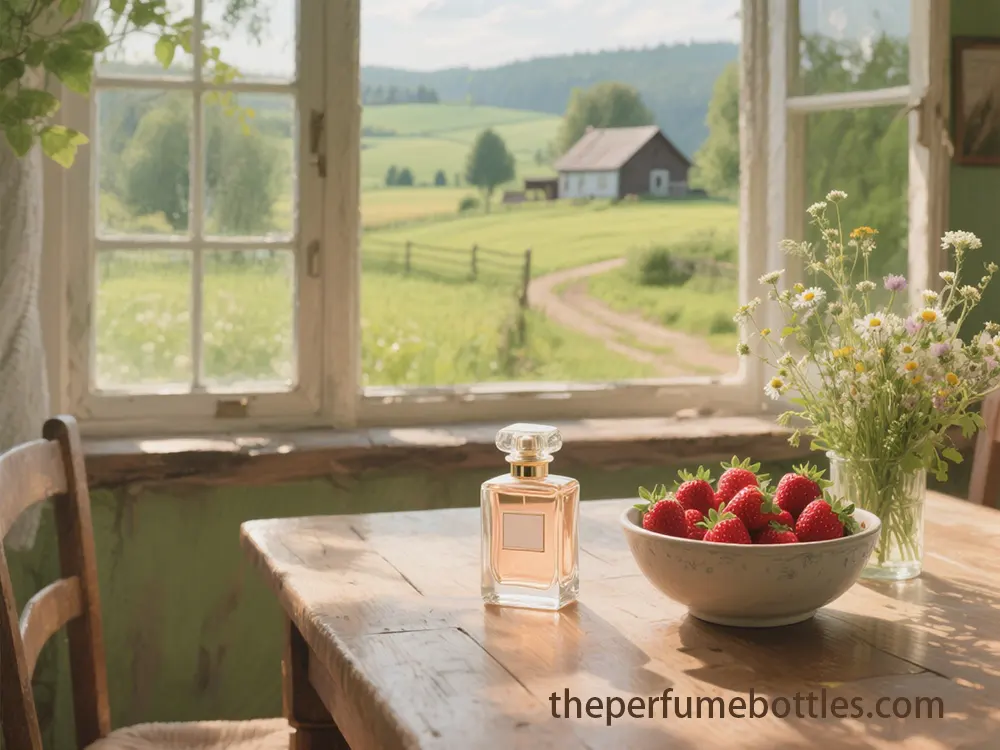
Perfume Bottles Bulk: Cost & Customization Strategy
Table of Contents
Strategic perfume bottles bulk orders balance aesthetics, function, and cost. The packaging is the reflection of the brand’s quality, and it is the very first point of contact with customers. By making educated choices about Vesseluxe packaging becomes less complicated with the assistance of this guide.
1. Understanding Your Brand's Vision
The selection of bottles corresponds to the brand’s market position, aesthetics, and identity.
1.1. Defining Brand Identity and Aesthetic
The design of the bottle is decided by the brand identity:
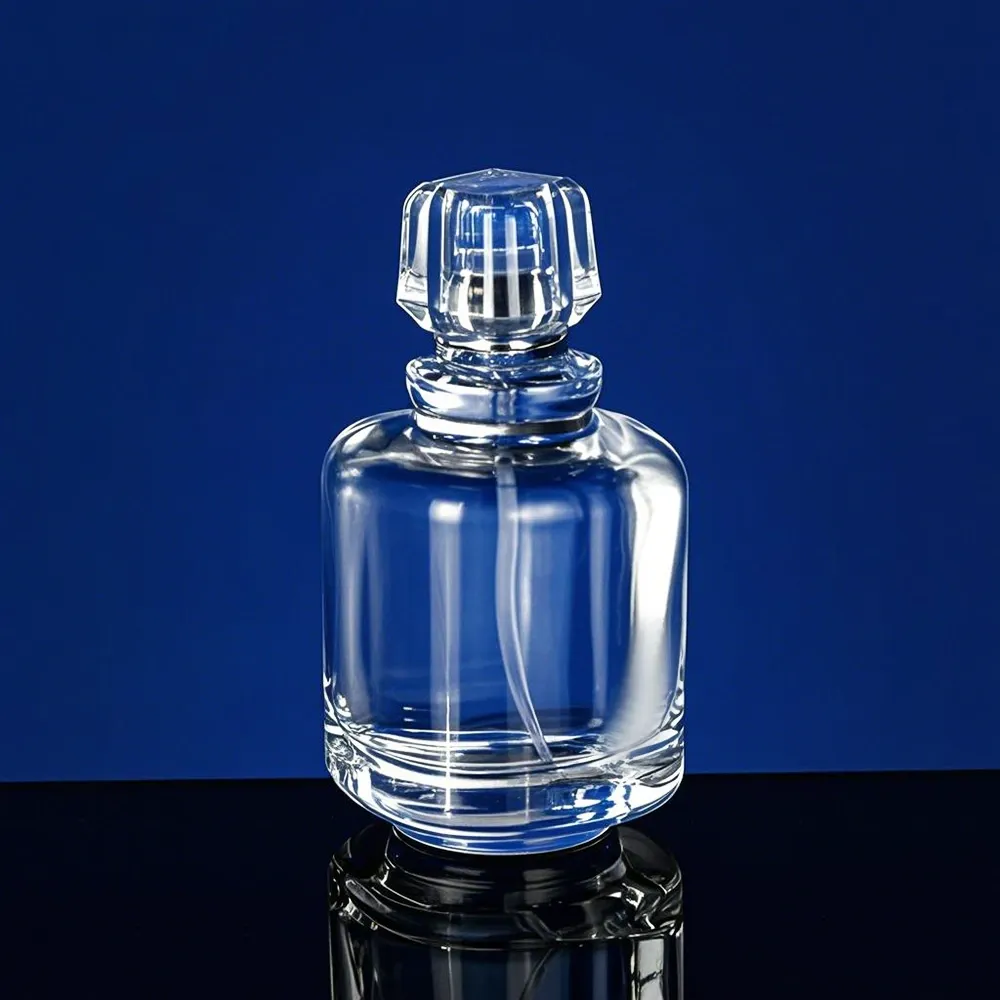
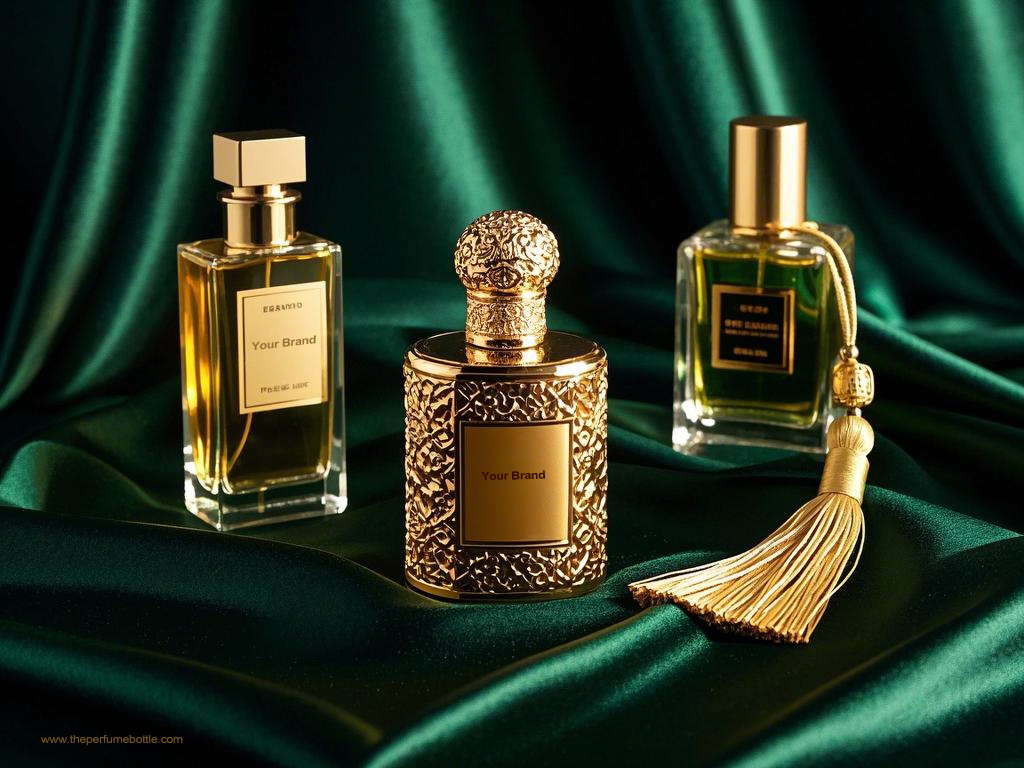
- Luxury: metallic accents, intricate embellishments, and heavy, clear glass are some of the features of luxury.
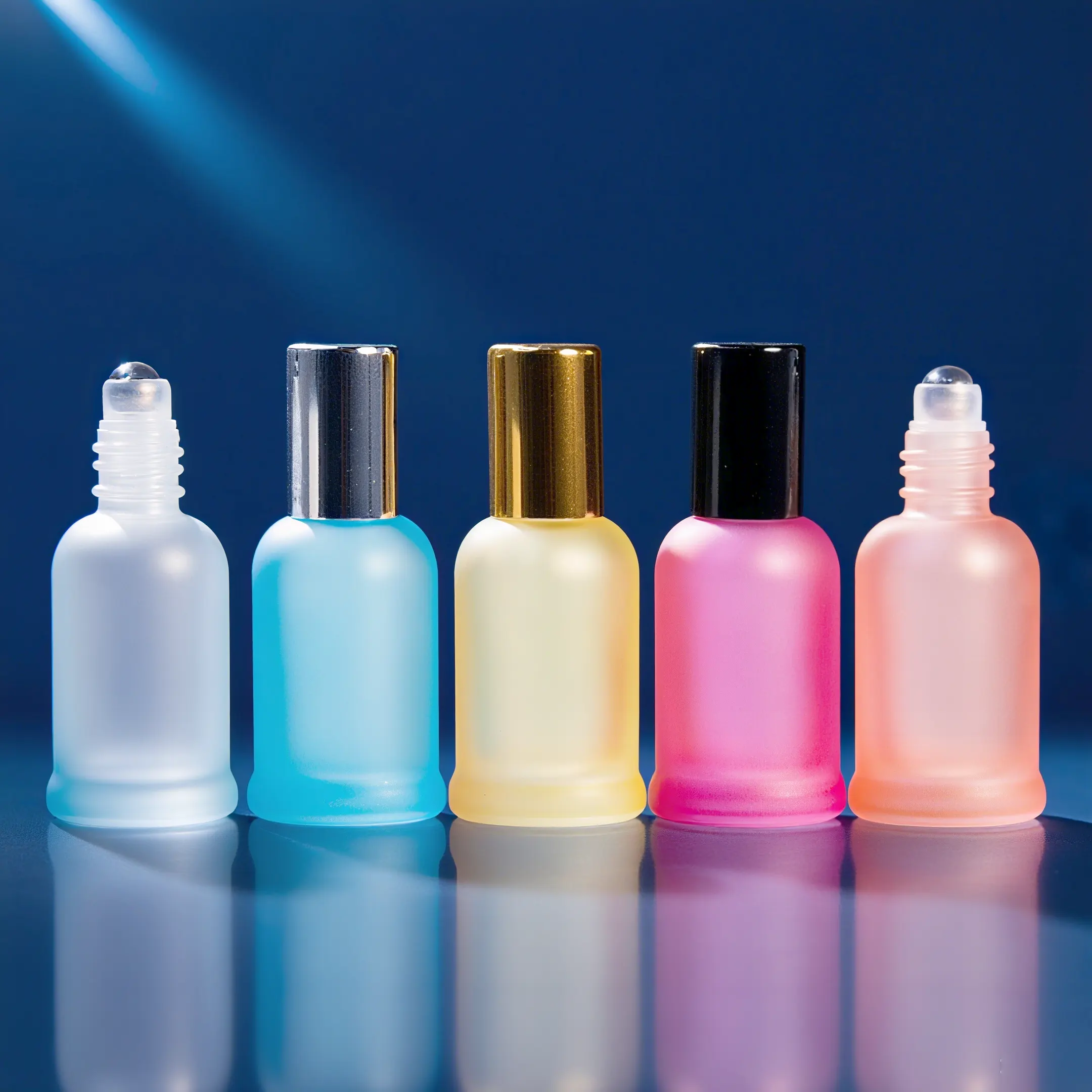
- Minimalist: frosted finishes, clean lines, sleek, and unadorned.
- Vintage: Antique stoppers, detailed forms.
- Modern and avant: Garde are characterized by innovative materials and unusual shapes.

Get Free Samples
1.2. Identifying Your Target Audience
The size, material, and design of the bottle are influenced by the demographic, psychographic, and usage factors of the audience.
1.3. Market Positioning and Competitive Differentiation
The perfume bottles are what people think of your brand. It is something that catches their eye. The bottle defines your brand: It is what makes your brand stand out from the rest. Your brand is what’s on the bottle.
- Premium: High, quality materials, unique design.
- Mass: Scalable, affordable design.
- Unique: Handcrafted, experimental design.
2. Formulation Compatibility and Functional Design
Implementation of fragrance compatibility and user experience optimization is essential for any type of content and delivery systems.
2.1. Material Selection and Chemical Compatibility
- Glass: A recyclable, luxurious and inert material. (UV protection, borosilicate and soda, lime). Heavy and fragile.
- Plastics (PET, PP, HDPE): Plastics like PET and PP and HDPE are really alternatives because they are cheaper. They also withstand impact well and are lightweight. When you have a product made of plastic you need to test it to see how well it keeps things from getting in or out which is called permeability. This is important to know for plastics like PET and PP and HDPE.
- Aluminium: strong, light and UV opaque. Can dent and react. Coatings can be used to improve the appearance or resistance of the material.
| Material Type | Advantages | Disadvantages | Typical Use Cases |
|---|---|---|---|
| Glass | Inert, luxurious, clarity, recyclable | Fragile, heavy, higher costs | Premium, long-term storage |
| PET | Lightweight, shatter-resistant, clarity | Permeable, less luxurious, scratches | Travel, body mists, mass-market |
| PP/HDPE | Durable, chemical resistance, opaque | Opaque, less luxurious, less rigid | Roll-ons, solid perfumes, industrial |
| Aluminum | Lightweight, opaque (UV), durable, recyclable | Can react, dents, limited transparency | Travel sprays, deodorants, niche |
2.2. Dispensing Systems and User Experience
Roll, ons, dabbers, and atomizers (crimp, screw) are most efficient in usage. Good quality pumps and closures prevent leaking.
2.3. Ergonomics and Durability
Bottles must be durable, attractive, and easy to work with. Consider strong caps, material thickness, weight, and shape.
3. Sizing and Cost Efficiency for Bulk Orders
Cost control and sizing have a major impact on profitability.

Get Free Samples
3.1. Optimal Volume Determination
We have bottles that come in sizes like 10 ml, 30 ml 50 ml and 100 ml. These are the sizes that you usually see. The volume of a bottle is really influenced by the type of product it’s how much of it people usually use and what is popular, in the market. The product type, consumer consumption and market trends all play a role in deciding the volume of the bottles like the 10 ml, 30 ml 50 ml and 100 ml bottles.
3.2. Unit Cost Management and Economies of Scale
When you buy things in bulk it costs less for each item. You can get a deal if you buy the minimum amount that the supplier requires. Making a mold to create a product is expensive, at first. When you work with suppliers you should think about the cost of owning something, which is called the Total Cost of Ownership.
3.3. Supply Chain Logistics and Inventory Optimization
Prepare a lead time schedule. Lower your freight charges. Manage your storage. Implement strict quality control (QC).
4. Enhancing Appeal Through Customization and Decoration
Simple bottles can be transformed into distinguished brand tokens of a brand when they are customized.
4.1. Aesthetic Customization Techniques
Some of the techniques include screen printing, hot stamping, coating, frosting, decal application, laser engraving, and pad printing.
4.2. Closure and Cap Design
Caps contribute to both the look and the working of the product. Surlyn, metal, wood, and plastic are the materials. The colors and the shapes (e.g., magnetic) may differ.
4.3. Secondary Packaging Integration
Labels, inserts, and outer cartons not only beautify the bottle but also help in branding and protect the product.

Get Free Samples
5. Sustainable Sourcing and Environmental Impact
Impact Customer loyalty and brand reputation are being maintained through very sustainable practices.
5.1. Eco-Friendly Material Choices
- Recycled Content: PCR Glass, PCR Plastics.
- Bio-based Plastics: From renewable resources.
- Lightweighting: Reduces material, shipping weight.
- Refillable Options: Encourage reuse.
5.2. Design for Circularity and End-of-Life
Design Adopt a circular economy:
- Recyclability: Simple component removal and single material packaging.
- Reusability: In addition to refills.
- Compostability and biodegradability: For the second layer of packaging.
5.3. Certifications and Ethical Sourcing
Ensure openness:
- Environmental Certifications: FSC, ISO 14001, and Cradle to Cradle.
- Supplier audits: Monitor labor conditions and environmental practices.
- Life Cycle Assessment (LCA): Know and lessen the impact on nature.
Comments
Product Categories
Hot Sale Bottles

Best Mini Perfume Bottles Wholesale Deals Guide
Explore a practical guide to choosing mini perfume bottles wholesale, helping brands improve packaging, branding, and customer experience.
Case Study: Custom Cream Jars Packaging for a UK Brand
Read how our cream jars packaging helped a UK skincare client create elegant, durable, and customized cosmetic packaging solutions.
Case Study: Glass Dropper Bottles Factory Supporting a Oil Brand
Explore how a glass dropper bottles factory supported a healing oil brand with custom design, precision filling compatibility, and scalable supply.
Case Study: Custom 10ml Amber Glass Roll On Bottles for a French Brand
Explore how our custom 10ml amber glass roll on bottles supported a French brand with UV protection, branding, and scalable manufacturing.
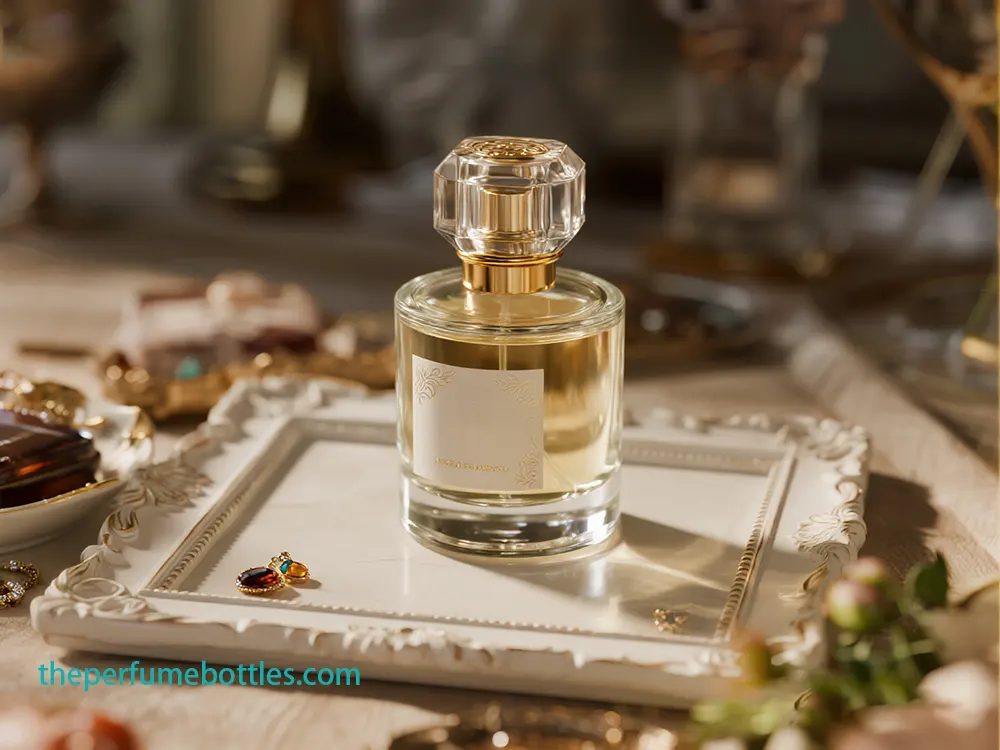
How Custom Perfume Bottles Manufacturers Stand Out
Discover how custom perfume bottles manufacturers combine innovative design, precision engineering, and OEM production for fragrance brands.
- +86 186 5178 1159
- [email protected]
- Mon-Sun 07:00-21:00
Tags

Case Study: How a Glass Lotion Bottle Supplier Fixed Pump Issues for Germany
See how a glass lotion bottle supplier solved pump problems for a German skincare brand with matched components, precise neck tolerances, and testing.
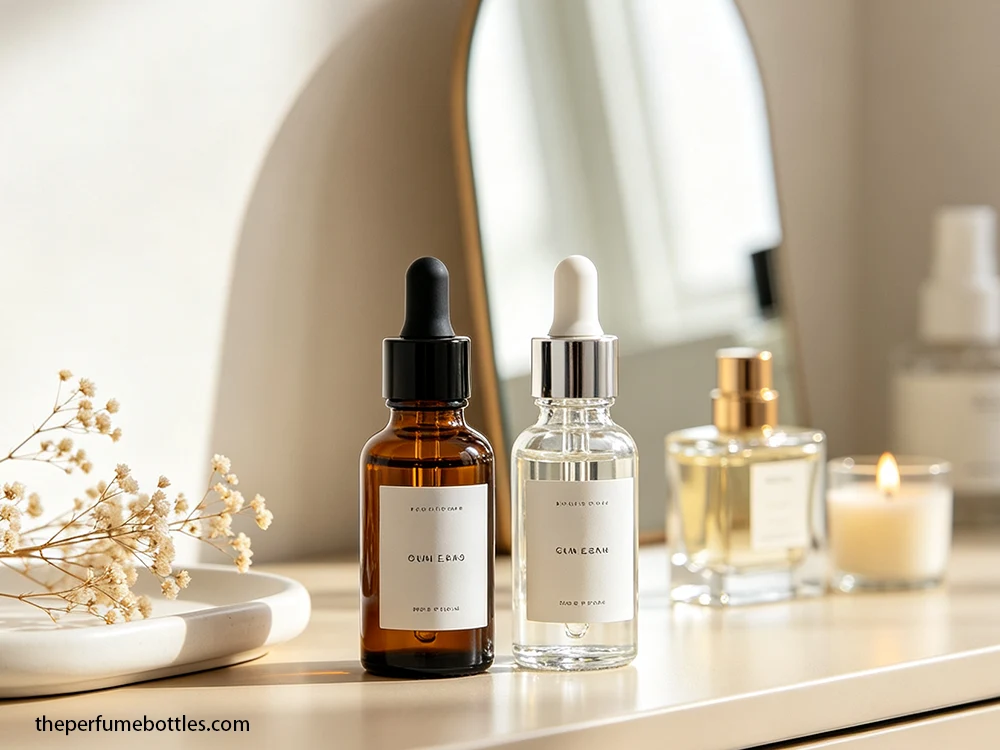
How a Dropper Bottle Wholesaler Supports Custom Packaging?
See how a dropper bottle wholesaler supports custom packaging through bottle design, components, MOQ, QC, decoration, and bulk supply.
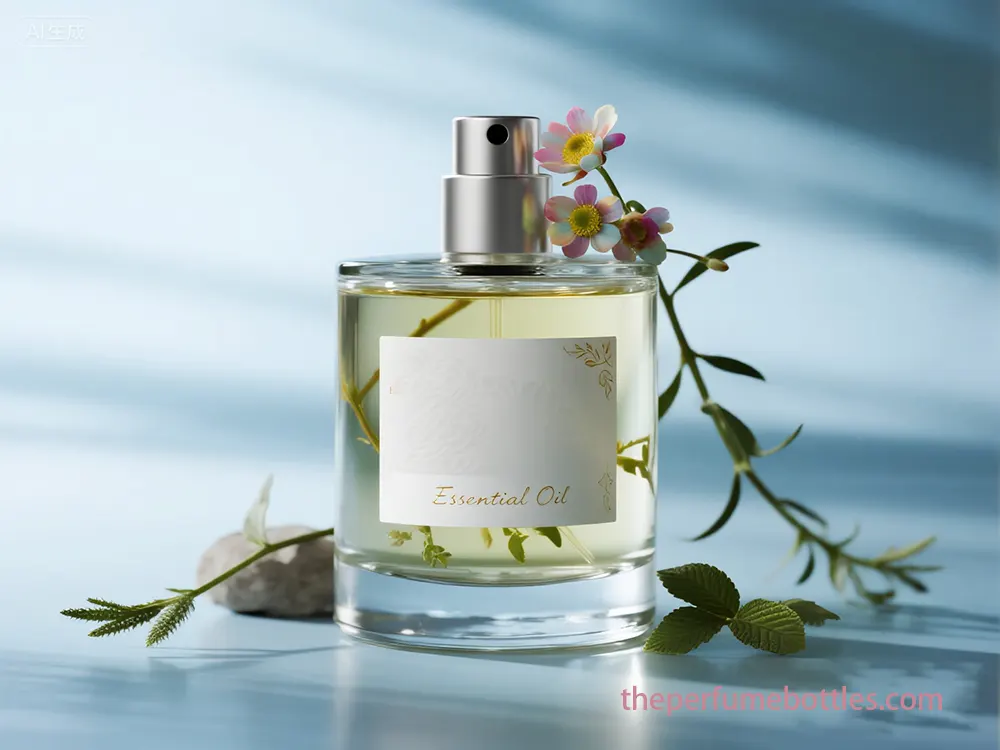
Top Design Trends for Custom Aromatherapy Oil Bottles
Learn how aromatherapy oil bottles trends range from minimalist to luxury designs, supporting brand storytelling and premium positioning.
Top Custom Beauty Packaging Trends Shaping the Industry
In the competitive world of beauty products, customization in beauty packaging is a game-changer.


